
Introduction
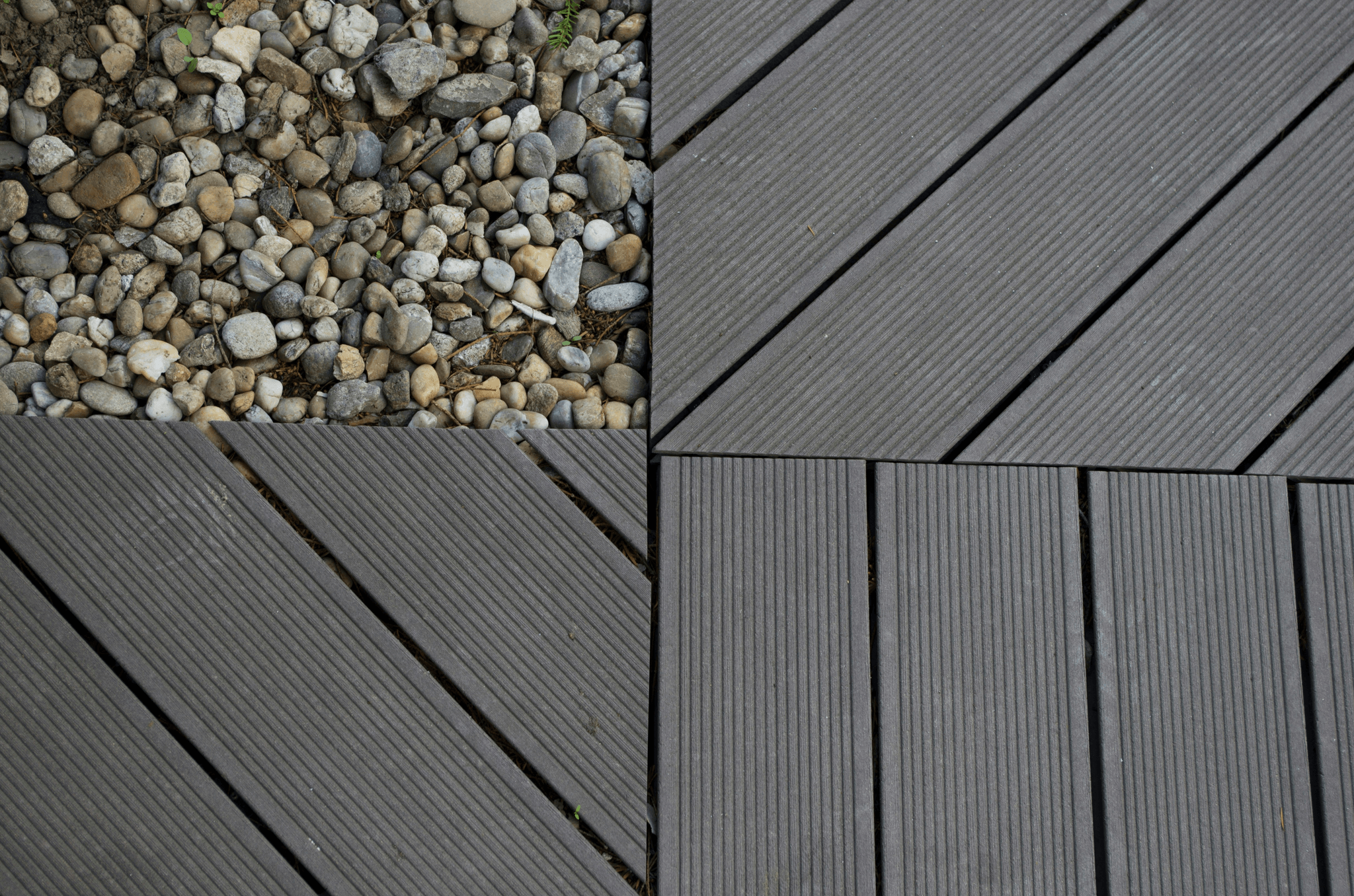
Understanding Garden Decking Materials
Garden decking materials come in various forms, each offering distinct advantages and characteristics. From the timeless charm of wood decking to the modern appeal of aluminium decking, there’s something for every taste and budget. Familiarizing yourself with these options will help you select the perfect material that suits your lifestyle and enhances your outdoor experience.
Why Choose the Right Decking?
Selecting the right garden decking materials is crucial because it impacts not only the look of your space but also its durability and maintenance needs. The wrong choice could lead to frequent repairs or replacements, costing you time and money in the long run. By investing in quality materials like composite or PVC decking, you can ensure longevity while enjoying all that outdoor living has to offer.
Overview of Popular Decking Types
In today’s market, wood decking remains a classic favorite due to its natural beauty and warmth. However, composite decking has gained popularity for its low maintenance requirements and eco-friendly properties. Additionally, PVC and aluminium decking are becoming increasingly sought after for their durability and versatility in design—making them worthy contenders in any garden setting.
Wood Decking
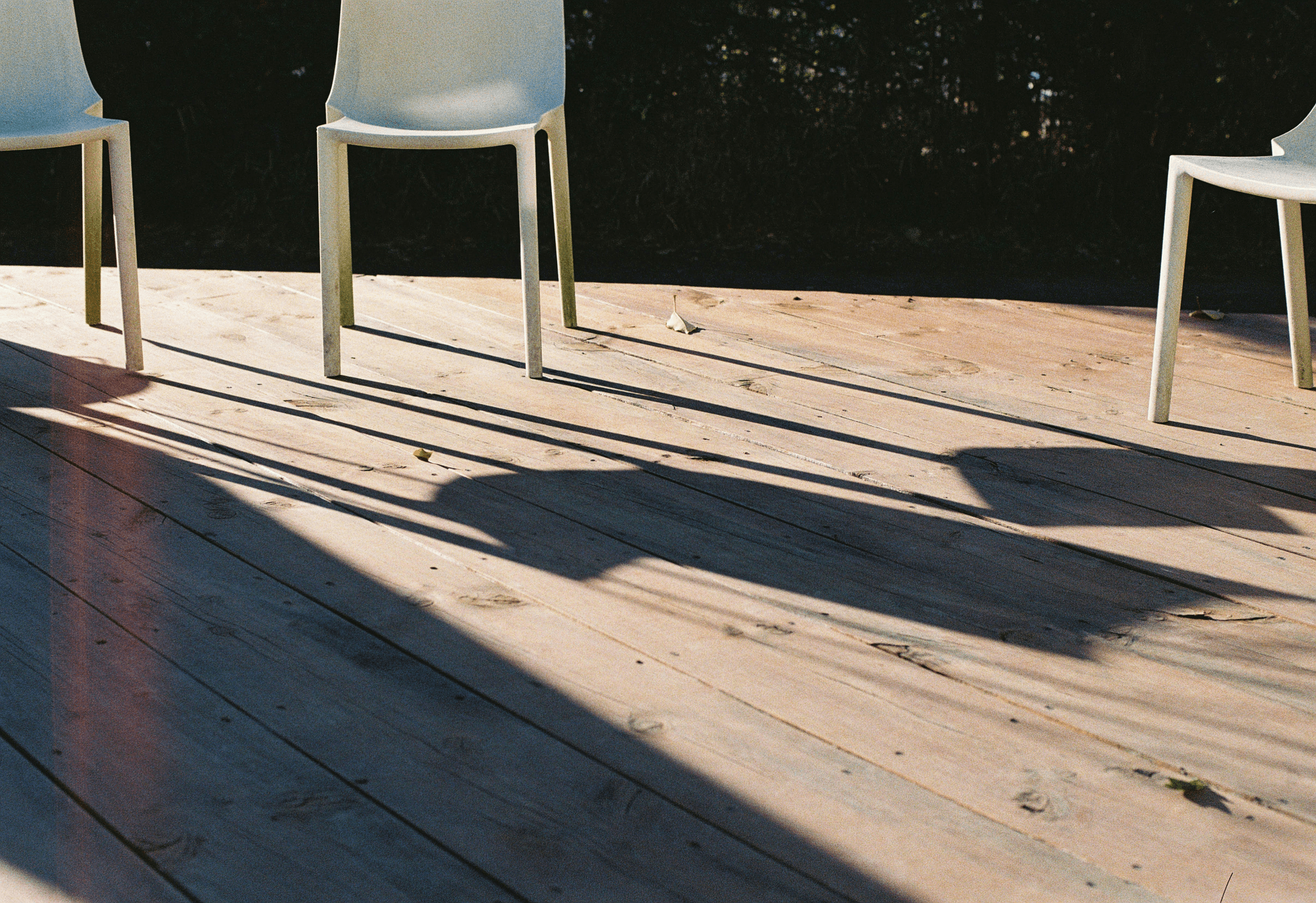
Wood decking has a timeless charm that continues to capture the hearts of homeowners and outdoor enthusiasts alike. The natural beauty of timber brings warmth and character to any garden space, making it a popular choice among various garden decking materials. With its versatility in design and finish, wood decking can easily complement any architectural style or landscape.
Classic Appeal of Timber
The classic appeal of timber lies in its rich textures and organic feel, which create an inviting atmosphere for outdoor gatherings. When you step onto a wooden deck, the warmth underfoot and the earthy scent evoke a sense of connection with nature that synthetic options often lack. Whether you prefer the rustic look of cedar or the elegance of mahogany, wood decking offers a range of choices to suit your aesthetic preferences.
Pros and Cons of Wood
While wood decking is undoubtedly beautiful, it comes with its own set of pros and cons that every homeowner should consider. On one hand, wood provides excellent strength and durability; it's capable of supporting heavy furniture and foot traffic without issue. However, it requires regular maintenance—like staining or sealing—to protect against moisture damage, fading, and pests like termites, which can be significant drawbacks compared to composite decking or PVC decking.
Maintenance Tips for Longevity
To ensure your wood decking stands the test of time, regular maintenance is essential—think cleaning, sealing, and occasional repairs. Start by sweeping off debris regularly to prevent mold growth; then wash your deck with a mild cleaner at least once a year to keep it looking fresh. Finally, applying a protective sealant every few years will help guard against water damage while maintaining its stunning appearance—keeping your garden deck as gorgeous as ever!
Composite Decking
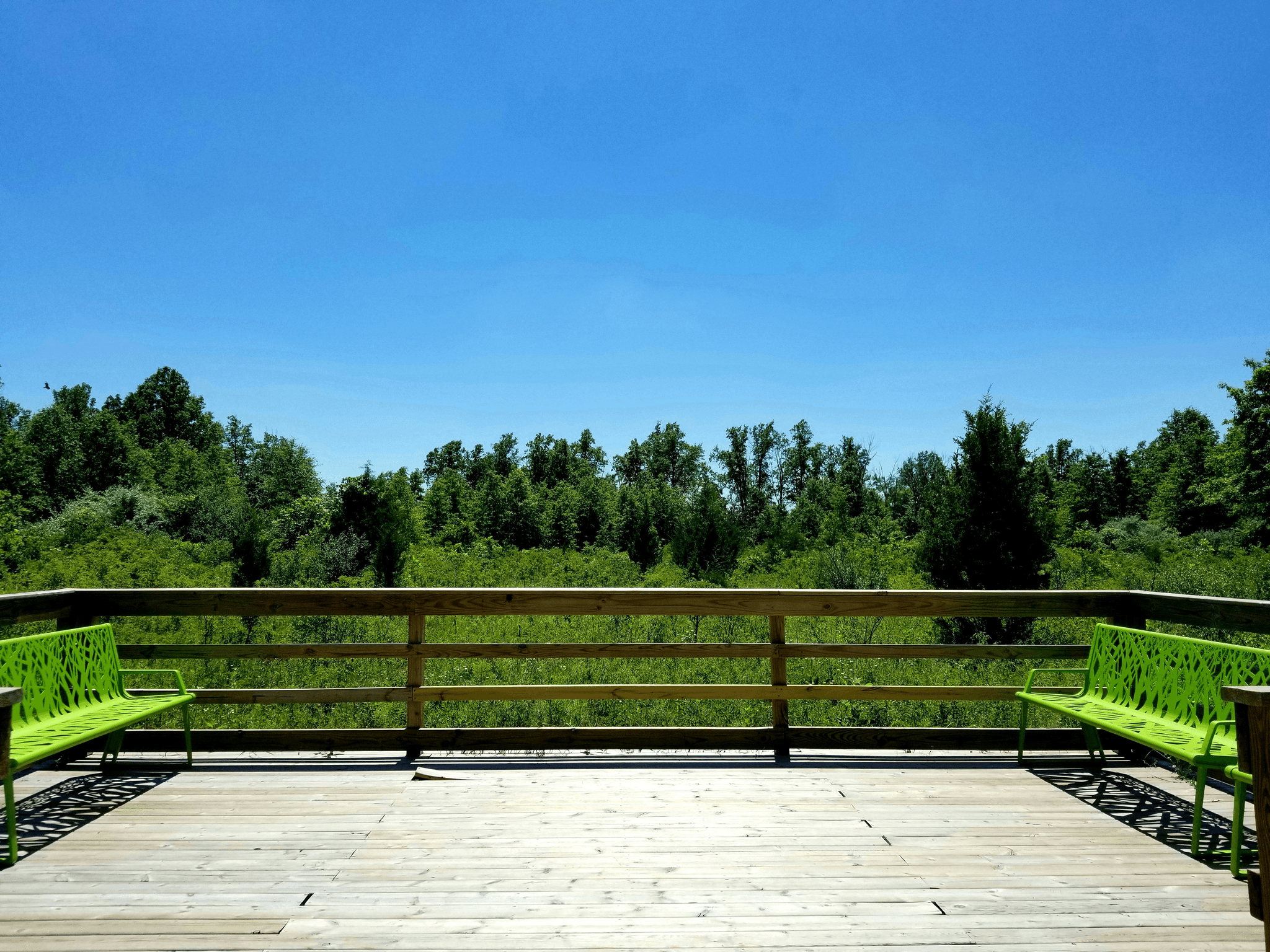
Composite decking has become a popular choice among homeowners looking to enhance their outdoor spaces. This innovative material combines the best features of wood and plastic, resulting in a durable and low-maintenance option for garden decking materials. With its growing popularity, it’s essential to understand the unique benefits that composite decking offers.
Benefits of Composite Decking
One of the standout benefits of composite decking is its impressive durability. Unlike traditional wood decking, which can warp, splinter, or rot over time, composite materials are designed to withstand the elements without losing their charm. Additionally, composite decking requires minimal maintenance—no need for sanding or staining—making it an attractive option for busy homeowners who still want a beautiful outdoor space.
Another advantage is the aesthetic appeal that composite decking brings to your garden. Available in various colors and textures, it can mimic the look of natural wood without the associated drawbacks. Plus, with its fade-resistant properties, you can enjoy vibrant hues season after season without worrying about discoloration.
Lastly, composite decking is resistant to pests like termites and insects that often plague traditional wood options. This means fewer headaches and repairs down the line as you enjoy your outdoor oasis with family and friends.
Why Composite Decking Inc Stands Out
Their products are made from high-quality recycled materials that not only ensure durability but also promote sustainability—an important factor for many eco-conscious consumers today. With a reputation built on innovation and customer satisfaction, they offer an extensive range of styles that cater to diverse design preferences.
What sets Composite Decking Inc apart is their commitment to performance; their boards resist fading and staining better than many competitors on the market today. This means you’ll spend less time worrying about upkeep and more time enjoying your beautifully crafted deck in all seasons. Furthermore, they provide excellent warranties on their products—a testament to their confidence in quality craftsmanship.
Their user-friendly installation guides make it easy even for DIY enthusiasts to achieve professional-looking results without breaking a sweat! Whether you're opting for sleek modern lines or classic rustic charm in your garden deck setup, Composite Decking Inc has something tailored just for you.
Eco-Friendly Aspects of Composite
In today's world where environmental concerns are at an all-time high, selecting eco-friendly garden decking materials has never been more critical—and this is where composite shines! Made primarily from recycled wood fibers and plastic components, composite decking significantly reduces waste compared to traditional wood sourcing methods which often lead to deforestation issues.
By opting for composite materials over conventional wood decking or PVC decking alternatives—which may be derived from non-renewable resources—you’re making a positive impact on our planet while enhancing your outdoor living space! Furthermore, many manufacturers prioritize sustainable practices throughout production processes ensuring minimal carbon footprints associated with creating these stylish decks.
Ultimately choosing composite not only elevates your home’s exterior aesthetics but also aligns with responsible consumer choices aimed at preserving nature's beauty—what’s not to love? So why not embrace both style AND sustainability when selecting your next garden deck?
PVC Decking
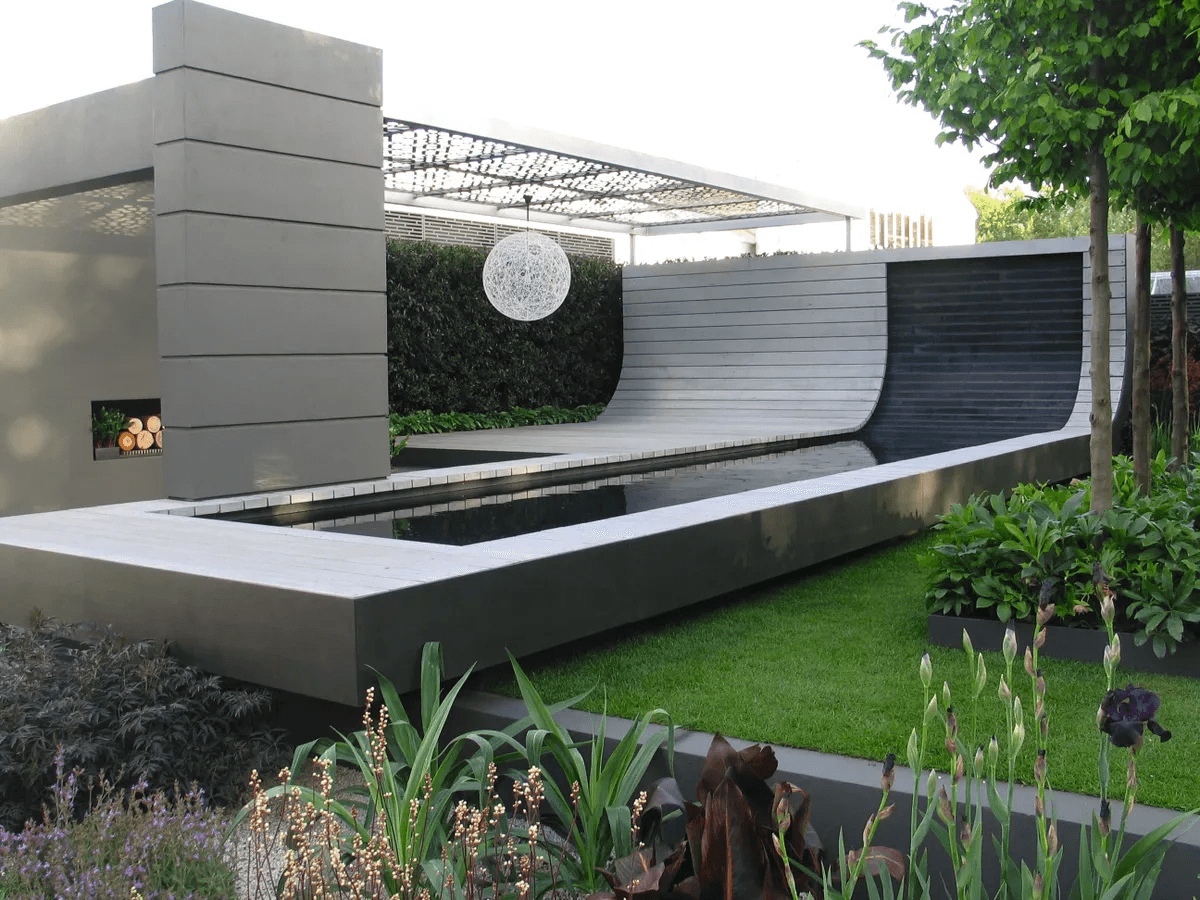
Advantages of PVC Materials
One of the standout advantages of PVC materials is their remarkable resistance to moisture and mold, making them ideal for damp climates or areas prone to rain. Unlike wood decking that can rot over time, PVC decking remains impervious to water damage, ensuring your deck stays pristine year after year. Additionally, these materials are highly resistant to fading from UV exposure, so you can enjoy vibrant colors without worrying about them dulling in the sun.
Visual and Functional Versatility
PVC decking offers impressive visual and functional versatility that allows homeowners to customize their outdoor spaces effortlessly. With a variety of colors and textures available, you can easily mimic the look of wood decking while enjoying all the benefits of synthetic materials. This flexibility means you can create a stylish deck that complements your garden's aesthetic while also being practical for entertaining guests or relaxing on sunny days.
Cost-Effectiveness and Durability
When evaluating garden decking materials like PVC against wood decking or aluminium decking, cost-effectiveness becomes a crucial factor. While the initial investment might be slightly higher than some options, such as traditional wood or even composite decking, the long-term savings on maintenance and replacement make it worthwhile. With its durability ensuring resistance against wear and tear, you’ll find that investing in PVC translates into fewer headaches—and expenses—down the line.
Aluminium Decking
Aluminium decking is rapidly gaining popularity among homeowners looking for a sleek and modern outdoor space. This innovative material provides a contemporary aesthetic that complements various architectural styles, making it a perfect choice for those who want to elevate their garden's design. With its unique properties, aluminium decking stands out in the diverse world of garden decking materials.
Modern Look with Aluminium
One of the most appealing aspects of aluminium decking is its modern look, which can transform any outdoor area into a stylish retreat. Available in numerous colors and finishes, it allows homeowners to customize their deck to suit personal tastes and preferences. Unlike traditional wood decking or even composite decking options, aluminium brings an edgy sophistication that can make your garden feel like an extension of your living space.
Resistance to Weather and Insects
When considering garden decking materials, durability is key—and aluminium doesn't disappoint in this department. Its inherent resistance to weather conditions means that it won't warp or crack under the pressure of rain or intense sunlight, unlike wood decking that requires regular maintenance. Additionally, aluminium's non-porous surface makes it impervious to pests like termites and other insects that often plague wooden structures, ensuring your investment remains intact for years.
Weight and Installation Benefits
Another significant advantage of aluminium decking is its lightweight nature, which simplifies installation compared to heavier materials such as wood or PVC decking. This characteristic not only reduces labor costs but also makes it easier for DIY enthusiasts to tackle their own projects without requiring extensive help or specialized tools. Furthermore, the ease of installation means you can enjoy your new deck sooner rather than later—what’s not to love about that?
Comparing Decking Options
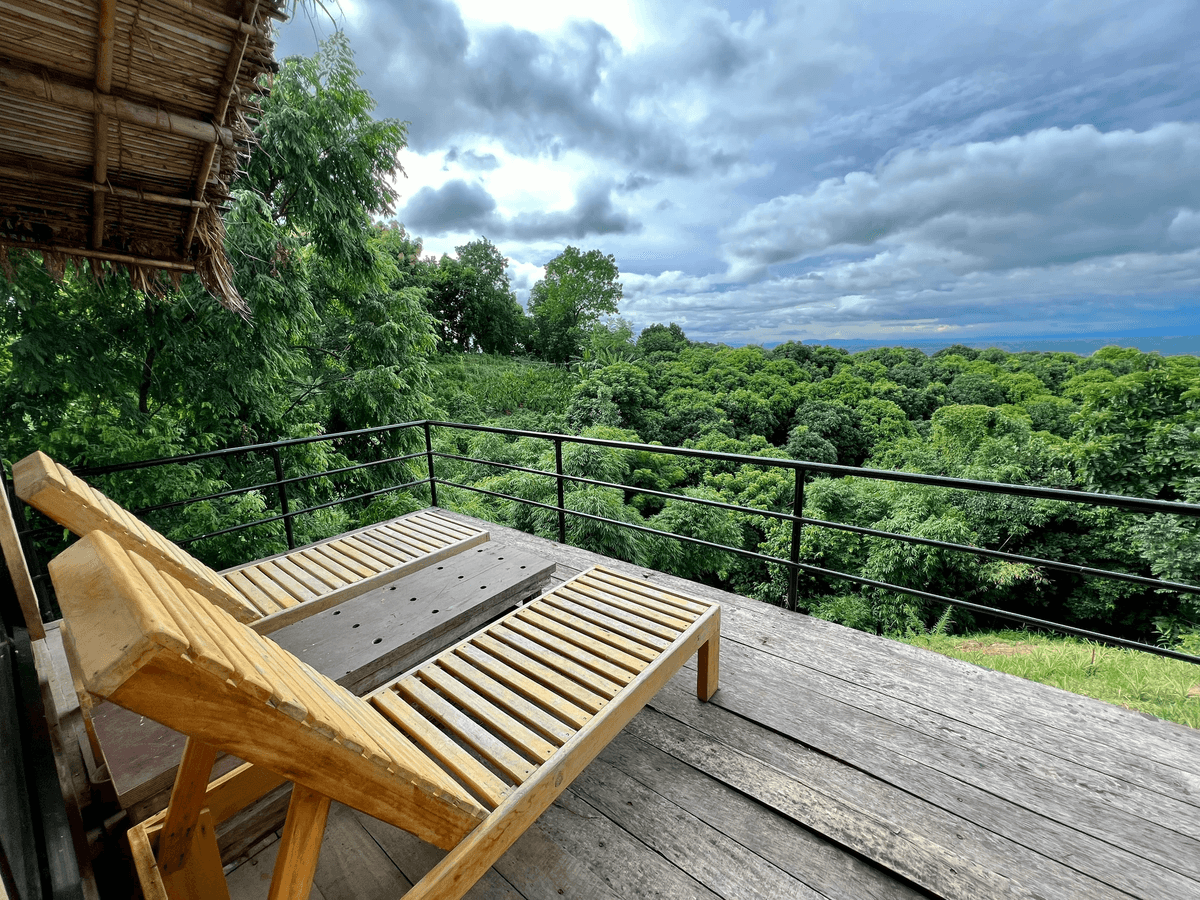
Each type of decking—wood, composite, PVC, and aluminium—has its own unique characteristics that can influence your decision. This comparison will help you navigate through the options to find the perfect fit for your outdoor space.
Cost Analysis of Each Material
Cost is often a deciding factor when selecting garden decking materials. Wood decking typically has a lower initial cost but may require more frequent maintenance and repairs over time, adding to its overall expense. Composite decking generally sits in the mid-range price bracket but offers great durability and less upkeep; while aluminium decking tends to be on the higher end due to its modern look and longevity.
When comparing PVC decking, you'll find it can be a bit pricier than wood but offers excellent value due to its low maintenance needs and resistance to various elements. Ultimately, while wood may lure you in with its initial affordability, considering long-term costs with other materials like composite or PVC could save you money down the line. So think beyond just upfront costs; factor in future expenditures as well.
Lifespan and Maintenance Considerations
Lifespan varies significantly among garden decking materials, which is crucial for long-term planning. Wood decking can last around 10-15 years with proper care but requires regular staining or sealing to combat weathering and pests—think of it as your deck needing a spa day! On the other hand, composite decking boasts an impressive lifespan of 25-30 years without needing much more than an occasional wash.
PVC decking takes things up a notch with similar longevity; it's virtually impervious to rot or insect damage, meaning you can enjoy your outdoor oasis without constant worry about repairs. Aluminium decking shines here too—it’s incredibly durable and can last even longer than wood or composite options without any significant maintenance demands. Choosing a material that aligns with your lifestyle will make all the difference when it comes time for upkeep.
Aesthetic Appeal and Design Flexibility
Aesthetics play a huge role in selecting garden decking materials since they set the tone for your outdoor environment. Wood decking has that classic charm that many homeowners love; it brings warmth and natural beauty that few other materials can replicate—perfect for those who want their deck to feel like an extension of nature! However, if you're looking for something more contemporary or colorful, composite or PVC options come in various styles and finishes that mimic real wood without sacrificing durability.
Aluminium decking stands out with its sleek lines and modern appeal; it's ideal for creating a chic outdoor space that feels sophisticated yet inviting at the same time. The design flexibility offered by these newer materials allows homeowners to customize their decks according to personal taste while ensuring longevity—so you don’t have to compromise between style and substance! In this way, whether you lean towards rustic charm or modern elegance, there’s definitely a suitable option waiting for you.
Conclusion

In the realm of outdoor spaces, selecting the right garden decking materials can make or break your experience. From the classic allure of wood decking to the modern resilience of aluminium decking, each option offers unique benefits tailored to different lifestyles. Understanding these materials helps you create an inviting outdoor haven that complements your home and enhances your enjoyment.
Key Takeaways for Garden Decking
When considering garden decking materials, it's essential to weigh the pros and cons of each type. Wood decking provides a timeless aesthetic but requires regular maintenance, while composite decking offers durability with less upkeep. PVC and aluminium decking shine in terms of weather resistance and longevity, making them excellent choices for those seeking low-maintenance solutions.
Choosing the Best Option for You
Your choice among wood decking, composite decking, PVC decking, or aluminium decking should align with your personal preferences and lifestyle needs. If you cherish a traditional look and don’t mind some maintenance, wood may be your best bet; however, if sustainability is high on your list, composite could be ideal. Ultimately, consider factors like cost, aesthetics, and how much time you're willing to invest in upkeep before making a decision.
Embracing Outdoor Living with Quality Decking
Quality garden decking materials not only enhance the beauty of your outdoor space but also encourage you to spend more time enjoying nature’s wonders. Whether hosting summer barbecues on a sturdy wood deck or lounging on sleek PVC or aluminium surfaces by the poolside, investing in quality materials pays off in comfort and style. So go ahead—embrace outdoor living by choosing the perfect deck that reflects both your personality and practical needs!