
Introduction

When it comes to creating the perfect outdoor space, choosing the right decking option is crucial. With a plethora of choices available, from composite lumber decking to traditional wood options, homeowners often find themselves at a crossroads. Understanding the differences between these materials can make all the difference in crafting a beautiful and functional deck that suits your lifestyle.
Understanding Decking Options
Decking options have evolved significantly over the years, with composite or wood decking leading the charge in popularity. Composite decking, made from a blend of wood fibers and recycled plastics, offers an innovative alternative to natural wood. On the other hand, classic wood decking provides timeless beauty and warmth that many still cherish today.
Exploring Composite Versus Wood Decking
The debate between composite and wood decking often centers around aesthetics versus practicality. While composite lumber decking boasts durability and low maintenance needs, traditional wood brings unmatched visual appeal and customization potential. Each option has its merits; however, understanding how they align with your specific needs will guide you toward making an informed choice.
Key Considerations for Your Deck Choice
Before diving into your decking project, consider several key factors that will influence your final decision. Think about climate conditions in your area—will you need a weather-resistant solution like PVC decking or are you leaning towards the charm of natural wood? Additionally, weigh maintenance requirements against your lifestyle; if you're after a low maintenance deck that stands up to wear and tear effortlessly, synthetic decking might just be your best bet.
The Advantages of Composite Decking
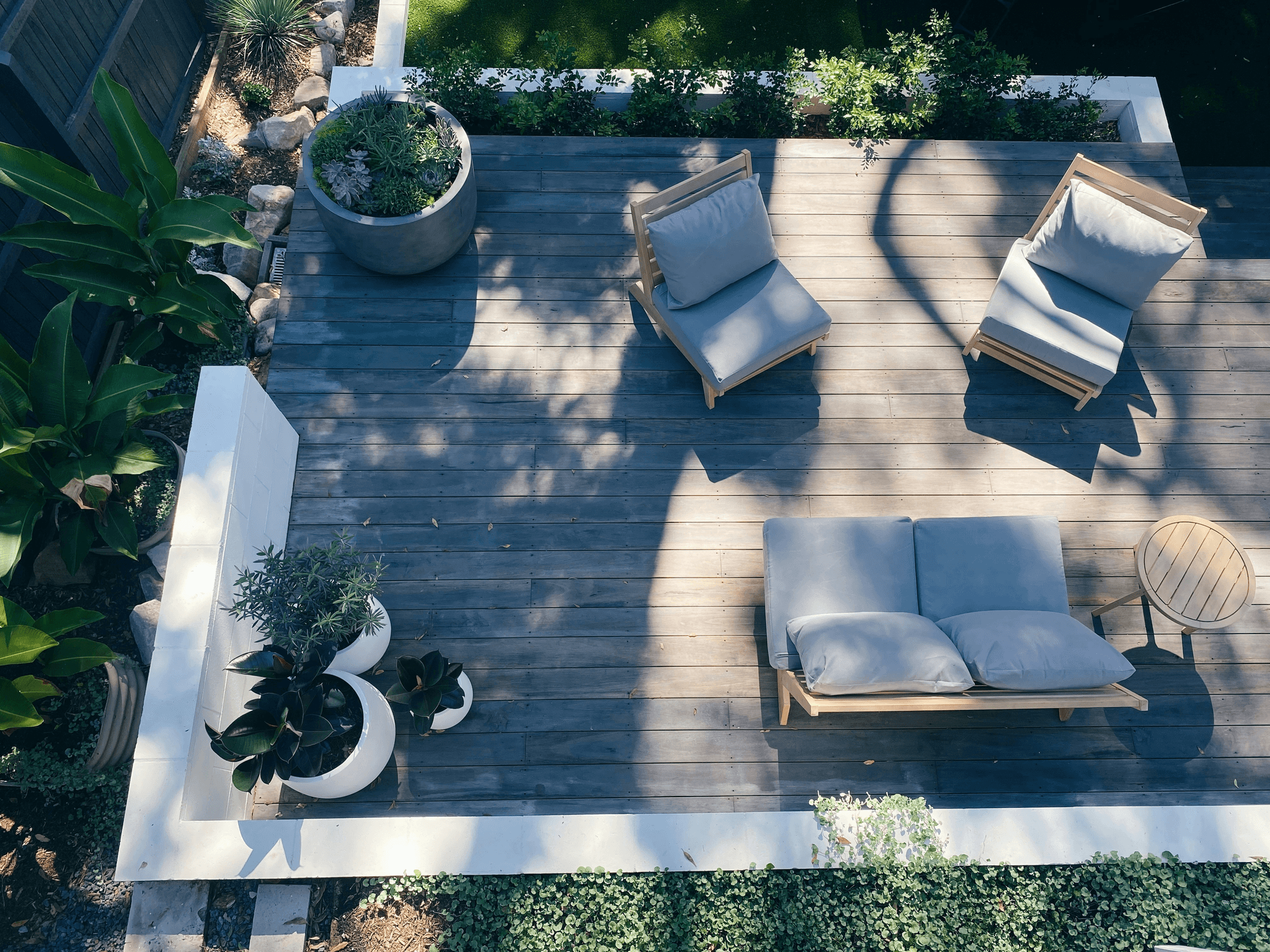
When it comes to decking options, composite lumber decking stands out for a multitude of reasons. Homeowners are increasingly turning to this innovative material, as it offers a blend of aesthetics and practicality that traditional wood simply can't match. From its remarkable durability to its eco-friendly credentials, composite decking is redefining outdoor spaces.
Durability and Longevity
One of the most compelling advantages of composite decking is its incredible durability and longevity. Unlike wood decking that can warp, splinter, or succumb to rot over time, composite materials are engineered to withstand the elements without losing their charm. This resilience means you won’t have to worry about frequent replacements or repairs, making it a wise choice for those seeking a long-lasting solution.
Low Maintenance Benefits
If you're tired of spending weekends sanding, staining, or sealing your deck, then a low maintenance deck made from composite materials might be just what you need. With synthetic decking, all you typically need is a simple wash with soap and water to keep it looking fresh and vibrant year after year. This ease of care frees up your time for more enjoyable activities—like lounging on your beautiful new deck!
Environmental Impact of Composite Materials
The environmental impact of composite materials is another significant advantage worth noting. Many manufacturers produce eco-friendly composite lumber decking from recycled plastics and wood fibers, reducing waste while promoting sustainability in construction practices. By choosing composite or wood decking alternatives like PVC decking or synthetic options, you're not just enhancing your outdoor space; you're also contributing positively to the planet's health.
The Allure of Wood Decking
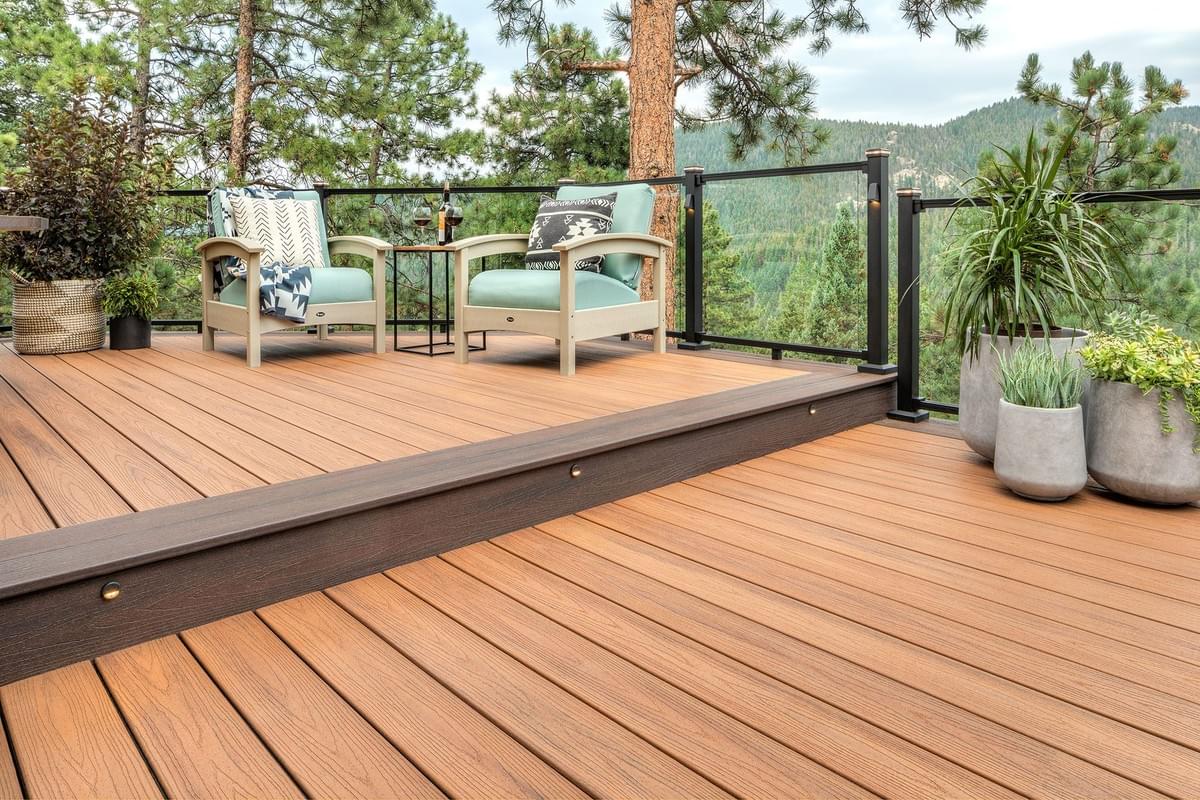
Natural Aesthetics and Warmth
One of the standout features of wood decking is its unparalleled aesthetic appeal. Unlike synthetic decking materials, the rich grains and textures found in natural wood create a unique charm that enhances any outdoor setting. Whether you prefer the rustic look of cedar or the sophistication of mahogany, wood offers a variety of styles that can complement your home’s architecture beautifully.
Moreover, the warmth of wooden decks invites people to gather and enjoy their surroundings. Unlike cold composite materials, wooden surfaces radiate comfort and familiarity, making them perfect for family gatherings or evening barbecues. This natural aesthetic not only elevates your outdoor space but also fosters an inviting atmosphere for friends and family.
Ease of Customization
Homeowners can easily stain or paint their wooden decks in any color they desire, allowing for endless design possibilities that align with personal tastes or seasonal themes. This flexibility makes it simple to change up your outdoor space without committing to a permanent look like you might with composite decking.
In addition to color choices, wood can be easily cut and shaped into various designs—think built-in benches or intricate railings—that can elevate your deck's functionality while still maintaining its classic appeal. If you’re looking for something unique that reflects your style, customizing a wooden deck is far more straightforward than modifying composite lumber decking options. Ultimately, this ease of customization ensures that every deck tells a story uniquely yours.
Traditional Appeal
The traditional appeal of wood decking cannot be overstated; it's been used for centuries as an essential component in outdoor spaces around the world. Many homeowners are drawn to this classic material because it embodies nostalgia and craftsmanship that modern synthetic options often lack. There's something special about walking barefoot on warm wooden boards during summer evenings—a tactile experience that's hard to replicate with low maintenance deck alternatives like PVC decking.
Furthermore, opting for wood connects us with nature in ways synthetic materials cannot achieve; the scent of fresh-cut timber evokes memories while adding an organic touch to our surroundings. While newer innovations in synthetic decking have made strides toward mimicking this feel, nothing quite matches the authenticity found in real hardwoods—making traditional wood an enduring favorite among many homeowners today.
Cost Analysis: Composite vs Wood
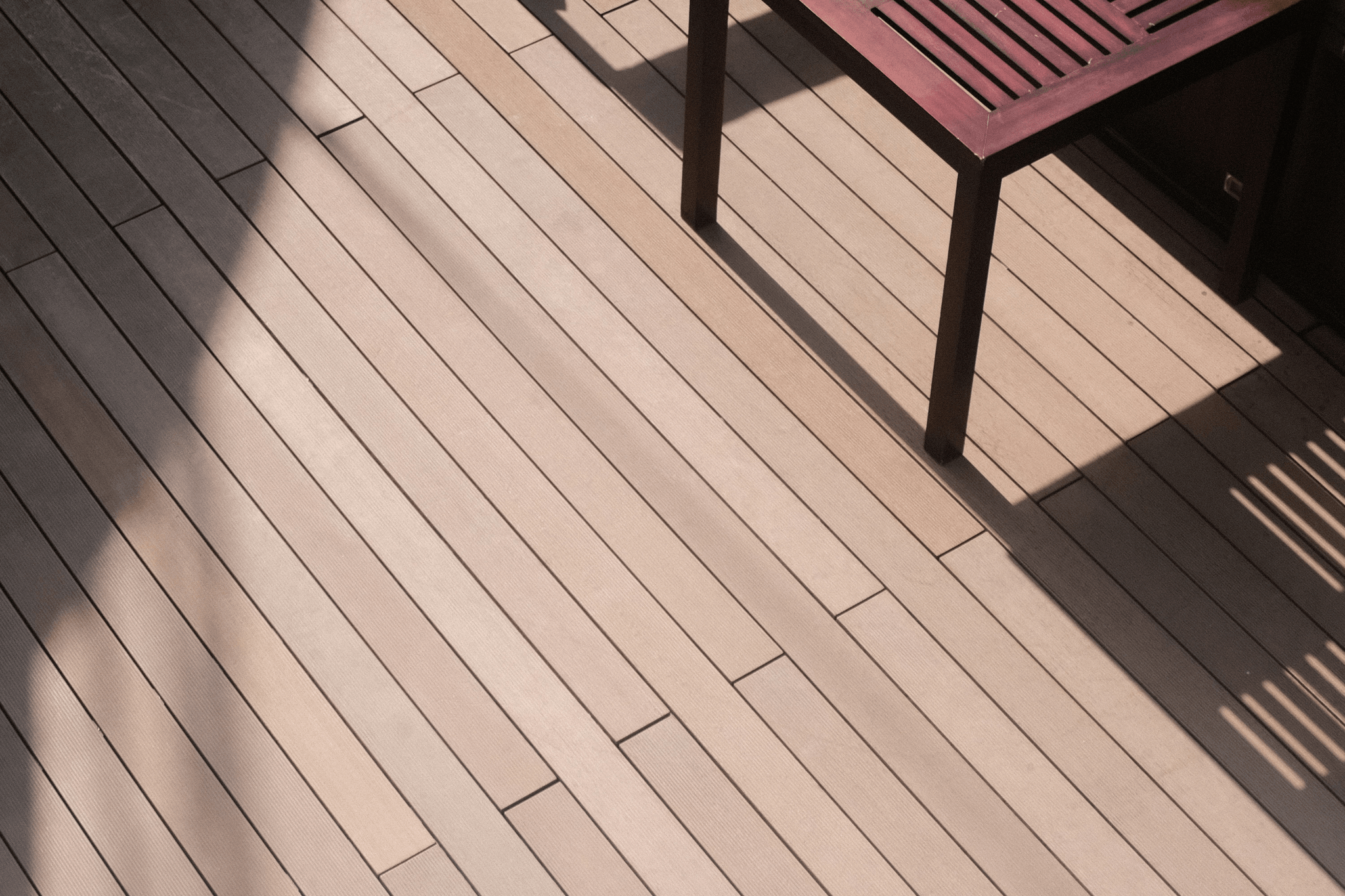
Initial Investment Considerations
The initial investment for composite decking often reflects its advanced technology and manufacturing process. While a low maintenance deck made from composite materials can be pricier than basic wood decks, this cost is offset by its durability and reduced upkeep needs over time. On the other hand, wood decking might seem like a budget-friendly option at first glance, but remember that it may require more frequent repairs and replacements due to weathering.
Long-Term Value and Maintenance Costs
One of the biggest advantages of synthetic decking is its long-term value; while you might pay more initially for a deck composite decking solution, you’ll save significantly on maintenance costs down the line. Unlike wood, which requires regular staining and sealing to maintain its appearance and protect against rot, composite lumber decking is designed to withstand the elements with minimal effort—think less scrubbing and more relaxing! This means that over time, your investment in a low maintenance deck will likely pay off as you enjoy years of beautiful outdoor space without constant upkeep.
Popular Options from Composite Decking Inc
If you're leaning towards composite or wood decking options but want something tried-and-true, Composite Decking Inc offers various choices that cater to different tastes and budgets. Their range includes everything from classic looks reminiscent of natural wood to vibrant colors in PVC decking that add flair to any backyard oasis. With their focus on quality synthetic decking products, you can find a solution that fits your style while ensuring durability for years to come.
Performance in Various Climates
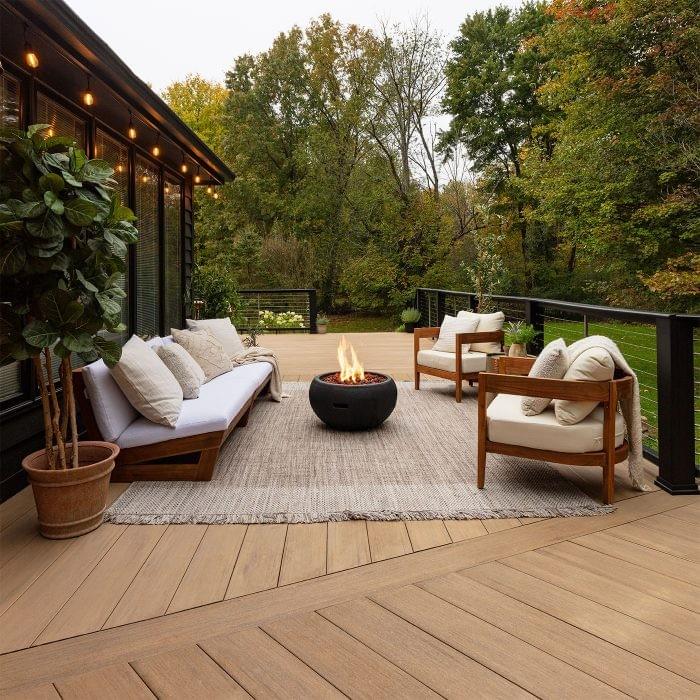
Weather Resistance of Composite Lumber
Composite lumber decking is known for its exceptional weather resistance, making it an ideal choice for various climates. Unlike wood, which can warp and splinter under extreme weather conditions, composite decking remains stable and intact. This durability means that whether it’s scorching sun or heavy rain, your low maintenance deck will look great year after year with minimal upkeep.
Moreover, many brands of synthetic decking are designed with UV inhibitors that prevent fading and discoloration over time. This feature ensures that your deck composite decking maintains its vibrant color without the need for frequent staining or sealing like traditional wood options require. So if you're looking for a long-lasting solution that stands up to the elements, composite lumber is hard to beat.
Wood Decking in Humid Environments
While wood decking has its charm, it often struggles in humid environments where moisture can lead to significant issues such as mold and rot. In these conditions, untreated wood may require regular maintenance to prevent deterioration and ensure safety on your deck. Homeowners opting for wood must be prepared to invest time and resources into protective treatments and routine inspections.
On the other hand, synthetic decking options like PVC decking are engineered specifically for resilience against humidity-related problems. These materials resist moisture absorption much better than traditional wood does, making them a safer bet if you live in a particularly damp area. Ultimately, while wood offers natural beauty, those living in humid climates might find themselves leaning toward more resilient alternatives like composite or PVC materials.
Maintenance Needs Based on Climate
The climate you live in plays a crucial role in determining the maintenance needs of your chosen decking material—be it composite or wood decking. For example, regions with heavy snowfall may require more frequent clearing of debris from wooden decks to avoid water pooling and subsequent damage during thawing periods. Conversely, low maintenance decks made from composite materials typically require just occasional washing with soap and water regardless of the season.
In warm climates where UV exposure is high, both types of decks will need some level of care; however, synthetic options usually outperform their wooden counterparts regarding fading resistance over time. If you want something easy-going that won’t demand too much attention while still looking fabulous through all seasons—composite lumber could be your best friend! Ultimately understanding these climate-specific needs will help guide you toward the right choice between classic timber aesthetics versus modern convenience.
Sustainability Factors in Decking
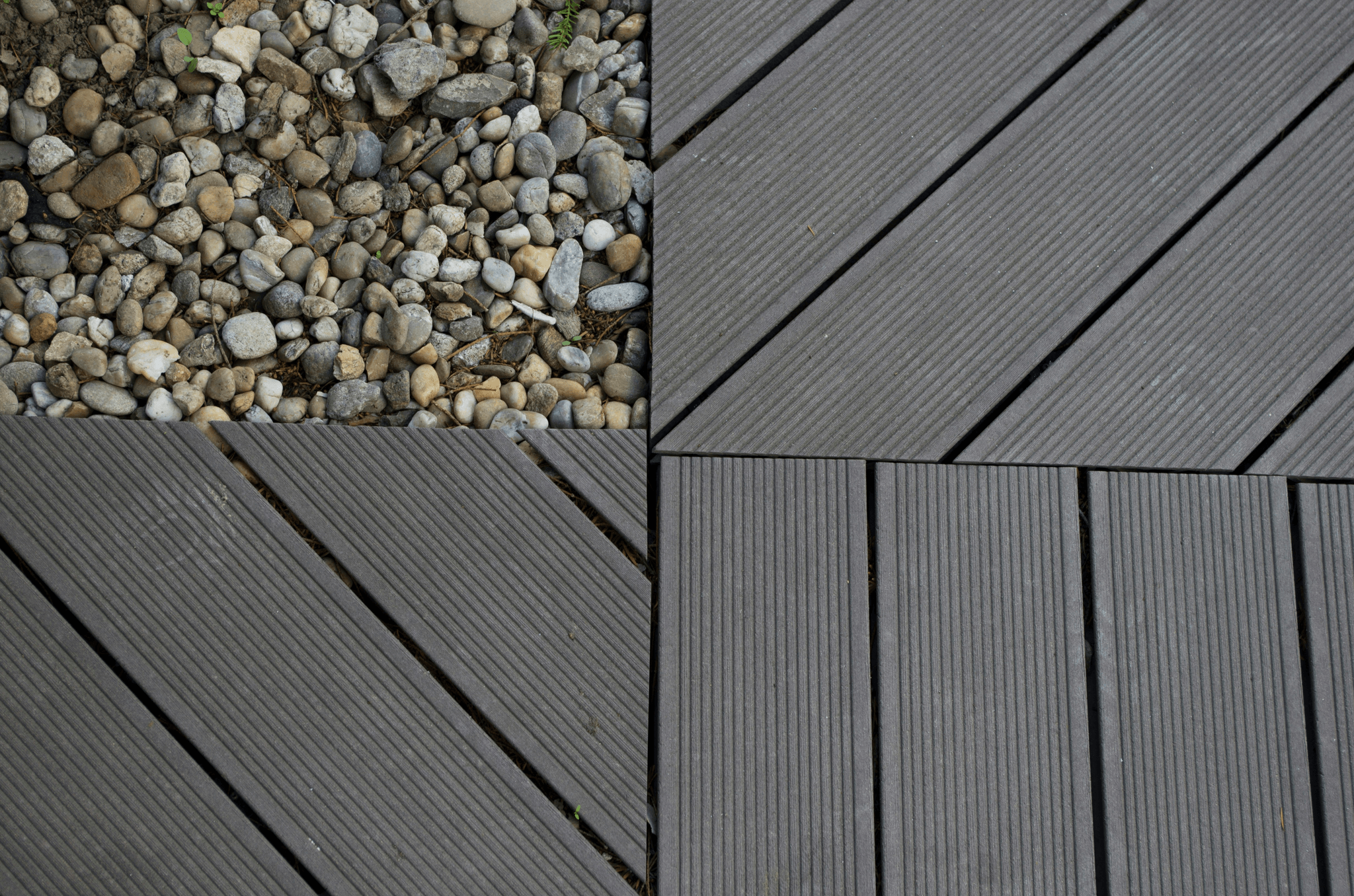
As homeowners become more environmentally conscious, the demand for eco-friendly options has surged, leading to innovations in both composite lumber decking and traditional materials. Understanding the sustainability factors involved can help you make a more informed choice that aligns with your values.
Eco-Friendly Aspects of Synthetic Decking
Composite decking is often touted for its eco-friendly qualities, as it is typically made from recycled materials like plastic and wood fibers. This means that every board contributes to reducing waste and minimizing the need for new timber resources, making it a great choice for those looking to lessen their environmental footprint. In contrast, while wood decking can be sustainably sourced from responsibly managed forests, its production still involves cutting down trees, which raises concerns about deforestation and habitat loss.
Moreover, synthetic decking options like PVC decking are designed to withstand the elements without requiring harmful chemical treatments that could leach into the environment. Unlike traditional wood decks that often need staining or sealing with potentially toxic products, low maintenance decks made from composite materials require minimal upkeep while remaining safe for surrounding ecosystems. Thus, when considering eco-friendliness in your deck choice, composite options clearly have an edge over conventional wood.
Sourcing and Production Ethics
The sourcing of materials used in deck composite decking significantly impacts its overall sustainability profile. Many manufacturers of composite lumber decking prioritize ethical sourcing by utilizing post-consumer waste products and ensuring their production processes are environmentally responsible. This commitment not only helps reduce landfill waste but also supports a circular economy where materials are reused rather than discarded.
On the other hand, wooden decks come with their own set of ethical dilemmas related to logging practices and land use changes associated with timber harvesting. It's essential to look for certifications such as FSC (Forest Stewardship Council) when considering wood options; this ensures that your chosen material has been sourced responsibly without contributing to ecological destruction. By prioritizing ethically sourced materials—whether opting for synthetic or natural—you can enjoy your outdoor space while feeling good about your impact on our planet.
Innovations in Sustainable Decking Solutions
The world of decking is rapidly evolving thanks to advancements in technology and design aimed at enhancing sustainability across both composite and wood options. For instance, many companies now offer innovative blends of recycled plastics and reclaimed woods that create durable yet visually appealing surfaces perfect for any outdoor space—without compromising on environmental integrity. These cutting-edge solutions not only improve performance but also cater to consumers’ growing demand for stylish yet sustainable choices.
Additionally, some manufacturers have begun experimenting with bio-based composites derived from renewable resources like bamboo or agricultural byproducts—paving the way toward even greener alternatives within synthetic decking markets. With more consumers seeking low maintenance deck solutions that don’t sacrifice aesthetics or durability, these innovations represent a promising shift towards sustainable practices across all aspects of outdoor living spaces.
In conclusion, whether you lean towards composite or wood decking depends largely on how much weight you put on sustainability factors like eco-friendliness and ethical sourcing practices during your decision-making process. With multiple innovative solutions emerging within both categories—ranging from synthetic products made entirely from recycled materials to responsibly harvested timber—the future looks bright for environmentally conscious homeowners looking to enhance their outdoor areas without compromising their values.
Conclusion
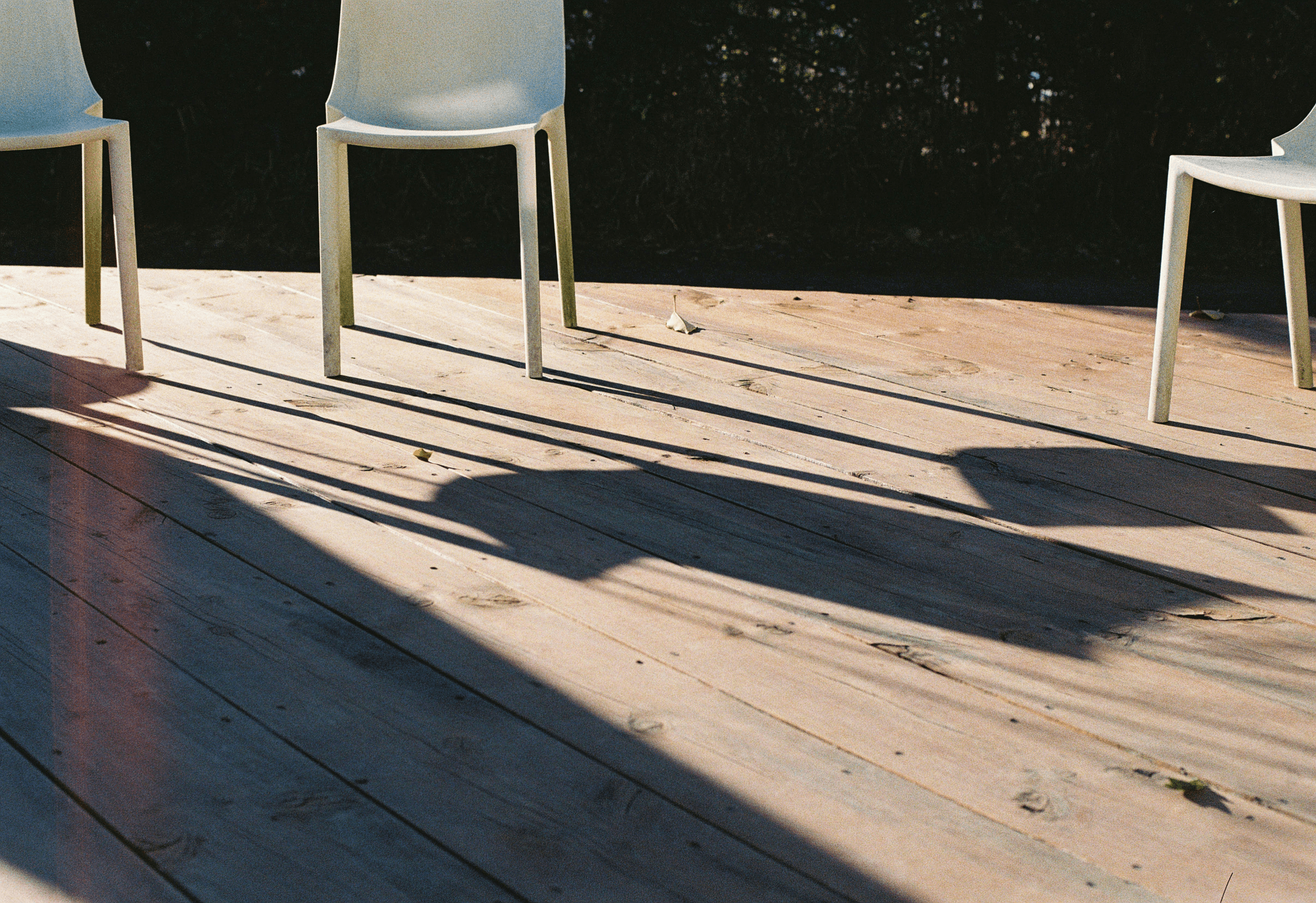
In the grand showdown of composite versus wood decking, making an informed choice is essential for any homeowner looking to enhance their outdoor space. Both options have their unique benefits, but understanding how they align with your lifestyle and preferences is crucial. By weighing factors such as maintenance, aesthetics, and longevity, you can confidently select the best decking material for your needs.
Making an Informed Decking Choice
Choosing between composite or wood decking requires careful consideration of various elements that affect not just appearance but also functionality. For instance, while wood offers a classic charm, it often demands more upkeep compared to synthetic decking options like composite lumber decking. By exploring your lifestyle needs and preferences at a reputable decking shop, you can make a well-rounded decision that suits both your taste and practical requirements.
Balancing Aesthetics and Functionality
When it comes to outdoor living spaces, aesthetics should harmonize with functionality—this is where the debate between composite and wood decking becomes particularly interesting. Composite decking provides a sleek look while being low maintenance; you won’t have to worry about staining or sealing every year as you would with traditional wood decks. On the other hand, if you're drawn to natural materials for their warmth and beauty, wood can be customized in various ways but may require more attention over time.
Why Composite Decking is a Smart Investment
Investing in composite decking often proves wise when considering long-term value and sustainability aspects. Unlike its wooden counterpart that may warp or splinter over time, composite lumber decking offers durability against harsh weather conditions without compromising on aesthetic appeal—think of it as the reliable friend who never lets you down! Additionally, with innovations in PVC decking and synthetic materials continuously evolving toward eco-friendliness, choosing composite means making a smart investment in both your home’s value and the environment.