
Introduction
Why Choose Heat Resistant Decking
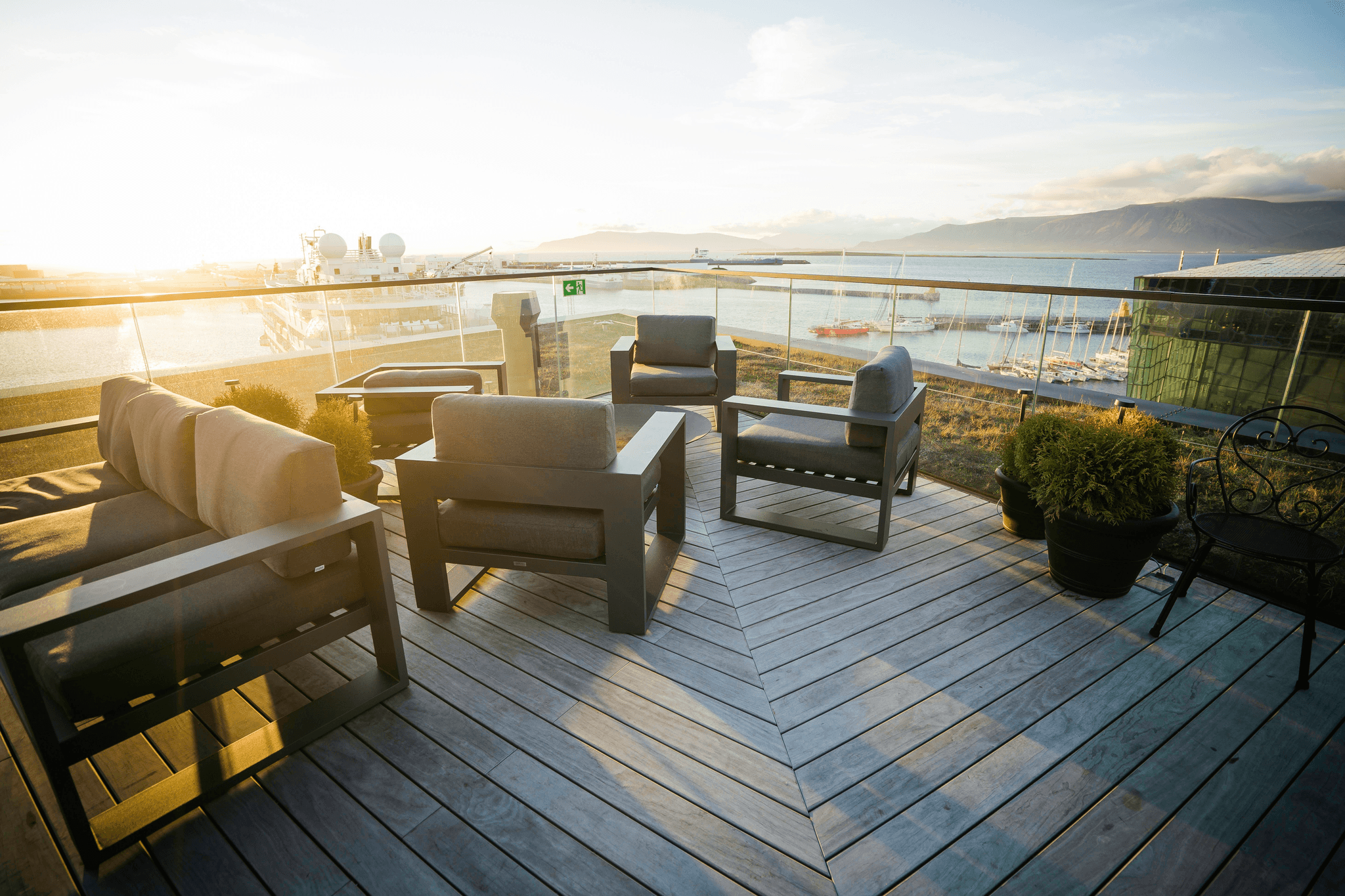
Heat resistant decking offers a significant advantage for homeowners looking for durability and longevity in their outdoor spaces. Traditional wood decks may buckle under high temperatures, leading to costly repairs or replacements. In contrast, composite wood and PVC decking are designed to withstand extreme heat while maintaining their aesthetic appeal.
The Benefits of Composite and PVC Decking
Composite decking combines recycled materials with wood fibers, resulting in a sturdy surface that resists fading and staining. This makes it an excellent choice for those who want the look of natural wood without the maintenance headaches associated with it. Similarly, PVC decking is entirely synthetic, offering unmatched resistance to moisture and heat—perfect for hot climates where traditional options falter.
Addressing Common Concerns
Despite their many benefits, some potential buyers often ask what are the problems with Trex decking or other composite options. Issues such as fading over time or scratching can arise if proper care isn’t taken; however, these concerns are manageable with routine maintenance practices. Understanding these common issues helps homeowners make informed decisions about choosing the right composite wood deck material for their needs.
Understanding Composite Decking Materials
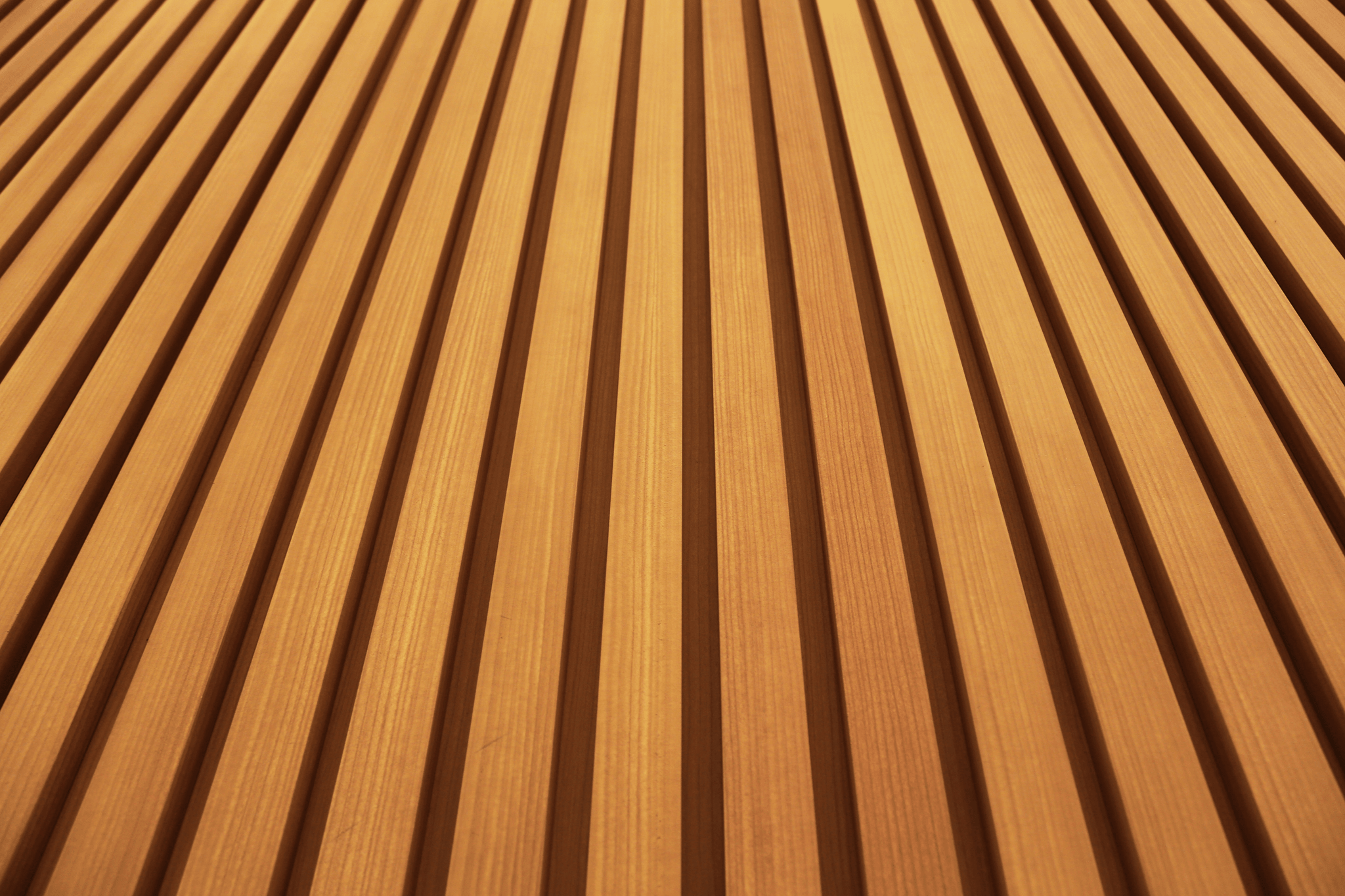
Composite decking has become a popular choice for homeowners looking to enhance their outdoor spaces. But what exactly is composite decking? It’s a blend of wood fibers and plastic, engineered to provide the look of natural wood without the drawbacks. This innovative material offers durability, low maintenance, and resistance to the elements, making it an ideal candidate for deck building.
What is Composite Decking?
Composite decking is essentially a man-made product that combines recycled wood and plastic materials. This fusion results in a durable and aesthetically pleasing surface that mimics traditional wood while overcoming its limitations. For those considering a composite wood deck material, it's essential to understand how this construction translates into long-lasting performance and reduced upkeep.
Key Features of Composite Wood
One of the standout features of composite wood is its resistance to rot and decay, which often plagues traditional wooden decks. Unlike natural wood, composite decking doesn’t splinter or warp over time, ensuring safety for bare feet and pets alike. Additionally, many brands offer fade-resistant options that maintain their color even under intense sunlight—an important consideration if you’re in a hot climate or wondering about what are the problems with Trex decking.
Why Choose Composite over Traditional Wood
Choosing composite over traditional wood can save you time and money in the long run due to its low maintenance requirements. While traditional wooden decks may require regular staining or sealing to protect against moisture and pests, composite decking only needs occasional cleaning with soap and water. Plus, with advancements in technology leading to improved styles and colors in composite materials, homeowners can enjoy both beauty and practicality without compromising on quality.
The Advantages of PVC Decking
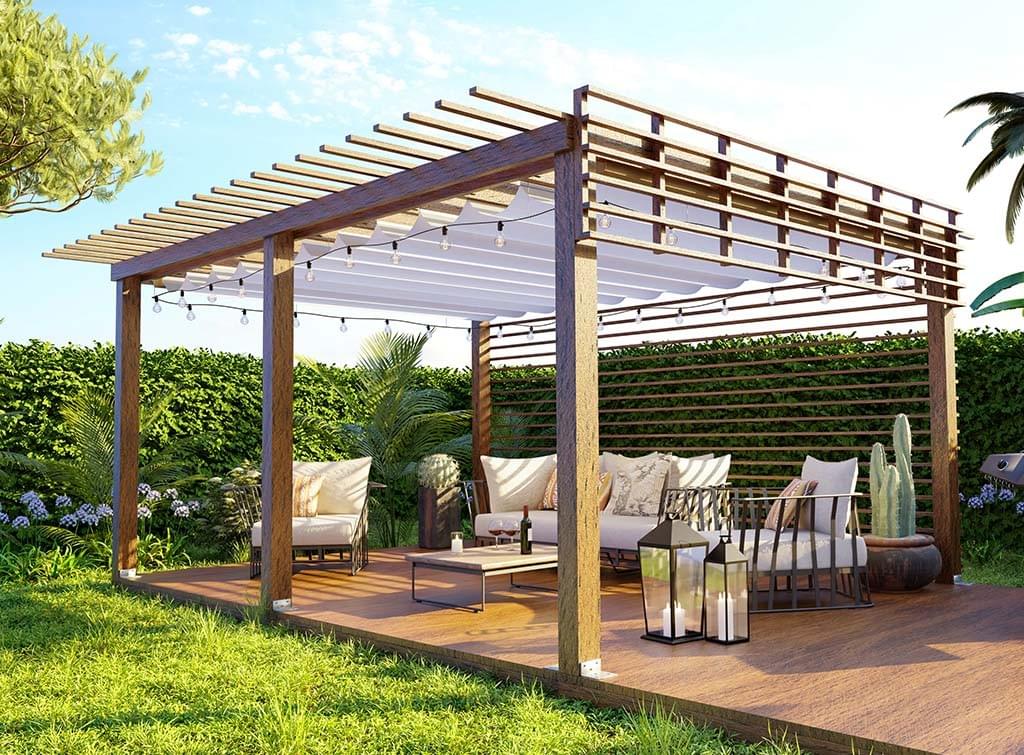
Unlike traditional wood or even composite decking, PVC offers a unique combination of durability, low maintenance, and heat resistance. This makes it an increasingly popular choice for homeowners looking to enhance their outdoor spaces without the hassle of constant upkeep.
Benefits of PVC Decking
One of the primary benefits of PVC decking is its exceptional resistance to moisture and insects. Unlike composite wood, which can absorb water and become prone to mold and mildew, PVC remains unaffected by these elements, ensuring longevity in various climates. Additionally, its color retention is impressive; you won’t have to deal with fading or warping as you might with other deck composite decking options.
Another significant advantage is that PVC decking requires minimal maintenance compared to traditional wood decks. Forget about sanding or staining—just a quick wash with soap and water will keep your deck looking pristine! Plus, since it's made from synthetic materials, there’s no need to worry about splinters or rough edges that can come with composite wood.
Lastly, PVC decking is incredibly versatile in design options. Homeowners can choose from a variety of colors and finishes that mimic the look of natural wood while enjoying all the practical benefits that come with synthetic materials. This means you can achieve your dream deck without compromising on style or functionality.
PVC vs. Composite: A Comparison
When comparing PVC and composite decking materials, it’s essential to consider their distinct characteristics and performance metrics. Composite decking typically combines wood fibers with plastic resins; while this mixture offers some advantages like aesthetics and initial cost savings, it often falls short in durability compared to pure PVC options. For instance, what are the problems with Trex decking? Many users report issues like fading over time and susceptibility to mold growth—challenges that simply don’t exist with high-quality PVC products.
Another key difference lies in maintenance requirements; as mentioned earlier, while composite decks may require regular sealing or staining due to their organic components, PVC decks are virtually maintenance-free! Homeowners can spend more time enjoying their outdoor space rather than stressing over upkeep chores associated with traditional deck building methods using composite wood materials.
In terms of thermal performance under hot conditions—PVC easily outshines its composite counterparts by remaining cooler underfoot during sweltering summer days. This feature makes it an ideal choice for those living in warmer climates who want a comfortable outdoor space without burning their feet on scorching surfaces.
Why PVC is Ideal for Hot Climates
Living in a hot climate poses specific challenges for outdoor spaces; however, choosing PVC decking can help mitigate these issues effectively. One notable advantage is its superior heat resistance compared to other materials like composite wood deck material or traditional wooden decks which tend to absorb heat significantly more than synthetic alternatives do! With reduced thermal absorption rates means you’ll enjoy a cooler surface even when temperatures soar.
Moreover, because it doesn’t warp or crack under extreme heat exposure like some types of composite decking might experience over time (think what are the problems with Trex decking), you won’t have unexpected repairs ruining your summer fun! Opting for durable materials such as high-quality vinyl ensures peace-of-mind knowing your investment will withstand harsh weather conditions year after year without compromising aesthetics or functionality.
Finally—and perhaps most importantly—PVC’s inherent resistance against moisture makes it less likely for mold growth during humid months often seen in hot climates too! So whether you're lounging poolside sipping cocktails or hosting barbecues on your new deck composed entirely from innovative synthetic substances—you’ll feel confident knowing you've chosen an option designed specifically for enduring warmth while maintaining beauty throughout all seasons!
Heat Resistance Explained

When it comes to outdoor spaces, heat can be a real game-changer for decking materials. Intense sunlight and high temperatures can affect the performance and longevity of various decking options. Understanding how heat interacts with different materials is crucial for making an informed choice, especially when considering options like composite decking or PVC decking.
How Heat Affects Decking Materials
Heat can have a significant impact on the durability and appearance of decking materials. For instance, traditional wood decks may warp or crack under extreme temperatures, leading to costly repairs down the line. In contrast, composite wood deck material is engineered to withstand higher temperatures without succumbing to such issues, providing peace of mind for homeowners engaged in deck building.
Moreover, excessive heat can cause fading in colors and finishes across various decking types. This is particularly important when you consider aesthetics alongside functionality; nobody wants a sun-bleached deck that looks worn out after just one summer! Therefore, choosing heat-resistant options like composite or PVC is essential for maintaining both beauty and structural integrity.
What Makes Composite Decking Heat Resistant
Composite decking's heat resistance stems from its unique blend of materials—typically a mix of wood fibers and recycled plastics—designed specifically to handle temperature fluctuations. Unlike traditional wood that expands or contracts with changing weather conditions, composite wood maintains its shape and appearance over time. This stability not only enhances its lifespan but also means fewer headaches related to maintenance.
Additionally, many brands incorporate UV inhibitors into their composite products to further enhance their resilience against heat-related damage. These inhibitors work by reflecting sunlight rather than absorbing it, which helps prevent warping and fading—a common concern among those wondering what are the problems with Trex decking specifically. Thus, opting for high-quality composite materials ensures your deck stays looking fresh while standing up to the elements.
Analyzing Thermal Performance of PVC Decking
PVC decking offers impressive thermal performance that makes it an ideal choice for hot climates where traditional wood might falter. Unlike other materials that may become too hot to walk on during peak sun hours, PVC remains cooler underfoot due to its composition—essentially plastic—which does not absorb heat as easily as wood or even some composites do. This characteristic alone makes PVC an attractive option for homeowners who want a comfortable outdoor space year-round.
Furthermore, manufacturers often engineer PVC decks with additional features aimed at enhancing thermal performance even further; this includes textured surfaces designed to promote airflow around the material itself. When considering what are the problems with Trex decking versus other alternatives like PVC or composite options, it's clear that thermal management plays a pivotal role in overall satisfaction with your choice of deck composite decking material.
In summary, understanding how different materials respond to heat helps you make an informed decision about your outdoor space's longevity and comfort level through all seasons.
Addressing Common Issues
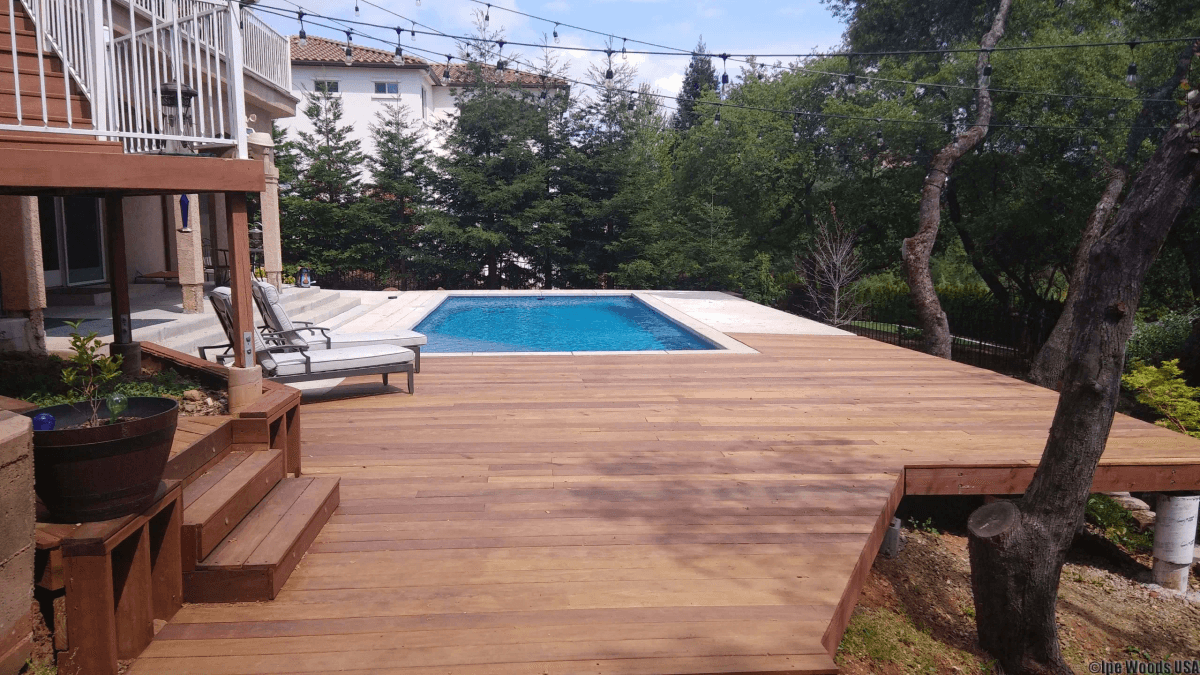
When it comes to choosing the right materials for your outdoor space, it's essential to weigh the pros and cons of various options. Composite decking, including popular brands like Trex, is often touted for its durability and low maintenance. However, there are some common issues that homeowners should be aware of before diving into deck building.
What Are the Problems with Trex Decking
Trex decking has become a household name in composite decking, but it's not without its flaws. One of the most frequently reported problems is fading; over time, exposure to sunlight can cause colors to dull significantly. Additionally, some users have experienced issues with mold and mildew growth on their Trex decks, especially in humid climates—an unwelcome sight for any outdoor space.
Another concern is that Trex decking can sometimes be prone to scratching and denting more than traditional wood or other composite wood alternatives. While it may not splinter like natural wood, those unsightly marks can detract from the overall appearance of your deck composite decking. Lastly, installation challenges arise due to its weight; Trex boards can be heavier than expected, making them trickier to handle during deck building projects.
Other Potential Issues with Composite Decking
Beyond just what are the problems with Trex decking specifically, other types of composite wood also come with their own set of challenges. For instance, many composite decking materials can expand or contract significantly in extreme temperatures; this movement may lead to gaps between boards if not installed correctly. Moreover, while composite wood is generally resistant to rot and insects compared to traditional lumber, it’s still susceptible to warping under high heat conditions.
Another issue that arises frequently with composite decking is staining from food spills or debris left on the surface too long; unlike PVC decking which typically resists stains better due to its non-porous nature, some composites might require more frequent cleaning efforts. Even though they promise low maintenance compared to wood decks initially, homeowners may find themselves spending more time scrubbing stubborn stains off their composite wood deck material than anticipated.
Solutions to Common Problems
So how do you tackle these common issues? First off—prevention is key! For example, regular cleaning using mild soap and water can help prevent mold growth on Trex or other composite surfaces while minimizing staining risks as well. Additionally, applying a sealant designed for use on composite materials may offer an extra layer of protection against fading and stains over time.
For those worried about scratches or dents in their deck composite decking surfaces—consider using furniture pads under heavy items like planters or patio furniture when setting up your outdoor oasis! Lastly—and perhaps most importantly—always follow manufacturer guidelines during installation; ensuring proper spacing between boards will minimize expansion-related issues down the line.
Maintenance Tips for Longevity

Proper maintenance is key to ensuring your deck remains a beautiful and functional outdoor space for years to come. Whether you’ve chosen composite wood or PVC decking, knowing how to care for your deck can prevent common issues, including those associated with Trex decking. Let’s dive into the best practices that will keep your deck looking pristine.
Best Practices for Composite Wood Deck Maintenance
Use a broom or leaf blower to remove debris like leaves and dirt, which can trap moisture and lead to mold growth—a common concern with composite decking materials. For deeper cleaning, a mixture of soap and water applied with a soft brush will do wonders; avoid harsh chemicals that could damage the surface of your composite wood.
Inspecting your deck regularly is another crucial step in maintenance. Look out for any signs of wear or fading, as well as potential issues like warping or splintering—what are the problems with Trex decking? Addressing these issues early can save you from more extensive repairs down the line. Additionally, consider applying a specialized composite wood cleaner periodically to maintain its color and finish.
Lastly, make sure you’re aware of how weather conditions affect your deck's longevity. In areas with extreme temperatures, ensure proper ventilation beneath the deck composite decking to prevent heat buildup and moisture retention. Following these best practices will keep your composite wood looking great while maximizing its lifespan.
How to Care for PVC Decking
Caring for PVC decking is relatively straightforward due to its durability and resistance to moisture and pests compared to traditional materials. Start by sweeping off any loose dirt or debris regularly; this prevents buildup that can cause stains over time on your PVC decking surface. For tougher stains or spills, simply use soap and water along with a soft cloth—no need for heavy-duty cleaners here!
One advantage of PVC is its resistance to fading; however, it’s still wise to keep an eye on discoloration caused by prolonged sun exposure. If you notice any changes in color or sheen on your PVC deck material, consider using a UV protectant specifically designed for outdoor surfaces as part of your maintenance routine. This simple step helps preserve the vibrant appearance of your deck while protecting against harmful UV rays.
Finally, ensure that drainage systems are functioning correctly around your PVC decking area so water doesn’t pool underneath it after heavy rainfall—standing water can lead not only to unsightly mold but also structural issues over time! With these straightforward care tips in mind, you'll enjoy all the benefits that come with owning durable PVC decking without worrying about significant upkeep.
Seasonal Preparations for Your Deck
As seasons change, so should your approach toward maintaining both composite wood decks and PVC options! In springtime after winter's chill has passed, give both types of decks a thorough inspection; look out for cracks or loose boards that may have developed during colder months—these are often what are the problems with Trex decking users report facing too! Clean off any remaining debris from winter storms before applying protective sealants if necessary.
Summer brings sunshine but also potential challenges like excessive heat exposure leading some materials (especially dark-colored composites) prone to warping—keep an eye on this during peak summer months! Regularly check drainage systems again since heavy rains might impact how well water flows away from both types of decks during this season too!
When fall rolls around again remember: fallen leaves can be pretty but they aren't great friends when left sitting on top of either type! Make it part of routine maintenance by blowing away leaves frequently so they don’t cause staining issues later down-the-line—it’s all about keeping those beautiful outdoor spaces inviting year-round!
Conclusion
In the quest for the perfect outdoor space, choosing the right decking material is crucial. With a variety of options available, including composite decking and PVC decking, it’s essential to weigh their benefits against common concerns. Whether you're considering a composite wood deck material or leaning towards PVC, understanding your needs will guide you to an informed decision.
Choosing the Right Decking Material
While Trex offers many advantages, such as durability and low maintenance, some users report issues like fading and scratching over time. By exploring alternatives like composite decking or PVC decking, you can find materials that not only meet your aesthetic desires but also stand up to heat and wear.
Composite wood has gained popularity due to its blend of natural fibers and recycled plastics, making it an eco-friendly choice for homeowners. However, if you're in a particularly hot climate, PVC decking may be more suitable due to its superior heat resistance. Ultimately, consider factors such as climate conditions and maintenance preferences when selecting your deck composite decking material.
The Future of Outdoor Spaces
As outdoor living spaces continue to evolve into extensions of our homes, innovative materials like composite wood are leading the charge in design flexibility and functionality. The future of these spaces looks bright with advancements in technology enhancing both aesthetics and durability across various decking options. Homeowners are increasingly prioritizing sustainability while enjoying stylish outdoor environments—making composite decking a top contender for modern deck building projects.
Moreover, as we embrace outdoor living more than ever before, features such as heat resistance become vital considerations in choosing materials that withstand extreme temperatures without sacrificing comfort or safety. With ongoing improvements in both composite and PVC options tailored for diverse climates, there's no shortage of choices for homeowners seeking longevity in their decks.
Final Thoughts on Composite and PVC Decking
In conclusion, whether you opt for a composite wood deck material or choose PVC decking depends largely on your specific needs and environment. Both have distinct advantages when it comes to heat resistance and overall performance; however, understanding what are the problems with Trex decking can help steer you toward a more informed choice between these two popular materials.
Ultimately, investing in quality materials will pay off through years of enjoyment on your deck while minimizing maintenance headaches down the line—because who wants to spend their weekends scrubbing instead of relaxing? Embrace the future of outdoor spaces by selecting a durable option that aligns with your lifestyle!