
Introduction
Building a deck is an exciting project that can enhance your outdoor living space and increase your home’s value. However, many homeowners often wonder, how long does it take to build a deck? The timeline for deck building can vary significantly based on several factors, including design complexity, material choices, and local regulations.
Understanding Your Deck Building Timeline
The first step in any successful deck project is to understand the timeline involved in the construction process. Factors such as whether you choose composite decking or pressure treated wood for decks can impact how long the project takes. Generally, planning and preparation might take longer than the actual construction phase, so it's essential to have a clear idea of what to expect.
Key Factors Impacting Construction Time
Several key factors can influence how quickly your deck comes together. Weather conditions play a crucial role; rain or extreme temperatures can delay progress significantly. Additionally, if you're opting for treated lumber for decks versus composite lumber decking, the drying times and installation techniques may differ, further affecting your overall timeline.
Choosing the Right Materials for Longevity
Selecting durable materials is vital not only for aesthetics but also for longevity and maintenance ease. Composite decking offers impressive durability compared to traditional wood options like pressure treated wood for decks; it resists fading and requires less upkeep over time. Making an informed choice between composite lumber decking and other materials will ensure that your deck stands strong against the elements while also fitting within your desired timeline.
Planning Your Deck Design
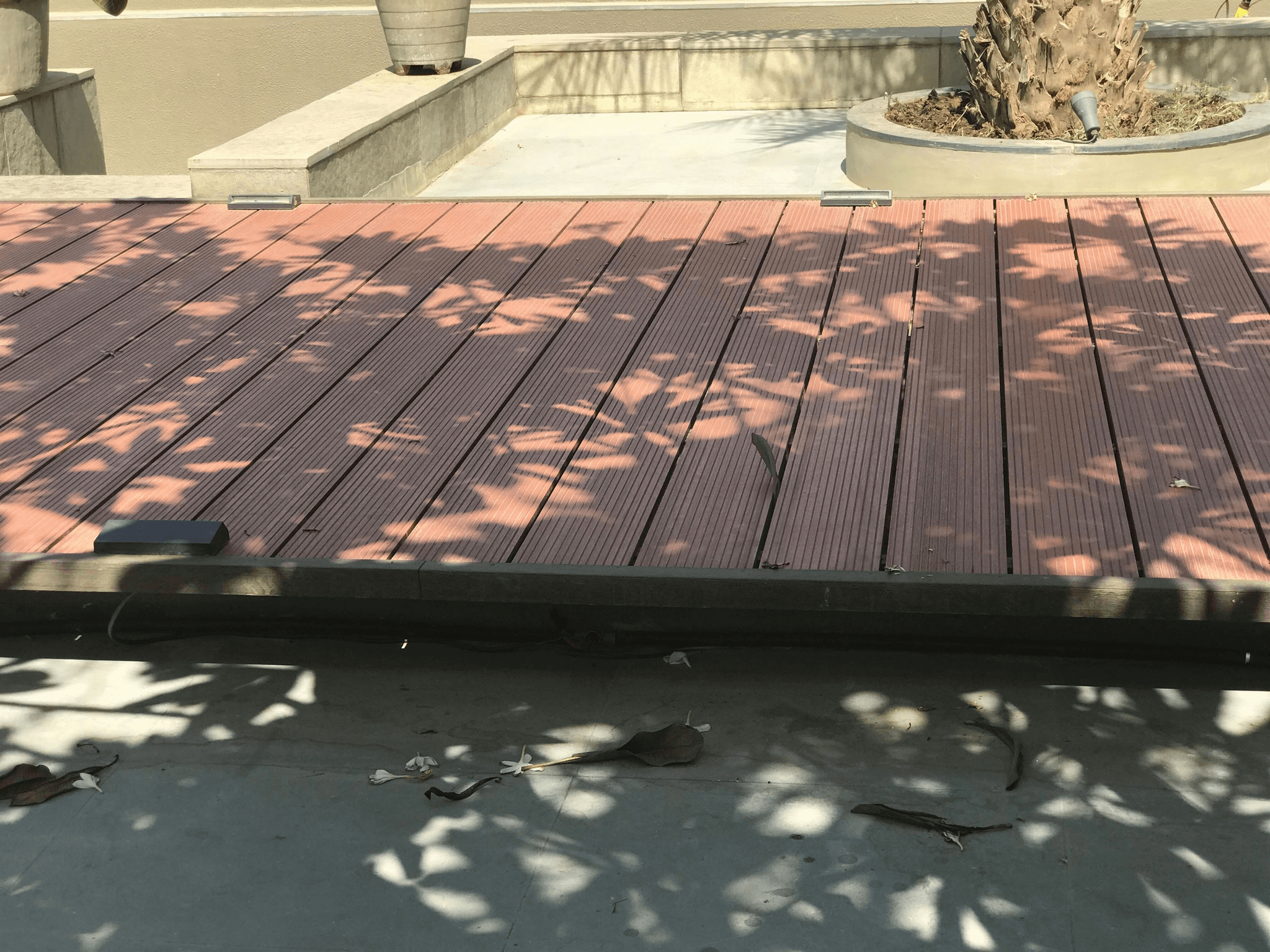
When embarking on your deck building journey, careful planning is essential to ensure a successful project. Understanding how long it takes to build a deck starts with thoughtful design considerations. A well-planned deck not only enhances your outdoor space but also aligns with your lifestyle and preferences.
Measuring Your Space Properly
Getting the measurements right is the first step in any deck building project. You’ll want to measure the area where you intend to place your deck accurately—this includes accounting for any obstacles like trees, shrubs, or existing structures. Remember, incorrect measurements can lead to costly mistakes later on, so take your time and double-check everything before moving forward with materials like composite decking or pressure treated wood for decks.
Once you have precise dimensions, you can begin sketching out your design and considering how it will fit into your yard’s layout. This is particularly important if you're opting for composite lumber decking, as its installation might require specific spacing and support structures. Proper measurements will also help in determining how long does it take to build a deck since a well-planned layout can streamline the construction process.
Considering Local Building Codes
Before diving headfirst into deck building, familiarize yourself with local building codes that may affect your project. These regulations often dictate aspects such as height restrictions, railing requirements, and even materials allowed for use in construction—like pressure treated wood for decks versus composite options. Ignoring these codes can lead to fines or having to redo work that doesn’t meet regulations.
Additionally, obtaining necessary permits is crucial and can impact how long does it take to build a deck; delays in permit approvals can stall progress significantly. Consulting with local authorities or a professional builder can help clarify what’s needed before you start purchasing materials like treated lumber for decks or composite decking products. Ensure compliance from day one to avoid headaches down the road.
Visualizing with Software Solutions
In today’s digital age, utilizing software solutions for visualizing your deck design can be an absolute game-changer in the planning phase of your project. Many programs allow you to create 3D models of your space so that you can see how different materials—like composite lumber decking versus traditional wood—will look once installed. This visualization helps in making informed decisions about aesthetics and functionality while also considering how long does it take to build a deck based on complexity.
Moreover, these tools often include features that enable you to experiment with various layouts and configurations without lifting a finger—or spending on costly materials prematurely! By playing around with designs digitally first, you'll save both time and money when selecting between options such as pressure treated wood for decks or more modern alternatives like composite decking products.
Selecting Quality Materials
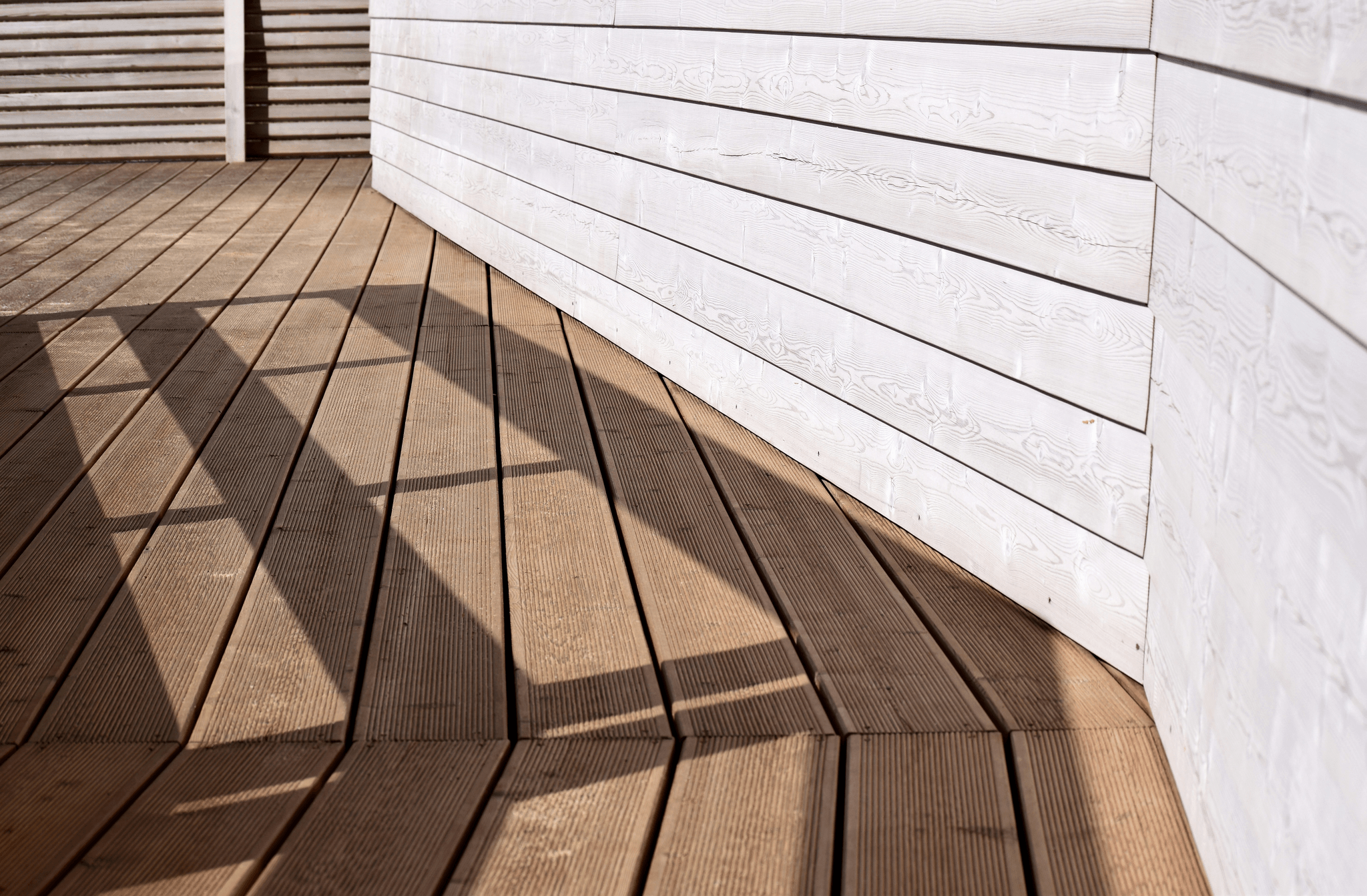
The choice between composite decking and traditional options like pressure treated wood for decks is pivotal, impacting not just the appearance but also how long does it take to build a deck. By understanding the pros and cons of each material, you can ensure your deck stands the test of time while meeting your budgetary constraints.
Exploring Composite Decking Options
Composite decking has gained popularity over the years due to its durability and low maintenance requirements. Made from a mixture of wood fibers and plastic, deck composite decking offers resistance to fading, staining, and rotting—problems often associated with traditional wood materials. With various colors and textures available, you can easily find a style that complements your home while enjoying peace of mind knowing that your deck will last longer than many pressure treated wood options.
Choosing Between Pressure Treated Wood and Composite Lumber
When comparing pressure treated wood for decks with composite lumber decking, it's essential to consider both aesthetic preferences and practical implications. Pressure treated lumber is often more affordable upfront but requires regular maintenance such as sealing or staining to prolong its lifespan—this can add additional time to your overall project timeline when considering how long does it take to build a deck. On the other hand, composite lumber may have a higher initial cost but typically saves you time in maintenance over the years, making it an attractive option for busy homeowners.
Evaluating Cost vs. Durability
Cost versus durability is a crucial factor in any deck building project; after all, no one wants their investment to crumble after just a few seasons! While pressure treated wood for decks may fit tighter budgets initially, consider how much you'll spend on upkeep over time—those costs can add up quickly! In contrast, although composite decking might require more upfront investment, its longevity means fewer repairs or replacements down the line; ultimately leading you toward better value for your money.
Hiring Professionals or DIY
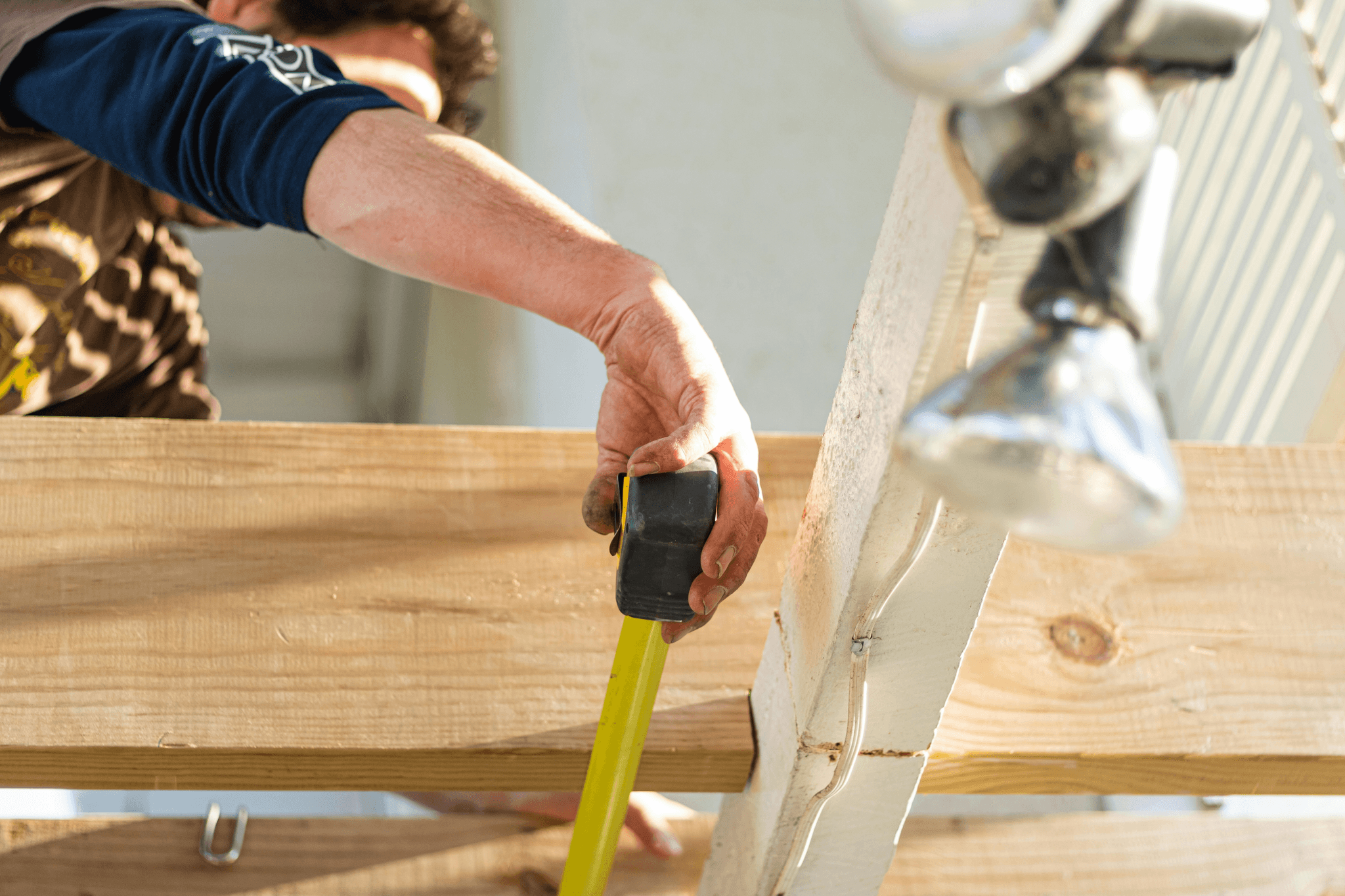
Both options have their merits, but understanding your skill level and available resources will help you make the best choice for your project. After all, how long does it take to build a deck can vary greatly depending on who is wielding the hammer!
Assessing Your Skill Level
Before diving into deck building, it's crucial to assess your own skill level honestly. If you're comfortable with basic carpentry and have experience working with materials like pressure treated wood for decks or composite lumber decking, then tackling a DIY project might be feasible. However, if you're more of a weekend warrior with limited experience in construction, hiring professionals may save you time and headaches in the long run.
Consider not just your skills but also the complexity of your design. A straightforward platform deck is much easier than one with multiple levels or intricate features like built-in benches or planters made from composite decking materials. Remember that even seasoned DIYers can benefit from professional insights—sometimes it's worth investing in expertise rather than risking costly mistakes.
Finding Reliable Deck Builders
If you've decided that hiring professionals is the way to go, finding reliable deck builders should be your next step. Start by asking friends and family for recommendations; personal experiences often yield trustworthy leads. Once you've compiled a list of potential candidates, check their online reviews and portfolios to gauge their craftsmanship and reliability.
Don’t shy away from asking questions during initial consultations—this is your chance to understand how well they communicate and if they’re knowledgeable about different materials like treated lumber for decks versus composite decking options. Additionally, inquire about timelines: how long does it take to build a deck? A good contractor should provide a clear estimate based on your specific design and material choices.
Understanding Project Management
Whether you choose DIY or hire professionals for your deck building project, understanding project management principles can make everything smoother. If you're going solo, create a detailed timeline that outlines each phase—from obtaining permits (if required) to selecting materials like pressure treated wood for decks or composite lumber decking options suited for longevity.
Weather Considerations

When embarking on your deck building journey, weather considerations play a pivotal role in determining how long it takes to build a deck. Seasonal changes can affect the materials you choose, the construction timeline, and even the comfort of your crew. Understanding these factors will help you plan effectively and ensure that your project runs smoothly.
Seasonal Impacts on Deck Building
Different seasons bring unique challenges to deck building projects. For instance, constructing during the rainy season may delay progress and compromise the quality of treated lumber for decks if it gets soaked before installation. On the other hand, summer heat can lead to warped composite decking if not handled properly, while winter may halt all work due to snow or freezing temperatures.
Choosing the right time of year is essential for achieving optimal results with both pressure treated wood for decks and composite lumber decking options. Ideally, spring or early fall offers mild weather conditions that are conducive to construction without extreme temperatures or precipitation interruptions. By considering seasonal impacts, you can better estimate how long it takes to build a deck while avoiding unnecessary setbacks.
Planning for Rain and Wind
Weather unpredictability means planning ahead for rain and wind is crucial when building your deck. Heavy rains can wash away materials or create unsafe working conditions; therefore, it's wise to check forecasts regularly during your project timeline. Additionally, strong winds can be hazardous when working with large sheets of composite decking or pressure treated wood for decks.
To mitigate these risks, consider scheduling tasks that are less affected by inclement weather during periods when storms are expected. For example, framing could be done in advance so that once favorable weather arrives, you can quickly move onto installing composite lumber decking without delays. Being proactive about weather planning will save you time and frustration as you navigate how long does it take to build a deck.
Timing Your Project for Optimal Conditions
Timing is everything in deck building—especially when you're aiming for efficiency! To determine optimal conditions for your project, keep an eye on local climate patterns while avoiding peak rainy seasons or extreme heat waves that could hinder construction efforts with either pressure treated wood or composite decking options.
A well-timed project not only ensures safety but also enhances durability; after all, who wants their new deck compromised by poor weather? By strategically scheduling your work around favorable conditions—perhaps starting in late spring—you’ll likely find that how long does it take to build a deck becomes more manageable than anticipated!
Final Touches and Maintenance
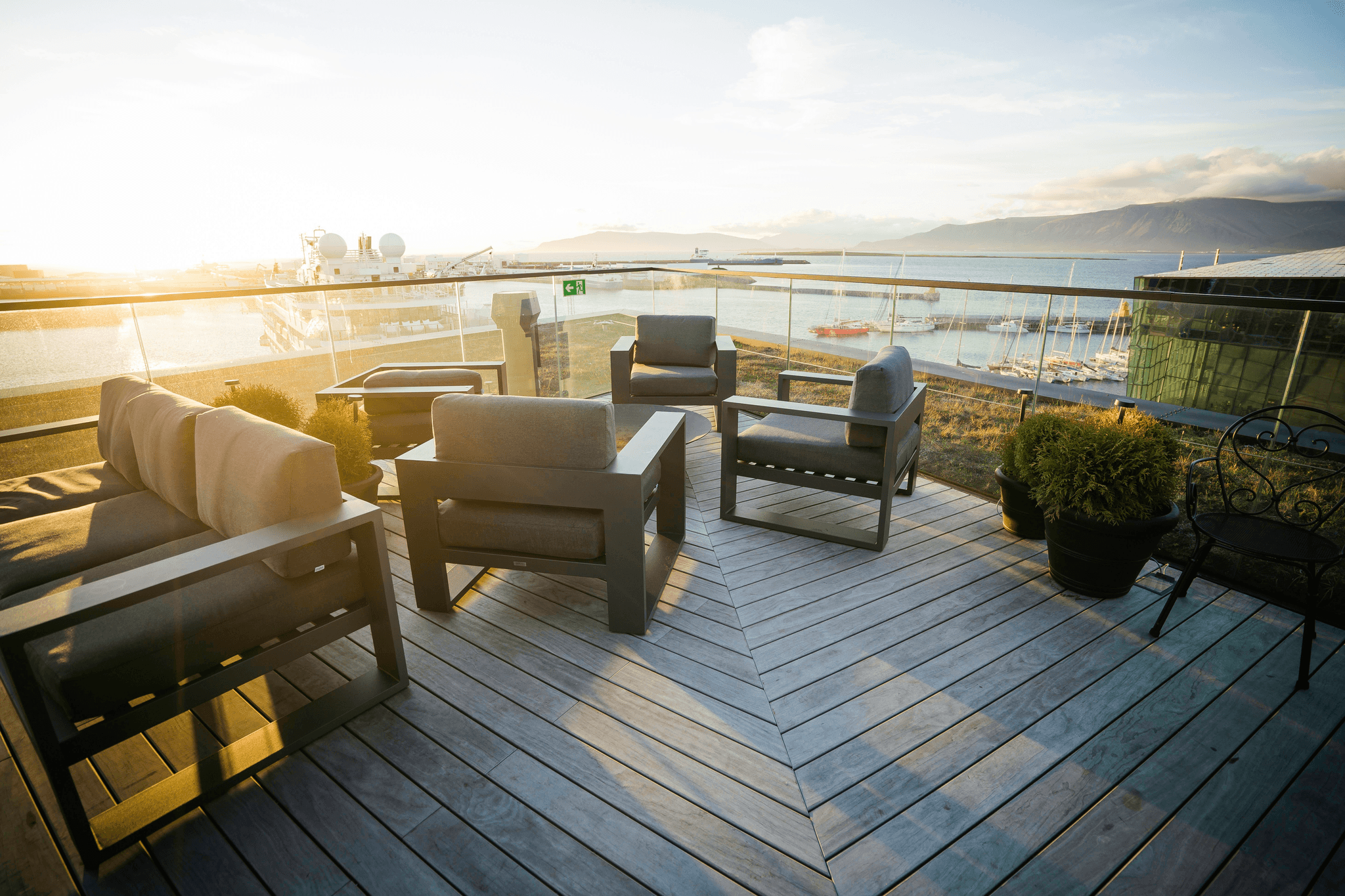
Choosing the right finishes and accessories not only enhances the beauty of your deck but also contributes to its longevity. Whether you opt for composite decking or pressure treated wood for decks, selecting suitable coatings, railings, and lighting can elevate your outdoor space.
Choosing Deck Finishes and Accessories
First things first: consider your deck's purpose when choosing finishes. If you're leaning towards composite lumber decking, you might want to explore UV-resistant stains or sealants that enhance color while protecting against fading. On the other hand, if you’re using treated lumber for decks, a good quality waterproof finish will help prevent moisture damage—after all, no one wants their new deck to warp or rot prematurely!
Accessories also play a crucial role; think about adding built-in planters or ambient lighting for those evening gatherings. These elements not only add flair but can also improve safety by illuminating steps and pathways during nighttime use. Ultimately, the right combination of finishes and accessories will ensure your deck is both stylish and functional.
Importance of Regular Maintenance
Just like any other part of your home, regular maintenance is essential for keeping your deck in tip-top shape. How long does it take to build a deck? Well, maintaining it should be considered an ongoing commitment that extends well beyond construction! For composite decking, routine cleaning with soap and water will keep it looking fresh without much hassle.
For those who opted for pressure treated wood for decks, it's vital to inspect them at least once a year for signs of wear or damage—this includes checking for loose boards or splintering surfaces. Regular maintenance not only prolongs the life of your deck but ensures that it remains safe for family gatherings or summer barbecues.
Ensuring Safety and Compliance
Safety should always be at the forefront when planning your outdoor space; after all, what's a beautiful deck without peace of mind? Ensure that railings are sturdy enough to prevent falls and that all steps are even—no one wants an unexpected trip during their backyard festivities! Additionally, adhering to local building codes is crucial; they often dictate safety standards regarding height limits on railings and spacing between balusters.
If you've chosen composite decking materials known for their durability over time, you may find they require less stringent maintenance than traditional materials—but don’t skip inspections altogether! Understanding how long does it take to build a deck also means considering how long it takes to maintain compliance with safety regulations as well as aesthetic upkeep over time.
Conclusion
Building a deck can be an exciting project that enhances your outdoor living space. However, understanding the timeline and factors affecting deck building is crucial for a successful outcome. By considering materials like composite decking or pressure treated wood for decks, you can ensure longevity and satisfaction with your new addition.
Key Takeaways on Deck Building Time
When asking yourself, how long does it take to build a deck?, remember that several factors come into play. The complexity of your design, the materials chosen (like composite lumber decking), and whether you hire professionals or tackle it as a DIY project will all influence the timeline. Generally, a straightforward build can take anywhere from a few days to several weeks; planning ahead will help you stay on track.
Benefits of Choosing Composite Decking
Opting for composite decking offers numerous advantages over traditional materials like pressure treated wood for decks. Composite lumber decking is designed to withstand the elements without warping or fading, making it an ideal choice for long-term durability. Plus, with minimal maintenance required compared to treated lumber for decks, you’ll spend more time enjoying your space rather than working on it.
Final Tips for a Successful Project
To ensure your deck building project goes off without a hitch, start by measuring your space accurately and checking local building codes before diving in. Whether you choose composite decking or pressure treated wood for decks, always prioritize quality materials that suit your needs and budget. Lastly, don’t forget about the importance of regular maintenance; keeping up with care will extend the life of your new outdoor oasis.