
Introduction
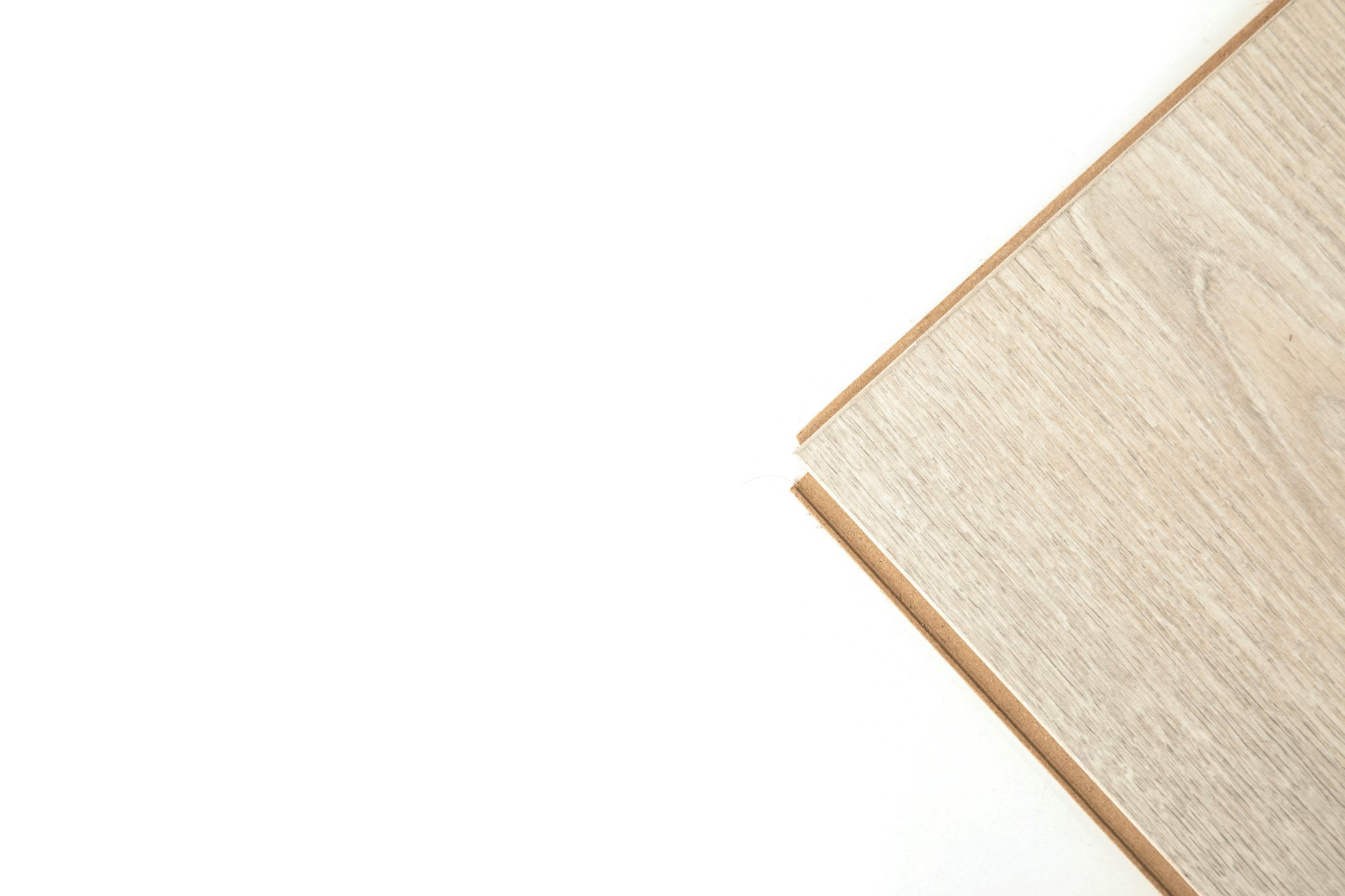
Recycling composite flooring has become more than just a trendy buzzword; it's a crucial step toward reducing waste and conserving our planet’s resources. With the rise of laminate flooring in homes and commercial spaces, understanding why recycle composite flooring is essential can help homeowners and builders make smarter choices. The laminate flooring recycling process offers innovative solutions to turn discarded materials into new, useful products, showcasing how Laminate Flooring Recycling Methods can be both effective and environmentally friendly.
Why Recycling Composite Flooring Matters
So, why recycle composite flooring? Because every piece of old laminate that ends up in a landfill is a missed opportunity to repurpose valuable materials. Recycling composite flooring helps divert waste from overflowing landfills and reduces the environmental footprint associated with manufacturing new materials. Plus, embracing the laminate flooring recycling process supports sustainable practices that benefit future generations.
Environmental Impact of Discarded Laminate Flooring
Discarded laminate flooring contributes significantly to environmental degradation when not properly recycled or disposed of. These materials often contain adhesives and resins that can leach harmful chemicals into the soil and water over time. By choosing to recycle composite flooring instead of tossing it out, we minimize pollution and conserve natural resources—making it clear why recycle laminate flooring should be a priority for eco-conscious individuals.
Overview of Laminate Flooring Recycling Process
The laminate flooring recycling process involves several steps designed to efficiently transform old floors into new products or raw materials. From collection and sorting to processing using advanced Laminate Flooring Recycling Methods, each stage plays a vital role in ensuring sustainability. Understanding this process highlights how recycling composite flooring is not only feasible but also an innovative way to support eco-friendly building practices.
Understanding Composite Flooring and Its Composition
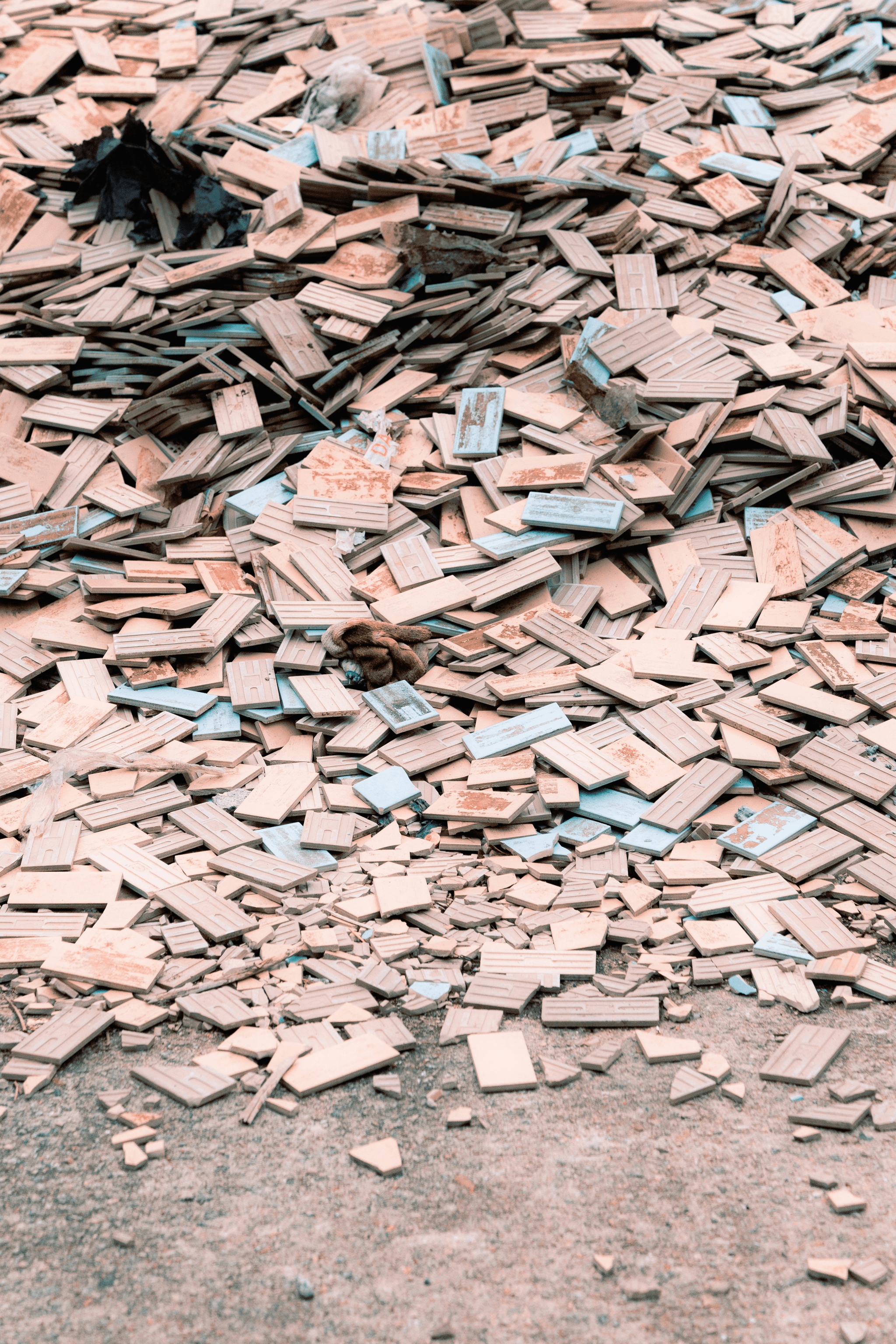
Composite flooring has become a popular choice for both homeowners and builders looking for durable, eco-friendly options. It’s a blend of various materials designed to mimic traditional wood or laminate flooring but with enhanced resilience. Understanding what makes up composite flooring is essential when considering why recycle composite flooring and how the Laminate Flooring Recycling Process can be optimized to reduce waste and environmental impact.
Recycling composite flooring begins with knowing its composition. Typically, it combines wood fibers or sawdust with plastics, binders, and sometimes additives like UV stabilizers or colorants. This mixture results in a material that’s not only tough but also recyclable through specific Laminate Flooring Recycling Methods. Why recycle laminate flooring? Because these materials are engineered to be recycled rather than discarded into landfills, supporting sustainability initiatives.
The process of Recycle Composite Flooring involves breaking down these composite materials into reusable components, which can then be transformed into new products. By understanding the composition of composite flooring, stakeholders can better appreciate why recycling efforts are crucial for reducing waste and conserving resources. Implementing effective Laminate Flooring Recycling Methods ensures that old floors don’t just end up in dumps but are given a second life through innovative recycling approaches.
What Is Composite Flooring?
Composite flooring is a manufactured product made from combining different materials to achieve durability and aesthetic appeal similar to natural wood or laminate surfaces. It often includes a core layer composed of wood fibers or recycled wood particles bonded with plastics or resins, topped with a protective layer or veneer. This design allows for easier recycling because the materials are compatible within the same recycling stream, making it simpler to Recycle Composite Flooring effectively.
Understanding why recycle composite flooring is important hinges on its complex material makeup; unlike traditional hardwood, composites contain plastic elements that require specialized Laminate Flooring Recycling Methods for proper processing. When homeowners or businesses opt for laminate flooring recycling process programs, they contribute significantly toward reducing landfill waste while supporting sustainable manufacturing practices. The more we learn about what constitutes composite flooring, the better equipped we are to advocate for responsible disposal and reuse.
Common Materials Used in Composite Decking and Flooring
The typical materials used in composite decking and flooring include high-density polyethylene (HDPE), polypropylene (PP), recycled plastics, along with wood flour or sawdust as fillers—these ingredients make up the core structure of many modern composites. Some products also incorporate additives like UV inhibitors or colorants to enhance longevity and appearance without compromising recyclability. Knowing these common materials underscores why it’s feasible—and environmentally wise—to engage in the Laminate Flooring Recycling Process; because many components are compatible with existing plastic recycling streams.
Why recycle laminate flooring? Because these composites often contain plastics that can be melted down and reprocessed via specific Laminate Flooring Recycling Methods—saving raw resources while reducing environmental impact. When considering how to Recycle Composite Flooring properly, understanding its material makeup helps identify suitable facilities capable of handling such mixed materials efficiently—and supports sustainable practices across industry sectors.
Why Composite Materials Are Recyclable
Composite materials stand out as recyclable because their constituent parts—wood fibers combined with plastics—can often be separated during advanced recycling processes like mechanical shredding or chemical treatments found within modern Laminate Flooring Recycling Methods. These methods enable broken-down pieces to be repurposed into new products such as park benches, garden furniture, or even new decking boards—showcasing why recycle composite flooring is an essential part of circular economy initiatives today.
Why recycle laminate flooring? Because doing so reduces reliance on virgin raw materials while diverting potentially hazardous waste from landfills—a practice supported by innovative Laminate Flooring Recycling Processes tailored specifically for composites’ unique composition. Embracing this approach not only conserves natural resources but also promotes sustainable building practices by turning old floors into valuable raw material again—a win-win scenario worth championing at every opportunity.
Benefits of Recycling Composite Flooring
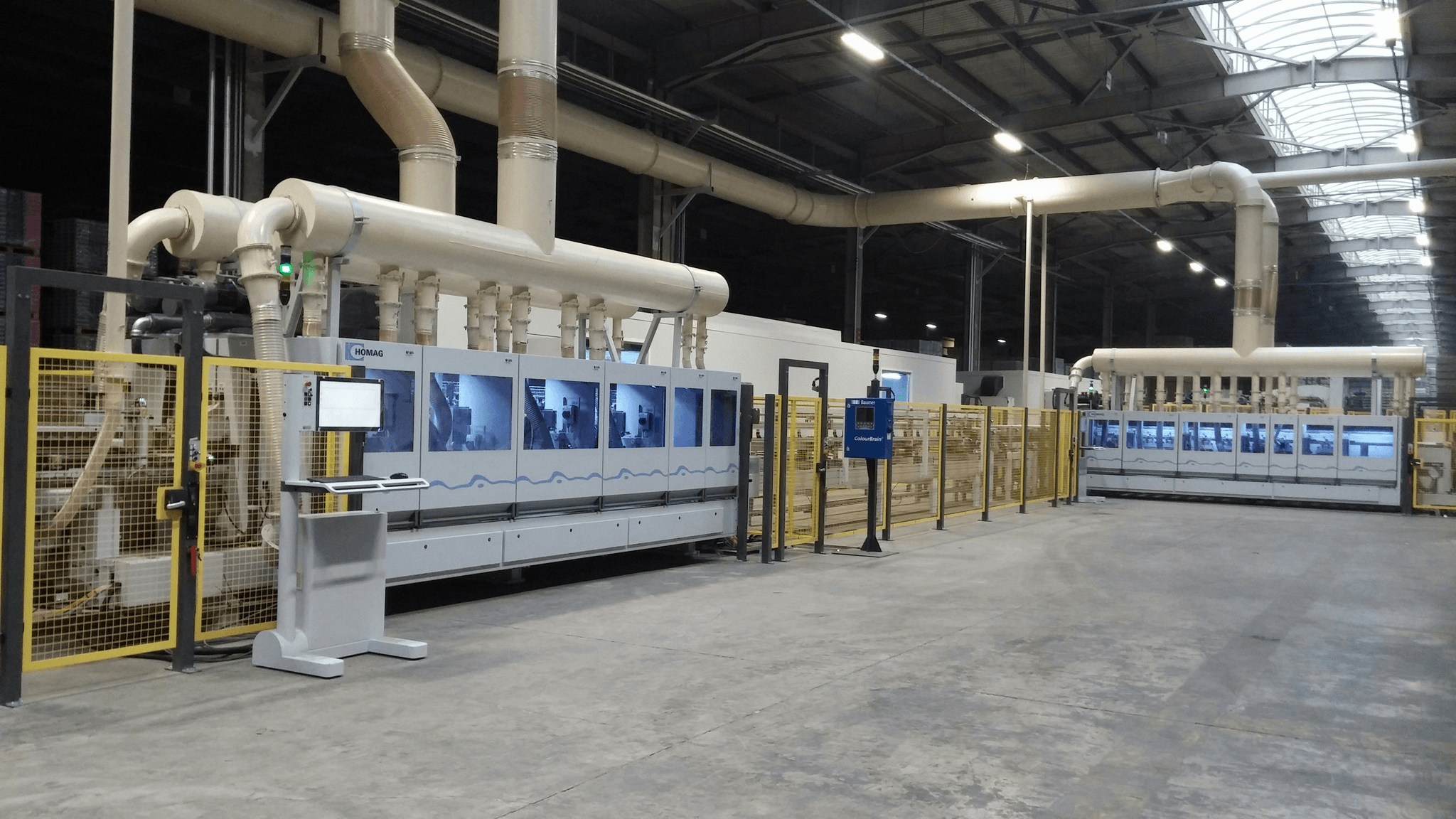
Recycling composite flooring isn’t just about keeping things tidy; it’s a smart move that benefits the planet and your conscience. When you choose to recycle laminate flooring, you’re actively reducing waste and supporting eco-friendly practices. Plus, understanding why recycle laminate flooring is essential can inspire more homeowners and builders to participate in these green initiatives, making a real difference one piece at a time.
Reducing Landfill Waste
One of the most immediate benefits of recycle composite flooring is cutting down on landfill clutter. Discarded laminate flooring often piles up quickly, taking years to decompose and leaching harmful chemicals into the environment. By engaging in the Laminate Flooring Recycling Process, we divert these materials from landfills, helping to reduce environmental pollution and extend landfill lifespan. Knowing why recycle laminate flooring is crucial becomes clear when considering how much waste can be repurposed rather than wasted.
Conserving Natural Resources
Every piece of laminate flooring recycled means less need to extract raw materials like wood, minerals, or plastics from the earth. Recycle composite flooring supports resource conservation by transforming old materials into new products through various Laminate Flooring Recycling Methods such as mechanical or chemical recycling approaches. This process not only saves natural resources but also reduces energy consumption associated with manufacturing virgin materials—making it a win-win for everyone who cares about sustainability.
Supporting Sustainable Building Practices
Incorporating recycled composite flooring into new projects aligns perfectly with sustainable building practices that prioritize eco-conscious choices. When builders opt for recycled materials obtained via responsible recycling methods, they contribute to a circular economy that values reuse over disposal. Why recycle laminate flooring? Because it fosters innovation in recycling technologies and trends that push the industry toward greener solutions—helping create buildings that are both beautiful and environmentally responsible.
Laminate Flooring Recycling Methods
Recycling composite flooring is a smart move for anyone looking to reduce waste and support sustainability. The Laminate Flooring Recycling Process involves several innovative methods designed to break down old flooring into usable materials.
Mechanical Recycling Techniques
Mechanical recycling is the most straightforward approach in the Laminate Flooring Recycling Methods arsenal. It involves physically breaking down laminate flooring into smaller pieces, often through shredding or grinding, without altering its chemical structure. This technique is popular because it allows for quick processing and repurposing of composite flooring into products like mulch, filler material, or raw feedstock for manufacturing new items.
Why recycle laminate flooring mechanically? Because it’s cost-effective and accessible, making it an ideal choice for large-scale recycling facilities aiming to Recycle Composite Flooring efficiently. Mechanical methods are especially useful when dealing with non-contaminated materials, ensuring that valuable components of laminate flooring are preserved and reused effectively.
Chemical Recycling Approaches
Chemical recycling approaches take a different route by breaking down laminate flooring at the molecular level using solvents or other chemical agents. This method allows for the separation of resins, plastics, and other components that make up composite flooring, enabling the recovery of high-quality raw materials suitable for creating new products.
This approach answers the question: Why recycle laminate flooring chemically? Because it offers a way to Recycle Composite Flooring that contains mixed or contaminated materials which mechanical methods might struggle with. Chemical recycling can unlock more value from old floors by transforming them into virgin-grade plastics or resins, making it a promising trend in modern Laminate Flooring Recycling Methods.
Innovative Recycling Technologies and Trends
The world of laminate floor recycling is constantly evolving with innovative technologies such as pyrolysis, enzymatic breakdowns, and advanced sorting systems. These cutting-edge techniques aim to improve efficiency while reducing environmental impact—key factors in why recycle laminate flooring today has become more feasible than ever before.
Staying ahead with these trends means embracing new ways to Recycle Composite Flooring responsibly and sustainably. As technology advances, so does our ability to turn discarded laminate floors into valuable resources—supporting greener building practices while minimizing landfill waste.
Step-by-Step Laminate Flooring Recycling Process
Recycling composite flooring might sound like a daunting task, but the Laminate Flooring Recycling Process breaks it down into manageable steps that benefit both the environment and your conscience. Understanding this process highlights why recycling laminate flooring is essential and how it contributes to sustainable practices. By following these steps, you can see why Recycle Composite Flooring is gaining momentum as a responsible choice for homeowners and builders alike.
Collection and Sorting of Old Flooring
The first step in the Laminate Flooring Recycling Process involves gathering discarded laminate flooring from renovation sites, homes, or commercial spaces. Proper collection ensures that valuable materials don't end up in landfills unnecessarily. Sorting is crucial here because it separates recyclable composite flooring from non-recyclable waste, making the entire process more efficient and environmentally friendly. This step underscores why recycle composite flooring is vital—because sorting helps maximize material recovery and minimizes waste.
Preparing Materials for Recycling
Once collected, the materials need to be prepared for the actual recycling process. This involves removing any contaminants such as adhesives, nails, or other non-recyclable components that could hinder effective processing. Additionally, the laminate flooring is often broken down into smaller pieces to facilitate easier handling during recycling methods like mechanical or chemical recycling approaches. Preparing materials carefully ensures they align with various Laminate Flooring Recycling Methods, which ultimately supports why recycle laminate flooring is a sustainable choice for reducing environmental impact.
Processing and Repurposing into New Products
The final stage transforms prepared laminate flooring into new products through advanced processing techniques such as grinding or chemical treatment—part of the innovative recycling technologies trend. These recycled materials can then be repurposed into items like decking boards, furniture components, or even new laminate surfaces. This cycle demonstrates why recycle composite flooring matters—because it closes the loop on waste by turning old floors into something useful again while supporting eco-friendly building practices.
How to Recycle Composite Flooring with Professional Help
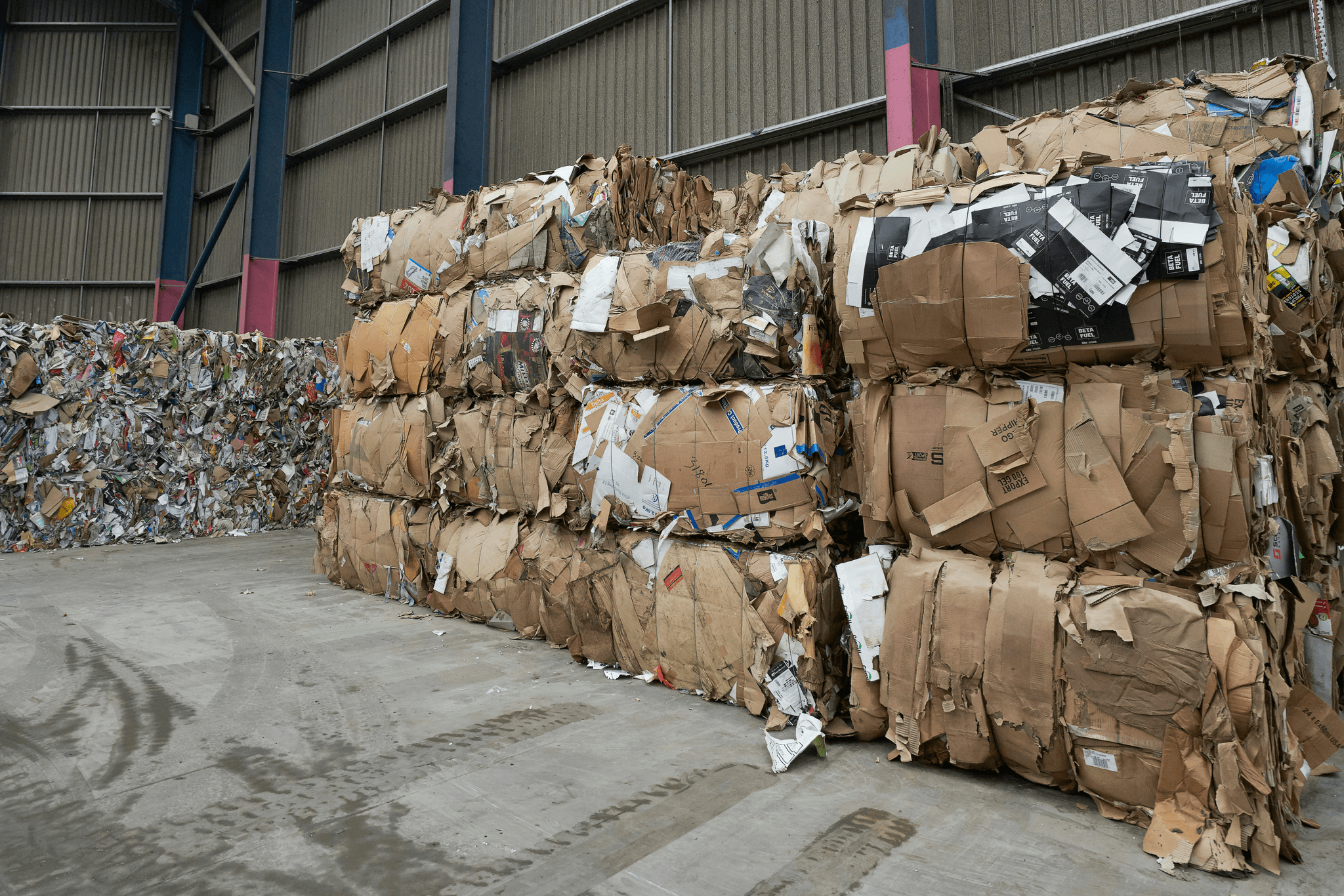
Recycling composite flooring might sound like a daunting task, but partnering with the right professionals makes all the difference. When you choose responsible recycling facilities, you ensure that your old laminate flooring is processed efficiently and sustainably. These facilities understand why recycle laminate flooring is essential and employ advanced methods like the Laminate Flooring Recycling Process to turn waste into valuable new products.
Working with companies like Composite Decking Inc can streamline your recycling journey. They specialize in Recycle Composite Flooring and utilize innovative Laminate Flooring Recycling Methods to maximize material reuse. By collaborating with such experts, homeowners and builders can confidently navigate the complexities of recycling composite flooring while supporting eco-friendly initiatives.
For homeowners and builders eager to make a positive environmental impact, it’s crucial to follow some simple tips. First, always verify that the recycling facility has proper certifications and understands why recycle laminate flooring is important for sustainability efforts. Second, ask about their Laminate Flooring Recycling Process to ensure they employ effective mechanical or chemical methods suited for composite materials. Lastly, partnering with experienced companies guarantees your old laminate flooring will be recycled responsibly, reducing landfill waste and conserving natural resources.
Challenges and Limitations in Recycling Composite Flooring

While the idea of Recycle Composite Flooring sounds fantastic and eco-friendly, there are quite a few hurdles to overcome before it becomes mainstream. One major challenge lies in Material Compatibility Issues. Different types of composite materials, adhesives, and finishes can complicate the Laminate Flooring Recycling Process, making it difficult to create uniform recycled products. This inconsistency often hampers the efficiency of Recycle Composite Flooring initiatives and raises questions about whether all flooring types can be effectively recycled using current methods.
Another obstacle is the Cost and Accessibility of Recycling Technologies. Cutting-edge Laminate Flooring Recycling Methods require significant investment in machinery and expertise, which can be prohibitively expensive for many recycling facilities or local governments. As a result, many places may hesitate to implement comprehensive recycling programs for composite flooring, despite the environmental benefits—highlighting why recycle laminate flooring remains a challenge in some regions. Without affordable options, expanding Recycle Composite Flooring efforts might stay on hold, limiting widespread adoption.
Regulatory and Certification Considerations also pose notable limitations. Navigating the complex web of environmental regulations and obtaining necessary certifications for recycled materials can slow down or even halt recycling projects. These legal hurdles underscore why recycle laminate flooring isn't always straightforward; compliance costs add another layer of difficulty to adopting advanced Laminate Flooring Recycling Processes nationwide or globally.
Conclusion
Making the case for recycling composite flooring has never been more compelling. With growing environmental concerns, understanding why recycle composite flooring is essential to reducing landfill waste and conserving natural resources becomes clear. Recycling laminate flooring not only helps diminish the environmental footprint but also supports innovative Laminate Flooring Recycling Methods that turn old materials into new, useful products. Embracing this eco-friendly practice today is a smart move toward a sustainable future.
Getting started on your recycling journey might seem daunting, but it’s simpler than you think. The first step involves learning about the Laminate Flooring Recycling Process and identifying responsible facilities that accept composite flooring. Whether you're a homeowner or builder, partnering with companies like Composite Decking Inc can streamline your efforts and ensure you’re following proper Laminate Flooring Recycling Methods to make a real difference.
Looking ahead, the future of sustainable flooring solutions is bright and promising with advancements in recycling technologies. As more organizations recognize Why recycle laminate flooring? as a vital part of environmental stewardship, innovative approaches are emerging to make Recycle Composite Flooring even easier and more efficient. By supporting these developments, we can collectively push for greener building practices and inspire others to join the movement toward eco-conscious construction.