
Introduction
In the world of materials, few can match the versatility and practicality of PVC sheets. These durable plastic sheets have found their way into countless applications, from construction to crafting, making them a go-to choice for both professionals and DIY enthusiasts alike. With a variety of types available—such as PVC panels, expanded PVC sheets, and plastic boards—understanding the unique features of each can help you make informed decisions for your projects.
Understanding the Versatility of PVC Sheets
PVC material is not just any ordinary plastic; it's a chameleon in the world of construction and design. The adaptability of PVC sheets allows them to be used in diverse environments, whether you're looking to create signage, wall panels, or even furniture. This versatility means that no matter what your project entails, there's likely a form of PVC that fits your needs perfectly.
Applications of PVC in Everyday Life
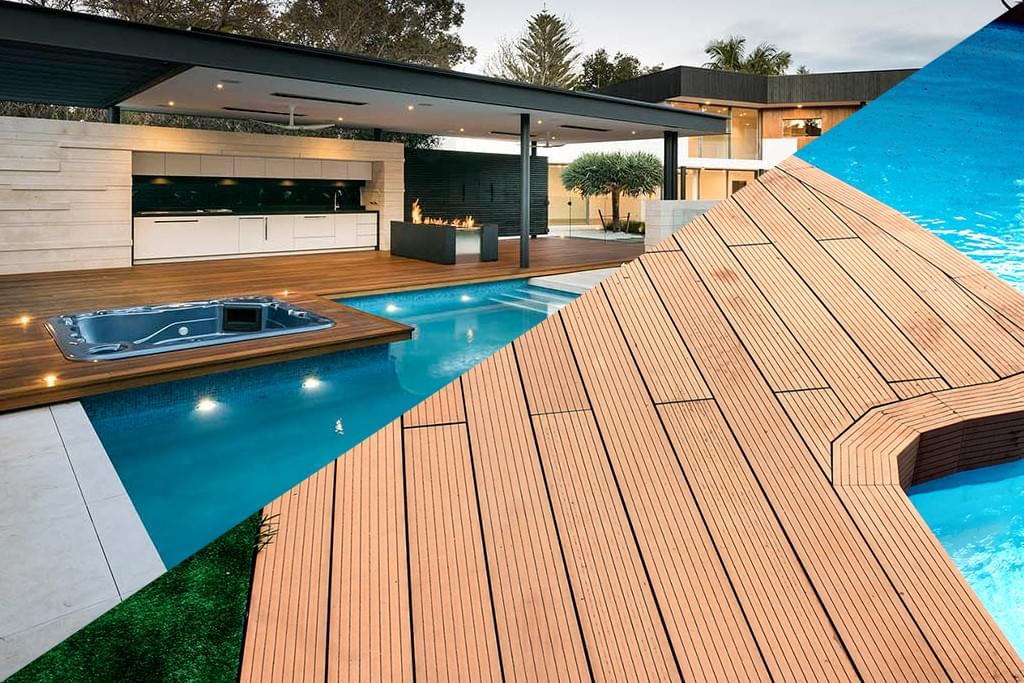
From home improvement projects to commercial uses, the applications for PVC sheets are virtually limitless. You might find these plastic boards in everything from kitchen backsplashes to outdoor decking solutions—an indication of their broad appeal across industries. Whether you're an architect designing modern spaces or a homeowner looking for functional yet stylish options, incorporating PVC into your life is as easy as pie.
The Benefits of Using PVC Sheets

Lightweight Yet Durable Features
One of the most appealing aspects of PVC sheets is their lightweight nature, which makes them easy to handle and install. Despite being light, these plastic boards boast exceptional durability, ensuring they can withstand wear and tear over time without compromising functionality. This combination allows for effortless transportation and installation while offering long-lasting performance in various environments.
Water Resistance and Longevity
PVC material excels in water resistance, making it an ideal choice for applications where moisture is a concern. Whether used outdoors or in damp areas, expanded PVC sheets resist mold, mildew, and corrosion much better than many traditional materials. This water-resistant feature not only extends the longevity of the product but also reduces maintenance costs over time.
Cost-Effectiveness Compared to Alternatives
When comparing prices across different materials, PVC panels often emerge as a cost-effective option without sacrificing quality or performance. The initial investment in plastic sheets may be lower than alternatives like wood or metal; plus, their durability means fewer replacements are needed down the line. In short, choosing PVC slabs can lead to significant savings while still delivering outstanding results across various projects.
Different Types of PVC Sheets Available

Distinguishing Between PVC Panels and Plastic Boards
PVC panels and plastic boards may seem similar at first glance, but they serve different purposes in construction and design. PVC panels are typically used for wall coverings or ceilings due to their aesthetic appeal and durability, while plastic boards are often utilized for structural applications where strength is paramount. Understanding these distinctions ensures that you select the right type of PVC material for your specific requirements.
Another key difference lies in their thickness and rigidity; PVC panels tend to be thinner and more flexible compared to the sturdier plastic boards. This flexibility makes them ideal for decorative purposes, whereas plastic boards offer enhanced support in load-bearing applications. So whether you're looking to beautify a space with sleek PVC sheets or need robust support from a plastic board, knowing your options is vital.
Exploring Expanded PVC Sheets
Expanded PVC sheets are a game-changer in terms of versatility and ease of use within various industries. These lightweight yet durable sheets boast a foam-like structure that makes them easier to cut and shape than traditional solid plastics. Their unique composition not only enhances their insulation properties but also allows them to resist moisture effectively, making them perfect for both indoor and outdoor projects.
In addition to being water-resistant, expanded PVC sheets are also incredibly versatile when it comes to printing graphics or applying finishes—ideal for signage or promotional displays! This feature has made them popular among businesses looking for eye-catching solutions without breaking the bank on more expensive materials. If you're considering custom designs or creative projects that require both durability and aesthetic appeal, expanded PVC sheets could be your best bet.
Overview of PVC Slabs and Their Uses
PVC slabs represent another essential category within the realm of PVC materials—known for their thickness and robust nature. These heavy-duty slabs offer superior strength compared to other forms of plastic sheet products, making them suitable for demanding applications like countertops or industrial flooring solutions. The durability provided by these slabs ensures they can withstand significant wear over time without compromising performance.
Moreover, the versatility of PVC slabs extends beyond mere functionality; they can be easily machined or fabricated into various shapes according to project specifications. This adaptability allows designers and builders alike to create custom solutions tailored precisely to their needs while enjoying all the benefits that come with using high-quality pvc material. Whether you're constructing outdoor furniture or designing intricate architectural features, incorporating durable pvc slabs into your plans can elevate your project's overall quality.
How to Choose the Right PVC Material
Choosing the right PVC material can feel like navigating a maze, but with a little guidance, you can easily find your way. Whether you're working on a DIY project or planning a professional installation, understanding the various options available in PVC sheets and panels is essential. This section will help you make informed decisions based on your specific needs.
Factors to Consider for Your Project
When selecting PVC material for your project, start by identifying the purpose it will serve. Are you using it for interior design, outdoor applications, or perhaps something more specialized? Additionally, consider environmental factors such as exposure to moisture or UV rays that could affect the longevity of your chosen plastic sheet.
Another key factor is the load-bearing capacity required for your application. If you're looking at heavier uses like construction or signage, you'll want to opt for thicker and denser options like PVC slabs or expanded PVC sheets. Lastly, think about aesthetics; colors and finishes can significantly impact the overall look of your project.
Comparing Thickness and Density of PVC Plastic
Thickness and density are crucial when comparing different types of PVC plastic available in the market today. Thicker materials generally offer better durability and resistance to impact but may be heavier and more challenging to work with. Conversely, thinner options might be easier to handle but could compromise strength depending on their intended use.
For example, if you're considering a plastic board for decorative purposes only, a thinner panel might suffice; however, if you need something robust for structural support or outdoor use, investing in thicker expanded PVC sheets would be wise. Always check specifications carefully: manufacturers usually provide detailed information regarding thickness and density that can guide your choice effectively.
Tips for Selecting Colors and Finishes
Selecting colors and finishes for your PVC panels can be one of the most enjoyable aspects of choosing materials! The versatility of PVC sheets allows an array of colors—from vibrant hues to subtle shades—so you can easily match them with existing décor or branding requirements. When picking finishes, consider whether you want a glossy look that reflects light beautifully or a matte finish that offers a more understated elegance.
Don't forget about practicality! While bright colors may catch the eye initially, darker shades often hide dirt better over time—something worth considering if maintenance is an issue in high-traffic areas. Lastly, always request samples before making final decisions; seeing how different colors interact with light in real settings will ensure satisfaction once installed.
Installation Tips for PVC Products
When it comes to installing PVC products, a little preparation goes a long way. Working with PVC sheets can be straightforward if you follow some best practices that ensure a smooth installation process. Understanding the characteristics of your chosen PVC material will also help you achieve the best results in your project.
Best Practices for Working with PVC Sheets
Before diving into the installation, make sure to acclimate your PVC sheets to the environment where they will be used. This helps prevent warping or bending due to temperature fluctuations. When cutting or shaping your plastic sheet, use sharp tools specifically designed for plastics; dull blades can lead to jagged edges and an unsightly finish.
Always wear safety gear when handling PVC panels and ensure proper ventilation in your workspace. Additionally, consider using clamps or weights to hold down expanded PVC sheets while cutting or gluing them together; this prevents movement and ensures precise cuts. Finally, take the time to double-check measurements before making any cuts—it's easier than trying to fix mistakes later!
Tools and Accessories You’ll Need
To tackle any project involving PVC slabs or plastic boards effectively, you'll need a few essential tools at hand. A circular saw or jigsaw is ideal for cutting through thicker materials like PVC panels, while a utility knife works well for thinner sheets like expanded PVC sheets. Don’t forget about measuring tapes, straight edges, and clamps—they're crucial for achieving accuracy.
In addition to basic tools, consider investing in adhesive specifically formulated for plastic materials; this will ensure strong bonds between pieces of your project. If you're installing larger sheets vertically or horizontally, having a partner can make the job easier and safer—two sets of hands are always better than one! Lastly, keep sandpaper handy for smoothing out any rough edges after cutting.
Common Mistakes to Avoid During Installation
Even seasoned DIY enthusiasts can make mistakes when working with plastic materials like PVC sheets—so here are some pitfalls to watch out for! First off, avoid rushing through measurements; inaccurate cuts can lead to wasted material and frustration down the line. Always measure twice before making any cuts on your plastic board!
Another common error is using inappropriate adhesives that aren't compatible with PVC material; this could result in weak bonds that compromise durability over time. Also, neglecting proper ventilation when cutting or sanding can lead to inhaling harmful particles—so don’t skip on safety measures! Lastly, remember that not all screws are created equal; choose ones specifically designed for use with plastic materials to avoid cracking during installation.
Sustainability and PVC: What You Need to Know
When discussing sustainability, PVC sheets often stir up a debate. While some argue about the environmental impact of PVC materials, it's essential to consider their lifecycle and applications. Understanding both the pros and cons can help consumers make informed choices regarding plastic sheets in various projects.
The Environmental Impact of PVC Materials
The environmental impact of PVC panels has been a topic of scrutiny for years. The production process involves chlorine and petroleum-based products, which can raise concerns about pollution and emissions. However, when used responsibly, pvc plastic can offer longevity that reduces waste over time compared to other materials that may require more frequent replacements.
Moreover, the durability of pvc slabs means they often outlast alternatives like wood or traditional plastics. This longevity can lead to a lower overall carbon footprint when considering the entire lifecycle from production through disposal. Thus, while there are valid concerns about initial manufacturing practices, the long-term benefits of using PVC material can't be ignored.
Recyclability of PVC and Its Benefits
One significant advantage of using pvc sheets is their recyclability. Many recycling facilities accept this versatile plastic material, allowing for its reuse in creating new products or even new pvc panels. This process not only conserves resources but also helps reduce landfill waste significantly.
Recycling expanded pvc sheets contributes to a circular economy where materials are continuously repurposed rather than discarded after use. Additionally, recycled PVC can be transformed into various items such as flooring tiles or construction materials, showcasing its versatility even post-consumer use. By choosing recyclable options like plastic boards made from recycled content, consumers can support sustainable practices in their projects.
Composite Decking Inc: Eco-Friendly Alternatives
For those seeking eco-friendly alternatives in outdoor spaces, Composite Decking Inc provides innovative solutions that incorporate recycled materials alongside traditional plastics like pvc sheets. These composite boards combine wood fibers with recycled plastic to create durable surfaces that require less maintenance than conventional wooden decks while still offering aesthetic appeal.
Utilizing expanded pvc sheet technology also allows for enhanced performance against weather elements without compromising on style or functionality. Furthermore, by opting for these eco-friendly alternatives from brands like Composite Decking Inc., consumers contribute to reducing deforestation while enjoying the benefits associated with high-quality plastic boards in their landscaping endeavors.
[Image description=various types of colorful pvc sheets stacked neatly on display at a hardware store showcasing different textures and finishes, bright colors including blue and white visible clearly], Image name=pvc_sheets_displayed_in_store, Alt tag=pvc sheets showcased in vibrant colors at hardware store
Conclusion

In wrapping up our exploration of PVC sheets, it's clear that these versatile materials offer a myriad of advantages across various applications. From their lightweight yet durable features to their cost-effectiveness compared to other options, PVC panels and plastic boards are increasingly becoming the go-to choice for both professionals and DIY enthusiasts alike. As we look ahead, the ongoing developments in PVC technology promise even more exciting possibilities for this already remarkable material.
Key Advantages of PVC Sheets
One of the standout features of PVC sheets is their impressive durability combined with a lightweight design, making them easy to handle without sacrificing strength. This makes PVC plastic an ideal choice for projects ranging from home renovations to industrial applications. Additionally, their water resistance ensures longevity, allowing them to withstand harsh conditions without deteriorating—something that many other materials simply can’t match.
Practical Applications Across Industries
PVC material has found its way into numerous industries due to its versatility and functionality. In construction, expanded PVC sheets are used for everything from wall cladding to signage because they can be easily cut and shaped according to specific needs. Meanwhile, in the realm of crafting and design, plastic boards serve as excellent canvases for artistic projects or functional displays, proving that the utility of PVC slabs knows no bounds.
Future Developments in PVC Technology
Looking forward, innovations in PVC technology are set to enhance the performance and sustainability of these materials even further. Research into recyclable options is paving the way for eco-friendly products that still retain all the benefits we've come to expect from traditional PVC sheets. With companies like Composite Decking Inc leading the charge toward greener alternatives, we can anticipate a future where our beloved plastic sheet options become even more environmentally responsible while maintaining their practical advantages.