
Introduction

When it comes to selecting the right materials for your flooring project, understanding the differences between Softwood and Hardwood is essential. These two categories of wood not only differ in appearance but also in characteristics, durability, and suitability for various applications. Knowing what each type brings to the table can significantly impact your choice and overall satisfaction with your flooring.
The Basics of Wood Types
Softwood and Hardwood are terms that often confuse homeowners and DIY enthusiasts alike. Softwoods typically come from coniferous trees, which are usually evergreen and grow faster than their hardwood counterparts. Hardwoods, on the other hand, originate from deciduous trees that shed their leaves annually; they tend to be denser and more durable, making them a popular choice for high-traffic areas.
Importance of Wood Selection
The selection of wood type is not just a matter of aesthetics; it also affects the longevity and functionality of your flooring. Choosing the right type can enhance the beauty of your space while ensuring that it stands up to wear over time. Whether you lean towards Softwood or Hardwood will depend on factors like maintenance requirements, cost considerations, and how well each type fits into your lifestyle.
What does this mean in flooring terms?
In flooring terms, understanding Softwood And Hardwood is crucial for making an informed decision tailored to your specific needs. For instance, while Softwoods may offer a more budget-friendly option with a lighter aesthetic, Hardwoods often provide superior durability and timeless elegance. Ultimately, knowing what each wood type means for your flooring can guide you toward a choice that balances both style and practicality.
Defining Softwood and Hardwood
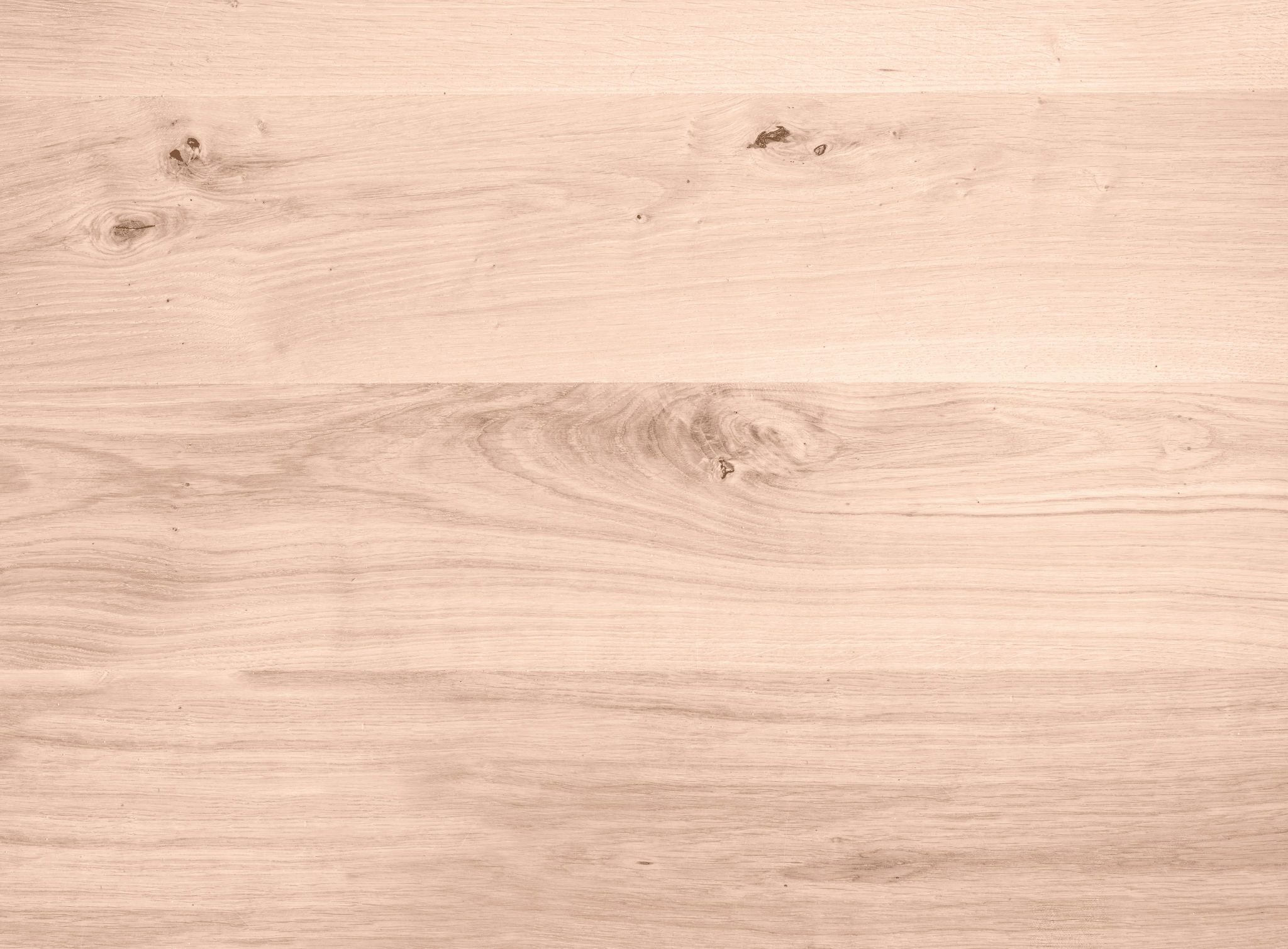
When it comes to understanding wood, distinguishing between softwood and hardwood is essential. These two categories not only differ in their botanical classifications but also in their physical properties, uses, and aesthetic appeal. For anyone involved in flooring projects, knowing the nuances of softwood and hardwood can significantly influence the final outcome.
Characteristics of Softwood
Softwood comes from coniferous trees, which are typically evergreen and have needle-like leaves. This type of wood is generally lighter in weight and tends to be less dense than hardwood, making it easier to work with for construction projects. Additionally, softwoods often have a straighter grain pattern and are more susceptible to dents and scratches compared to their hardwood counterparts.
In flooring terms, using softwood can provide a more casual or rustic appearance due to its natural variations and light color tones. However, this does mean that one must be mindful of potential wear over time; softer woods can show signs of aging more quickly than harder varieties. If you're considering softwood for your flooring project, it's crucial to weigh both aesthetic preferences and durability needs.
Characteristics of Hardwood
Hardwoods originate from deciduous trees that shed their leaves annually. These woods are generally denser and heavier than softwoods, contributing to their reputation for strength and durability—qualities that make them ideal for high-traffic areas like living rooms or hallways. The grain patterns in hardwoods are often more complex than those found in softwoods, adding an element of elegance that many homeowners seek.
In flooring applications, hardwood offers a luxurious feel underfoot while standing up better against wear over time compared to softer options. The variety available—from oak to maple—allows for countless design possibilities that can elevate any space's aesthetic appeal. Understanding what this means in flooring terms is vital as you choose materials that will last while enhancing your home's beauty.
Common Examples of Each
When we talk about common examples of softwood species, pine is often the first name that comes up; it's widely used due to its affordability and versatility. Cedar is another popular choice known for its aromatic properties as well as its resistance to decay—making it suitable for both indoor furniture and outdoor decking projects alike. On the other hand, typical hardwoods include oak—which boasts remarkable durability—and cherry known for its rich color that deepens over time.
In summary, knowing the characteristics of softwood and hardwood helps you make informed decisions regarding your flooring choices based on your specific needs—whether you're prioritizing cost-effectiveness or long-lasting elegance. By recognizing these distinctions alongside common examples of each type—like pine versus oak—you can navigate your options with confidence when selecting materials for your next project.
Where Do They Come From?

Understanding the origins of Softwood and Hardwood is essential for making informed decisions in flooring and construction. Each type of wood has distinct sources that contribute to its unique characteristics and uses. In this section, we will explore where Softwood and Hardwood come from, shedding light on their availability and global distribution.
Sources of Softwood
Softwood primarily comes from coniferous trees, which are characterized by needle-like leaves and cones. Common sources include species like pine, spruce, fir, and cedar, all known for their fast growth rates and adaptability to various climates. These trees are typically harvested from managed forests, making them a popular choice for sustainable timber production.
Softwood is often used in construction due to its lightweight nature and ease of handling; it’s the go-to choice for framing houses or building decks. The rapid growth cycle of Softwood means that it can be replenished quickly compared to hardwoods, contributing to a more sustainable approach in flooring terms as well. This quick turnover allows for a steady supply of materials essential for both residential and commercial projects.
Sources of Hardwood
Hardwood comes from deciduous trees that shed their leaves annually, such as oak, maple, cherry, and walnut. These trees generally grow slower than their softwood counterparts but provide denser wood with intricate grain patterns that appeal to designers seeking aesthetic charm in flooring options. Hardwoods are often sourced from temperate forests found across North America, Europe, and parts of Asia.
The harvesting practices for hardwood can be more complex due to the ecological considerations involved; responsible sourcing is crucial to ensure sustainability while meeting market demands. This careful management helps protect biodiversity while allowing consumers access to high-quality materials that enhance interior spaces beautifully. When considering what this means in flooring terms, opting for responsibly sourced hardwood can elevate both style and environmental consciousness.
Global Distribution and Availability
The global distribution of Softwood And Hardwood varies significantly based on climate zones suitable for each tree type's growth requirements. Softwoods dominate the northern hemisphere's forested regions due to their resilience against cold temperatures; countries like Canada and Sweden are major suppliers globally. Conversely, hardwoods thrive in warmer climates found in regions such as the southeastern United States or tropical areas like Brazil.
Availability also hinges on international trade practices; demand influences how easily these woods can be sourced worldwide. For those looking into flooring options or structural elements made from either type of wood, understanding these geographical factors ensures informed choices tailored to specific needs or aesthetics desired in a project context. Ultimately, knowing where your materials come from enhances appreciation—whether it's Softwood And Hardwood—adding another layer when deciding what this means in flooring terms.
Strength and Durability Comparison
These characteristics not only determine how well the material will perform over time but also influence maintenance needs and overall aesthetic appeal. So, let’s dive into how these two wood types stack up against each other.
Softwood vs. Hardwood Strength
Softwood and Hardwood differ significantly in strength due to their biological structure. Generally, hardwoods are denser and have a more complex cellular structure, making them stronger than softwoods.
However, this doesn't mean softwoods are weak; they have their own strengths that make them suitable for various applications. For instance, softwoods like pine are often lighter and easier to work with than hardwoods like oak or maple. This can be advantageous in construction where ease of handling is essential; but when considering what does this mean in flooring terms? It indicates that while softwoods may not hold up as well under stress, they can still be a viable choice for less trafficked areas.
Longevity and Wear Resistance
Longevity is another critical factor when comparing Softwood And Hardwood for flooring options. Hardwoods typically boast superior wear resistance due to their density; they can endure scratches and dents far better than softwoods over time. In high-traffic areas such as hallways or living rooms, choosing hardwood could save you from frequent repairs or replacements.
On the flip side, while softwoods may not last as long as hardwoods under heavy use, they do offer a unique charm that many homeowners find appealing—think rustic cabins or cozy cottages! With proper maintenance such as regular sealing or refinishing, softwood floors can still shine brightly for years without breaking the bank on repairs. So when pondering what does this mean in flooring terms? It suggests that longevity isn't only about durability; it's also about style preferences.
Suitability for Different Applications
The suitability of Softwood And Hardwood varies widely depending on the intended application within your home or business environment. Hardwoods are often recommended for formal settings like dining rooms or offices where elegance is key—think polished oak floors gleaming under chandeliers! Their robust nature makes them perfect for enduring daily wear while maintaining an upscale appearance.
Conversely, if you're looking at spaces like children's playrooms or casual family areas, softwoods might just be your best friend! They provide warmth and comfort underfoot while being easier on the wallet—perfect if you anticipate needing repairs down the line due to kids' antics! Ultimately, understanding what does this mean in flooring terms involves recognizing how each type of wood aligns with your lifestyle needs and design aspirations.
Softwood And Hardwood in Construction

Each type of wood has its unique characteristics that make it suitable for specific applications, whether in framing or decorative elements. Understanding these differences is crucial for any builder or designer looking to make informed decisions about their materials.
Uses in Framing and Structural Elements
Softwood is often the go-to choice for framing and structural elements due to its lightweight nature and ease of handling. Species like pine, spruce, and fir provide excellent strength-to-weight ratios, making them ideal for beams, studs, and trusses in residential construction. On the other hand, hardwoods are typically reserved for applications requiring enhanced durability and load-bearing capacity; think oak or maple used in support beams or heavy-duty furniture.
The versatility of softwood allows it to be treated easily for various environmental conditions, while hardwood's density offers superior resistance to wear over time. This distinction not only affects how buildings are constructed but also impacts maintenance requirements down the line. Ultimately, knowing when to use softwood versus hardwood can lead to stronger structures that stand the test of time.
Aesthetic Choices in Interior Design
Softwoods tend to have a lighter color palette with a more casual feel; think pale pine floors or cedar paneling that brings warmth without overwhelming a space. In contrast, hardwoods boast rich hues and intricate grain patterns that add sophistication—think dark walnut cabinetry or cherry wood accents.
Choosing between these two types of wood often boils down to the desired atmosphere of a room; softwoods lend themselves well to rustic or coastal themes while hardwoods are perfect for traditional or modern elegance. The finish applied can also alter their appearance—softwoods take stains beautifully but may require more upkeep than their harder counterparts when exposed to wear and tear over time. Thus, understanding the aesthetic qualities of both softwood and hardwood is vital when crafting spaces that resonate with personal style.
What does this mean in flooring terms?
So what does this mean in flooring terms? When selecting flooring materials, both softwood and hardwood present unique advantages depending on your lifestyle needs and design preferences. Softwood floors like pine offer an affordable option with easy installation but may dent more easily under heavy foot traffic; they’re perfect for cozy cabins but may not hold up as well in high-traffic urban homes.
Hardwoods such as oak provide unparalleled durability alongside stunning visuals; they’re ideal if you want something that can withstand years of wear while still looking elegant over time. However, they come at a higher price point—an investment worth considering if long-term value is your goal! Ultimately, understanding how each type fits into your flooring plans will help you create spaces that are not only beautiful but functional too.
Sustainability and Environmental Impact

The choices we make in sourcing wood can significantly impact our environment, from forest conservation to carbon footprints. Understanding these practices helps consumers make informed decisions that align with their values.
Harvesting Practices of Softwood
Softwood harvesting often involves clear-cutting or selective logging, methods that can have varying effects on ecosystems. While clear-cutting may provide immediate economic benefits, it can lead to habitat loss and soil erosion if not managed correctly. On the flip side, sustainable practices such as selective logging allow for regrowth and biodiversity preservation, ensuring that future generations can also enjoy the beauty of Softwood and Hardwood alike.
Responsible Sourcing of Hardwood
Certification programs like the Forest Stewardship Council (FSC) ensure that hardwood is harvested sustainably, promoting replanting and responsible land management practices. By choosing certified hardwood products, consumers contribute to a healthier planet while enjoying the aesthetic benefits that high-quality wood brings—what does this mean in flooring terms? It means you’re not just buying flooring; you're investing in a sustainable future.
Composite Decking Inc: Eco-Friendly Solutions
Composite Decking Inc offers innovative solutions that blend recycled materials with traditional wood aesthetics without compromising on quality or durability. Their products are designed to minimize waste while providing an attractive alternative to pure Softwood and Hardwood options. By opting for composite materials from companies like Composite Decking Inc., homeowners can enjoy beautiful outdoor spaces while supporting environmentally friendly practices—an ideal compromise between luxury and sustainability.
Conclusion
In wrapping up our exploration of Softwood and Hardwood, it's clear that the decision-making process for wood selection is multifaceted. Whether you're building a sturdy structure or choosing flooring, understanding the characteristics and applications of these wood types is essential. Ultimately, the right choice not only enhances your project's durability but also its visual appeal.
Choosing the Right Wood for Your Project
Softwood and hardwood each have unique properties that make them suitable for different purposes; softwoods are often lighter and easier to work with, while hardwoods offer superior strength and durability. This means that when you ask yourself, What does this mean in flooring terms? you need to think about how each type will perform under foot traffic and wear over time.
Balancing Aesthetics and Functionality
Finding the perfect balance between aesthetics and functionality can feel like walking a tightrope—one misstep could lead to a less-than-ideal outcome. Softwood offers warmth and character, making it an excellent choice for cozy spaces, while hardwood provides a timeless elegance that can elevate any room's design. So when considering What does this mean in flooring terms? remember that your choice should reflect not just style but also how well it will stand up to everyday use.
Softwood And Hardwood: Making Informed Decisions
Making informed decisions about softwood and hardwood requires careful consideration of your specific needs—both practical and aesthetic. By understanding their strengths, weaknesses, and best applications, you can select materials that not only meet your functional requirements but also align with your design vision. In summary, whether you're crafting furniture or installing flooring, knowing what each type brings to the table will empower you to make choices you'll be proud of for years to come.