
Introduction
Both options are popular in the world of vinyl and flooring, but they cater to different needs and preferences. With a variety of choices like WPC vinyl flooring and luxury vinyl SPC flooring, making an informed decision can elevate your space while ensuring durability.
Understanding WPC and SPC Flooring
WPC, or Wood Plastic Composite, combines wood fibers with plastic to create a resilient yet stylish option for those seeking comfort underfoot. On the other hand, SPC (Stone Plastic Composite) is crafted from limestone and PVC, offering unparalleled strength and stability. With WPC vinyl plank known for its softness and warmth, while luxury vinyl SPC flooring shines in durability, each type serves distinct purposes that cater to various lifestyles.
Key Differences Between WPC and SPC
The primary difference between WPC and SPC flooring lies in their core materials; WPC is softer due to its wood content, making it ideal for residential spaces where comfort is key. Conversely, SPC's rigid structure makes it suitable for high-traffic areas or commercial applications requiring extra toughness. Understanding these distinctions helps homeowners select the right option based on their specific needs and preferences.
Why the Flooring Choice Matters
Choosing between WPC or SPC flooring can significantly impact not only aesthetics but also long-term maintenance costs and comfort levels within your space. The right choice enhances your home's overall design while providing practicality that suits your lifestyle demands. Whether you opt for luxurious WPC vinyl plank or sturdy luxury vinyl SPC flooring, investing time in research will lead you to a satisfying result that elevates your environment.
What is WPC Flooring?
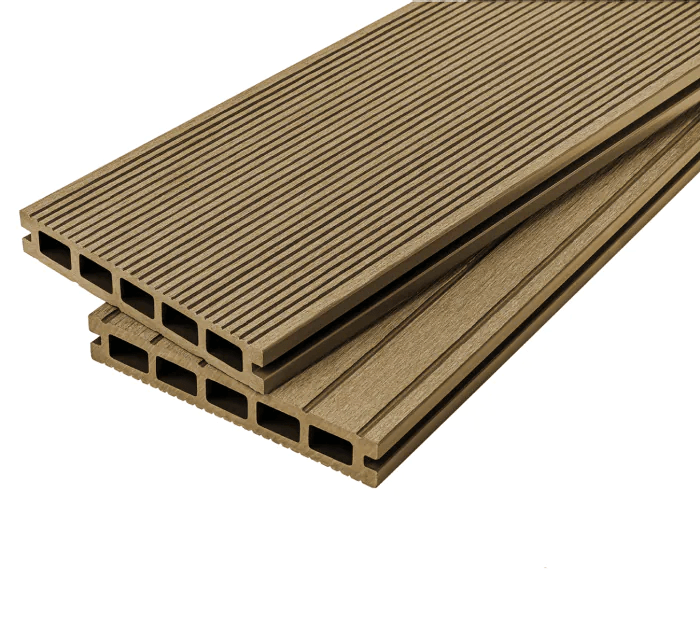
WPC, or Wood Plastic Composite flooring, is a popular choice in the world of vinyl and flooring options. It combines the best aspects of wood and plastic to create a durable and versatile product that meets various needs in both residential and commercial spaces. Understanding WPC vinyl flooring can help homeowners make informed decisions about their flooring choices.
Composition and Structure
WPC vinyl flooring is made from a unique blend of wood fibers, thermoplastics, and other additives that contribute to its structure. This composition provides a robust core that enhances stability while maintaining an aesthetically pleasing appearance similar to traditional hardwood floors. The result is a lightweight yet sturdy WPC vinyl plank that can withstand daily wear and tear.
The structure of WPC flooring typically includes multiple layers: a backing layer for moisture resistance, a core layer for strength, and a top layer with an attractive finish. This layered design not only contributes to its durability but also allows for easy installation over various subfloors without the need for extensive preparation. With its innovative composition, WPC offers an appealing alternative to conventional flooring materials.
Advantages of WPC Flooring
One of the standout advantages of WPC flooring is its remarkable water resistance, making it ideal for areas prone to spills or humidity, such as kitchens and bathrooms. Additionally, this type of vinyl plank offers exceptional comfort underfoot due to its cushioned core, providing warmth during colder months—a feature not often found in traditional hardwood or tile options.
Another significant benefit is the ease of maintenance; regular sweeping and occasional mopping are all that's needed to keep your WPC floors looking pristine. Unlike SPC (Stone Plastic Composite) flooring, which can feel hard underfoot, WPC's softer surface makes it more forgiving on joints—great news for those who spend long hours standing! Moreover, with an array of colors and designs available in luxury vinyl SPC flooring styles, you can easily find something that complements your home’s décor.
Applications of WPC Flooring
WPC vinyl flooring is incredibly versatile and suitable for numerous applications across different environments. Its high resilience makes it perfect for residential spaces like living rooms, bedrooms, or even basements where moisture might be an issue without sacrificing style or comfort. Furthermore, commercial settings such as offices or retail spaces are also adopting this innovative material due to its durability and aesthetic appeal.
In addition to homes and businesses, you’ll find WPC used in hospitality venues like hotels where guests expect both elegance and functionality from their surroundings—think lobbies adorned with stunning wood-look planks! Whether you're renovating your home or outfitting a commercial space with stylish yet practical solutions, choosing wpc vinyl plank ensures you get both beauty and performance in one package.
What is SPC Flooring?
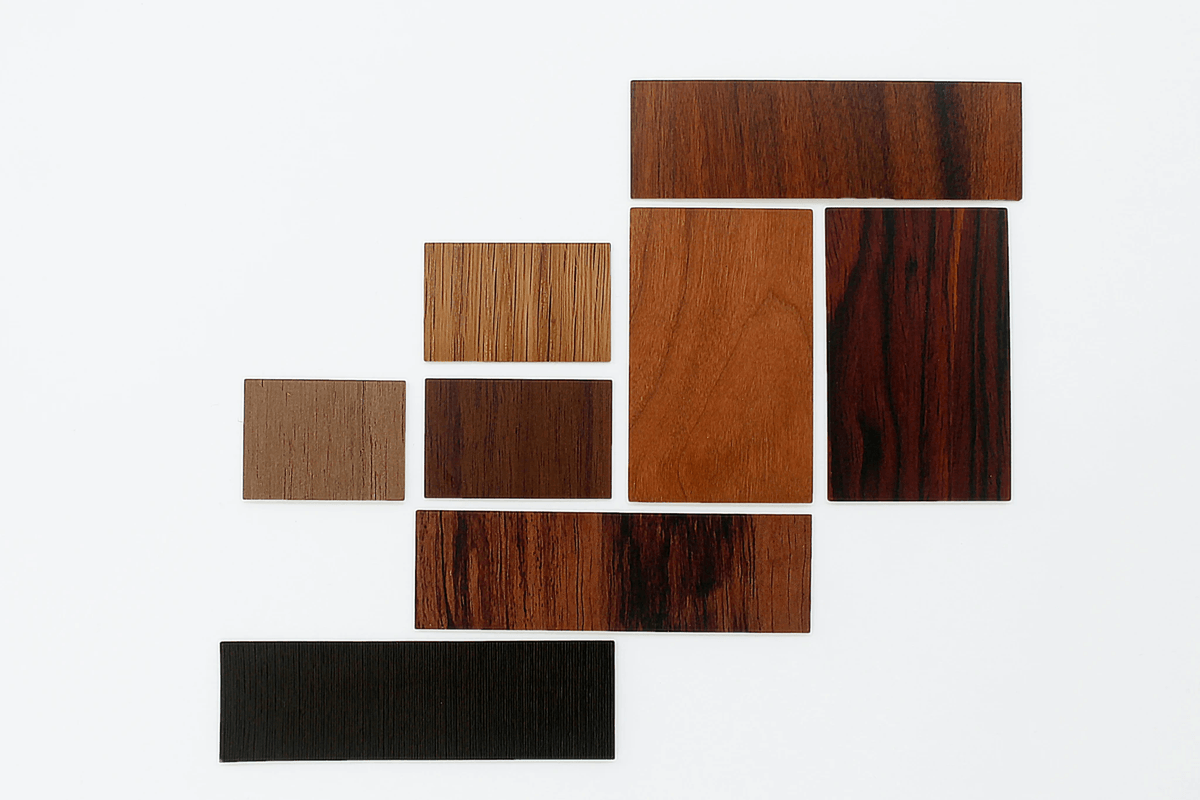
SPC flooring, short for Stone Plastic Composite flooring, is a modern innovation in the realm of vinyl and flooring solutions. This type of flooring combines the durability of stone with the flexibility of vinyl, resulting in a product that is both resilient and easy to install. Ideal for both residential and commercial spaces, SPC flooring has quickly gained popularity due to its impressive performance characteristics.
Composition and Structure
The composition of SPC flooring primarily consists of a limestone composite core that provides stability and strength. This core is topped with a high-definition printed vinyl layer, giving it an aesthetically pleasing appearance while maintaining durability. The final layer usually includes a wear layer that protects against scratches, stains, and moisture—making luxury vinyl SPC flooring an excellent choice for high-traffic areas.
Advantages of SPC Flooring
One of the standout advantages of SPC flooring is its exceptional resilience against water damage, making it suitable for kitchens, bathrooms, and basements where moisture can be a concern. Additionally, this type of wpc vinyl plank offers superior sound insulation compared to traditional options; you can walk across your floor without waking up the entire household! Furthermore, the ease of installation makes it appealing for DIY enthusiasts who want to save on labor costs while achieving professional-looking results.
Applications of SPC Flooring
SPC flooring finds its place in various applications due to its versatility and durability; from residential homes to bustling commercial spaces like restaurants or retail stores, it's up for the challenge! Its resistance to wear makes it ideal for areas with heavy foot traffic or potential spills—think entryways or dining areas where accidents might happen. Whether you're considering wpc vinyl flooring for your living room or luxury vinyl SPC flooring for your office space, this material seamlessly blends functionality with style.
Durability and Longevity
Both options boast impressive resilience, but they achieve it through different means. Understanding how each type holds up over time can help you make an informed choice for your space.
How WPC Flooring Stands Up
WPC vinyl flooring is designed with a composite core that combines wood plastic composite materials, which gives it a unique edge in the durability department. This structure allows WPC vinyl plank to resist moisture, making it ideal for areas prone to spills or humidity. Additionally, its softer surface can absorb impacts better than some alternatives, reducing the risk of dents and scratches from everyday wear and tear.
However, while WPC flooring is quite durable, it's essential to note that it may not be as robust as SPC in high-traffic environments. The composition of WPC makes it suitable for residential applications and light commercial use but may fall short in more demanding settings where heavy machinery or constant foot traffic is involved. Therefore, understanding your specific needs will guide you in deciding if WPC vinyl flooring is the right fit for your lifestyle.
The Strength of SPC Flooring
On the flip side, luxury vinyl SPC flooring stands out due to its rigid core construction made primarily from limestone and PVC composite materials. This composition provides exceptional strength and stability that can withstand heavy loads without warping or bending over time. Consequently, SPC flooring is often preferred for commercial spaces or homes with pets that might cause more wear on traditional floors.
SPC's enhanced durability also extends its lifespan significantly compared to many other flooring options on the market today. It’s resistant to scratches and dents while being waterproof—making it a formidable contender against moisture damage commonly faced by traditional hardwood floors or even some types of laminate flooring. If you're looking for a floor that can handle life’s little accidents without losing its charm, luxury vinyl SPC flooring might just be your best bet.
Real World Performance
In real-world scenarios, both WPC and SPC flooring have proven their mettle; however, their performance varies based on usage conditions. For instance, families with children or pets often find that while WPC vinyl plank offers comfort underfoot due to its cushioning properties, they sometimes need something tougher like SPC when facing daily chaos—think toys flying around or muddy paws racing through the house!
Moreover, many users report that maintaining these floors is relatively easy; both types are resistant to stains and require minimal upkeep compared to hardwoods or carpets—which tend to harbor allergens much more readily than any vinyl option could dream of doing! Ultimately, whether you lean towards WPC or SPC will depend on your specific lifestyle needs; both offer excellent durability but shine in different arenas.
Installation Process
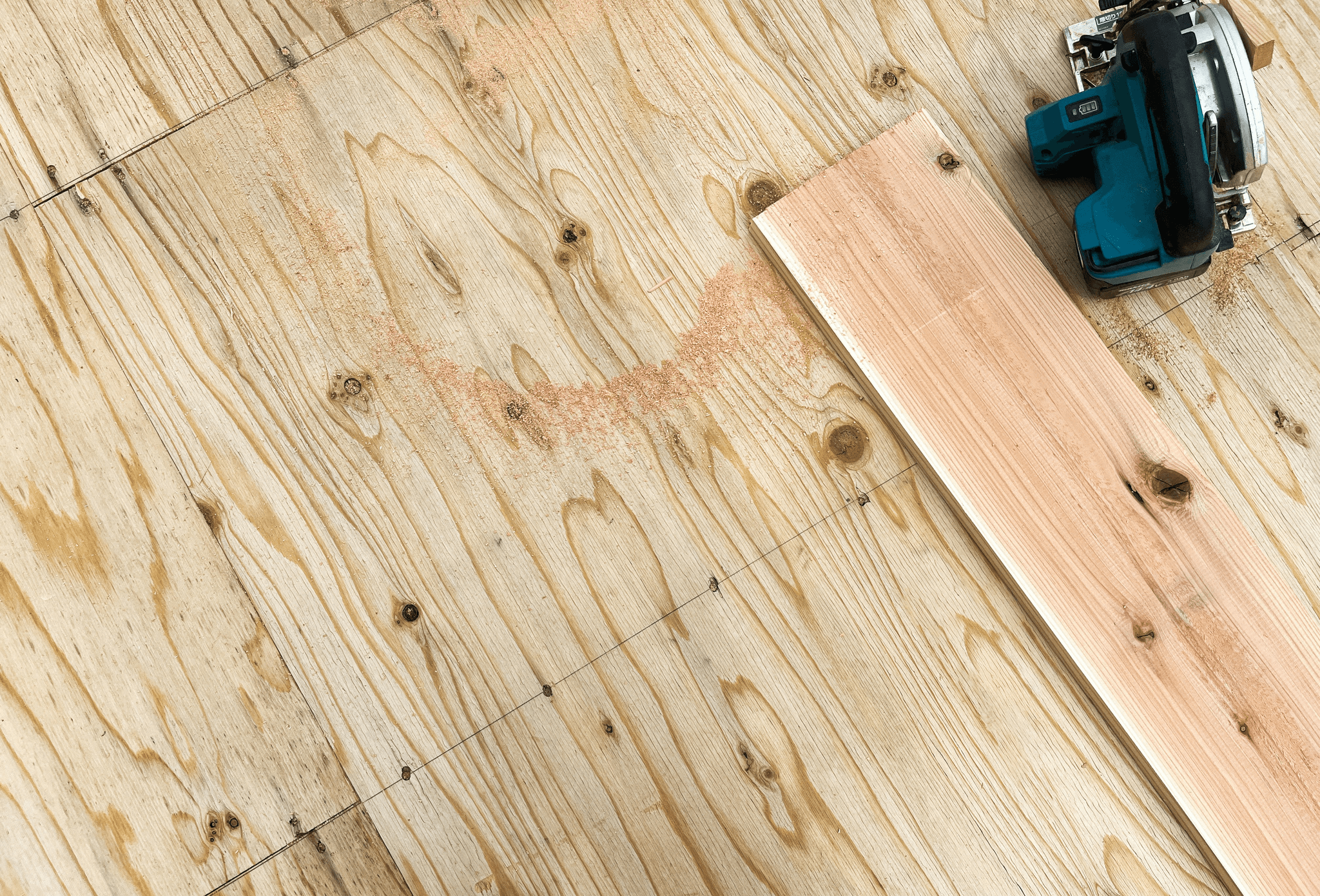
When it comes to installing WPC or SPC flooring, understanding the nuances between the two can save you time and headaches. Both options offer unique benefits, but their installation processes can differ significantly. Let's dive into what makes each approach distinct, along with the tools you'll need and a breakdown of costs involved.
Comparing WPC and SPC Installation
WPC vinyl flooring typically boasts a more forgiving installation process due to its lightweight structure and flexibility. This type of flooring often employs a click-lock system that allows for easier DIY installations, making it an attractive option for homeowners looking to save on labor costs. On the other hand, luxury vinyl SPC flooring tends to be denser and more rigid, which may require additional effort during installation but provides exceptional durability once laid down.
One key difference lies in the underlayment requirement; WPC usually comes with pre-attached padding that enhances comfort underfoot while reducing sound transmission. In contrast, SPC flooring might need a separate underlayment for optimal performance, which adds another layer to consider in your planning. Ultimately, both types can be installed over various subfloors like concrete or plywood, but it's essential to follow specific guidelines for each material to ensure longevity.
Tools and Techniques Required
Installing either WPC vinyl plank or luxury vinyl SPC flooring requires some basic tools that most DIY enthusiasts will have on hand. Essential tools include a utility knife for cutting planks, a tapping block for securing joints without damaging edges, and spacers to maintain proper expansion gaps along walls. A measuring tape and square are also vital for ensuring accurate cuts and alignment as you work through your project.
For those opting for professional installation of either WPC or SPC flooring, it's still helpful to understand these tools so you can communicate effectively with your installer about your preferences and expectations. Some installers might even recommend specific techniques based on the unique characteristics of the chosen material—be it floating installations or glue-down methods—making it crucial to discuss these options upfront. Remember that preparation is key; taking time to properly acclimate your planks before installation can lead to better results down the line.
Installation Costs Overview
When considering costs associated with installing WPC or SPC flooring, several factors come into play that could impact your budget significantly. Generally speaking, both types are competitively priced within the luxury vinyl category; however, installation costs may vary based on local labor rates and complexity of the job at hand—especially if any subfloor repairs are needed beforehand. While DIY installations can save money upfront with both WPC vinyl plank and luxury vinyl SPC flooring options being user-friendly enough for many homeowners, hiring professionals could provide peace of mind if you're unsure about tackling it yourself.
In addition to labor costs, don’t forget about potential expenses related to underlayment materials if you're going with SPC flooring since this might not come included like it does with many WPC products. It's wise also to factor in any necessary tools you may need if you're going down the DIY route; while some items are one-time purchases that can be used again later on future projects! Overall budgeting should take all these elements into account so you’re not caught off guard when it’s time to lay down those beautiful new floors!
Aesthetic Appeal and Design Options
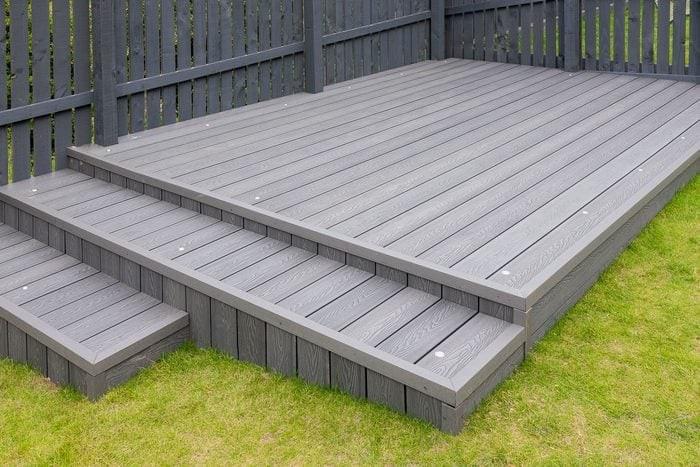
When it comes to choosing flooring, aesthetics play a crucial role in the decision-making process. Both WPC and SPC flooring offer a variety of design options that can enhance the look of your space. Whether you prefer the warmth of wood or the sleekness of stone, there’s something for everyone in these vinyl flooring choices.
Style Choices in WPC Flooring
WPC vinyl flooring is particularly known for its stunning array of styles that mimic natural materials beautifully. From rustic oak to refined walnut, WPC vinyl plank options can transform any room into a cozy retreat or an elegant gathering space. The textures and colors available allow homeowners to create unique looks that reflect their personal style while enjoying the benefits of durable and water-resistant flooring.
Moreover, WPC vinyl flooring often features embossed surfaces that add depth and realism to its appearance, making it hard to distinguish from real hardwood or stone. This level of detail not only enhances aesthetic appeal but also provides a comfortable feel underfoot—perfect for areas where you spend significant time standing. With endless design possibilities, WPC is an attractive choice for those who want both beauty and functionality in their homes.
Style Choices in SPC Flooring
On the other hand, luxury vinyl SPC flooring offers a more modern take on design with its sleek lines and contemporary patterns. SPC flooring provides numerous options that include trendy geometric designs as well as classic wood-look planks, catering to various tastes and preferences. The versatility in style makes SPC ideal for both residential and commercial spaces looking for sophistication without sacrificing durability.
The color palette available with SPC flooring ranges from light neutrals to bold dark hues, allowing homeowners to coordinate their decor effortlessly. Furthermore, many brands offer customizable finishes that can elevate your interior design game—think matte finishes for understated elegance or high-gloss surfaces for a touch of glam! With such diverse style choices, SPC stands out as an exceptional option for anyone looking to make a statement with their floors.
Trends in Flooring Design
As we navigate through evolving trends in home decor, both WPC and SPC flooring are keeping up with what’s hot on the market today. Eco-friendly materials are becoming increasingly popular; thus many manufacturers are focusing on sustainable practices while producing stunning vinyl floors that don’t compromise on quality or aesthetics. This trend aligns perfectly with consumer desires for environmentally responsible products without sacrificing style.
Additionally, open-concept living spaces have led to an increased demand for cohesive design elements throughout homes; hence why many are opting for matching styles between rooms using either WPC or SPC options seamlessly across spaces like kitchens, living rooms, and hallways. Textured finishes have also gained traction as they provide tactile experiences along with visual appeal—perfectly suited for modern interiors aiming at comfort combined with chic sophistication!
Conclusion
Choosing the right flooring can feel like navigating a maze, especially when faced with options like WPC or SPC flooring. The decision is not just about aesthetics; it's about durability, maintenance, and how well the flooring fits your lifestyle. Whether you lean towards WPC vinyl plank for its warmth or luxury vinyl SPC flooring for its resilience, understanding your needs is crucial.
Evaluating Your Flooring Needs
Before making a choice between WPC and SPC flooring, consider where you plan to install it and what kind of wear and tear it will face. For instance, high-traffic areas might benefit more from the robustness of luxury vinyl SPC flooring, while cozy spaces could shine with the comfort of WPC vinyl flooring. Additionally, think about moisture levels in your environment; some materials handle humidity better than others.
Making a Sustainable Choice
Sustainability is more than just a buzzword—it's an essential factor in today's eco-conscious world. Opting for WPC or SPC flooring can be a sustainable choice if you select products made from recycled materials and low-VOC finishes. By choosing responsibly sourced options, you're not just enhancing your space but also contributing to a healthier planet.
Seeking Quality from Experts like Composite Decking Inc
Their experience ensures that you receive top-notch materials—whether you're leaning toward wpc vinyl plank or other styles—and professional installation that stands the test of time. Trustworthy professionals help streamline the process so you can enjoy your new floors without stress.