
Introduction
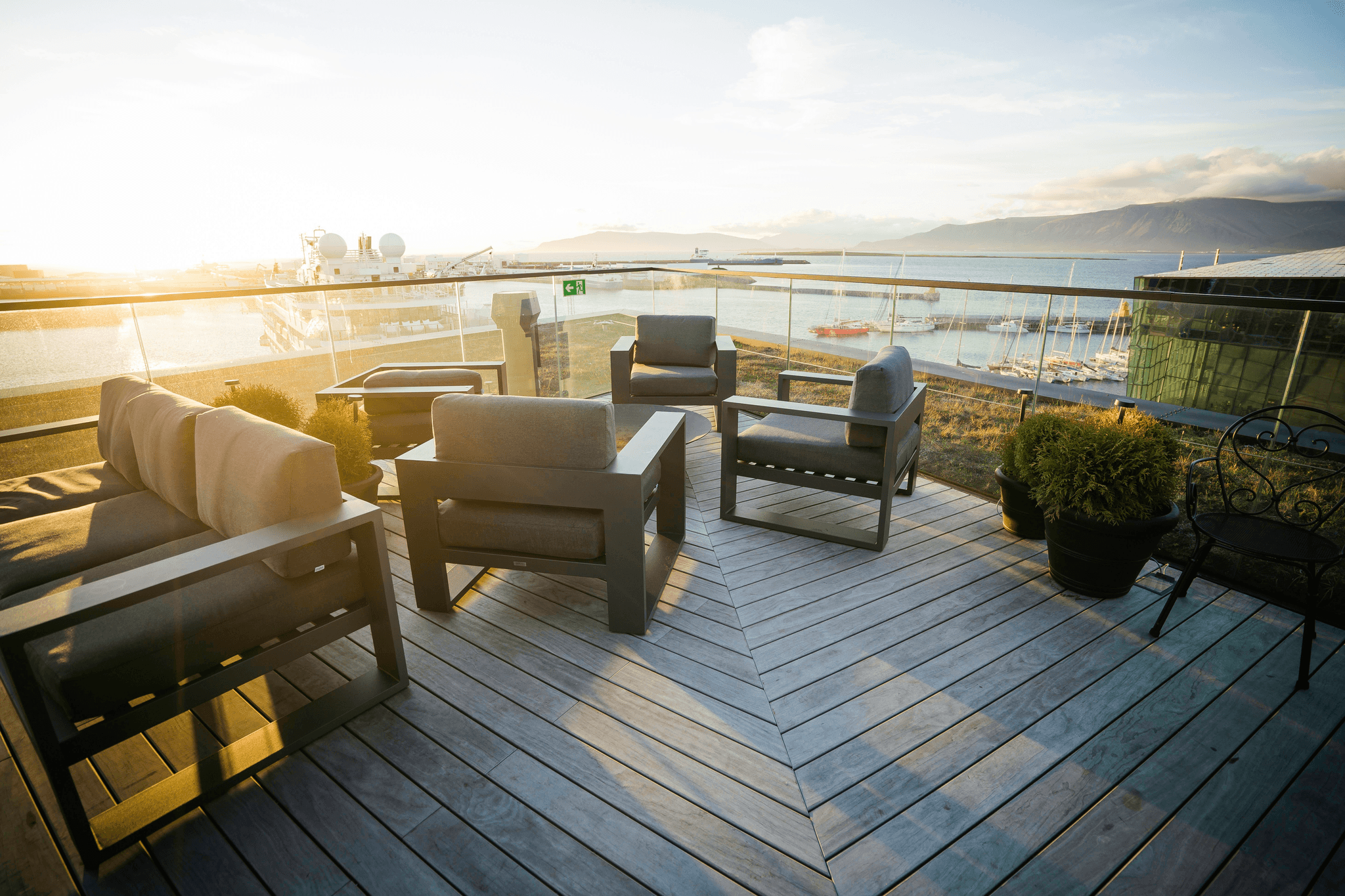
In recent years, artificial wood decking has surged in popularity, capturing the attention of homeowners and builders alike. As people seek durable and low-maintenance solutions for their outdoor spaces, composite lumber decking has emerged as a formidable alternative to traditional wood decks. With its ability to blend aesthetics with functionality, it’s no wonder that many are turning to this innovative option for their patio decking needs.
The Rise of Artificial Wood Decking
The demand for artificial wood decking has skyrocketed as more individuals recognize the benefits of composite materials over natural wood. Factors such as environmental concerns and the desire for longevity have led homeowners to explore options like PVC decking and other composite wood alternatives. Consequently, manufacturers have responded with a diverse range of products designed to meet the evolving tastes and needs of consumers in outdoor decking.
What is Composite Lumber Decking?
Composite lumber decking is a man-made material composed primarily of recycled plastics and wood fibers, creating a product that mimics the appearance of traditional wood decks without many of its drawbacks. This blend not only enhances durability but also reduces maintenance requirements compared to conventional wooden surfaces. By choosing composite lumber, homeowners can enjoy a beautiful deck that stands up against weather elements while minimizing their environmental footprint.
Why Choose Artificial Wood Decking?
There are several compelling reasons why artificial wood decking should be at the top of your list when considering the best decking options for your home. For starters, its low maintenance nature means less time spent on upkeep and more time enjoying your outdoor space with family and friends. Additionally, with various styles and colors available in composite lumber products, you can easily find a design that complements your home’s aesthetic while providing long-lasting performance.
Benefits of Artificial Wood Decking
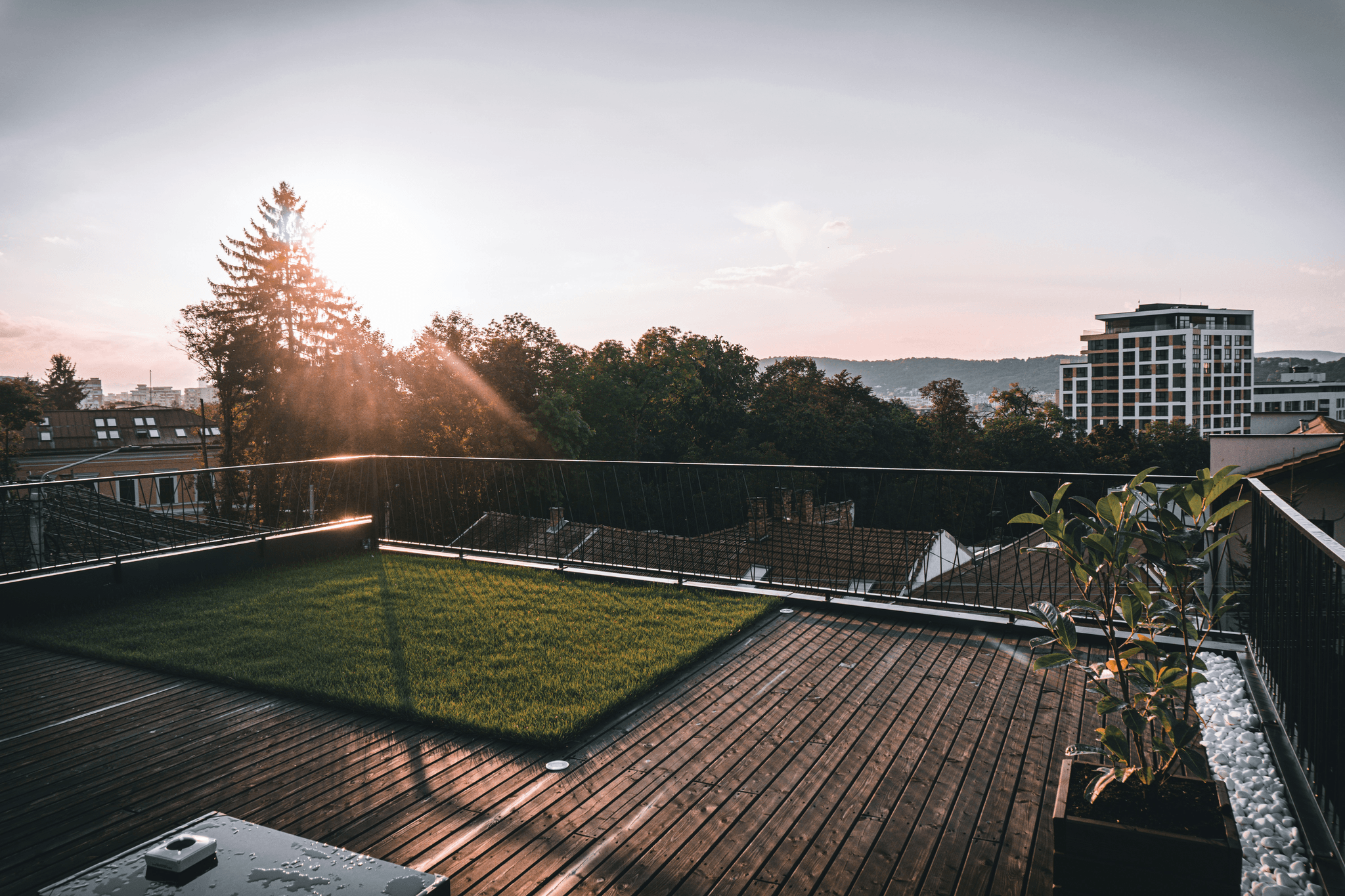
Artificial wood decking, particularly in the form of composite lumber decking, has rapidly gained popularity among homeowners seeking a stylish and practical outdoor solution. This innovative material combines the best attributes of traditional wood decks with modern technology, resulting in a product that meets the demands of today's eco-conscious and design-savvy consumers. Let's dive into some key benefits that make artificial wood decking a top contender for your patio decking needs.
Low Maintenance and Durability
One of the standout features of artificial wood decking is its low maintenance requirement. Unlike traditional wood decks that demand regular staining, sealing, and cleaning to maintain their appearance, composite wood offers a hassle-free experience—just an occasional wash with soap and water will do! Moreover, these materials are designed to withstand the elements without warping or splintering, ensuring your outdoor decking remains beautiful year after year.
Durability is another significant advantage; composite lumber decking is engineered to resist fading, scratching, and mold growth. This means you can spend more time enjoying your deck rather than worrying about upkeep or repairs.
Eco-Friendly and Sustainable Options
In an age where sustainability matters more than ever, many manufacturers have embraced eco-friendly practices in creating artificial wood decking. Made from recycled materials such as plastic bottles and reclaimed wood fibers, composite lumber not only reduces waste but also conserves natural resources—making it an excellent choice for environmentally-conscious homeowners. Choosing this type of patio decking helps you contribute to a greener planet while still enjoying all the benefits of modern design.
Additionally, many brands offer products free from harmful chemicals found in traditional pressure-treated woods. This means you can enjoy your outdoor space without worrying about toxic runoff affecting nearby plants or wildlife. By opting for eco-friendly options like PVC decking or composite lumber products, you're making a positive impact on both your home environment and Mother Earth.
Variety in Design and Color
When it comes to aesthetics, artificial wood decking doesn't skimp on style; it offers an impressive variety in design and color options that can elevate any outdoor space. Homeowners can choose from rich hues mimicking natural hardwoods or opt for unique shades that add flair to their patios—there's something for everyone! With so many choices available, you’re bound to find the perfect look that complements your home's architecture.
Moreover, advancements in manufacturing technology mean that many composite woods now feature realistic textures resembling real timber grain patterns—giving you all the charm without any drawbacks associated with traditional wood decks. Whether you're aiming for classic elegance or contemporary chic vibes in your outdoor living area, artificial wood provides versatile solutions tailored just for you!
The Downsides of Artificial Wood Decking

While artificial wood decking offers numerous benefits, it is essential to consider its downsides before making a decision. Understanding these drawbacks can help homeowners make informed choices about their outdoor spaces and ensure they select the best decking option for their needs. Here, we’ll dive into some of the most significant concerns associated with composite lumber decking.
Initial Cost Considerations
One of the most notable downsides of artificial wood decking is the initial cost. Compared to traditional wood decks, composite wood often comes with a higher price tag due to its manufacturing process and materials used. While you may save on maintenance costs in the long run, homeowners should be prepared for a more substantial upfront investment when choosing patio decking made from composite materials.
Heat Retention Issues
Another concern with artificial wood decking is heat retention, especially in warmer climates. Composite lumber can absorb heat more than traditional wood decks, leading to scorching surfaces that are uncomfortable for bare feet during hot summer days. This heat issue can limit your outdoor enjoyment and may require additional considerations such as shade structures or lighter-colored PVC decking options to mitigate discomfort.
Limited Lifespan Compared to Wood Decks
Lastly, while composite lumber is designed for durability, it still has a limited lifespan compared to well-maintained traditional wood decks. Many homeowners find that despite the promise of longevity with artificial wood decking, they may need replacements or repairs sooner than expected due to wear and tear from weather elements and foot traffic. This shorter lifespan could impact long-term value and resale potential when considering outdoor decking options.
Comparing Composite Wood vs Traditional Wood
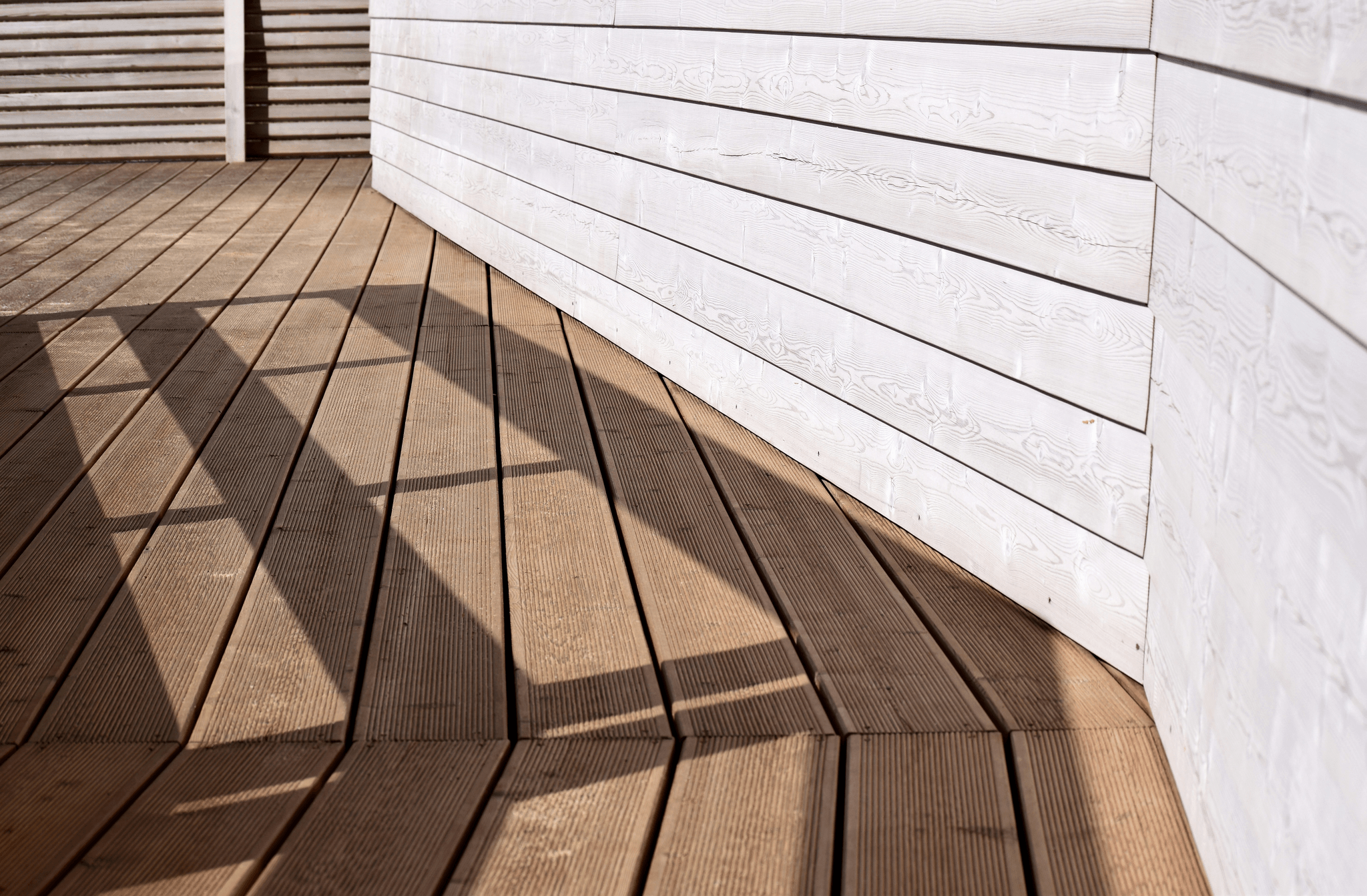
When it comes to outdoor decking, homeowners often find themselves at a crossroads between composite wood and traditional wood decks. Each option has its own set of advantages and drawbacks, making the decision process both exciting and daunting. Understanding these differences can help you choose the best decking material that suits your style, budget, and lifestyle.
Aesthetic Appeal of Wood Decks
There's no denying that traditional wood decks possess an undeniable charm that many homeowners find appealing. The natural grains, rich colors, and organic textures of real wood create a warm atmosphere that's hard to replicate with artificial wood decking or composite lumber decking. While modern composite wood options have made significant strides in mimicking the look of real wood, some purists still prefer the authentic aesthetic of natural timber for their patio decking.
However, advancements in technology have allowed manufacturers to produce composite wood that closely resembles various types of hardwoods. With a wide range of colors and finishes available in PVC decking and other materials, homeowners can achieve stunning visual results without compromising on durability. Ultimately, it boils down to personal preference—do you value the classic beauty of wood decks or are you drawn to the versatility offered by artificial wood options?
Cost-Effectiveness Over Time
When evaluating cost-effectiveness between composite lumber decking and traditional wood decks, it's essential to consider both initial investments and long-term expenses. While traditional wooden decks may have a lower upfront cost, they often require ongoing maintenance such as staining or sealing every few years—expenses that can add up quickly over time. In contrast, artificial wood decking generally boasts lower maintenance needs due to its resistance to rot and pests.
Moreover, many homeowners find that investing in high-quality composite materials pays off in the long run through reduced repair costs and increased lifespan compared to their wooden counterparts. Although initial costs for premium composite options may be higher than basic lumber choices, their longevity can make them more economical over time—making them one of the best decking solutions for budget-conscious consumers seeking lasting value.
Longevity and Resale Value
One significant factor influencing your choice between composite wood and traditional lumber is longevity—and this is where artificial wood really shines! Composite lumber decking typically lasts longer than standard wooden decks due to its resistance against weathering elements like moisture damage or UV rays.
On the flip side, while well-maintained wooden decks can also fetch good resale values based on their aesthetic appeal alone; they may not hold up as well under scrutiny if signs of wear appear prematurely due to lackluster upkeep efforts from previous owners. Thus investing in quality materials becomes crucial—not just for enjoyment during ownership but also when considering potential returns at sale time! When weighing your options between patio decking styles remember: longevity matters!
Popular Brands for Outdoor Decking
Composite Decking Inc Overview
Composite Decking Inc is a key player in the artificial wood decking market, known for its commitment to quality and innovation. Their products are crafted from a blend of recycled materials, making them an eco-friendly choice for patio decking enthusiasts who care about sustainability. With a wide range of colors and styles available, Composite Decking Inc ensures that homeowners can find the perfect match for their outdoor aesthetics.
What sets Composite Decking Inc apart is its focus on low maintenance and long-lasting performance. Unlike traditional wood decks that require regular staining and sealing, their composite wood solutions are designed to withstand the elements with minimal upkeep. This makes them an attractive option for those looking to enjoy their outdoor spaces without constant labor.
Additionally, customers rave about the slip-resistant surfaces offered by Composite Decking Inc products, enhancing safety around pools or wet areas. Their dedication to customer satisfaction and product durability has solidified their reputation as a top contender in outdoor decking options.
Trex: Innovation in Decking
Trex has revolutionized the world of composite lumber decking with its innovative approach to design and sustainability. As one of the pioneers in this industry, Trex combines recycled materials with cutting-edge technology to create stunning patio decking solutions that mimic the look of natural wood without sacrificing durability. Their extensive range of colors and textures allows homeowners to achieve a custom look while enjoying all the benefits of artificial wood decking.
One standout feature of Trex is its commitment to eco-friendliness; they boast that over 95% of their products are made from recycled materials. This not only reduces waste but also provides consumers with peace of mind knowing they’re making environmentally responsible choices when selecting composite wood options for their homes. Plus, Trex's products are engineered to resist fading, staining, and scratching—ensuring your deck looks pristine year after year.
Trex also offers an impressive warranty on their products, which speaks volumes about their confidence in longevity compared to traditional wood decks. With such innovation at play, it's no wonder Trex continues to be a go-to choice among homeowners seeking high-quality outdoor decking solutions.
TimberTech: Traditional Meets Modern
TimberTech strikes a perfect balance between traditional aesthetics and modern technology in artificial wood decking design. Known for its realistic grain patterns and rich color palettes, TimberTech’s composite lumber offerings provide an appealing alternative for those who love classic wooden looks but want enhanced durability and lower maintenance requirements found in PVC decking options. Their collections cater specifically to various tastes—from rustic charm to sleek contemporary designs—making them suitable for any home style.
What truly sets TimberTech apart is its commitment not only to beauty but also sustainability; they utilize reclaimed wood fibers alongside recycled plastic materials in crafting their boards. This dual approach not only minimizes environmental impact but also results in durable products designed with longevity in mind—ideal qualities sought after by homeowners investing in patio decking solutions today.
Moreover, TimberTech’s capped composite technology provides added protection against moisture damage while ensuring vibrant colors last longer than traditional alternatives could offer alone! With these attributes combined into one brand offering superior performance along with aesthetic appeal; it’s clear why TimberTech remains a favorite among savvy consumers looking at both form & function when selecting outdoor decking material!
Choosing the Best Decking for Your Home
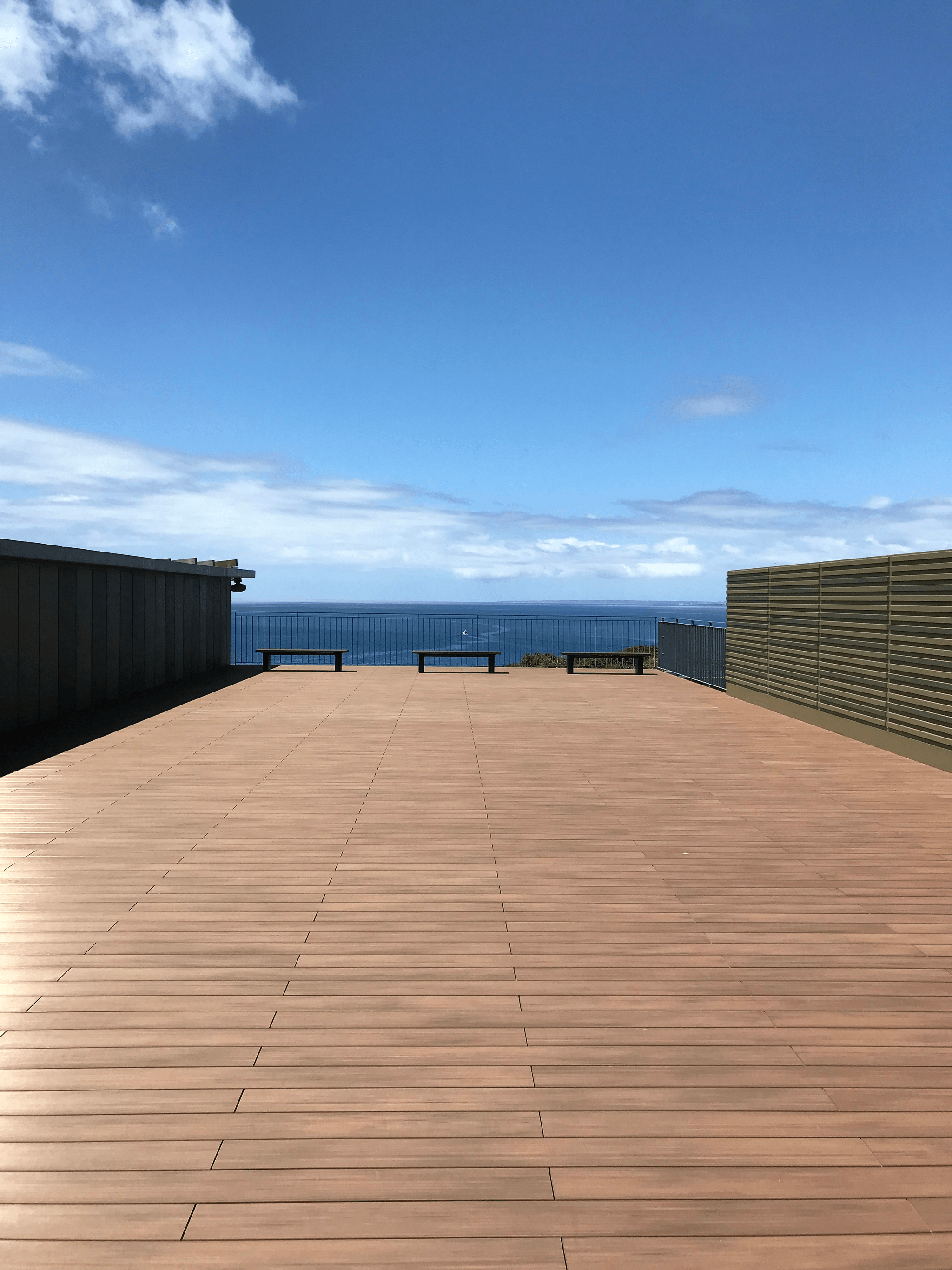
When it comes to selecting the best decking for your home, several factors come into play that can make or break your outdoor space. From aesthetics to functionality, understanding your needs is crucial in deciding between options like composite lumber decking and traditional wood decks. With a plethora of choices available in artificial wood decking, it's essential to weigh all aspects before making a commitment.
Factors to Consider for Patio Decking
First and foremost, think about how you intend to use your patio decking. Will it be a serene retreat for morning coffee or a bustling space for family gatherings? The design, durability, and maintenance requirements of materials like composite wood and PVC decking will significantly influence your decision based on how much wear and tear they will endure.
Another important factor is the appearance you desire. While natural wood decks offer an organic feel, artificial wood decking provides a wide range of colors and textures that mimic real wood without the upkeep headaches. If you're leaning towards composite lumber decking, remember that many brands allow customization, ensuring that your outdoor space reflects your style perfectly.
Lastly, consider the long-term implications of your choice. Although initial costs might be higher with some composite options compared to traditional wood decks, their longevity can lead to cost-effectiveness over time. A well-informed decision today can save you both money and effort in future maintenance.
Climate Impact on Decking Choices
Climate plays a pivotal role in determining which type of outdoor decking will thrive in your environment. For instance, areas with extreme heat may not be suitable for certain types of composite lumber due to heat retention issues; this is where PVC decking shines as it generally remains cooler underfoot. Understanding local weather patterns can help guide you toward materials that will withstand the test of time without warping or fading.
Additionally, if you live in regions prone to heavy rainfall or humidity, choosing moisture-resistant options like artificial wood decking becomes essential. Composite materials often have built-in resistance against mold and mildew compared to traditional wood decks which may require regular sealing treatments. This consideration not only impacts durability but also influences safety; slippery surfaces during wet conditions are less likely with high-quality synthetic alternatives.
Lastly, factor in seasonal changes when deciding on colors and finishes for patio decking; darker shades may absorb more heat during summer months while lighter tones could provide relief from the sun’s rays but might show dirt more easily over time. Balancing aesthetics with practical considerations ensures you'll enjoy your outdoor oasis year-round.
Installation Considerations
Composite lumber decking often features interlocking systems designed for straightforward installation without specialized tools or skills required compared to traditional wooden structures that demand precise cutting and nailing techniques.
Moreover, think about whether you'll need professional help based on the complexity of the deck design you've envisioned; intricate layouts might necessitate hiring experienced installers familiar with both composite wood products and best practices specific to artificial wood decking systems. Remember that proper installation is critical not just for aesthetics but also for ensuring longevity—poorly installed decks can lead to costly repairs down the line!
Finally, don’t overlook local building codes when planning out installations; regulations vary by region regarding height restrictions or railing requirements which could affect how you approach constructing either an elegant new platform using PVC or an expansive area made from classic hardwoods! Taking these factors into account ensures compliance while delivering stunning results tailored perfectly around all aspects discussed above.
Conclusion
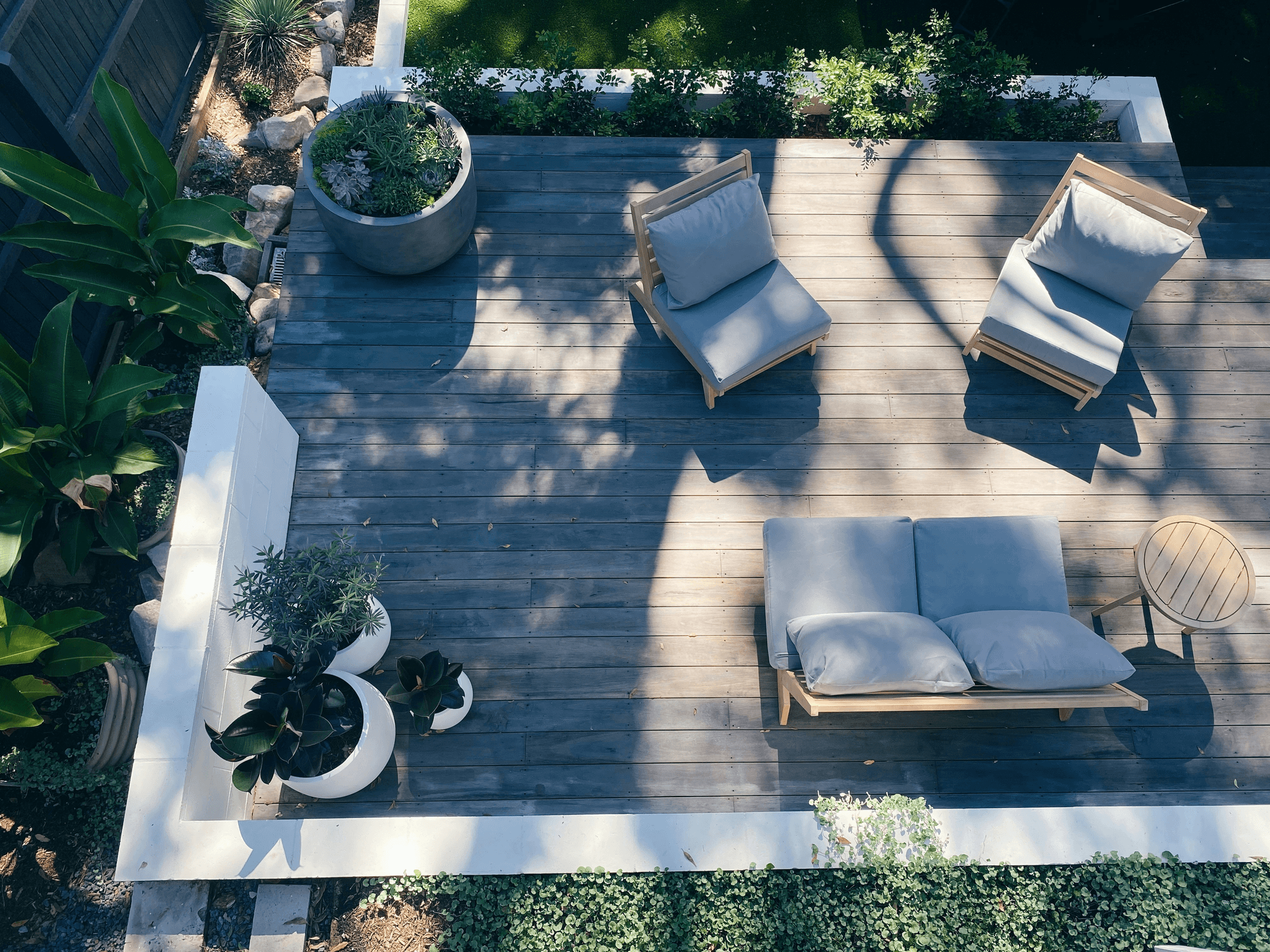
In the world of outdoor living, choosing the right decking material can feel overwhelming, especially with so many options available. Whether you lean towards artificial wood decking or traditional wood decks, making informed choices is crucial for your patio's longevity and aesthetics. By understanding the characteristics of composite lumber decking and its benefits, you can create a space that complements your lifestyle and enhances your home’s value.
Making Informed Decking Choices
When considering the best decking for your home, it’s essential to evaluate both functionality and style. Artificial wood decking offers a blend of durability and low maintenance that appeals to busy homeowners looking for ease without sacrificing aesthetics. Additionally, exploring various composite wood options can help you find a design that aligns perfectly with your outdoor vision.
Weighing the Pros and Cons
As with any decision, weighing the pros and cons of artificial wood decking versus traditional wood decks is vital for making an educated choice. While composite lumber decking boasts low maintenance requirements and eco-friendly options, it's important to consider initial costs and potential heat retention issues that may arise in warmer climates. By analyzing these factors carefully, you can determine which material aligns best with your needs while keeping future resale value in mind.
The Future of Outdoor Decking Options
Looking ahead, innovations in outdoor decking are likely to continue transforming how we think about our spaces. With advancements in materials like PVC decking offering even more durability and design possibilities, homeowners will have an ever-growing array of choices at their fingertips. As trends evolve towards sustainability and aesthetic versatility, artificial wood decking will undoubtedly play a significant role in shaping modern patios for years to come.