
Introduction
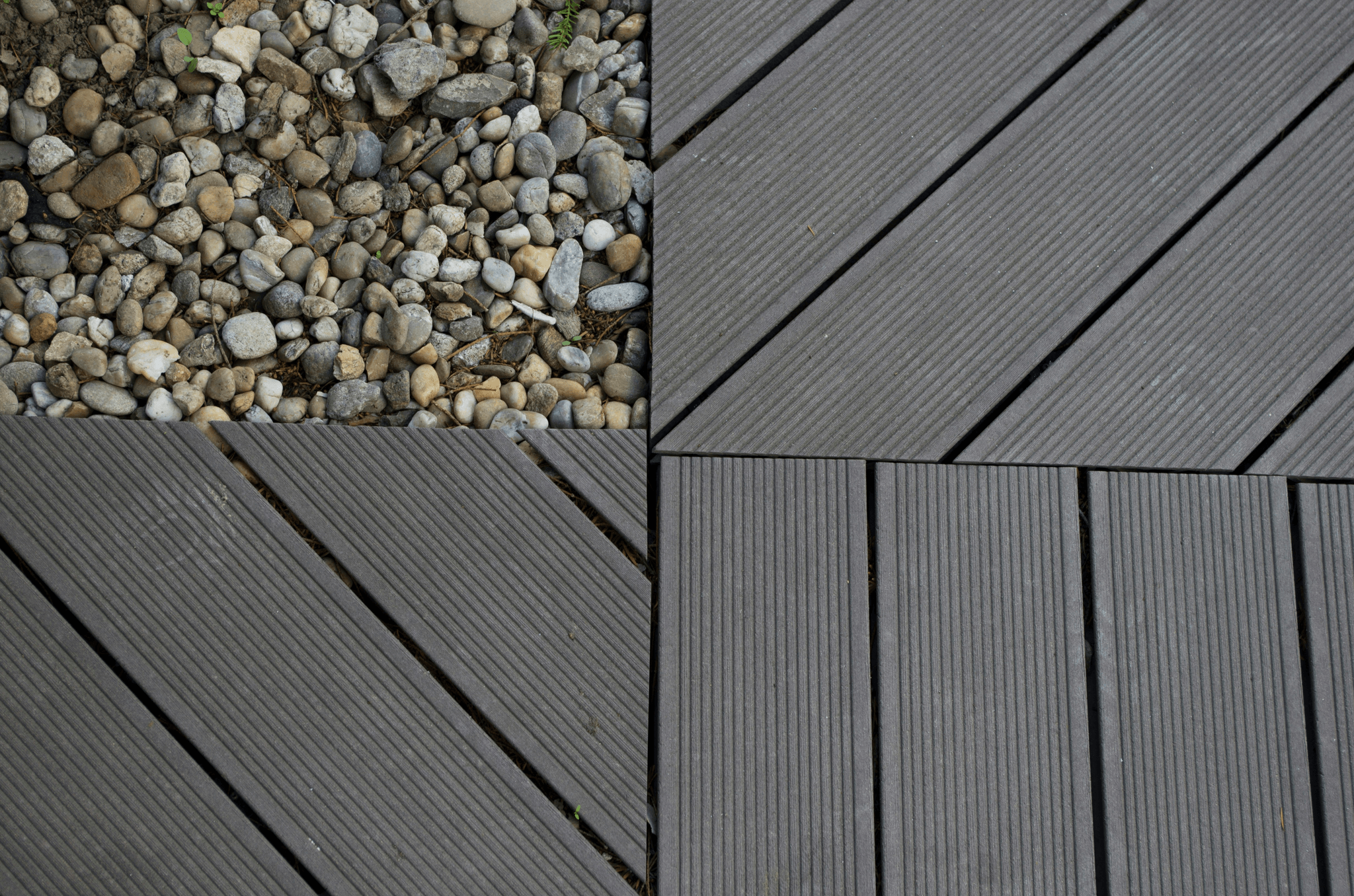
With a myriad of options available, from classic wood decks to modern composite lumber decking, it's essential to explore all your choices. This guide will help you navigate through the popular composite deck flooring options and other materials that can transform your backyard into an oasis.
Exploring Decking Material Choices
Choosing the best decking for your home involves understanding the unique characteristics of various materials. Wood decks have long been a favorite for their natural beauty, but they require maintenance that can be time-consuming and costly. On the other hand, composite deck boards offer durability and low maintenance, making them a compelling alternative worth considering.
What to Consider When Buying Decks
When purchasing deck boards, several factors come into play beyond just aesthetics; think about longevity, maintenance requirements, and environmental impact. Composite wood provides an eco-friendly option that often outlasts traditional wood without the need for frequent replacements or treatments. Additionally, understanding your budget is vital since it influences whether you opt for PVC decking or stick with more traditional materials like wood.
A Quick Guide to Popular Options
In this guide, we’ll delve into various decking materials—composite lumber decking stands out for its blend of performance and appearance while PVC decking is gaining traction for its water resistance and low upkeep needs. We'll also highlight the pros and cons of wood decks versus composite deck flooring options so you can make an informed decision tailored to your lifestyle and preferences. By the end of this exploration, you'll be equipped with all the knowledge necessary to choose the perfect deck for your home.
Overview of Decking Materials

With a variety of options available, each boasting unique benefits and aesthetic appeal, it can be overwhelming to choose the best decking for your needs. Let’s dive into an overview of three popular choices: composite decking, wood decks, and PVC decking.
Composite Decking: A Modern Marvel
Composite deck flooring options are taking the world by storm, and for good reason! Made from a blend of recycled wood fibers and plastic, composite lumber decking offers durability without sacrificing style. This modern marvel resists fading, staining, and warping—making it a low-maintenance choice that homeowners adore.
Not only does composite decking provide an attractive finish that mimics natural wood, but it's also engineered for longevity. Homeowners can enjoy their outdoor spaces without the constant upkeep associated with traditional materials. Plus, with a range of colors and textures available in composite deck boards, you can customize your deck to suit your personal taste.
The Appeal of Wood Decks
Ahh, wood decks—the classic choice that evokes nostalgia and warmth! Many homeowners are drawn to the natural beauty of wooden surfaces; nothing quite compares to the rich grain patterns and earthy tones found in various types of hardwoods like cedar or redwood. However, while wood decks offer undeniable charm, they require more maintenance than their composite counterparts.
Regular sealing and staining are essential for preserving the integrity of wooden decks against weather elements. Additionally, over time wood may splinter or warp if not properly cared for—an important consideration when weighing your options between different materials. Ultimately, while wood has its appeal as a traditional choice for outdoor spaces, prospective buyers should factor in these maintenance requirements before making their decision.
The Rise of PVC Decking
In recent years, PVC decking has emerged as a strong contender in the world of outdoor flooring solutions. Made entirely from synthetic materials—no organic fibers here—PVC offers remarkable resistance to moisture and insects compared to both wood decks and even some composite products. This means no more worrying about rotting or termite damage!
Another advantage is that PVC deck boards come in an array of colors that won’t fade over time; this makes them ideal for those seeking vibrant aesthetics without ongoing upkeep concerns associated with traditional materials like wood or even some composites. Furthermore, many brands now offer eco-friendly options within their PVC lines that cater to environmentally-conscious consumers looking for sustainable choices in outdoor living spaces.
Composite Deck Flooring Options
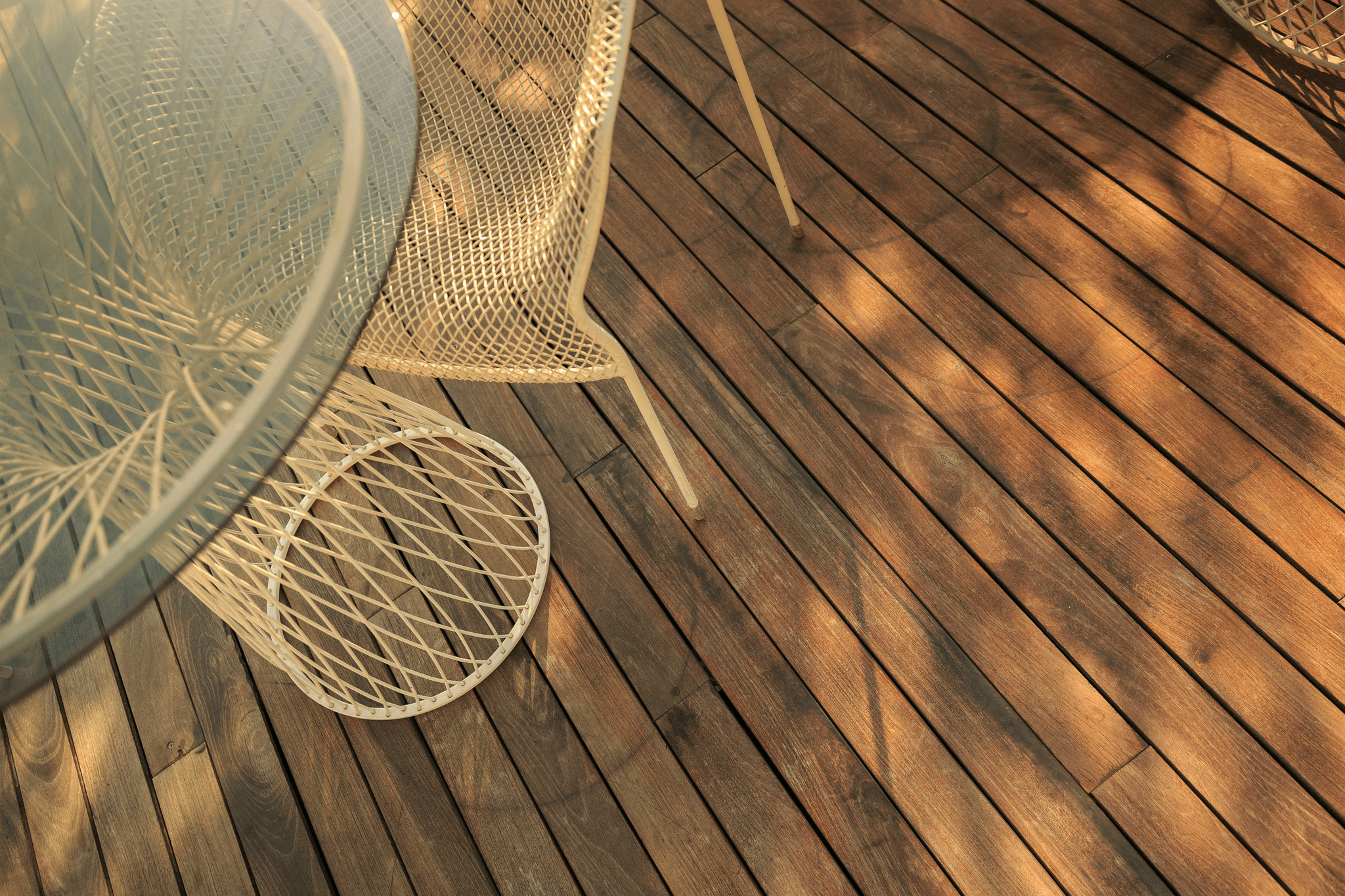
This innovative material combines the best attributes of wood and plastic, resulting in a durable, low-maintenance solution for outdoor spaces. With various colors and textures available, composite deck boards can mimic the appearance of traditional wood decks while offering superior longevity.
Advantages of Composite Lumber Decking
Composite lumber decking boasts several advantages that make it a popular choice among homeowners and builders alike. First and foremost, its resistance to fading, staining, and mold growth means you’ll spend less time maintaining your deck and more time enjoying it. Additionally, composite wood is designed to withstand harsh weather conditions without warping or splintering, ensuring your investment remains intact for years to come.
Another significant advantage is the eco-friendliness of many composite materials; they often incorporate recycled plastics and wood fibers, reducing waste in landfills. This sustainable aspect appeals to environmentally conscious consumers seeking the best decking options that align with their values. Plus, with no need for regular sealing or staining like traditional wood decks require, you’ll save both time and money in maintenance costs.
Comparing Composite Deck Boards and Wood
When comparing composite deck boards to traditional wood decks, several factors come into play that can influence your decision-making process. While wood offers natural beauty and warmth that many homeowners cherish, it also demands considerable upkeep—think regular sealing and vulnerability to pests like termites. In contrast, composite materials provide a similar aesthetic without the high maintenance requirements associated with wood.
Furthermore, durability is another area where composite lumber decking shines; it’s engineered to resist fading from UV exposure as well as damage from moisture. This makes it an excellent option for families who want a long-lasting outdoor space without frequent repairs or replacements. Ultimately, while both choices have their merits, those seeking hassle-free enjoyment will likely find themselves leaning toward composite deck flooring options.
Maintenance Tips for Composite Decks
One of the standout features of choosing composite deck flooring options is how low-maintenance they are compared to traditional alternatives like wood decks. However, a little care goes a long way in preserving the look and longevity of your investment! Regular cleaning with soap and water or a gentle pressure wash can keep your composite lumber decking looking fresh year-round.
It's also wise to avoid using harsh chemicals or abrasive cleaners on your deck boards; these can cause damage over time by stripping away protective layers or leaving unsightly scratches on the surface. Additionally, consider using furniture pads under heavy items placed on your deck—this simple step can prevent indentations that may mar its appearance over time.
For those considering PVC decking as an alternative option: while it's incredibly durable too—offering similar benefits as composites—it’s essential to research specific brands since quality can vary widely within this category as well! By following these maintenance tips for your composite decks along with selecting high-quality products initially will ensure you enjoy beautiful outdoor living spaces for many seasons ahead!
Best Decking for Your Budget
Understanding the cost breakdown of various materials is essential to ensure you’re getting the best decking for your investment. From composite deck flooring options to traditional wood decks, each material has its price point and long-term implications that can affect your wallet down the line.
Cost Breakdown of Various Materials
The first step in budgeting for your deck is knowing what each material typically costs. Composite lumber decking usually falls in the mid-range, offering a great balance between price and durability, while PVC decking can be on the higher end due to its advanced technology and low maintenance needs. On the other hand, wood decks often come with a lower initial cost but might require more frequent maintenance and replacement over time, leading to higher overall expenses.
When comparing composite deck boards to wood options, consider not just the upfront costs but also how much you'll spend on upkeep over time. While wood may seem cheaper initially, its susceptibility to rot and insect damage can lead you down a costly path of repairs or replacements sooner than expected. Therefore, investing in durable options like composite lumber decking could save you money in the long run.
Investing in Durable Options
Investing wisely in durable options is crucial if you want your deck to withstand Mother Nature’s whims and last for years without breaking the bank on repairs. Composite deck flooring options are engineered for resilience; they resist fading, scratching, and mold growth better than traditional wood decks. This means less time worrying about maintenance and more time enjoying your outdoor oasis.
Moreover, choosing high-quality composite deck boards often comes with warranties that can give you peace of mind about your investment. These warranties typically cover issues like fading or structural integrity over an extended period—something most wood decks simply don’t offer due to their organic nature. By opting for durable materials now, you're not just buying a product; you're investing in years of outdoor enjoyment without constant upkeep.
Long-term Value of Composite Wood
Long-term value is where composite wood really shines compared to its wooden counterparts or PVC decking alternatives. While initial costs might be higher than basic treated lumber, their longevity makes them a smart choice financially when looking at total ownership costs over time. With minimal upkeep required—think occasional cleaning rather than regular staining or sealing—you'll find yourself saving both money and effort down the road.
Additionally, as trends shift towards eco-friendliness in home improvement projects, choosing composite materials often adds value when it comes time to sell your property. Homebuyers are increasingly looking for sustainable features that promise lower maintenance costs—a win-win situation if you've chosen well among composite deck flooring options! Ultimately, investing in quality composite lumber decking today could yield significant returns tomorrow—not just financially but also through enhanced outdoor living experiences.
Environmental Impact of Decking Choices

When it comes to decking choices, the environmental impact can be a significant deciding factor. As homeowners become more eco-conscious, understanding the sustainability of materials like composite deck flooring options has never been more critical. This section delves into the sustainable aspects of composite materials, why eco-friendly decking is a smart choice, and how wood decks compare to their composite counterparts.
Sustainable Aspects of Composite Materials
Composite lumber decking stands out for its sustainable attributes, primarily because it is made from recycled materials. Many composite deck boards incorporate reclaimed wood fibers and plastic waste, reducing landfill contributions and conserving natural resources. This innovative approach not only results in durable deck boards but also minimizes the ecological footprint associated with traditional wood decks.
Moreover, composite materials are designed to last longer than conventional wood options, which means fewer replacements over time and less waste overall. By opting for composite deck flooring options, homeowners contribute to a circular economy where resources are reused rather than discarded. Thus, choosing composite lumber decking can be an environmentally friendly choice that aligns with modern sustainability goals.
Why Choose Eco-Friendly Decking
The push for eco-friendly decking solutions stems from a growing awareness of environmental degradation caused by deforestation and unsustainable practices in the lumber industry. Choosing eco-friendly options like PVC decking or composite wood not only helps mitigate these issues but also supports companies that prioritize sustainable sourcing and manufacturing processes. These choices reflect a commitment to preserving our planet for future generations while still enjoying beautiful outdoor spaces.
Additionally, many eco-friendly deck options require less maintenance than traditional wood decks, which often need chemical treatments or frequent sealing to maintain their appearance and durability. By selecting low-maintenance alternatives like composite deck boards or PVC decking, homeowners can reduce their reliance on harmful chemicals that could leach into the environment over time. Ultimately, choosing eco-friendly decking is about making responsible decisions without compromising on quality or aesthetics.
Comparing Wood and Composite Footprints
When evaluating the environmental footprints of wood decks versus composite options, it's essential to consider factors such as resource extraction and lifecycle impacts. Traditional wood sourcing often involves clear-cutting forests and contributes significantly to habitat destruction and biodiversity loss—issues that are less prevalent with recycled composites like those found in high-quality composite lumber decking products.
Moreover, while both materials have their pros and cons regarding carbon sequestration during growth phases (in the case of trees), once harvested for use as decks or other structures, wooden products release carbon back into the atmosphere unless they are properly managed post-use or repurposed creatively afterward—something not typically required with long-lasting composites. This comparison highlights why many homeowners are now leaning towards best decking solutions that prioritize sustainability without sacrificing performance.
Choosing Deck Boards for Your Project

Selecting the right deck boards can feel like navigating a maze—there are numerous options, and each choice has its implications. Whether you’re leaning towards composite deck flooring options or traditional wood decks, understanding your priorities is key. Factors such as durability, maintenance, and aesthetics should guide your decision-making process.
Factors to Consider When Selecting Deck Boards
When it comes to choosing deck boards, several factors demand your attention. First, consider the climate in your area; some materials withstand moisture better than others. For instance, composite lumber decking is renowned for its resilience against rot and warping compared to wood decks, making it an ideal choice in humid regions.
Next on the list is maintenance—how much time do you want to spend keeping your deck looking pristine? Composite deck boards typically require less upkeep than their wooden counterparts; no sanding or staining is necessary! Finally, think about aesthetics; whether you prefer a natural wood look or a modern vibe that composite wood offers can significantly impact your satisfaction with the final product.
Popular Brands and Their Offerings
The market for decking materials is bustling with brands vying for your attention, each offering unique features that cater to different needs. Trex and TimberTech are two heavyweights in the composite lumber decking arena, known for their high-quality products and extensive color selections. If you're considering PVC decking instead of traditional options, brands like Azek provide excellent choices that mimic the appearance of real wood without the drawbacks.
Another noteworthy player is Fiberon, which offers eco-friendly composite deck flooring options that appeal to environmentally conscious consumers. Each brand has its own set of warranties and performance claims—be sure to read up on these before making a decision! Ultimately, choosing a reputable brand can provide peace of mind as you invest in your outdoor space.
Understanding Deck Board Thickness and Quality
The thickness of deck boards plays a crucial role in their overall durability and performance over time. Generally speaking, thicker boards tend to be more robust and can better handle foot traffic without bending or warping—a vital consideration when selecting from various composite deck flooring options or even wood decks. Look for boards that have at least 1 inch thickness if you're aiming for longevity.
Quality also matters immensely; not all composite lumber decking is created equal! Some lower-quality products may use recycled materials that compromise structural integrity over time while premium offerings often feature advanced technology that enhances durability and UV resistance. It’s worth investing time into researching both thickness standards and quality ratings before you commit—after all, nobody enjoys replacing their deck sooner than expected!
Conclusion
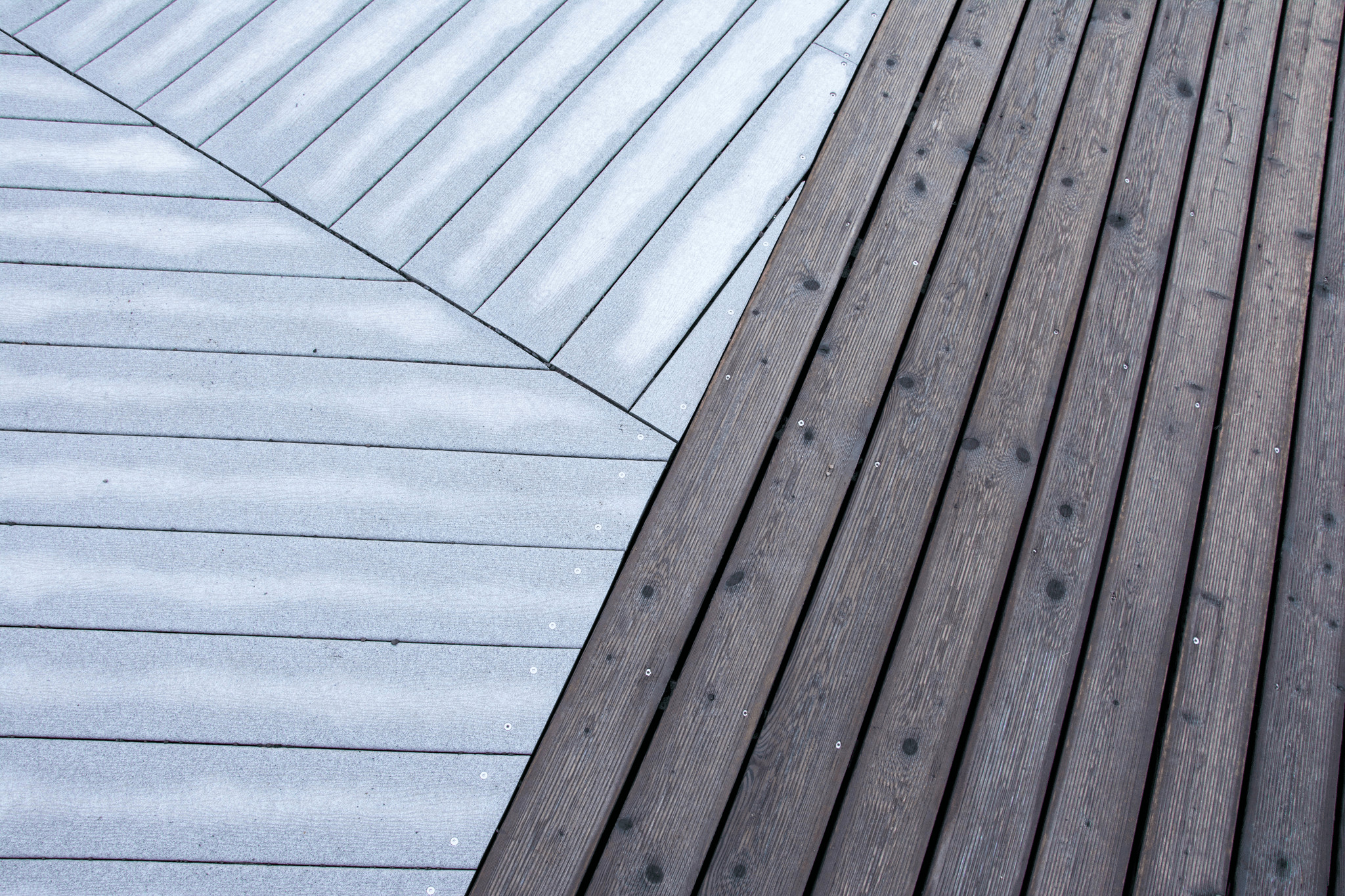
In the world of decking materials, the choices can be as overwhelming as a buffet line on Thanksgiving. From classic wood decks to innovative composite lumber decking, each option has its own unique benefits and drawbacks. Ultimately, the best decking for your needs will depend on your budget, lifestyle, and personal preferences.
Final Thoughts on Decking Materials
Whether you lean towards composite deck boards or traditional wood decks, understanding the long-term implications of your choice can save you time and money down the road. Remember that while aesthetics are important, durability and maintenance should also play significant roles in your decision-making process.
Making an Informed Choice
Choosing between various composite deck flooring options requires some research and consideration of your specific needs. Factors like climate resilience, ease of installation, and maintenance requirements should guide your decision-making process. By taking the time to explore all available options—from PVC decking to composite wood—you can make an informed choice that enhances both your outdoor space and peace of mind.
Advantages of Choosing Composite Decking Inc
Opting for composite lumber decking offers numerous advantages that can't be overlooked. For starters, composite deck boards are designed to withstand harsh weather conditions while requiring minimal upkeep compared to traditional wood decks. Additionally, investing in high-quality composite materials means you're not only elevating your outdoor aesthetic but also contributing positively to environmental sustainability with lower ecological footprints than their wooden counterparts.