
Introduction
Both materials have gained popularity due to their durability and low maintenance compared to traditional wood decks, but they each bring unique characteristics that can sway your decision. Understanding these differences is crucial for selecting the best decking option that aligns with your project's needs.
Understanding WPC and PVC Boards
WPC boards are made from a blend of wood fibers and recycled plastic, resulting in a product that mimics the look of natural wood while offering enhanced durability. On the other hand, PVC boards are entirely synthetic, composed solely of polyvinyl chloride, which makes them resistant to moisture and pests—ideal for areas prone to wet conditions. As composite board manufacturers continue to innovate, both materials have become staple choices in composite lumber decking markets.
Key Differences Between WPC and PVC
One of the primary distinctions between WPC and PVC lies in their composition; while WPC incorporates organic materials, PVC is purely synthetic. This difference affects not only appearance but also performance; for instance, WPC tends to provide a warmer aesthetic reminiscent of traditional wood decks, whereas PVC offers a sleek modern look with vibrant color options. Ultimately, understanding these key differences will help you navigate through options like fake decking boards or composite wood decking boards when planning your outdoor space.
Choosing the Right Material for Your Project
Selecting between WPC and PVC should involve careful consideration of your specific project requirements—think about climate conditions, desired aesthetics, and maintenance preferences. If you're leaning towards eco-friendly options with a natural feel, then composite wood decking might be your best bet; however, if you prioritize water resistance and longevity without much upkeep, synthetic lumber for decks could be more suitable. By evaluating these factors alongside insights from leading composite board manufacturers, you'll make an informed choice that enhances both functionality and beauty in your outdoor area.
What are WPC and PVC Boards?

When diving into the world of modern construction materials, two terms often come up: WPC (Wood Plastic Composite) and PVC (Polyvinyl Chloride) boards. These materials have revolutionized the decking industry, providing alternatives to traditional wood decks that are both durable and aesthetically pleasing. Understanding the definitions and composition of these boards is essential for making informed choices in your building projects.
Definitions and Composition
WPC boards are made from a blend of wood fibers and recycled plastic, creating an eco-friendly composite lumber decking option. This combination not only enhances strength but also reduces waste, making it a popular choice among environmentally conscious builders. On the other hand, PVC boards are entirely synthetic; composed solely of polyvinyl chloride, they offer a different set of properties that cater to specific needs in construction.
Both types of boards boast unique compositions that contribute to their performance characteristics. WPC is known for its natural look due to its wood fiber content, while PVC provides a sleek finish with vibrant colors and patterns. Understanding these differences helps homeowners select between composite wood decking boards or synthetic lumber for decks based on their project requirements.
Popular Uses in Construction
WPC and PVC boards have found their niche across various applications in construction beyond just deck composite decking. Homeowners often use them for railings, fencing, outdoor furniture, and even siding due to their versatility and durability against weather conditions. The rise in popularity can be attributed to their ability to mimic traditional wood decks while offering low maintenance requirements.
In commercial settings, these materials are frequently utilized for boardwalks, patios, and pool surrounds because they resist moisture better than conventional wood options. Their aesthetic appeal combined with functional benefits makes them ideal choices for any outdoor space needing an upgrade or renovation. With more builders turning toward fake decking boards as viable alternatives to timber products, it’s clear that WPC and PVC solutions are here to stay.
Overview of Composite Board Manufacturers
The market is saturated with various composite board manufacturers offering a wide range of products tailored for different uses in construction projects. Some renowned names specialize in producing high-quality composite lumber decking options that ensure longevity without compromising style or functionality. Brands like Trex, TimberTech, and Fiberon have established themselves as leaders by focusing on innovation while maintaining sustainable practices.
These manufacturers provide extensive catalogs featuring everything from basic deck composite decking options to custom solutions designed specifically for unique applications. As consumers become more discerning about quality materials for their homes or commercial spaces, choosing reputable composite board manufacturers ensures reliable performance over time. When shopping around for synthetic lumber for decks or looking into composite wood decking boards, aligning with trusted brands can make all the difference in achieving the best results possible.
Advantages of WPC Boards
Eco-Friendly Benefits
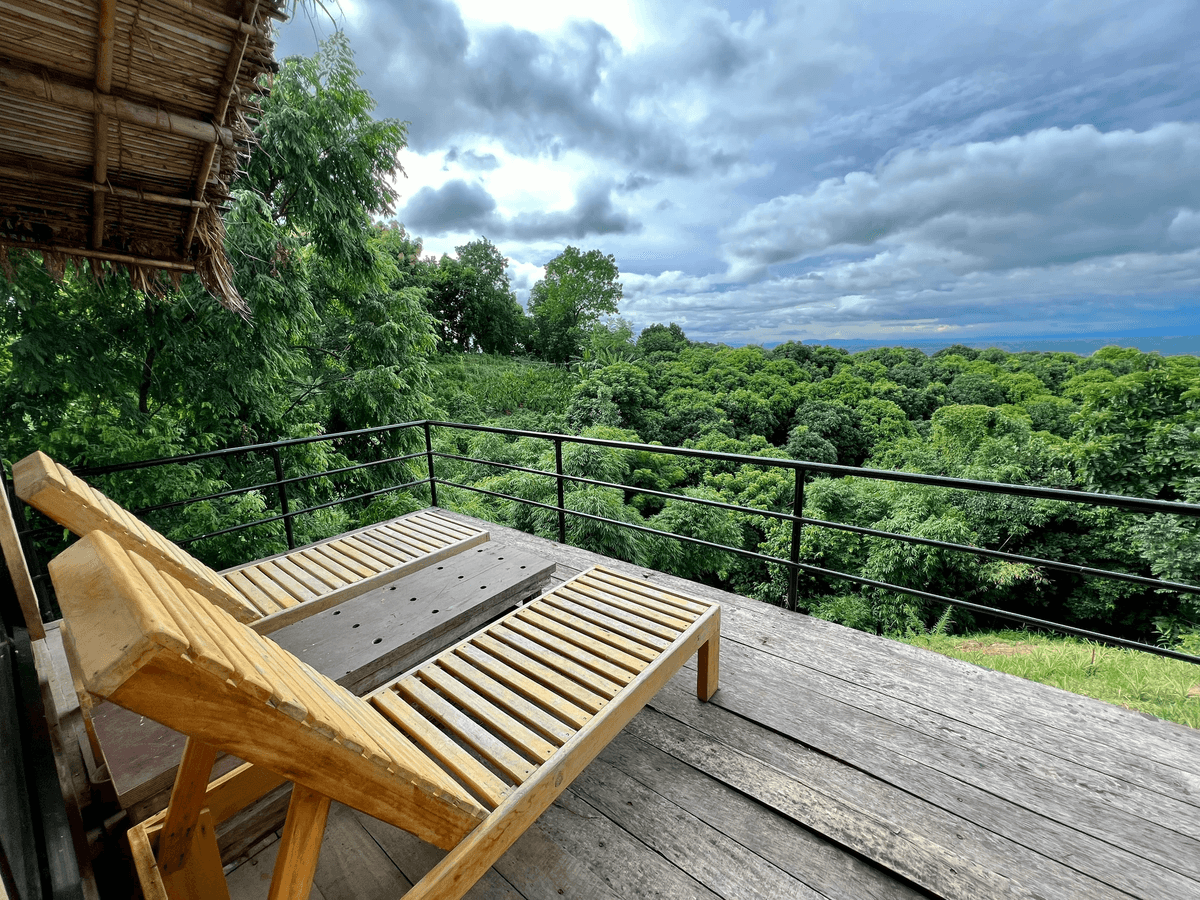
One of the most significant advantages of WPC boards is their eco-friendliness. Composite board manufacturers often utilize recycled materials, which means less waste in landfills and a smaller carbon footprint compared to conventional wood decks. By opting for synthetic lumber for decks, you contribute to sustainability while enjoying a durable product that doesn't require harmful chemical treatments.
Moreover, the production process of composite lumber decking typically requires fewer trees to be cut down than traditional wood decking options, promoting responsible forestry practices. This eco-conscious approach not only benefits the environment but also appeals to homeowners looking for green alternatives in their building projects. In essence, choosing WPC boards means you’re making a positive impact while enhancing your outdoor spaces.
Aesthetic Appeal and Customization
WPC boards are known for their aesthetic versatility, allowing homeowners to achieve the look they desire without sacrificing performance. With various colors and textures available, deck composite decking can mimic the appearance of natural wood without the drawbacks associated with real wood surfaces—like splintering or fading over time. This customization ensures that whether you're aiming for rustic charm or modern sleekness, there’s a perfect fit among fake decking boards.
Additionally, composite wood decking boards can be designed with unique patterns and finishes that elevate your outdoor space's visual appeal further. Homeowners can create stunning designs tailored specifically to their tastes and preferences while benefiting from low-maintenance requirements compared to traditional wood decks. Ultimately, this combination of beauty and practicality makes WPC an attractive option for anyone looking to enhance their property.
Durability in Various Climates
Durability is another compelling reason why many opt for WPC boards over traditional options like wood decks. These synthetic lumber products are engineered to withstand extreme weather conditions—be it scorching heat or freezing temperatures—making them suitable for diverse climates across the country. Unlike natural wood that may warp or crack under harsh conditions, composite materials maintain structural integrity year after year.
Furthermore, WPC boards resist moisture damage better than standard wooden alternatives; they won’t swell or rot when exposed to rain or humidity like some traditional deck materials do—a major plus if you live in wet climates! The longevity offered by these composite products translates into fewer repairs and replacements over time—making them one of the best decking choices available today.
Advantages of PVC Boards

Water Resistance and Maintenance
One of the most significant advantages of PVC boards is their incredible water resistance. Unlike traditional wood decks, which can warp, rot, or develop mold when exposed to moisture, these fake decking boards are designed to withstand the elements effortlessly. This feature not only reduces maintenance costs but also ensures that your deck remains pristine with minimal effort—perfect for those who want to enjoy their outdoor space without constant upkeep.
Additionally, composite board manufacturers have engineered these synthetic materials to resist stains and scratches effectively. This means spills from drinks or food won’t leave lasting marks on your deck surface, making it ideal for entertaining guests or family gatherings. With such low maintenance requirements, you can spend more time enjoying your deck rather than cleaning it.
Lightweight and Easy Installation
Another perk of opting for PVC over traditional materials is its lightweight nature, which significantly eases installation processes. The reduced weight allows homeowners and contractors to handle the material with greater ease compared to heavier options like wood decks or even some composite lumber decking products. This translates into quicker installation times and potentially lower labor costs—who doesn’t love saving a buck while getting a fantastic deck?
Moreover, many synthetic lumber for decks come with interlocking systems that simplify assembly further. This user-friendly design means that even DIY enthusiasts can tackle their decking projects confidently without needing specialized skills or tools. So whether you're hiring professionals or rolling up your sleeves yourself, you'll find that working with PVC is a breeze.
Long Lifespan Compared to Wood
When considering longevity in outdoor materials, PVC boards shine brightly against traditional wood options—often lasting two to three times longer than standard wood decks! This impressive lifespan means fewer replacements over time and overall savings on future renovations or repairs—definitely something worth celebrating!
The durability of these composite wood decking boards also extends beyond mere lifespan; they resist fading from UV rays better than many other options available today thanks to advanced formulations by leading composite board manufacturers. So while you might pay a bit more upfront for quality synthetic lumber for decks like this one, the long-term benefits truly make it one of the best decking choices around.
Cost Comparison: WPC vs PVC

When it comes to selecting the best decking material, understanding the cost differences between WPC (Wood Plastic Composite) and PVC (Polyvinyl Chloride) boards is essential. Both materials offer unique benefits, but their price points can vary significantly based on factors like brand, quality, and features. In this section, we will delve into initial costs, long-term investments, budgeting for your decking project, and evaluating the best decking options available.
Initial Costs and Long-Term Investment
Initial costs for composite wood decking boards can differ widely between WPC and PVC. Generally speaking, WPC boards tend to be more affordable upfront than their PVC counterparts; however, this doesn't always tell the whole story. While you might save a few bucks at the start with fake decking boards made of WPC, consider that PVC offers superior longevity and lower maintenance costs over time—making it a potentially better long-term investment.
When factoring in long-term investment potential, think about how often you plan to replace or maintain your wood decks or composite lumber decking alternatives. If you're looking for a hassle-free experience with minimal upkeep, investing in high-quality synthetic lumber for decks could pay off down the line. Ultimately, while initial costs matter, understanding total lifetime expenses will help you make an informed decision.
Budgeting for Your Decking Project
Budgeting effectively for your deck composite decking project means considering all aspects of material choice—beyond just price tags on products from various composite board manufacturers. Start by estimating not only the cost of materials but also installation fees if you're hiring professionals or any tools needed if you’re going DIY. Remember to account for additional expenses such as finishes or protective coatings that may be necessary depending on your choice of synthetic lumber for decks.
As you budget your project, keep in mind that while cheap options may catch your eye initially—like those alluring fake decking boards—they might lead to higher long-term costs in repairs or replacements due to inferior quality. Investing in durable composite wood decking boards can save money over time by reducing maintenance needs and enhancing longevity. By planning ahead and weighing all factors involved in budgeting—initial costs versus long-term value—you'll be better positioned to choose what fits within your financial boundaries.
Evaluating the Best Decking Options
Choosing between WPC and PVC requires careful evaluation of both materials' pros and cons based on your specific needs and preferences. Start by assessing where you'll use these materials; some areas may benefit more from water-resistant PVC boards while others might thrive with eco-friendly WPC options that blend seamlessly into natural landscapes. Also consider aesthetic preferences; both synthetic lumber for decks come in various colors and textures designed to mimic traditional wood decks without sacrificing durability.
Don't forget about brand reputation either! Research different composite board manufacturers known for producing high-quality products that align with your project's goals—this can make all the difference when it comes down to performance over time as well as visual appeal once installed. Ultimately evaluating all these elements will lead you toward making an informed choice regarding which type of deck composite decking suits best not only today but also years into the future.
Real World Applications of Both
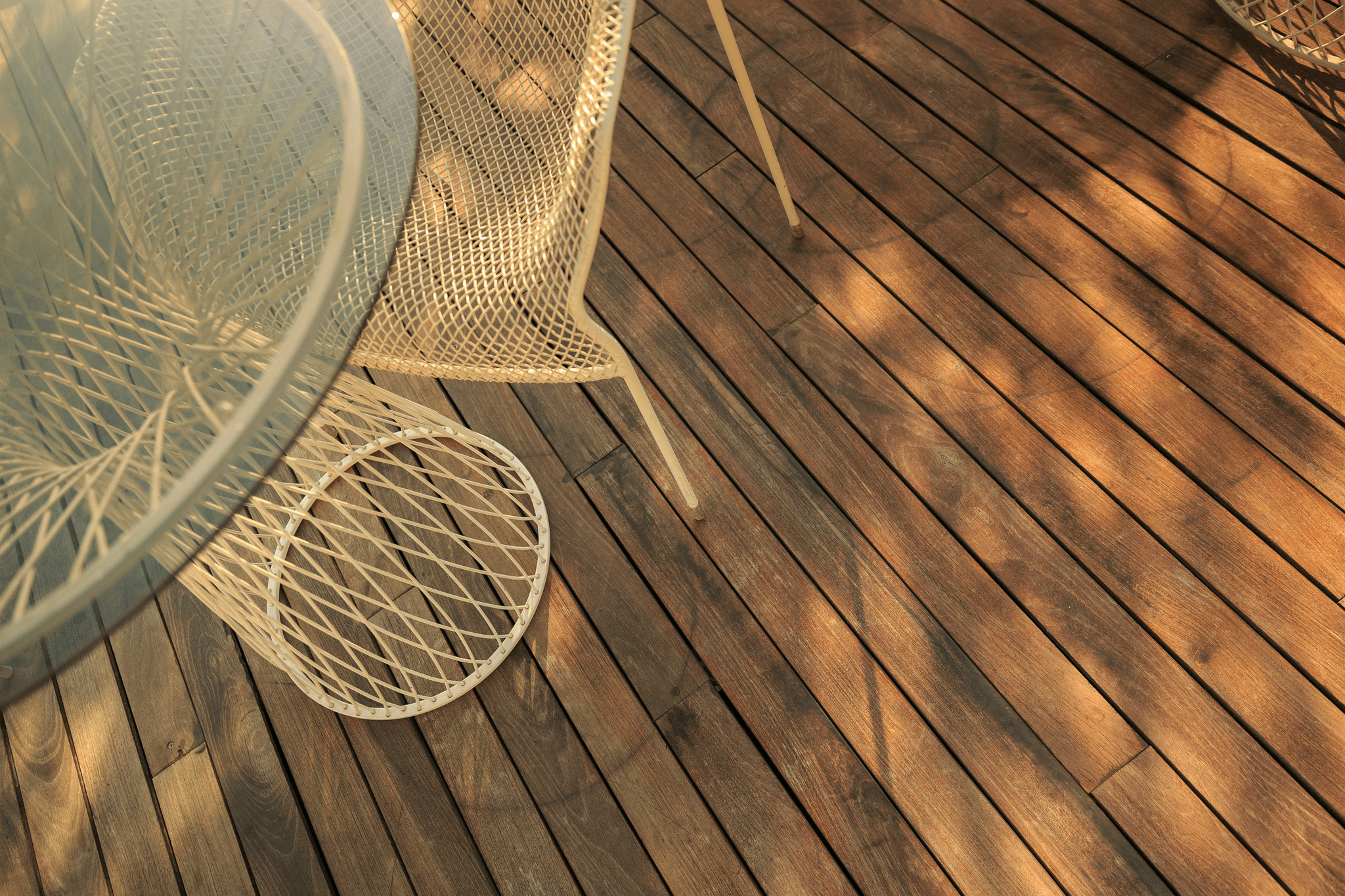
When it comes to decking, real-world applications are the ultimate test of material performance. Both WPC (Wood Plastic Composite) and PVC (Polyvinyl Chloride) boards have found their niches in various projects, showcasing their versatility and durability. From residential patios to commercial spaces, the right choice can elevate any outdoor area.
Case Studies of Successful Projects
One notable case study involves a lakeside home that opted for composite wood decking boards over traditional wood decks. The homeowners wanted a sustainable option that could withstand moisture without rotting or warping, making WPC an ideal choice. Their deck features intricate designs and vibrant colors, proving that composite lumber decking can be both functional and aesthetically pleasing.
In another instance, a bustling restaurant chose synthetic lumber for decks due to its low maintenance requirements and long lifespan. This decision not only enhanced the outdoor dining experience but also aligned with the establishment's eco-friendly ethos. The durable fake decking boards they selected have held up beautifully against harsh weather conditions while attracting plenty of patrons.
These examples highlight how selecting the right materials from reputable composite board manufacturers can lead to successful outcomes in diverse environments.
Insights from Composite Decking Inc
Composite Decking Inc has been at the forefront of innovation in synthetic lumber for decks, providing invaluable insights into market trends and consumer preferences. Their research reveals that homeowners increasingly prefer deck composite decking options due to their excellent resistance to fading and staining compared to traditional wood decks. Moreover, customers appreciate the wide array of colors and textures available in composite wood decking boards, allowing them to personalize their spaces effortlessly.
Additionally, Composite Decking Inc emphasizes the importance of choosing products backed by warranties from reliable composite board manufacturers. These warranties not only offer peace of mind but also reflect confidence in the longevity and performance of their products against wear and tear over time.
By focusing on quality materials like those offered by leading manufacturers, consumers can make informed choices that enhance both functionality and aesthetics in their outdoor projects.
Tips for Selecting the Right Board for Your Space
Choosing between WPC and PVC boards can be daunting with so many options available today; however, there are some key tips you can follow to simplify your decision-making process. First off, consider your specific needs—if water resistance is paramount due to proximity to pools or lakes, then synthetic lumber for decks might be your best bet. Conversely, if you're looking for something more eco-friendly with customizable designs, composite wood decking boards may be more suitable.
Next, evaluate your budget carefully; while initial costs may vary between different types of fake decking boards or deck composite decking options, think long-term about maintenance expenses as well as durability factors when making your investment decision. Lastly, consult reviews or case studies from other users who have worked with various composite board manufacturers—this firsthand insight will guide you toward finding what truly works best for your unique space.
Remember: whether you're building a charming patio retreat or a grand commercial deck area using these materials will ensure you enjoy years of beautiful outdoor living!
Conclusion
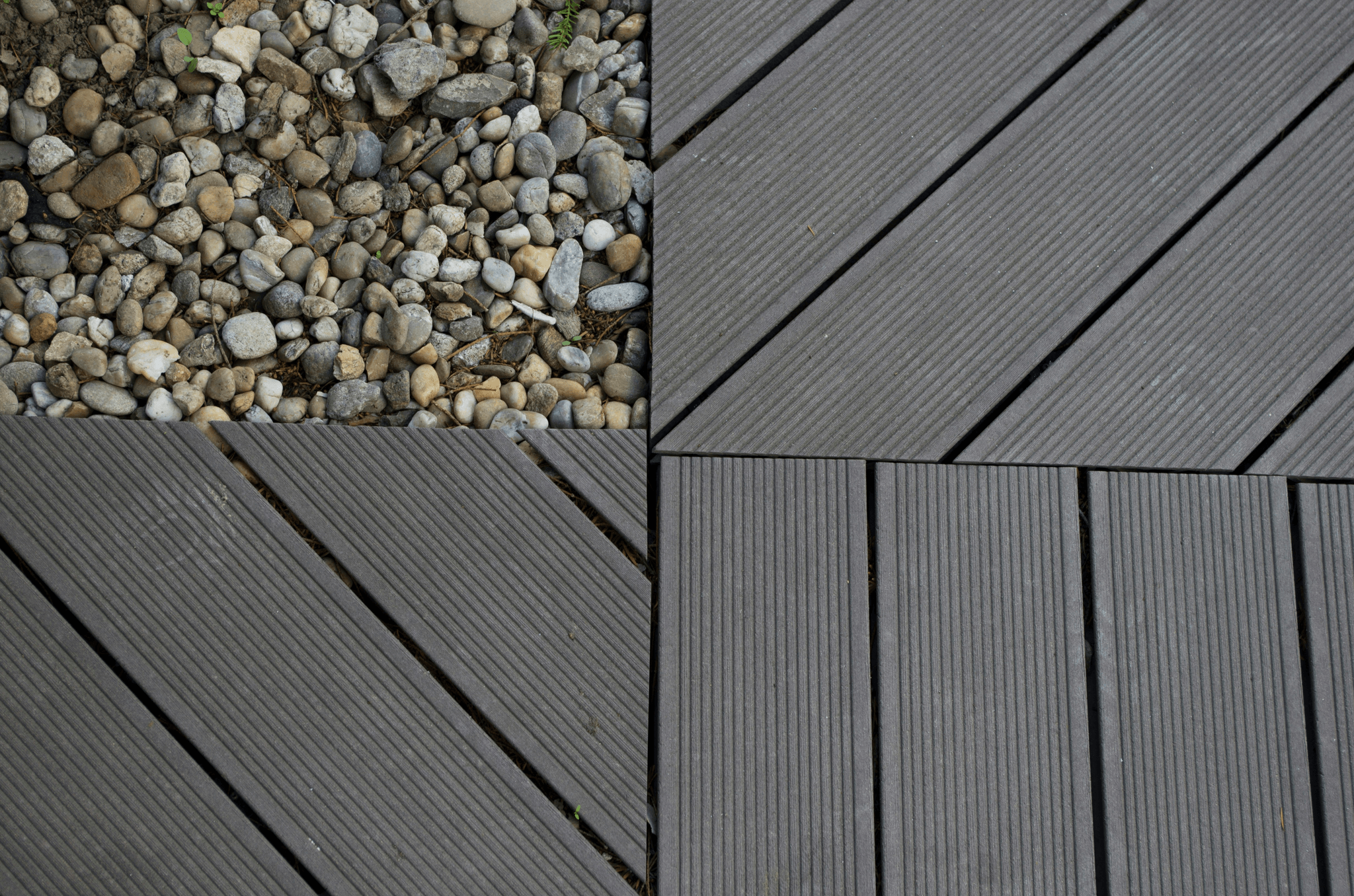
In the battle of WPC vs PVC, there’s no one-size-fits-all answer. Both materials offer unique benefits that cater to different needs and preferences, making them popular choices among composite board manufacturers. Whether you lean towards the eco-friendly charm of WPC or the low-maintenance allure of PVC, your decision will ultimately depend on your specific project requirements.
Final Thoughts on WPC vs PVC
WPC boards are celebrated for their environmental benefits and aesthetic versatility, while PVC boards shine in areas like water resistance and longevity. When comparing composite lumber decking options, it’s essential to consider factors like climate and intended use to determine which material suits your needs best. Ultimately, both types of synthetic lumber for decks can provide a solid foundation for outdoor spaces that stand the test of time.
Making an Informed Choice for Decking
To make an informed choice between deck composite decking options, weigh initial costs against long-term durability and maintenance needs. If you're looking for something that mimics the natural beauty of wood decks without the upkeep headaches, composite wood decking boards might be your best bet. Conversely, if you prioritize easy installation and water resistance, then fake decking boards made from PVC could be your go-to solution.
Future Trends in Composite Materials
The future looks bright for composite materials as innovation continues to drive advancements in design and functionality. Expect to see more eco-friendly formulations from leading composite board manufacturers aiming to reduce environmental impact while enhancing performance characteristics. As demand grows for sustainable building solutions, both WPC and PVC will likely evolve with new technologies that promise even better durability and aesthetic appeal in synthetic lumber for decks.