
Introduction
In a world where sustainability and innovation take center stage, the choice of decking material has evolved significantly. Alternative wood for decking not only offers aesthetic appeal but also presents an eco-friendly solution that resonates with environmentally conscious homeowners. With the rise of composite decking and other sustainable options, it's easier than ever to create beautiful wood decks that stand the test of time while minimizing environmental impact.
Why Choose Alternative Wood for Decking
Choosing alternative wood for decking is a decision rooted in both practicality and responsibility. Traditional wood decks often require extensive maintenance and contribute to deforestation, while alternative options like composite lumber decking provide durability without sacrificing style. By opting for these innovative materials, homeowners can enjoy stunning outdoor spaces that are both low-maintenance and sustainable.
Benefits of Sustainable Decking Materials
Sustainable decking materials offer a plethora of benefits beyond just environmental consciousness; they can also enhance your outdoor living experience. Many composite decking products are designed to resist fading, scratching, and moisture damage, ensuring that your deck retains its beauty year after year. Additionally, the use of recycled materials in composite decking means you’re making a choice that helps reduce waste while enjoying one of the best decking solutions available today.
Exploring Innovative Decking Solutions
The world of decking is rapidly evolving with innovative solutions coming to the forefront, making it an exciting time for homeowners looking to upgrade their outdoor spaces. From advanced composite lumber decking that mimics the look of traditional wood to cutting-edge technologies that improve performance and longevity, there’s no shortage of options available today. By exploring these alternatives, you can find the perfect combination of style and functionality for your next deck project.
Understanding Alternative Woods
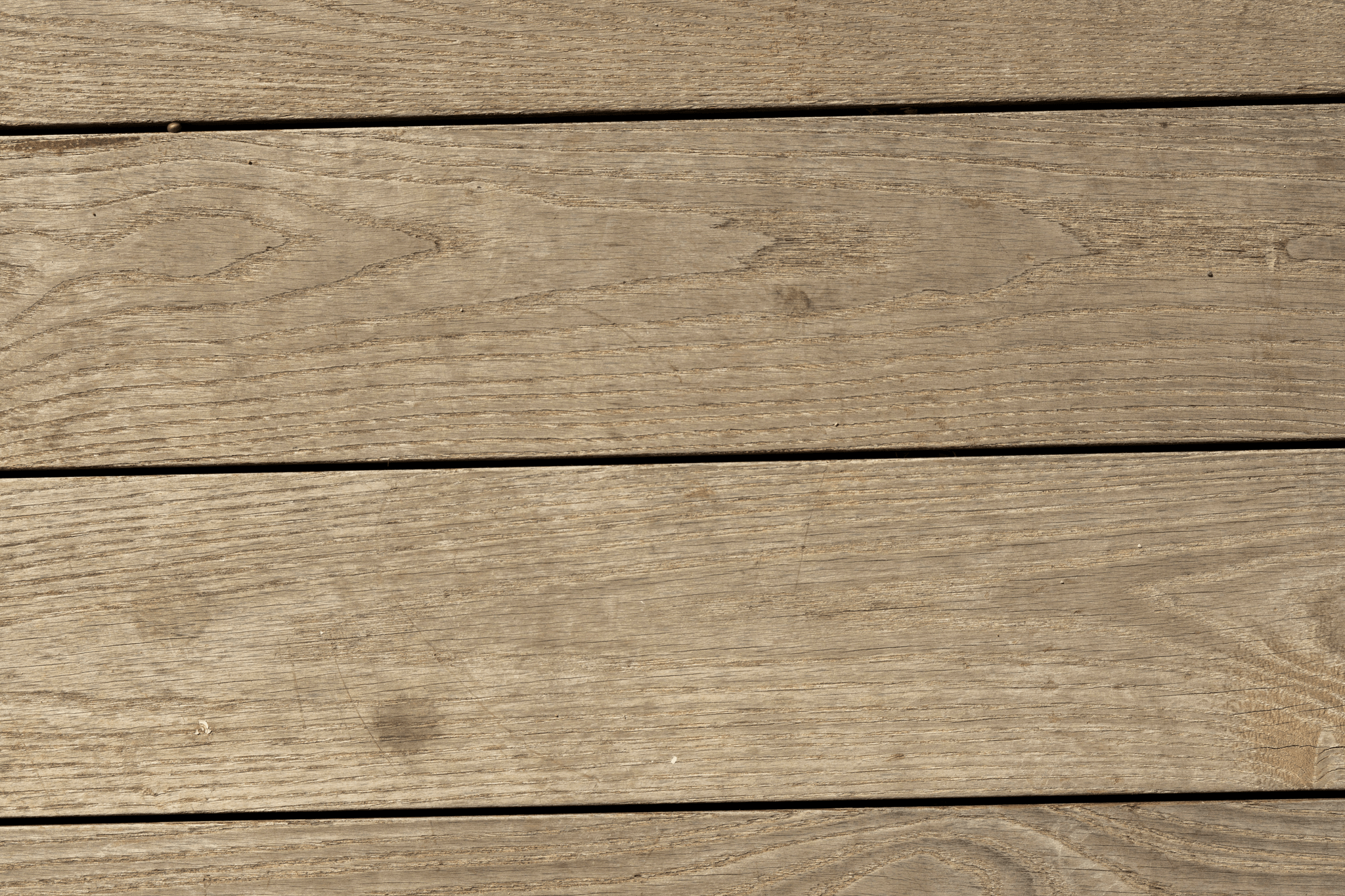
These alternatives can come from various sources, including recycled materials or fast-growing plants, making them an attractive option for eco-conscious homeowners. By exploring alternative woods, you can create stunning outdoor spaces that stand the test of time while reducing your environmental impact.
What Makes a Wood Alternative
A wood alternative typically possesses characteristics that mimic natural wood while offering added benefits such as enhanced durability and resistance to weather elements. These materials can include composite decking made from a blend of recycled plastics and wood fibers, which not only looks like traditional wood but also requires less maintenance over time. The best decking options today focus on sustainability without sacrificing style or performance, making them ideal for modern outdoor living.
Popular Types of Alternative Wood
Several popular types of alternative wood exist in the market today, each with unique qualities suited for different tastes and budgets. Bamboo decking is gaining traction due to its rapid growth rate and strength; it's both stylish and environmentally friendly. Another contender is thermally modified wood, which undergoes a heating process that enhances its durability against moisture and pests—perfect for those seeking longevity in their deck composite decking solutions.
Comparing Durability and Cost
When comparing durability among various alternative woods, it's essential to consider how they hold up against weather conditions, wear-and-tear, and pests over time. Composite lumber decking tends to outperform traditional wood decks in these areas due to its resistance to rot and fading; however, it may come at a higher upfront cost compared to some natural woods. Ultimately, evaluating the long-term investment in terms of maintenance costs versus initial price will help you determine the best decking material for your needs.
Composite Decking Options

Overview of Composite Lumber Decking
Composite lumber decking is designed to offer the best of both worlds: the aesthetic appeal of natural wood and the resilience of synthetic materials. Made from a blend of reclaimed wood fibers and plastic, this decking material is engineered to resist fading, staining, and warping—common issues with traditional wood decks. As more homeowners seek sustainable choices, composite decking has become a go-to option for those looking to enhance their outdoor living spaces.
Benefits of Composite Decking
One of the standout benefits of composite decking is its low maintenance requirements compared to traditional wooden decks. Homeowners can say goodbye to annual staining or sealing; instead, a simple soap-and-water wash will keep their deck looking fresh. Additionally, composite lumber decking is highly durable, resisting splintering and rotting while offering an impressive lifespan—making it one of the best decking materials on the market today.
Moreover, many brands now produce composite decking that incorporates recycled materials, making it an eco-friendly choice for conscientious consumers. This not only minimizes waste but also contributes positively towards sustainability efforts in home improvement projects. When considering alternative wood for decking solutions that marry beauty with practicality, it's hard to overlook the advantages offered by composite options.
Leading Brands: Composite Decking Inc
In the realm of composite decking manufacturers, Composite Decking Inc stands out as a leader in quality and innovation. With an extensive range of colors and textures available, they provide solutions tailored for every style preference—from classic looks reminiscent of natural wood decks to modern designs that make bold statements in any backyard setting. Their commitment to sustainability ensures that customers are investing in products made from recycled materials without compromising on performance or aesthetics.
Furthermore, Composite Decking Inc emphasizes durability through rigorous testing processes which guarantee long-lasting performance under various weather conditions—a crucial factor when selecting your ideal deck composite decking solution. They also offer warranties that reflect confidence in their products' longevity and reliability over time. For anyone considering alternative wood for decking options or simply wanting an upgrade from traditional materials, exploring what leading brands like Composite Decking Inc have to offer is certainly worthwhile.
Natural Alternatives to Traditional Wood
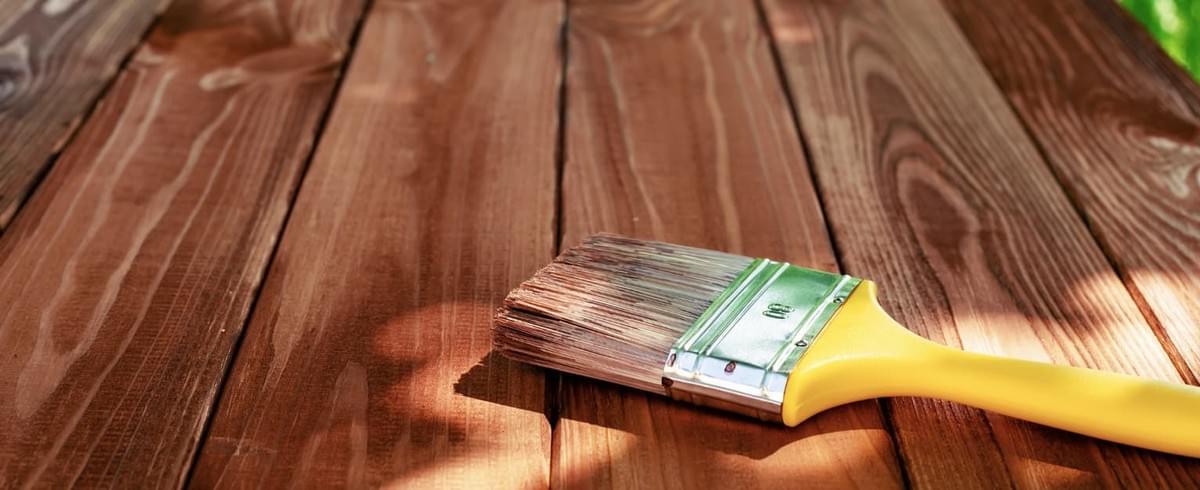
These materials not only enhance the aesthetic appeal of outdoor spaces but also contribute positively to the environment. In this section, we’ll explore bamboo decking, thermally modified wood, and reclaimed wood as viable options for your next decking project.
Understanding Bamboo Decking
Bamboo decking is gaining traction as a popular alternative wood for decking due to its rapid growth and renewability. Unlike traditional hardwoods that take decades to mature, bamboo can be harvested in just three to five years, making it an eco-friendly choice. This fast growth rate means that bamboo is a sustainable resource that helps reduce deforestation while providing an attractive surface for your deck.
In terms of performance, bamboo is surprisingly strong and durable—often outperforming some hardwoods in terms of tensile strength. It can withstand heavy foot traffic and harsh weather conditions while maintaining its integrity over time. Additionally, when treated properly, bamboo decking resists moisture and insect damage, making it a practical option for any deck composite decking project.
However, it's important to choose high-quality bamboo products that are manufactured responsibly. Look for certifications or brands known for their commitment to sustainable practices when selecting your bamboo decking material. By opting for this innovative alternative wood for decking, you’re not just enhancing your outdoor space; you're also supporting sustainable forestry practices.
The Case for Thermally Modified Wood
Thermally modified wood is another exciting option in the realm of natural alternatives to traditional wood decks. This process involves heating the wood at high temperatures in a controlled environment without oxygen—essentially cooking it! The result? A more stable product that boasts increased resistance against moisture and decay compared to untreated woods.
The thermal modification process enhances the natural beauty of the wood while reducing its tendency to warp or crack over time—a common issue with standard lumber used in outdoor settings like composite lumber decking or traditional wooden decks. As a bonus, thermally modified woods often have improved color retention and are less prone to fading from UV exposure.
While thermally modified wood can be more expensive upfront than regular lumber choices, its long-term durability makes it a wise investment for any homeowner looking at best decking options available today. Plus, knowing you’re using an eco-friendly product adds extra peace of mind when enjoying your beautiful outdoor space made from alternative woods.
Advantages of Reclaimed Wood
Reclaimed wood has become increasingly popular as an environmentally friendly choice among homeowners looking for unique aesthetics in their deck design. Sourced from old buildings or structures slated for demolition, reclaimed wood provides character and history that new lumber simply can't match—making each deck truly one-of-a-kind!
Using reclaimed materials significantly reduces waste by giving new life to timber that might otherwise end up in landfills; thus contributing positively towards sustainability efforts within construction industries globally—including those who rely on composite decking solutions too! Furthermore, reclaimed woods are often more durable since they have already stood the test of time.
However, it's crucial when selecting reclaimed materials that you ensure they come from reputable sources with proper treatment processes—especially if you want them safely incorporated into your outdoor living areas without compromising quality or safety standards associated with best decking practices today! With all these advantages combined into one incredible material choice (and some serious bragging rights), choosing reclaimed timber could very well be one smart move toward elevating any backyard experience!
Eco-Friendly Decking Materials
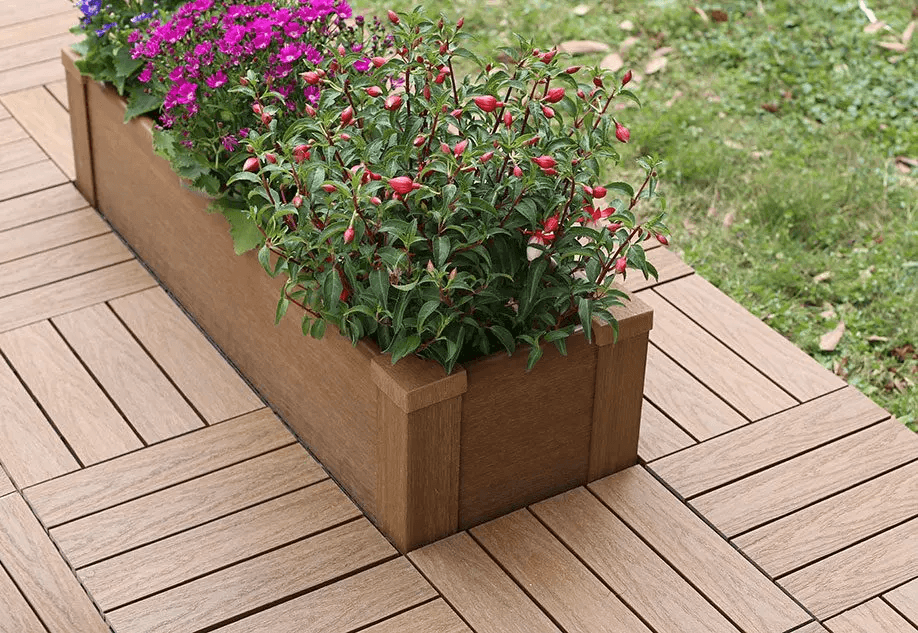
When it comes to decking, the choices we make can significantly impact our environment. Eco-friendly decking materials are paving the way for a more sustainable future, providing options that not only look great but also minimize ecological footprints. By opting for alternative wood for decking or composite lumber decking, homeowners can enjoy stylish outdoor spaces while supporting responsible manufacturing practices.
Sustainability in Decking Choices
Sustainability in decking choices is all about selecting materials that reduce environmental harm and promote longevity. Alternative wood for decking, such as bamboo or reclaimed wood, offers a renewable solution that helps preserve forests and ecosystems. Furthermore, composite decking often incorporates recycled materials, making it an excellent choice for eco-conscious consumers looking to build or renovate their wood decks.
Choosing the best decking material means considering its lifecycle—from production to disposal. Sustainable options help decrease waste and energy consumption while providing durable surfaces that withstand the test of time. The shift toward eco-friendly materials is not just a trend; it's a commitment to preserving our planet for future generations.
Eco-Impact of Composite Decking
Composite decking has gained popularity due to its impressive eco-impact compared to traditional wood decks. Made from recycled plastics and wood fibers, composite lumber decking reduces landfill waste while offering an attractive finish that mimics real wood without the maintenance hassles. This innovative material stands up against weather conditions and pests better than conventional options, ensuring your deck remains beautiful year after year.
The production process of composite deck composite decking is designed with sustainability in mind; manufacturers prioritize minimizing emissions and energy use during creation. Additionally, many brands focus on sourcing materials responsibly, further enhancing their environmental credentials. As more homeowners embrace these benefits, composite decking continues to lead the charge toward greener outdoor living spaces.
Certifications to Look For
When selecting eco-friendly decking materials, certifications can be your best friend in identifying sustainable products. Look for labels like Forest Stewardship Council (FSC) certification on alternative wood for decking; this ensures that the timber comes from responsibly managed forests that provide environmental benefits and economic viability. Similarly, products certified by organizations like Green Seal indicate adherence to rigorous environmental standards during manufacturing processes.
For those considering composite lumber decking options, check if they carry certifications such as ASTM D7032 or other industry-specific standards that assess durability and sustainability performance levels. These certifications not only provide peace of mind but also ensure you are investing in high-quality materials with reduced ecological impact—making your deck both stylish and responsible!
Maintenance and Care for Decking Materials
Maintaining your deck is crucial for its longevity, especially when considering alternative wood for decking or composite options. Regular care not only enhances the aesthetic appeal of your outdoor space but also protects your investment over time. Understanding the specific needs of both alternative woods and composite decking will ensure your deck remains a stunning centerpiece in your backyard.
Caring for Alternative Wood Decking
Alternative wood for decking, such as bamboo or reclaimed wood, requires specific care to preserve its natural beauty and durability. Regular cleaning with a gentle soap solution helps remove dirt and debris without damaging the surface. Additionally, applying a protective sealant annually can prevent moisture damage and fading from UV exposure, ensuring that your wood decks look great year after year.
It's essential to keep an eye on any signs of wear or damage, particularly with reclaimed wood, which may be more susceptible to rot if not properly maintained. Consider using a soft-bristle brush for cleaning to avoid scratching the surface while still effectively removing grime. With proper attention, alternative wood decks can provide a warm and inviting atmosphere that rivals traditional options.
Maintenance Tips for Composite Decking
When it comes to composite decking, maintenance is relatively straightforward compared to traditional wood decks. Regular sweeping or hosing down the surface will help keep it clean from leaves and dirt that can accumulate over time. For tougher stains—like grease or food spills—a mild detergent mixed with water usually does the trick; just remember to rinse thoroughly afterward!
One of the best features of composite lumber decking is its resistance to fading and staining compared to natural woods; however, periodic inspections are still advisable. Look out for any loose boards or connectors that may need tightening as part of routine maintenance checks. By staying proactive about these small tasks, you’ll enhance the longevity of your deck composite decking.
Long-Term Investment in Deck Performance
Investing in quality materials like alternative wood for decking or high-grade composite options pays off in terms of performance and aesthetics over time. While initial costs might seem higher than traditional wood decks, consider how much you save on maintenance and repairs down the line! The durability of composite lumber decking means fewer replacements are needed, making it a wise choice in terms of both budget and sustainability.
Moreover, regular upkeep not only extends the life of your deck but also ensures safety by preventing issues like splintering or warping—common problems in neglected wooden structures. In essence, caring well for your decking material results in an outdoor space that's beautiful today while being ready for future gatherings tomorrow!
Conclusion
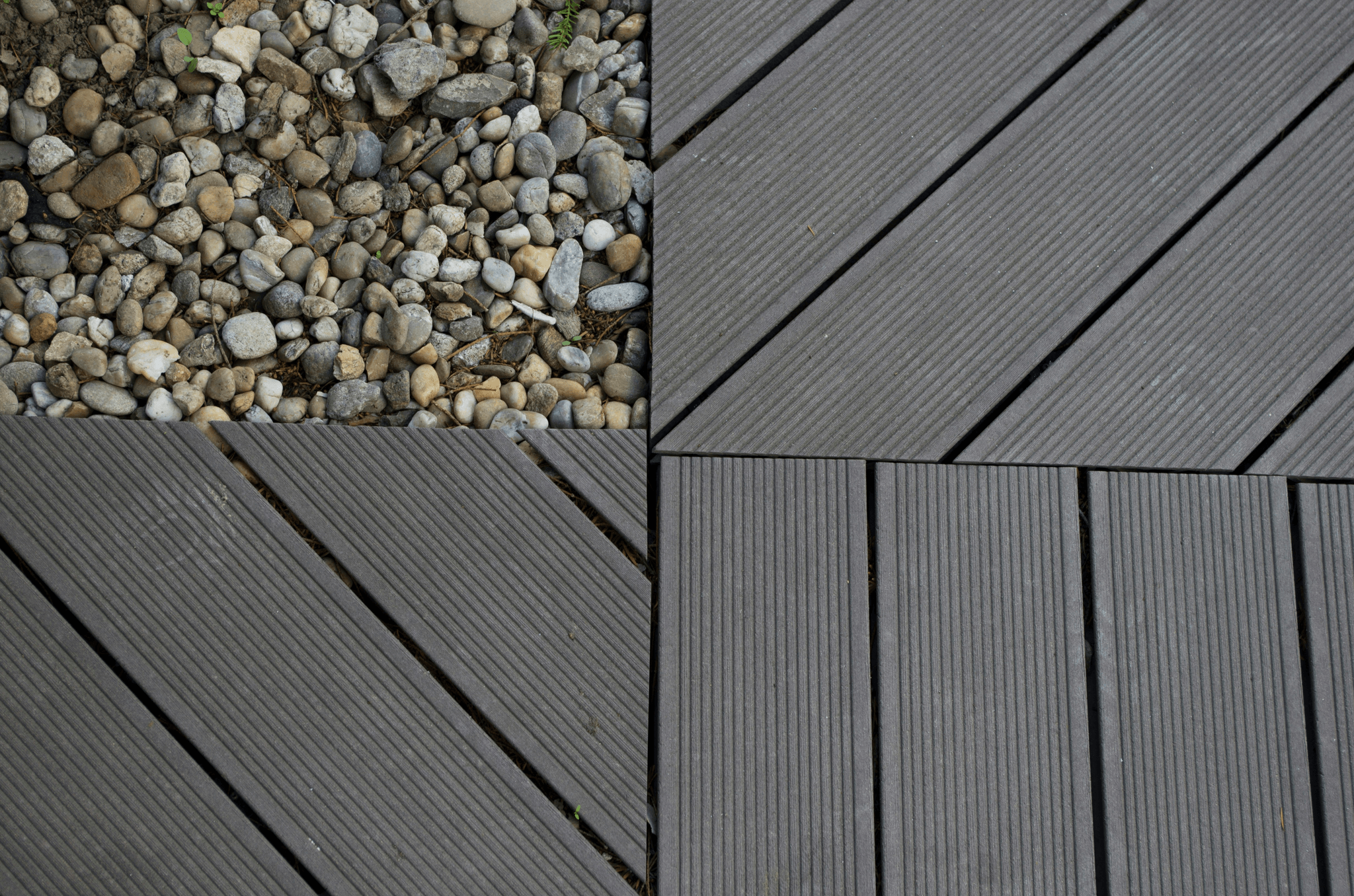
In conclusion, selecting the right decking material is a pivotal decision for any homeowner looking to enhance their outdoor space. With the rise of alternative wood for decking and composite options, there are numerous choices available that combine aesthetics with sustainability. Understanding the benefits and characteristics of these materials can lead to a more informed decision that meets both your style and environmental values.
Best Practices for Choosing Decking
When it comes to choosing the best decking, consider factors such as climate, maintenance requirements, and durability. Alternative wood for decking can offer unique visual appeal while being eco-friendly; however, it’s crucial to assess how each option performs under local weather conditions. Always look for high-quality materials that come with warranties or certifications to ensure longevity and performance.
Additionally, prioritize composite lumber decking if you seek low-maintenance solutions without sacrificing beauty. These materials often mimic the appearance of traditional wood decks but with enhanced resistance to fading and wear over time. By carefully evaluating your options based on these best practices, you’ll be well-equipped to select a deck composite decking solution that fits your lifestyle.
Why Composite Decking is a Smart Choice
Composite decking stands out as a smart choice due to its remarkable durability and minimal upkeep requirements compared to traditional wood decks. It combines recycled materials with advanced technology, resulting in a product that resists splintering, rotting, and insect damage—issues commonly associated with natural woods. This makes composite lumber decking not only an environmentally friendly option but also one that saves you time and money on maintenance.
Moreover, many homeowners appreciate the variety of styles available in composite decking products today; they can achieve the look of real wood without compromising on performance or sustainability. With its long lifespan and resistance to weather elements, choosing composite decking means investing in your home’s future while enjoying peace of mind about your environmental impact.
Future Trends in Decking Materials
The future of decking materials looks promising as innovation continues to drive advancements in both alternative woods and composites. Expect increased emphasis on sustainable sourcing practices alongside further development of eco-friendly manufacturing processes that reduce waste and energy consumption in producing deck composite decking products. As consumers become more environmentally conscious, manufacturers will likely respond by offering even more sustainable options.
Additionally, trends indicate an increasing integration of technology into outdoor spaces—think smart decks equipped with lighting systems or built-in heating elements made from innovative materials like thermally modified wood or bamboo composites. As we move forward into this new era of design possibilities within outdoor living spaces, embracing alternative wood for decking could lead not only to beautiful results but also contribute positively towards our planet's health.