
Introduction
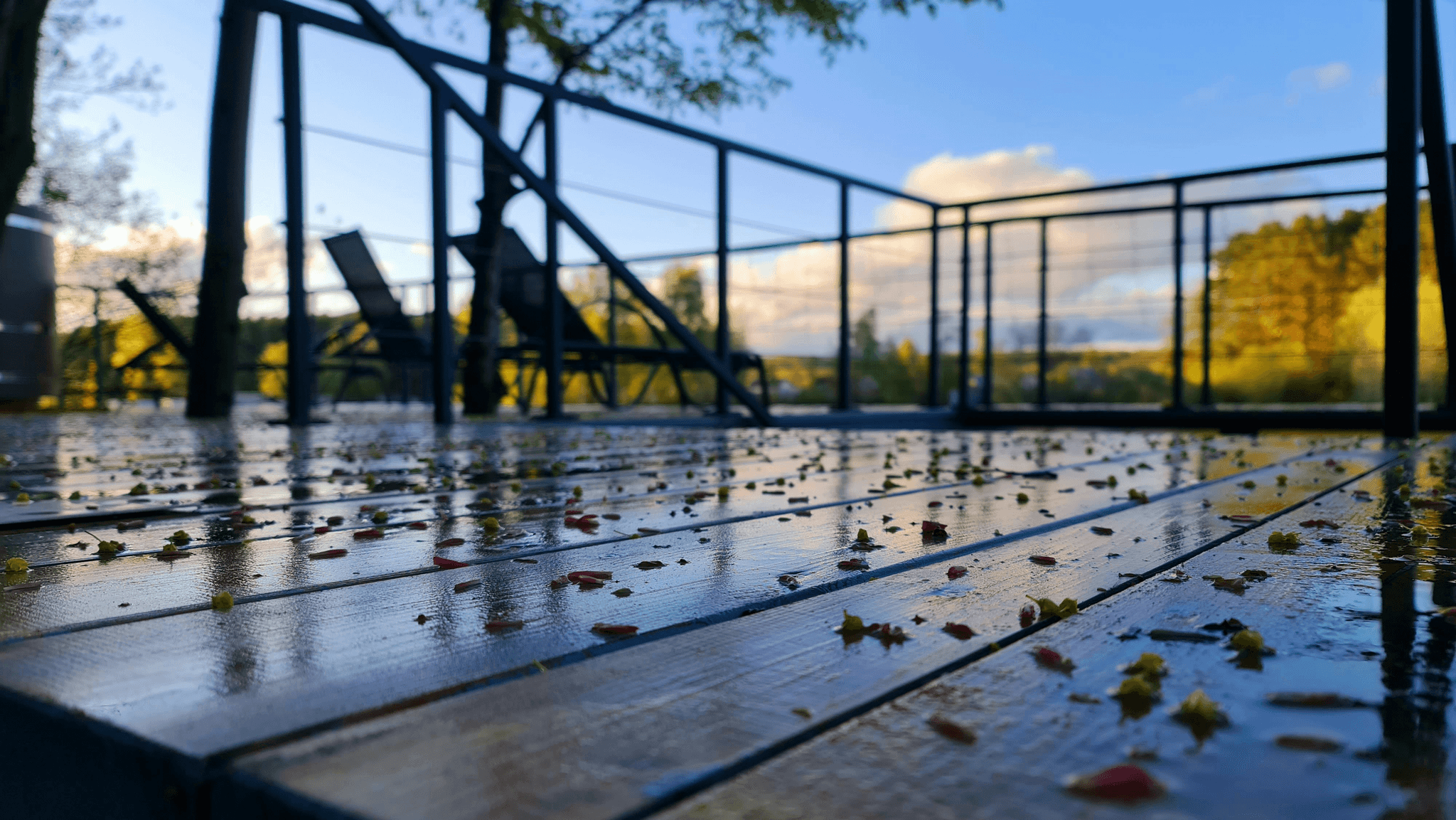
Whether you're entertaining guests or enjoying a quiet evening, understanding the risks associated with decking slippery surfaces is crucial for ensuring safety. With various decking materials available, from composite decking to PVC decking, it's essential to explore effective solutions that not only enhance aesthetics but also prioritize safety.
Understanding Decking Slippery Concerns
Decking surfaces can become dangerously slick, especially when wet or covered in debris. This is particularly true for certain types of decking material that may lack sufficient texture or grip. Homeowners should be aware of how different options—like good composite decking versus traditional wood—can affect the slipperiness of their decks and impact daily use.
Importance of Safety on Decking
Safety should always be a top priority when selecting and maintaining your deck space. Slippery decking can lead to accidents and injuries that are easily preventable with the right precautions in place. By recognizing the importance of safety on decking, homeowners can make informed decisions about materials and treatments that mitigate risks while enjoying their outdoor living areas.
Overview of Effective Solutions
Fortunately, there are numerous effective solutions available to combat slippery decks and enhance traction without sacrificing style. From non-slip coatings and textured surface options to anti-slip strips, the possibilities are vast for improving your deck's safety profile. Additionally, exploring local resources for composite decking near me or even seeking out discount composite decking deals can provide both quality and affordability in creating a safer outdoor environment.
Types of Decking Material
Pros and Cons of Composite Decking
Composite decking is a popular choice among homeowners for several reasons. It combines wood fibers with recycled plastic, which makes it resistant to rot and insects—definitely a plus in terms of durability! However, while composite decking can mimic the look of real wood without the maintenance headaches, it can also become slippery when wet if not treated properly.
On the downside, some may find that composite decking can be more expensive than traditional wood options. Additionally, not all composite materials are created equal; some may fade over time or warp under extreme weather conditions. So while it has its pros—like low maintenance and longevity—it’s essential to weigh these against the cons before making your decision on what will be the best decking for your space.
Why PVC Decking is a Solid Choice
PVC decking stands out as a solid choice for those prioritizing safety on their decks. Unlike wood or even some types of composite materials, PVC is inherently resistant to moisture and won’t absorb water—making it less likely to become slippery during rainy days or spills from your favorite summer drinks! This feature alone makes PVC an attractive option for families with kids or pets who might be prone to slips and falls.
Another significant advantage of PVC decking is its color retention; it won’t fade as quickly as other materials might under UV exposure. This means you’ll spend less time worrying about discoloration over time while enjoying a beautiful outdoor space year-round. Plus, many manufacturers offer warranties that reflect their confidence in this durable material—a reassuring factor when searching for discount composite decking options.
Evaluating Good Composite Decking Options
When looking for good composite decking near me, it's essential to consider several factors before making your purchase. Start by checking reviews from other homeowners who have installed similar products; their experiences can provide valuable insights into how well specific brands perform over time regarding both durability and resistance to becoming slippery when wet.
Next, pay attention to the manufacturer’s specifications—look for products with textured surfaces designed specifically to combat that pesky slipping issue often associated with decks! Lastly, don’t forget about pricing; many companies offer promotions or discounts on quality materials that still meet safety standards without breaking the bank.
In summary, knowing what type of deck material suits your needs best will ensure you have an enjoyable outdoor experience free from worries about slipping hazards!
Anti-Slip Solutions for Decks

Non-Slip Coatings and Treatments
Non-slip coatings are a fantastic way to address slippery decking concerns, especially on composite decking surfaces. These treatments can be easily applied over existing finishes, providing an additional layer of grip that can make a significant difference in preventing slips and falls. Many homeowners find that these coatings not only enhance safety but also protect their decking material from wear and tear, extending its lifespan.
There are various types of non-slip treatments available on the market today, including epoxy-based options that bond well with both composite and PVC decking materials. Applying these coatings is usually straightforward; however, proper surface preparation is key to ensuring they adhere effectively. With regular reapplication every few years, you can maintain a safe outdoor environment while enjoying your beautiful deck.
Textured Surface Options
If you're in the market for new decking material or considering upgrading your existing one, textured surface options could be an excellent choice for combating slipperiness on decks. Textured finishes provide natural grip underfoot while still allowing you to enjoy the aesthetic benefits of high-quality composite decking or PVC decking. These surfaces can be designed to mimic wood grain or other patterns while ensuring safety without sacrificing style.
Many manufacturers now offer good composite decking choices with built-in textures specifically engineered for slip resistance. This means you won’t have to compromise on looks just to achieve a safer deck environment—it's all about finding that perfect balance! Plus, textured surfaces often require less maintenance than smooth ones when it comes to cleaning and upkeep.
Benefits of Anti-Slip Strips
Another effective solution for addressing slippery decks is installing anti-slip strips along high-traffic areas such as stairs or entrances. These strips come in various materials—rubberized options provide excellent traction while being easy on bare feet during summer months! They’re particularly useful if you're looking for quick fixes without committing to extensive renovations or coatings.
Anti-slip strips are versatile enough to work well with different types of decking materials, including both composite and PVC options available at discount composite decking retailers near you! Additionally, they can be cut down easily to fit any size requirement you may have on your deck layout—talk about convenience! By investing in anti-slip strips as part of your overall strategy against slippery conditions, you'll ensure that everyone can enjoy your outdoor space safely.
Maintenance Tips to Prevent Slipperiness
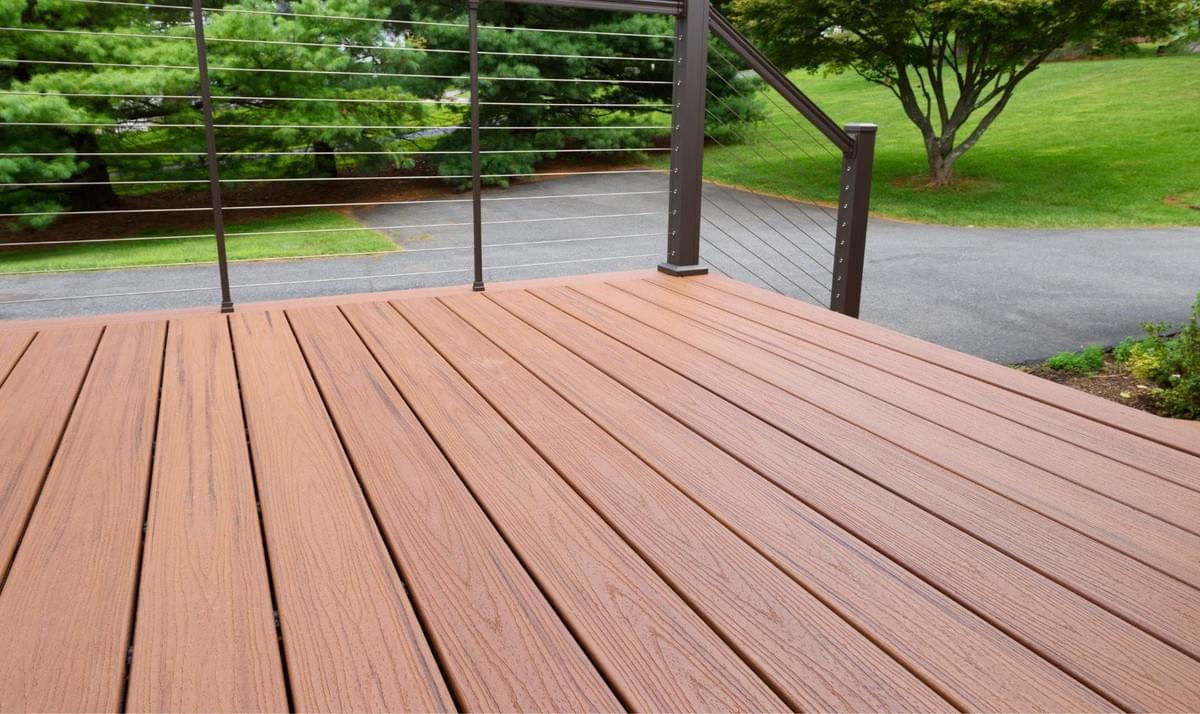
When it comes to maintaining your outdoor oasis, regular upkeep is crucial in preventing decking slippery conditions. A clean deck not only enhances its appearance but also ensures safety for family and guests. By incorporating a few simple maintenance habits, you can keep your composite decking in top shape and reduce the risk of slips.
Regular Cleaning and Care
To combat the dreaded decking slippery problem, make regular cleaning a part of your routine. Sweep away leaves, dirt, and debris that can accumulate on your deck’s surface; this will help maintain traction and prevent moisture buildup. Additionally, using a pressure washer occasionally can remove stubborn grime without damaging good composite decking materials.
Don’t forget to inspect your PVC decking for any signs of wear or damage while cleaning. Keeping an eye out for mold or algae growth is essential since these can create slick spots that are hazardous when wet. A little bit of care goes a long way in ensuring you have the best decking experience possible.
Seasonal Maintenance Routine
Adapting your maintenance routine with the changing seasons is key to keeping your deck safe from slipping hazards year-round. In fall, ensure you clear away leaves regularly; they can trap moisture and lead to slippery conditions beneath them. During winter months, be proactive by shoveling snow promptly and using non-corrosive ice melts that won’t harm your composite decking.
As spring arrives, it's time for a thorough inspection of all decking material for any damage caused by winter weather. Look out for loose boards or cracks that may need repair before summer gatherings begin. Establishing a seasonal maintenance checklist will help you stay on top of potential issues related to slippery surfaces.
Using the Right Cleaning Products
Choosing the right cleaning products can make all the difference in maintaining a safe deck surface while avoiding any damage to your composite materials. Opt for cleaners specifically designed for composite or PVC decking; these will effectively remove dirt without causing harm or contributing to slipperiness over time. Avoid harsh chemicals that may strip away protective coatings—this will leave your deck vulnerable.
Incorporating eco-friendly options into your cleaning regimen is not only beneficial for the environment but also helps maintain the integrity of good composite decking choices you’ve made. Always test new products on a small area first; this ensures compatibility with your specific type of decking material before applying it across larger surfaces. By being diligent about what goes on your deck, you’ll keep it looking great while minimizing those pesky slippery spots!
Choosing the Right Decking
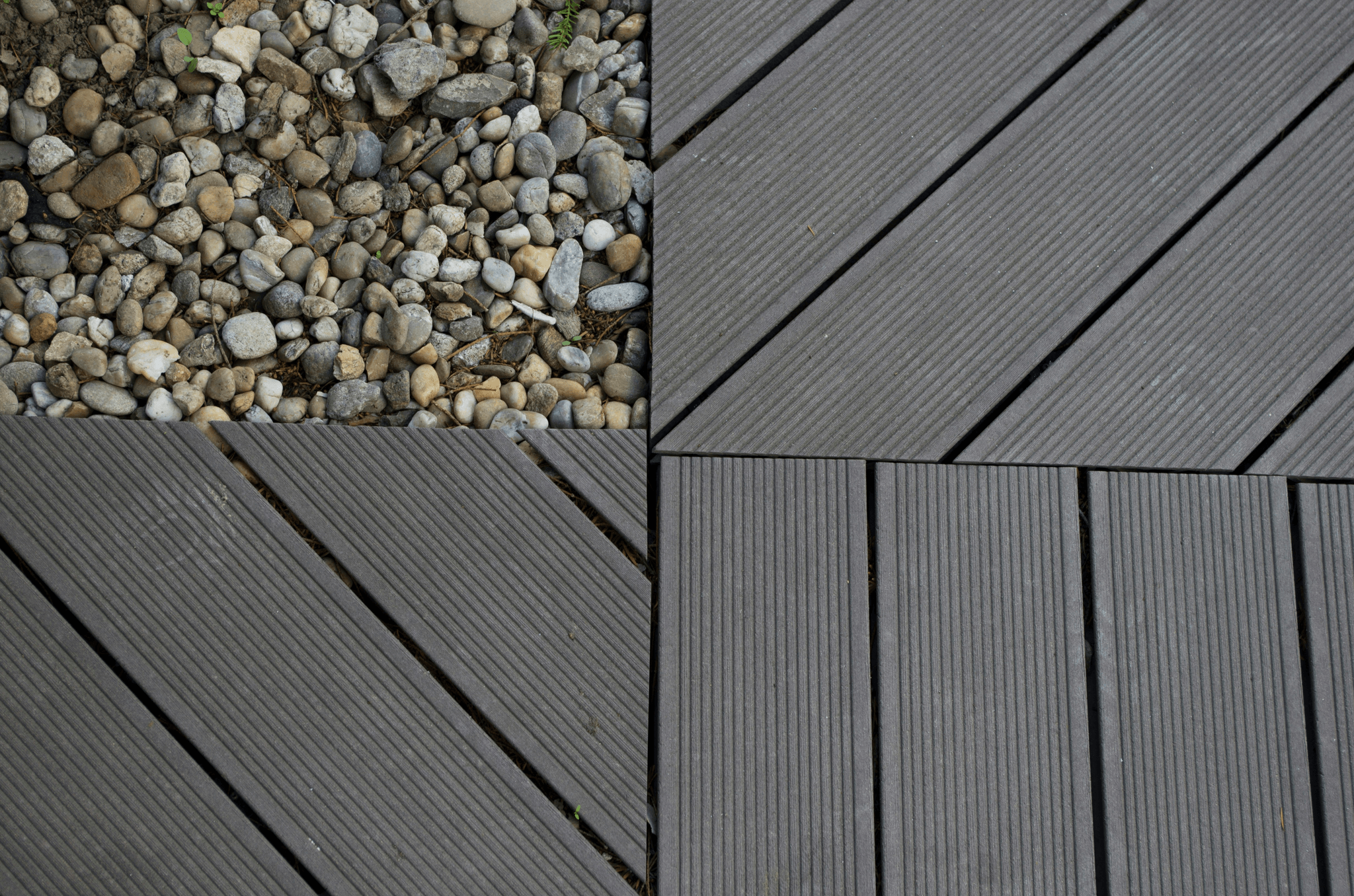
Selecting the right decking is crucial for both aesthetics and safety, especially when considering decking slippery concerns. The best decking options should not only enhance your outdoor space but also provide a secure surface for everyone to enjoy. In this section, we will explore the essential characteristics of quality decking materials, compare local composite decking options, and uncover ways to find discount composite decking deals.
Characteristics of the Best Decking
When searching for the best decking material, look for durability, low maintenance requirements, and slip resistance. High-quality composite decking typically offers a blend of wood fibers and plastic that resists warping and fading while providing excellent traction—essential in preventing those dreaded decking slippery moments. Additionally, UV resistance is key; you want your deck to maintain its beauty without becoming slick underfoot after exposure to sunlight.
Another important characteristic is ease of installation. Good composite decking should come with straightforward instructions or pre-cut options that make DIY projects accessible to all skill levels. Finally, consider aesthetics; choose colors and textures that complement your home’s exterior while ensuring they don’t contribute to a slippery surface.
Comparing Composite Decking Near Me
Finding composite decking near me can be an adventure filled with choices! Start by visiting local home improvement stores or specialty retailers where you can physically examine various products before making a decision on your new deck material. Comparing different brands allows you to assess their unique features—some may offer enhanced slip resistance while others focus on sustainability or design.
Don't forget about online resources! Many retailers have websites showcasing their inventory along with customer reviews that can help guide your choice toward good composite decking options available locally. Plus, you might discover additional information about specific products designed for areas prone to moisture accumulation—an important factor in combating any potential slipping hazards.
Finding Discount Composite Decking Deals
Who doesn’t love a good deal? When searching for discount composite decking, it’s worth checking seasonal sales at local stores or online marketplaces that specialize in building materials. Keep an eye out for clearance sections where last season’s stock might be offered at significantly reduced prices—perfect if you're looking to save money while still investing in quality.
Another great way to snag discounts is by subscribing to newsletters from home improvement stores or following them on social media; they often share exclusive promotions or flash sales on popular items like PVC decking or other composite materials that are durable yet stylish. Additionally, consider connecting with contractors who might have leftover materials from projects—they could offer great deals on high-quality boards perfect for your deck renovation!
DIY Fixes for Slippery Decks

Decking can become a slippery hazard, especially during wet conditions. Fortunately, there are several DIY fixes you can implement to make your outdoor space safer without breaking the bank. From easy home remedies to practical solutions, let’s explore how you can tackle those decking slippery concerns head-on.
Easy Home Remedies
One of the simplest ways to address slippery decking is by using common household items. A mixture of vinegar and water can create a natural anti-slip solution when applied to your deck. Just remember to test it on a small area first; while it’s effective, you want to ensure your chosen decking material won’t be harmed in the process.
Another option is using baking soda mixed with water for a gentle abrasive scrub that adds traction without damaging your deck surface. This method works particularly well on composite decking, which is often more resilient than traditional wood options. Regularly applying these home remedies will keep your outdoor area safe from those pesky slips and falls.
Using Sand for Traction
If you're looking for a quick and cost-effective way to enhance grip on your decking, sand could be your best friend! Sprinkling sand onto wet paint or anti-slip coatings creates an immediate textured surface that significantly reduces slipperiness. This method works well with both PVC decking and good composite decking options.
For long-lasting results, consider mixing fine sand directly into sealants before applying them to your deck surface; this will ensure that the non-slip effect lasts longer than just a temporary fix. Additionally, if you’re exploring composite decking near me, look for products that already incorporate sand or grit into their design for added safety right out of the box!
Installing Non-Slip Mats
Non-slip mats are another fantastic DIY solution that not only improves safety but also adds style to your outdoor space! These mats come in various designs and materials suitable for different types of decking material—be it wood or composite—ensuring they blend seamlessly with your aesthetic while combating slippery surfaces effectively.
When choosing mats, look for those specifically designed for outdoor use; they tend to have better grip and durability against weather elements compared to regular indoor mats. You might even find discount composite decking deals at local retailers that include stylish non-slip options as part of their package! So why not give those areas prone to slipping some extra love?
Conclusion
When it comes to ensuring your outdoor space is both beautiful and safe, understanding the concerns surrounding decking slippery surfaces is crucial. The right choice of decking material can significantly enhance safety while maintaining aesthetic appeal. By exploring various options and solutions, you can create a deck that not only looks great but also keeps everyone safe.
Key Takeaways for Deck Safety
Safety should always be a top priority when selecting your decking material. Whether you opt for PVC decking or good composite decking, ensure that the surface has adequate traction to prevent accidents caused by slippery conditions. Remember, investing in anti-slip treatments or textured surfaces can go a long way in making your deck safer for family gatherings or summer barbecues.
Long-Term Deck Maintenance Strategies
To keep your deck looking its best and to minimize the risk of it becoming slippery, regular maintenance is essential. Establishing a seasonal maintenance routine will help you address potential issues before they escalate into safety hazards. Using the right cleaning products specifically designed for your chosen decking material can also help maintain its integrity while preventing buildup that could lead to slippery conditions.
Exploring Options at Composite Decking Inc
If you're on the hunt for the best decking options available, look no further than Composite Decking Inc., where you'll find an array of choices tailored to fit different styles and budgets. From discount composite decking deals to high-quality PVC decking products, they have something for everyone searching composite decking near me. So why wait? Dive into their offerings today and transform your outdoor space into a slip-resistant paradise!