
Introduction
Understanding Composite Decking Materials
Composite decking materials are engineered from a blend of wood fibers and plastic, resulting in a product that mimics the look of wood while offering superior resistance to rot and decay. This unique combination makes composite decking an appealing alternative to traditional wood deck wood, providing both beauty and longevity. However, not all composite products are created equal; quality can vary widely between brands and types.
Common Issues with Composite Decking
Despite its many advantages, problems with PVC decking and other composite options can arise over time. Homeowners may encounter issues such as cracking or fading due to environmental factors or improper installation techniques. Recognizing these common problems early on can save you time and money in the long run while ensuring your deck remains a beautiful feature of your home.
Importance of Deck Maintenance
Regular maintenance is key to extending the life of your deck composite decking system. Just like any other part of your home, neglecting care can lead to significant deterioration over time—especially when it comes to moisture-related issues or temperature fluctuations that affect materials like PVC decking material. By staying proactive with maintenance tasks, you can enjoy your outdoor space for years without facing costly repairs or replacements.
Key Causes of Cracking in Composite Decking
Composite decking is a popular choice for homeowners seeking a low-maintenance alternative to traditional wood decks. However, even the best deck composite decking can experience cracking if certain factors are not addressed. Understanding the key causes of these issues can help you maintain your deck and extend its lifespan.
Poor Installation Techniques
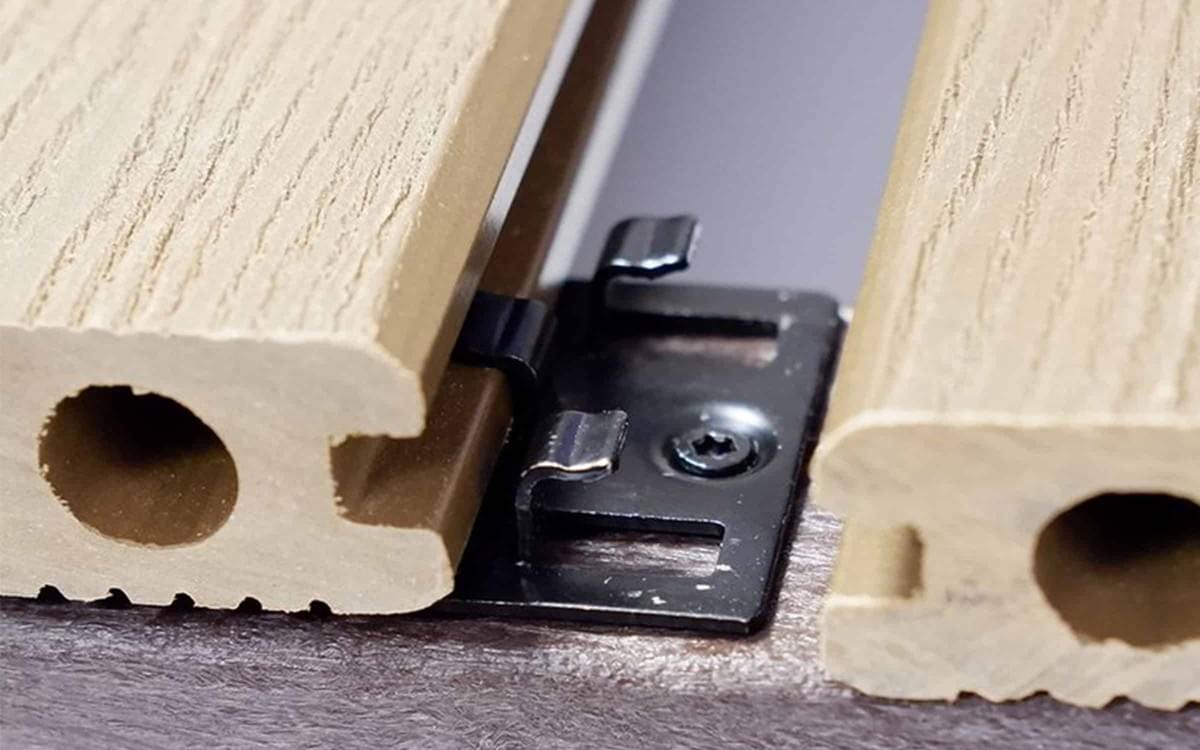
One of the most significant contributors to cracking in composite decking is poor installation techniques. If the composite decking boards are not properly spaced or secured, they can warp or crack under pressure. Additionally, using incorrect fasteners or failing to follow manufacturer guidelines can lead to long-term problems that compromise the integrity of your deck.
Improperly installed PVC decking material may also suffer from similar issues, leading to unsightly cracks and gaps over time. Homeowners should always hire experienced professionals or follow detailed instructions when installing either composite or PVC decking. By investing time in proper installation, you can avoid many common problems with PVC decking and ensure a durable outdoor space.
Weather-Related Damage
Weather plays a crucial role in the performance of both composite and PVC decking materials. Extreme temperature fluctuations can cause expansion and contraction in deck composite decking, which may lead to cracking if not managed correctly. Rain, snow, and humidity also contribute significantly; moisture that seeps into any cracks can freeze during colder months, exacerbating damage.
Moreover, prolonged exposure to UV rays can degrade the surface of composite decking boards over time, making them more susceptible to cracking as well as fading colors. It's essential for homeowners to consider their local climate when selecting materials for their decks; understanding how weather impacts your chosen material will help guide maintenance efforts effectively. Regular inspection during seasonal changes will also allow you to catch potential weather-related damage before it escalates.
Inadequate Support and Framing
The structural integrity of your deck relies heavily on adequate support and framing beneath the surface materials—this is especially true for composite decking systems designed for longevity and durability. If the underlying framework is weak or improperly installed, it can create stress points that lead to cracks forming in the visible surface layer over time. Insufficient joist spacing or lack of proper support beams may result in sagging areas that exacerbate wear on your deck.
In contrast with classic wood decks that might flex more easily under weight without showing immediate signs of wear, composite materials require precise engineering for optimal performance—especially when compared with problems associated with PVC decking options which may offer less flexibility overall. Ensuring solid support beneath your deck will safeguard against premature cracking while enhancing overall stability throughout its lifespan.
Recognizing Problems with PVC Decking
When it comes to outdoor living spaces, many homeowners are torn between choosing composite decking and PVC decking. While both options boast low maintenance and aesthetic appeal, they come with their own set of challenges. Understanding the differences can help you make an informed decision and avoid common problems with PVC decking.
Differences Between PVC and Composite Decking
PVC decking is made entirely from synthetic materials, while composite decking combines wood fibers with plastic for a more natural look. This distinction is crucial because it affects how each type performs over time. For instance, composite decking boards often provide better traction in wet conditions compared to slippery PVC surfaces, which can be a significant consideration for safety.
Moreover, the texture and appearance of composite decking mimic traditional wood deck wood more closely than PVC options do. This aesthetic advantage makes composite materials popular among homeowners looking for that classic deck feel without the upkeep associated with real wood. However, it's essential to weigh these visual benefits against potential issues like fading or cracking in both types of materials.
Vulnerability of PVC Decking Material
One of the primary problems with PVC decking lies in its vulnerability to extreme weather conditions. While it may resist moisture better than traditional wood decks, excessive heat can cause PVC to warp or become brittle over time. This susceptibility raises concerns about long-term performance, especially in regions that experience drastic temperature fluctuations.
Additionally, many homeowners find that while PVC may not splinter like wood deck wood does, it can still suffer from surface scratches or dents more easily than composite alternatives. These imperfections not only detract from the visual appeal but also compromise the integrity of your outdoor space if left unaddressed. Therefore, understanding these vulnerabilities is key when considering your material choices.
Long-Term Durability Concerns
When evaluating long-term durability concerns surrounding PVC decking material, it's important to consider how well it holds up under various environmental factors. While marketed as low-maintenance and resistant to decay, some brands have shown signs of wear sooner than expected due to poor manufacturing processes or inferior materials used in production. Homeowners might find themselves facing unexpected repairs much earlier than anticipated.
Moreover, unlike high-quality composite decking boards that often come with warranties covering fading or structural issues for decades, many PVC products lack robust guarantees against such problems. This disparity highlights why investing in quality matters; opting for cheaper options could lead to significant headaches down the line regarding maintenance and replacement costs. Ultimately, understanding these long-term durability concerns will help you choose wisely between composite and PVC solutions for your deck project.
Effects of Temperature Changes on Composite Decking

Temperature fluctuations can have a significant impact on composite decking, leading to various issues that homeowners should be aware of. Composite materials are designed to withstand the elements better than traditional wood deck wood, but they are not immune to the effects of heat and cold. Understanding how temperature changes affect your deck composite decking is crucial for maintaining its integrity and appearance over time.
Expansion and Contraction Issues
One of the primary concerns with composite decking is its tendency to expand and contract with temperature changes. When temperatures rise, composite decking boards can swell, creating gaps between them; conversely, when it cools down, those gaps may close up again or even lead to cracking if the boards are too tightly installed. This movement can cause not only aesthetic issues but also structural problems if left unchecked—something you definitely want to avoid in your outdoor space.
How Climate Affects Deck Composite Performance
The climate in which you live plays a pivotal role in how your composite decking performs over time. In areas with extreme temperature variations or high humidity levels, problems with PVC decking may become more pronounced as these materials react differently under stress compared to traditional composites. For instance, while PVC decking material is resistant to moisture damage, it can become brittle in colder climates, leading to cracks and other forms of deterioration that undermine its longevity.
Best Practices for Temperature Management
To mitigate the effects of temperature changes on your composite decking, consider implementing best practices for maintenance and installation. First off, allow for proper spacing between boards during installation; this will help accommodate any expansion without causing damage or warping over time. Additionally, regular inspections during seasonal transitions can catch early signs of wear before they escalate into more severe issues—because nobody wants a deck that looks like it’s been through a weather apocalypse!
The Role of Moisture and Humidity
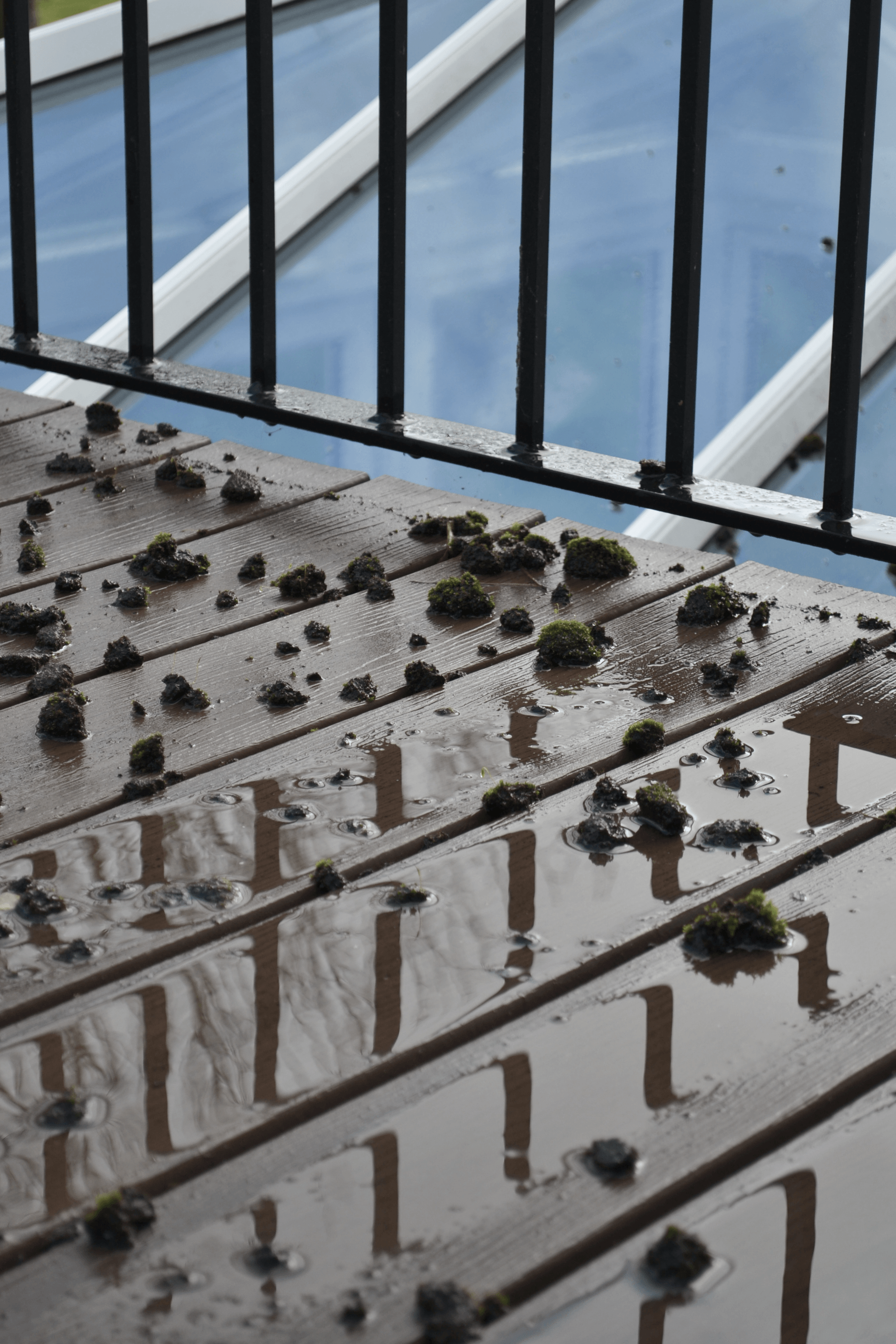
Moisture and humidity can wreak havoc on composite decking, leading to issues that every homeowner should be aware of. While composite decking is designed to resist some water damage, prolonged exposure can still create problems similar to those found in traditional wood deck wood. Understanding the effects of moisture is essential for maintaining the integrity and appearance of your deck composite decking.
Impact of Water Damage on Composite Decking
Water damage can lead to various issues in composite decking materials, including warping, cracking, and discoloration. Although composite decking boards are made from a blend of wood fibers and plastic, they are not entirely impervious to moisture infiltration. Over time, trapped water can cause the material to swell or degrade, mimicking some problems with PVC decking that homeowners often face.
Preventing Mold and Mildew Growth
Mold and mildew thrive in damp environments, making it crucial for homeowners with composite decking to take preventive measures against these unwelcome guests. Regular cleaning is essential; using a gentle cleanser specifically designed for deck composite decking will help keep moisture at bay while preventing mold growth. Additionally, ensuring proper drainage around your deck will minimize standing water—an enemy of both composite and PVC decking materials.
Maintenance Tips for Wet Conditions
When dealing with wet conditions, maintaining your deck becomes even more critical to prolong its lifespan. Regularly inspect your composite decking boards for signs of wear or damage caused by moisture; early detection can save you from bigger headaches down the line. Lastly, consider applying a sealant designed for composite materials—this extra layer can protect against humidity while enhancing the beauty of your outdoor space.
Solutions to Repair and Prevent Cracking
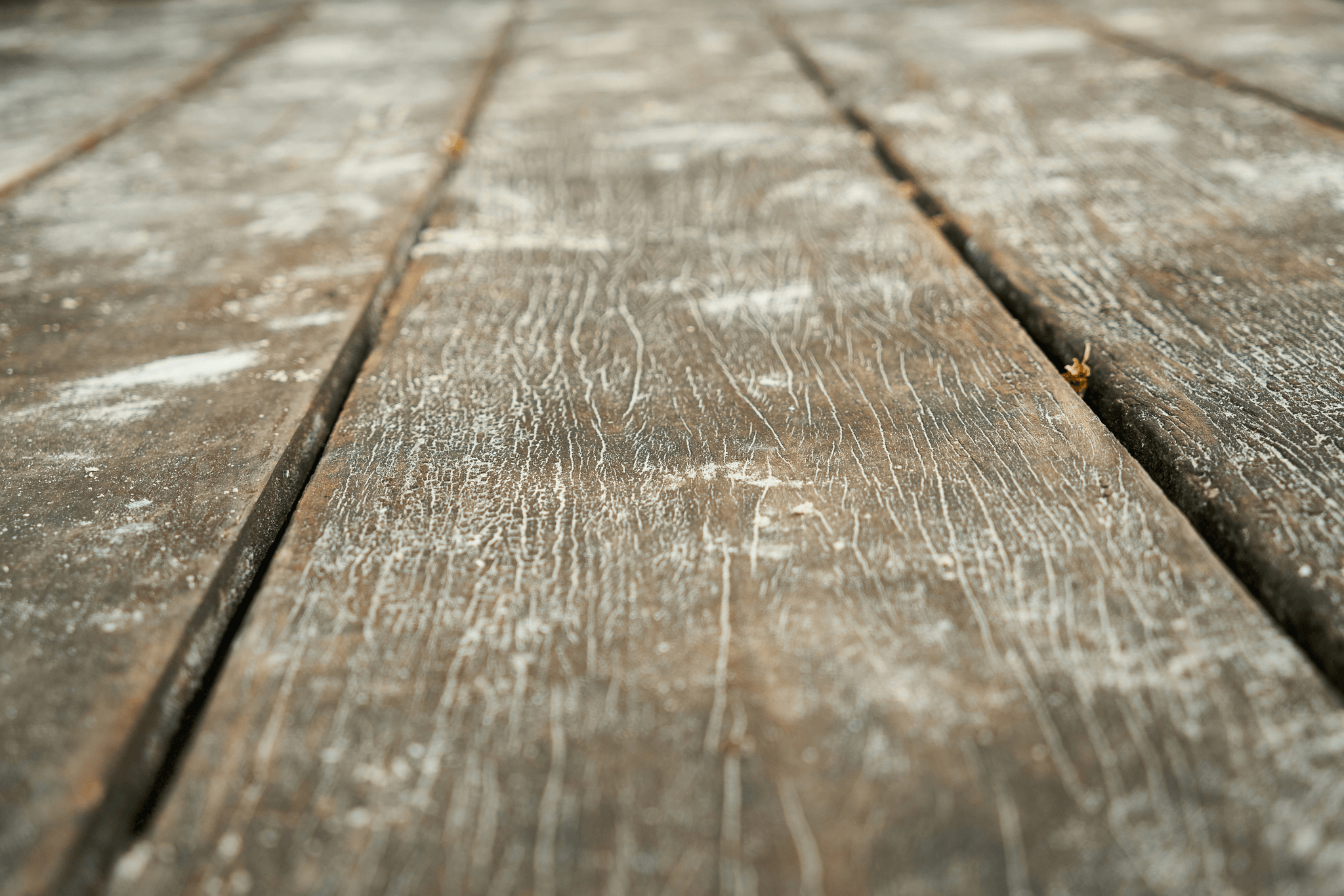
Composite decking can be a fantastic addition to any outdoor space, but when cracks appear, it’s essential to address them promptly. Fortunately, there are effective solutions available for both repair and prevention of cracking in composite decking boards. By understanding the right approaches, you can extend the life of your deck composite decking and enjoy your outdoor oasis without worry.
DIY Fixes for Composite Deck Cracking
For those who prefer hands-on solutions, several DIY fixes can address minor cracks in composite decking. One popular method involves using a specialized composite deck filler that matches the color of your deck; simply apply it to the crack and smooth it out for a seamless finish. Additionally, sanding down rough edges or splintered areas can help prevent further damage while enhancing the overall appearance of your deck.
Another approach is to use a heat gun on small cracks; carefully warming the area can sometimes close gaps by allowing the material to expand slightly. However, be cautious with this method—too much heat can lead to more problems with PVC decking or even damage your composite decking boards further. Regular inspections after applying these fixes will ensure that any new issues are caught early before they escalate into significant concerns.
When to Call Professionals
While many homeowners enjoy tackling DIY projects, some situations call for professional expertise—especially when dealing with extensive cracking or structural issues in your composite decking. If you notice widespread problems with PVC decking materials or significant warping that could compromise safety, it’s time to consult a professional contractor who specializes in deck repairs. They have access to advanced tools and techniques that ensure a thorough assessment and effective resolution.
Moreover, if you’re unsure about how best to repair your deck composite decking or lack the necessary skills for proper installation techniques, calling in an expert is wise. Professionals can also provide insights into long-term maintenance strategies that keep your deck looking great while preventing future issues from arising. Remember: investing in quality repairs now saves you from costly replacements down the road!
Choosing High-Quality Composite Decking Boards
The foundation of any successful composite decking project lies in selecting high-quality materials right from the start. Not all composite decking boards are created equal; some may be more prone to cracking due to inferior manufacturing processes or subpar ingredients used in their construction—this is where problems with PVC decking often stem from as well! Look for brands known for their durability and resistance against environmental factors like moisture and UV rays.
When shopping for new boards, consider options that come with warranties covering defects and performance over time; this indicates confidence from manufacturers regarding their product quality. Additionally, seek out eco-friendly materials made from recycled content—these not only reduce environmental impact but often boast superior performance compared to traditional wood deck wood alternatives! Choosing wisely now ensures you’ll enjoy a beautiful outdoor space without frequent worries about maintenance later on.
Conclusion
In summary, understanding the causes of cracking in composite decking is essential for maintaining its beauty and functionality. From poor installation techniques to the effects of weather and moisture, various factors can lead to significant issues that impact your deck's longevity. Addressing these problems early on can save you from costly repairs down the line.
Recap of Cracking Causes
Cracking in composite decking often stems from poor installation techniques, which can create weak points in the structure. Weather-related damage also plays a significant role, as temperature fluctuations cause expansion and contraction that stress the material. Furthermore, inadequate support and framing can exacerbate these issues, leading to a compromised deck composite decking experience.
Importance of Quality Materials
Choosing high-quality composite decking boards is crucial for ensuring long-term durability and performance. While PVC decking may seem like an attractive option, it comes with its own set of problems with PVC decking that could affect your investment over time. Opting for superior materials not only enhances your deck's appearance but also minimizes maintenance efforts and potential issues related to moisture or environmental exposure.
Final Thoughts on Composite Decking Care
Caring for your composite decking involves regular maintenance and being proactive about potential issues like cracking or moisture damage. Understanding the differences between wood deck wood and various synthetic materials will help you make informed choices about what best suits your needs. Ultimately, a well-maintained composite deck can provide years of enjoyment without succumbing to common pitfalls associated with lower-quality options.