
Introduction
Understanding Cumaru and Ipe
Cumaru and Ipe are exotic hardwoods that hail from South America, prized for their strength and aesthetic appeal in deck lumber. Cumaru wood boasts a rich amber hue with subtle grain variations, while Ipe wood is known for its deep brown tones and striking grain patterns. Each type of wood has unique properties that cater to various design preferences and functional needs in outdoor spaces.
The Cost Factors in Decking
When considering a deck of wood, pricing plays a crucial role in your decision-making process. The cost factors include not only the price per board foot of Cumaru or Ipe lumber but also installation expenses, maintenance requirements, and any additional features you may want to incorporate into your project. Understanding these elements will help you budget effectively while ensuring you get the most value from your investment.
What to Expect from Your Investment
Investing in either ipe wood decking or cumaru can yield long-lasting results if done correctly; however, it's essential to know what you're getting into. You can expect both types of wood to withstand harsh weather conditions while providing an elegant look that enhances your outdoor area’s appeal. By weighing the cumaru vs ipe cost alongside longevity and maintenance requirements, you'll be better equipped to choose the right option for your specific needs.
The Basics of Cumaru and Ipe
Characteristics of Cumaru Wood
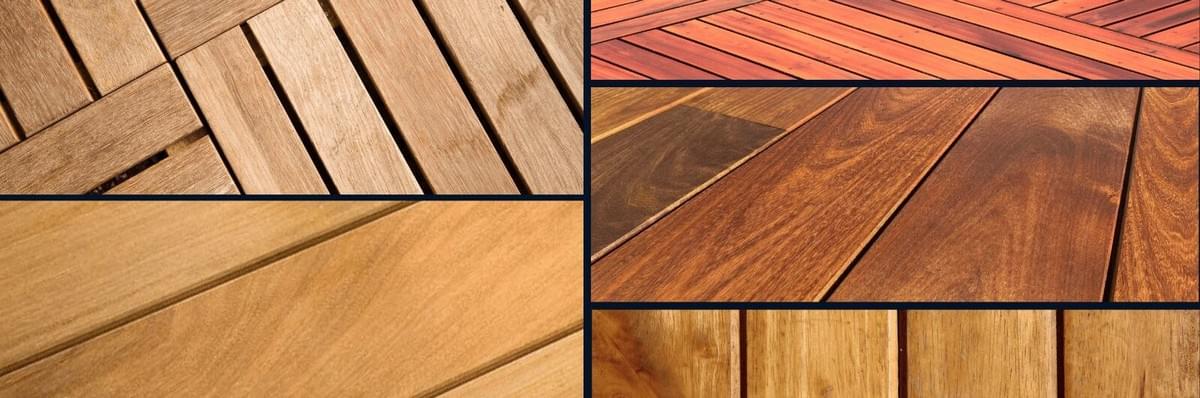
Cumaru wood is known for its impressive durability and resistance to wear, making it a top contender in the world of decking materials. With a rich golden-brown hue that can darken over time, this wood not only looks stunning but also withstands the elements like a champ. Additionally, Cumaru boasts a high density, which contributes to its strength and longevity—perfect for anyone looking to invest in a long-lasting deck of wood.
One notable feature is its natural resistance to insects and decay, which means less worry about maintenance over the years. This characteristic can significantly reduce long-term costs associated with upkeep when comparing cumaru vs ipe cost. Furthermore, its relatively easy installation process makes it an appealing choice for DIY enthusiasts seeking quality without breaking the bank.
Characteristics of Ipe Wood
Ipe wood stands out as one of the most durable hardwoods available on the market today—often referred to as ironwood due to its remarkable toughness. With a deep reddish-brown color that can vary from light brown to dark chocolate shades, ipe lumber adds an elegant touch to any outdoor space while providing unmatched resilience against weather conditions. Its high density also means excellent sound insulation; you can enjoy your peaceful deck without worrying about noise disruptions.
In addition to its aesthetic appeal, ipe decking is naturally resistant to mold, mildew, and termites—a significant advantage when considering maintenance efforts down the line. This durability often translates into longer lifespans compared to other types of decking materials when evaluating cumaru vs ipe cost in terms of longevity versus initial investment. While it may be pricier upfront than some alternatives like composite wood or treated lumber, many homeowners find that investing in ipe pays off over time due to lower maintenance requirements.
Ideal Uses for Each Type
Both Cumaru and Ipe have their unique strengths that make them suitable for various applications beyond just being beautiful deck lumber options. Cumaru's affordability combined with its resilience makes it ideal for residential decks where budget-conscious homeowners still desire quality materials without sacrificing style or durability. It’s also great for poolside areas due to its slip-resistant surface—a bonus during those hot summer days!
On the other hand, Ipe's superior strength lends itself well not only as an excellent choice for traditional decks but also for commercial applications such as boardwalks or docks where heavy foot traffic is common—think bustling beach resorts or waterfront restaurants! Its ability to withstand harsh environments further enhances its reputation among builders looking at long-term investments in their projects when weighing cumaru vs ipe cost considerations carefully.
In conclusion, whether you choose Cumaru or Ipe will depend on your specific needs regarding aesthetics, budget constraints, and intended use cases—both options provide exceptional value in their own right!
Pricing Breakdown: Cumaru vs Ipe Cost
Average Costs for Cumaru Lumber
Cumaru lumber typically ranges from $3 to $7 per board foot, making it a more affordable choice compared to its counterpart, Ipe wood. This price can fluctuate based on factors such as availability and quality of the wood. For those looking to build a deck of wood that won’t break the bank but still offers durability and beauty, Cumaru presents a compelling option.
Average Costs for Ipe Lumber
On the other hand, Ipe lumber generally commands a higher price tag, averaging between $5 and $15 per board foot depending on various factors like grade and sourcing location. This premium cost reflects its exceptional durability and longevity as an ideal choice for ipe decking projects. While ipe wood may require a larger initial investment upfront, many homeowners find that its long-term benefits justify the expense when considering overall value.
Additional Costs to Consider
While comparing cumaru vs ipe cost is essential, it's also vital to factor in additional expenses that come with both options. Installation costs can vary based on regional labor rates and complexity of design; composite wood options might also require different installation techniques that could impact overall spending. Additionally, maintenance costs should be considered; while both types of wood are durable, they do require periodic sealing or staining to maintain their appearance over time.
Longevity and Durability Comparison
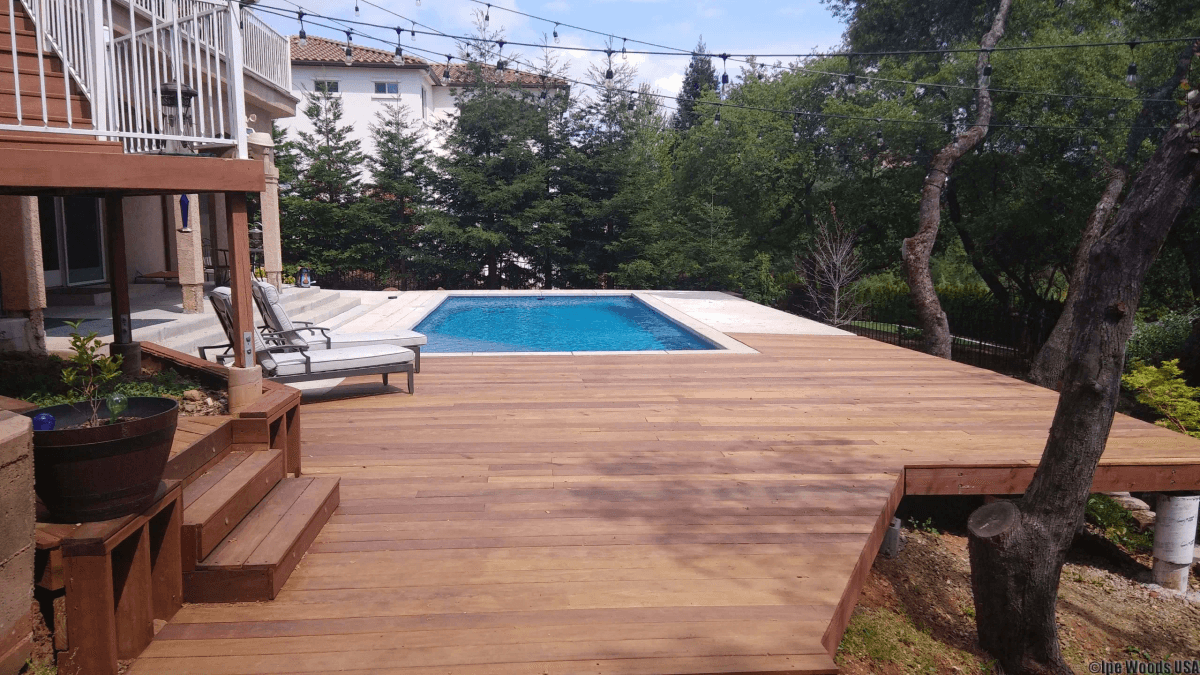
When it comes to decking, longevity and durability are key factors that can significantly influence your investment. Cumaru and Ipe woods are both renowned for their strength, but they have distinct characteristics that affect their lifespan and maintenance needs. Understanding these differences can help you make a more informed decision about which material is best for your deck of wood.
Lifespan of Cumaru Decking
Cumaru decking is known for its impressive lifespan, typically lasting between 25 to 30 years with proper care. This hardwood is naturally resistant to rot, decay, and insect damage, making it a durable choice for outdoor applications. When comparing cumaru vs ipe cost, it's important to note that the longevity of Cumaru can justify its price in the long run.
Lifespan of Ipe Decking
On the other hand, Ipe wood boasts an even longer lifespan, often exceeding 40 years when maintained well. This remarkable durability is attributed to its density and natural oils that resist moisture and pests effectively. While Ipe lumber may come at a higher initial cost than Cumaru, its extended lifespan means fewer replacements or repairs over time—making it a wise investment for your ipe wood decking project.
Maintenance Costs and Efforts
Despite their durability, both cumaru and ipe require some level of maintenance to keep them looking their best. Regular cleaning and periodic oiling can enhance the appearance of both types of wood while protecting them from the elements; however, Ipe may need more frequent attention due to its tendency to weather into a silver-gray patina without treatment. When considering cumaru vs ipe cost in terms of maintenance efforts, it's essential to factor in these ongoing expenses as part of your overall budget for deck lumber.
Aesthetic Appeal: Which is Better?
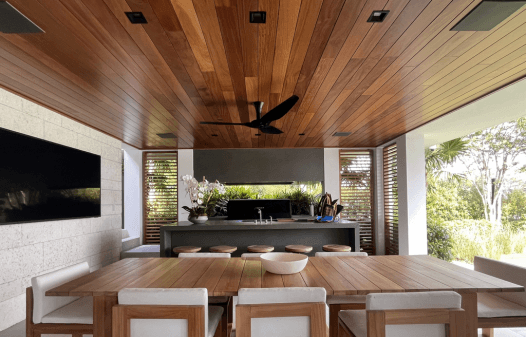
When it comes to choosing between Cumaru and Ipe for your deck of wood, aesthetics play a significant role in the decision-making process. Both woods offer unique visual qualities that can enhance the overall look of your outdoor space. However, understanding the nuances of each type will help you determine which one aligns best with your style and preferences.
Visual Qualities of Cumaru Wood
Cumaru wood is known for its rich, warm tones that range from golden brown to deep reddish-brown, providing a vibrant and inviting appearance. Its grain pattern is typically straight with occasional interlocking, which adds depth and character to any deck lumber project. Additionally, Cumaru has a natural luster that enhances its beauty when finished properly, making it an excellent choice for those looking to create an eye-catching outdoor area.
One of the standout features of Cumaru is its resistance to fading over time, allowing it to maintain its striking appearance even when exposed to sunlight and weather elements. This durability means less frequent refinishing compared to other woods, making it a practical yet stylish option for deck projects. Overall, if you're after a warm and inviting aesthetic with impressive longevity, Cumaru wood might just be your go-to choice.
Visual Qualities of Ipe Wood
On the other hand, Ipe wood boasts an unparalleled elegance that many homeowners find irresistible—often referred to as Brazilian walnut, it's renowned for its deep chocolate brown hues accented by subtle olive or amber streaks. The dense grain structure creates a smooth finish that feels luxurious underfoot while also adding visual interest to any ipe decking project. As light hits its surface, Ipe reveals a stunning sheen that speaks volumes about quality craftsmanship.
Moreover, Ipe's color can deepen over time if left untreated—a beautiful silver-gray patina emerges as it ages naturally outdoors. This transformation allows homeowners the flexibility of choosing between maintaining its original dark tone or embracing this sophisticated weathered look over time. If you're drawn toward timeless elegance and sophistication in your outdoor spaces, Ipe lumber could be calling your name.
How Composite Wood Stacks Up
When comparing Cumaru vs Ipe cost in terms of aesthetics, composite wood presents a different narrative altogether—engineered primarily from recycled materials like plastic and wood fibers; it offers versatility in design but often lacks the authenticity found in natural woods like Cumaru and Ipe. Composite options come in various colors and textures mimicking real wood grains; however, they may not provide the same warmth or richness that natural hardwoods do on their own.
Additionally, while composite decking requires less maintenance compared to traditional woods—no sanding or staining needed—the trade-off may be perceived authenticity versus convenience regarding aesthetic appeal. If you’re looking for something low-maintenance yet visually appealing without breaking the bank on ipe wood decking prices; composite could fit nicely into your plans without sacrificing too much style.
Ultimately though; whether you lean towards beautiful natural grains found within Cumaru or opt for the luxurious feel offered by Ipe—each material has distinct characteristics worth considering before committing fully!
Eco-Friendliness of Your Choices
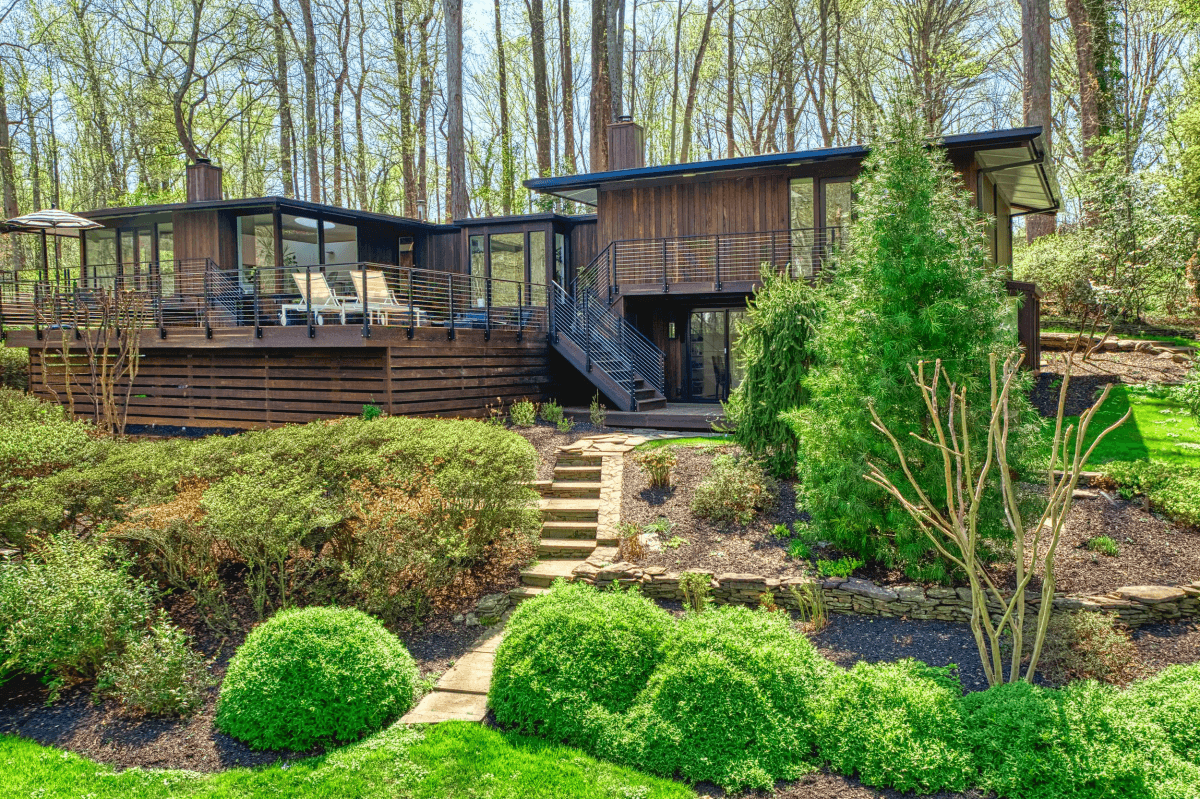
When it comes to decking materials, eco-friendliness is a significant consideration for many homeowners. Both Cumaru and Ipe wood are derived from tropical hardwoods, which raises questions about sustainability and environmental impact. Understanding the sourcing practices of these woods and how they compare to composite wood options can help you make a more informed decision regarding your deck of wood.
Sustainability of Cumaru Sources
Cumaru wood is primarily sourced from South America, particularly Brazil and Peru, where it grows abundantly in tropical rainforests. However, the sustainability of these sources varies significantly based on logging practices; responsible harvesting methods ensure that Cumaru remains a viable option for eco-conscious consumers. When considering cumaru vs ipe cost, it's essential to factor in not only the price but also the environmental footprint associated with sourcing each type of lumber.
Sustainability of Ipe Sources
Ipe wood is often hailed for its remarkable durability and resistance to decay, making it a popular choice for outdoor decking projects like ipe decking. However, similar to Cumaru, Ipe's sustainability depends largely on responsible forestry practices in its native habitats across South America. To truly assess the eco-friendliness of ipe lumber, one must consider whether it has been certified by organizations like the Forest Stewardship Council (FSC), which promotes sustainable forest management.
Composite Wood as an Eco-Friendly Alternative
For those looking for an environmentally friendly option without sacrificing aesthetics or durability, composite wood emerges as a viable alternative to both Cumaru and Ipe lumber. Composite materials are made from recycled plastics and reclaimed wood fibers, reducing waste while providing a long-lasting deck solution that requires minimal maintenance compared to traditional woods like ipe wood or cumaru decking. While composite wood may initially seem pricier than cumaru vs ipe cost comparisons suggest for natural woods, its longevity and lower maintenance needs can make it an attractive investment over time.
Conclusion
Choosing the right decking material for your project can feel like navigating a maze, especially when weighing the options between Cumaru and Ipe. Both woods offer unique benefits, but understanding their characteristics, costs, and maintenance requirements is crucial to making an informed decision. Whether you opt for the robust durability of Ipe wood or the appealing aesthetics of Cumaru, your choice will significantly impact the longevity and beauty of your deck.
Making the Right Choice for Your Project
When considering Cumaru vs Ipe cost, it's essential to evaluate what best fits your needs and budget. If you're after a more budget-friendly option with decent durability, Cumaru may be your best bet; however, if you prioritize long-lasting quality and are willing to invest more upfront, Ipe lumber might be worth every penny. Assessing factors such as climate conditions in your area and how much traffic your deck will endure will also help guide you toward a suitable choice.
Finding the Best Deal on Deck Lumber
To get the most bang for your buck when purchasing deck lumber, it pays to shop around and compare prices from various suppliers. Online marketplaces often feature competitive pricing on both Cumaru decking and Ipe wood options; however, don't overlook local suppliers who might offer discounts or special deals on bulk purchases. Remember to factor in shipping costs when comparing prices—sometimes that great deal isn’t so great once you add those extra charges.
Choosing Between All Options: A Summary
In summary, whether you're leaning towards Cumaru or Ipe wood decking depends on several factors including cost considerations, aesthetic preferences, maintenance efforts, and environmental impact. While both materials have their merits—Cumaru being more affordable while still offering good durability and Ipe providing unmatched longevity—you'll want to choose based on what aligns with your vision for your outdoor space. Ultimately, understanding cumaru vs ipe cost alongside each material's unique characteristics will empower you to make a well-rounded decision that suits both your style and budget.