
Introduction
With enticing price tags and a wide array of styles, homeowners often find themselves drawn to these budget-friendly options that seem like a steal. However, beneath the surface lies a world of hidden costs that can turn that initial bargain into a financial headache.
The Allure of Cheap Wood Flooring
Cheap wood flooring promises an affordable way to enhance the aesthetic appeal of your home without breaking the bank. From laminate to low-cost engineered wood, these options offer quick fixes for those looking to revamp their spaces on a tight budget. But while the upfront savings are tempting, many soon discover that not all wood floor suppliers are transparent about what lies ahead.
Hidden Costs of Low-Cost Options
What many buyers fail to consider are the hidden costs associated with cheap wood flooring. These may include higher maintenance expenses, shorter lifespans compared to high-quality materials, and potential repair bills that can quickly add up over time. Ultimately, homeowners may find themselves spending more in the long run than if they had invested in quality solid wood or engineered wood from the start.
What Wood Floor Suppliers Won't Tell You
Wood floor suppliers often market cheap options as ideal solutions for savvy shoppers; however, they might conveniently omit important details about durability and performance. Many low-cost products come with limitations that could affect your home's value and comfort down the line. Understanding these nuances is essential for making informed choices—because when it comes to flooring, you really do get what you pay for.
Understanding Cheap Wood Flooring
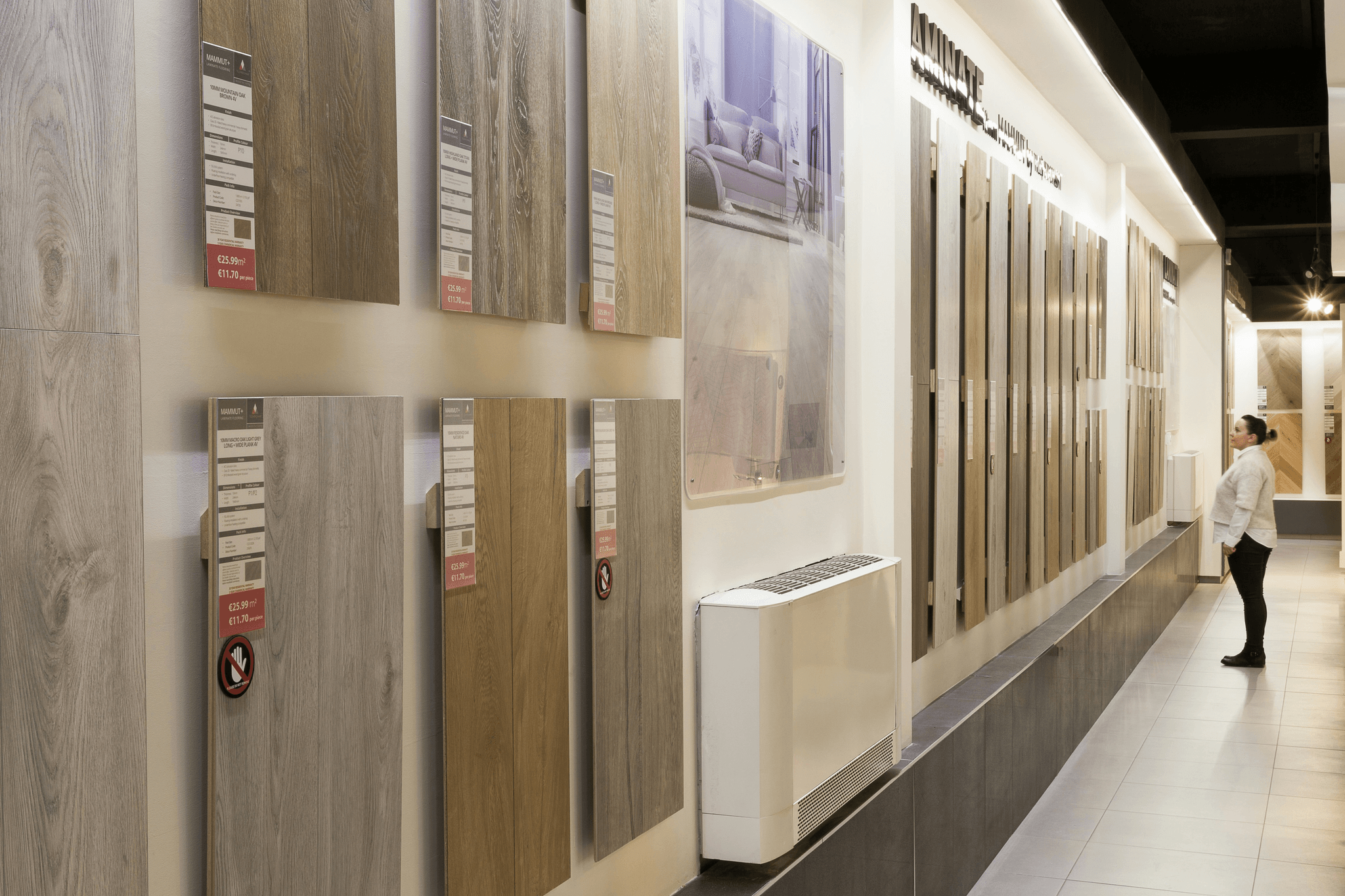
While the price tag may look appealing, it's essential to dive deeper into what you're really getting for your money. Many wood floor suppliers promote these low-cost options without fully disclosing the potential pitfalls that come with them.
Types of Cheap Wood Flooring
Cheap wood flooring typically falls into two main categories: laminate and engineered wood. Laminate flooring mimics the look of real wood but is made from a composite material, often leading to questions about durability and aesthetic appeal. On the other hand, engineered wood consists of a thin layer of real wood over a plywood base, offering a more authentic appearance than laminate but still lacking in longevity compared to solid wood options.
While both types can be tempting due to their lower costs, they often come with trade-offs in quality and lifespan. Wood floor suppliers may highlight their affordability but conveniently gloss over how these materials might not stand up well against wear and tear over time. It’s crucial for homeowners to assess whether these cheap alternatives truly meet their needs or if they're just a short-term fix.
Lifespan vs. Cost of Cheap Options
When comparing cheap wood flooring options, it's vital to consider lifespan alongside initial cost. While you might save money upfront by opting for laminate or engineered products, you could find yourself facing replacement costs sooner than anticipated due to their shorter lifespans—often around 10-20 years for engineered woods versus 50+ years for solid hardwoods. This discrepancy means that what seems like a bargain today could turn into a financial burden tomorrow.
Moreover, maintenance plays an equally significant role in determining total expenses over time; cheap options often require more frequent repairs or replacements, further driving up costs in the long run. Homeowners should weigh these factors carefully before making decisions based solely on price tags presented by enthusiastic wood floor suppliers promoting budget-friendly choices without full disclosure of potential downsides.
Common Misconceptions
One common misconception surrounding cheap wood flooring is that all low-cost options are created equal; however, this couldn't be further from the truth! Many believe that choosing engineered or laminate floors will provide them with a similar experience as solid hardwood at a fraction of the cost—unfortunately, this isn't always accurate when it comes down to durability and overall aesthetic value.
Additionally, some consumers assume that installation will be straightforward because they are purchasing affordable materials; however, improper installation can lead to issues such as warping or gaps between planks down the line—further complicating any perceived savings from choosing cheaper products initially offered by various wood floor suppliers. Understanding these misconceptions can empower homeowners to make informed choices rather than falling prey to marketing tactics designed solely around price.
The Impact of Quality on Durability
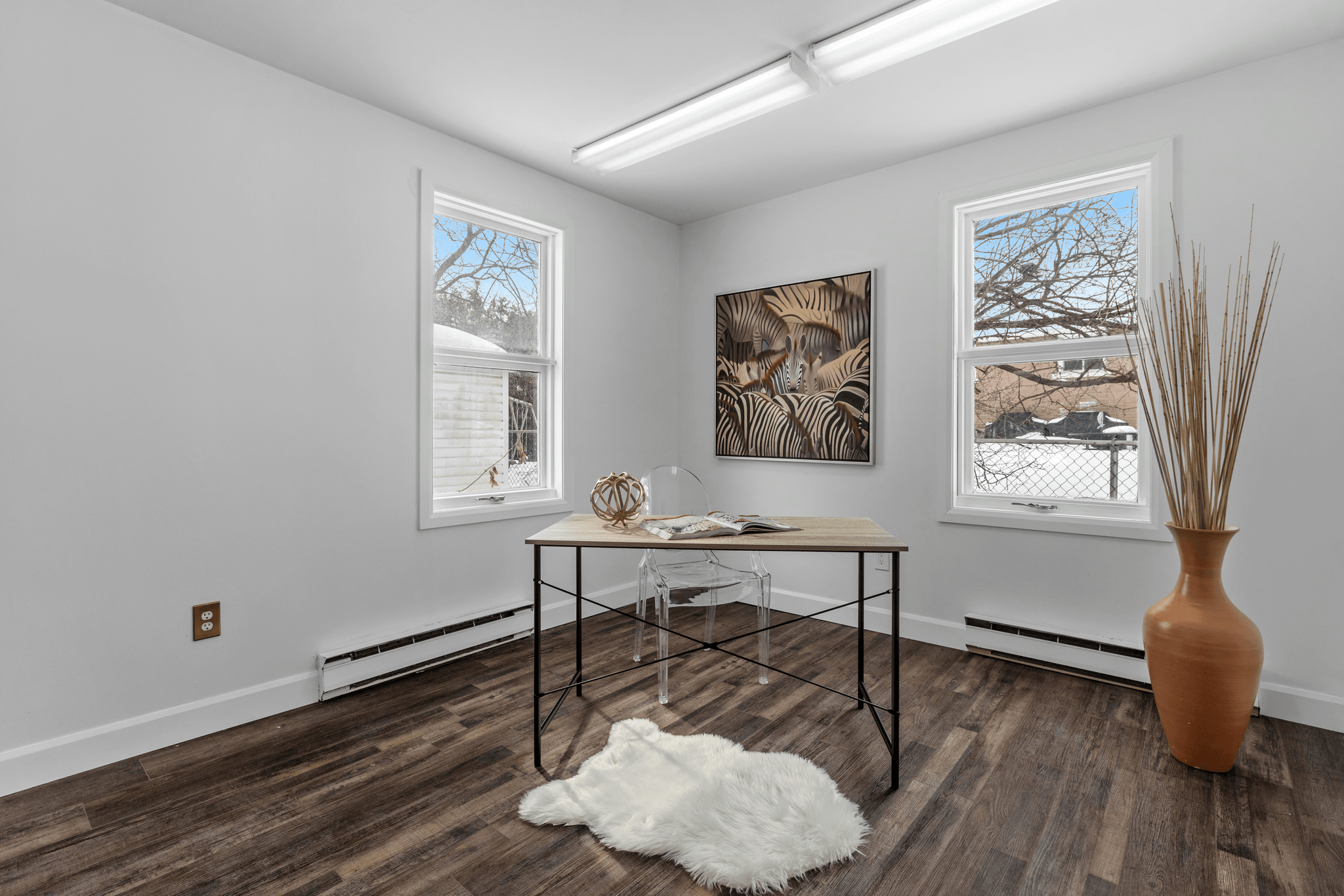
While cheap wood flooring options may seem like a steal at first glance, the long-term implications can be quite different. Quality significantly affects durability, and understanding these differences can save you from future headaches.
Solid Wood vs. Engineered Wood
Solid wood flooring is often lauded for its timeless appeal and longevity; however, it comes with a price tag that reflects its quality. On the other hand, engineered wood offers a budget-friendly alternative that's designed to mimic the look of solid wood without breaking the bank. But beware—cheap wood flooring in engineered varieties may not hold up well under pressure, leading to warping or delamination over time.
Many wood floor suppliers promote engineered options as being just as durable as their solid counterparts; however, this isn't always true when you dig deeper into material quality. If you're considering whether solid wood or engineered wood suits your needs better, think about your lifestyle and how much wear and tear your floors will endure. In short, while both types have their merits, choosing wisely based on quality will pay off in the long run.
Maintenance Costs Over Time
Cheap wood flooring might save you money upfront but could cost you dearly in maintenance down the line. Solid wood floors typically require periodic refinishing to maintain their beauty and durability; this can be an expensive endeavor if neglected over time. Engineered options might need less frequent upkeep but can still incur costs if they start showing signs of wear sooner than expected.
Consider that maintenance costs are not just about cleaning; they also encompass repairs for scratches or dents that cheap materials are more likely to suffer from. Many homeowners find themselves spending more on repairs than they initially saved by choosing low-cost options from certain suppliers—an unfortunate irony indeed! Ultimately, investing in higher-quality materials may lead to lower overall maintenance expenses.
Real-Life Examples of Poor Choices
Imagine walking into a friend's home only to find their once-beautiful cheap wood flooring now riddled with scratches and discoloration after just a few years—this scenario is all too common among those who opted for budget choices without doing their research first! A family who purchased inexpensive engineered planks found themselves replacing sections within three years due to water damage—a fate many could avoid with better-quality selections from reputable suppliers.
Another example involves homeowners who thought they were getting a great deal on solid hardwood only to discover it was poorly sourced and prone to warping under humidity changes—definitely not what they envisioned when imagining their dream home! These cautionary tales serve as reminders that while cheap wood flooring may catch your eye initially, it's crucial to consider long-term implications before making such an important investment in your home.
The Long-Term Financial Burden

Cheap wood flooring might seem like a steal at first glance, but homeowners frequently find themselves grappling with unexpected repair and replacement costs down the line. These expenses can quickly add up, turning what seemed like a budget-friendly choice into a financial burden that lingers for years.
Repair and Replacement Costs
Cheap wood flooring often sacrifices quality for affordability, leading to a myriad of problems that require costly repairs. Whether solid wood or engineered wood, lower-quality options are more susceptible to scratches, dents, and water damage. Homeowners may find themselves shelling out money not only for repairs but also for premature replacements—a vicious cycle that can leave your wallet feeling quite light.
Consider this: investing in higher-quality flooring means fewer headaches and lower costs over time. While cheap wood flooring might save you some cash upfront, you could end up spending more in repairs than if you had chosen a durable option from the start. Ultimately, what seems like a bargain today might cost you dearly tomorrow.
Insurance Implications of Cheap Flooring
If your low-cost choice leads to damage or mold growth due to poor materials or installation errors, your insurance may not be as forgiving as you'd hoped. Many policies have specific clauses that exclude coverage for damages caused by subpar materials; thus, opting for cheaper options could leave you high and dry when disaster strikes.
Furthermore, if your cheap flooring leads to significant issues requiring extensive repairs, you may face increased premiums or even difficulty securing coverage in the future. Insurance implications should never be overlooked when considering cheap wood flooring; after all, saving money on materials today could lead to hefty costs tomorrow if things go awry. Make sure you're fully informed about how your choices impact not only your home but also your insurance policy.
Resale Value: What Buyers Really Notice
Quality matters significantly in real estate; buyers are savvy enough to spot inferior materials like low-end engineered wood or poorly finished solid wood from a mile away. If they see signs of wear and tear—or worse yet—witness shoddy installation jobs during open houses, they're likely to reconsider their interest altogether.
Moreover, homes with high-quality finishes tend to command better resale values compared to those adorned with budget-friendly alternatives that scream cheap. Investing in quality not only enhances your living experience but also pays dividends when it's time for an upgrade down the line.
Misleading Marketing Tactics
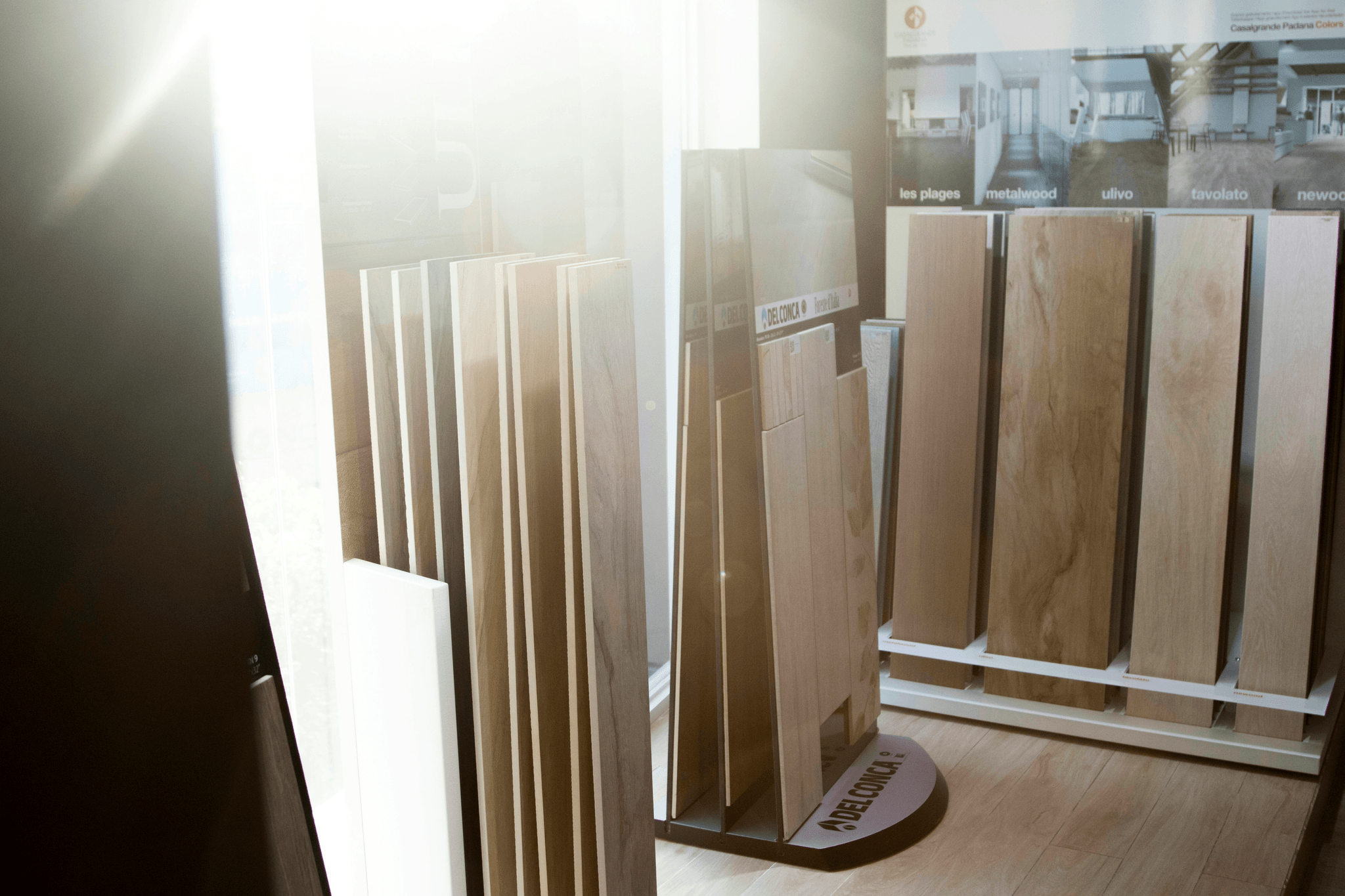
Many suppliers tout low prices and flashy promotions, often glossing over the potential pitfalls that come with these budget-friendly options. It's crucial to peel back the layers of marketing hype to reveal what lies beneath—because sometimes, a deal too good to be true really is just that.
How Wood Floor Suppliers Advertise Cheap Options
Wood floor suppliers have mastered the art of advertising Cheap Wood Flooring in ways that can dazzle even the most discerning shopper. They often highlight eye-catching prices and discounts while conveniently omitting key details about durability or maintenance requirements. For instance, a flashy ad might showcase engineered wood at an unbeatable price but fail to mention that it may not withstand heavy foot traffic as well as solid wood alternatives.
Additionally, many suppliers use enticing phrases like limited time offer or while supplies last to create a sense of urgency, pushing consumers towards impulsive decisions. The reality is that these cheap options may require more frequent replacements or repairs down the line, which isn't always factored into those initial savings. Understanding how these marketing tactics work can help consumers make more informed choices rather than getting swept away by attractive advertisements.
The Fine Print in Flooring Contracts
Before signing on the dotted line for Cheap Wood Flooring, it's essential to scrutinize the fine print in flooring contracts—where hidden costs often lurk like dust bunnies under your couch. Many wood floor suppliers include clauses that limit warranties or specify conditions under which coverage applies, leaving buyers with unexpected expenses if something goes awry. For example, you might find out too late that your warranty excludes damage from humidity fluctuations when you live in a particularly moist climate.
Moreover, additional fees for installation or maintenance services may not always be disclosed upfront but can significantly impact your overall budget later on. By taking the time to read and understand these details before committing to a purchase, consumers can avoid nasty surprises and ensure they’re getting quality flooring without hidden traps waiting around every corner. In essence, knowing what you're signing up for is just as important as knowing what you're paying for.
Spotting Quality Amidst the Bargains
In a sea of cheap options and flashy ads from wood floor suppliers, spotting quality amidst the bargains can feel like searching for a needle in a haystack—but it doesn’t have to be! One way to differentiate between solid wood and engineered wood is by examining construction methods: solid wood tends to be more durable and longer-lasting compared to its engineered counterpart which may suffer from wear over time if not properly maintained.
Another tip is checking customer reviews; satisfied customers will often leave glowing feedback about their experiences with both installation and performance of their flooring choice—so pay attention! Lastly, don’t hesitate to ask questions; reputable suppliers should be transparent about their products’ lifespan and maintenance needs without resorting to vague answers or evasive tactics.
Sustainable Choices Beyond Cheap Wood

In a world increasingly concerned with environmental impact, the search for sustainable flooring options has never been more relevant. While cheap wood flooring may seem like a tempting choice, it often comes with hidden environmental costs that can outweigh the initial savings. By exploring eco-friendly alternatives, homeowners can make choices that benefit both their homes and the planet.
Eco-Friendly Alternatives to Cheap Options
When considering alternatives to cheap wood flooring, bamboo and cork emerge as standout options. Bamboo is a rapidly renewable resource that grows much faster than traditional hardwoods, making it an environmentally friendly choice without sacrificing style or durability. Similarly, cork is harvested from the bark of cork oak trees without harming them, offering a sustainable flooring option that provides excellent insulation and comfort underfoot.
Reclaimed wood is another fantastic alternative that not only reduces waste but also adds character to your space. By repurposing old wood from structures like barns or factories, you’re investing in a unique history while avoiding the pitfalls of cheap wood flooring. These eco-friendly options allow homeowners to create beautiful spaces while supporting sustainability and minimizing their carbon footprint.
The Role of Companies like Composite Decking Inc
Companies such as Composite Decking Inc are paving the way for innovative solutions in sustainable flooring materials. They specialize in producing composite materials made from recycled plastics and reclaimed wood fibers, offering durability without compromising on environmental integrity. This means you can enjoy the aesthetics of natural wood while benefiting from a product designed to withstand wear and tear far better than traditional cheap wood flooring.
Moreover, these companies often emphasize transparency in their sourcing practices and production processes—something many conventional wood floor suppliers might overlook. By choosing brands committed to sustainability, you not only enhance your home’s value but also contribute positively to global efforts toward responsible consumption and waste reduction.
Making Informed Decisions for Your Home
When it comes time to choose your flooring material, being informed is key—especially when navigating through options marketed as “cheap.” It’s essential to look beyond price tags and consider factors such as longevity and maintenance costs associated with each type of material—whether solid wood or engineered wood—as they can significantly affect your overall investment over time.
Take the time to research different products thoroughly; read reviews, compare warranties, and don’t shy away from asking tough questions about sourcing practices from your local suppliers or manufacturers before making a decision on cheap wood flooring options. Investing wisely in quality materials not only enhances your living space but ensures you're making choices that align with both your budgetary constraints and environmental values.
Conclusion

In the world of home improvement, the allure of cheap wood flooring can be hard to resist. However, it's crucial to know your options before making a decision that could impact your home for years to come. With so many wood floor suppliers eager to sell you their budget choices, doing your homework can save you from future headaches.
Know Your Options Before Choosing
Understanding the different types of cheap wood flooring available is essential in making an informed choice. From laminate to low-grade engineered wood, each option has its own set of pros and cons that can significantly affect your living space. So take the time to research and weigh these choices against your long-term needs and lifestyle.
Invest Wisely: Quality Over Price
Cheap wood flooring might seem like a bargain upfront, but hidden costs often arise over time with repairs and replacements. By prioritizing durability and quality over initial price tags, you’ll ensure a more comfortable and aesthetically pleasing home environment.
The True Cost of Cheap Wood Flooring
The true cost of cheap wood flooring extends far beyond its sticker price; it encompasses maintenance expenses, potential repairs, and even impacts on resale value when you're ready to move on. Many homeowners learn this lesson too late after being lured by attractive offers from various wood floor suppliers without understanding what lies beneath the surface. Ultimately, investing in high-quality options will yield not just immediate satisfaction but also long-term benefits for both your finances and your home's appeal.