
Introduction
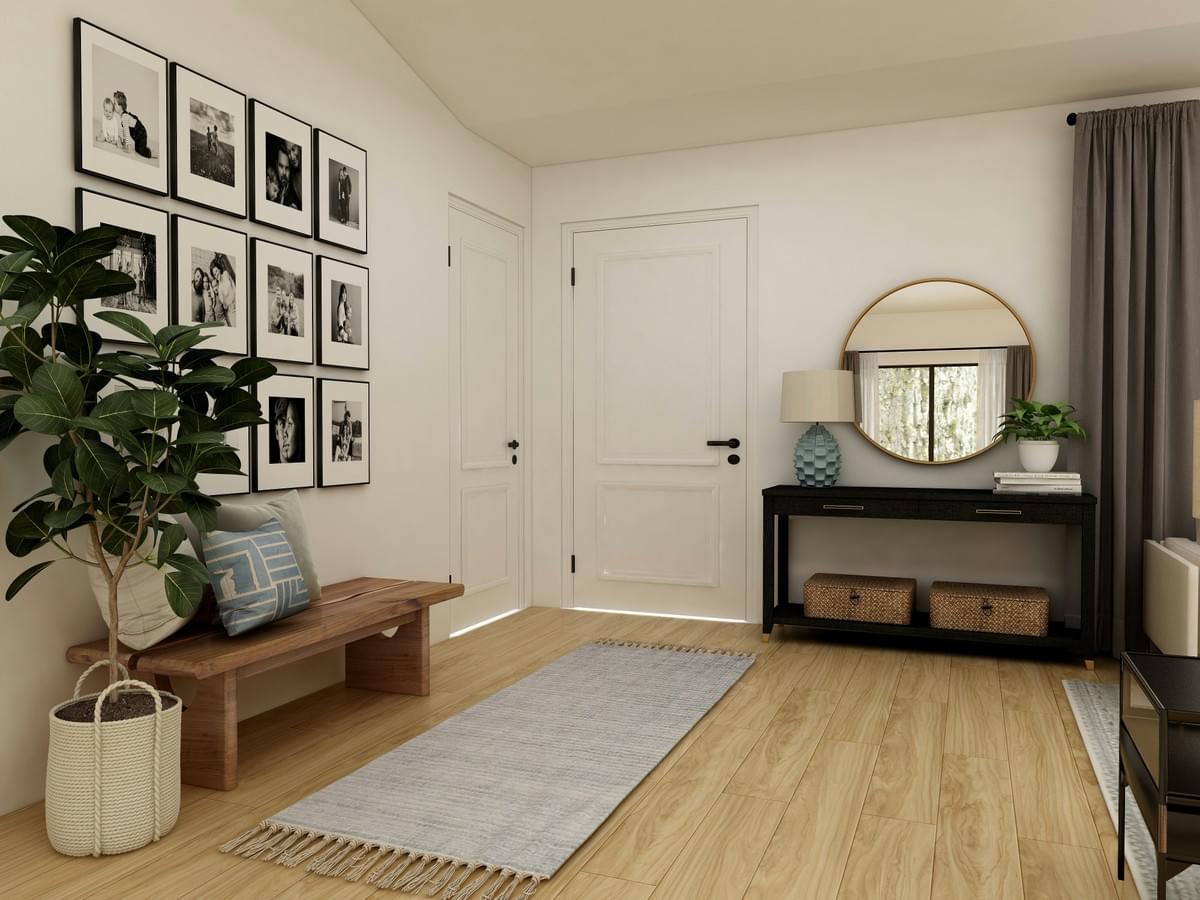
Bamboo flooring has emerged as a popular choice for homeowners looking to combine sustainability with style. This innovative material offers unique properties that set it apart from traditional hardwood and laminate options, making it an appealing alternative for those seeking eco-friendly solutions. However, understanding the ins and outs of bamboo flooring is essential to make an informed decision.
Understanding Bamboo Flooring Basics
At its core, bamboo flooring is made from the fast-growing bamboo plant, which belongs to the grass family rather than being a true wood. This distinction plays a significant role in its properties and performance as a flooring option. Knowing the origins and types of bamboo can help you appreciate its versatility and suitability for various environments.
Exploring Bamboo Flooring Benefits
One of the most compelling reasons to consider bamboo flooring is its eco-friendliness; it's renewable, sustainable, and can be harvested without damaging the plant itself. Additionally, many homeowners are drawn to its durability—bamboo often outperforms traditional hardwood in terms of resilience against wear and tear. Aesthetic appeal also plays a part; with various styles available, bamboo flooring can effortlessly enhance any interior design.
Common Misconceptions About Bamboo Flooring
Despite its growing popularity, several misconceptions about bamboo flooring persist among consumers. Some believe that all bamboo products are created equal or that they lack durability compared to other materials; however, this isn't always the case when you consider quality variations across brands. Addressing these misconceptions is crucial for anyone considering this stylish yet practical alternative to traditional flooring options like hardwood or laminate.
What Is Bamboo Flooring?
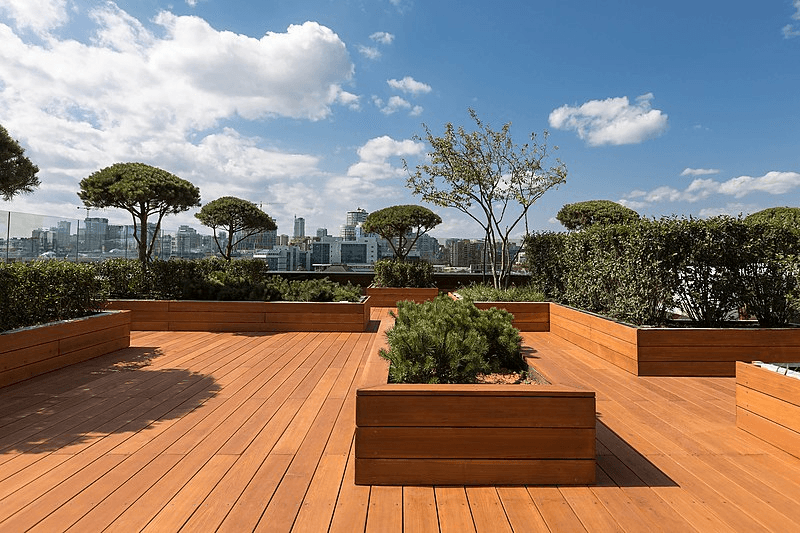
Bamboo flooring is a unique and environmentally friendly alternative to traditional hardwood flooring. Unlike conventional wood, bamboo is a grass that grows rapidly and can be harvested without causing significant damage to the ecosystem. This section will explore the origins of bamboo, the manufacturing process behind bamboo flooring, and how it stands apart from traditional flooring materials.
The Origins and Types of Bamboo
Bamboo originates from Asia, specifically countries like China, Japan, and India, where it has been used for centuries in construction and crafts. There are over 1,000 species of bamboo; however, only a handful are suitable for producing bamboo flooring. The most commonly used types include Moso and Guadua due to their strength and durability, making them ideal candidates for high-quality bamboo flooring products.
How Bamboo Flooring Is Made
The production of bamboo flooring involves several steps that transform raw bamboo into beautiful planks ready for installation. First, harvested bamboo stalks are cut into strips or sheets before being boiled to remove sugars that could attract pests. After this process, the strips are dried thoroughly and either laminated together or pressed into solid boards—resulting in various styles such as strand-woven or horizontal/vertical grain patterns that showcase the unique properties of bamboo flooring.
Differences Between Bamboo and Traditional Flooring
When comparing bamboo flooring to traditional hardwood options like oak or maple, several key differences emerge beyond just aesthetics. For one thing, while hardwood takes decades to mature fully before harvesting, bamboo can reach its full height in just three to five years—making it a more sustainable choice overall.
Pros of Bamboo Flooring
From its eco-friendly nature to its impressive durability, bamboo flooring has a lot to offer homeowners looking for sustainable and stylish choices. Let's dive into the pros of bamboo flooring and see why it might just be the perfect fit for your space.
Eco-Friendliness and Sustainability
Bamboo flooring stands out in the world of sustainable materials, thanks to its rapid growth cycle. Unlike traditional hardwood trees that take decades to mature, bamboo can reach full height in just three to five years, making it a renewable resource that's easy on Mother Earth. Additionally, many manufacturers practice responsible harvesting methods that ensure the longevity of bamboo forests, further solidifying bamboo flooring's reputation as an eco-friendly choice.
Choosing bamboo means you're not just investing in your home; you're also making a positive impact on the environment. The production process of bamboo flooring typically requires less energy compared to traditional wood floors, which adds another layer of sustainability. If you’re looking for a green option among various bamboo flooring alternatives, this material should definitely be at the top of your list.
Durability Compared to Hardwood
One of the standout properties of bamboo flooring is its remarkable durability when compared to hardwood options. Bamboo is naturally tougher than many hardwoods due to its unique composition and structure; in fact, it's often rated higher on the Janka hardness scale than oak or maple! This means that if you have pets or kids running around, your beautiful new floors will stand up well against scratches and dents.
Moreover, high-quality bamboo flooring can last for decades with proper care—making it an excellent long-term investment for any homeowner. When evaluating different types of floors based on durability alone, you'll find that bamboo consistently ranks high against other materials in our handy comparison table. So if you’re after resilience without sacrificing style, look no further than this robust option.
Aesthetic Appeal and Style Choices
Bamboo flooring doesn’t just boast practical benefits; it’s also incredibly stylish! With its natural grain patterns and warm tones ranging from light caramel hues to deep browns, there’s a shade for every taste and décor style imaginable. Whether you prefer a modern minimalist look or something more rustic and cozy, there's no shortage of aesthetic appeal when choosing from various styles available in bamboo.
Additionally, many manufacturers offer innovative designs such as strand-woven or engineered options that enhance both beauty and functionality—providing even more choices when considering your home's interior design scheme. With so many visual options available among different types of bamboo flooring alternatives out there today, you're sure to find something that complements your vision perfectly!
Cons of Bamboo Flooring
While bamboo flooring boasts many advantages, it’s essential to consider its downsides before making a decision. Understanding these cons can help you weigh your options against other flooring types and decide if bamboo is the right fit for your home. Here, we delve into some of the primary concerns associated with bamboo flooring.
Sensitivity to Moisture
One notable drawback of bamboo flooring is its sensitivity to moisture. Unlike traditional hardwoods that have been treated for water resistance, bamboo can warp or swell when exposed to excessive humidity or water spills. This makes it less suitable for areas like bathrooms or basements where moisture levels can fluctuate significantly.
To protect your investment in bamboo flooring, it's crucial to maintain a stable indoor environment with controlled humidity levels. Using dehumidifiers and ensuring proper ventilation can help mitigate moisture-related issues. If you're considering bamboo flooring for such spaces, you might want to explore some effective Bamboo Flooring Alternatives that are designed specifically for high-moisture areas.
Variable Quality of Different Brands
When shopping for bamboo flooring, it's wise to conduct thorough research on various brands and their reputations within the industry. Reading reviews and checking certifications can help ensure you select a high-quality product that meets your expectations. A handy Comparison Table might assist you in contrasting various brands based on their properties, helping you make an informed choice.
Potential for Scratching and Dents
The hardness of certain types of bamboo can vary significantly; while strand-woven varieties are tougher than traditional hardwoods, others may be more susceptible to damage from heavy furniture or pet claws.
To keep your beautiful floors looking pristine, consider using felt pads under furniture legs and encouraging pets to maintain trimmed nails as part of your maintenance routine. Additionally, investing in area rugs in high-traffic zones can further protect against scratches while adding style! Ultimately, understanding these properties of bamboo flooring will allow you better enjoyment from this unique material without compromising on aesthetics.
Comparing Bamboo Flooring to Other Materials
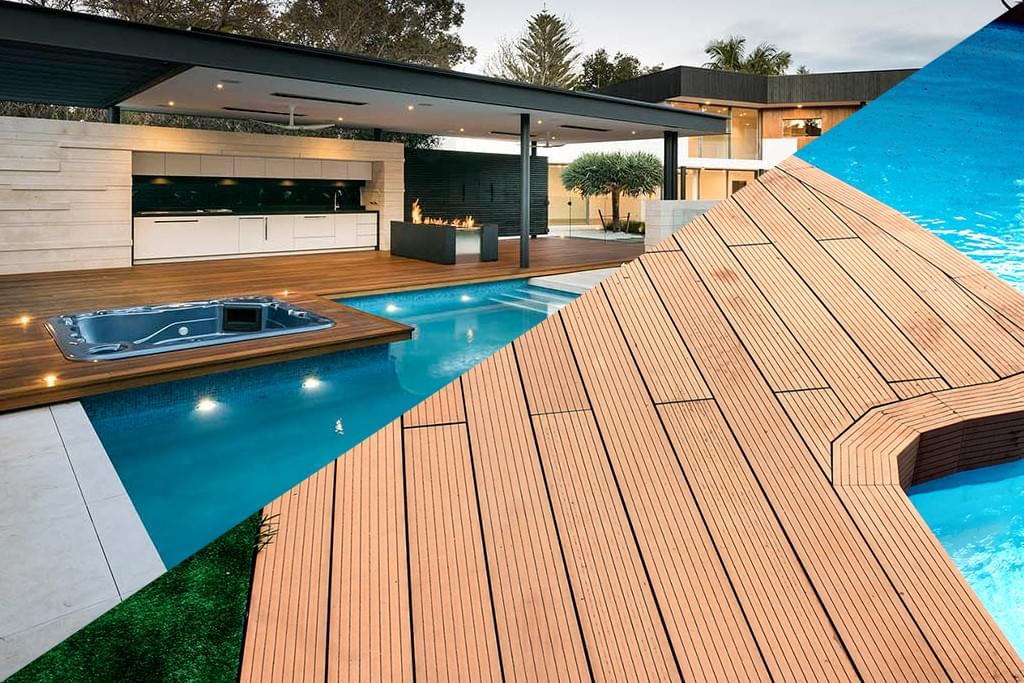
Bamboo flooring, with its unique properties and eco-friendly appeal, often finds itself in the spotlight compared to other materials. In this section, we’ll dive into how bamboo stacks up against hardwood and laminate, and also explore the role of composite decking in outdoor spaces.
Bamboo vs. Hardwood: The Showdown
Bamboo flooring and hardwood are often pitted against each other in the battle of aesthetics and durability. While hardwood boasts a classic charm with its rich grains and textures, bamboo offers a modern twist with its sleek lines and variety of styles. The comparison table reveals that bamboo is generally more sustainable due to its rapid growth cycle, while hardwood takes decades to mature—a significant factor for environmentally conscious homeowners looking for bamboo flooring alternatives.
Homeowners should consider their specific needs—if you desire a rustic feel that ages beautifully over time, hardwood might win your heart; if you’re after sustainability without compromising on style, then bamboo flooring could be your champion.
Bamboo vs. Laminate: What's Better?
In the showdown between bamboo flooring and laminate, the stakes are high but so are the rewards! Laminate is often celebrated for its affordability and ease of installation; however, it lacks the authenticity that real bamboo brings to your home. The properties of bamboo flooring shine through here—it's not only eco-friendly but also provides a natural aesthetic that laminate simply cannot replicate.
While laminate may resist scratches better than some lower-quality bamboo options, higher-end bamboo products can offer superior durability without sacrificing style or sustainability. Homeowners looking for long-term value might lean towards investing in quality bamboo flooring instead of opting for cheaper laminate choices that may need replacing sooner than expected.
The Role of Composite Decking Inc in Outdoor Spaces
When considering outdoor spaces alongside indoor options like bamboo flooring, composite decking becomes an essential player in this comparison game. Composite decking offers a blend of wood fiber and plastic that makes it resistant to moisture and UV damage—perfect for those who love entertaining outdoors but want something low-maintenance compared to traditional wood decks or even indoor alternatives like bamboo.
While composite decking isn’t directly comparable to indoor materials like hardwood or laminate regarding aesthetics or foot traffic comfort levels found with quality bamboo flooring options, they complement each other well in creating cohesive living spaces both inside and out. For homeowners aiming for an eco-friendly lifestyle throughout their property—from floors indoors made from sustainable materials like bamboo to durable outdoor deck solutions—composite decking fits seamlessly into this vision.
Maintenance Tips for Bamboo Flooring
Maintaining bamboo flooring is crucial to ensure its longevity and aesthetic appeal. With the right cleaning and care techniques, you can keep your bamboo floors looking fresh and vibrant for years to come. Let's explore some effective practices that will help you get the most out of your bamboo flooring investment.
Cleaning and Care Techniques
Start by sweeping or vacuuming regularly to remove dust and debris that can scratch the surface. For deeper cleaning, use a damp mop with a mild pH-balanced cleaner specifically designed for bamboo flooring; avoid harsh chemicals that could damage its properties.
It's also wise to wipe up spills immediately to prevent moisture from seeping into the bamboo's fibers, as this can lead to warping over time. Consider using a microfiber mop, which effectively picks up dirt without scratching the floor's surface. Regular maintenance not only enhances the appearance of your floors but also extends their lifespan significantly.
Best Practices for Long-Lasting Use
To ensure your bamboo flooring stands the test of time, consider placing mats at entryways to trap dirt and moisture before they reach your beautiful floors. Additionally, avoid walking on your bamboo flooring with shoes that have hard soles or high heels; these can create dents or scratches that detract from its natural beauty.
Temperature control is another essential factor in maintaining bamboo flooring; keep indoor humidity levels between 40% and 60% to prevent expansion or contraction of the boards. By following these best practices, you'll enjoy all the benefits of this stunning material while minimizing wear and tear over time.
Avoiding Common Mistakes
One common mistake homeowners make is neglecting proper maintenance routines for their bamboo flooring, leading to premature wear or damage—yikes! Another pitfall is using excessive water during cleaning; too much moisture can warp or damage the floorboards beyond repair.
Lastly, be cautious about using abrasive cleaners or tools when caring for your floors; they might seem effective but can scratch or dull the finish of your beautiful bamboo planks. By steering clear of these pitfalls, you'll maintain both the integrity and aesthetics of your bamboo flooring while enjoying its many benefits for years to come.
Conclusion
In the grand tapestry of flooring options, bamboo flooring stands out as a unique choice that offers both aesthetic appeal and environmental benefits. However, it’s crucial to weigh its pros and cons carefully before making a decision. Whether you're captivated by its eco-friendliness or deterred by its sensitivity to moisture, understanding the properties of bamboo flooring is key to determining if it's worth your investment.
Is Bamboo Flooring Worth It?
When considering bamboo flooring for your home, you must evaluate whether its benefits align with your lifestyle and needs. If sustainability and style are high on your priority list, bamboo flooring could be an excellent fit. However, if you're in a humid environment or have pets prone to scratching, you might want to explore bamboo flooring alternatives that offer better moisture resistance or durability.
Key Takeaways on Bamboo Flooring
Bamboo flooring is not just an eco-friendly choice; it also boasts impressive durability compared to traditional hardwoods while providing a chic aesthetic for modern homes. Nevertheless, potential buyers should be aware of variable quality among brands and the material's sensitivity to moisture. A well-structured comparison table can help highlight these differences along with other materials like laminate or hardwood, aiding in making an informed decision.
Making an Informed Choice for Your Home
Ultimately, choosing the right flooring goes beyond just looks; it involves understanding how different materials will perform in your specific environment over time. Consider factors such as maintenance requirements and longevity when comparing bamboo flooring with other options available on the market today. Whether you opt for bamboo or one of its alternatives, ensuring that you make an informed choice will lead to satisfaction for years to come.