
Introduction
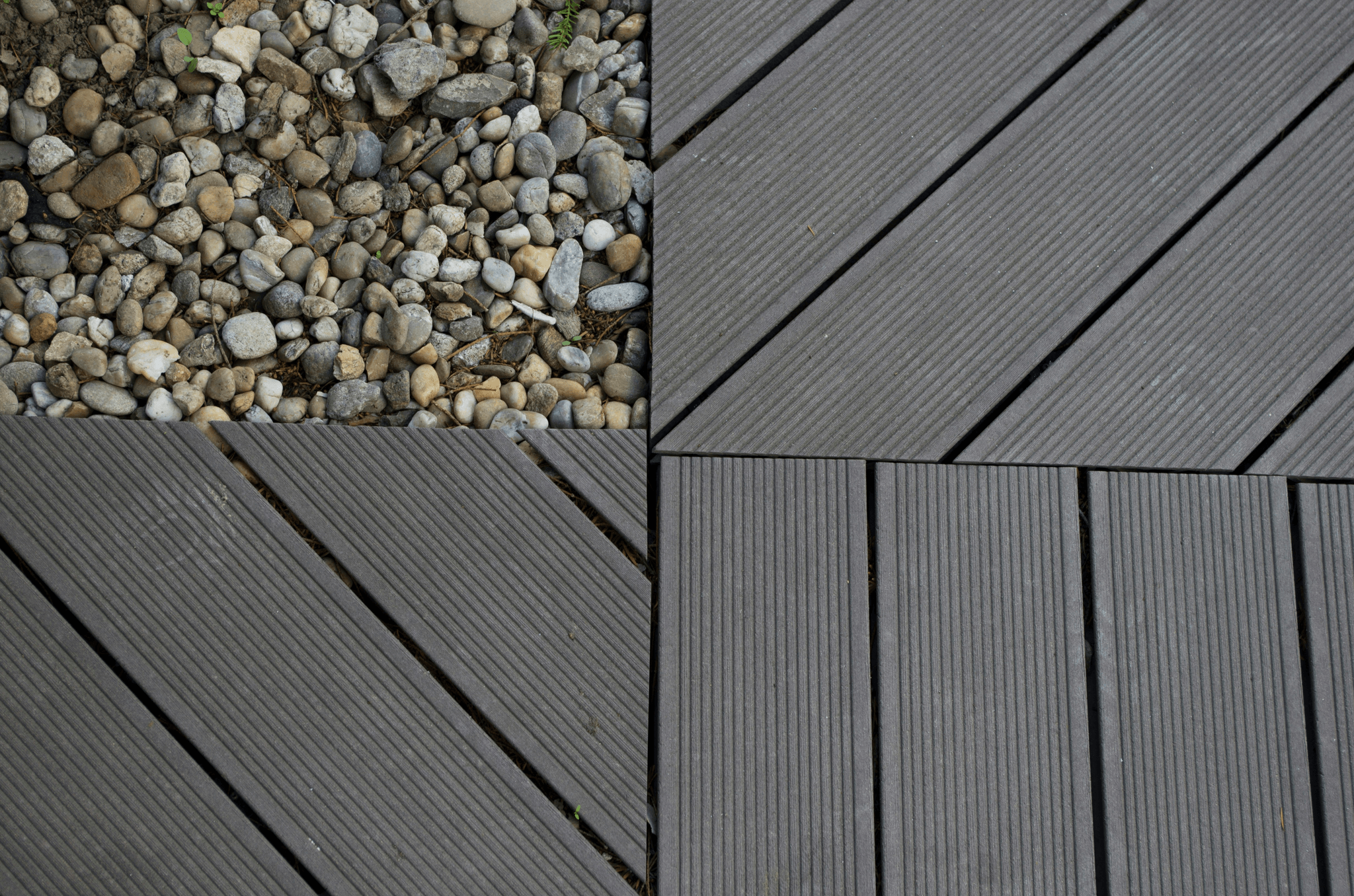
When embarking on a decking project, understanding the nuances of deck board durability is paramount. The thickness of deck boards plays a crucial role in determining how well they can withstand the elements and daily wear and tear. Whether you lean towards traditional wood deck wood or opt for modern composite wood decking boards, each choice comes with its own set of advantages and considerations.
Understanding Deck Board Durability
Durability is a key factor when selecting decking material, as it directly influences the longevity and performance of your outdoor space. Thicker boards generally provide more strength and resistance to bending or warping, making them ideal for high-traffic areas or regions with extreme weather conditions. Additionally, the choice between composite boards and wood deck wood can significantly affect how well your deck stands up against time and environmental stressors.
Factors Influencing Thickness of Deck Boards
Several factors influence the thickness of deck boards, including intended use, climate conditions, and personal preference. For instance, if you plan to host frequent gatherings on your deck, opting for thicker boards may be wise to accommodate heavier loads without compromising safety or stability. Additionally, understanding local weather patterns can help inform your decision; certain climates may require thicker composite wood deck material to ensure optimal performance throughout the seasons.
The Role of Material in Decking Choices
The material used in decking choices can greatly affect both aesthetics and functionality. Composite wood decking offers a blend of durability and low maintenance that appeals to many homeowners seeking long-lasting solutions without the hassle of traditional upkeep associated with wood deck wood. Ultimately, selecting the right material decking involves weighing factors such as cost-effectiveness, environmental impact, and personal style preferences—ensuring that every aspect aligns with your vision for an inviting outdoor space.
Choosing the Right Thickness for Deck Boards
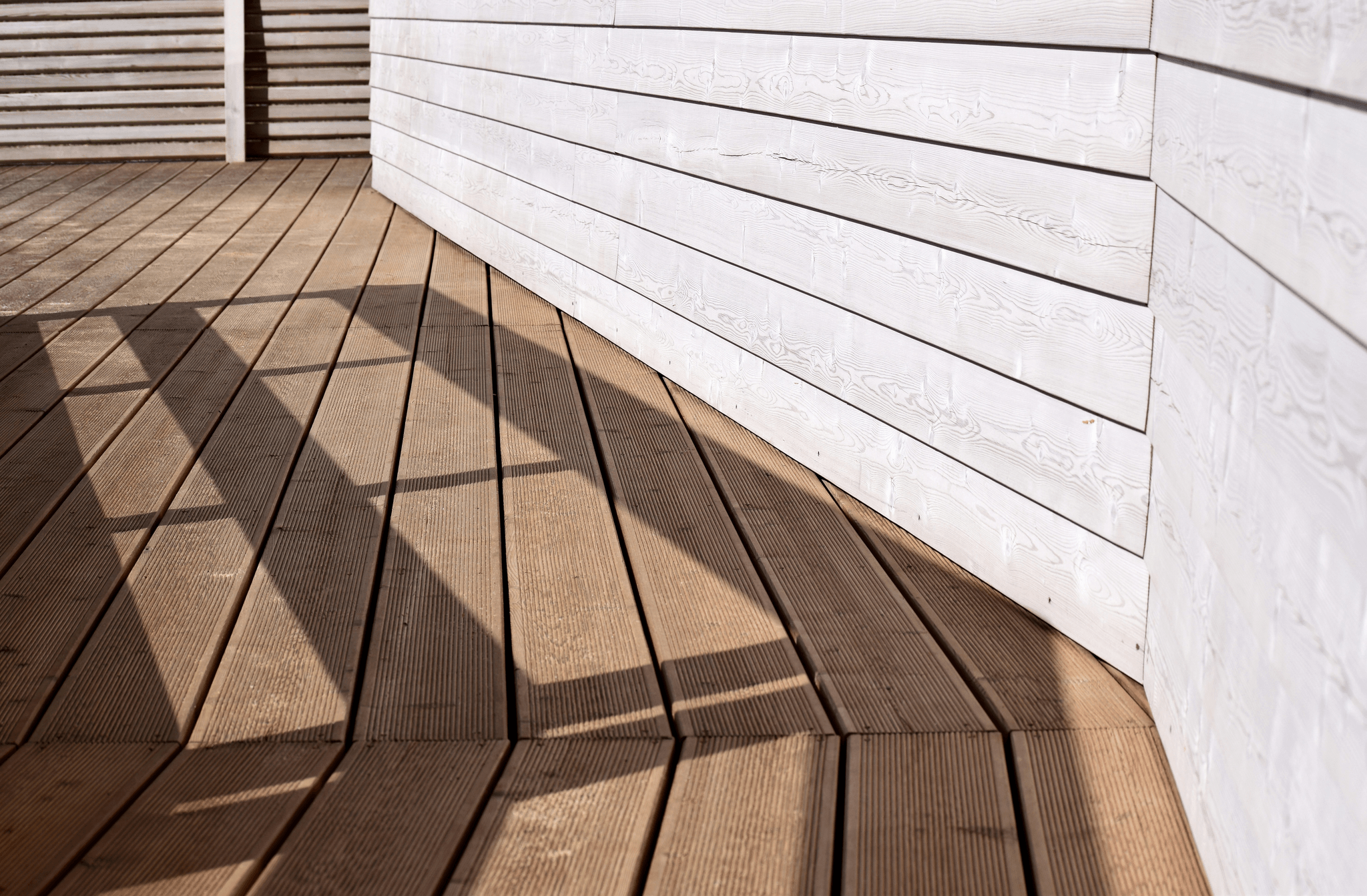
Selecting the right thickness of deck boards is crucial for ensuring durability, performance, and aesthetic appeal. The thickness can vary widely based on the type of decking material chosen—be it composite wood decking boards or traditional wood deck wood. Understanding these options helps homeowners make informed decisions that align with their specific needs and project goals.
Common Thickness Options Explored
When it comes to the thickness of deck boards, common options typically range from 1 inch to 2 inches. For instance, standard composite boards often come in a thickness of around 1 inch, while thicker profiles are available for added strength in high-traffic areas. Wood deck wood may also offer various thicknesses; however, it’s essential to consider how these differences impact overall performance and longevity.
In addition to standard sizes, some manufacturers provide customizable options that allow you to select the perfect board composite thickness for your unique requirements. Thicker boards tend to be more durable and can support heavier loads; thus they are ideal for spaces where furniture or heavy foot traffic will be present. Ultimately, understanding these common thickness options will help you choose the best decking material for your project.
Factors to Consider for Different Uses
The intended use of your deck plays a significant role in determining the appropriate thickness of deck boards. For example, if you plan on hosting large gatherings or placing heavy furniture on your deck, thicker composite wood decking boards may be necessary to ensure stability and safety over time. Conversely, if your space is primarily decorative or used lightly, thinner options might suffice without compromising aesthetics.
Another factor is climate; areas with extreme weather conditions may benefit from thicker materials that resist warping and damage over time. Additionally, local building codes often dictate minimum requirements for board thickness based on load-bearing capacity—something every homeowner should consider before making their final decision on decking material. By carefully evaluating these factors against your specific needs, you can confidently select an appropriate board composite option.
Recommendations from Industry Experts
Industry experts generally suggest opting for a minimum thickness of 1 inch when choosing between different types of decking material—especially if you are leaning towards composite wood decking boards or traditional wood deck wood. This recommendation ensures adequate support while minimizing potential issues like sagging or warping due to environmental factors over time. Moreover, experts advise considering both the width and spacing between joists when determining overall board durability.
For high-traffic areas such as pool decks or outdoor dining spaces where durability is key, going up to 1½ inches thick is often recommended by professionals in the field. This extra heft provides peace of mind that your investment will withstand everyday wear-and-tear while maintaining its appearance throughout its lifespan. Ultimately, consulting with professionals before making a purchase can provide invaluable insights tailored specifically toward achieving long-lasting results with your chosen decking material.
Composite Wood Decking Boards vs. Wood Deck Wood
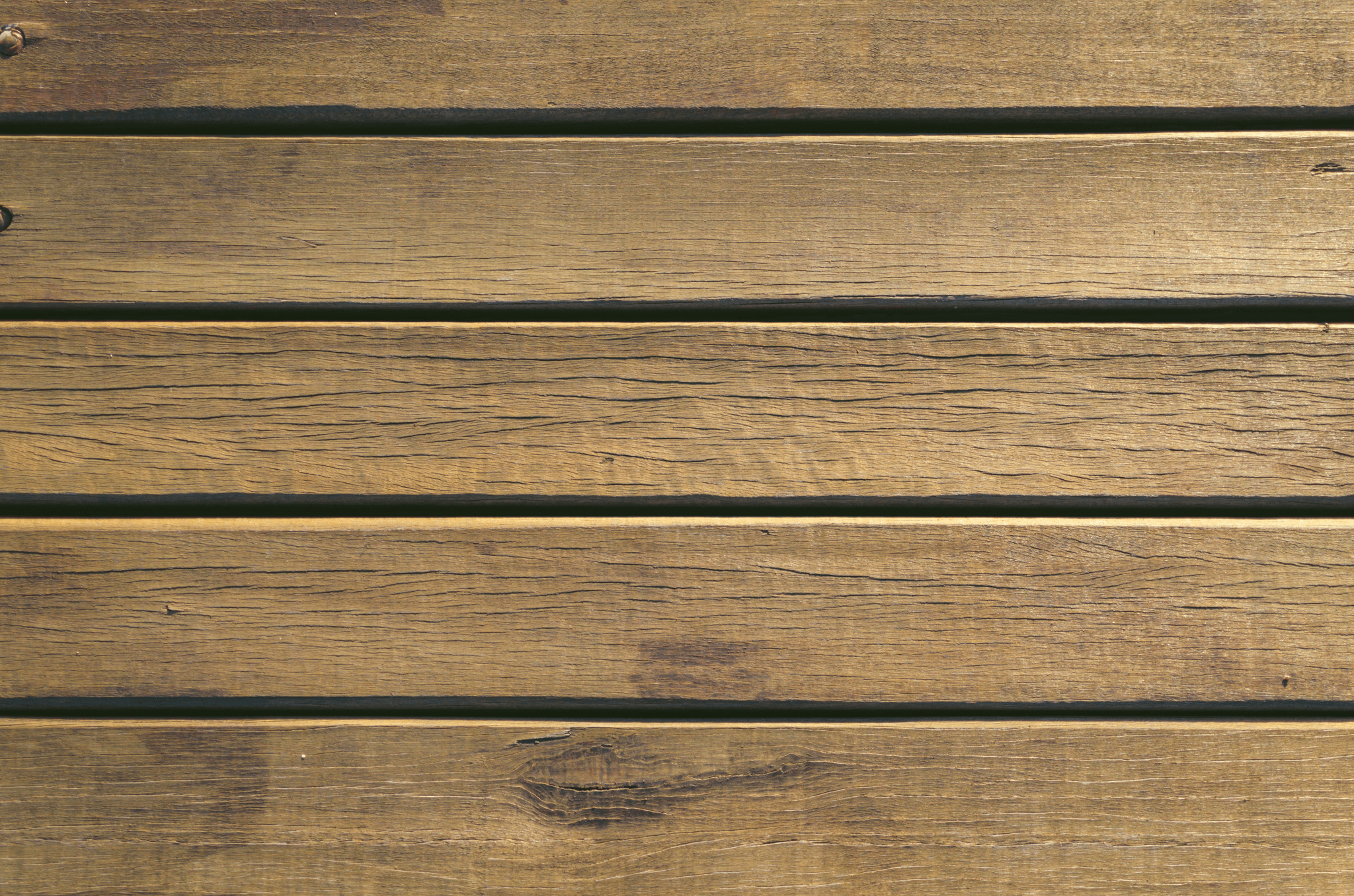
When it comes to choosing between composite wood decking boards and traditional wood deck wood, the decision can be quite the conundrum. Both options have their merits, but composite boards are increasingly becoming the go-to choice for homeowners looking for durability and low maintenance. Understanding the benefits of these materials is key to making an informed decision about your decking material.
Benefits of Composite over Traditional Wood
One of the standout benefits of composite wood decking boards is their resistance to rot, splintering, and insect damage, which often plagues traditional wood deck wood. This means that you can enjoy your outdoor space without worrying about frequent repairs or replacements due to weather-related wear and tear. Additionally, composite boards come in a variety of colors and textures, allowing for greater customization in your decking material while maintaining a consistent appearance over time.
Another significant advantage is that composite materials typically require less upkeep than their wooden counterparts; no need for annual staining or sealing! This not only saves you time but also money in the long run—because who wants to spend weekends on maintenance when you could be enjoying a barbecue? Plus, many brands offer warranties that can last up to 25 years or more, giving you peace of mind regarding your investment in composite wood deck material.
Lifespan Comparison: Composite Boards vs. Wood
When comparing the lifespan of composite boards versus traditional wood deck wood, it's clear that composites have an edge. While well-maintained hardwood decks may last around 15-20 years, high-quality composite materials can easily surpass this benchmark with lifespans approaching 30 years or more depending on usage and climate conditions. This longevity makes them a smart choice for those looking to invest in a durable outdoor space without frequent replacements.
Moreover, the thickness of deck boards plays a critical role in how well each type withstands environmental factors such as moisture and UV exposure. Thicker composite boards tend to perform better under these conditions compared to thinner wooden alternatives that might warp or crack over time. As such, opting for thicker board composites when selecting your decking material can enhance durability significantly.
Maintenance Needs of Different Deck Materials
Maintenance needs vary widely between composite wood decking boards and traditional wood deck woods—it's one area where composites truly shine! With composites requiring minimal care—just an occasional wash with soap and water—you'll find more time available for relaxation rather than repairs or upkeep tasks associated with wooden decks. In contrast, traditional lumber demands regular staining or sealing every few years along with inspections for potential rot or pest infestations.
Additionally, because they resist fading from sun exposure better than most woods do, you won't have to worry about repainting or refinishing your deck frequently if you choose quality composite materials. This ease of maintenance not only enhances enjoyment but also contributes positively toward sustainability by reducing waste generated from frequent renovations or replacements associated with deteriorating wooden structures.
Evaluating Decking Material for Your Climate
When it comes to choosing the right decking material, understanding your climate is crucial. Weather conditions can significantly affect the performance and longevity of deck boards, whether they are composite wood decking boards or traditional wood deck wood. From scorching sun to heavy rain, each environment has its own set of challenges that can impact the thickness of deck boards you should consider.
How Weather Affects Deck Board Performance
Different weather conditions can lead to varying levels of stress on decking materials. For instance, extreme heat can cause wood deck wood to warp or crack, while excessive moisture may lead to mold and decay in both composite boards and traditional options. Understanding these effects helps homeowners select the appropriate thickness of deck boards that will withstand local weather patterns over time.
Moreover, UV exposure can fade colors in both composite wood decking boards and treated lumber, making maintenance a key consideration for those living in sunny regions. In colder climates, freeze-thaw cycles may exacerbate issues like splitting or cracking in thinner board composite options. Ultimately, recognizing how your specific climate impacts performance will guide you toward a more durable decking solution.
Ideal Thickness for Various Environments
The ideal thickness of deck boards varies based on environmental factors such as temperature fluctuations and precipitation levels. For areas with heavy snowfall or rain, thicker composite wood decking boards—typically around 1 inch—are recommended to provide additional strength against moisture-related damage. Conversely, in milder climates where extreme weather is less prevalent, thinner options may suffice without compromising structural integrity.
For coastal regions where salt air poses a risk to all types of materials, opting for thicker composites can enhance durability against corrosion and wear over time. Homeowners should also consider local building codes which often dictate minimum thickness requirements based on expected loads and environmental stresses. By aligning board thickness with environmental needs, you ensure a longer-lasting investment in your outdoor space.
Tips for Choosing Composite Wood Deck Material
Selecting the right composite wood deck material requires careful consideration beyond just aesthetics; climate compatibility is key! Start by researching brands that offer products specifically designed for your region's weather challenges—this ensures you're investing in quality composite boards that stand up to local conditions effectively. Additionally, look for products with warranties that reflect their durability claims; a solid guarantee often indicates confidence from manufacturers regarding their material’s performance under various climatic stresses.
Don't forget about maintenance! While many assume that all composite materials require less upkeep compared to traditional wood deck wood due to their resistance to rot and pests, some composites still need occasional cleaning and sealing depending on exposure levels to dirt and grime from the environment. Finally, always consult reviews or seek recommendations from industry experts who understand how different types of decking material perform under similar climatic conditions.
Understanding Load-Bearing Capacity
The thickness of deck boards plays a pivotal role in how well they can support weight without sagging or breaking. Choosing the right thickness is not just about aesthetics; it's about making sure your deck can handle whatever you throw at it—literally!
Importance of Thickness in Supporting Weight
The thickness of deck boards directly affects their ability to bear weight. Thicker boards generally provide more strength and stability, making them ideal for high-traffic areas or spaces where heavy furniture will be placed. Whether you’re opting for composite wood decking boards or traditional wood deck wood, selecting the right thickness ensures that your decking material can withstand daily wear and tear.
Moreover, thicker boards reduce the risk of warping and cracking over time, especially under extreme weather conditions. This is particularly important when considering composite wood deck material, which combines durability with aesthetic appeal. By prioritizing thickness in your choices, you’re investing in a safer and more reliable outdoor space.
Real-World Load Considerations
In real-world scenarios, various factors influence how much weight your deck can handle. For instance, if you're planning to host barbecues or gatherings with numerous guests, you'll want to ensure that the decking material you choose can support multiple people at once without compromising safety. Composite boards often offer superior strength compared to traditional wood options due to their engineered design.
Additionally, consider where heavy items like planters or hot tubs will be placed on your deck; these will require even thicker board composite materials to ensure stability under concentrated loads. It's vital to consult load charts provided by manufacturers when selecting the appropriate thickness for your specific needs—this information is a game-changer!
Recommendations for High-Traffic Areas
For high-traffic areas like patios or pool decks, choosing thicker boards is highly recommended to maintain structural integrity over time. Aim for a minimum thickness of 1 inch for solid wood deck wood and consider going even thicker if you're using composite materials designed specifically for high-load applications. This extra heft not only enhances durability but also minimizes maintenance issues down the line.
Furthermore, consider spacing between joists when installing your decking material; closer spacing allows thinner boards to perform better under load while still providing ample support. If you're unsure about what’s best for your specific project needs, don't hesitate to consult industry experts who can guide you through selecting the ideal thickness of deck boards tailored just for you!
Sustainable Choices in Decking Material

Eco-Friendly Options for Deck Boards
When considering eco-friendly options for deck boards, recycled materials often take center stage. Many manufacturers now produce composite wood decking boards that incorporate recycled plastics and wood fibers, reducing waste and minimizing the need for virgin materials. Additionally, sustainably sourced wood deck wood can also be a great choice; look for certifications like FSC (Forest Stewardship Council) to ensure responsible harvesting practices.
Another option gaining popularity is bamboo decking, which is not only durable but also grows rapidly compared to traditional hardwoods. The thickness of deck boards made from these sustainable materials can vary; however, many manufacturers offer thicker options that provide enhanced durability without compromising environmental integrity. Ultimately, choosing eco-friendly decking material supports both your home improvement goals and the planet.
Composite Wood Decking’s Environmental Impact
Composite wood decking has made significant strides in reducing its environmental footprint over recent years. Unlike traditional wood decks that require regular treatments with chemicals to resist rot and pests, composite boards are typically made from recycled content and are designed to last much longer with minimal maintenance needs. This longevity means fewer resources consumed over time—no need to replace your deck every few years due to weather damage or wear.
Moreover, many composite wood deck materials are engineered with sustainability in mind; they often utilize manufacturing processes that minimize energy consumption and waste generation. The thickness of deck boards plays a role here as well—thicker composite boards tend to be more durable and resistant to warping or fading under harsh weather conditions, further extending their lifespan while being kinder to our planet.
Why Composite Decking Inc Stands Out
Composite Decking Inc distinguishes itself by prioritizing both quality and sustainability in its product offerings. Their commitment to using high percentages of recycled materials ensures that customers receive robust board composites without compromising on performance or aesthetics. Each thickness of deck board they offer is designed not only for strength but also with an eye toward minimizing environmental impact.
Additionally, Composite Decking Inc places a strong emphasis on transparency regarding their production processes and sourcing practices—something increasingly valued by consumers today who want their purchases to align with their values. By opting for their products, homeowners can feel confident knowing they are making informed choices about their decking material while contributing positively toward a healthier environment.
Conclusion

In the world of decking, the thickness of deck boards plays a pivotal role in determining their durability and overall performance. Thicker boards often translate to greater strength and longevity, making them a wise investment for homeowners looking to create a lasting outdoor space. By understanding how thickness impacts durability, you can make informed choices that ensure your deck withstands the test of time.
Composite boards are renowned for their resistance to rot and decay, while wood provides natural beauty that many find appealing. However, considering factors such as climate, maintenance needs, and personal preferences will guide you toward the best choice for your specific situation.
Ultimately, making informed choices for your decking project requires careful consideration of various factors including thickness of deck boards and material options. Whether you opt for composite wood deck material or traditional wood deck wood, ensure that your selection aligns with your lifestyle and environmental conditions. With thoughtful planning and an eye on quality materials, you can create a stunning outdoor area that enhances both your home’s value and enjoyment.