
Introduction

Composite decking offers a range of benefits, but temperature fluctuations can impact its performance and longevity. In this guide, we’ll dive into why temperature matters for your decking material and how it affects your overall experience with composite wood.
Understanding Composite Decking Temperature Issues
Composite decking temperature issues arise from the unique materials used in deck composite decking products. Unlike traditional wood, which may expand and contract at a more predictable rate, composite materials can behave differently under varying heat conditions. This variability can lead to challenges such as warping or fading if not properly understood and managed.
Why Temperature Matters for Decking
Temperature plays a significant role in the performance of your composite decking material. Extreme heat can cause the surface to become uncomfortably hot, making it less enjoyable for barefoot strolls on sunny days. Additionally, understanding how different climates affect your deck's durability is essential for ensuring that your investment remains aesthetically pleasing and functional over time.
Overview of Composite Decking Materials
Composite decking is crafted from a blend of recycled plastics and wood fibers, resulting in a durable alternative to traditional wood decks. These materials are designed to withstand the elements while providing an attractive finish that mimics natural wood without the high maintenance demands associated with it. As you explore options for your outdoor space, knowing about various composite decking materials will help you make informed choices tailored to your climate and lifestyle.
The Science Behind Composite Decking Temperature
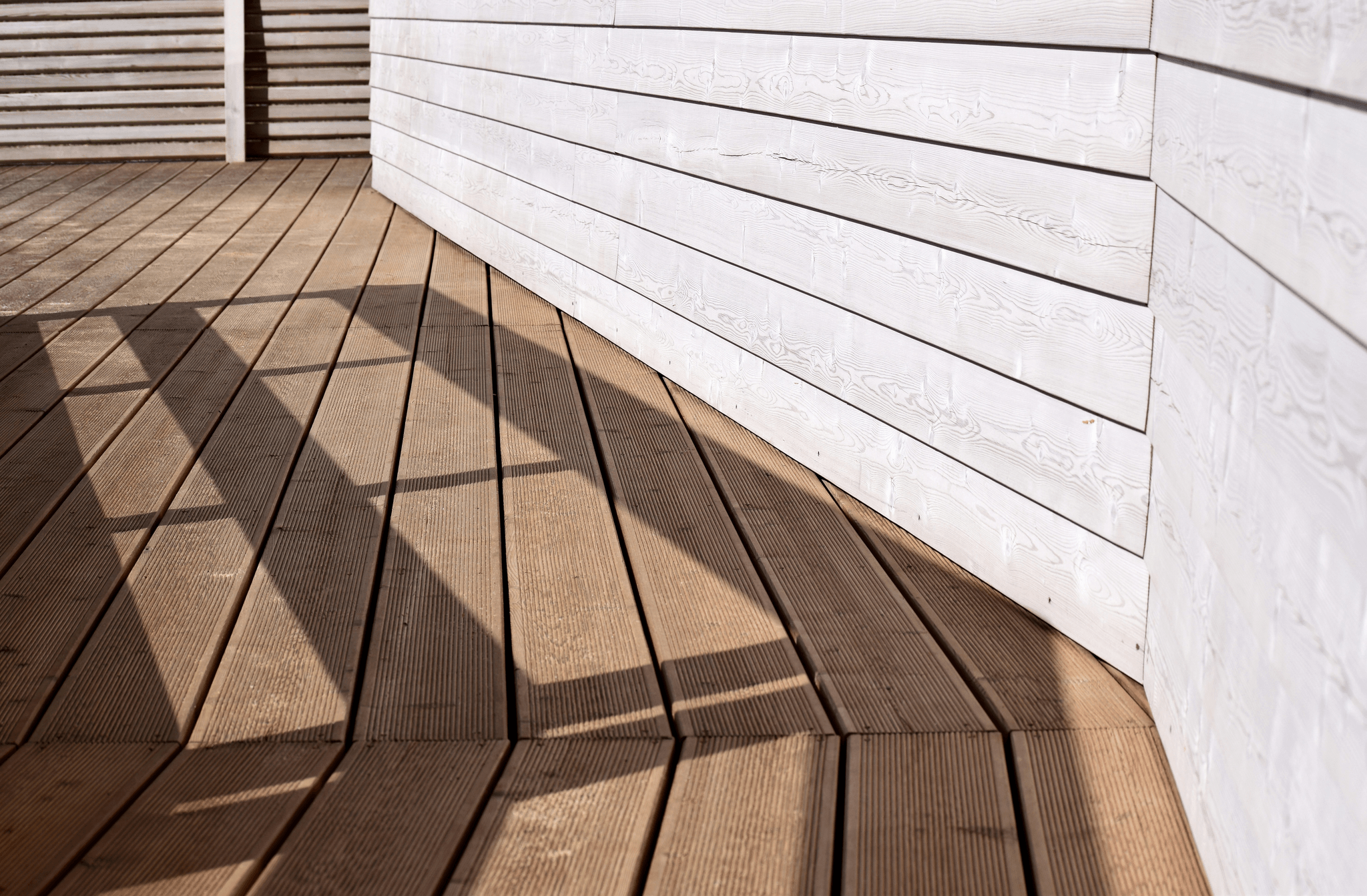
The unique properties of composite materials mean they respond differently to heat compared to traditional wood decking. This section delves into how heat affects these materials, the phenomenon of thermal expansion and contraction, and the various factors that can influence temperature variability in your deck.
How Heat Affects Composite Materials
Heat can significantly impact composite decking temperature, causing changes in its structure and appearance. Unlike traditional wood, which may warp or crack under extreme temperatures, composite wood is designed to withstand a range of conditions while maintaining its integrity. However, excessive heat can still lead to fading colors and a change in texture over time if not properly managed.
The composition of deck composite decking often includes recycled plastics and wood fibers, which provide durability but also mean that these materials can absorb heat more readily than pure wood alternatives. This absorption can lead to a warmer surface underfoot on sunny days—something homeowners should consider when choosing their outdoor spaces. Understanding how heat interacts with your chosen composite decking material helps you make informed decisions about installation and maintenance.
Thermal Expansion and Contraction
Thermal expansion is an important consideration for anyone investing in composite decking material. As temperatures rise, the materials used in your low maintenance deck will expand; conversely, they contract as temperatures drop. This movement is a natural response to temperature fluctuations but can lead to gaps or buckling if not accounted for during installation.
To mitigate the effects of thermal expansion and contraction, it's crucial to follow manufacturer guidelines regarding spacing between boards during installation. Properly managing these spaces allows your deck composite decking to flex without compromising its structural integrity or aesthetic appeal. By being proactive about this aspect of installation, you ensure that your deck remains beautiful and functional through all seasons.
Factors Influencing Temperature Variability
Several factors influence the variability of composite decking temperature beyond just ambient air conditions. The color of your chosen decking material plays a significant role; darker colors absorb more sunlight than lighter shades, leading to higher surface temperatures on sunny days. Additionally, geographical location—such as proximity to water bodies or elevation—can affect how much direct sunlight your deck receives throughout the day.
Other elements such as wind exposure and shade from nearby trees or structures also contribute significantly to temperature variations experienced by your low maintenance deck over time. Homeowners should consider these factors when selecting their ideal composite wood options for optimal performance year-round. Understanding these nuances ensures that you select a product suited for both climate conditions and personal preferences.
Real-World Experiences with Composite Decking
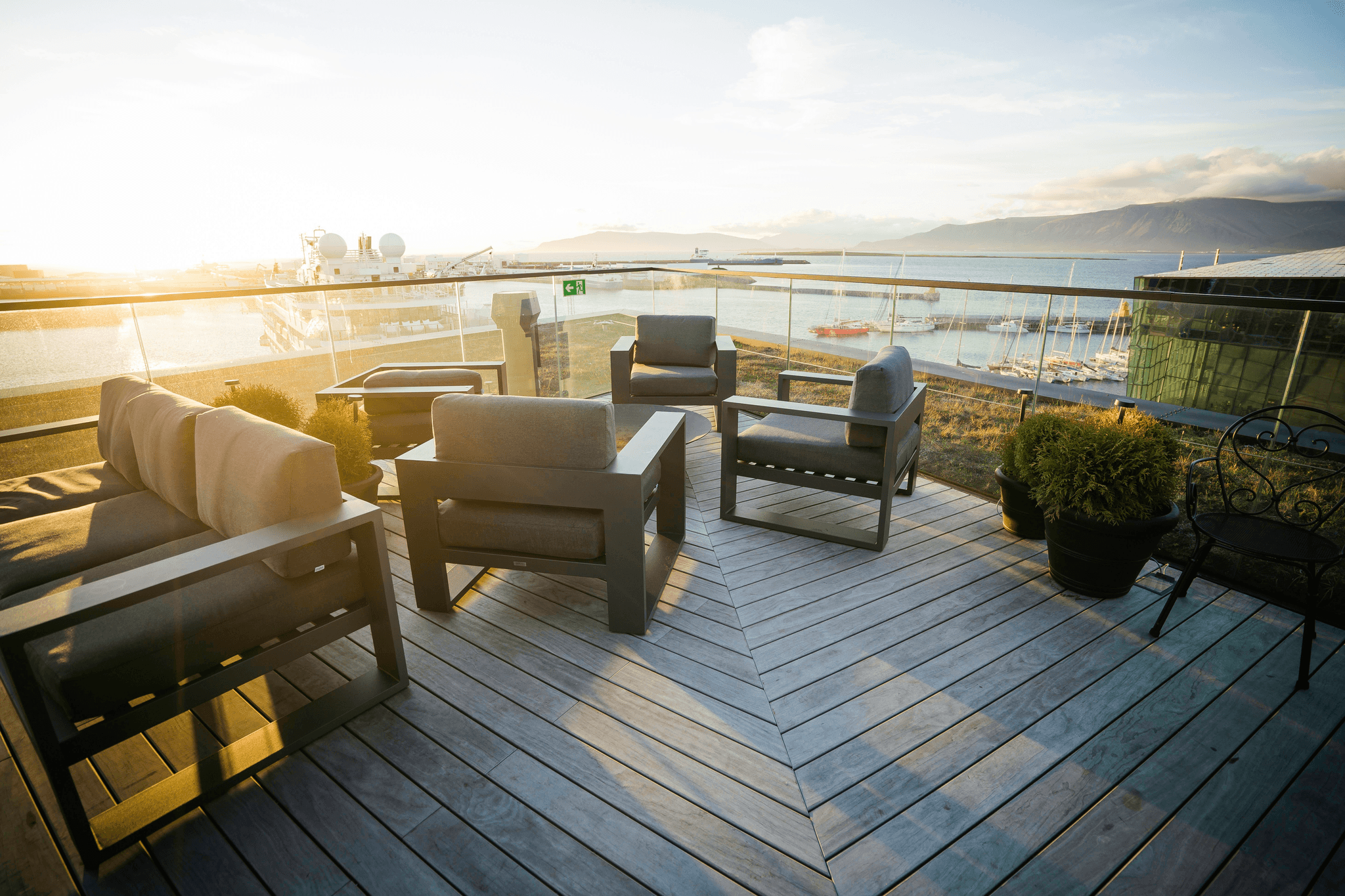
Users frequently share their stories about how composite decking has transformed their outdoor spaces into low maintenance decks that withstand the test of time. From family gatherings on a hot summer day to cozy evenings under the stars, the experiences highlight not only aesthetic appeal but also practical benefits.
User Stories and Experiences
Many homeowners rave about their transition from traditional wood decking to composite wood options, citing significant improvements in durability and maintenance needs. One user shared that after installing a deck composite decking solution, they no longer had to worry about warping or splintering—issues all too common with wood decks. Instead, they enjoy a beautiful outdoor space that remains cool even during peak composite decking temperature days, making it perfect for barefoot lounging.
Another user reported how easy it was to clean their low maintenance deck compared to their previous wooden deck that required constant staining and sealing. With just a simple hose-down or occasional soap wash, the composite decking material retains its vibrant color without the hassle of upkeep associated with traditional materials. These stories emphasize not only satisfaction but also the peace of mind that comes with choosing durable solutions for outdoor living.
Comparisons with Traditional Wood Decking
When comparing composite decking to traditional wood options, it's clear why many are making the switch. For starters, while wood decks may provide some initial charm, they often fall short when faced with weather challenges; rot and insect damage can quickly turn a dream deck into a nightmare. In contrast, composite decking offers enhanced resilience against moisture and pests—an ideal choice for those looking for longevity in their outdoor spaces.
Moreover, homeowners have noted that during extreme temperatures—both hot and cold—the thermal expansion of traditional wood can lead to unsightly gaps or buckling. Composite materials are engineered to handle these fluctuations better than natural wood; thus maintaining structural integrity even when exposed to varying composite decking temperatures throughout the year is crucial for long-term enjoyment. This durability factor makes it easier for families to focus on enjoying their time outdoors rather than worrying about repairs.
Performance in Different Climates
Performance varies significantly based on climate conditions; however, one thing remains constant: quality composite decking stands up well against diverse environments. In humid regions where moisture is prevalent, users report that their composite decks maintain stability without succumbing to mold or mildew—a common issue with untreated wooden surfaces. Similarly, in hotter climates where high temperatures can affect surface comfort levels, many find that modern composites remain cooler underfoot compared to traditional woods.
In colder areas where snow and ice pose challenges during winter months, users have expressed satisfaction at how easily snow can be cleared off their low maintenance decks without risking damage like splintering or cracking seen in wooden alternatives. The ability of these materials to adapt across various climates makes them an attractive option for homeowners everywhere who want reliable performance year-round without excessive upkeep related directly back to temperature concerns associated with different types of decking material choices available today.
Choosing the Right Composite Decking
Factors to Consider Beyond Temperature
While composite decking temperature is an important consideration, don’t overlook other key factors that can impact your satisfaction with the decking material. First off, think about the color and texture options available; after all, you want your deck to complement your home’s exterior. Additionally, evaluate the warranty offered by manufacturers—this often reflects their confidence in the product's longevity and performance.
Another critical aspect is the slip resistance of your chosen composite wood. This can be especially vital if you live in a rainy or humid area where moisture accumulation could lead to slippery surfaces. Lastly, consider installation methods; some deck composite decking options are easier to install than others, which could save you time and money in labor costs.
Top Brands and Their Offerings
There are several standout brands in the world of composite decking that consistently deliver quality products designed for various climates and uses. Trex is one of the most recognized names, offering a wide range of colors and styles while focusing on sustainability through recycled materials. Another popular option is TimberTech, known for its high-performance boards that resist fading from extreme temperatures.
If you're looking for budget-friendly choices without compromising quality, Fiberon provides excellent options with various textures and finishes that mimic traditional wood while ensuring lower maintenance needs. Each brand has its unique features tailored to different consumer preferences—whether you're after aesthetics or performance under varying temperature conditions.
Composite Decking Inc: A Trusted Source
When it comes to purchasing composite decking material, Composite Decking Inc stands out as a reliable source for homeowners and contractors alike. They offer an extensive selection of high-quality products from top brands while providing valuable insights into which options suit specific climate conditions best—especially concerning how they handle extreme temperatures. Their commitment to customer service means you'll receive guidance throughout your decking journey.
Additionally, Composite Decking Inc emphasizes eco-friendly practices by sourcing materials responsibly without sacrificing performance or appearance. With their expertise in composite wood solutions and dedication to helping customers make informed choices about their low maintenance deck projects, they are truly a go-to resource for anyone considering upgrading their outdoor living space.
Maintenance Tips for Temperature Resilience
When it comes to composite decking, temperature can play a significant role in its longevity and performance. To keep your deck looking fabulous while standing up to the elements, it's essential to implement some effective maintenance strategies. Here are some tips that can help you enjoy your low maintenance deck without worrying about the effects of temperature.
Low Maintenance Deck Strategies
One of the best aspects of composite decking is its low maintenance nature, which allows you to spend more time enjoying your outdoor space rather than working on it. Regularly sweeping away debris and performing occasional rinses with a hose can go a long way in preserving your deck's appearance and functionality. Additionally, using composite decking materials that are resistant to stains and fading will help ensure that your deck remains vibrant despite fluctuating temperatures.
Consider investing in protective furniture pads and covers for any items placed on your composite wood deck; this will prevent scratches and dents caused by heat or weight distribution issues. When selecting a low maintenance deck option, look for brands that offer UV protection as well; this feature helps combat the adverse effects of high composite decking temperatures during summer months. Overall, by choosing quality materials and incorporating simple care routines, you can significantly extend the life of your decking material.
Seasonal Preparations for Composite Decking
Preparing your composite decking for seasonal changes is crucial in maintaining its integrity throughout the year. As temperatures fluctuate between seasons, taking proactive measures can help mitigate potential damage caused by extreme heat or cold. In spring and fall, consider conducting a thorough inspection of your deck surface for any signs of wear or discoloration due to temperature exposure.
During winter months, protect your composite wood from heavy snow accumulation by gently removing snow with a plastic shovel rather than metal tools that could scratch the surface. In addition, applying a specialized cleaner designed for composite decking before summer heat sets in will not only enhance its appearance but also provide an extra layer of protection against high temperatures. By following these seasonal preparations diligently, you’ll ensure that your low maintenance deck remains resilient through all weather conditions.
Long-Term Care for Composite Wood
Long-term care is essential when it comes to maintaining the beauty and durability of your composite decking material over time. While one of the main advantages is reduced upkeep compared to traditional wood decks, regular inspections should still be part of every homeowner's routine to address any potential issues early on—before they escalate due to temperature fluctuations or environmental factors.
Consider scheduling annual professional cleanings or treatments specifically designed for composite wood; these services can enhance color retention while addressing any possible damage from UV rays or moisture absorption over time. Furthermore, educating yourself about proper cleaning techniques tailored specifically for different types of composite materials will empower you as a homeowner—ensuring that you're taking every necessary step toward prolonging the life span of your beloved outdoor space!
Innovations in Composite Decking Technology
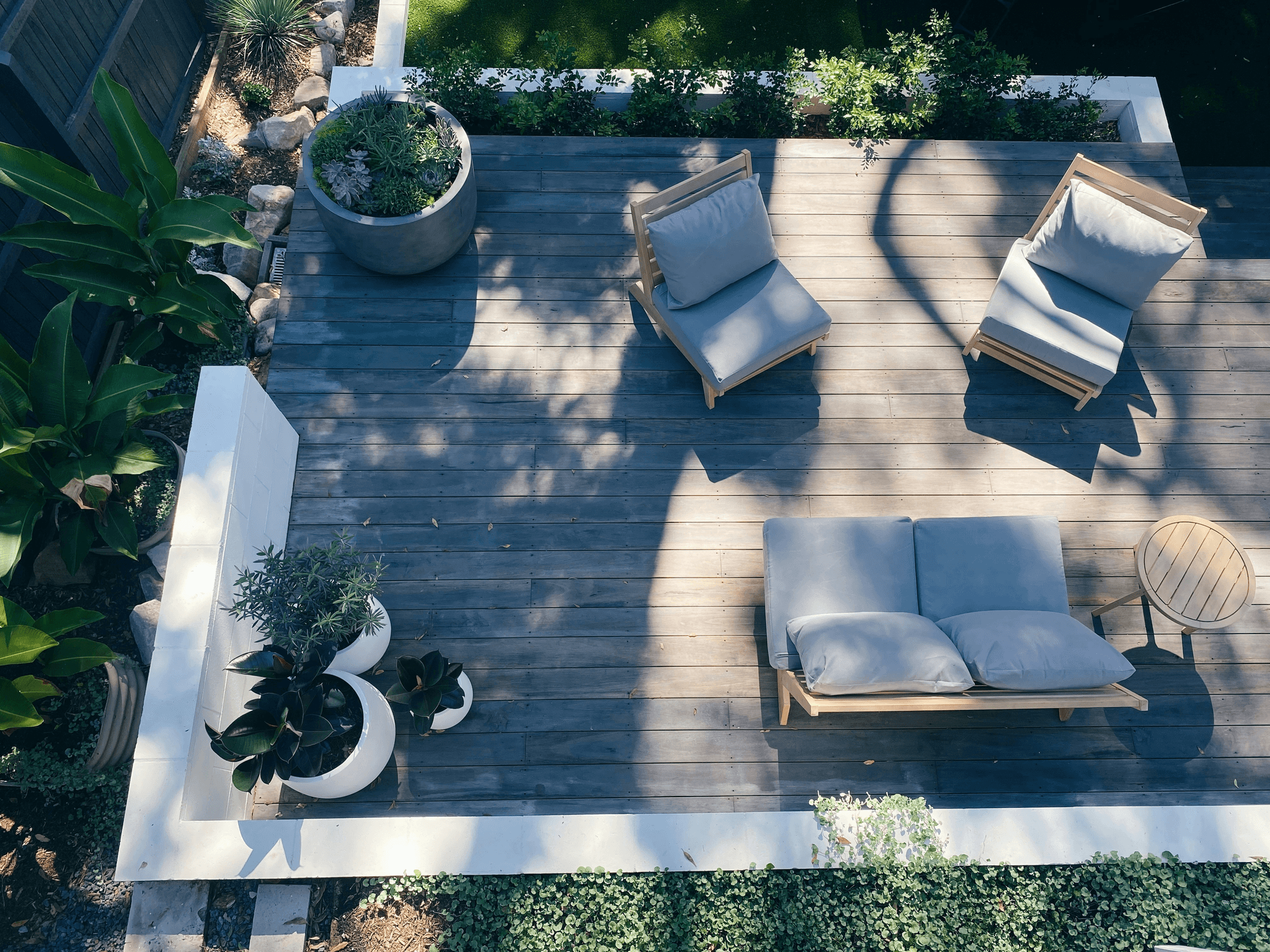
The world of composite decking is constantly evolving, driven by the need for enhanced performance and sustainability. Innovations in composite decking technology have led to materials that can withstand extreme conditions while offering aesthetic appeal and durability. As homeowners become more discerning about their choices, manufacturers are stepping up their game to provide high-quality options that address both functionality and style.
Advances in Composite Decking Material
Recent advances in composite decking material have focused on improving resistance to heat, fading, and wear. Manufacturers are incorporating advanced polymers and additives that enhance the thermal stability of composite wood, ensuring it can handle varying composite decking temperatures without warping or cracking. These innovations not only extend the lifespan of your deck but also make maintenance a breeze—ideal for those seeking a low maintenance deck solution.
Moreover, new technologies allow for better color retention and surface textures that mimic natural wood grains more closely than ever before. This means you can enjoy the beauty of traditional wood without the hassle of regular upkeep or concerns about how temperature changes might affect your deck's appearance over time. With these advancements, composite decking continues to be an attractive choice for homeowners looking to combine aesthetics with practicality.
Eco-Friendly Solutions for Environmental Concerns
As environmental awareness grows, manufacturers are increasingly focusing on eco-friendly solutions within the realm of composite decking. Many brands now offer products made from recycled materials, reducing waste while providing durable decking material options that stand up against harsh weather conditions. By choosing sustainable composite wood products, homeowners contribute to reducing their carbon footprint without sacrificing quality or performance.
In addition to using recycled content, some companies are exploring bio-based composites that utilize renewable resources such as bamboo or agricultural fibers. These innovations not only help mitigate environmental impact but also cater to consumers who prioritize sustainability when selecting their outdoor spaces' features—making eco-friendly options a key consideration in today's market for deck composite decking materials.
Future Trends in Decking Material
Looking ahead, future trends in decking material suggest an exciting blend of technology and design innovation will continue to shape the industry landscape. Expect advancements like integrated heating systems designed specifically for outdoor areas; these systems could help regulate composite decking temperatures during colder months while enhancing comfort levels year-round. Such features would make outdoor living spaces even more enjoyable regardless of climate challenges.
Furthermore, smart technology integration is becoming increasingly popular among homeowners who want more control over their outdoor environments—think lighting systems synchronized with weather patterns or moisture sensors alerting users when maintenance is needed on their low maintenance decks! As these trends gain traction, they promise a future where your deck not only looks great but functions seamlessly alongside modern conveniences.
Conclusion
In wrapping up our exploration of composite decking temperature, it's clear that understanding how temperature affects these materials is essential for making informed decisions. Composite decking offers a blend of durability and aesthetic appeal, but its performance can be influenced by heat and cold. By considering the thermal properties of composite decking, homeowners can ensure their outdoor spaces remain beautiful and functional year-round.
Key Takeaways on Composite Decking Temperature
The most significant takeaway regarding composite decking temperature is that these materials respond to heat differently than traditional wood. While they are designed to withstand various climate conditions, extreme temperatures can still lead to thermal expansion and contraction. Homeowners should be aware that proper installation and maintenance are crucial for minimizing any adverse effects related to temperature fluctuations in their deck composite decking.
Importance of Smart Material Choices
Smart material choices not only enhance the beauty of your outdoor space but also provide peace of mind against warping or fading due to high temperatures. Opting for high-quality composite wood can make all the difference in creating a low maintenance deck that stands up beautifully against changing weather patterns.
How Composite Decking Inc Can Help You
Composite Decking Inc is dedicated to providing top-notch products tailored for your needs, ensuring you have access to the best options available in composite decking material. Their expertise helps guide you through selecting the ideal deck composite decking suited specifically for your climate considerations and personal preferences. With a commitment to quality and customer satisfaction, Composite Decking Inc stands ready to assist you in crafting an outdoor oasis that thrives under any temperature conditions.