
Introduction
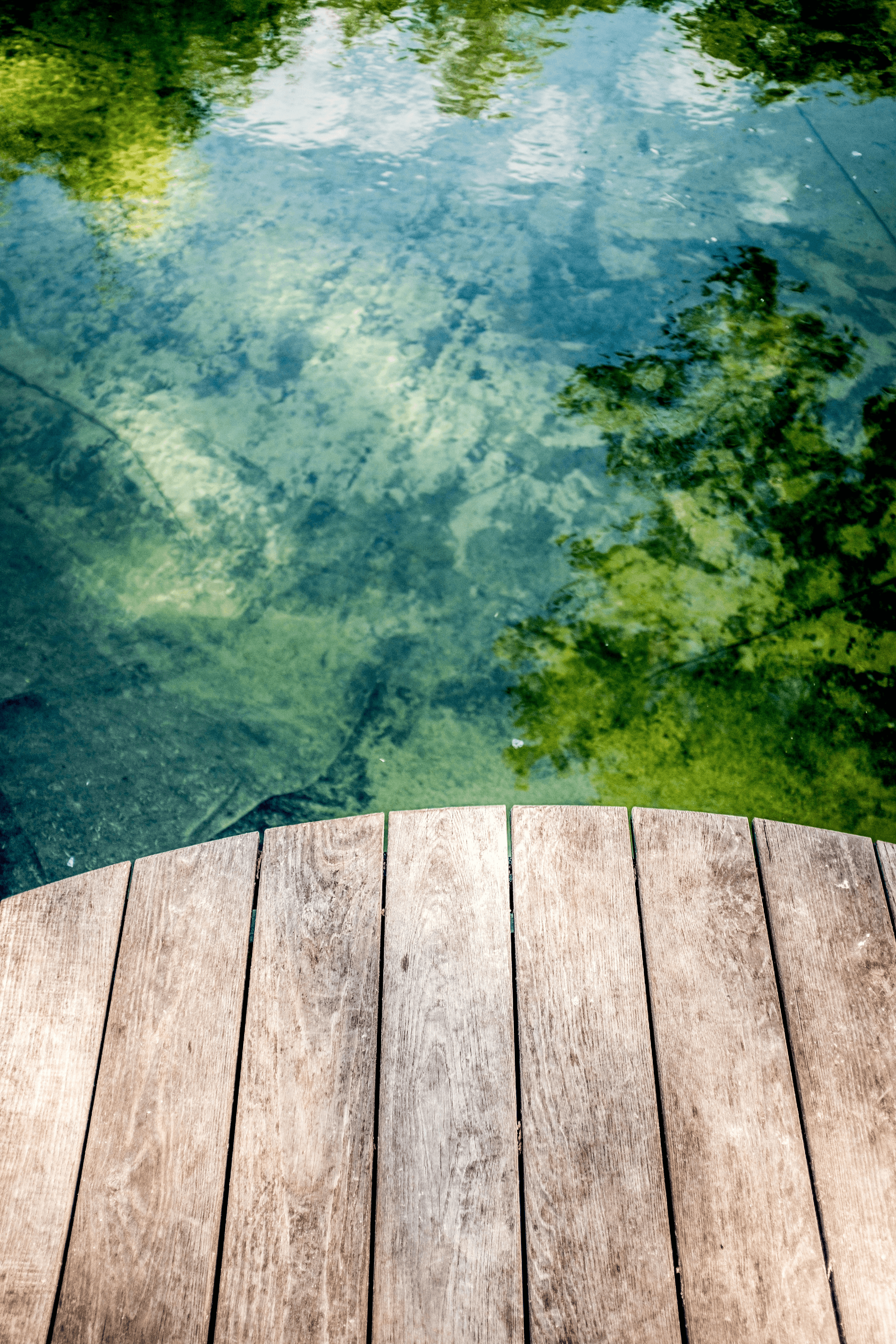
Decks are a wonderful addition to any home, providing a perfect space for relaxation and entertainment. However, slippery decking can turn this idyllic setting into a hazardous zone, especially when wet. Understanding how to stop decking being slippery is essential for both safety and enjoyment.
Understanding Slippery Decking Issues
Slippery decking often arises from various factors, including weather conditions and the materials used in construction. Wood types can contribute significantly to the risk of slipping; some are more prone to moisture retention than others. This decking guide will help you navigate these issues, ensuring your deck remains safe year-round.
Why Deck Maintenance Matters
Regular deck maintenance is crucial for preventing slippery surfaces that can lead to accidents and injuries. Neglecting your deck can result in costly repairs and dangerous situations, particularly during rainy or snowy seasons when surfaces are most treacherous. By prioritizing maintenance, you not only enhance safety but also prolong the life of your good decking.
The Benefits of Good Decking
Investing in quality decking materials pays off in more ways than one; good decking enhances both aesthetics and functionality. It provides a durable surface that withstands the elements while minimizing slipperiness when wet. Ultimately, maintaining your deck properly ensures it remains an inviting space rather than a risky slip-and-slide.
Common Causes of Slippery Decking
Various factors contribute to the slickness of your outdoor surfaces, making it essential for homeowners to be informed. By identifying these causes, you can take proactive steps to stop decking being slippery and ensure a safer environment.
Wood Types and Their Risks
Different wood types have varying levels of natural resistance to slipperiness, which is crucial when selecting good decking materials. Softwoods like pine or cedar tend to absorb moisture more readily than hardwoods such as teak or mahogany, increasing the risk of slippery decking when wet. Understanding these risks not only aids in choosing the right materials but also informs your ongoing deck maintenance routine.
For instance, if you opt for a wood that’s prone to slickness, you may need more frequent cleaning and sealing to mitigate risks. Additionally, some woods may develop a patina over time that can enhance traction; however, this isn't always guaranteed. Therefore, it's wise to consult a comprehensive decking guide that compares different wood types and their performance in wet conditions.
Weather Effects on Deck Surfaces
Weather plays a significant role in maintaining your deck's safety and usability throughout the year. Rain can leave surfaces slick and hazardous, while snow and ice create additional challenges for keeping your deck safe from slips and falls. These environmental factors make it imperative for homeowners to implement seasonal strategies that stop decking being slippery during inclement weather.
Humidity can also exacerbate issues with slipperiness by allowing moisture retention on surfaces longer than expected. In regions with heavy rain or snowfalls, regular inspections become essential components of effective deck maintenance strategies aimed at preventing accidents caused by slippery conditions. By staying vigilant about weather effects on your decking surfaces, you’ll be better prepared for any changes that could lead to dangerous situations.
Algae and Moss Growth
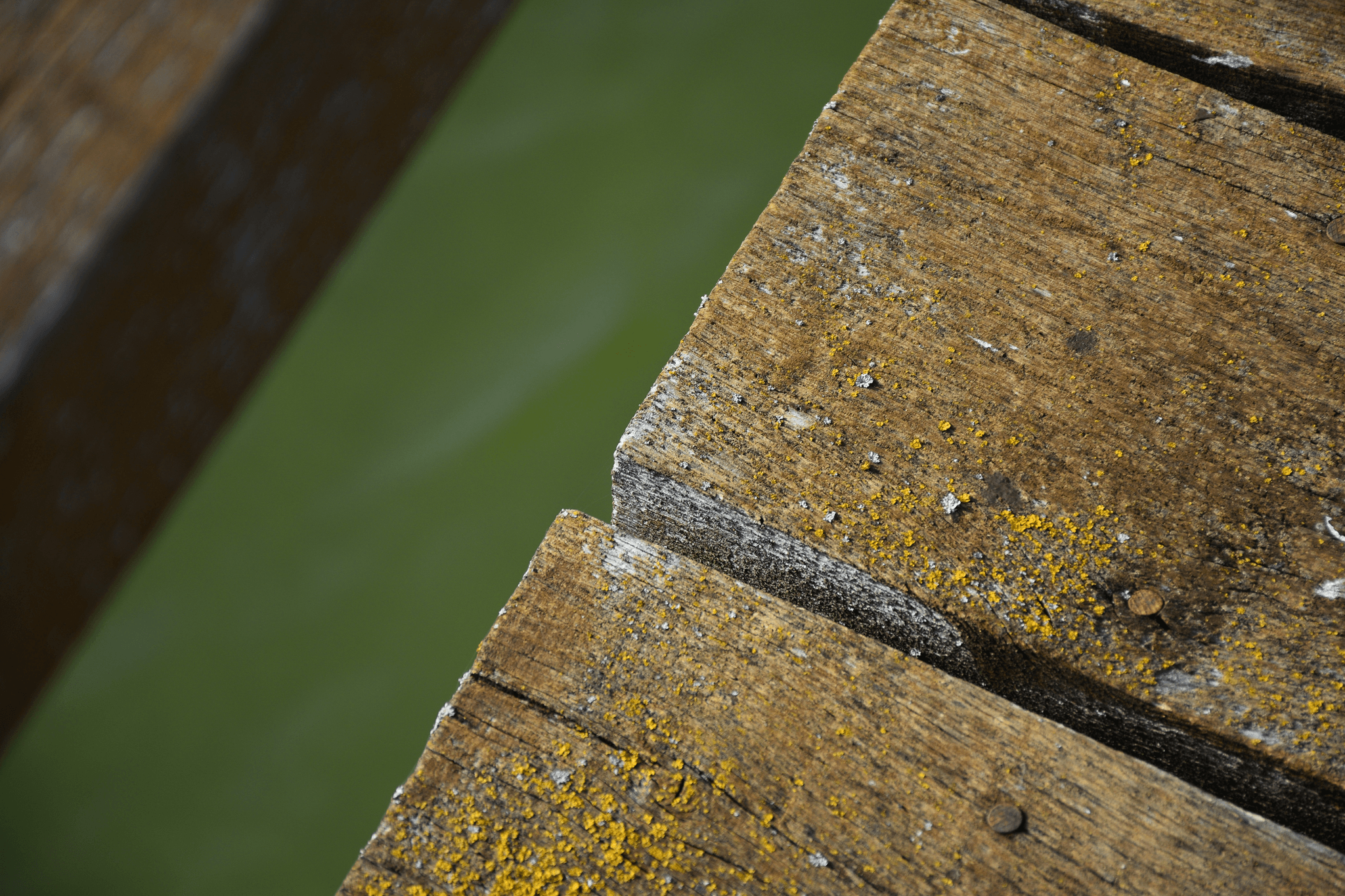
One of the sneakiest contributors to slippery decking is the growth of algae and moss on wooden surfaces over time. These organisms thrive in damp environments and can quickly turn your beautiful outdoor space into a slip hazard if left unchecked. Regularly cleaning your deck not only enhances its appearance but also helps prevent these green invaders from compromising safety.
To effectively combat algae growth, consider using specialized cleaners designed for outdoor wood surfaces as part of your regular deck maintenance regimen. Furthermore, ensuring proper drainage around your deck will reduce moisture retention—making it less inviting for algae or moss development in the first place! With proactive measures against these natural elements in place, you’ll be one step closer to enjoying good decking without worrying about slipping hazards.
Effective Deck Maintenance Tips

Regular Cleaning Techniques
To stop decking from being slippery, regular cleaning is non-negotiable. Debris such as leaves, dirt, and dust can accumulate over time, creating a slick surface when wet. Use a broom or leaf blower to clear debris regularly, and consider pressure washing every season to remove stubborn grime and algae buildup that contributes to slippery decking when wet.
For those tricky spots where mold or mildew might be hiding, a mixture of water and mild detergent can work wonders. Scrubbing with a stiff-bristle brush will help lift away any unwanted growths while preventing them from becoming hazardous slip zones. Remember, maintaining good decking isn’t just about appearances; it’s about safety too!
Choosing the Right Sealant
Selecting the right sealant is crucial for effective deck maintenance and preventing slippery surfaces. A high-quality sealant not only protects wood from moisture but also enhances traction on the surface itself. Look for products specifically designed to stop decking from being slippery; many come with added grip features that provide extra security underfoot.
When applying sealant, ensure you follow the manufacturer's instructions closely for optimal results; this includes preparing the surface properly before application. Reapplying sealant every couple of years ensures long-lasting protection against water damage while keeping your deck looking sharp and reducing slippery areas effectively.
Benefits of Non-Slip Coatings
One of the best strategies in your decking guide is investing in non-slip coatings designed specifically for outdoor surfaces. These coatings provide an additional layer of grip that significantly reduces the chances of slipping—especially during rainy conditions when decks are most vulnerable to becoming slick! By incorporating these into your deck maintenance routine, you can enjoy peace of mind knowing you’ve taken proactive steps to stop decking from being slippery.
Non-slip coatings come in various formulations—some are even eco-friendly options ideal for environmentally conscious homeowners seeking safe solutions without compromising their commitment to sustainability. Applying these coatings not only enhances safety but also prolongs the life of your deck by offering added protection against wear and tear caused by weather elements or foot traffic.
Best Products for Preventing Slippery Decking
Overview of Composite Decking Inc Solutions
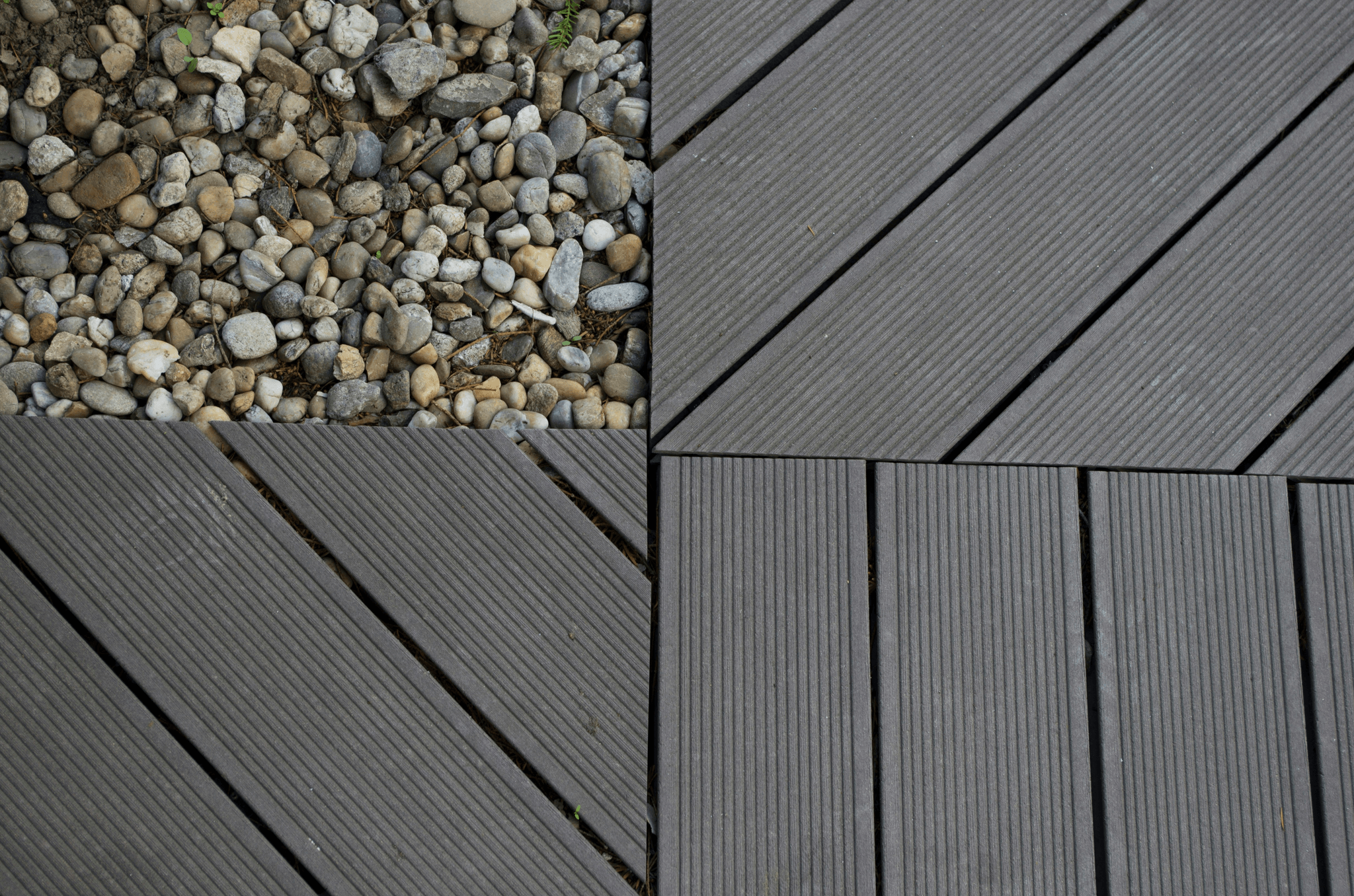
Composite Decking Inc offers a range of innovative products designed to tackle slippery decking issues head-on. Their composite materials are engineered to provide superior traction while mimicking the aesthetic appeal of traditional wood. By investing in good decking from Composite Decking Inc, homeowners can significantly reduce the risks associated with slippery surfaces, particularly when wet.
These composite solutions are not only durable but also low-maintenance, making them an excellent choice for those looking to simplify their deck maintenance routine. Additionally, many of their products come with built-in anti-slip properties that actively work to prevent slips and falls. With a variety of colors and textures available, you can find a design that complements your home while keeping safety at the forefront.
Natural vs. Synthetic Options
When considering options for preventing slippery decking, it's essential to weigh the pros and cons of natural versus synthetic materials. Natural wood decks can provide an organic feel but often require more frequent maintenance to stop decking from being slippery due to moisture absorption and wear over time. On the other hand, synthetic materials like composites offer enhanced durability and resistance against environmental factors that contribute to slipperiness.
Synthetic options typically feature textured surfaces designed specifically for traction, which is crucial in reducing slipping hazards when wet. However, natural woods such as cedar or redwood can be treated with non-slip coatings or sealants that enhance their safety without compromising aesthetics—making them viable choices too! Ultimately, understanding your specific needs will help you choose between good decking options that suit your lifestyle.
Eco-Friendly Choices for Safety
Fortunately, there are several sustainable products available that not only help stop decking from being slippery but also minimize environmental impact. Recycled composite materials often embody this dual benefit by providing excellent slip resistance while reducing waste.
Additionally, natural oils and sealants derived from plant-based ingredients serve as effective treatments for wooden decks without harming surrounding ecosystems or waterways. These eco-friendly options ensure you maintain a safe outdoor space while contributing positively towards environmental sustainability efforts—making them ideal choices for conscientious consumers! By prioritizing green solutions in your decking guide, you can enjoy both safety and peace of mind on your outdoor oasis.
Seasonal Strategies to Stop Decking Being Slippery
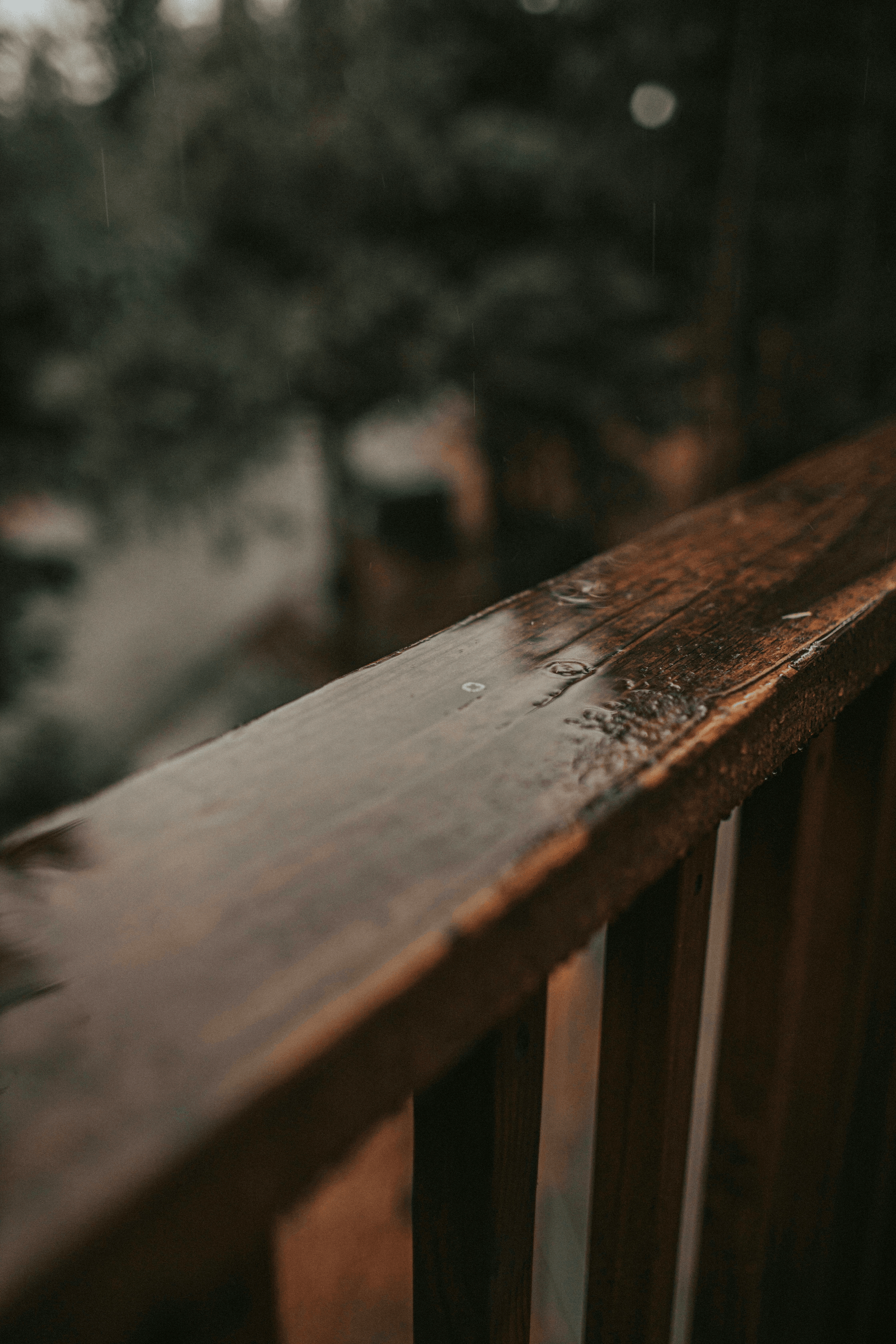
When it comes to maintaining a safe outdoor space, understanding how seasonal changes affect your decking is crucial. Slippery decking can become a real hazard during rainy or snowy conditions, making it essential to have a plan in place. This section will explore effective strategies to stop decking being slippery throughout the year.
Preparing for Rain and Snow
Before the rain or snow arrives, take proactive measures to ensure your deck remains safe and slip-resistant. Start by inspecting your deck for any loose boards or cracks that could worsen under wet conditions; good decking means no surprises when the weather takes a turn. Additionally, consider applying a non-slip coating before the rainy season hits, as this can significantly reduce slippery decking when wet.
Regularly clearing debris like leaves or dirt from your deck is also vital, as these can create slick spots when saturated with moisture. If you live in an area prone to heavy snowfall, prepare by ensuring proper drainage around your deck; this will help prevent water pooling and subsequent freezing. Ultimately, being prepared is key in maintaining safety and comfort on your outdoor surfaces.
Winter Maintenance Tips
Winter can be particularly harsh on decks, but with the right maintenance practices, you can keep slippery decking at bay. Begin by shoveling snow off your deck promptly; let it sit too long and you risk creating icy patches that are both dangerous and difficult to remove later on. For those stubborn icy spots that do form, consider using sand instead of salt; sand provides traction without damaging good decking materials.
In addition to regular snow removal, inspect your deck frequently during winter months for any signs of wear or damage caused by freezing temperatures and moisture exposure. Applying a fresh layer of sealant before winter sets in can also help protect against moisture infiltration that leads to slippery surfaces down the line. Remember: diligent winter maintenance is crucial for ensuring safety during those chilly months.
Summer Care to Reduce Slipperiness
As summer rolls around, it's easy to forget about potential slipping hazards on your deck while enjoying barbecues and gatherings with friends. However, summer care is just as important for reducing slippery decking risks as winter maintenance! Start by cleaning your deck regularly—removing dirt and algae buildup not only enhances appearance but also prevents slick surfaces when humidity levels rise.
Consider investing in eco-friendly cleaning solutions specifically designed for outdoor surfaces; these products are less likely to harm the environment while effectively combatting slippery conditions caused by organic growths like moss or mildew. Additionally, applying a non-slip coating after thorough cleaning can provide an extra layer of protection against slips during those warm summer showers we all know too well.
By implementing these seasonal strategies—preparing for rain and snow in advance while staying vigilant through winter and summer—you'll be well-equipped to stop decking being slippery all year long!
Professional Help for Deck Safety

When it comes to maintaining a safe and enjoyable outdoor space, knowing when to call in the experts can be crucial. If you find yourself grappling with slippery decking issues that regular cleaning and maintenance just can't seem to resolve, it may be time to seek professional help. Additionally, if your decking has sustained significant damage or if you’re unsure about the best materials or coatings to stop decking being slippery, a professional can provide valuable insights and solutions tailored to your specific needs.
When to Call in Experts
There are several scenarios where enlisting professional deck services becomes a wise decision. If you've noticed persistent slippery decking when wet despite your best efforts at maintenance, it might indicate underlying issues that require expert attention. Furthermore, if your deck is made from older materials or shows signs of rot and decay, professionals can assess its safety and recommend appropriate repairs or replacements—ensuring you have good decking that lasts for years.
Evaluating Deck Services
Choosing the right deck service can feel overwhelming given the many options available. Start by looking for companies with strong reviews and testimonials specifically mentioning their expertise in addressing slippery decking problems. Don't hesitate to ask potential contractors about their methods for stopping decking from being slippery; a reputable service will be more than willing to share their approach and provide references from satisfied customers.
Cost vs. Safety Benefits
While hiring professionals may seem like an added expense in your deck maintenance budget, consider the long-term safety benefits they offer. Investing in quality services not only helps prevent accidents caused by slippery surfaces but also extends the life of your deck through proper care and treatment—ultimately saving you money on future repairs or replacements of good decking materials. In this case, weighing cost against safety benefits becomes an easy calculation; after all, ensuring a safe environment for family and friends is priceless.
Conclusion

In wrapping up our decking guide, it’s clear that ensuring safety and functionality on your deck is a long-term commitment. By implementing solid maintenance strategies and opting for good decking materials, you can significantly stop decking being slippery, transforming your outdoor space into a safe haven. Remember, a little proactive care goes a long way in preventing slippery decking when wet.
Long-Term Solutions for Deck Safety
To effectively stop decking being slippery over time, consider investing in quality materials from the outset. Good decking not only enhances the aesthetics of your outdoor area but also plays a crucial role in overall safety. Regular inspections and maintenance routines can help identify potential hazards early on, ensuring that your deck remains safe for years to come.
The Importance of Choosing Good Decking
Choosing good decking is paramount when it comes to preventing slippery surfaces. Different materials have varying levels of slip resistance; therefore, selecting the right type can be the difference between a safe deck and one that poses risks during wet conditions. The right choice will not only enhance safety but also contribute to easier maintenance and longer-lasting enjoyment of your outdoor space.
Final Thoughts on Deck Maintenance Strategies
In conclusion, effective deck maintenance strategies are essential for keeping your outdoor areas safe and enjoyable. Regular cleaning, appropriate sealants, and non-slip coatings are all part of the arsenal needed to combat slippery decking issues. By adopting these practices diligently, you’ll ensure that every gathering on your deck remains memorable for all the right reasons—without any slips or falls!