
Introduction
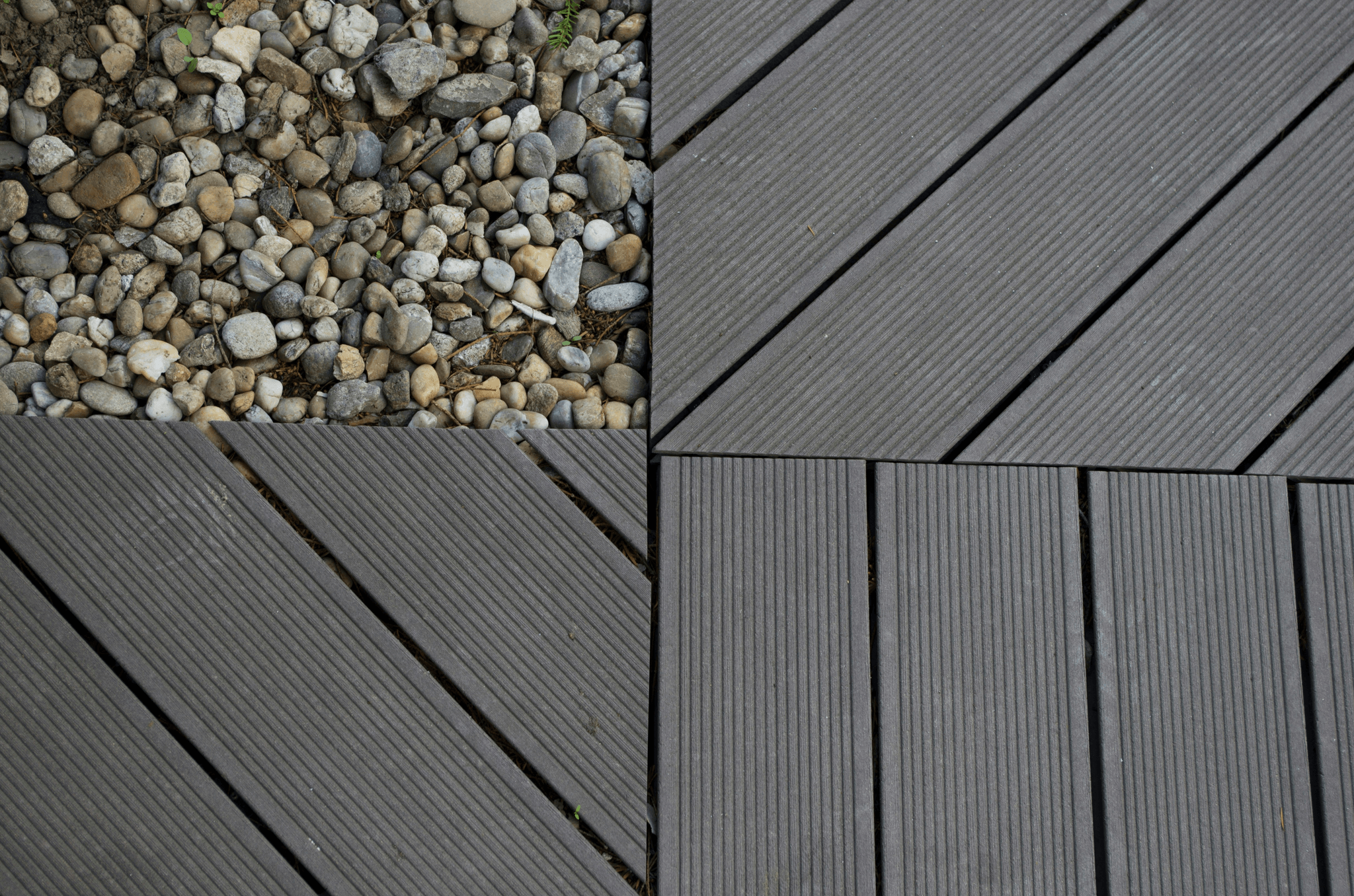
With a variety of deck timber types available, homeowners are often faced with the challenge of making an informed decision that balances beauty, durability, and maintenance. In this guide, we will explore the benefits of composite decking and why synthetic lumber for decks is becoming a popular choice among savvy builders.
Explore the Best Deck Timber Types
The world of deck timber types is diverse, ranging from traditional woods like cedar and redwood to innovative materials such as composite lumber decking. Each type offers unique characteristics that can enhance your outdoor space while also presenting specific challenges related to maintenance and durability. By understanding these options, homeowners can better navigate their choices when embarking on their deck building journey.
Benefits of Composite Decking
Composite decking has gained popularity due to its impressive blend of aesthetics and practicality. Unlike traditional wood, it requires minimal maintenance while providing a beautiful finish that mimics natural wood grains. The advantages of deck composite decking extend beyond looks; it's resistant to fading, warping, and pests—making it a smart investment for any homeowner.
Why Synthetic Lumber for Decks is Essential
In today's eco-conscious world, synthetic lumber for decks stands out as an environmentally friendly option that doesn’t compromise on quality or style. Made from recycled materials, this type of decking not only reduces waste but also offers long-lasting performance without the drawbacks associated with natural wood. As more people recognize its benefits, synthetic lumber continues to reshape how we think about outdoor living spaces.
Factors Influencing Deck Building Choices
Several factors come into play when selecting deck timber types for your project—budget constraints, climate conditions, and personal preferences all weigh heavily in decision-making processes. Homeowners must consider how much time they are willing to invest in upkeep versus enjoying their outdoor retreat without constant worry about wear and tear. Ultimately, understanding these influences can lead to more satisfying outcomes in your deck building endeavors.
Natural Wood
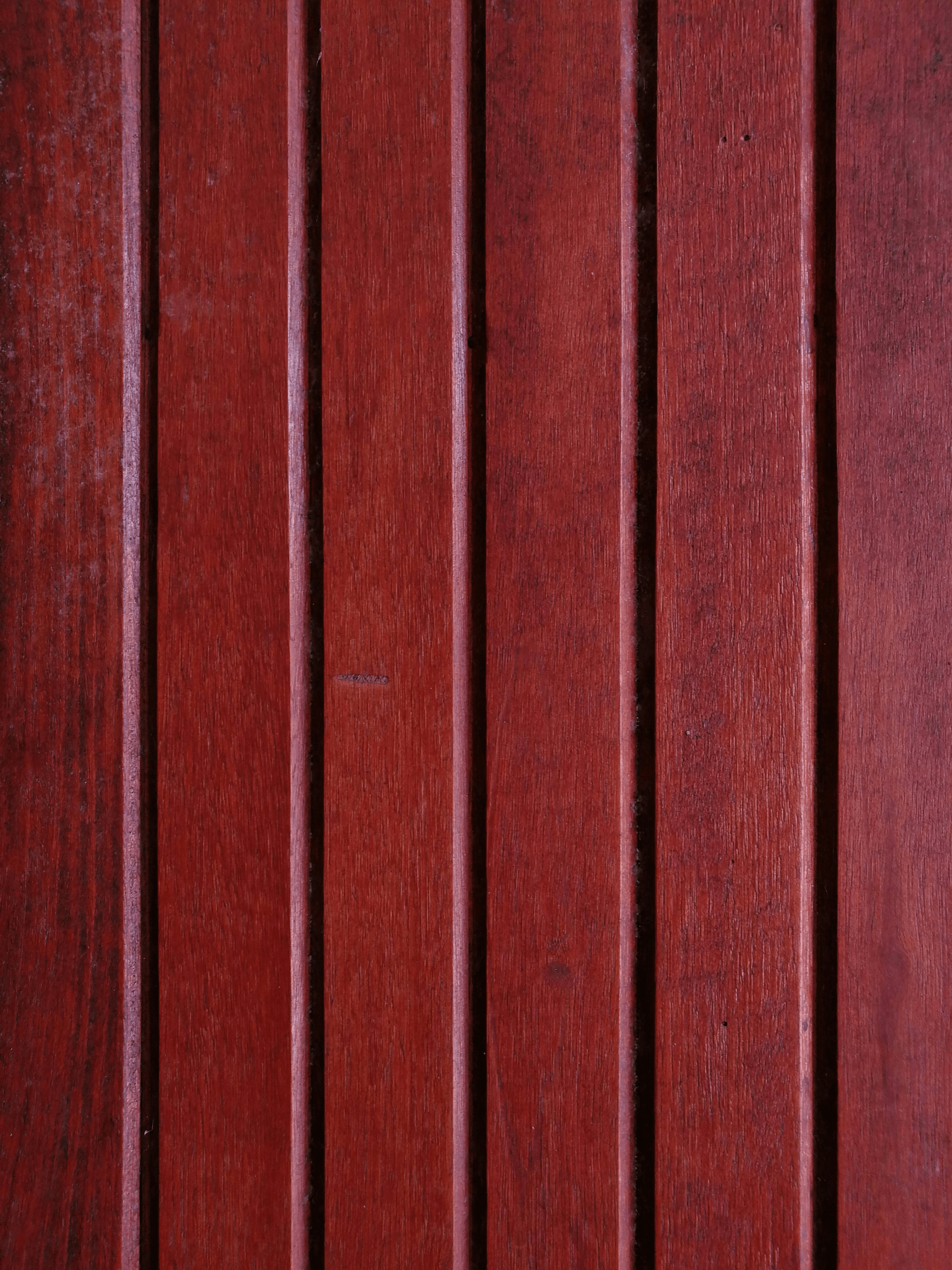
Natural wood has long been a favorite choice for deck building, offering a classic look and feel that many homeowners adore. When considering deck timber types, options like cedar, redwood, and pressure-treated pine often come to mind. Each type brings its own unique characteristics, making it essential to explore these choices before committing to your decking project.
Types of Deck Timber Options
When it comes to deck timber types, cedar and redwood are standout choices due to their natural resistance to decay and insects. Cedar is lightweight and has a beautiful grain pattern that enhances any outdoor space, while redwood offers rich colors and excellent durability. Pressure-treated pine is another popular option; it's budget-friendly and treated to withstand the elements, but it does require more maintenance than its naturally resistant counterparts.
Durability and Maintenance Issues
While natural wood can be stunningly beautiful, it does come with its share of durability challenges and maintenance requirements. Over time, exposure to the elements can lead to warping, splintering, or fading in color—issues that many homeowners face with traditional decking materials. Regular sealing or staining is necessary for maintaining the integrity of your wood deck; neglecting this can lead you down the path of costly repairs or even replacement.
Aesthetic Appeal and Longevity
One undeniable advantage of natural wood is its aesthetic appeal; nothing quite compares to the warm tones and textures of real timber underfoot. Many homeowners find that natural wood decks blend seamlessly with their outdoor environments, providing a rustic charm that synthetic lumber for decks sometimes lacks. However, while they may be visually appealing initially, longevity can be an issue if not properly maintained—leading some enthusiasts to consider alternatives like composite decking for longer-lasting beauty without the fuss.
Composite Decking
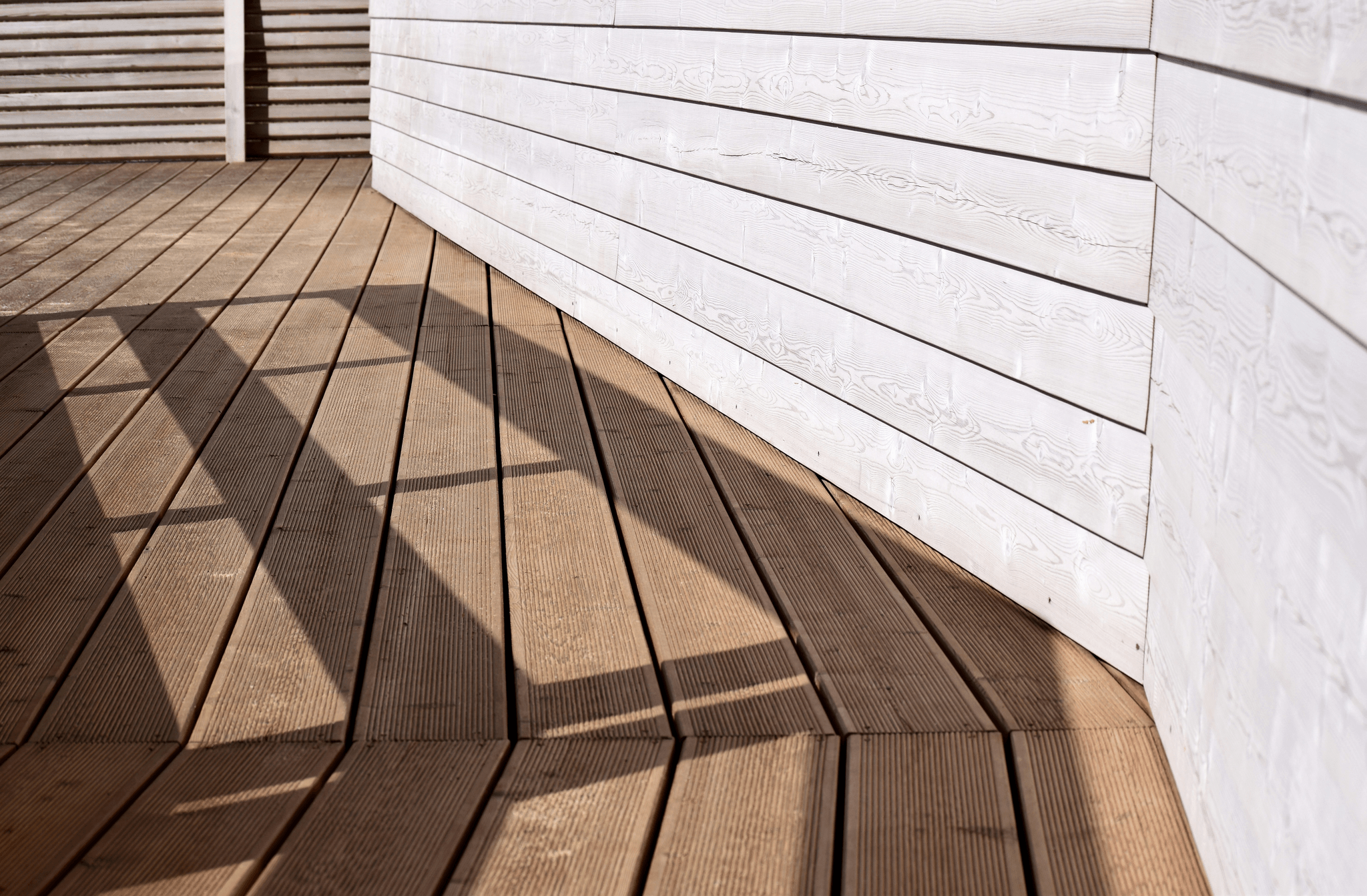
When it comes to deck timber types, composite decking is a game changer. This innovative material combines wood fibers and plastic, creating a durable, low-maintenance alternative to traditional lumber. As homeowners seek sustainable options for deck building, composite lumber decking has become increasingly popular due to its impressive performance and aesthetic appeal.
What is Composite Lumber Decking
Composite lumber decking is essentially a blend of recycled materials that mimic the look and feel of natural wood without the drawbacks. By combining wood fibers with high-density polyethylene (HDPE) or polyvinyl chloride (PVC), manufacturers create a versatile product that resists fading, splintering, and warping. This synthetic lumber for decks offers an eco-friendly choice since it often includes recycled content and requires less maintenance compared to traditional deck timber types.
Advantages of Deck Composite Decking
There are numerous advantages of deck composite decking that make it an attractive option for homeowners. First off, its resistance to moisture and insects means less time spent on upkeep—no more worrying about rotting or termites! Additionally, composite decking comes in various colors and textures, allowing you to achieve the desired look while maintaining durability over time.
Another significant benefit is the longevity of composite materials; many brands offer warranties lasting 25 years or more. This means that investing in synthetic lumber for decks not only enhances your outdoor space but also provides peace of mind knowing your investment will stand the test of time. Plus, with minimal maintenance required—just an occasional wash—you can spend more time enjoying your deck rather than working on it.
Top Brands like Composite Decking Inc
When considering composite decking options, it's essential to explore top brands known for their quality products like Composite Decking Inc., Trex, and TimberTech. These companies lead the market by offering innovative designs and reliable materials that cater to various preferences in style and budget. With their extensive range of colors and textures available within the realm of deck timber types, finding the perfect match for your home becomes much easier.
Each brand emphasizes sustainability by using recycled materials in their products while ensuring they meet rigorous quality standards. Investing in well-known brands guarantees not only superior performance but also enhances your home's value over time—making them worthwhile contenders in any deck building project.
PVC Decking
When it comes to deck timber types, PVC decking stands out as a popular choice among homeowners and builders alike. This synthetic lumber for decks offers a unique blend of durability and aesthetic appeal, making it an appealing option for those looking to enhance their outdoor spaces. In this section, we will delve into what makes PVC decking a worthy contender in the world of composite decking.
Understanding Synthetic Lumber
Synthetic lumber, particularly in the form of PVC decking, is engineered from polyvinyl chloride (PVC) resin. Unlike traditional deck timber types that rely on natural wood fibers, synthetic lumber for decks is crafted to resist moisture, rot, and insects. This innovative approach allows for a longer lifespan compared to conventional materials, giving homeowners peace of mind when investing in their deck building projects.
Key Benefits of PVC for Decks
One of the standout benefits of using PVC decking is its low maintenance requirement; you won't need to worry about sanding or staining like you would with natural wood options. Additionally, deck composite decking made from PVC is resistant to fading and staining caused by weather or spills—meaning your deck will maintain its vibrant look without much effort on your part. Furthermore, its lightweight design makes installation easier while still providing exceptional strength and stability.
Comparing Costs with Other Options
When comparing costs among various deck timber types, it's essential to consider both upfront expenses and long-term savings associated with maintenance and replacement. While the initial investment in synthetic lumber for decks like PVC may be higher than some traditional wood options, the reduced upkeep can lead to significant savings over time. Ultimately, choosing deck composite decking crafted from PVC can be a financially savvy decision that pays off in both durability and visual appeal.
Aluminum Decking
Unlike traditional wood options, this synthetic lumber for decks offers a unique blend of strength and resilience, making it an ideal choice for homeowners looking to invest in long-lasting outdoor solutions. With its ability to withstand harsh weather conditions without warping or rotting, aluminum decking is a front-runner in the race for the best deck materials available today.
Lightweight and Durable Material
One of the most appealing aspects of aluminum decking is its lightweight nature, which allows for easier handling during installation compared to heavier deck timber types like natural wood. This lightweight material doesn’t compromise on strength; in fact, it can support substantial weight without bending or breaking under pressure. Homeowners can enjoy peace of mind knowing that their decks will remain sturdy and reliable over time while also being easy to work with during deck building.
Maintenance-Free Advantages
Say goodbye to the endless cycle of sanding, staining, and sealing that often comes with maintaining traditional wood decks! Aluminum decking offers maintenance-free advantages that make it an attractive alternative for those who prefer spending more time enjoying their outdoor spaces rather than laboring over upkeep. With this synthetic lumber for decks, you’ll never have to worry about rust or corrosion either; a simple wash with soap and water is often all that's needed to keep your deck looking pristine.
Ideal Uses and Design Flexibility
Aluminum decking isn't just practical; it also provides incredible design flexibility suitable for various applications—from residential patios to commercial outdoor areas. Its sleek appearance can complement contemporary designs while still offering enough versatility to fit into more traditional settings as well. Whether you're considering deck composite decking around a pool or creating an elevated terrace space, aluminum’s adaptability makes it a top choice among different deck timber types available on the market today.
Conclusion
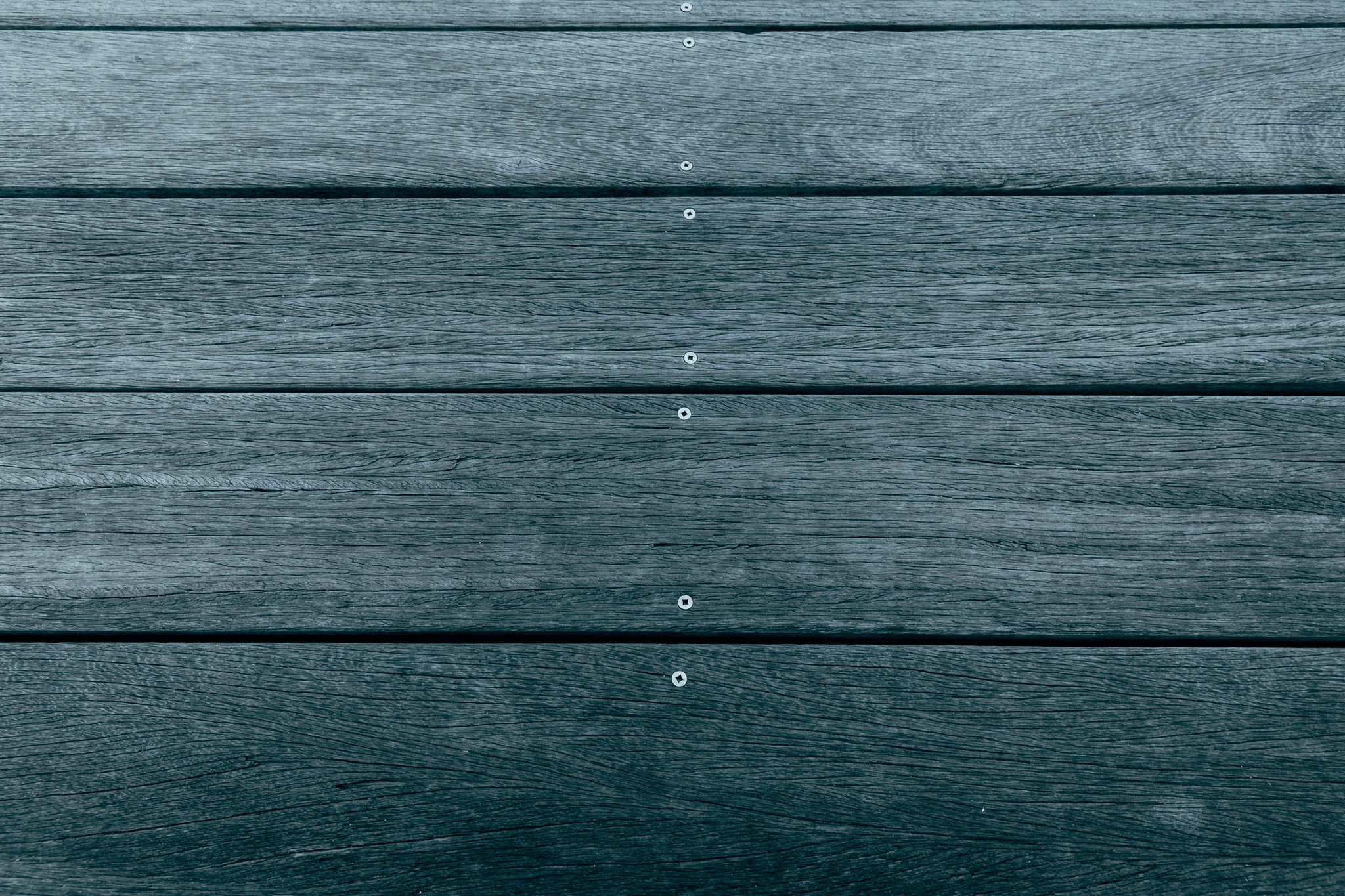
In the grand tapestry of deck building, choosing the right deck timber type is akin to selecting the perfect brush for your masterpiece. Each material offers its own unique charm and functionality, from natural wood to synthetic alternatives. Understanding these options will empower homeowners to create a space that not only looks stunning but also meets their practical needs.
Choosing the Right Deck Timber Type
Natural wood exudes warmth and beauty, but it requires diligent maintenance to stand the test of time. On the other hand, composite decking and synthetic lumber for decks provide low-maintenance alternatives that still deliver on aesthetics without compromising durability.
Selecting between these options can feel overwhelming; however, focusing on factors like climate, usage frequency, and maintenance willingness can simplify your choice. For instance, if you live in an area prone to moisture or insects, opting for composite lumber decking may be wise due to its resistance to rot and pests. Ultimately, understanding your needs will guide you toward a decision that harmonizes style with practicality.
Embracing the Future of Composite Decking
The rise of composite decking marks a significant shift in how we approach outdoor spaces—blending innovation with sustainability. With advancements in technology, today's deck composite decking mimics the beauty of natural wood while offering enhanced durability and reduced environmental impact. As more homeowners embrace eco-friendly materials, composite options are quickly becoming favorites among those who appreciate both style and sustainability.
Moreover, manufacturers are continually improving their products by incorporating recycled materials into their composite formulations. This not only reduces waste but also ensures that your deck remains stunning year after year without succumbing to fading or warping like traditional wood might. Embracing this future means enjoying outdoor living spaces that are as resilient as they are beautiful.
Making Informed Decisions for Deck Building
Informed decisions are crucial when embarking on any deck building project; understanding all available deck timber types is essential for creating a functional outdoor oasis tailored just for you! Take time to research each option—be it natural wood or synthetic lumber for decks—to grasp their benefits and limitations fully. By weighing factors like cost-effectiveness over time against aesthetic desires or maintenance commitments, you'll position yourself well for satisfaction with your final choice.
Engaging with professionals or seeking advice from experienced builders can further illuminate the path forward in this exciting endeavor! Ultimately, whether you lean towards classic woods or cutting-edge composites, making informed decisions will ensure your deck becomes a cherished part of your home for years to come.