
Introduction
Choosing the right composite decking thickness not only affects the aesthetic appeal of your deck but also plays a crucial role in its overall performance and longevity. As homeowners increasingly seek durable decking solutions, understanding how thickness impacts durability becomes essential for making informed decisions.
Importance of Composite Decking Thickness
Composite decking thickness is a key factor that influences both functionality and style. Thicker deck boards typically offer enhanced stability and support, making them more suitable for high-traffic areas or heavier loads. This importance is magnified when considering that a low maintenance deck should withstand wear and tear over time while still looking great.
Why Thickness Affects Durability
The durability of composite wood is significantly impacted by its thickness; thicker materials tend to resist warping, cracking, and fading better than their thinner counterparts. This means that choosing thicker composite decking can lead to fewer repairs and replacements in the long run, saving you both time and money. Moreover, thicker deck boards provide better protection against weather elements like rain and sun exposure, ensuring your outdoor oasis remains intact for years to come.
Choosing the Right Composite Decking
Selecting the ideal composite wood deck material involves considering various factors such as climate conditions, intended use, and personal preferences for aesthetics. Homeowners should evaluate their specific needs to determine which thickness will best serve their project requirements while also providing a stylish finish. Ultimately, investing in quality composite decking with appropriate thickness ensures a beautiful and functional space that enhances outdoor living experiences.
Understanding Composite Decking Thickness
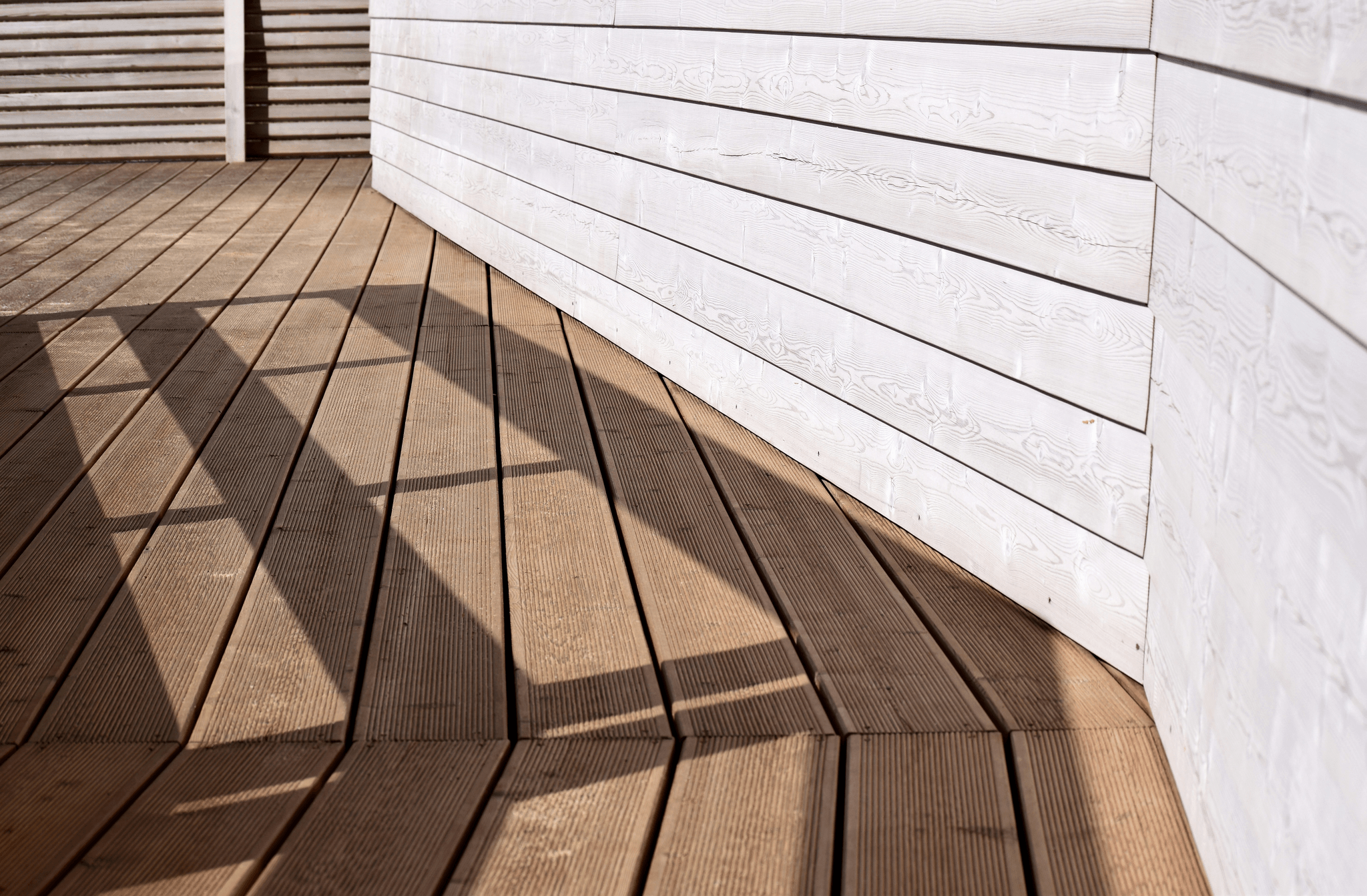
Composite decking combines wood fibers and recycled plastic to create a low maintenance deck that stands up to the elements. Understanding the nuances of composite decking thickness will help you make informed decisions for your outdoor space.
Definition of Composite Decking
Composite decking is an innovative building material designed to mimic the look of traditional wood while offering enhanced durability and reduced maintenance. It consists primarily of a blend of plastic and wood fibers, making it resistant to rot, splintering, and insect damage—common issues with traditional lumber. This unique composition allows for a wide variety of finishes and colors, providing homeowners with options that suit their aesthetic preferences while ensuring they invest in durable decking.
Common Thickness Options Available
When selecting deck boards for your project, you’ll encounter various thickness options typically ranging from 0.75 inches to 1 inch or more. Thicker boards often provide increased stability and strength, making them ideal for high-traffic areas or climates with extreme weather conditions. It's essential to consider these common thicknesses when planning your composite wood deck material; choosing the right size can enhance both performance and aesthetics.
How Thickness Influences Performance
The thickness of composite decking directly influences its performance in several key areas, including resistance to wear and tear over time. Thicker boards tend to withstand heavy foot traffic better than their thinner counterparts, resulting in fewer scratches or dents on your low maintenance deck surface. Additionally, greater thickness can enhance thermal performance—helping keep your feet cool on hot summer days while also improving overall structural integrity against harsh weather elements like rain or snow.
The Role of Thickness in Durability

Thicker boards generally offer enhanced resistance to wear and tear, making them a popular choice for homeowners seeking a long-lasting solution. Understanding how composite decking thickness influences durability can help you make an informed decision for your outdoor space.
Impact on Resistance to Wear
The resistance to wear is one of the most significant benefits associated with thicker composite decking. Thicker deck boards are less prone to scratches and dents, which means they can withstand the daily hustle and bustle of family life without showing signs of damage. Whether it’s kids running around or furniture being moved, thicker composite wood provides a robust surface that maintains its aesthetic appeal over time.
Moreover, when you invest in durable decking that features increased thickness, you're investing in longevity. The added material not only enhances strength but also reduces the likelihood of warping or splitting as it ages. Ultimately, choosing the right composite decking thickness ensures that your deck remains beautiful and functional for years to come.
Performance Against Weather Elements
Weather resilience is another crucial factor where thickness makes a difference in composite wood decks. Thicker boards can better resist moisture infiltration, which is essential for preventing mold and mildew growth—a common concern for outdoor spaces exposed to rain or humidity. By selecting a more robust deck composite decking option, you’re ensuring that your outdoor area stands up against harsh weather conditions.
Additionally, thicker materials provide superior performance against UV rays and temperature fluctuations compared to their thinner counterparts. This means less fading and warping over time, allowing your low maintenance deck to look pristine even after years of exposure to the elements. Investing in adequate thickness not only enhances performance but also gives you peace of mind knowing your deck will endure whatever Mother Nature throws its way.
Long-Term Benefits of Thicker Deck Boards
Opting for thicker deck boards brings several long-term benefits that extend beyond mere aesthetics. One such advantage is reduced maintenance costs; thicker composite wood decks require fewer repairs over time due to their inherent durability and resistance to damage from everyday use or environmental stressors. This means more time enjoying your outdoor space rather than worrying about upkeep.
Furthermore, investing in higher-quality materials often translates into better warranties from manufacturers—an assurance that speaks volumes about the product's reliability and longevity. When you choose an appropriate composite decking thickness tailored for your specific project needs, you're essentially future-proofing your investment while enjoying all the advantages that come with durable decking solutions.
In conclusion, understanding how thickness impacts durability allows homeowners to make educated choices when selecting their ideal composite wood deck material—ensuring both beauty and functionality are preserved across seasons.
Comparing Composite Wood to Traditional Decking
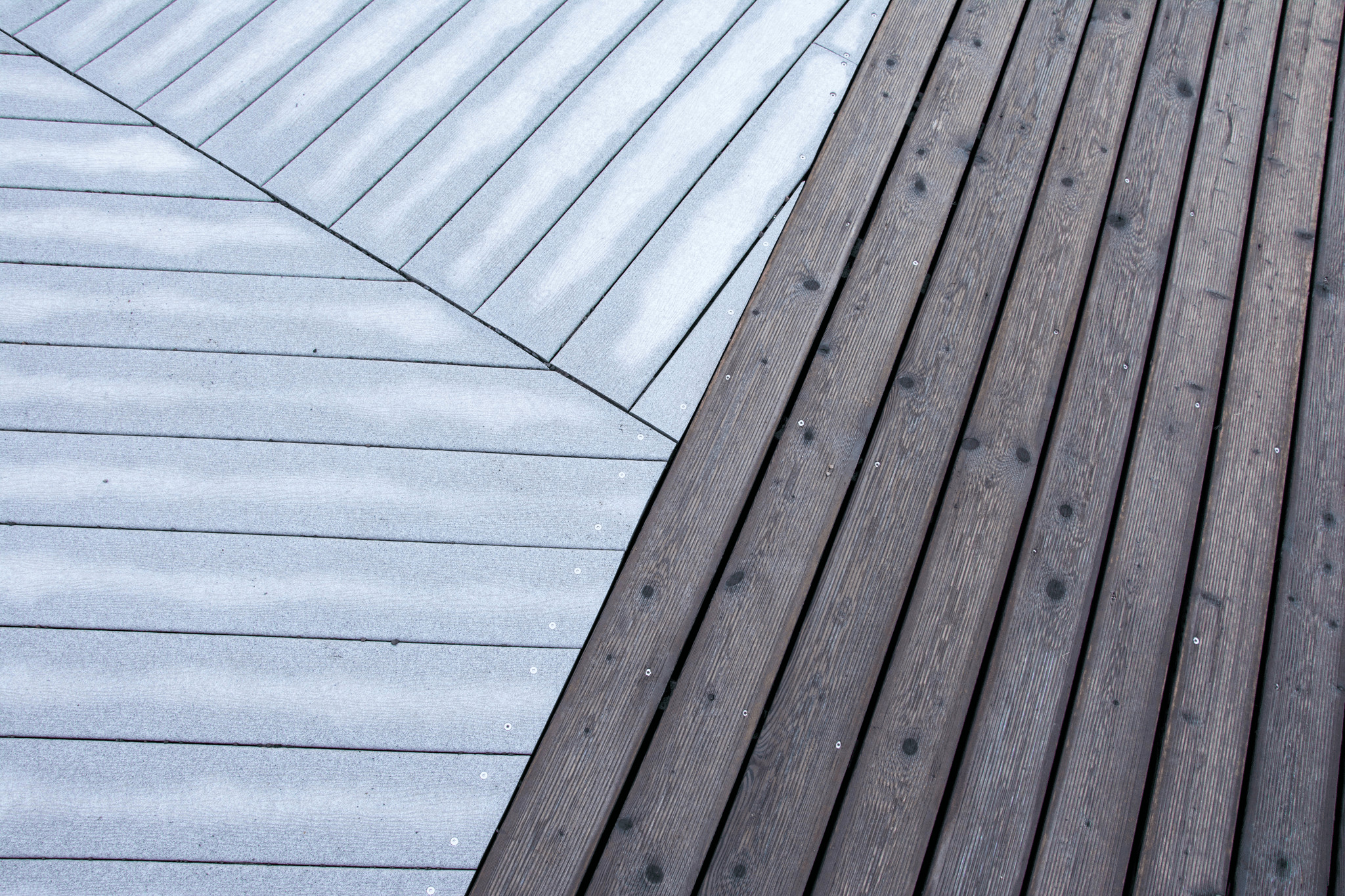
While both options have their merits, composite wood stands out as a superior choice for many reasons. From durability to maintenance, understanding the differences can help you make an informed decision that enhances your outdoor living experience.
The Superiority of Composite Wood
Composite wood, particularly when considering composite decking thickness, offers a level of durability that traditional wood simply cannot match. Unlike natural wood which can warp and splinter over time, composite decking is engineered to withstand the elements without losing its integrity. This makes it an ideal choice for homeowners seeking a low maintenance deck that remains beautiful year after year.
Moreover, composite wood deck material is designed with advanced technology that provides resistance against fading and staining. This means no more worrying about water damage or pesky mold ruining your deck boards after a rainy season. In terms of longevity and resilience, investing in thicker composite decking ensures you have a robust structure that endures wear and tear far better than its wooden counterparts.
Maintenance Differences Between Materials
One of the most significant advantages of choosing composite decking over traditional wood is the difference in maintenance requirements. With a low maintenance deck made from composite materials, you can say goodbye to regular staining and sealing—a chore that's all too familiar with traditional decks made from lumber. Instead, occasional cleaning with soap and water will keep your deck looking fresh.
Additionally, because of its resistance to moisture and pests like termites or rot-causing fungi, maintaining a composite wood deck material becomes hassle-free compared to traditional options that are constantly at risk for decay or infestation. Homeowners can spend more time enjoying their outdoor spaces rather than performing upkeep on their deck boards—truly a win-win situation!
Cost Efficiency Over Time
While the initial investment in high-quality composite decking may be higher than purchasing traditional lumber, it’s essential to consider long-term cost efficiency when making your choice. The longevity associated with thicker composite decking means fewer replacements over time; this translates into substantial savings on materials and labor down the line.
Furthermore, lower maintenance costs add up significantly when you factor in expenses related to staining or repairing wooden decks every few years—expenses that can quickly erode your budget if not managed properly! Ultimately, investing in durable decking not only enhances your property but also proves wise financially as it minimizes ongoing costs associated with upkeep.
Choosing the Right Thickness for Your Project
Understanding your specific needs, the environment where your deck will be installed, and how you plan to use it are all essential considerations. The right thickness can significantly enhance the durability and longevity of your deck boards, ultimately providing you with a low maintenance deck that stands the test of time.
Factors to Consider When Selecting Thickness
First and foremost, consider the climate in your area. If you live in a region with heavy rainfall or extreme temperatures, opting for thicker composite wood can provide added resistance against wear and weather elements. Additionally, think about how much foot traffic your deck will endure; high-traffic areas benefit from thicker deck composite decking options that can handle constant use without showing signs of wear.
Another important factor is the design of your deck. If you're planning on building a multi-level structure or incorporating features like built-in seating or railings, thicker boards can provide better structural support. Moreover, aesthetic preferences should not be overlooked; some homeowners prefer thicker boards for their visual appeal and presence.
Lastly, keep in mind any local building codes or regulations that may dictate minimum thickness requirements for safety reasons. Ensuring compliance with these standards is crucial for both durability and legality when constructing your composite wood deck material.
Recommendations from Composite Decking Inc
Composite Decking Inc recommends various thickness options tailored to different applications and environments. For residential decks exposed to moderate weather conditions and light foot traffic, a standard thickness of 1 inch is often sufficient. However, if you're looking for something more robust for high-traffic areas or harsher climates, opting for 1¼ inch thick boards could offer enhanced durability and performance.
Additionally, Composite Decking Inc suggests considering their premium options if you're aiming for a long-lasting investment in durable decking solutions. These thicker boards not only provide superior resistance but also come with warranties that guarantee performance over time—something worth considering when investing in composite decking thickness.
For those looking at unique projects such as rooftop decks or commercial spaces where aesthetics matter just as much as functionality, exploring custom thicknesses might be beneficial too. Consulting with professionals at Composite Decking Inc can help you determine which option aligns best with both your practical needs and design vision.
Specific Projects and Ideal Thickness
When planning specific projects like poolside decks or outdoor entertainment areas, understanding ideal thickness becomes crucial. For poolside installations where moisture is prevalent, using 1¼ inch thick composite wood ensures better resistance against warping while maintaining slip-resistant surfaces—perfect for safety around water features!
For patios designed to host gatherings regularly—think barbecues or family reunions—a thicker board (up to 1½ inches) could be ideal due to its ability to withstand heavy furniture without sagging over time while still offering that low maintenance deck experience everyone desires.
Ultimately, whether you're building an intimate backyard retreat or an expansive commercial space filled with foot traffic galore—the choice of composite decking thickness should align seamlessly with usage patterns while keeping durability front-of-mind!
Real World Performance of Composite Decking

When it comes to composite decking, real-world performance is often the best indicator of its durability and effectiveness. Homeowners and builders alike have turned to case studies, testimonials, and expert opinions to understand how composite decking thickness plays a pivotal role in the longevity and resilience of deck boards. By examining these aspects, potential buyers can make informed decisions about their choice of composite wood deck material.
Case Studies on Thickness and Durability
Several case studies highlight the importance of composite decking thickness in enhancing durability. For instance, a residential project in Florida used 1-inch thick composite deck boards that demonstrated remarkable resistance to warping and fading under intense sunlight compared to thinner options. Another study conducted in the Pacific Northwest showed that thicker boards performed better against moisture-related issues like mold growth, proving that investing in durable decking pays off over time.
These findings reinforce the notion that not all composite wood is created equal; thickness significantly influences how well these materials withstand harsh conditions. Homeowners who chose thicker boards reported fewer repairs and replacements, ultimately leading to lower long-term costs associated with maintenance. In essence, thicker composite decking not only enhances aesthetic appeal but also ensures a more resilient structure for outdoor spaces.
Testimonials from Homeowners
Homeowners frequently share their experiences with different types of deck composite decking, particularly regarding thickness and performance. One homeowner noted that switching from traditional wood to 1-inch thick composite wood transformed their outdoor living area into a low-maintenance deck paradise—no more staining or sealing required! They emphasized how much they appreciated the peace of mind knowing their durable decking could handle everything from family gatherings to unexpected weather changes.
Another satisfied customer highlighted how their choice of thicker boards provided an added layer of safety for children playing outside, as they were less prone to splintering or damage over time. Many homeowners have expressed satisfaction with their investment in quality materials by noting reduced maintenance efforts and increased enjoyment of their outdoor spaces without constant worry about wear and tear on thinner alternatives. These testimonials illustrate how selecting the right composite decking thickness can lead to lasting satisfaction for families.
Expert Opinions on Long-Lasting Decks
Experts consistently advocate for choosing appropriate composite decking thickness as a key factor influencing long-term performance. Renowned builders often recommend at least 1-inch thick deck boards for residential projects due to superior strength against environmental stressors such as UV rays and moisture exposure. These professionals argue that while initial costs may be higher for thicker options, the longevity they offer makes them a cost-effective choice over time.
Moreover, industry experts emphasize that investing in durable decking translates into fewer repairs or replacements needed down the line—an essential consideration for any homeowner looking at budget-friendly solutions without sacrificing quality or aesthetics. Their insights reflect a growing consensus: when it comes to constructing lasting outdoor spaces with composite wood materials, thicker is indeed better!
Conclusion
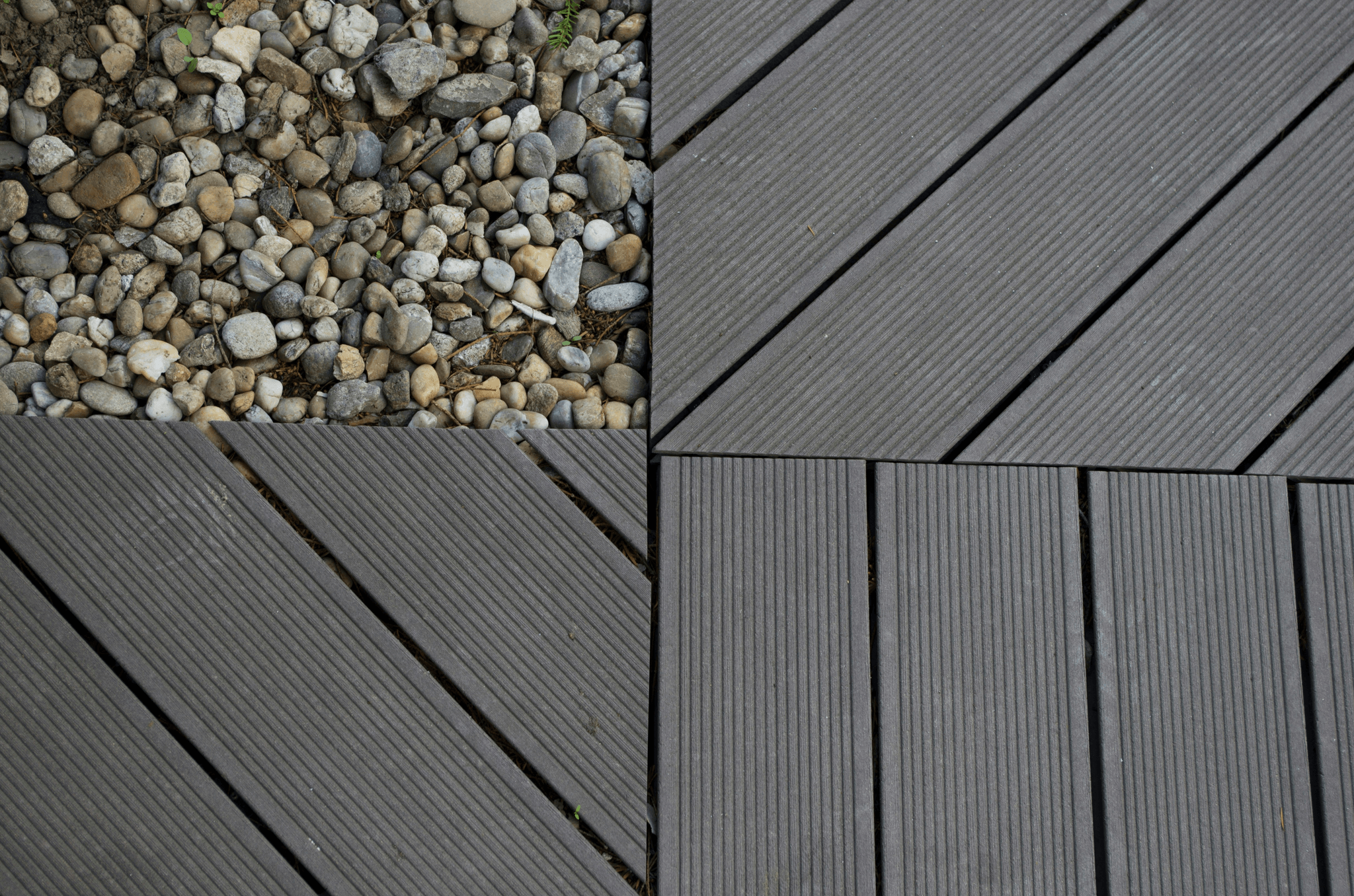
In summary, composite decking thickness plays a pivotal role in determining the durability and longevity of your outdoor space. By understanding the nuances of composite wood deck material, homeowners can make informed decisions that enhance both aesthetic appeal and structural integrity. Whether you're opting for a low maintenance deck or seeking durable decking solutions, the right thickness can make all the difference.
Key Takeaways on Composite Decking
Composite decking offers a variety of thickness options that significantly influence performance and durability. Choosing thicker deck boards typically results in better resistance to wear and tear, ensuring your investment stands up to the elements over time. Ultimately, understanding composite decking thickness is essential for achieving a beautiful and functional outdoor area.
Importance of Investing in Durability
Investing in durable decking materials like composite wood not only saves you money on maintenance but also enhances the overall value of your property. Thicker boards generally provide superior protection against weather-related damage, making them an ideal choice for homeowners looking to create lasting outdoor spaces. When you prioritize durability through appropriate composite decking thickness, you ensure a long-lasting solution that withstands both time and nature's whims.
Final Thoughts on Composite Wood Choices
Selecting the right composite wood choices involves more than just aesthetics; it’s about making smart decisions that pay off in the long run. The benefits of thicker deck boards extend beyond mere appearance—they contribute to safety, comfort, and minimal upkeep requirements for your low maintenance deck dreams. So as you embark on your journey towards building or renovating your outdoor space, keep in mind how crucial it is to choose wisely when it comes to composite decking thickness.