
Introduction
When it comes to maintaining the beauty and longevity of your outdoor spaces, pressure washing decking is a game changer. Regular deck power washing not only enhances the aesthetic appeal but also prevents damage caused by dirt, mold, and mildew. A clean deck is an inviting space for family gatherings, barbecues, or simply enjoying a sunny afternoon.
Importance of Pressure Washing Decks
Pressure cleaning deck surfaces is crucial for preserving their integrity over time. Accumulated grime can lead to slippery conditions and even structural issues if left unchecked. By investing in a thorough pressure wash deck service, you ensure your outdoor oasis remains safe and visually appealing.
Benefits of a Clean Deck
A sparkling clean deck significantly improves your outdoor experience while boosting your home’s curb appeal. Not only does it make your space more enjoyable for entertaining guests, but it also increases property value by showcasing well-maintained features. Additionally, regular maintenance through techniques like fence power washing can prevent costly repairs down the line.
Choosing the Right Equipment
Selecting the appropriate tools for pressure washing decking is essential for achieving optimal results without damaging the surface material. A quality deck wash pressure washer should have adjustable settings to accommodate different materials like wood or composite without causing harm. By understanding what equipment works best for your specific needs, you set yourself up for success in transforming your outdoor space.
Understanding Deck Materials

Different types of decks require tailored approaches to ensure effective cleaning without causing damage. A thorough understanding of wood versus composite materials will help you choose the right techniques and equipment for deck power washing.
Differences Between Wood and Composite
Wood decks are often prized for their natural beauty and warmth but can be more susceptible to wear and tear over time. They may develop mold, mildew, or splintering if not properly maintained, making regular pressure cleaning deck essential. On the other hand, composite decks, made from a blend of wood fibers and plastic, offer durability and resistance to fading but still require careful maintenance when subjected to a deck wash pressure washer.
The inherent differences in these materials mean that while wood may need more frequent inspections for damage or decay, composite materials often require less upkeep. However, both types can benefit significantly from proper cleaning methods tailored to their unique properties. Understanding these distinctions will set you on the right path toward maintaining your outdoor space.
Recommended Techniques for Each Material
For wood decks, it's advisable to use a lower pressure setting when power washing—around 1,200 to 1,500 PSI is typically safe. This helps prevent gouging or splintering while still effectively removing dirt and grime during deck power washing sessions. Additionally, using a fan tip nozzle allows for even coverage without concentrating too much force on any single spot.
In contrast, composite decking can usually handle higher pressures—upwards of 2,000 PSI—without risk of damage due to its sturdier composition. However, it's still wise to start with a lower setting before increasing the pressure as needed during your pressure wash deck efforts. Regardless of material type, always work in sections and maintain consistent movement with your wand to achieve an even clean throughout your surface.
How Material Type Affects Pressure Washing
Material type plays a significant role in how effective your pressure washing becomes; it influences not only settings but also techniques used during cleaning sessions. For instance, wood may absorb water differently than composite products; thus the drying times can vary greatly after using a deck wash pressure washer on each surface type. This means that post-washing maintenance strategies might also differ based on whether you're dealing with natural wood or engineered composites.
Furthermore, using different detergents or soaps specifically formulated for each material can enhance cleaning results significantly during fence power washing as well as general deck care routines. This attention ensures that you're not just blasting away dirt but also treating surfaces gently while preserving their integrity over time. Ultimately, understanding how material affects pressure washing will empower you with knowledge that leads directly into successful maintenance practices.
Preparing for Pressure Washing

Before you dive into the world of pressure washing decking, a little preparation goes a long way. Getting your deck ready for that powerful clean involves several important steps to ensure the best results. Let's break it down so you can tackle your deck power washing project with confidence.
Cleaning Your Deck: The First Step
Before you grab that pressure wash deck tool, it's crucial to clear the area of any furniture, planters, or decorative items. This not only protects your belongings but also gives you unobstructed access to every nook and cranny that needs attention during the pressure cleaning deck process. A quick sweep or blow-off of loose debris like leaves and dirt will set the stage for effective cleaning.
Once you've cleared the surface, consider giving your deck a light scrub with a broom or brush to loosen any stubborn grime or mold spots. This pre-cleaning step helps ensure that when you do fire up that deck wash pressure washer, you'll be blasting away all that built-up muck with ease. Plus, it saves time and maximizes your cleaning efficiency!
Gathering Necessary Equipment
Now that your deck is prepped and ready, it's time to gather all necessary equipment for an effective power washing session. At minimum, you'll need a reliable pressure washer capable of delivering sufficient PSI (pounds per square inch) for your specific decking material—wood typically requires more power than composite materials. Don't forget essential accessories like nozzles suitable for different cleaning tasks and safety gear such as goggles and gloves.
In addition to the pressure washer itself, consider investing in some quality detergents designed specifically for outdoor surfaces if you're dealing with tough stains or mold growth. These specialized solutions can enhance the effectiveness of your deck power washing efforts by breaking down dirt more efficiently than water alone ever could! Lastly, keep a sturdy ladder on hand if there are hard-to-reach areas needing attention—safety first!
Assessing Damage Before Pressure Cleaning
Before unleashing high-powered jets on your beloved outdoor space, take a moment to inspect its condition thoroughly. Look out for signs of damage like splintered wood or loose boards; these issues could worsen under high-pressure water streams during cleaning sessions if left unchecked! Identifying problem areas enables you to either repair them beforehand or adjust your technique accordingly while pressure washing decking.
Pay attention also to any existing stains or discolorations as they may require different approaches during the actual cleaning process—some might need extra scrubbing while others could benefit from chemical treatments before hitting them with water pressure! By assessing damage upfront and planning accordingly, you'll save yourself headaches later on when trying to achieve that pristine look post-wash.
Pressure Washing Techniques

A well-executed deck power washing not only enhances the appearance of your outdoor space but also prolongs its lifespan. In this section, we’ll dive into best practices, safety adjustments, and effective cleaning patterns to ensure your pressure cleaning deck experience is top-notch.
Best Practices for Deck Power Washing
Before you even think about firing up that deck wash pressure washer, it’s essential to prepare your area and gather the necessary tools. Start by removing furniture, plants, and any other items that might obstruct your cleaning path; this will help you achieve a thorough clean without any interruptions. Also, consider using a pre-treatment solution on stubborn stains or mildew—this goes a long way in ensuring your pressure washing decking is effective.
When you're ready to start power washing, always begin at one end of the deck and work your way towards the other end; this prevents you from stepping back onto freshly cleaned areas. Keep the nozzle at least 12 inches away from the surface to avoid damage while still effectively removing dirt and grime. Lastly, maintain a steady motion as you clean—this helps achieve an even finish and prevents streaks that can occur with uneven spraying.
Adjusting Pressure Settings for Safety
One of the most critical aspects of deck power washing is adjusting your pressure settings for safety. Different materials require different levels of pressure; for instance, softer woods like cedar may require lower settings compared to harder materials like composite decking. When using a pressure wash deck machine, it’s advisable to start with a lower setting and gradually increase if necessary—better safe than sorry!
Another safety measure involves keeping an eye on water temperature; hot water can be more effective but should be used cautiously to avoid damaging sensitive surfaces or finishes on your decking material. Always consult your machine's manual for specific guidelines related to adjustable settings based on what kind of surface you're dealing with during fence power washing too! Remember: safety first means fewer headaches later on.
Effective Patterns for Even Cleaning
To achieve a beautifully cleaned surface after pressure cleaning deck surfaces, employing effective patterns is key! Start by using overlapping strokes as you move across the boards; this ensures no spots are missed while also preventing streaks caused by inconsistent coverage during your power washing sessions. Additionally, consider working in sections—cleaning one area at a time allows you to focus better and maintain control over how much water is being applied.
For those tricky corners or tight spaces where dirt loves to hide out, angle your nozzle appropriately so that every nook gets some love during the process! Moreover, remember not just vertical movements; mixing in horizontal strokes can help lift stubborn debris that may cling tenaciously despite all efforts otherwise! By following these patterns consistently throughout each session of deck wash pressure washer use will lead you toward satisfaction with results achieved after each job completed.
Common Mistakes to Avoid
Understanding these common mistakes can save you time, money, and the integrity of your deck. Let’s dive into what to avoid during your deck power washing journey.
Over-Pressure Washing Your Deck
One of the most prevalent errors in pressure cleaning decks is cranking up the pressure too high. While it might seem tempting to blast away dirt and grime with maximum force, doing so can damage wood fibers or even strip paint from composite materials. Instead, start with a lower setting and gradually increase the pressure until you find that sweet spot for effective cleaning without causing harm.
Using an appropriate nozzle is also crucial when engaging in deck wash pressure washer activities. A narrow spray can create concentrated force that may gouge softer woods or composites, while a wider spray disperses energy more evenly across the surface. Remember: less is often more when it comes to achieving a clean deck without unnecessary wear and tear.
Ignoring Weather Conditions
Another common mistake is neglecting to check weather conditions before diving into your deck power washing task. Ideally, you want to choose a day that's dry and mild; excessive heat can cause cleaning solutions to dry too quickly, leaving streaks behind while rain may wash away your hard work before it even has time to set in! Always keep an eye on the forecast—your freshly cleaned deck deserves optimal conditions for drying.
Moreover, working in humid or windy conditions can complicate your efforts as well. Humidity may prevent proper drying of surfaces while wind could carry debris back onto your freshly washed area just when you thought you were done! So take note of those weather patterns; they play an essential role in ensuring successful pressure washing decking results.
Neglecting Safety Precautions
Safety should always be at the forefront of any DIY project—especially when using powerful equipment like a pressure wash deck unit! Failing to wear appropriate protective gear such as goggles and gloves increases the risk of injury from flying debris or chemical splashes during cleaning sessions. Remember that safety isn’t just about protecting yourself; it’s also about safeguarding those around you!
Additionally, ensure you're familiar with how your equipment operates before starting any fence power washing or decking tasks. Read through manuals and guidelines carefully so that you're not caught off guard by unexpected features or settings on your machine—trust me; no one wants an impromptu shower from their own power washer!
Lastly, don’t forget about securing loose items around your work area; toys, furniture, or decorative elements could become dangerous projectiles if hit by high-pressure water streams unexpectedly. By keeping safety precautions top-of-mind during all aspects of pressure cleaning decks, you'll create not only a cleaner but safer environment for everyone involved.
Post-Washing Maintenance
After you’ve completed the pressure washing of your deck, it's crucial to follow up with proper maintenance to ensure its longevity and beauty. A clean deck is just the beginning; without the right care, that pristine look can fade faster than you’d like. By adopting best practices and using quality products, you can keep your deck looking fresh and inviting for years to come.
Best Practices for Preserving Your Deck
Once you've finished pressure cleaning your deck, it’s time to implement some best practices for preservation. Start by allowing your deck ample time to dry completely; this typically takes 24-48 hours depending on weather conditions. After drying, consider applying a protective coating or sealant that will guard against moisture, UV rays, and mildew—essentially giving your decking a shield against nature’s elements.
Regular inspections are also vital in maintaining your deck's integrity. Look for signs of wear or damage such as splintering wood or loose boards that might need repair before they become bigger issues. Lastly, keep an eye on debris accumulation; regularly sweeping away leaves and dirt can prevent mold growth and help maintain that freshly washed appearance from your recent deck power washing session.
Recommended Sealers and Finishes
Choosing the right sealers and finishes is key after a thorough pressure wash deck treatment. Oil-based sealers are great for wood decks as they penetrate deeply into the fibers while providing excellent water resistance—ideal if you're living in a wet climate! For composite materials, opt for water-based finishes that offer UV protection without compromising the material's integrity.
Don't forget about stain options! A semi-transparent stain not only enhances the natural beauty of wood but also provides additional protection against fading from sunlight exposure—a common issue after pressure washing decking. Always remember to check if the product is compatible with your specific decking material before application to avoid any mishaps.
Scheduling Regular Maintenance
To keep your newly cleaned deck in top shape, scheduling regular maintenance is essential—think of it as a spa day for your outdoor space! Ideally, you should aim to perform light cleaning every few months using gentle methods rather than heavy-duty pressure washing unless necessary. This helps in maintaining cleanliness without stripping away any protective coatings you've applied post-wash.
Additionally, plan on performing a more thorough inspection at least once a year where you assess both aesthetic appeal and structural integrity—this includes checking railings and stairs too! If you're unsure about how often to schedule these maintenance checks or what specific treatments are necessary based on wear patterns observed during inspections, consulting professionals who specialize in fence power washing can provide valuable insights tailored specifically for your needs.
Conclusion
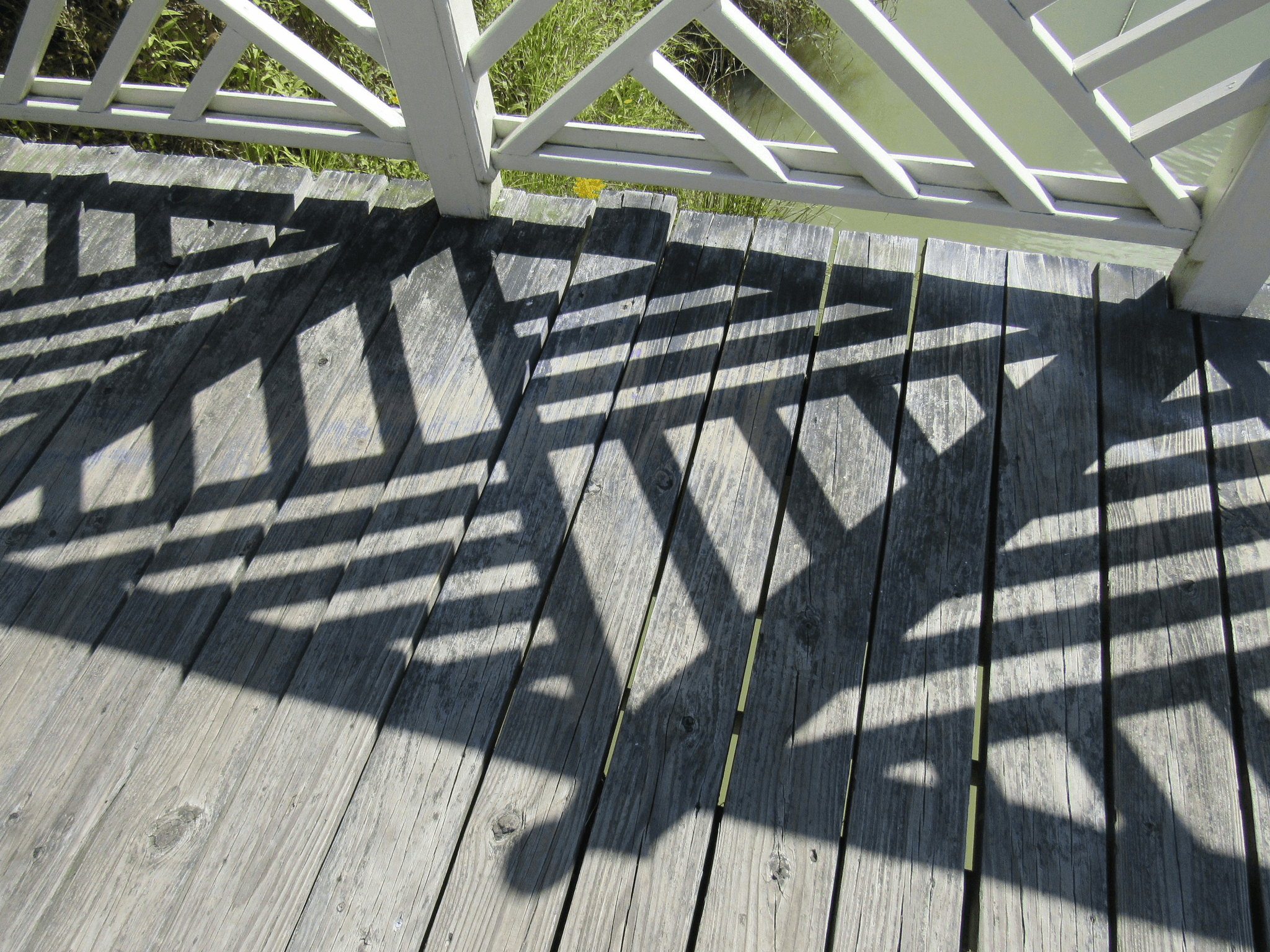
In conclusion, maintaining a clean and well-cared-for deck can significantly enhance your outdoor space's longevity and appearance. Regular pressure washing not only removes dirt, grime, and mildew but also prepares the surface for refinishing or sealing, ensuring your deck remains a welcoming retreat for years to come. Embracing the benefits of pressure cleaning deck surfaces will ultimately save you time and money in the long run.
Benefits of Regular Pressure Washing
Regular pressure washing decking is essential for preserving its structural integrity and aesthetic appeal. By removing harmful contaminants like mold and algae, you prevent deterioration that could lead to costly repairs down the line. Plus, nothing beats the satisfaction of stepping onto a freshly cleaned deck; it’s like giving your outdoor space a rejuvenating facelift!
How to Choose Professionals for Decks
When selecting professionals for deck power washing, look for experienced contractors with positive reviews and appropriate certifications. Ask about their techniques to ensure they use safe methods tailored to your specific decking material—after all, not every surface responds well to high-pressure cleaning! Additionally, inquire about their equipment; using a quality deck wash pressure washer can make all the difference in achieving optimal results.
Trustworthy Products for Deck Care
Look for sealers and finishes that are specifically designed for your type of decking—wood or composite—to ensure durability against weather elements. Remember, proper maintenance after pressure wash deck treatment will extend its life and keep it looking pristine.