
Introduction
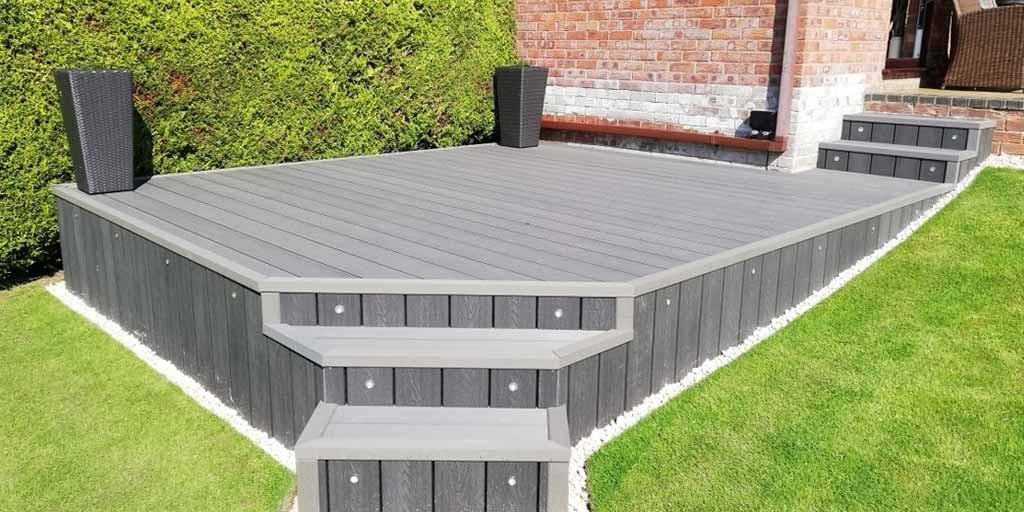
In the world of outdoor living spaces, understanding how materials react to temperature changes is crucial for homeowners looking to invest in durable solutions. One material that has gained significant popularity is composite decking, which combines wood fibers and plastic to create a resilient and attractive option. But does composite decking expand and contract? Let’s dive into the science behind this innovative material.
Understanding Temperature Changes
Temperature fluctuations can cause various materials to expand or contract, leading to potential issues if not properly addressed. Composite boards, which are made from a blend of wood and synthetic materials, are no exception; they can experience movement due to environmental factors like heat and humidity. For homeowners considering a low maintenance deck, it's essential to grasp these dynamics for optimal performance.
The Science of Materials
Every material has its unique properties that dictate how it responds to changes in temperature and moisture levels. Composite wood, unlike traditional wood decking, boasts enhanced stability thanks to its engineered composition; this minimizes the risks associated with expansion and contraction over time. Understanding these scientific principles helps homeowners make informed decisions when selecting good composite decking options.
Composite Decking Characteristics
Composite wood decking boards offer numerous advantages over conventional timber, including resistance to rot, fading, and insects while requiring minimal upkeep. These characteristics make composite boards an appealing choice for those seeking long-lasting beauty without the hassle of frequent maintenance. However, knowing how these materials behave under varying conditions is key in ensuring your deck remains both functional and visually appealing throughout the seasons.
What is Composite Decking?
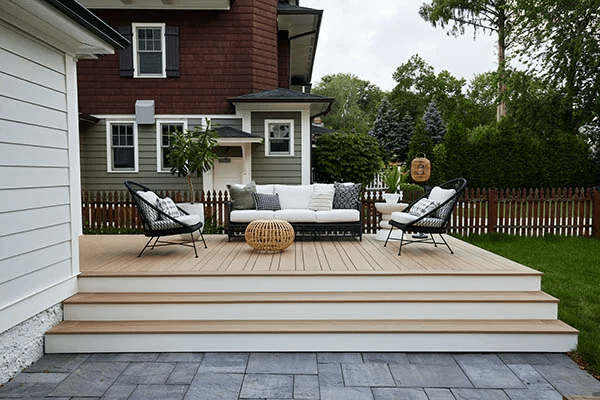
Composite decking has become a popular choice for homeowners looking to enhance their outdoor spaces. It combines the best features of traditional wood with advanced materials, creating a product that is both durable and aesthetically pleasing. Understanding composite decking is essential to appreciate its benefits and how it compares to conventional wood options.
Definition and Composition
Composite decking refers to a type of decking material made from a blend of wood fibers and plastic, resulting in composite boards that offer superior performance. This unique composition allows for the creation of deck composite decking that mimics the look of natural wood while providing enhanced resistance to weathering and decay. The combination of materials not only contributes to its structural integrity but also plays a significant role in addressing common concerns related to expansion and contraction.
Benefits of Composite Wood
One major advantage of composite wood is its low maintenance requirements compared to traditional wood decks. Homeowners can enjoy beautiful outdoor spaces without the need for regular staining or sealing, making it an ideal choice for those seeking a low maintenance deck solution. Additionally, good composite decking products resist fading, scratching, and mold growth, ensuring your deck remains vibrant throughout the seasons.
Differences from Traditional Wood
When comparing composite wood decking boards with traditional lumber, several key differences emerge. Unlike conventional wood that can warp or splinter over time, composite boards are engineered to withstand various environmental conditions without significant damage or degradation. Furthermore, many homeowners wonder: does composite decking expand and contract? While all materials experience some degree of movement due to temperature changes, good composite decking minimizes these effects compared to natural wood.
The Expansion and Contraction Mechanism

Understanding how composite decking behaves under varying conditions is vital for homeowners looking to install or maintain a low maintenance deck. One of the most frequently asked questions is, does composite decking expand and contract? The answer lies in the materials used and the environmental factors that influence these changes.
Factors Influencing Movement
Several factors contribute to the expansion and contraction of composite boards, primarily temperature fluctuations and moisture levels. Composite wood decking boards are engineered from a blend of plastic and wood fibers, which gives them unique properties compared to traditional wood. However, this composition also means they can respond differently to external conditions, leading to movement that homeowners should be aware of.
Climate plays a significant role in how much your deck composite decking will expand or contract. For instance, areas with extreme temperature variations will see more noticeable movement than those with mild climates. Additionally, humidity levels can affect moisture absorption in composite wood, further influencing its size over time.
Temperature and Humidity Effects
Temperature changes are one of the primary culprits behind the question: does composite decking expand and contract? When temperatures rise, the materials in composite boards tend to expand; conversely, when temperatures drop, they contract. This natural reaction occurs because both plastic and wood fibers respond to heat by increasing their molecular activity.
Humidity also plays an essential role in this dynamic dance of expansion and contraction among composite wood decking boards. In high humidity conditions, these boards may absorb moisture which causes them to swell slightly; when humidity decreases, they lose moisture and shrink back down. Understanding these effects helps homeowners anticipate potential issues during installation or throughout their deck's lifespan.
How Composite Boards Respond
Composite boards are designed with built-in flexibility to accommodate some degree of expansion and contraction without significant damage or warping. While good composite decking minimizes these movements through advanced engineering techniques like hollow cores or enhanced bonding agents, it’s still essential for homeowners to consider proper spacing during installation. Adequate gaps allow for movement without causing buckling or lifting at joints.
When installed correctly with respect for temperature changes—meaning not too tightly together—composite wood can perform beautifully over time despite its natural tendencies to expand or contract due to environmental factors. Homeowners should regularly check their low maintenance decks for signs of stress caused by movement but rest assured that quality products can withstand these challenges effectively.
In conclusion, while understanding how does composite decking expand and contract might seem daunting at first glance, it's really about knowing your materials—and taking care during installation—to ensure long-lasting beauty on your outdoor oasis!
Real-World Implications for Homeowners

Homeowners often wonder about the long-term aesthetic appeal, installation requirements, and maintenance needs of composite wood decking boards. Let's delve into these aspects to help you make an informed decision.
Aesthetic Considerations
Composite decking offers a wide variety of colors and textures that can mimic traditional wood without the drawbacks. Homeowners can achieve a stunning visual appeal with good composite decking options that blend seamlessly with their landscape design. Furthermore, since composite boards resist fading and staining better than traditional wood, you can enjoy a beautiful deck without worrying about constant upkeep.
As you contemplate your deck's aesthetics, consider how different shades and finishes will complement your home’s architecture. The versatility in design means you can create a unique outdoor space that reflects your personal style while benefiting from the durability of composite materials. Ultimately, a well-chosen deck composite decking not only enhances your home's curb appeal but also increases its value over time.
Installation Guidelines for Low Maintenance Decks
Installing composite wood decking boards is generally more straightforward than traditional lumber due to their uniformity and lightweight nature. However, there are still important guidelines to follow to ensure a successful installation that minimizes future maintenance needs. For instance, allowing adequate spacing between boards is essential to accommodate any potential expansion or contraction—yes, does composite decking expand and contract? It certainly does when subjected to temperature changes!
To create a truly low maintenance deck, it's advisable to use hidden fasteners or clips during installation; this not only provides a clean look but also reduces the risk of splintering over time. Proper installation techniques will lead to fewer headaches down the road as you enjoy your outdoor oasis without frequent repairs or refinishing tasks looming on the horizon.
Longevity and Maintenance of Composite Wood Decking Boards
One of the most compelling reasons homeowners choose composite wood is its impressive longevity compared to traditional wood options. Quality good composite decking products are designed to withstand harsh weather conditions while resisting rot, mold, and insects—making them an excellent investment for any homeowner looking for durability in their outdoor spaces. With minimal maintenance required—like occasional cleaning with soap and water—you'll find that these decks stand up beautifully year after year.
Another significant benefit is that many manufacturers offer warranties on their products ranging from 20 years up to lifetime coverage depending on usage conditions; this speaks volumes about their confidence in the material's longevity! So when pondering whether does composite decking expand and contract affects its lifespan—rest assured it’s engineered precisely for such challenges while maintaining structural integrity over time.
Choosing the Right Composite Decking
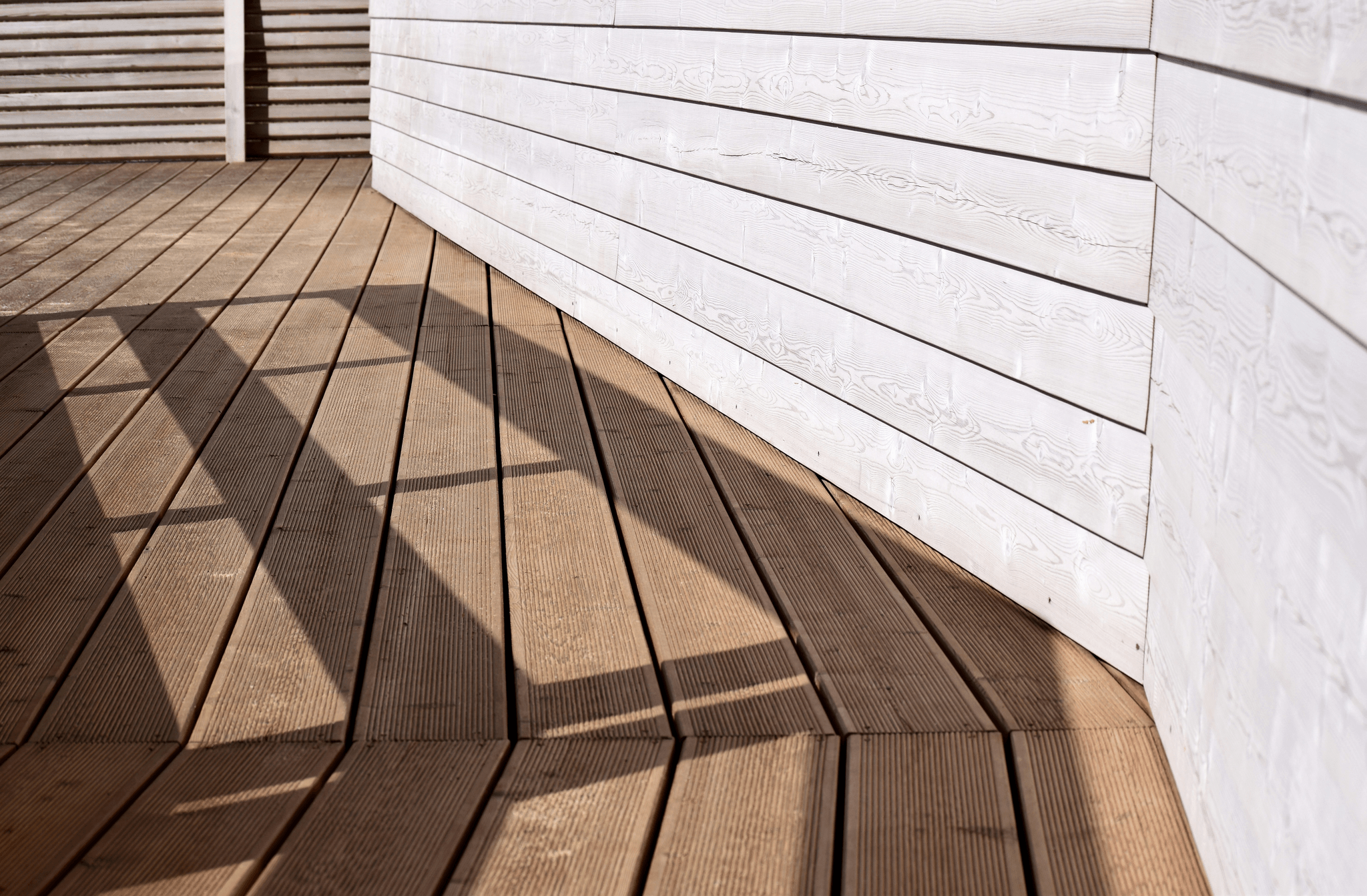
Selecting the right composite decking can feel like navigating a maze, especially with so many options available. Homeowners often wonder about durability, maintenance, and how composite boards will perform in various weather conditions. Understanding what to look for in good composite decking can make all the difference in creating a low maintenance deck that stands the test of time.
Factors for Selecting Good Composite Decking
When choosing composite wood decking boards, consider factors such as material composition and warranty length. High-quality composite decking typically consists of a blend of recycled wood fibers and plastic, which enhances durability while minimizing expansion and contraction issues. Additionally, look for products that offer UV protection to prevent fading over time; this ensures your deck maintains its aesthetic appeal throughout its lifespan.
Another critical factor is slip resistance, especially if you live in an area prone to rain or snow; good composite decking should provide a safe surface even when wet. Don't forget to check customer reviews and ratings, as they can provide insights into real-world performance regarding does composite decking expand and contract under different conditions. Lastly, consider the color options and textures available to ensure your deck complements your home’s exterior.
Reliable Brands like Composite Decking Inc
Known for their commitment to quality and innovation, they offer a range of products designed specifically to resist expansion and contraction due to temperature changes. Their comprehensive warranty also provides peace of mind that you're investing in durable materials.
Other reputable brands include Trex and TimberTech; both have established themselves as leaders by consistently delivering high-performance products with excellent customer service support. These companies often invest in research to improve their formulations further, ensuring their deck composite decking remains competitive against traditional wood alternatives while offering low maintenance solutions. Always do your homework on brand reputation before making a purchase—after all, you want your investment to last!
Cost-Effectiveness and Value
Cost-effectiveness is crucial when selecting any building material—composite wood may initially come with a higher price tag compared to traditional lumber but offers significant long-term savings through reduced maintenance costs. With good composite decking requiring little upkeep beyond occasional cleaning, homeowners can save both time and money over the years compared to maintaining natural wood decks that need staining or sealing regularly.
Additionally, consider the longevity of composite boards; many products come with warranties ranging from 25 years up to lifetime coverage depending on usage conditions! This longevity makes them an attractive option when calculating value over time since fewer replacements mean lower overall costs down the line—especially important if you're curious about does composite decking expand and contract over its lifespan.
In summary, investing wisely in quality materials like those offered by trusted brands ensures not only aesthetic appeal but also functional durability for your outdoor spaces—a win-win situation indeed!
Tips for Installation and Care
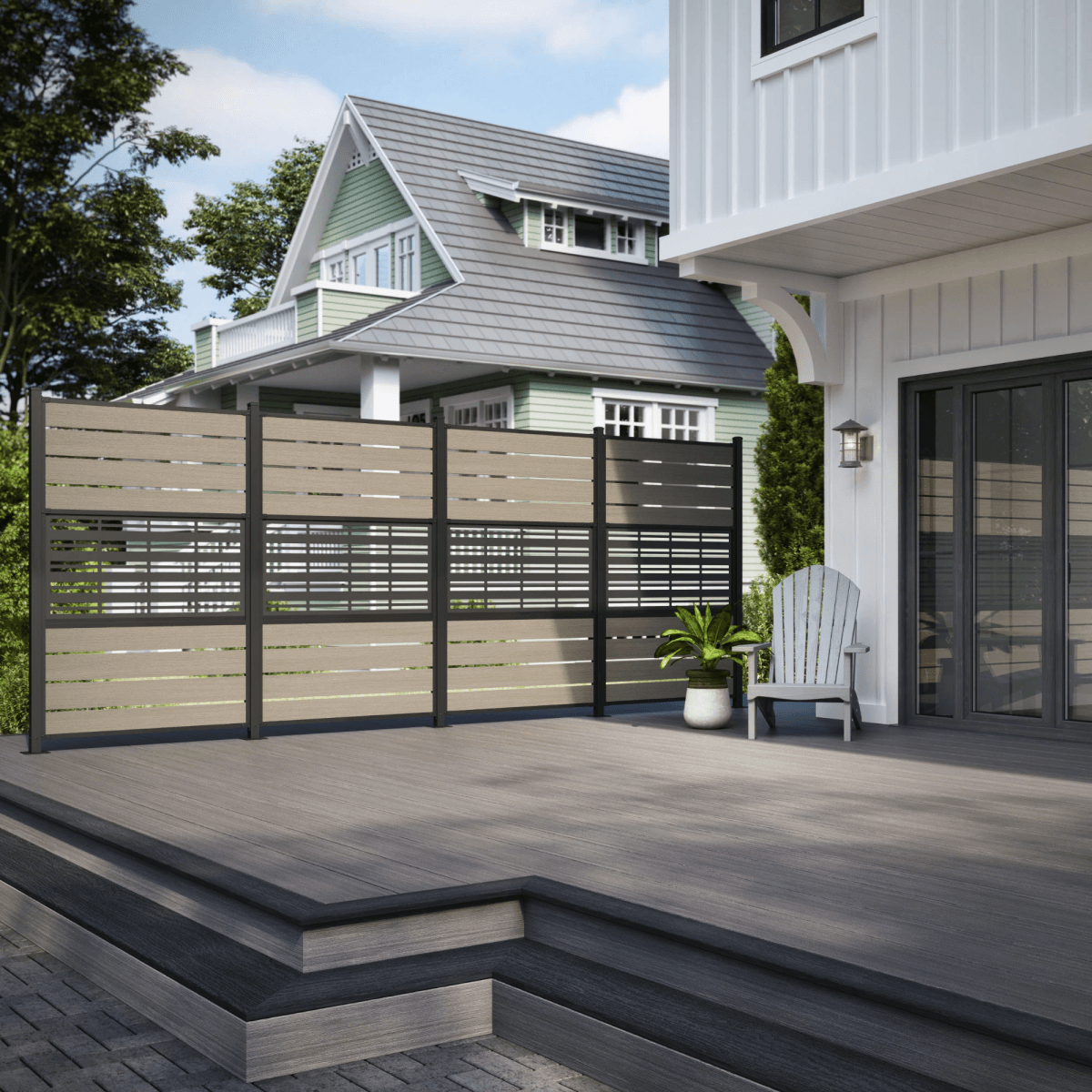
Homeowners often wonder, Does composite decking expand and contract? Understanding the nuances of this material will help you make informed decisions. By following some best practices, you can create a low maintenance deck that stands the test of time.
Best Practices for Installation
To kick off your project on the right foot, start with proper planning and preparation. Ensure that your substructure is level and adequately supported; this will help prevent any unwanted movement in your composite wood decking boards over time. Use good composite decking fasteners specifically designed for composite materials to secure your boards effectively, allowing space for expansion—yes, even the best composite wood needs a little breathing room!
Another essential tip is to follow the manufacturer's guidelines regarding spacing between boards. A common rule of thumb is to leave at least 1/4 inch gap between each board to accommodate any potential expansion or contraction due to temperature changes or humidity levels. Remember, if you want your deck composite decking to look great year after year, investing time in proper installation pays off!
Care Instructions for Your Deck Composite Decking
Taking care of your deck composite decking isn’t as daunting as it might seem! Regular cleaning with soap and water will keep dirt and grime at bay while preserving its vibrant color. For tougher stains or mildew, a gentle scrub with a soft brush can work wonders without damaging the surface.
Avoid using harsh chemicals or abrasive cleaners on your composite boards as they can lead to discoloration or surface damage over time. Additionally, consider applying a protective sealant every few years; this helps maintain the integrity of your good composite decking by providing an extra layer against UV rays and moisture infiltration. With these simple care instructions in mind, you’ll ensure that your low maintenance deck remains beautiful through all seasons.
How to Minimize Expansion and Contraction
While it's true that all materials experience some degree of movement due to environmental factors—yes, even our beloved composite wood—there are ways to mitigate these effects! First off, choose high-quality products from reputable brands known for their excellent performance under various conditions; good composite decking reduces issues related to expansion significantly.
Another effective strategy involves proper ventilation beneath the deck structure; this allows air circulation which helps regulate temperature fluctuations around your boards. Lastly, always remember those gaps we talked about earlier? Keeping them consistent during installation not only enhances aesthetics but also plays a pivotal role in minimizing any unsightly warping or buckling caused by temperature changes.
Conclusion

In summary, understanding the dynamics of composite decking is crucial for any homeowner considering this modern material for their outdoor space. Whether you're drawn to its low maintenance deck benefits or its aesthetic appeal, knowing how composite wood behaves in varying temperatures can guide your choices. Ultimately, investing in good composite decking means ensuring longevity and enjoyment for years to come.
Key Takeaways on Composite Decking Dynamics
One of the most frequently asked questions is, does composite decking expand and contract? The answer lies in the materials' unique makeup; while composite boards are more stable than traditional wood, they are not immune to temperature fluctuations. Homeowners should be aware that proper installation and spacing can mitigate potential issues related to expansion and contraction.
Additionally, the composition of composite wood decking boards plays a significant role in how they respond to environmental changes. Unlike traditional wood that warps easily with moisture and heat, good composite decking is engineered to maintain its shape better over time. This stability makes it an excellent choice for those seeking a reliable outdoor surface.
Future of Composite Materials in Decking
The future looks bright for composite materials in decking applications as technology continues to advance. Innovations are leading to even more durable options that resist fading, scratching, and other wear-and-tear issues often faced by traditional wood decks. As consumers become increasingly eco-conscious, sustainable practices in producing deck composite decking will likely become a priority.
Moreover, as manufacturers develop new composites with improved characteristics—such as reduced expansion and contraction—homeowners will have even better options available. These advancements not only enhance performance but also contribute positively to aesthetic appeal and value retention over time. Ultimately, the evolution of these materials promises exciting possibilities for outdoor living spaces.
Final Thoughts on Choosing Decking Solutions
When it comes down to it, choosing between various decking solutions involves balancing aesthetics with functionality and maintenance needs. Homeowners should consider factors like climate impact on their chosen material—especially concerning whether or not does composite decking expand and contract under local conditions. A well-informed decision will lead you toward a low maintenance deck that meets your expectations without compromising quality or durability.
In conclusion, whether you’re leaning towards classic wooden decks or modern composite options like composite wood decking boards from reputable brands like Composite Decking Inc., doing thorough research pays off immensely. Embrace the advantages of good composite decking while keeping an eye on future innovations that could further enhance your outdoor experience.