
Introduction
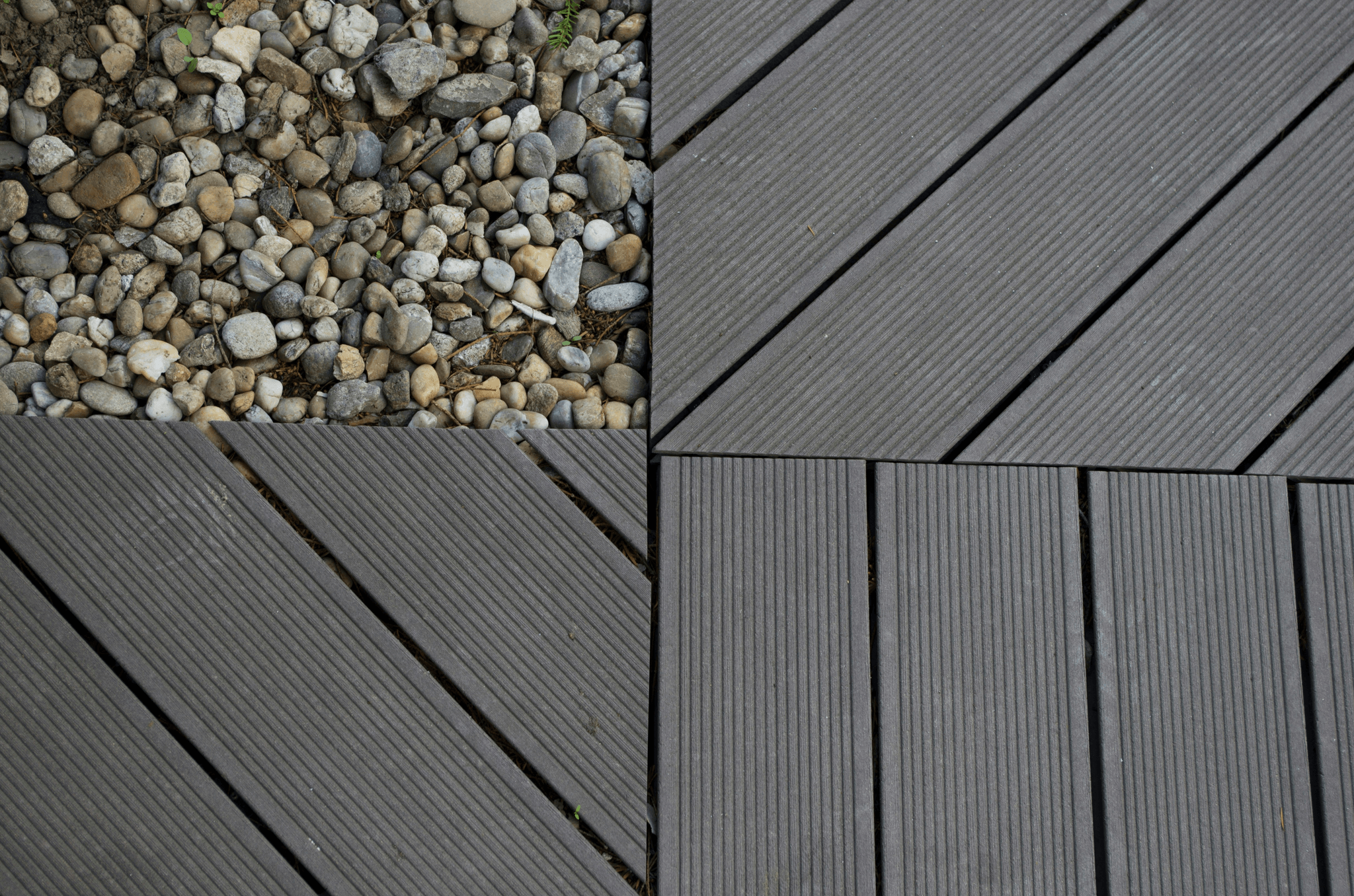
In the world of outdoor living, composite decking has emerged as a popular choice for homeowners seeking durability and aesthetic appeal. With various options available, understanding the nuances between different types of composite lumber decking is essential for making an informed decision. Among these options, grooved and ungrooved decking stand out, each offering unique benefits that cater to diverse preferences.
Understanding Composite Decking Options
Composite decking combines wood fibers and plastic to create a material that mimics the look of natural wood while providing enhanced durability and resistance to weather elements. This innovative deck composite decking is not only low-maintenance but also eco-friendly, making it a favorite among environmentally conscious consumers. When exploring composite wood deck material, it's crucial to consider factors such as texture, installation methods, and long-term performance.
The Rise of Grooved Decking
In recent years, grooved composite decking has gained traction due to its ease of installation and modern aesthetic appeal. The grooves on these boards allow for hidden fasteners that provide a clean look while ensuring secure placement—a significant advantage when comparing trex square vs grooved options. As more homeowners seek seamless designs for their outdoor spaces, the popularity of grooved boards continues to rise.
What Makes Ungrooved Decking Unique
On the flip side, ungrooved composite decking presents its own set of advantages that can’t be overlooked. With a smooth surface free from grooves, this style offers a classic appearance that some may prefer over its grooved counterpart—especially when considering design flexibility in outdoor aesthetics. Moreover, ungrooved boards can often be easier to install in specific scenarios where traditional fastening methods are employed, making them an appealing choice for DIY enthusiasts.
Overview of Composite Decking
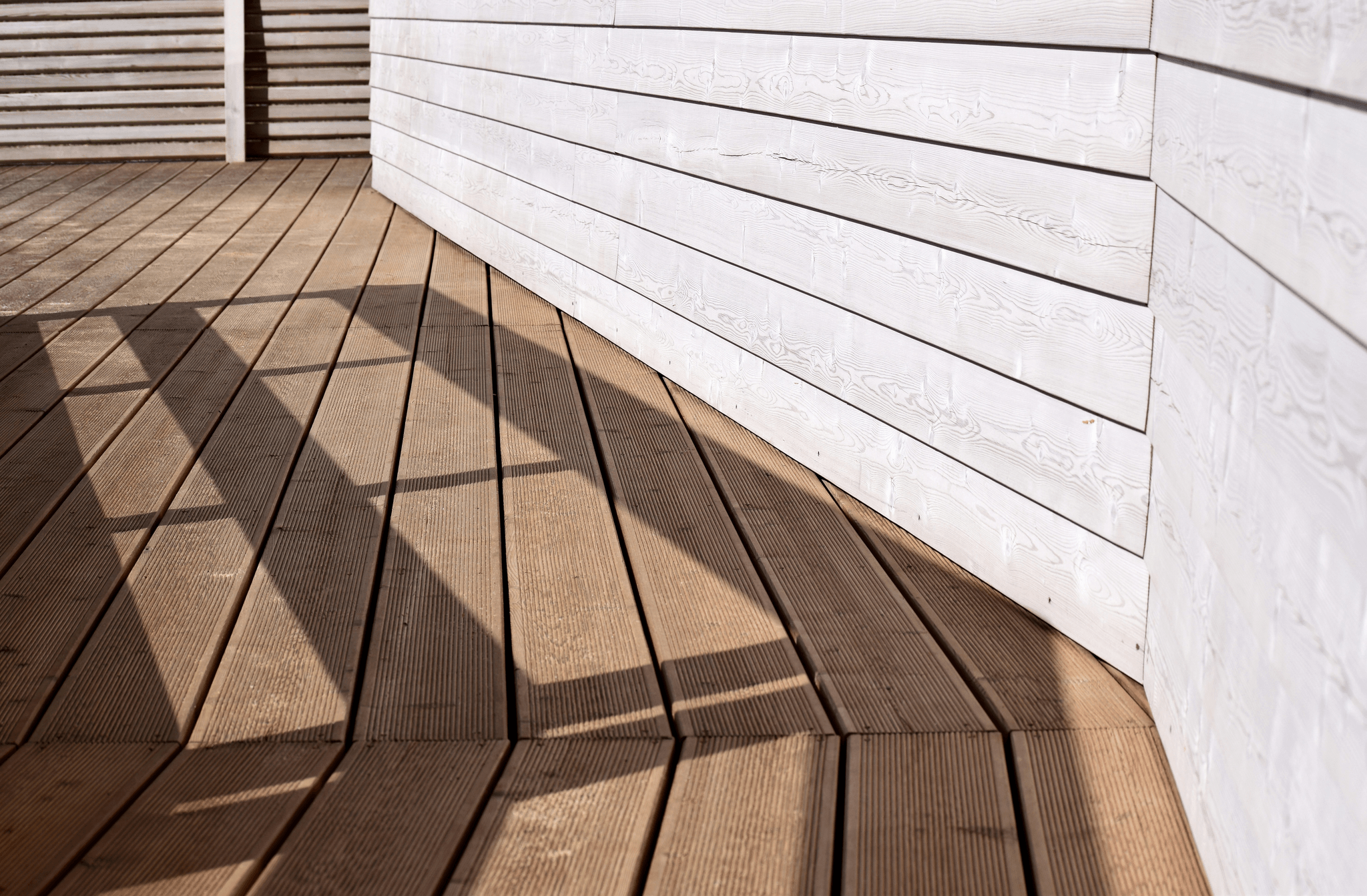
Composite decking has become a popular choice for homeowners looking to enhance their outdoor spaces. This innovative material combines wood fibers and plastic to create a durable, low-maintenance alternative to traditional wood decking. With benefits such as resistance to rot, splintering, and fading, composite lumber decking is an attractive option for any deck composite decking project.
Definition and Benefits of Composite Decking
Composite decking is a synthetic material made from a blend of recycled wood fibers and plastic, designed to mimic the appearance of natural wood while offering enhanced durability. One of the standout benefits of composite wood decking boards is their ability to withstand harsh weather conditions without warping or cracking. Additionally, they require minimal maintenance compared to traditional lumber; no need for staining or sealing every year!
Types of Composite Lumber Decking
When it comes to composite lumber decking, you'll find two main types: grooved and ungrooved boards. Grooved boards feature channels along the sides that allow for hidden fasteners during installation, creating a sleek look without visible screws. On the other hand, ungrooved options offer a more traditional appearance with visible fasteners but can be just as durable—making the trex square vs grooved debate an essential consideration for your project.
Key Features of Composite Wood Deck Material
Composite wood deck material boasts several key features that set it apart from traditional options. First off, its resistance to moisture means you won’t have to worry about mold or mildew ruining your beautiful deck composite decking setup! Furthermore, many brands offer UV protection in their products, ensuring vibrant colors that won't fade over time—perfect for those sunny days spent lounging outside with friends and family.
Grooved Composite Decking Explained
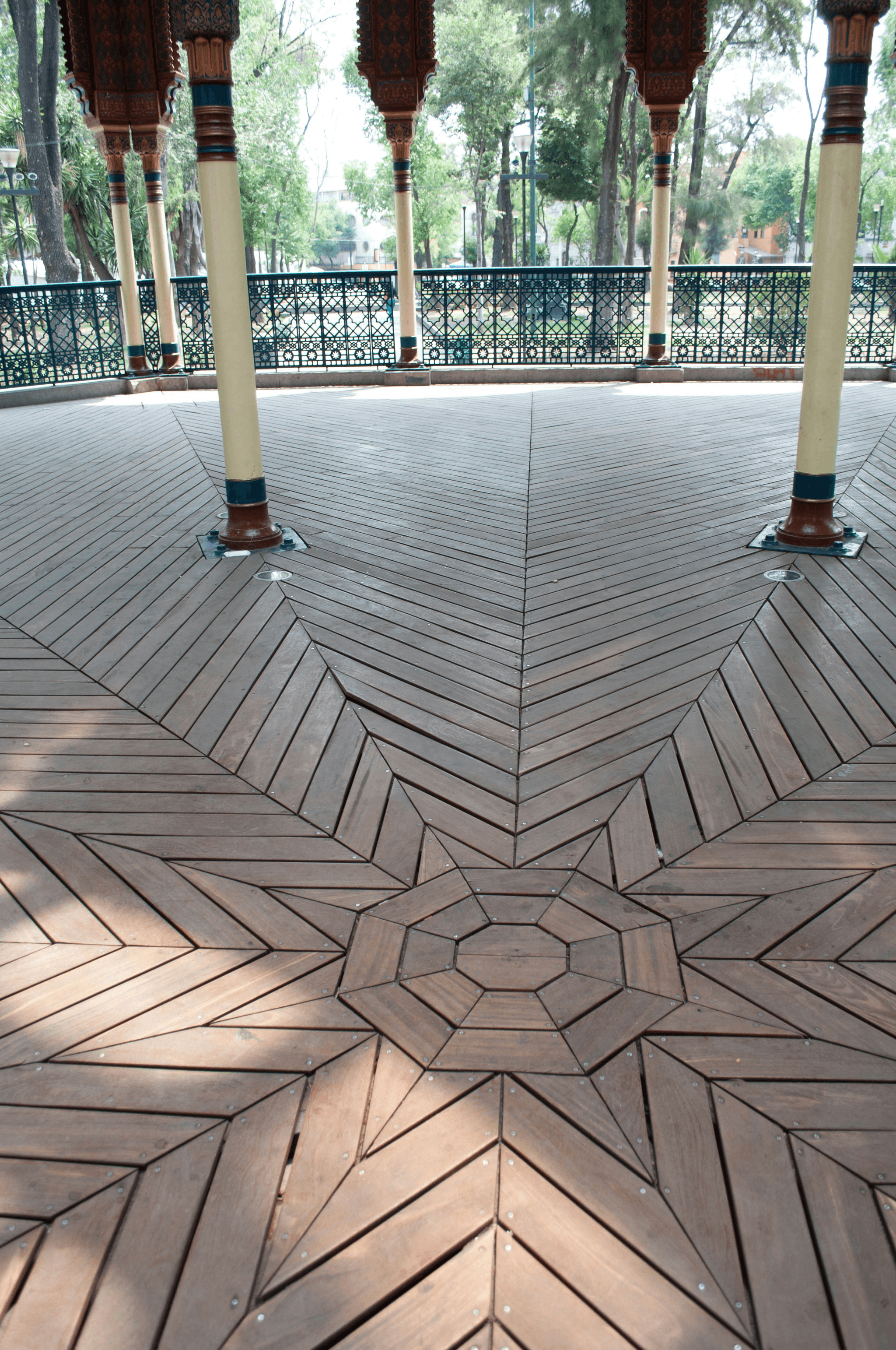
Composite decking has become a popular choice for homeowners looking to enhance their outdoor spaces, and grooved composite decking is leading the charge. This style features channels or grooves along the edges of the boards, allowing for easy installation with hidden fasteners. As a result, grooved boards offer a sleek appearance while minimizing visible screws and nails, making them an attractive option for many.
What is Grooved Composite Decking?
Grooved composite decking refers to boards that have been designed with grooves running along their edges. These grooves are specifically engineered to accommodate hidden fasteners, which secure the boards in place without compromising their aesthetic appeal. This innovative design not only provides a clean look but also enhances the overall durability of composite lumber decking by reducing potential damage from exposed hardware.
Advantages of Grooved Boards
One of the standout advantages of grooved boards is their ease of installation through composite decking installation methods that utilize hidden fasteners. This feature not only speeds up the process but also results in a more polished finish that many homeowners desire. Additionally, grooved composite decking tends to be more resistant to warping and cupping over time, ensuring your deck remains beautiful and functional for years to come.
Moreover, when you compare trex square vs grooved options, you'll find that grooved boards often provide better ventilation beneath the deck surface. This increased airflow helps prevent moisture buildup that can lead to mold or mildew growth on your composite wood deck material. Ultimately, these benefits make grooved composite decking an excellent choice for anyone looking to invest in long-lasting outdoor solutions.
Popular Brands like Trex
Their range includes both trex square and grooved options, catering to different aesthetic preferences and installation needs. Trex's commitment to sustainability—using recycled materials—also appeals to eco-conscious consumers looking for durable yet environmentally friendly choices in composite wood decking boards.
In addition to Trex's impressive product lineup, other brands like TimberTech and Fiberon also offer high-quality grooved composite options worth considering during your search for ideal deck materials. Each brand brings its unique features and benefits; however, Trex remains synonymous with reliability and style in the realm of composite lumber decking solutions. So whether you're leaning towards trex square vs grooved or exploring other alternatives, rest assured there’s no shortage of fantastic choices available on today’s market.
Ungrooved Composite Decking Insights
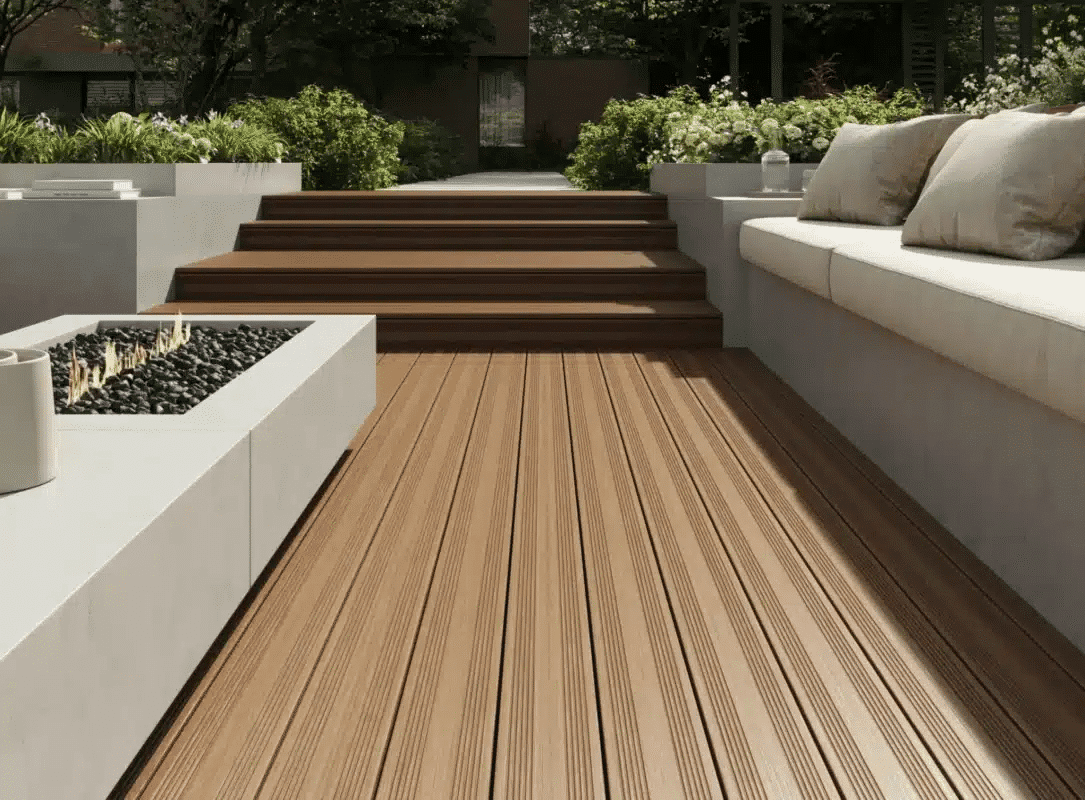
What is Ungrooved Composite Decking?
Ungrooved composite decking refers to boards that do not feature the grooves commonly found in their grooved counterparts. This type of decking offers a flat surface, making it ideal for various installation methods, including hidden fasteners or traditional nails. Homeowners often choose ungrooved options for their aesthetic appeal and versatility in design.
Benefits of an Ungrooved Surface
One of the standout benefits of ungrooved composite wood decking boards is the seamless appearance it provides once installed. This uniformity can enhance the overall look of your outdoor space, giving it a polished and sophisticated finish. Additionally, ungrooved surfaces are typically easier to clean since debris doesn’t get trapped in grooves, making maintenance a breeze.
Comparisons to Trex Square
When comparing trex square vs grooved options, ungrooved composite decking presents unique advantages that may appeal to certain homeowners. While Trex's grooved boards facilitate straightforward installation with hidden fasteners, ungrooved boards offer flexibility in fastening methods and a more refined aesthetic appeal. Ultimately, the choice between these two styles depends on personal preference and desired functionality within your deck composite decking project.
Composite Decking Installation Tips
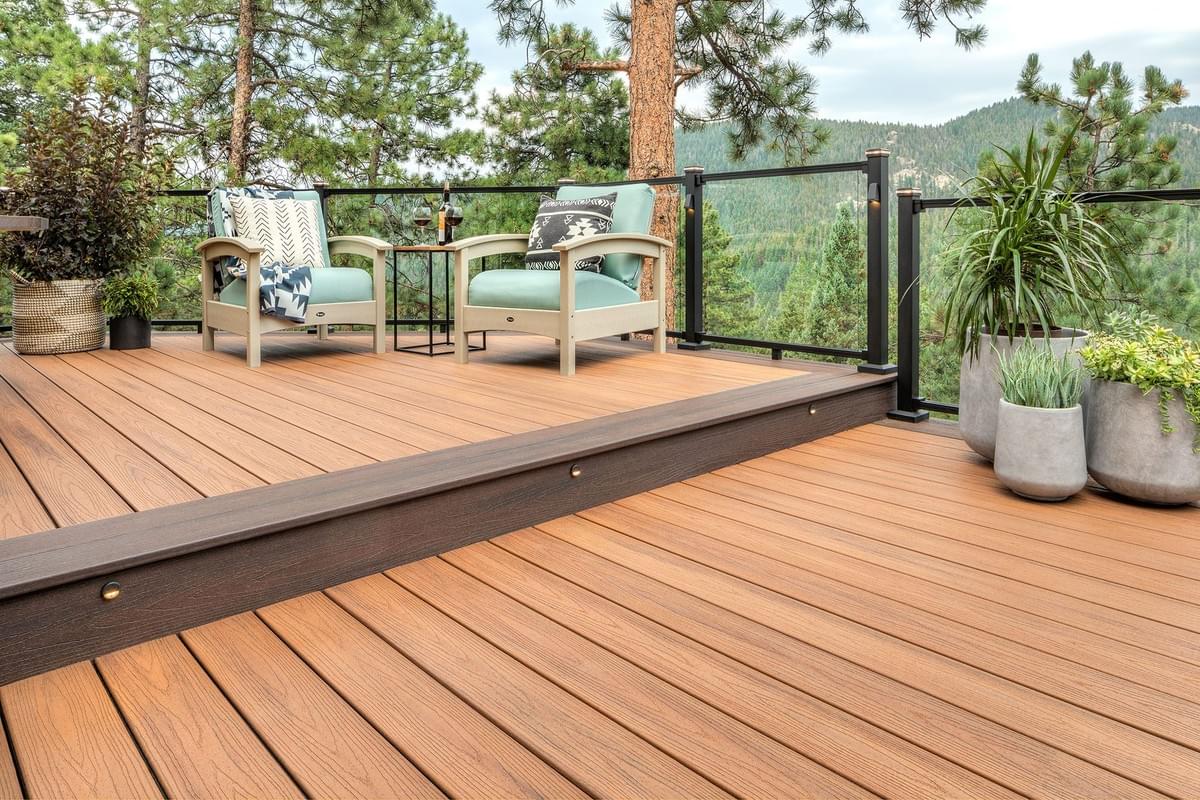
Installing composite decking can be a rewarding project that enhances your outdoor space. Whether you’re choosing between Trex square vs grooved options or different composite lumber decking styles, proper preparation is key to ensuring a successful installation. Let’s dive into the essential steps and tips for installing your deck composite decking.
Preparation for Deck Composite Decking
Before diving into the installation of your composite wood decking boards, it’s crucial to prepare your workspace effectively. Start by measuring the area where you plan to install the deck, ensuring you have enough space for either grooved or ungrooved boards. Additionally, check local building codes and regulations to ensure compliance; this will save you from headaches down the line.
Step-by-Step Installation Guide
Once you've prepared your site, it's time to get down to business with a step-by-step installation guide for your composite decking. Begin by laying down a solid foundation using pressure-treated lumber or concrete footings as necessary; this will support your composite wood deck material and keep it stable over time.
Next, attach the first row of boards using hidden fasteners if you're working with grooved boards; this creates a clean look without visible screws on the surface. For ungrooved options like Trex square boards, use face screws strategically placed every few feet along each board's length for maximum stability while maintaining aesthetic appeal.
Continue laying subsequent rows of decking while ensuring proper spacing between each board—this allows for expansion and contraction due to temperature changes. Once all boards are in place, complete any finishing touches such as adding railings or stairs as needed.
Tools and Materials Needed
To ensure a smooth installation process of your composite lumber decking, having the right tools and materials on hand is essential. You’ll need basic tools like a circular saw for cutting boards to size, a drill for securing fasteners, and measuring tape for accurate measurements throughout the project.
In addition to these tools, gather materials including hidden fasteners specifically designed for grooved boards or face screws if you’re using Trex square options; both types should complement your chosen design well. Don't forget safety gear such as gloves and goggles—after all, no one wants an unexpected splinter ruining their day!
With everything prepped and ready to go, you'll be well on your way toward enjoying a beautiful new deck made from durable composite wood decking boards.
Maintenance and Longevity
When investing in composite decking, understanding maintenance and longevity is crucial for maximizing your enjoyment and return on investment. Composite lumber decking, whether grooved or ungrooved, offers a durable alternative to traditional wood, but it still requires some care to keep it looking pristine. Knowing how to properly maintain your deck composite decking can make all the difference in its lifespan.
Caring for Composite Wood Decking Boards
Caring for composite wood decking boards is relatively straightforward compared to traditional wood decks. Regular cleaning with a mild soap solution and a soft-bristle brush will help remove dirt and debris without damaging the surface. For tougher stains or mildew, a mixture of vinegar and water can work wonders—just be sure to rinse thoroughly afterward.
Longevity of Grooved vs Ungrooved Options
The longevity of grooved versus ungrooved options often sparks debate among homeowners considering their choices in composite decking. Grooved composite decking typically allows for easier installation due to its hidden fastening system, which can reduce wear on the boards over time since there are no exposed fasteners that may rust or corrode. However, ungrooved options like Trex Square provide a solid surface that some users prefer for aesthetic reasons; they may also be less prone to warping in certain climates.
In general, both options boast impressive durability against the elements compared to traditional wood decks; however, factors like climate conditions and maintenance routines play significant roles in their overall lifespan. Choosing between Trex Square vs grooved ultimately depends on personal preference regarding aesthetics as well as how much effort you're willing to invest in upkeep over time. Regardless of choice, proper care will significantly enhance either option's longevity.
Eco-Friendly Aspects of Composite Decking
One of the standout benefits of choosing composite decking is its eco-friendly nature compared to traditional lumber options. Made from recycled materials such as plastic and reclaimed wood fibers, composite lumber decking reduces waste while providing a sustainable alternative for outdoor living spaces. This means you can enjoy your beautiful deck guilt-free knowing you're contributing positively toward environmental sustainability.
Moreover, many brands focus on producing eco-friendly products that minimize their carbon footprint during manufacturing processes—making them an excellent choice for environmentally conscious homeowners looking at Trex Square vs grooved options alike! Additionally, because composite wood deck material does not require toxic treatments like pressure-treated lumber does, you’re not only protecting yourself but also safeguarding local ecosystems from harmful chemicals leaching into the ground.
Conclusion
As you wrap your head around the various options for composite decking, it’s essential to consider your personal style and functional needs. Choosing between grooved and ungrooved surfaces can significantly impact both the aesthetics and usability of your outdoor space. Whether you lean towards the innovative Trex Square or prefer the classic appeal of grooved boards, understanding their differences will help you make an informed decision.
Choosing the Right Style for Your Home
When selecting composite lumber decking, think about how each style complements your home’s architecture and landscape. Grooved boards provide a modern look with hidden fasteners that create a seamless appearance, while ungrooved options offer a more traditional feel with visible fasteners that can enhance rustic charm. Ultimately, the right choice depends on your design preferences and how you plan to use your deck composite decking.
Trex Square vs Grooved: The Verdict
In the debate of Trex Square vs grooved options, both have unique advantages that cater to different homeowner needs. Trex Square offers easy installation with its square edges while maintaining a sleek look; meanwhile, grooved boards are favored for their versatility in hiding fasteners. Consider factors like maintenance requirements and aesthetic appeal when deciding which type of composite wood decking boards work best for you.
Final Thoughts on Composite Decking Solutions
Composite decking is an excellent investment for any homeowner looking to enhance their outdoor living space without sacrificing durability or style. The longevity of both grooved and ungrooved options means you'll enjoy years of low-maintenance beauty from your chosen composite wood deck material. Whichever path you choose—be it through innovative designs or traditional styles—composite decking solutions will elevate your home's value while providing a welcoming space for family gatherings.