
Introduction
Garapa wood and Ipe wood. Both are renowned for their durability and beauty, but they each offer unique characteristics that can influence your decision. In this comparison, we’ll explore the ins and outs of Garapa wood vs Ipe, helping you find the perfect fit for your decking needs.
Overview of Garapa Wood and Ipe
On the other hand, Ipe wood is celebrated for its rich hues and exceptional density, making it one of the most sought-after materials in the world of outdoor construction. Understanding these two types of wood will set the stage for evaluating which is best for decking.
Importance of Choosing the Right Decking
Selecting the right decking material is crucial not just for aesthetics but also for functionality and longevity. The right choice can enhance your outdoor living experience while providing a safe and durable surface that withstands various weather conditions. With options like Garapa wood vs Ipe on the table, understanding their differences ensures you make an informed decision that aligns with your lifestyle.
What This Comparison Offers
This comparison offers a detailed look at both Garapa wood and Ipe, covering aspects such as origin, appearance, durability, maintenance requirements, cost considerations, sustainability efforts, and even alternatives like composite decking. By breaking down these elements into digestible sections, you’ll gain insights into which material aligns best with your vision for an inviting outdoor space. Get ready to dive deep into the world of decking materials to discover whether Garapa or Ipe will reign supreme in your backyard!
Origin and Availability
Garapa Wood's Geographic Roots
Garapa wood, often referred to as Brazilian Ash, hails from the lush forests of South America, primarily Brazil. This beautiful timber is known for its light golden hues that can brighten any outdoor space, making it an attractive option in the garapa wood vs ipe debate. Additionally, Garapa trees thrive in tropical climates, which allows for a sustainable supply that supports eco-friendly practices.
Ipe Wood's Origin and Sourcing
On the other hand, Ipe wood originates from the same region but has a different story to tell. Known for its rich brown tones and incredible density, Ipe is often sourced from Brazil’s rainforests but also found in other South American countries like Peru and Bolivia. With its reputation as one of the best decking materials available, sourcing Ipe wood can sometimes be challenging due to environmental regulations aimed at preserving its natural habitat.
Accessing Both Decking Materials
Many retailers offer these woods online or in-store; however, it's crucial to ensure you’re purchasing sustainably sourced products to make an eco-friendly choice between garapa wood vs ipe options. Depending on your location and project needs, you may find one more readily available than the other—but rest assured that both can elevate your outdoor space dramatically.
Appearance and Color Variations
Natural Hues of Garapa Wood
Garapa wood is known for its warm, golden hues that can add a touch of elegance to any deck. This light color can range from pale yellow to a deeper amber, providing a fresh and bright look for outdoor areas. The natural beauty of garapa wood decking shines through even without extensive finishing, making it a popular choice for those seeking a more understated aesthetic.
Rich Tones of Ipe Wood
On the other hand, Ipe wood boasts rich, dark tones that can elevate the sophistication of your deck dramatically. Its colors vary from deep brown to reddish-brown shades, often with striking grain patterns that catch the eye. For homeowners looking to make a bold statement with their decking material, Ipe wood offers an unparalleled depth and richness that's hard to ignore.
Aesthetic Preferences in Decking
Choosing between garapa wood and Ipe involves more than just color; it's about creating an atmosphere that reflects your personal style. While garapa may appeal to those who prefer lighter, airy spaces reminiscent of coastal retreats, Ipe tends to attract individuals who favor a classic and luxurious feel in their outdoor environments. Ultimately, whether you lean toward garapa or Ipe will depend on what resonates with your vision for the best decking solution.
Durability and Longevity
Garapa wood vs Ipe presents an interesting comparison, as both are renowned for their impressive resistance to wear and tear, but they offer different strengths. Understanding these characteristics can help you make an informed decision about which decking material will stand the test of time.
Garapa Wood's Resistance to Elements
Garapa wood is known for its natural resilience against various elements, making it a solid choice for outdoor decking. This tropical hardwood boasts a high density that helps it withstand moisture, insects, and even UV rays, reducing the likelihood of warping or cracking over time. With proper care, garapa wood can maintain its integrity and beauty for many years, making it a worthy contender in the garapa wood vs Ipe debate.
Ipe Wood's Exceptional Lifespan
On the other hand, Ipe wood is often hailed as one of the best options for decking due to its remarkable lifespan—often exceeding 50 years with minimal maintenance required. Known for its extreme density and strength, Ipe wood is naturally resistant to rot and decay while also being impervious to insect damage. This exceptional durability makes ipe wood decking a favorite among homeowners looking for long-term solutions in their outdoor spaces.
Which is Best for Long-Term Use
So which material reigns supreme in terms of long-term use? While both garapa wood and Ipe have excellent durability ratings, ipe wood edges out slightly due to its longer lifespan and superior resistance qualities. However, if you're drawn to the lighter hues of garapa or prefer a more budget-friendly option without sacrificing quality, garapa could very well be your best choice in this garapa wood vs ipe showdown.
Maintenance Requirements
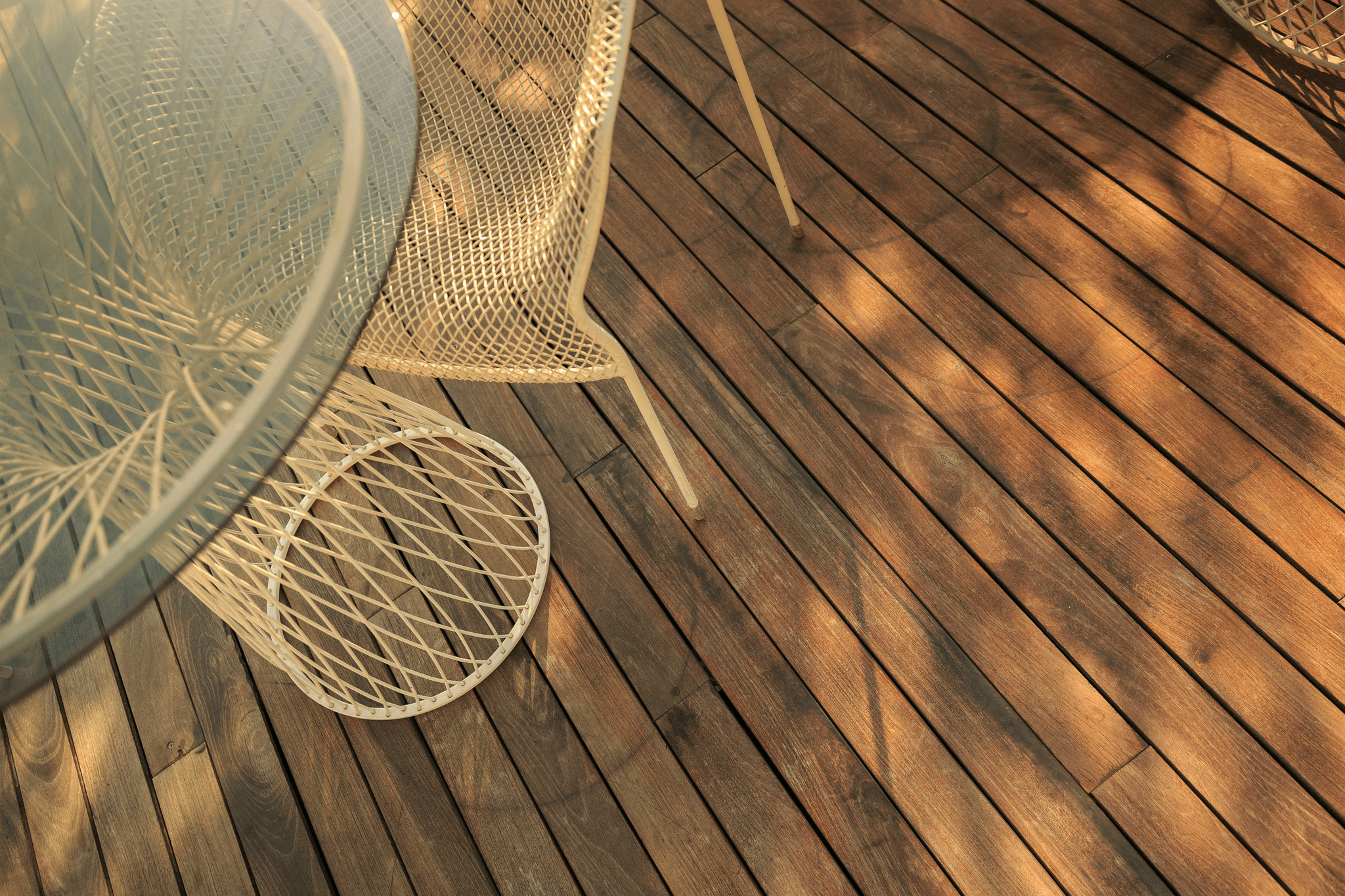
Caring for Garapa Wood Decking
Garapa wood offers a beautiful golden hue that can enhance any outdoor setting, but it does require regular upkeep to maintain its appearance. To keep garapa wood decking looking its best, it's recommended to clean it with a mild soap solution and a soft brush at least once or twice a year. Additionally, applying a UV protectant or sealant every couple of years will help preserve its natural color and protect it from the elements—ensuring your garapa wood stays resilient against fading and weather damage.
Ipe Wood's Low Maintenance Appeal
On the other hand, ipe wood is often touted as one of the best options for decking due to its low maintenance requirements. This dense hardwood naturally resists moisture, insects, and decay, making it less demanding when it comes to upkeep compared to garapa wood vs ipe comparisons. A simple wash with soap and water is usually sufficient for ipe decking; however, if you prefer that rich brown color over time instead of the silver patina that develops with age, occasional oil treatments can keep your ipe wood looking vibrant.
Time and Effort Needed for Upkeep
When evaluating which material might be best for decking in terms of maintenance effort, it's clear that both options have distinct advantages and disadvantages. Garapa wood requires more frequent cleaning and sealing than ipe wood—making it slightly more labor-intensive in the long run. If you're seeking an option that minimizes time spent on deck care while maximizing enjoyment of your outdoor area, ipe wood emerges as an attractive choice thanks to its durability and resilience against wear.
Cost Considerations
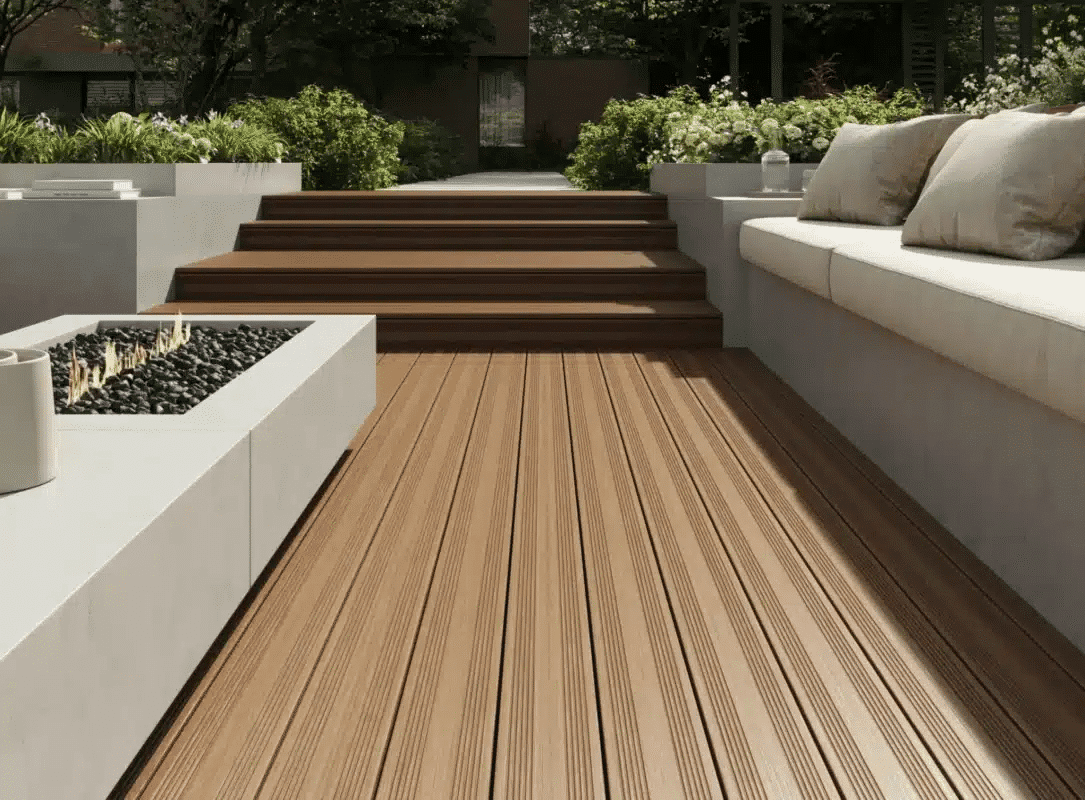
Pricing Trends for Garapa Wood
Garapa wood tends to be more affordable compared to its counterpart, Ipe wood. On average, you might find Garapa priced at about $3 to $6 per square foot, depending on quality and vendor markup. This makes it an attractive option for those looking for a budget-friendly yet durable decking material without compromising on aesthetics.
Understanding Ipe Wood Costs
Ipe wood is often hailed as one of the premium choices in the decking world, and its price reflects that status. Typically priced between $8 to $15 per square foot, Ipe wood offers a luxurious appearance and exceptional durability that many homeowners are willing to invest in. While the initial cost may be higher than Garapa wood, many consider it a worthy investment due to its longevity and low maintenance requirements.
Evaluating Value for Your Project
In comparing Garapa wood vs Ipe, it's essential to evaluate not just upfront costs but also long-term value. While Garapa may save you money initially, Ipe's durability means fewer repairs or replacements over time—potentially making it the best decking choice in the long run. Ultimately, your decision should factor in both immediate budget constraints and how much you're willing to invest for lasting beauty and performance in your outdoor space.
Sustainability and Eco-Friendliness
When it comes to decking materials, sustainability and eco-friendliness are increasingly important considerations for homeowners. In the debate of garapa wood vs ipe, both types of wood offer unique benefits in terms of sourcing and environmental impact. Understanding these aspects can help you choose the best decking option for your project.
Garapa Wood's Sustainable Sourcing
Garapa wood is known for its sustainable sourcing practices, primarily harvested from responsibly managed forests in South America. This makes it a great choice for those looking to minimize their ecological footprint while still enjoying the beauty of natural wood. With proper certifications, garapa wood ensures that your decking material is not only stunning but also contributes to forest conservation efforts.
Ipe Wood and Environmental Impact
On the other hand, ipe wood has garnered attention for its durability and longevity, but its environmental impact can be a bit more complex. Many ipe sources come from rainforests that face deforestation challenges, raising concerns about sustainability in some regions. Therefore, when considering ipe wood decking, it's essential to seek out certified suppliers who prioritize responsible harvesting practices to mitigate these impacts.
Choosing Eco-Friendly Decking Options
Ultimately, choosing between garapa wood vs ipe requires careful consideration of eco-friendliness alongside aesthetics and durability. Homeowners may also want to explore composite decking options as an alternative that offers sustainability without sacrificing style or performance. By weighing all factors—including cost, maintenance needs, and environmental impact—you can make an informed decision on the best decking material for your outdoor space.
Composite Decking Alternatives
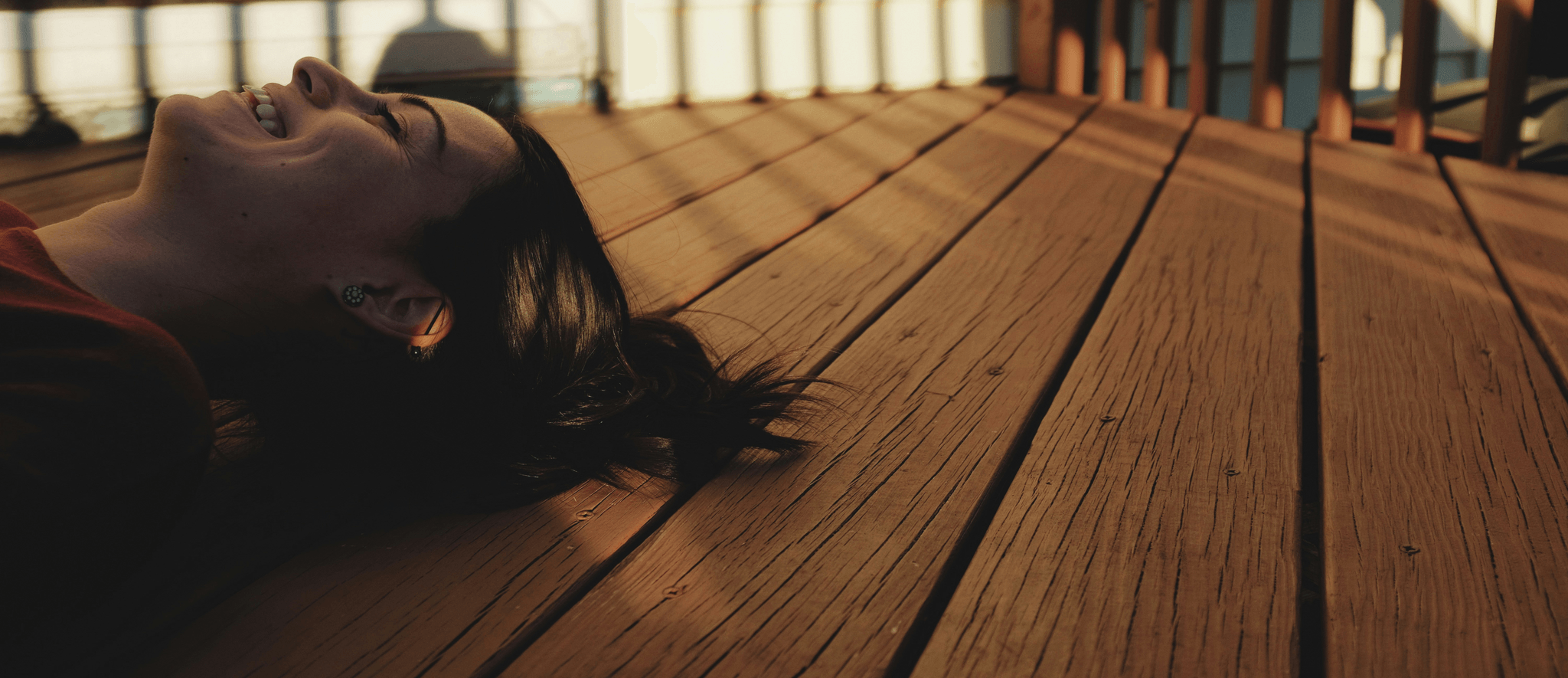
When it comes to decking materials, composite decking has become a popular alternative to traditional wood options like Garapa and Ipe. The benefits of composite decking materials are numerous, making them an appealing choice for homeowners looking for durability and low maintenance. With their resistance to fading, rotting, and insect damage, composite decks can withstand the elements better than many natural woods, ensuring your outdoor space remains beautiful year after year.
Benefits of Composite Decking Materials
One of the standout advantages of composite decking is its low maintenance requirement compared to Garapa wood and Ipe wood. While both types of natural wood require periodic sealing or staining to maintain their appearance, composite materials simply need occasional cleaning with soap and water. Additionally, many composites are made from recycled materials, making them an eco-friendly choice for those concerned about sustainability in their decking options.
Another benefit lies in the variety of colors available in composite decking. Unlike the more limited color palette offered by Garapa wood vs Ipe wood choices—where you might find yourself debating between warm golden tones or rich browns—composite materials come in a rainbow of shades that can fit any aesthetic preference. This flexibility allows homeowners to create unique outdoor spaces that reflect their personal style without sacrificing performance or durability.
Lastly, composite decking often offers a longer lifespan than traditional woods like Garapa and Ipe. While both types provide excellent longevity when properly cared for, composites can last even longer due to their resistance to environmental factors such as moisture and UV rays. This means less worry about replacement costs down the line—a significant consideration when evaluating what’s best for decking.
How Composite Decking Inc Stands Out
Composite Decking Inc has distinguished itself in the marketplace by offering high-quality products that combine aesthetics with practicality. Their boards mimic the look of real wood while providing all the benefits associated with composite materials—making them a strong contender against Garapa wood and Ipe wood options. With innovative designs that incorporate slip-resistant surfaces and fade-resistant technology, they ensure safety without compromising on style.
Moreover, Composite Decking Inc places a strong emphasis on sustainability in its manufacturing processes. By sourcing recycled materials for their products, they not only reduce waste but also contribute positively to environmental conservation efforts—a key point for eco-conscious consumers comparing garapa wood vs ipe options against composites. Their commitment to quality control ensures that every board meets rigorous standards before reaching customers’ hands.
Finally, customers will appreciate how easy it is to install Composite Decking Inc’s products compared to traditional wooden decks like ipe wood decking or garapa wood solutions which may require professional installation due to their weight and density issues. The lightweight nature of composites allows DIY enthusiasts more freedom while saving on labor costs—making it an attractive option whether you’re building your deck from scratch or replacing existing boards.
Choosing Between Wood and Composite
Deciding between natural woods like Garapa or Ipe versus composite alternatives ultimately depends on personal preferences regarding aesthetics versus practicality—the classic garapa wood vs ipe debate continues! If you prioritize authentic beauty with rich textures found only in real timber while being willing to invest time into maintenance routines (think sanding/staining), then going with either type could be ideal as both offer stunning visuals as best for decking solutions!
On the other hand, if you seek hassle-free enjoyment without constant upkeep worries while still enjoying great looks from coloured decking options available through composites; then opting for something like those offered by Composite Decking Inc might just be your best bet! Ultimately evaluating what aspects matter most will guide you towards making informed decisions suited specifically toward enhancing your outdoor experience without compromising quality or style along this journey toward deck perfection!
Conclusion
Garapa wood offers a lighter hue and an attractive price point, making it a solid choice for those seeking budget-friendly decking materials. On the other hand, ipe wood stands out with its rich tones and exceptional durability, often regarded as the best for decking in high-traffic areas.
Final Thoughts on Garapa Wood
Garapa wood is a fantastic option for homeowners looking for an aesthetically pleasing yet cost-effective solution for their outdoor spaces. Its natural golden color can brighten up any deck while requiring less maintenance than many other woods. If you’re searching for a stylish decking material that won't break the bank, garapa wood could be your go-to choice.
Key Takeaways on Ipe Wood
Ipe wood is synonymous with luxury and longevity in the decking world, often hailed as one of the best choices available today. With its deep, rich colors and unparalleled resistance to weather elements, it's no wonder that ipe wood decking has become a favorite among discerning homeowners. While it may come with a higher price tag, the long-term benefits of investing in ipe are hard to overlook.
Making Your Best Decking Decision
Ultimately, your choice between garapa wood vs ipe should align with your specific needs—whether you prioritize aesthetics, durability, or budget considerations. Both garapa and ipe offer distinct advantages as decking materials; however, understanding their differences will help you make an informed decision that suits your lifestyle and outdoor vision best. So take your time weighing these options; after all, the right decking can transform your space into an inviting oasis.