
Introduction
Discovering Affordable Decking Solutions
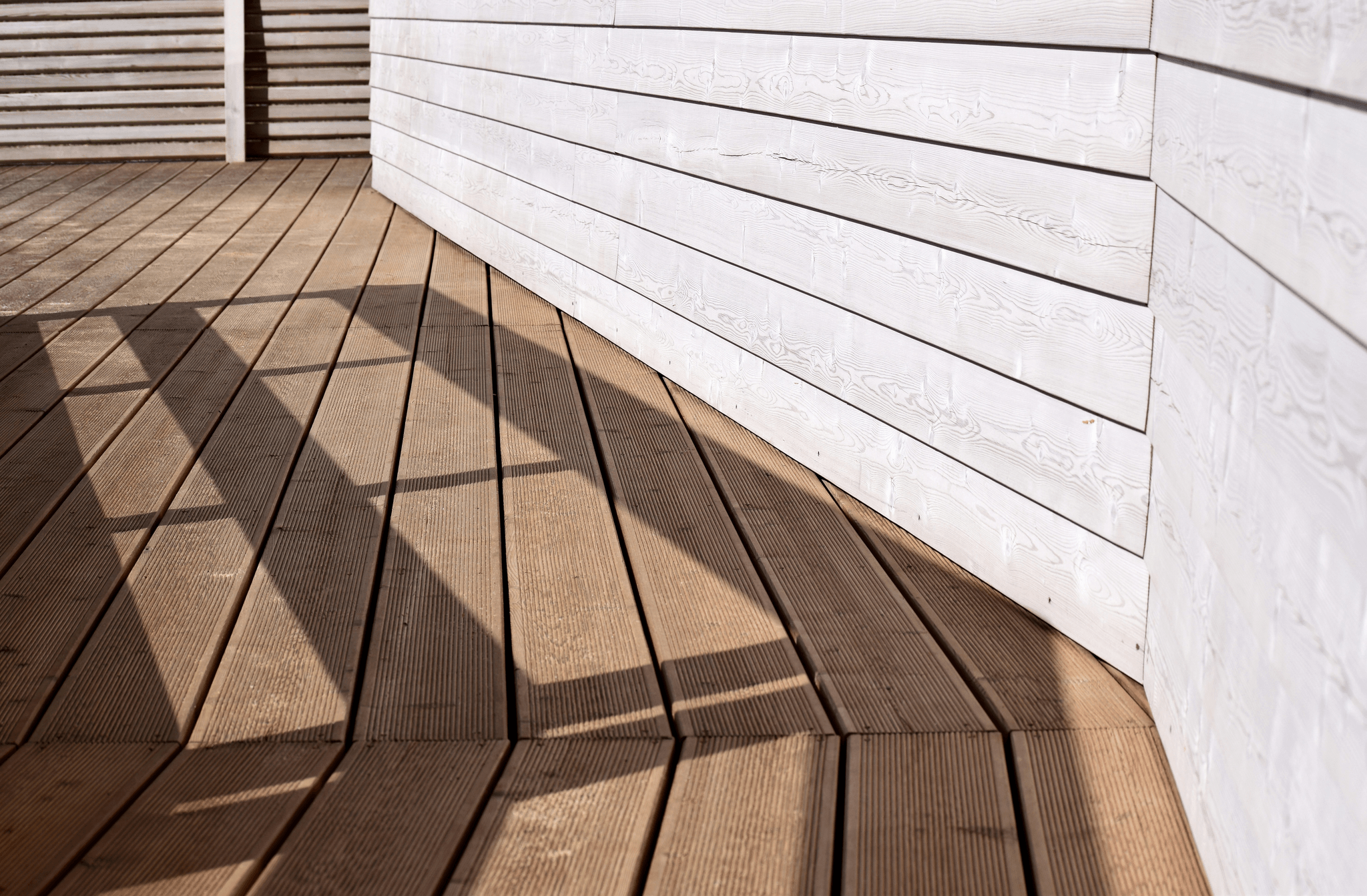
Affordable decking solutions are not just about price; they encompass quality, durability, and aesthetics too. With an array of decking options available today, from composite deck boards to traditional wood decks, homeowners can find something that suits their taste without overspending. By exploring various materials and their costs upfront, you can make informed decisions that align with your budget while achieving the outdoor look you desire.
Why Decking Matters for Your Home
Decking matters because it extends your living space into the great outdoors and adds value to your home. A well-designed deck not only enhances curb appeal but also provides a perfect venue for family gatherings and relaxation. Choosing the right decking material—be it composite wood or classic timber—can significantly impact both functionality and aesthetic charm.
Exploring Materials for Every Budget
Exploring materials for every budget is essential in today’s diverse market of decking options. From high-end composite lumber decking known for its durability to cost-effective wood decks that offer timeless appeal, there’s something for everyone. Each type of decking material has unique characteristics and price points, allowing you to strike a balance between quality and affordability in your deck project.
Understanding Decking Options

The Diversity of Decking Materials
The array of decking materials can be quite overwhelming, but understanding them can lead you to the best decking solution for your home. Wood decks offer timeless beauty with natural grains and textures, while composite wood provides a low-maintenance alternative that mimics the look of real wood without the upkeep. Other options include PVC and aluminum, both known for their durability but differing in aesthetics and price points—giving homeowners plenty of decking options to consider.
Comparing Costs and Value
When evaluating decking material costs, it's crucial to balance initial expenses against long-term value. Composite deck boards may have a higher upfront cost compared to traditional wood decks; however, their longevity often makes them a more economical choice over time due to reduced maintenance needs. Ultimately, understanding how different materials stack up in terms of cost versus value will help you make an informed decision on which decking material aligns best with your budget.
The Role of Aesthetics in Selection
Aesthetics play a pivotal role when selecting your ideal decking options since your outdoor space should reflect your personal style while being functional too! Whether you prefer the rustic charm of natural wood or the sleek modernity offered by composite lumber decking, choosing a visually appealing option is key for enhancing your home’s exterior design. Remember that colors, textures, and finishes can dramatically impact how well your deck complements other elements in your yard.
The Case for Composite Lumber Decking
Benefits of Composite Deck Boards
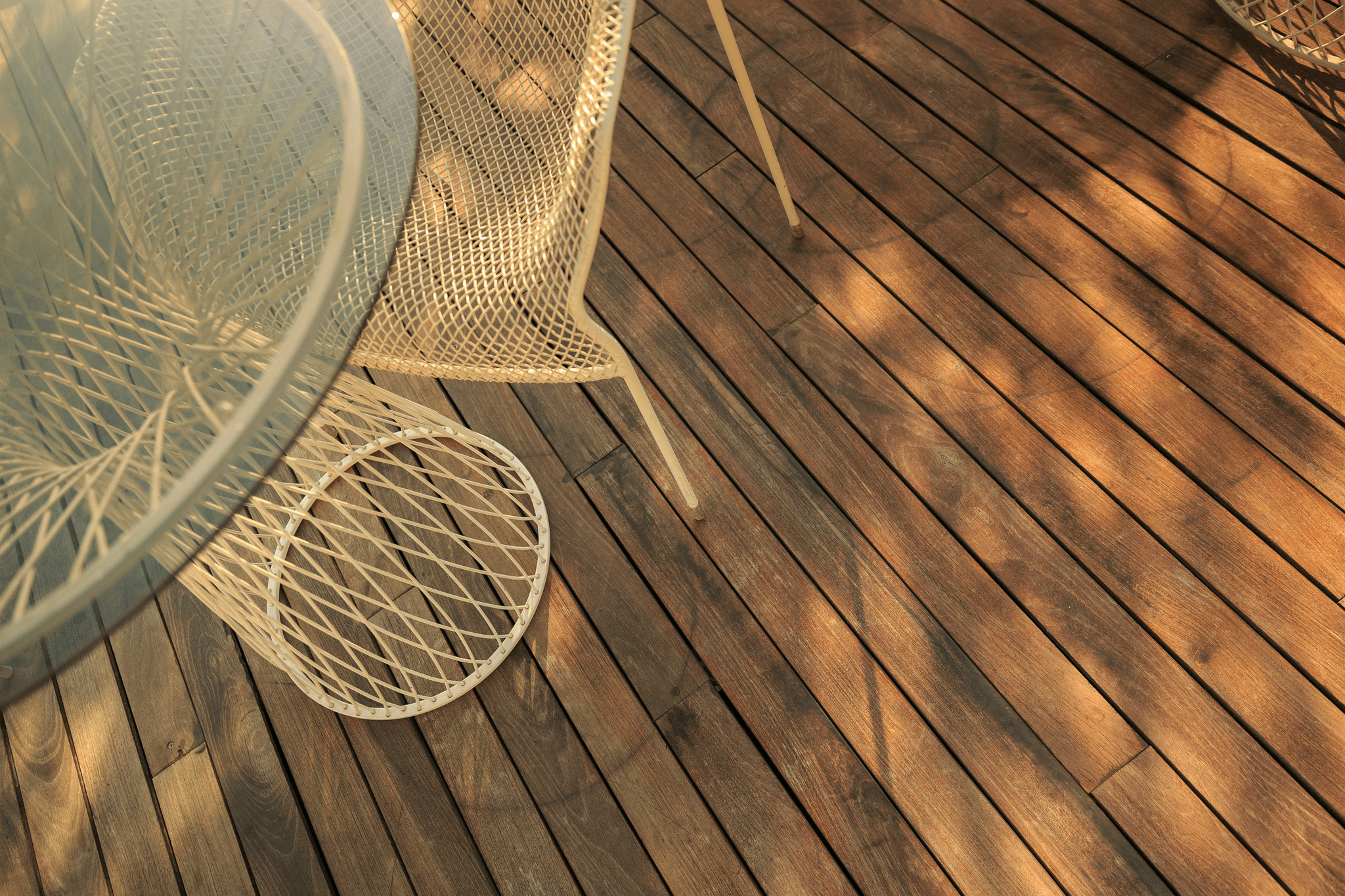
One of the most significant benefits of composite deck boards is their resistance to fading, staining, and scratching. Unlike traditional wood decks that can easily succumb to the elements, composite wood is engineered to withstand harsh weather conditions without compromising its appearance. Additionally, many brands offer a variety of colors and textures, making it easy for homeowners to find the perfect match for their outdoor space.
Another noteworthy advantage is that composite lumber decking does not require regular sealing or staining like wood decks do. This means less time spent on upkeep and more time enjoying your outdoor oasis! Plus, with many manufacturers providing warranties that last decades, you can feel confident in your investment when choosing this type of decking material.
Maintenance and Longevity
Maintenance is often a deciding factor when selecting between various decking options. With composite deck boards, you’ll enjoy a hassle-free experience since they require minimal upkeep compared to traditional wood decks. A simple wash with soap and water will keep your composite lumber looking fresh year after year—no need for heavy-duty cleaning or refinishing.
In terms of longevity, composite materials have an edge over wood decks due to their resistance against rot and insects. While untreated wood may need replacement every 10-15 years depending on climate conditions and care, quality composite products can last 25 years or more! This durability not only saves you money in replacements but also provides peace of mind knowing your investment will stand the test of time.
Environmental Considerations
As sustainability becomes increasingly important in our purchasing decisions, it's essential to consider environmental factors when exploring decking options. Composite lumber decking is often made from recycled materials—such as reclaimed wood fibers and plastic—which helps reduce waste in landfills while conserving natural resources. By choosing composite deck boards over traditional wood decks, you're making an eco-friendly choice that contributes positively to our planet.
Moreover, many manufacturers are committed to sustainable practices throughout their production processes; this means you can enjoy your beautiful new deck without guilt! Opting for environmentally friendly materials like composite wood not only enhances your outdoor space but also aligns with a greener lifestyle.
Wood Decks: Timeless Charm

Types of Wood Decking Material
There are several types of wood decking materials available, each offering unique benefits and characteristics. Pressure-treated lumber is one of the most common choices due to its affordability and resistance to rot; it’s an excellent option for those seeking budget-friendly decking solutions. Other popular options include cedar, redwood, and tropical hardwoods like ipe or mahogany, which provide stunning visuals but often come at a higher price point.
Pros and Cons of Wood Decks
Wood decks offer undeniable aesthetic appeal with their rich textures and colors that evolve beautifully over time. However, they do require maintenance; regular sealing or staining is essential to protect against weathering and pests. On the flip side, while composite lumber decking boasts durability with less upkeep, it may lack the organic feel that many homeowners desire in their outdoor spaces.
Recommended Wood Species for Durability
When considering wood species for your deck boards, it's essential to choose those known for their durability and resistance to decay. For instance, cedar is a fantastic option due to its natural oils that repel insects while providing a beautiful finish. Similarly, redwood offers both resilience against warping and an elegant look; however, if you're willing to invest more upfront, tropical hardwoods like ipe are renowned for their strength and longevity in harsh climates.
Budget-Friendly Decking Choices
Best Budget Decking Options
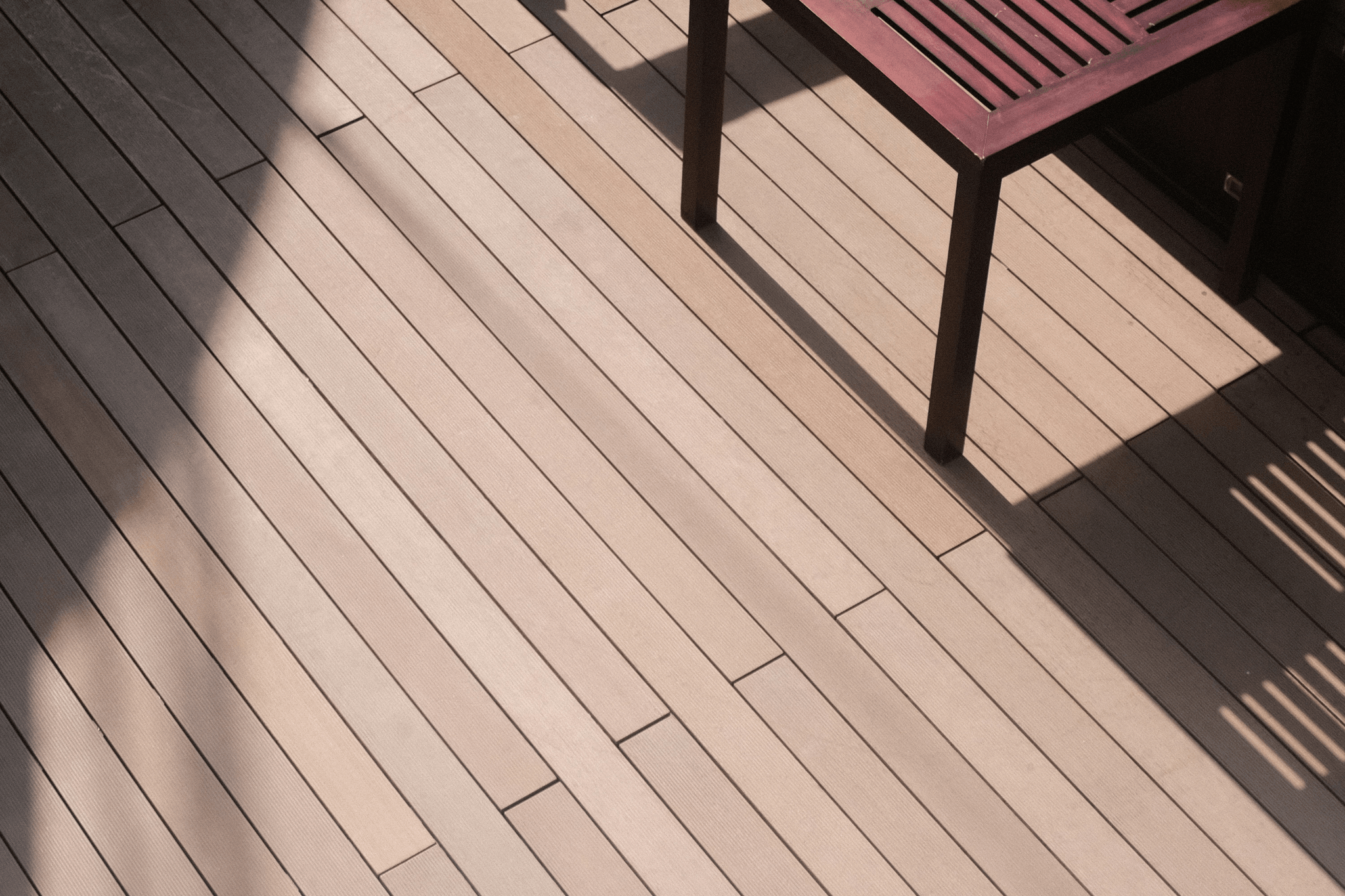
For those on a tight budget, composite deck boards often emerge as one of the best decking options available today. These boards provide the look of traditional wood decks while requiring less maintenance and offering greater durability at a lower cost over time. If you're leaning towards natural materials, pressure-treated lumber is another wallet-friendly choice that can stand up to the elements when properly maintained.
Another excellent option is vinyl decking material, which offers impressive longevity and resistance to fading and staining—all while being easy on your wallet. Recycled plastic lumber also provides an eco-friendly alternative with minimal upkeep costs, making it an appealing choice for environmentally conscious homeowners. By weighing these budget-friendly options carefully, you can find the perfect fit for your outdoor oasis.
DIY vs. Professional Installation
One of the biggest decisions in any decking project is whether to tackle it yourself or hire professionals for installation. If you're handy with tools and have some experience under your belt, DIY installation can save you significant cash on labor costs while allowing you to customize your deck exactly how you envision it. However, keep in mind that composite lumber decking might require specific skills or tools for proper installation—something to consider if you're not quite ready to dive into a big project.
On the other hand, hiring professionals ensures that everything from material selection to construction goes smoothly and meets local building codes—plus you get peace of mind knowing it's done right! While this option may be more expensive upfront, it could save you money in repairs down the line if mistakes are made during a DIY attempt. Ultimately, weigh your skills against potential savings when deciding between DIY and professional installation.
Cost-Saving Tips for Deck Projects
To stretch your dollar even further when planning deck projects, consider shopping during off-peak seasons or sales events where discounts on materials like composite deck boards are common. Additionally, purchasing leftover or surplus materials from home improvement stores can lead to unexpected savings without compromising quality—after all, last season’s colors might just be what you’re looking for!
Another savvy tip is to plan your design carefully; simpler shapes often require fewer materials and less labor than intricate designs with multiple levels or features like built-in seating areas. Finally, don't forget about maintenance: choosing low-maintenance options like composite wood will save both time and money in upkeep over the years compared to traditional wood decks requiring regular treatment and repairs.
Durable and Stylish Decking Brands
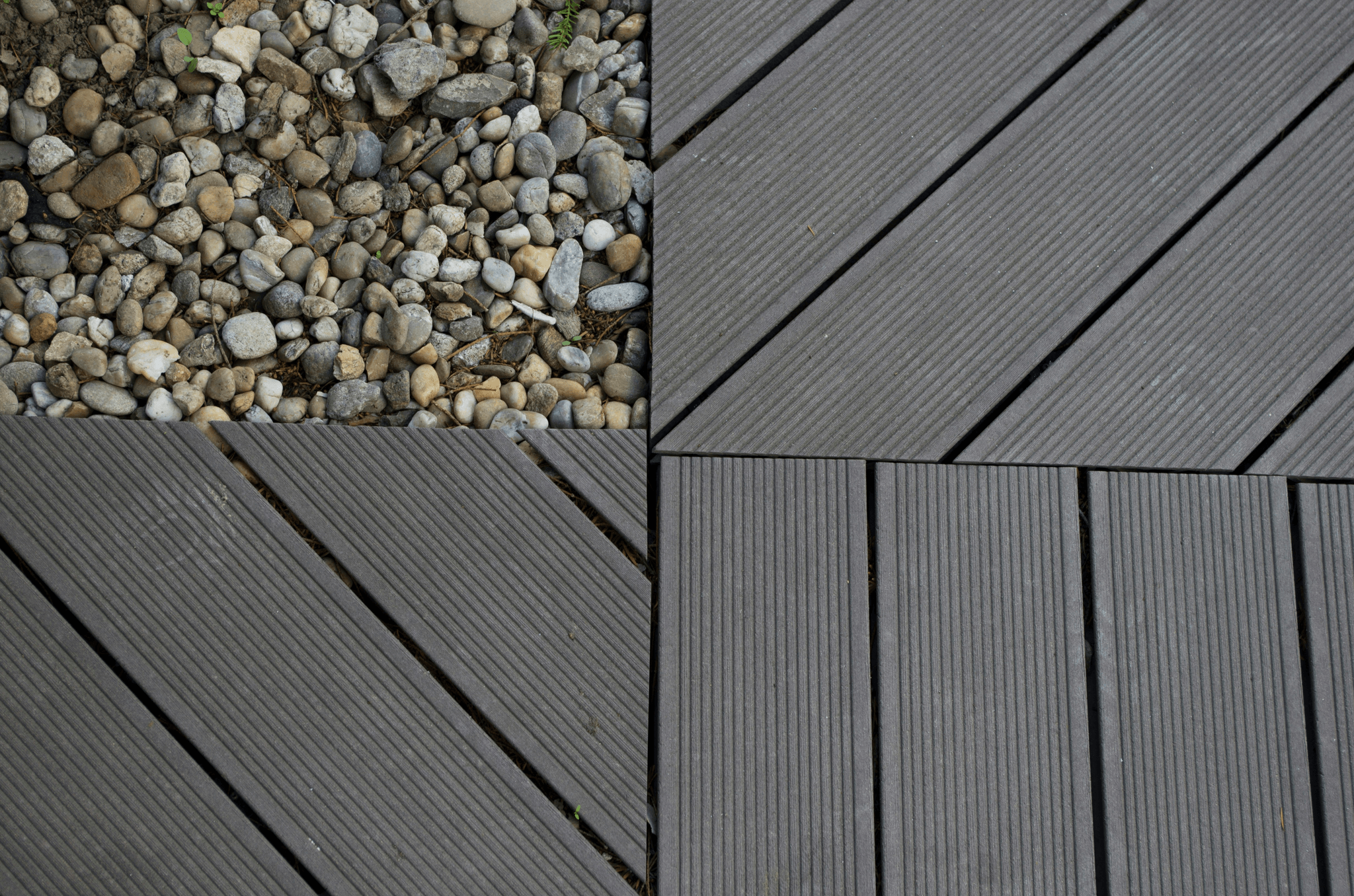
When it comes to selecting the right decking options for your home, the brand can make all the difference. With a variety of composite lumber decking brands available, homeowners are often faced with a plethora of choices that can be overwhelming. However, opting for reputable brands can ensure you get high-quality deck boards that stand the test of time while enhancing your outdoor space.
Leading Brands in Composite Decking
Several leading brands have made their mark in the world of composite lumber decking, each offering unique features and benefits. Trex is perhaps the most recognized name in composite decking, known for its innovative technologies and eco-friendly materials that appeal to environmentally conscious consumers. Other noteworthy contenders include TimberTech and Fiberon, both of which provide a range of stylish options that mimic the look of wood decks without sacrificing durability.
These brands have built their reputations on quality and performance, ensuring that their composite deck boards resist fading, scratching, and mold growth over time. As you explore your decking material options, keep an eye out for warranties offered by these companies; they often reflect confidence in their products’ longevity. Ultimately, choosing from these leading brands means investing in a product designed to withstand the elements while providing aesthetic appeal.
Composite Decking Inc's Offerings
Composite Decking Inc stands out as a reliable player in the market with its extensive range of offerings designed to meet various budgetary needs without compromising on quality. Their selection includes numerous styles and colors of composite deck boards that cater to different tastes—whether you're after a sleek modern look or something more traditional resembling wood decks. Additionally, they prioritize sustainability by using recycled materials in their products.
What sets Composite Decking Inc apart is their commitment to customer satisfaction; they provide detailed product specifications and installation guides to help homeowners make informed decisions about their decking material choices. Their competitive pricing also makes them an attractive option for those looking to enhance their outdoor spaces without breaking the bank. By considering Composite Decking Inc’s offerings alongside other top brands, you can find just what you need for your dream deck project.
Comparing Brand Quality and Value
When it comes down to choosing between different decking options, comparing brand quality and value is essential for making an informed decision about your investment. While some may lean towards more affordable choices initially, it's crucial to consider factors like maintenance costs over time—this is where higher-quality composite lumber decking truly shines against cheaper alternatives like basic wood decks or low-end composites.
Additionally, examining customer reviews can offer insight into real-world performance; satisfied customers often share stories about how well specific brands hold up against wear and tear compared to others on the market. Ultimately, finding the best decking involves balancing cost with durability—you want your deck boards not only to look good but also last through years of family gatherings or quiet evenings under the stars.
Conclusion
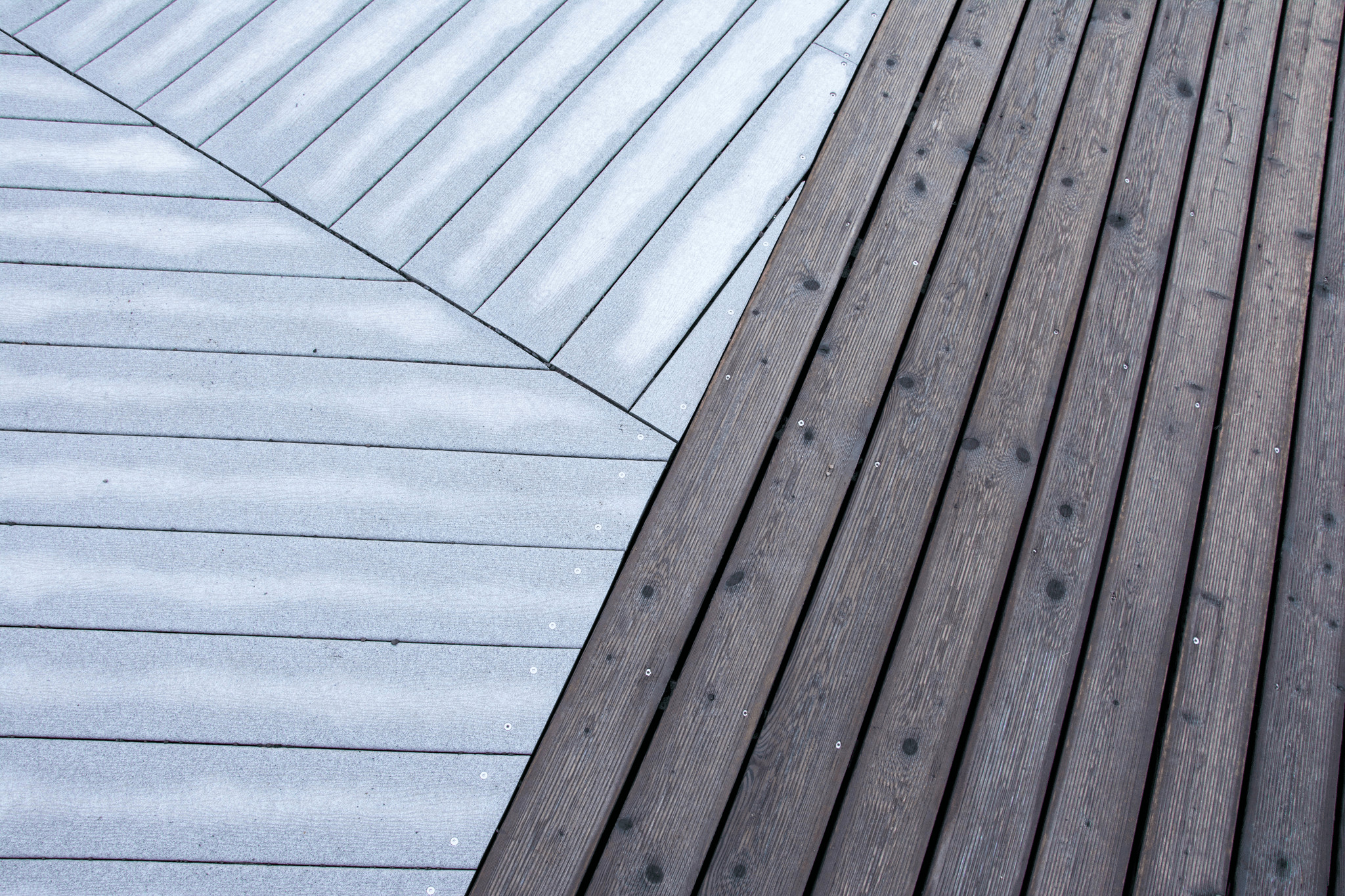
When it comes to decking options, the choices can feel overwhelming, but narrowing down your priorities can make the process easier. Consider factors like durability, maintenance, and aesthetics when selecting your decking material. Whether you lean towards composite lumber decking or prefer the timeless charm of wood decks, understanding your needs will guide you to the best decking solution for your home.
Top Factors to Consider in Decking
Choosing the right decking material involves evaluating several key factors. First and foremost is durability; composite deck boards often outlast traditional wood decks in terms of wear and tear. Additionally, maintenance requirements should be weighed; while wood decks may require regular sealing and staining, composite wood typically demands less upkeep.
Another vital consideration is cost versus value; while some materials may have a lower upfront price, they might not offer long-term savings due to higher maintenance costs. Aesthetics also play a significant role—selecting deck boards that complement your home’s style can enhance its overall appeal. Lastly, consider environmental impact; many composite lumber decking options are made from recycled materials, making them an eco-friendly choice.
Balancing Budget and Quality Needs
Finding the sweet spot between budget and quality is crucial when exploring decking options. While it might be tempting to opt for cheaper materials initially, investing in high-quality composite deck boards can save money over time through reduced maintenance costs and longer lifespan. If you're on a tight budget, consider DIY installation as a way to cut down expenses without compromising on quality.
Moreover, don't forget about warranty offerings from manufacturers; choosing brands that provide robust warranties on their products often indicates greater confidence in their quality. Balancing these aspects allows homeowners to enjoy beautiful outdoor spaces without financial strain or regret over poor choices later on.
Making the Right Choice for You
Ultimately, making the right choice in decking comes down to aligning your preferences with practical considerations. Take time to research different types of wood decks versus composite lumber decking options before committing—each has its unique benefits that cater to various lifestyles and tastes. Remember that what works best for one homeowner may not suit another; therefore, personal needs should always take precedence.
In conclusion, whether you're drawn to sleek composite deck boards or classic wooden finishes, there’s a perfect option out there waiting for you! The key is knowing what features matter most based on how you plan to use your space—be it entertaining guests or enjoying quiet evenings outdoors with family.