
Introduction
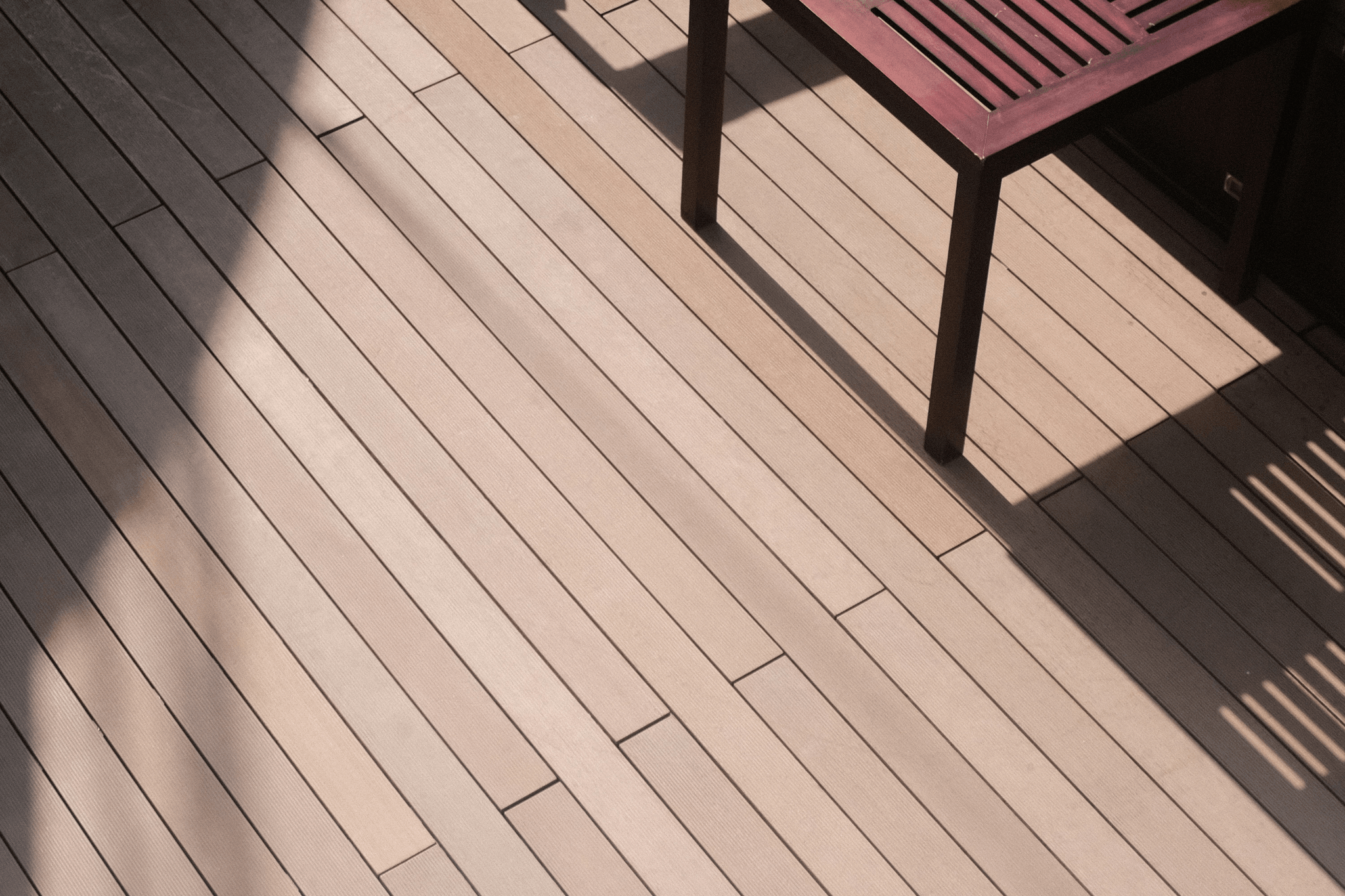
In the world of outdoor living spaces, understanding composite decking materials is essential for homeowners looking to enhance their backyards. Composite decks have gained immense popularity due to their appealing aesthetics and functional benefits, providing a stylish alternative to traditional wood decks. But what is a composite deck, and how does it compare to its wooden counterpart?
Understanding Composite Decking Materials
Composite lumber decking is made from a blend of wood fibers and recycled plastic, creating a durable and versatile product that mimics the appearance of real wood without the associated drawbacks. This innovative material is designed to withstand the rigors of outdoor conditions while maintaining its beauty over time. As you explore your options in decking material, consider how synthetic lumber for decks can offer both aesthetic appeal and practical advantages.
Key Features of Composite Decks
One of the standout features of composite wood decking boards is their resistance to fading, staining, and scratching, making them an ideal choice for busy households or those who enjoy entertaining outdoors. Unlike fake decking boards that may compromise on quality or durability, high-quality composite products are engineered for longevity and performance. With various colors and textures available, homeowners can customize their outdoor spaces while enjoying all the benefits that come with modern composite technology.
Why Choose Composite Over Wood
Choosing composite over traditional wood decks comes with several compelling reasons; foremost among them is low maintenance requirements. Unlike wood decks that require regular sealing and staining to prevent decay and damage from insects or weather elements, deck composite decking offers a hassle-free experience that allows you more time to enjoy your space rather than maintain it. Additionally, with advancements in manufacturing processes, many consumers are now recognizing the eco-friendly aspects of composite materials as they seek sustainable options for their homes.
What is a Composite Deck?

When pondering what is a composite deck, it’s essential to understand that it represents a modern solution for outdoor spaces, blending aesthetics with functionality. Composite decking is crafted from a mix of wood fibers and recycled plastic, giving you the best of both worlds—a beautiful look without the drawbacks of traditional wood decks. This innovative material has gained popularity among homeowners looking for durable and low-maintenance decking options.
Definition of Composite Decking
At its core, composite decking refers to engineered materials designed specifically for outdoor use. Unlike traditional wood decks that rely solely on natural timber, composite lumber decking combines wood fibers with synthetic materials to create a product that mimics the appearance of real wood while offering enhanced durability. Essentially, when you choose composite wood decking boards, you're opting for a stylish yet practical alternative to conventional wood decks.
Components of Composite Lumber Decking
Composite lumber decking consists mainly of two components: recycled plastic and reclaimed wood fibers. This unique combination not only results in an attractive finish but also makes these fake decking boards resistant to common issues like warping and splintering often associated with natural wood. The manufacturing process often incorporates additives that enhance color retention and UV resistance, ensuring your deck composite decking remains vibrant over the years.
Comparison with Traditional Wood Decks
When comparing composite decks to traditional wood decks, several factors come into play—durability being chief among them. While classic wooden structures may require frequent staining or sealing to maintain their beauty, synthetic lumber for decks offers low maintenance solutions that can save you time and money in the long run. Additionally, while both options have their charm, many homeowners are increasingly leaning towards composite materials due to their resilience against weather elements and pests compared to their wooden counterparts.
Benefits of Composite Decking
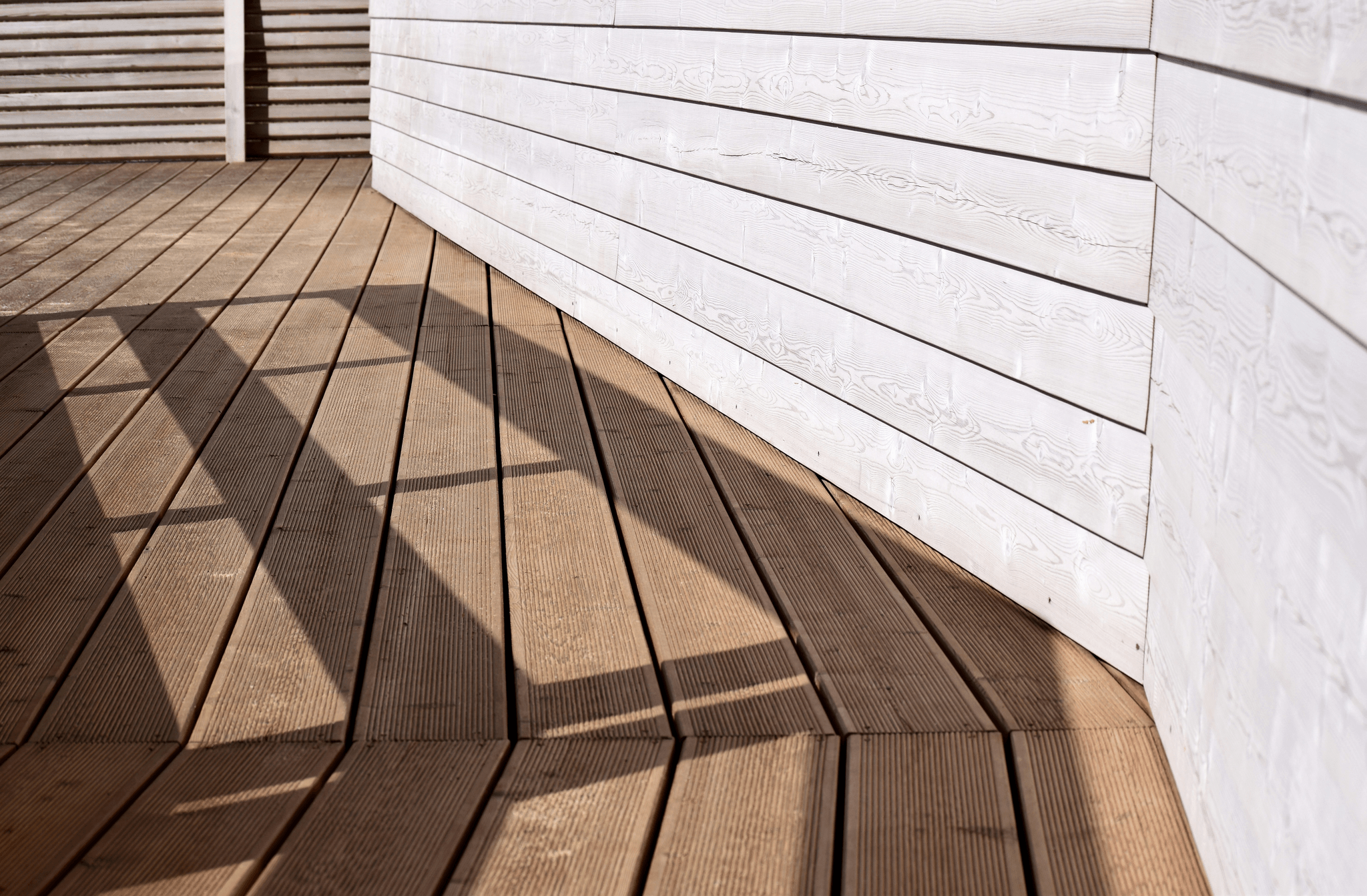
When it comes to decking material, composite decking stands out for its numerous advantages over traditional wood decks. Homeowners are increasingly asking, What is a composite deck? and the answer lies in its unique blend of materials that combine aesthetics with functionality. From durability to low maintenance, here’s a closer look at the key benefits of composite lumber decking.
Durability and Longevity
One of the most compelling reasons to choose composite lumber decking is its impressive durability and longevity. Unlike wood decks that can warp, splinter, or rot over time, synthetic lumber for decks is engineered to withstand the elements without losing its charm. With proper care, these deck composite decking solutions can last for decades, making them a wise investment for any homeowner looking to enhance their outdoor space.
Composite wood decking boards are also resistant to fading and staining, which means your deck will maintain its vibrant appearance year after year. This resilience is particularly beneficial in areas with harsh weather conditions where traditional wood decks might not hold up as well. So if you're tired of replacing or repairing your wood decks every few years, switching to fake decking boards could be the solution you’ve been searching for.
Low Maintenance Requirements
Another standout feature of composite decking is its low maintenance requirements compared to traditional wood options. Homeowners often find themselves spending countless weekends sanding, staining, or sealing their wood decks just to keep them looking decent; however, with composite materials, those days are long gone! A simple wash with soap and water usually does the trick—no elaborate upkeep necessary.
This ease of maintenance means more time enjoying your outdoor oasis instead of laboring over it. Plus, since you won’t need harsh chemicals or frequent treatments like you would with wood decks, it’s a win-win situation for both you and the environment! Choosing synthetic lumber for decks not only saves you effort but also gives you peace of mind knowing your investment requires minimal fuss.
Resistance to Weather and Insects
When considering what is a composite deck made from, it's essential to highlight its resistance to weather-related wear and tear as well as pesky pests like termites and ants. Composite lumber decking materials are designed specifically to endure rain, snow, sun exposure—essentially all Mother Nature can throw at them! This means no more worrying about rotting boards after heavy rain or sun damage causing unsightly cracks.
In addition to weather resistance, these deck composite decking products eliminate concerns about insect infestations that plague many wooden structures. The robust composition of fake decking boards makes them an unattractive choice for insects looking for a cozy home—so say goodbye to those unwanted guests! With this level of protection against both nature's fury and critter invasions, it's clear why so many homeowners are opting for composite wood decking boards over traditional options.
Types of Composite Decking Available
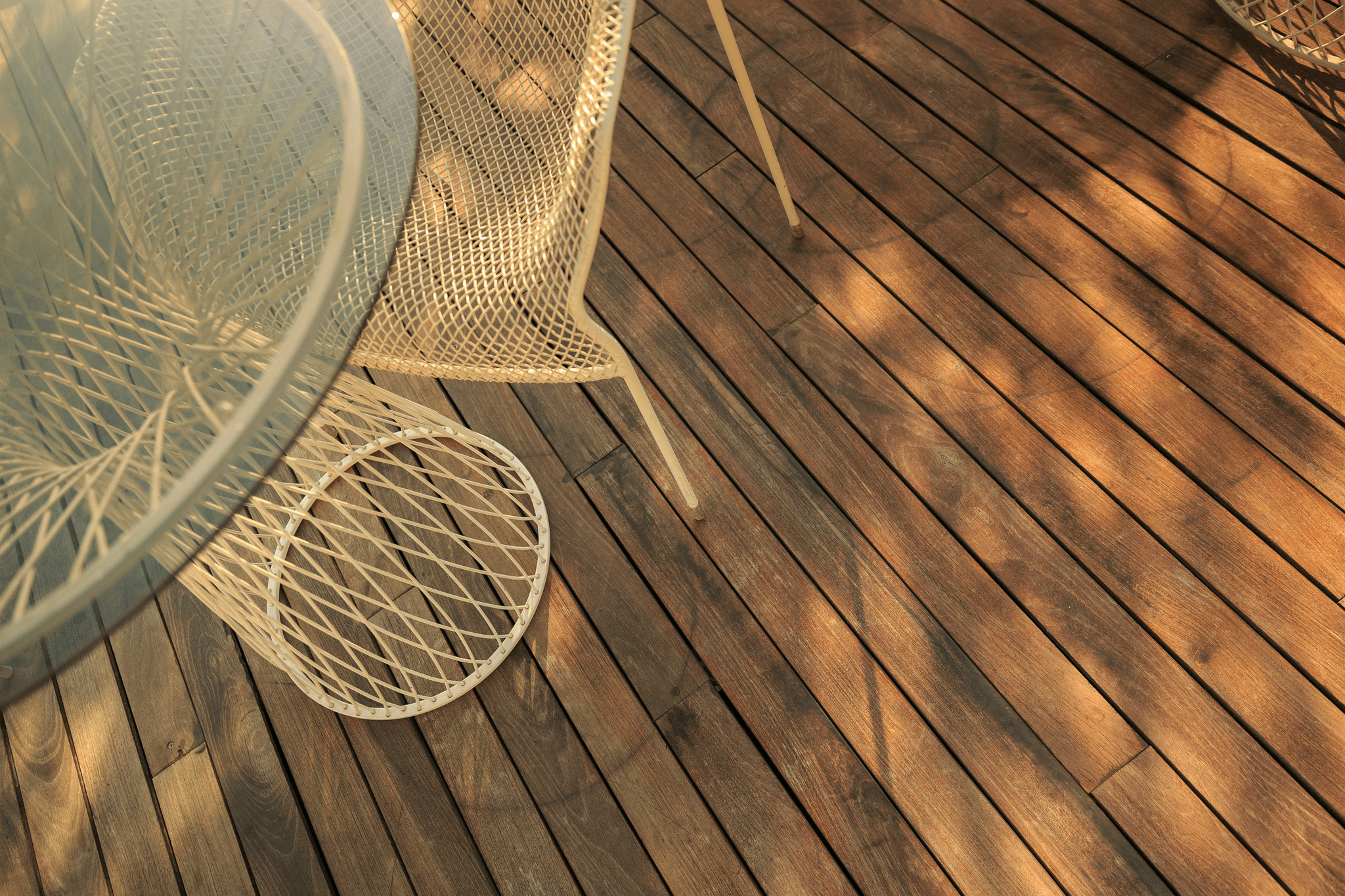
When it comes to selecting the right decking material for your outdoor space, understanding the various types of composite decking available is crucial. Composite lumber decking has evolved significantly, offering homeowners a plethora of styles and finishes that mimic the appearance of traditional wood decks while providing enhanced durability. Whether you’re looking for a sleek modern aesthetic or a rustic charm, there’s a composite option that fits your vision.
Different Styles of Composite Lumber
Composite lumber comes in an array of styles and colors, making it easy to find something that suits your personal taste and complements your home’s architecture. From rich browns and grays to vibrant shades, these fake decking boards can replicate the look of real wood without the maintenance hassles associated with natural materials. Additionally, many manufacturers offer textured finishes that enhance slip resistance while providing an authentic wood-like feel underfoot.
For those who appreciate customization, some brands allow homeowners to mix and match colors or even create unique patterns with their composite wood decking boards. This versatility means you can design a deck that is not only functional but also a true reflection of your style. With so many options available in synthetic lumber for decks, achieving your dream outdoor space has never been easier.
Popular Brands like Composite Decking Inc
When exploring composite decking options, it's essential to consider reputable brands known for quality and innovation in composite materials. One such brand is Composite Decking Inc., which offers an impressive range of products designed to meet various aesthetic preferences and performance needs. Their commitment to sustainability and durability makes them a popular choice among homeowners looking for reliable deck composite decking solutions.
Other notable brands include Trex, TimberTech, and Fiberon—each bringing their unique flair to the table with different textures, colors, and warranties that cater to diverse customer needs. These companies have set industry standards by focusing on environmentally friendly practices while ensuring their products stand up against harsh weather conditions as well as pests like termites—issues often faced by traditional wood decks. Choosing one of these trusted brands ensures you're investing in quality synthetic lumber that will last for years.
Innovations in Synthetic Lumber for Decks
The world of synthetic lumber for decks is constantly evolving with innovative technologies aimed at enhancing performance and aesthetics alike. Recent advancements have led to developments such as capped composites—where a protective layer surrounds the core material—offering superior resistance against fading, staining, and scratching compared to earlier versions of composite wood decking boards. This innovation not only increases longevity but also simplifies maintenance routines.
Moreover, some manufacturers are now incorporating recycled materials into their composites which further supports eco-friendly initiatives within the industry; this means your new deck can be both stylish and sustainable! As technology progresses, we can expect even more exciting innovations within this realm—making it easier than ever to enjoy all the benefits associated with what is a composite deck without sacrificing style or functionality.
Eco-Friendly Aspects of Composite Decks
When considering decking materials, eco-friendliness is a significant factor for many homeowners. Composite decks offer an impressive alternative to traditional wood decks by utilizing sustainable practices and materials. Understanding what is a composite deck in terms of its environmental impact can help you make a more informed choice.
Sustainability of Composite Materials
Composite lumber decking is made from a combination of wood fibers and recycled plastics, creating a product that is both durable and sustainable. This innovative blend significantly reduces the need for virgin timber, which helps preserve forests and natural habitats. By choosing synthetic lumber for decks, you're not just opting for style; you're also supporting sustainability efforts in the construction industry.
The production process for composite wood decking boards often involves fewer resources than traditional wood processing, contributing to lower carbon emissions. Additionally, many manufacturers are committed to using eco-friendly practices throughout their operations, ensuring that your deck composite decking choice has minimal environmental impact. With these benefits in mind, it’s clear that composite materials are paving the way toward greener building solutions.
Recycled Products in Composite Wood Decking Boards
One of the standout features of composite decks is their use of recycled products, which sets them apart from conventional wood decks. Many composite wood decking boards incorporate reclaimed materials like plastic bottles and scrap wood fibers, transforming waste into beautiful outdoor spaces. This recycling process not only diverts waste from landfills but also reduces the demand for new raw materials.
By choosing fake decking boards made from recycled components, you’re contributing to a circular economy where products are reused rather than discarded. The incorporation of these materials into synthetic lumber for decks showcases how innovation can lead to environmentally friendly solutions without compromising on quality or aesthetics. In essence, every board you install helps promote sustainability while enhancing your outdoor lifestyle.
Environmental Impact Compared to Wood Decks
When comparing the environmental impact of composite versus traditional wood decks, it becomes evident that composite options have distinct advantages. Wood decks require regular maintenance such as staining and sealing, which often involves harmful chemicals that can leach into the environment over time. On the other hand, composite lumber decking requires minimal upkeep—saving both time and resources while being kinder to nature.
Moreover, unlike natural wood that may require deforestation or contribute to habitat loss during harvesting processes, synthetic lumber for decks offers an eco-friendlier alternative without sacrificing performance or beauty. The longevity of composite materials means they don't need frequent replacement like wooden options do; this further reduces waste over time as well as resource consumption associated with manufacturing new products.
In summary, when considering what is a composite deck in relation to environmental responsibility, it's clear that opting for this innovative material not only enhances your outdoor space but also supports sustainable living practices—making it a win-win situation!
Installation Process for Composite Decking

Installing composite decking can be a rewarding project, transforming your outdoor space into a stylish and functional area. However, proper preparation is key to ensuring that your deck composite decking stands the test of time. With the right tools and a clear understanding of the process, you can enjoy all the benefits of composite lumber decking.
Preparing the Area for Deck Composite Decking
Before diving into installation, it's essential to prepare the area where your deck will sit. Start by clearing any debris, rocks, or vegetation from the site; this ensures a solid foundation for your composite wood decking boards. Next, level the ground as much as possible and consider installing a weed barrier to prevent unwanted growth beneath your new deck.
Once you've cleared and leveled the area, it's time to lay out your design. Use stakes and string lines to outline where your synthetic lumber for decks will go; this gives you a visual guide during installation. Additionally, make sure to check local building codes or homeowner association guidelines regarding height and permits before proceeding with installation.
Tools and Materials Needed
To successfully install composite decking, you'll need some specific tools and materials at your disposal. Essential tools include a circular saw for cutting fake decking boards to size, a drill for fastening them in place, and measuring tape for accurate dimensions. Don’t forget safety gear like goggles and gloves; after all, protecting yourself while working with these materials is crucial.
In terms of materials, ensure you have enough composite lumber decking on hand along with fasteners designed specifically for synthetic lumber for decks—these are often corrosion-resistant screws that won’t rust over time. You might also need joists or framing materials depending on how you're building your structure; sturdy support is vital when creating long-lasting wood decks.
Tips for DIY Installation vs Professional Help
While many homeowners choose DIY installation due to its cost-effectiveness, knowing when to call in professionals can save you headaches down the line. If you're comfortable using tools like circular saws and drills—and have experience with projects involving deck composite decking—you may find it enjoyable to tackle this project yourself! However, keep in mind that complex designs or large areas might warrant hiring experts who specialize in installing composite wood decking boards.
If you opt for DIY but run into challenges during installation—such as aligning boards or ensuring proper drainage—don’t hesitate to reach out for professional assistance later on! Remember that investing in quality workmanship can enhance both aesthetics and longevity of your synthetic lumber deck compared to rushed installations done solo.
In conclusion, whether you choose DIY or professional help depends on comfort level with tools and project complexity; however, thorough preparation will always lay down solid groundwork (pun intended!) towards achieving an impressive outdoor space that showcases what is a composite deck at its finest!
Conclusion

In wrapping up our exploration of composite decking, it's clear that this innovative material offers numerous advantages over traditional wood decks. From its impressive durability to the minimal maintenance requirements, composite lumber decking stands out as a top choice for homeowners looking to enhance their outdoor spaces. Whether you’re considering synthetic lumber for decks or simply weighing your options, the benefits of deck composite decking are hard to ignore.
Summary of Composite Deck Benefits
Composite decking provides a plethora of benefits that make it an attractive alternative to wood decks. Firstly, its durability means it can withstand harsh weather conditions and resist fading over time, ensuring your investment looks great for years to come. Additionally, unlike fake decking boards that may warp or splinter, composite wood decking boards maintain their integrity without the need for regular staining or sealing.
Choosing the Right Decking Material
When deciding on the best decking material for your home, it's crucial to consider factors like longevity and maintenance needs. While traditional wood decks might appeal with their natural beauty, they often require more upkeep and can be susceptible to pests and rot. In contrast, opting for composite lumber decking not only saves time but also provides peace of mind knowing you're investing in a sustainable option that enhances your outdoor living experience.
Final Thoughts on Composite Decking Solutions
Ultimately, selecting what is a composite deck as your choice in outdoor flooring is about balancing aesthetics with practicality. With innovations in synthetic lumber for decks leading the way in design and functionality, homeowners now have access to styles that mimic natural wood without compromising performance. As you embark on your journey toward creating an inviting outdoor space, remember that composite wood decking boards offer a modern solution that's both eco-friendly and stylish.