
Introduction
In recent years, synthetic decks have surged in popularity among homeowners looking to enhance their outdoor spaces. With their low maintenance requirements and impressive durability, these innovative decking solutions are quickly becoming the best decking choice for many. As people seek alternatives to traditional wood, the appeal of composite materials is undeniable, making patio decking a smart investment.
Why Synthetic Decks Are Trending
The trend toward synthetic decks can be attributed to several factors that resonate with modern homeowners. First and foremost, these decks offer a sustainable option that reduces the need for deforestation while providing long-lasting beauty and functionality. Additionally, as outdoor living spaces gain importance in our lives, the demand for reliable and stylish outdoor decking has never been higher.
Benefits of Choosing Composite Materials
Choosing composite materials for your deck comes with a plethora of benefits that simply cannot be ignored. For starters, synthetic decks made from PVC decking material or composite wood are designed to withstand harsh weather conditions without warping or splintering like traditional wood. This means less time spent on upkeep and more time enjoying your beautiful outdoor retreat.
Synthetic Decks vs. Traditional Wood
When comparing synthetic decks to traditional wood options, it quickly becomes clear why many opt for composites over timber. While wooden decks may provide an initial aesthetic charm, they often require extensive maintenance such as staining and sealing to keep them looking their best over time. In contrast, patio decking made from synthetic materials offers a stunning appearance with minimal effort—perfect for those who want to maximize their leisure time outdoors.
Understanding Synthetic Decks

Synthetic decks are revolutionizing the way we think about outdoor spaces. These innovative structures offer a blend of aesthetics and durability, making them a popular choice among homeowners looking to enhance their patio decking. By opting for synthetic materials, you can enjoy the beauty of wood without the constant maintenance associated with traditional options.
What Are Synthetic Decks?
Synthetic decks are engineered outdoor surfaces primarily made from composite materials, designed to mimic the appearance of natural wood while providing enhanced durability and resistance to environmental factors. Unlike traditional wood decks, which can warp or splinter over time, synthetic decks maintain their integrity and look for years with minimal upkeep. They come in various styles and colors, allowing homeowners to customize their outdoor decking according to personal tastes.
Key Materials Used in Synthetic Decking
The most common materials used in synthetic decking include composite wood and PVC (polyvinyl chloride) decking. Composite wood is typically made from a mixture of recycled plastics and wood fibers, offering an eco-friendly alternative that doesn't sacrifice style or performance. PVC decking material, on the other hand, is entirely plastic-based, making it resistant to moisture and insects—perfect for those living in humid climates.
Advantages Over Traditional Patio Decking
Choosing synthetic decks over traditional patio decking offers numerous advantages that can't be ignored. For starters, they require significantly less maintenance; no need for regular staining or sealing as you would with wooden surfaces! Additionally, synthetic options are more resistant to fading, scratching, and mold growth—meaning your deck will look great season after season without constant care.
Types of Synthetic Decking
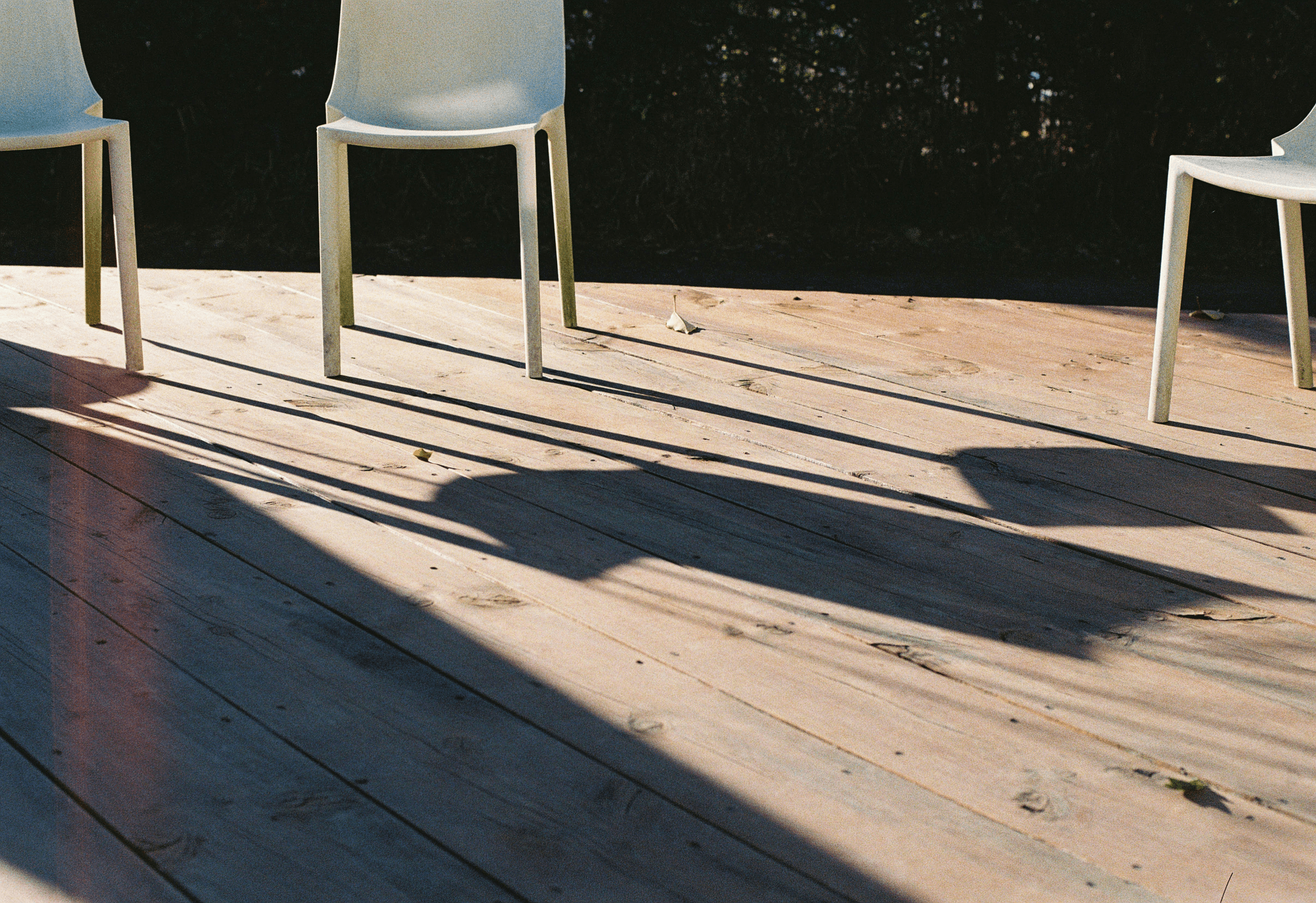
When it comes to synthetic decks, the options available can be overwhelming. However, understanding the different types of synthetic decking will help you make an informed choice that fits your outdoor space and lifestyle needs. From PVC decking to composite wood, each material has unique benefits that cater to various preferences and climates.
Exploring PVC Decking Options
PVC decking is a popular choice for homeowners looking for low-maintenance outdoor decking solutions. Made entirely from polyvinyl chloride, this type of synthetic deck offers excellent resistance to moisture and weather conditions, making it ideal for areas with heavy rainfall or humidity. With a wide range of colors and styles available, PVC decking material can easily complement any patio design while ensuring durability over time.
One significant advantage of PVC decking is its ability to resist fading, staining, and scratching compared to traditional wood materials. This makes it an attractive option for those who want their outdoor decking to look new year after year without the hassle of regular maintenance. Additionally, many manufacturers offer warranties on their PVC products, giving you peace of mind about your investment in synthetic decks.
Composite Wood vs. PVC Decking
When comparing composite wood with PVC decking, it's essential to understand their distinct characteristics and advantages. Composite wood is made from a blend of recycled wood fibers and plastic polymers, providing a more natural appearance than pure PVC while still offering many benefits associated with synthetic decks. Unlike traditional wood materials that require constant upkeep like sanding or sealing, composite wood provides a more hassle-free experience.
On the other hand, PVC decking excels in moisture resistance and durability against the elements but may lack the warmth and visual appeal that composite wood offers. Homeowners often find themselves choosing between aesthetic preferences versus practical benefits when deciding between these two popular options for patio decking materials. Ultimately, both choices have their merits; it just depends on what you prioritize most in your outdoor space.
Best Decking Materials for Your Climate
Selecting the best decking materials for your climate is crucial when investing in synthetic decks or any outdoor flooring solution. In regions with extreme temperatures or high humidity levels, both PVC and composite wood can perform exceptionally well; however, they may react differently based on environmental factors such as sunlight exposure or precipitation patterns. For example, if you live in an area prone to heavy rains or snowfalls, opting for moisture-resistant PVC could save you from potential issues down the line.
Conversely, if you're located in a climate with moderate conditions where aesthetics play a significant role in backyard design—composite wood might be your best bet due to its appealing texture and color variations that mimic real timber without compromising longevity. Always consider local weather patterns when choosing between these two types of synthetic decks so that you can enjoy your outdoor space all year round without worrying about wear and tear.
Choosing the Right Synthetic Deck

When it comes to selecting the right synthetic deck, a few key factors can make all the difference in your outdoor experience. From climate considerations to design preferences, understanding what suits your needs best will help you choose the ultimate patio decking solution. With options like composite wood and PVC decking material available, making an informed decision is essential.
Factors to Consider for Outdoor Decking
First and foremost, consider your climate when choosing synthetic decks. If you live in an area with extreme temperatures or heavy rainfall, opting for a durable option like PVC decking may be wise as it resists warping and fading better than traditional wood alternatives. Additionally, think about how much maintenance you're willing to commit to; some composite materials require less upkeep than others.
Another factor is the intended use of your outdoor decking space. Are you looking for a cozy spot for family gatherings or a sleek area for entertaining guests? Understanding how you'll use your deck can guide you toward the best decking features that meet both aesthetic and functional needs.
Lastly, don’t forget about safety features such as slip resistance if children or elderly family members will be using the space often. Selecting synthetic decks with textured surfaces can help prevent accidents while ensuring everyone enjoys their time outdoors without worry.
Popular Brands in Composite Decking
When it comes to choosing from popular brands in composite decking, several names stand out due to their quality and innovation. Trex is often regarded as a leader in this sector, offering a wide variety of colors and styles that mimic natural wood while providing exceptional durability against weather elements. Another noteworthy brand is TimberTech, known for its eco-friendly practices and high-performance products that promise longevity.
If you're leaning towards PVC decking material specifically, brands like Azek are worth exploring as they provide excellent moisture resistance and come with impressive warranties that guarantee long-lasting performance. Meanwhile, Fiberon offers affordable options without compromising on quality or aesthetics—perfect for budget-conscious homeowners looking to enhance their outdoor spaces.
Ultimately, researching these popular brands will ensure you find synthetic decks that not only fit your style but also stand up against time and nature's elements.
Composite Decking Installation Tips
Now that you've chosen your ideal synthetic deck material, let’s talk about composite decking installation tips to ensure everything goes smoothly! First off, always follow manufacturer guidelines during installation; they provide specific instructions tailored to their products which can save you headaches down the road. Proper spacing between boards is crucial—this allows for expansion during temperature changes and helps prevent warping over time.
Additionally, consider hiring professionals if you're unsure about tackling the project yourself; skilled installers know all the tricks of the trade when it comes to achieving seamless finishes with synthetic decks. If DIY-ing is more your style though, don't hesitate to gather friends or family—it makes for a fun weekend project!
Lastly, remember that proper drainage around your patio decking area can significantly impact its longevity; ensuring water flows away from your deck will help maintain its integrity over years of use.
Maintenance and Longevity
When it comes to maintaining your outdoor space, synthetic decks are a game-changer. Unlike traditional wood, which can warp, splinter, and require constant upkeep, synthetic decking offers a hassle-free alternative that stands the test of time. With the right care, you can enjoy your patio decking without the stress of frequent repairs or replacements.
How to Care for Synthetic Decks
Caring for synthetic decks is as easy as pie! Regular cleaning with soap and water will keep your composite wood looking fresh and vibrant year-round. For tougher stains or grime buildup on PVC decking material, a gentle scrub with a soft brush is all you need—no harsh chemicals required!
Additionally, it's wise to keep an eye out for debris like leaves or dirt that can accumulate over time. A quick sweep or occasional rinse will help prevent mold growth and maintain the beauty of your outdoor decking. Remember to check for any loose boards or fasteners during routine maintenance; staying proactive ensures that your synthetic decks remain in top shape.
Lifespan of Composite Materials
One of the standout features of composite decking is its impressive lifespan. While traditional wood may last around 10-15 years with proper maintenance, high-quality synthetic decks can last 25 years or more—talk about longevity! This makes them an excellent investment for homeowners looking to enhance their outdoor living spaces.
Not only do these materials resist fading and staining better than wood, but they also stand up against rot and insect damage. When you choose PVC decking material or composite wood for your deck, you're opting for durability that pays off in the long run—no more replacing rotting boards every few years!
Comparing Maintenance of Synthetic vs. Wood
When comparing maintenance between synthetic decks and traditional wood options, it’s clear who comes out on top: composite materials win hands down! Wood requires regular sealing, staining, and painting to preserve its integrity while synthetic decking needs minimal effort beyond occasional cleaning. This means more time enjoying your patio decking instead of laboring over upkeep.
Furthermore, unlike wood which can suffer from warping due to moisture exposure or temperature changes, composite materials are designed to withstand various weather conditions without compromising their structure. So if you're tired of spending weekends sanding down splinters or re-staining faded boards, switching to synthetic decks could be just what you need!
Design Ideas for Your Synthetic Deck

When it comes to transforming your outdoor space, synthetic decks offer endless possibilities. With the right design elements, you can create an inviting atmosphere that complements your home’s style and enhances your outdoor experience. Whether you're hosting a summer barbecue or enjoying a quiet evening under the stars, thoughtful design choices will make your patio decking the ultimate retreat.
Creating an Inviting Outdoor Space
To make your synthetic deck feel cozy and welcoming, consider incorporating comfortable furniture and vibrant accessories. Plush seating arrangements with colorful cushions can instantly elevate the aesthetics of any outdoor decking area, while a stylish table sets the stage for dining al fresco. Add some potted plants or hanging lights to bring life and warmth to your composite wood deck, creating a space where friends and family will love to gather.
Another way to enhance your outdoor experience is by defining different zones within your patio decking. Create separate areas for lounging, dining, or even a small garden nook with beautiful flowers or herbs. This not only maximizes functionality but also adds visual interest to your synthetic decks.
Color and Texture Options for PVC Decking
One of the most exciting aspects of choosing PVC decking material is its wide array of color and texture options available today. From rich earth tones that mimic natural wood grains to bold hues that make a statement, you can select colors that match or contrast beautifully with your home’s exterior. Textured finishes can add depth and character to your synthetic decks while providing slip resistance for safety.
Consider mixing different colors in various sections of your patio decking for a unique look that reflects your personality. You could use lighter shades for open spaces and darker tones in shaded areas; this creates visual balance while enhancing the overall appeal of composite decking installation projects. With so many options at hand, finding the best decking solution becomes an enjoyable part of designing your outdoor oasis.
Innovative Features to Enhance Your Patio Decking
To truly elevate your synthetic decks beyond standard designs, think about integrating innovative features that enhance both usability and style. Built-in benches are perfect for maximizing space while providing extra seating when entertaining guests on warm evenings outside. Additionally, incorporating planters into the structure allows you to enjoy greenery without compromising valuable floor space on your composite wood deck.
Lighting is another key feature that can transform patio decking into an enchanting evening retreat; consider adding LED strips along railings or recessed lighting in steps for added ambiance after sunset. For those who love cooking outdoors, installing an outdoor kitchen complete with grills or pizza ovens makes entertaining effortless while showcasing how versatile synthetic decks can be!
By considering these design ideas—creating inviting spaces, exploring color options in PVC decking material, and implementing innovative features—you'll be well on your way toward crafting a stunning outdoor environment tailored just for you.
Conclusion
In wrapping up our exploration of synthetic decks, it's clear that these modern materials are revolutionizing outdoor spaces. With a variety of options available, homeowners can choose the best decking suited to their needs and preferences. Whether you're looking for durability, aesthetics, or low maintenance, synthetic decks like composite wood and PVC decking offer unbeatable advantages.
The Best Choices for Synthetic Decks
When it comes to selecting the best decking for your outdoor space, synthetic decks stand out as a top choice. Composite wood provides an appealing look while being resistant to rot and insects, making it ideal for those seeking longevity. On the other hand, PVC decking material offers unmatched waterproof properties and is perfect for areas prone to moisture and humidity.
Transform Your Space with Composite Decking
Transforming your patio into an inviting oasis is easy with composite decking options available today. These materials not only enhance the visual appeal of your outdoor decking but also provide a safe surface that withstands the elements year-round. Imagine hosting summer barbecues or cozy winter evenings on a stunning synthetic deck that requires minimal upkeep!
Why Composite Decking Inc is Your Go-To Source
For anyone considering synthetic decks, Composite Decking Inc should be at the top of your list when it comes to quality and expertise in composite decking installation. Their extensive selection ensures you’ll find the perfect fit for your style and climate needs while benefiting from knowledgeable guidance throughout your project. Plus, with their commitment to customer satisfaction, you can trust that you’re making an investment in both beauty and durability.