
Introduction

In the ever-evolving world of outdoor living, composite wood manufacturers have carved a niche that combines beauty, durability, and sustainability. As homeowners seek alternatives to traditional materials for their decking projects, composite decking has emerged as a popular choice due to its impressive performance and aesthetic appeal. With an array of options available, understanding the landscape of composite wood materials is essential for making informed decisions.
Overview of Composite Wood Manufacturers
The market is brimming with composite wood manufacturers that offer a diverse range of products designed to meet various consumer needs. From established giants like Trex Company Inc. and TimberTech to innovative newcomers like Composite Decking Inc., each brand brings its unique flavor to the table. These companies focus on producing high-quality composite lumber that not only enhances outdoor spaces but also stands up against the elements.
Importance of Choosing the Right Manufacturer
Selecting the right manufacturer is crucial when investing in composite lumber decking because quality can vary significantly across brands. A well-made product ensures longevity and reduces maintenance costs over time, making it vital to research and compare options before making a purchase decision. By choosing reputable composite wood manufacturers, consumers can enjoy peace of mind knowing they are getting reliable products backed by positive customer experiences.
What Makes Composite Wood Superior
Composite wood stands out from traditional lumber due to its superior resistance to rot, insects, and fading—all common issues faced by natural wood materials. The innovative blend of recycled plastics and wood fibers results in durable composite deck boards that require minimal upkeep while maintaining their appearance for years on end. Additionally, many manufacturers prioritize sustainability in their production processes, further enhancing the appeal of composite lumber as an eco-friendly alternative for outdoor living spaces.
Leading Companies in Composite Wood
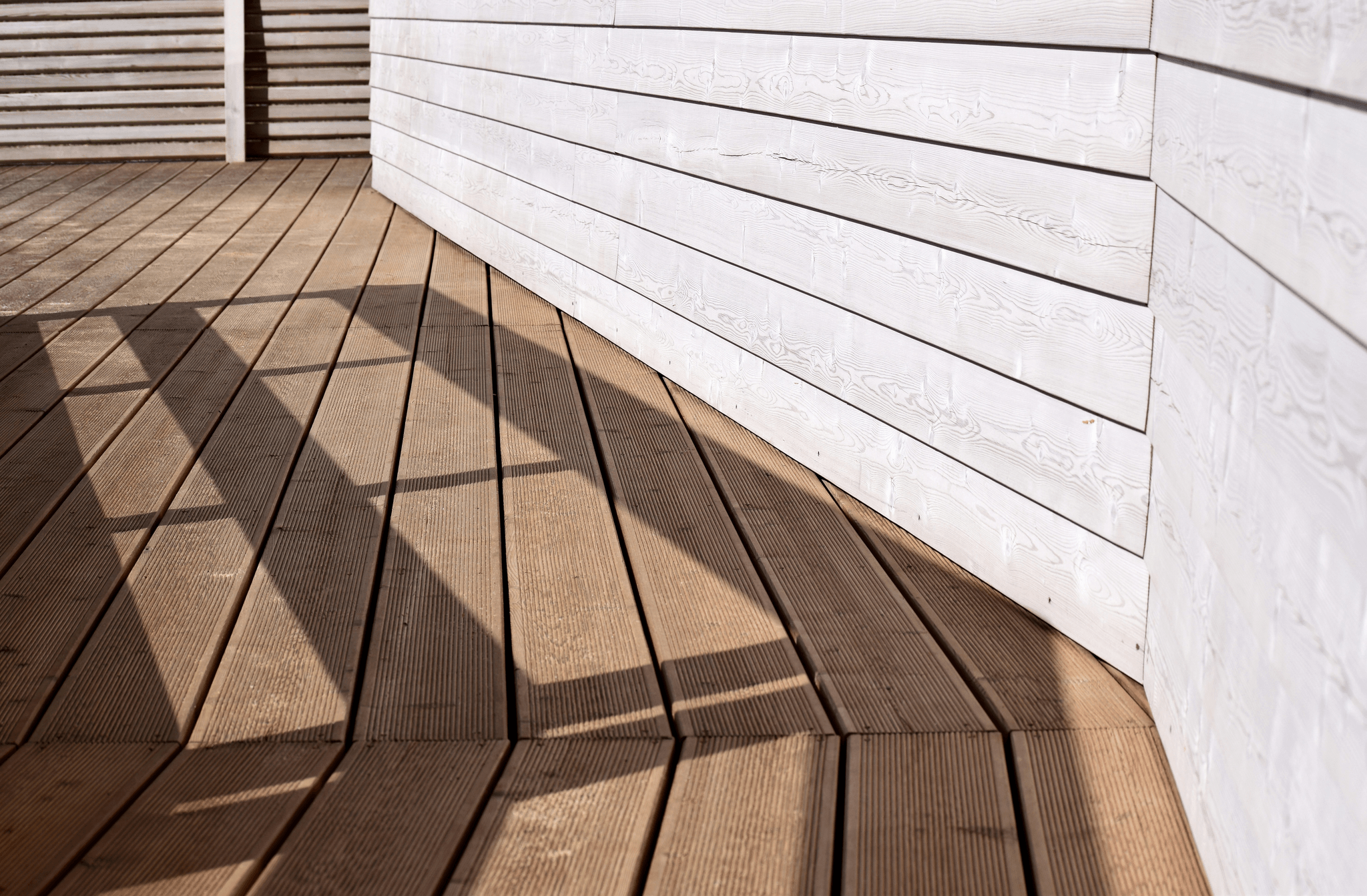
The composite wood industry is teeming with innovation and competition, with several manufacturers standing out for their quality and commitment to sustainability. When it comes to composite decking, three names consistently rise to the top: Trex Company Inc., TimberTech, and Fiberon. Each of these composite wood manufacturers has carved out a niche by offering unique products that cater to the diverse needs of consumers.
Trex Company Inc.
Trex Company Inc. is often regarded as the pioneer in the realm of composite lumber decking, having set the standard for high-quality composite materials since its inception in 1996. Their composite deck boards are crafted from recycled wood and plastic, ensuring durability while minimizing environmental impact. With a wide range of colors and textures, Trex allows homeowners to create stunning outdoor spaces without sacrificing sustainability.
What sets Trex apart from other composite wood manufacturers is its commitment to eco-friendly practices; they recycle over 1.5 billion pounds of plastic each year! This dedication not only helps reduce waste but also positions them as a leader in sustainable building materials. Customers rave about their products' longevity and low-maintenance requirements, making Trex a go-to choice for anyone looking into composite decking solutions.
TimberTech
TimberTech has been making waves in the world of composite lumber since its founding in 1997, focusing on creating products that blend beauty with durability. Their extensive selection of composite decking options features advanced technology that enhances resistance to fading, staining, and scratching—a must-have for any outdoor space! TimberTech’s commitment to innovation ensures that their composite deck boards not only look great but also stand up against the elements.
One key aspect that distinguishes TimberTech from other manufacturers is their use of capped composites—an outer layer that protects against moisture damage and UV rays. This technology means your deck will retain its beauty for years without excessive maintenance or worry about wear-and-tear. Additionally, TimberTech emphasizes sustainability by using recycled materials in their production process, appealing to environmentally conscious consumers seeking quality composite wood materials.
Fiberon
Fiberon rounds out our trio of leading companies with an impressive lineup of stylish and durable composite decking options designed for every lifestyle and budget. Known for their innovative designs and vibrant colors, Fiberon's products make it easy for homeowners to achieve a beautiful outdoor space without compromising on performance or environmental responsibility. With various textures mimicking natural wood grains, Fiberon’s offerings are truly eye-catching!
One notable feature of Fiberon's approach is its commitment to producing eco-friendly products—many lines utilize recycled content while meeting stringent environmental standards set by organizations like the Forest Stewardship Council (FSC). This focus on sustainability resonates well with consumers who want both aesthetic appeal and peace of mind when selecting their building materials. Customer feedback highlights Fiberon's exceptional customer service alongside high-quality performance; users appreciate how well these composite lumber solutions hold up over time.
Spotlight on Composite Decking Inc
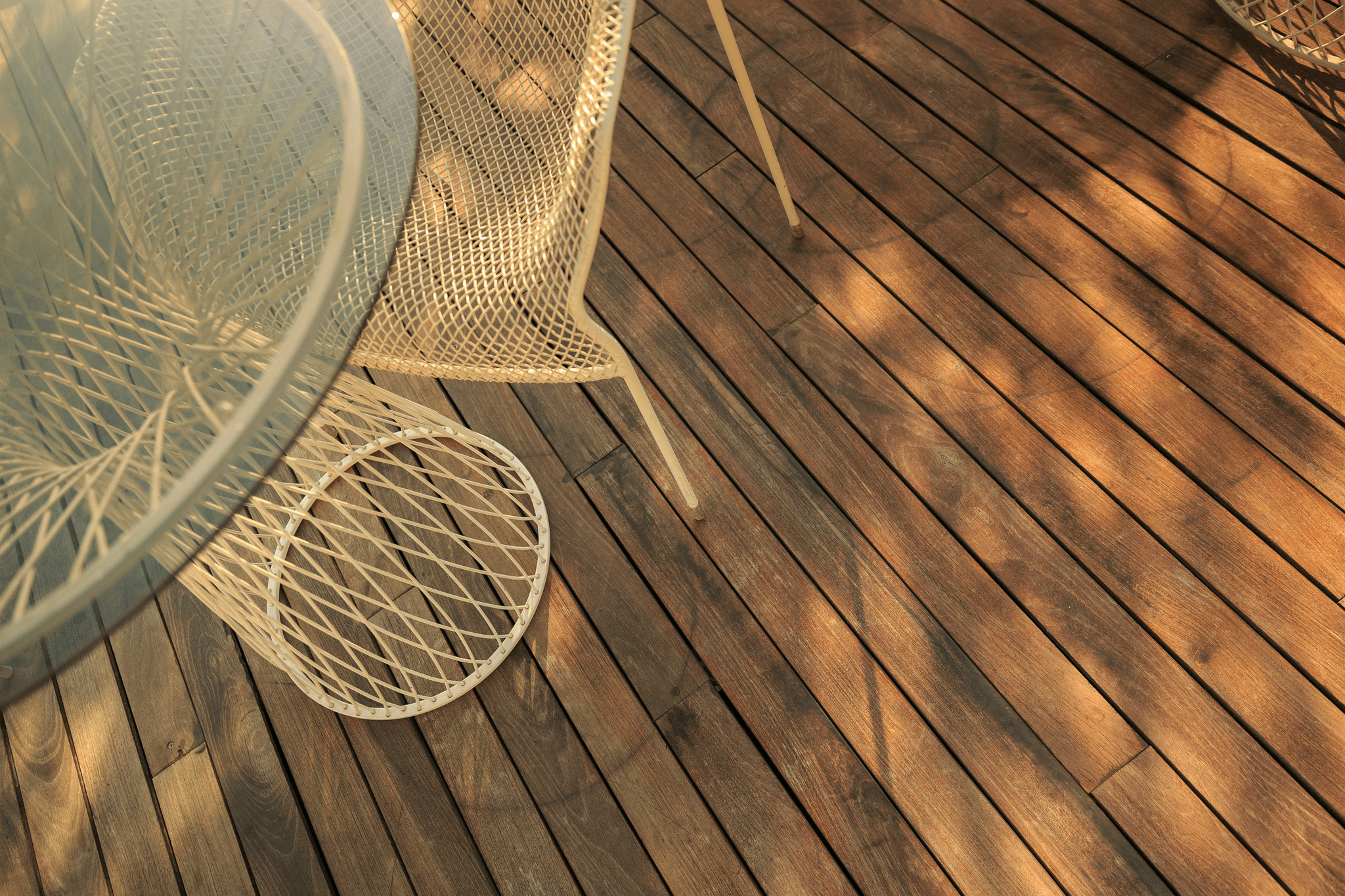
Composite Decking Inc stands out among composite wood manufacturers for its commitment to quality, innovation, and sustainability. Their products are designed not just for aesthetics but also for long-lasting performance that withstands the test of time. When it comes to composite decking, this company has carved a niche by offering some of the best composite lumber decking options on the market.
Quality and Durability of Their Products
Quality is a cornerstone of Composite Decking Inc's philosophy, reflected in their range of composite deck boards that promise durability and resilience. Made from high-quality composite wood materials, these boards resist fading, scratching, and warping—issues often faced by traditional wood decking. Customers can rest easy knowing that their investment in composite lumber will endure harsh weather conditions while maintaining its beauty over time.
The manufacturing process employs advanced technology to ensure each board meets rigorous quality standards. This attention to detail translates into a product that not only looks great but also performs exceptionally well under various environmental stresses. Additionally, their products come with warranties that speak volumes about their confidence in durability, making them a reliable choice among discerning homeowners.
Eco-Friendly Initiatives
In today's climate-conscious world, Composite Decking Inc takes pride in its eco-friendly initiatives aimed at minimizing environmental impact. They use recycled materials in their composite wood products, significantly reducing waste and promoting sustainability within the industry. By choosing composite lumber from this manufacturer, customers contribute to a greener planet without sacrificing quality or performance.
Their commitment goes beyond just using recycled content; they also engage in sustainable forestry practices to ensure that the raw materials sourced are responsibly harvested. This holistic approach positions Composite Decking Inc as a leader among eco-friendly composite wood manufacturers committed to preserving natural resources while delivering exceptional products. As consumers increasingly prioritize sustainability in their purchasing decisions, companies like Composite Decking Inc are paving the way for more responsible choices in outdoor living solutions.
Customer Testimonials
Customer testimonials provide valuable insights into the real-world performance of Composite Decking Inc's products and reflect satisfaction levels among users of their composite decking solutions. Many customers rave about the aesthetic appeal of their decks while highlighting how easy they are to maintain compared to traditional timber options—no more sanding or staining! The durability claims hold true as users report minimal wear even after years of exposure to sun and rain.
Moreover, clients appreciate the company’s customer service; many have noted prompt responses and helpful guidance throughout their purchasing journey. These glowing reviews underscore why Composite Decking Inc is often recommended by both homeowners and contractors alike when discussing top-tier composite lumber brands available today. With such positive feedback echoing through forums and review sites alike, it’s clear that this manufacturer has earned its reputation as one of the best in the business.
Innovations in Composite Lumber

The world of composite lumber is evolving rapidly, driven by technological advancements and a commitment to sustainability. Composite wood manufacturers are continuously pushing the boundaries of what is possible in composite decking, resulting in products that are not only visually appealing but also incredibly durable. These innovations enhance the performance and longevity of composite deck boards, making them a preferred choice for homeowners and builders alike.
Technological Advances in Production
Recent advances in production technology have revolutionized how composite wood materials are created. Manufacturers now utilize sophisticated extrusion processes that allow for more consistent quality and enhanced durability in composite lumber decking. Additionally, innovations like co-extrusion have led to the development of capped composite products that provide superior resistance to fading, staining, and scratching—making your outdoor space look pristine for years to come.
Moreover, some leading composite wood manufacturers are incorporating recycled materials into their production processes, which not only reduces waste but also lowers the carbon footprint associated with manufacturing. This blending of technology with eco-friendly practices demonstrates a forward-thinking approach that resonates with environmentally conscious consumers looking for sustainable decking solutions. As these technologies continue to evolve, we can expect even greater improvements in both performance and environmental impact.
Unique Features of Composite Deck Boards
Composite deck boards now come equipped with unique features designed specifically to enhance user experience and performance. Many brands offer a variety of textures and colors that mimic natural wood while providing the added benefits of durability and low maintenance associated with composite materials. These aesthetic options allow homeowners to create personalized outdoor spaces without sacrificing functionality.
Additionally, many modern composite lumber decking products include built-in UV protection to prevent color fading over time—a common issue faced by traditional wood decks under sun exposure. Some manufacturers even incorporate antimicrobial properties within their boards to resist mold growth, ensuring your deck remains clean and safe for family gatherings or summer barbecues. With such innovative features being integrated into composite deck boards, it's no wonder they are becoming increasingly popular among discerning consumers.
The Role of Sustainability
Sustainability plays a crucial role in shaping the future of composite lumber production as consumers become more environmentally conscious about their choices. Many leading composite wood manufacturers prioritize using recycled materials in their products—such as reclaimed plastic bottles or sawdust—thereby reducing reliance on virgin resources while promoting an eco-friendly image. This commitment not only helps preserve forests but also contributes positively to waste reduction efforts globally.
Furthermore, sustainable practices extend beyond just material sourcing; many companies are adopting greener manufacturing processes that minimize energy consumption and waste generation during production. By choosing high-quality composite decking made from sustainable resources, consumers can enjoy beautiful outdoor spaces while supporting responsible manufacturing practices that benefit the planet long-term. The emphasis on sustainability ensures that future generations will have access to both functional outdoor living areas and a healthier environment.
Comparing Composite Wood Materials
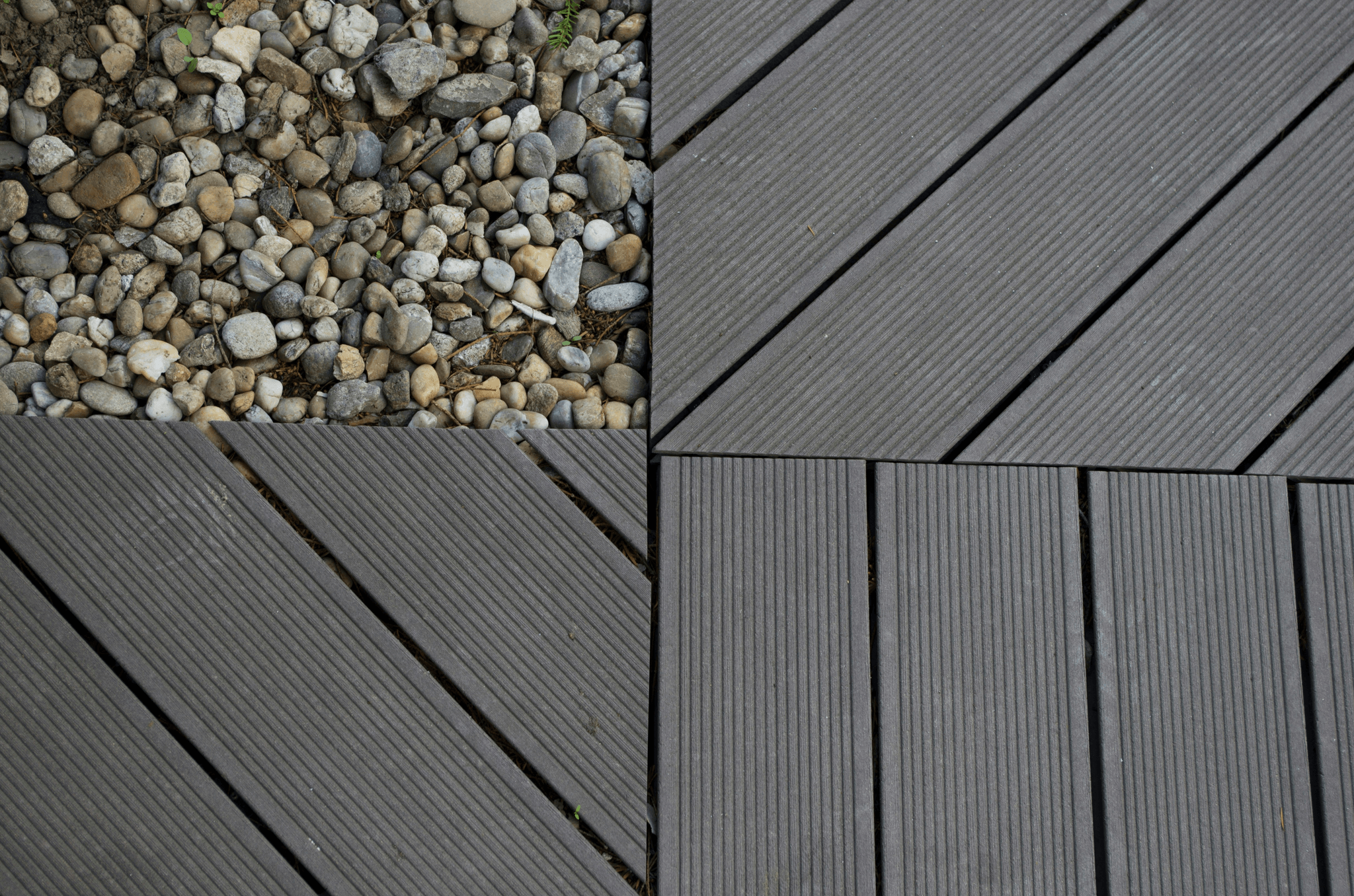
When it comes to choosing the right composite wood materials, understanding the nuances between various options is crucial for homeowners and builders alike. With a wide array of composite decking products available on the market, each type offers distinct features that cater to different needs and preferences. From aesthetics to performance, knowing these differences can help you make an informed decision when selecting composite lumber.
Differences Between Types of Composite Decking
Composite decking primarily falls into two categories: capped and uncapped. Capped composite deck boards feature a protective layer that shields against moisture, stains, and fading, making them particularly appealing for areas with heavy foot traffic or exposure to the elements. On the other hand, uncapped composites are generally more affordable but may require more maintenance over time due to their susceptibility to weathering and wear.
Additionally, some manufacturers incorporate recycled materials into their composite lumber decking, which enhances sustainability while providing unique textures and colors. This eco-friendly approach not only benefits the environment but can also add character to your outdoor spaces. Thus, when comparing types of composite wood materials, consider both performance attributes and environmental impact for a well-rounded choice.
Cost vs. Value Analysis
Cost is often a primary concern when selecting any building material, including composite wood materials like decking and lumber. While it might be tempting to opt for cheaper options upfront, it's essential to evaluate long-term value versus initial expenditure. Higher-quality composite deck boards may come with a steeper price tag but often deliver superior durability and lower maintenance costs over time.
Investing in reputable brands from well-known composite wood manufacturers can save you money in repairs or premature replacements down the road. Therefore, conducting a cost vs. value analysis helps ensure you're not just looking at what fits your budget today but also considering how your investment will hold up in years to come.
Maintenance Factors to Consider
Maintenance is another vital factor that homeowners should weigh when choosing between different types of composite decking options available from various manufacturers. While many assume that all composites are low-maintenance compared to traditional wood decks, this isn't entirely accurate; some require more care than others based on their construction materials and finishes. For instance, capped composites typically resist staining better than uncapped versions but may still need occasional cleaning with specialized products.
Furthermore, factors like climate play an essential role in determining how much upkeep your chosen composite lumber will require over its lifespan. In regions with high humidity or extreme temperatures, even premium products may need extra attention or protective coatings periodically. By understanding these maintenance factors upfront, you can select the best option tailored specifically for your lifestyle and environment.
Future Trends in Composite Wood Industry
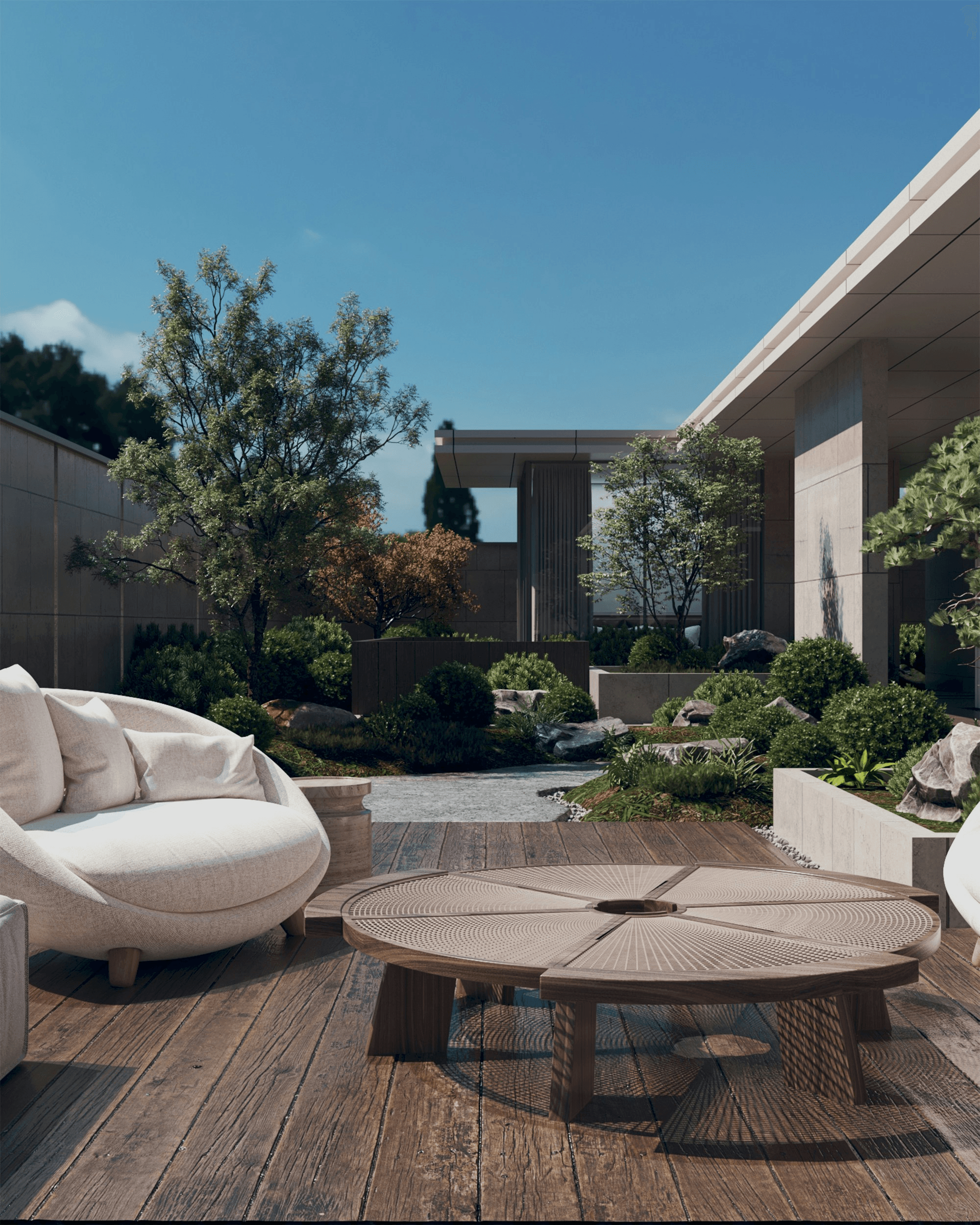
The composite wood industry is on the brink of exciting changes, driven by innovation and evolving consumer needs. As we look ahead, it’s essential to understand how emerging technologies will shape the future of composite wood manufacturers and their products. With a growing emphasis on sustainability and performance, these trends promise to redefine what we expect from composite decking and lumber.
Emerging Technologies
Emerging technologies are revolutionizing the way composite wood materials are produced, leading to stronger and more durable options for consumers. Advanced manufacturing processes, such as extrusion and injection molding, allow for intricate designs in composite deck boards that were previously unimaginable. Additionally, innovations like 3D printing are starting to find their place in producing customized composite lumber decking solutions tailored to specific project needs.
Another significant technological advancement is the incorporation of smart technology into composite wood products. Imagine deck boards equipped with sensors that monitor temperature or moisture levels—these features can help homeowners maintain their decks better while enhancing safety. As these technologies become more mainstream, they will undoubtedly set new standards for quality among composite wood manufacturers.
Finally, innovative materials are being developed that enhance the environmental profile of composite lumber without compromising performance. By using recycled plastics or sustainably sourced timber fibers in production, manufacturers can create eco-friendly products that appeal to environmentally conscious consumers while maintaining durability and aesthetic appeal.
Consumer Preferences Shaping the Market
Consumer preferences play a pivotal role in shaping trends within the composite wood industry. Today’s buyers are increasingly seeking sustainable options when choosing materials for outdoor living spaces; this shift has led many composite decking companies to prioritize eco-friendly initiatives in their product lines. As awareness grows about climate change and environmental impact, consumers are demanding transparency regarding sourcing and production practices from their favorite brands.
Moreover, aesthetics have become a crucial factor influencing purchasing decisions for homeowners looking at composite deck boards. Buyers now prefer a wide array of colors and textures that mimic natural wood while offering superior durability against weathering and wear over time. This trend has prompted manufacturers to innovate continually—resulting in an impressive selection of visually appealing options that cater to diverse tastes.
Impact of Regulations on Composite Materials
Regulatory frameworks surrounding building materials significantly influence how composite wood manufacturers operate within various markets worldwide. Stricter regulations aimed at reducing carbon footprints have encouraged innovation towards greener production methods among leading companies in this sector—pushing them towards utilizing recyclable materials or renewable resources more effectively than ever before.
Additionally, compliance with safety standards related specifically to fire resistance or slip resistance is becoming increasingly important as consumer awareness rises around safety issues associated with outdoor living spaces made from traditional woods versus composites alternatives like those offered by top-tier brands today! These regulations not only ensure consumer protection but also encourage competition among producers striving towards excellence across all facets—from product design through delivery processes!
In summary, emerging technologies coupled with shifting consumer preferences will continue steering advancements within the realm of composite lumber while regulatory impacts shape its evolution further still! The future looks bright indeed; expect even greater things from your favorite brands as they rise up against challenges posed by modern society’s demands!
Conclusion
As we wrap up our exploration of the composite wood landscape, it’s clear that selecting the right composite wood manufacturers can make all the difference in your outdoor living spaces. With leading companies like Trex, TimberTech, and Fiberon setting high standards for quality and sustainability, homeowners have a wealth of options at their fingertips. Additionally, Composite Decking Inc. has proven itself as a frontrunner with its commitment to durability and eco-friendly practices.
Importance of Quality in Composite Lumber
Quality is paramount when choosing composite wood materials; after all, you want your investment to withstand the test of time and nature's elements. High-quality composite deck boards resist fading, staining, and warping better than inferior products, providing peace of mind for years to come. Moreover, opting for premium composite lumber means fewer maintenance headaches down the road—who wouldn’t want more time enjoying their deck rather than repairing it?
Final Thoughts on Sustainable Decking Solutions
In an age where sustainability matters more than ever, selecting eco-conscious composite wood materials is a step toward responsible living. The advancements in technology among leading manufacturers have made it possible to enjoy beautiful outdoor spaces without compromising environmental integrity. As consumer preferences shift towards greener options, the future looks bright for sustainable decking solutions that marry style with responsibility.