
Introduction
Decks are a beloved feature in many homes, offering a perfect space for relaxation and entertainment. However, one of the most perplexing aspects of deck ownership is the mystery of graying decks. As time passes, many homeowners find themselves asking, Why does wood turn grey? This natural phenomenon can leave your once-vibrant deck looking weathered and worn, but understanding the reasons behind this transformation can help you decide whether it's merely a cosmetic issue or something that requires more attention.
The Mystery of Graying Decks
The graying process is influenced by multiple environmental factors such as sunlight and UV exposure, moisture and rain, and oxidation and air exposure. Each element plays its part in the aging process, leading to that characteristic silver-gray hue we see on many outdoor wooden surfaces.
Understanding Deck Aging
As your deck ages, it undergoes changes that are both natural and inevitable. The interplay between environmental factors like sunlight exposure and moisture contributes significantly to how wood ages over time. By exploring these influences further, we can demystify why wood turns grey and what it means for your deck’s longevity.
Is Graying Harmful or Just Cosmetic?
One pressing question on many homeowners' minds is: Is graying harmful or just cosmetic? While some may view this change as merely an aesthetic concern, others worry about potential damage lurking beneath the surface. Understanding whether graying affects your deck's structural integrity involves examining the role of wood species matters in durability alongside maintenance practices that could mitigate any adverse effects from environmental exposure.
Why Does Wood Turn Grey?
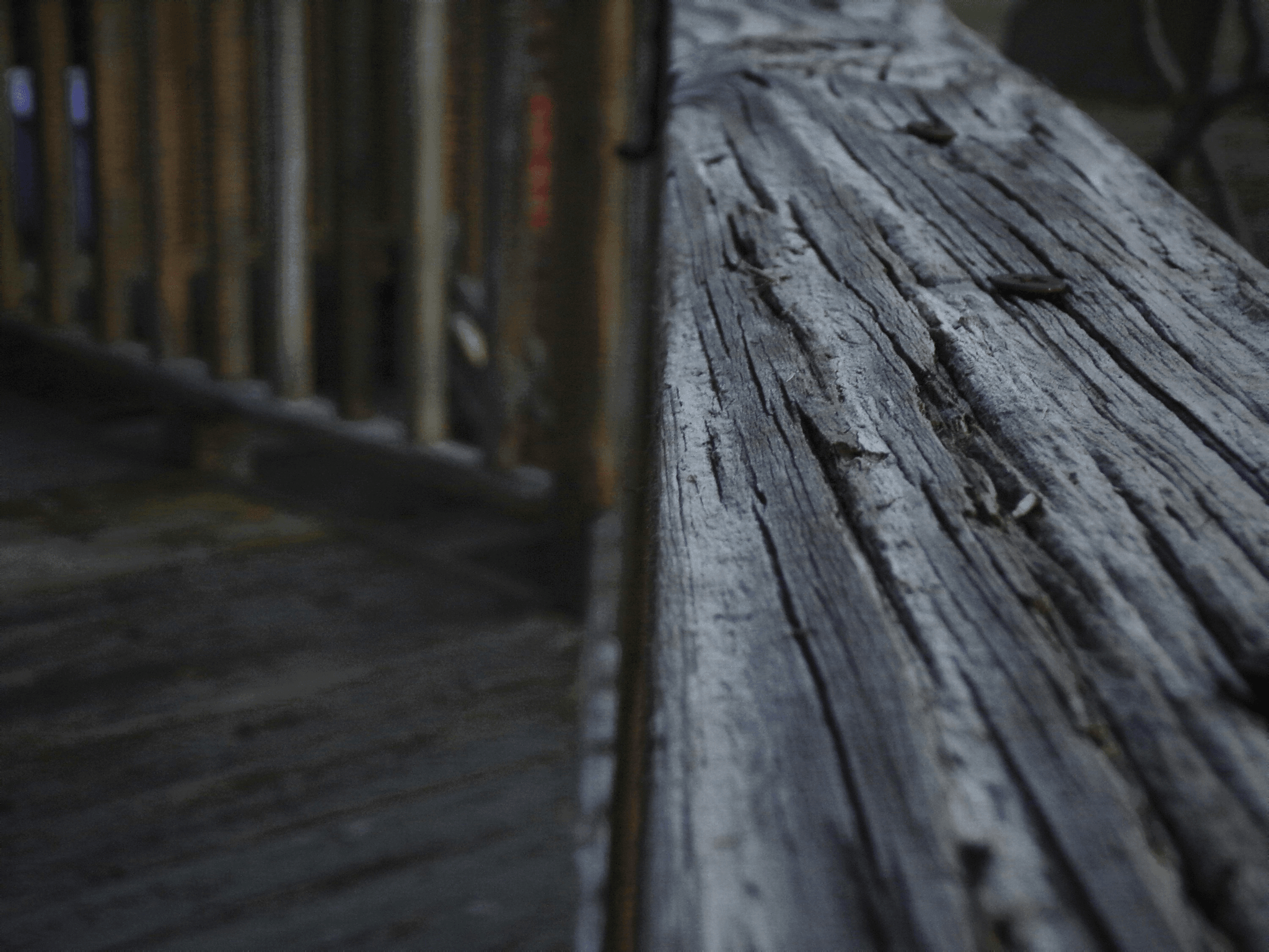
The transformation of wood into a silvery-grey hue is a common phenomenon that leaves many homeowners pondering, Why does wood turn grey? Understanding the underlying processes can help differentiate between concerns over aesthetics and actual damage. This section delves into the primary factors contributing to this natural aging process, including sunlight and UV exposure, moisture and rain, and oxidation caused by air exposure.
Sunlight and UV Exposure
Sunlight is one of the most significant culprits behind the graying of wood. The ultraviolet (UV) rays emitted by the sun break down lignin, a key component in wood that helps maintain its color and structural integrity. Over time, this degradation causes the vibrant hues of your deck to fade away, leading many to question: Is graying harmful or just cosmetic? While it may not compromise the wood's strength directly, prolonged exposure can lead to other issues if left untreated.
Moisture and Rain
Another major player in the greying game is moisture from rain or humidity. When wood absorbs water, it swells; when it dries out, it contracts—this cycle can lead to cracks and splintering over time. Furthermore, excess moisture creates an ideal environment for mold and mildew growth, which can further accelerate discoloration. So when pondering why does wood turn grey? Moisture plays an essential role in this process as well.
Oxidation and Air Exposure
Oxidation is another factor in why does wood turn grey—it’s essentially a chemical reaction that occurs when wood is exposed to air over time. Oxygen interacts with various compounds in the wood fibers, leading to changes in color as well as texture. This natural aging process contributes not only to graying but also affects how different species of wood react; some may weather beautifully while others lose their charm quickly.
Environmental Factors at Play
Climate and Weather Conditions
Climate and weather conditions are primary culprits behind why wood turns grey. In regions with high humidity and frequent rainfall, moisture and rain can seep into wooden decks, leading to faster deterioration. Conversely, in arid climates with intense sunlight and UV exposure, oxidation occurs more rapidly, resulting in a bleached appearance that many homeowners find concerning.
The combination of sunlight and UV exposure not only contributes to discoloration but also affects the structural integrity of the wood over time. This means that understanding your local climate can help you determine how aggressively you need to maintain your deck. For instance, if you live in an area prone to heavy storms or prolonged sun exposure, adjusting your expectations for deck care is crucial.
Pollution and Its Effects
Pollution also plays a significant role in how quickly wood grays. Airborne pollutants can settle on surfaces, causing chemical reactions that lead to discoloration and deterioration of wooden materials. This is particularly relevant in urban areas where industrial emissions may interact with moisture from rain or humidity.
In addition to altering color through oxidation and air exposure, pollution can introduce harmful substances into the wood itself, potentially compromising its longevity. Homeowners should be aware that if they live in polluted environments, their decks might require more frequent maintenance than those situated in cleaner locales. Ultimately, understanding whether graying is harmful or just cosmetic hinges on recognizing these environmental factors.
Local Flora and Fauna
Local flora and fauna contribute significantly to how quickly wood ages outdoors as well; they introduce unique challenges depending on your region's ecosystem. For example, certain types of fungi or mold thrive in damp environments where moisture levels are high due to rain or dew—accelerating decay processes that lead directly to graying wood surfaces over time.
Additionally, nearby trees may drop sap or leaves onto your deck; this organic matter can trap moisture against the wood’s surface when left unattended—creating conditions ripe for oxidation and air exposure issues as well! Understanding these interactions helps homeowners make informed decisions about care strategies tailored specifically for their environment.
By considering these environmental factors at play—climate conditions affecting sunlight exposure levels combined with pollution effects alongside local ecosystems—you'll be better equipped to manage your wooden deck effectively while embracing its natural aging process!
How Wood Species Matters
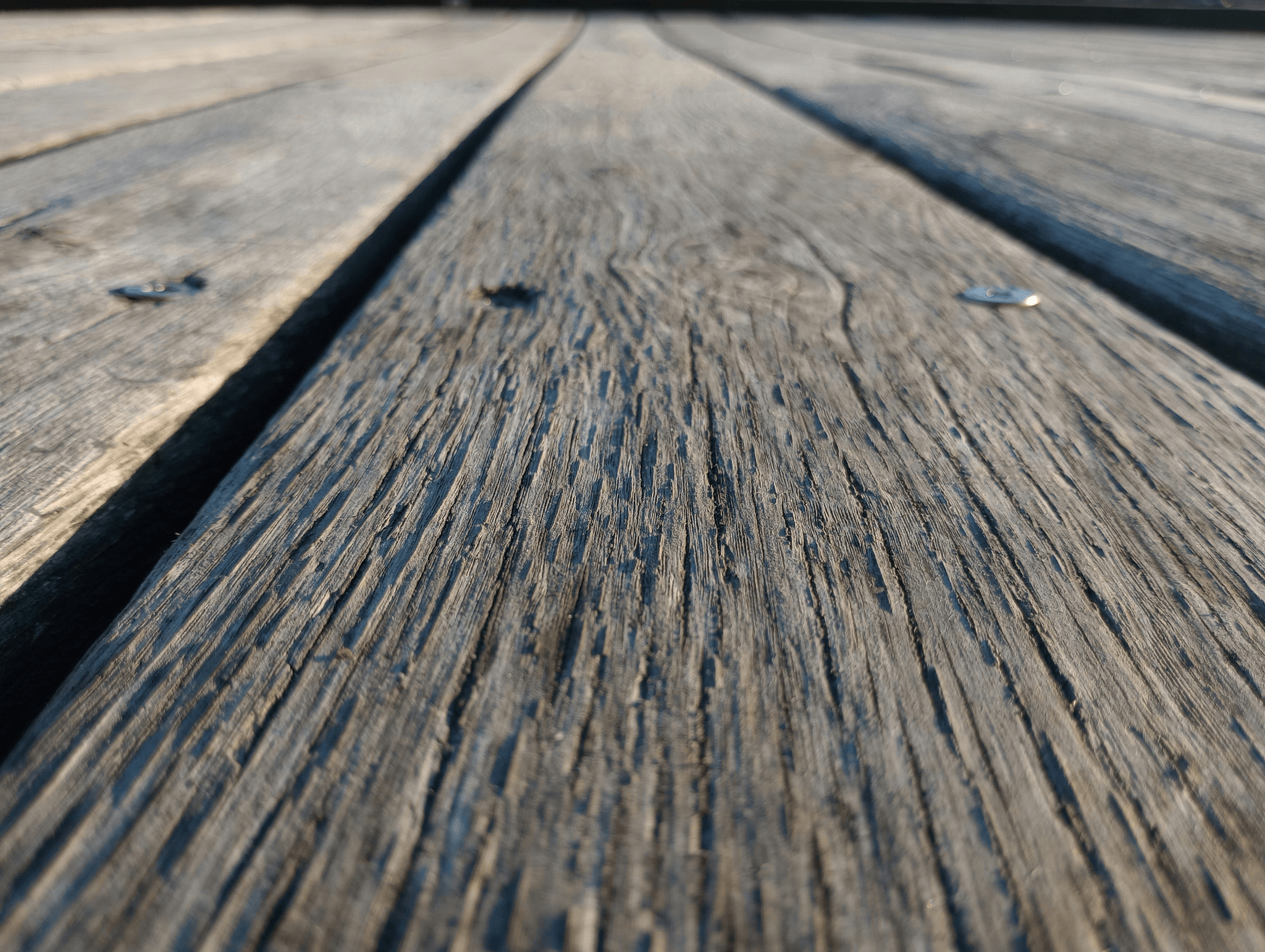
When it comes to understanding why does wood turn grey, the species of wood plays a pivotal role. Different types of wood respond uniquely to environmental factors such as sunlight and UV exposure, moisture and rain, and oxidation and air exposure. This variance can significantly influence not only the aesthetic appeal of your deck but also its longevity.
Hardwoods vs. Softwoods
Hardwoods and softwoods are like two sides of the same coin, each with its unique characteristics affecting how they age. Generally, hardwoods—like oak or teak—are denser and often more resistant to environmental factors than softwoods such as pine or cedar. While both categories can turn grey over time due to sunlight and UV exposure, hardwoods may actually resist the graying process better due to their inherent structural integrity.
Natural Oil Content
One key factor that differentiates wood species is their natural oil content, which plays a crucial role in determining how quickly they gray. Woods with higher oil content tend to repel moisture more effectively, which means they may withstand rain better than drier woods that absorb water easily. Consequently, if you're wondering whether graying is harmful or just cosmetic, remember that woods rich in natural oils often show less visible wear from oxidation and air exposure.
Durability Differences
Durability is another vital aspect when considering how wood species matters regarding graying decks. Some woods are naturally more durable due to their cellular structure and resistance to decay caused by environmental factors like humidity or pests. If you’re faced with the question of whether graying is merely cosmetic or a sign of deeper issues, understanding the durability differences among wood species can help you make informed decisions about maintenance and care.
Care and Maintenance Tips
Maintaining the beauty of your deck is essential, especially when grappling with the question, Is graying harmful or just cosmetic? Proper care can significantly reduce the effects of environmental factors like sunlight and UV exposure, moisture and rain, and oxidation and air exposure. By implementing a routine maintenance schedule, you can keep your deck looking its best while addressing why does wood turn grey in the first place.
Regular Cleaning Techniques
To combat the effects of environmental factors that cause wood to turn grey, regular cleaning is crucial. Start by sweeping away debris like leaves and dirt, which can trap moisture against the wood surface. For deeper cleaning, use a mixture of mild soap and water with a soft-bristle brush to scrub away any mold or mildew—this helps prevent oxidation and air exposure from taking its toll on your deck’s appearance.
Consider power washing for stubborn stains but be cautious; too much pressure can damage the wood. After cleaning, allow it to dry completely before moving on to sealing or staining options. Remember that consistent upkeep not only enhances aesthetics but also prolongs your deck's lifespan by mitigating why does wood turn grey.
Sealing and Staining Options
Sealing and staining are essential steps in preserving your deck's natural beauty while addressing whether graying is harmful or just cosmetic. A high-quality sealant acts as a barrier against moisture and rain while providing protection from sunlight and UV exposure that accelerate color fading. Choose stains that contain UV blockers to help maintain your deck’s original hue while also enhancing its natural grain.
When selecting products, consider those specifically designed for outdoor wooden surfaces; they often contain ingredients that protect against oxidation and air exposure as well as mold growth. Reapply sealants every couple of years based on wear; this proactive approach helps keep graying at bay while ensuring long-term durability for various wood species matters involved in your decking material choice.
Choosing Products from Composite Decking Inc
If you're looking for an alternative to traditional wooden decks, consider products from Composite Decking Inc., which offer durability without the hassle associated with why does wood turn grey over time. Composite materials are engineered to withstand harsh environmental factors such as sunlight and UV exposure without fading significantly compared to natural woods. Plus, they require minimal maintenance—no need for frequent sealing or staining—making them ideal for those who want a beautiful outdoor space without constant upkeep.
When choosing composite decking products, look for options that mimic the look of real wood but come with advanced technology designed to resist moisture and rain damage effectively. This means less worry about oxidation or air exposure compromising their appearance over time! With composite solutions available today, you can enjoy all the aesthetic benefits without dealing with whether graying is harmful or just cosmetic down the road.
When to Seek Professional Help
While many homeowners can manage minor deck maintenance, there are times when the issue of graying decks becomes too complex or severe to handle alone. Understanding when to seek professional help is crucial for preserving your deck's integrity and aesthetics. After all, addressing problems early can prevent further damage caused by factors like sunlight and UV exposure, moisture and rain, and oxidation and air exposure.
Signs You Can't Ignore
There are several signs that indicate it might be time to call in the pros regarding your graying deck. If you notice significant splintering, warping, or a pervasive gray color that seems resistant to cleaning efforts, these are clear red flags. Additionally, if you find yourself asking Is graying harmful or just cosmetic? more often than not, it may be wise to consult with an expert who can assess whether underlying issues related to environmental factors or wood species matter are at play.
Finding Trusted Experts
When searching for professionals to assist with deck maintenance or restoration, it's essential to do your homework. Look for companies that specialize in deck care and have positive reviews regarding their ability to tackle issues such as why does wood turn grey due to sunlight and UV exposure or moisture-related damage. Don’t hesitate to ask for referrals from friends or family; personal experiences often lead you straight to trusted experts who understand both the aesthetic concerns of graying decks and the technical aspects of maintaining their longevity.
Cost-Effective Solutions
Professional help doesn't always have to break the bank; there are cost-effective solutions available that can address the effects of environmental factors on your deck without emptying your wallet. Many experts offer package deals that include cleaning, sealing, and even staining options tailored specifically for your type of wood species matters—whether hardwoods or softwoods—ensuring a comprehensive approach without excessive costs. By investing in these services now, you're likely saving money down the line by avoiding more extensive repairs caused by neglecting issues like oxidation and air exposure.
Conclusion
In wrapping up our exploration of the graying phenomenon, it's essential to recognize that while the sight of a weathered deck may raise eyebrows, understanding why does wood turn grey can shift our perspective. Many homeowners grapple with the question: Is graying harmful or just cosmetic? By adjusting our expectations and embracing the natural aging process, we can appreciate our decks for their character rather than seeing them as mere victims of environmental factors.
Adjusting Expectations for Deck Care
When it comes to deck maintenance, adjusting your expectations is key. The truth is that sunlight and UV exposure, moisture and rain, along with oxidation and air exposure will inevitably lead to some level of graying over time. Instead of striving for a pristine appearance reminiscent of a showroom floor, consider a more realistic approach that celebrates the evolving beauty of your wood.
It's important to remember that not all decks age equally; environmental factors play a significant role in how quickly your deck may gray. For instance, decks in sunnier climates may fade faster due to increased sunlight exposure, while those in wetter regions might experience quicker degradation from moisture and rain. By understanding these dynamics, you can tailor your care routine to better suit your specific situation.
Long-Term Solutions for Graying
If you're looking for long-term solutions for graying wood, there are several strategies worth considering. First and foremost, regular maintenance can significantly delay the inevitable effects of sunlight and UV exposure as well as moisture and rain on your deck's aesthetic appeal. This includes routine cleaning techniques that remove dirt and grime before they contribute to further oxidation.
Additionally, investing in quality sealing and staining options can help protect against environmental factors that accelerate aging. Choosing products specifically designed for outdoor use will enhance durability while also adding an extra layer of defense against elements like air exposure. Remember that different wood species matters; some types naturally resist graying better than others due to their inherent properties.
Embracing the Natural Aging Process
Ultimately, embracing the natural aging process can lead to a more fulfilling relationship with your outdoor space. While it's easy to be concerned about why does wood turn grey or whether it’s harmful or just cosmetic—it's important to acknowledge that this transformation tells a story unique to each deck’s journey through sunlight, moisture, air exposure, and other environmental factors.
Accepting this reality allows homeowners to appreciate their decks as living entities rather than static structures needing constant upkeep. After all, every gray plank adds character and charm; it reflects years spent hosting gatherings or quiet evenings under the stars. So let go of perfectionism and celebrate your deck's history—after all, it’s just getting started!