
Introduction
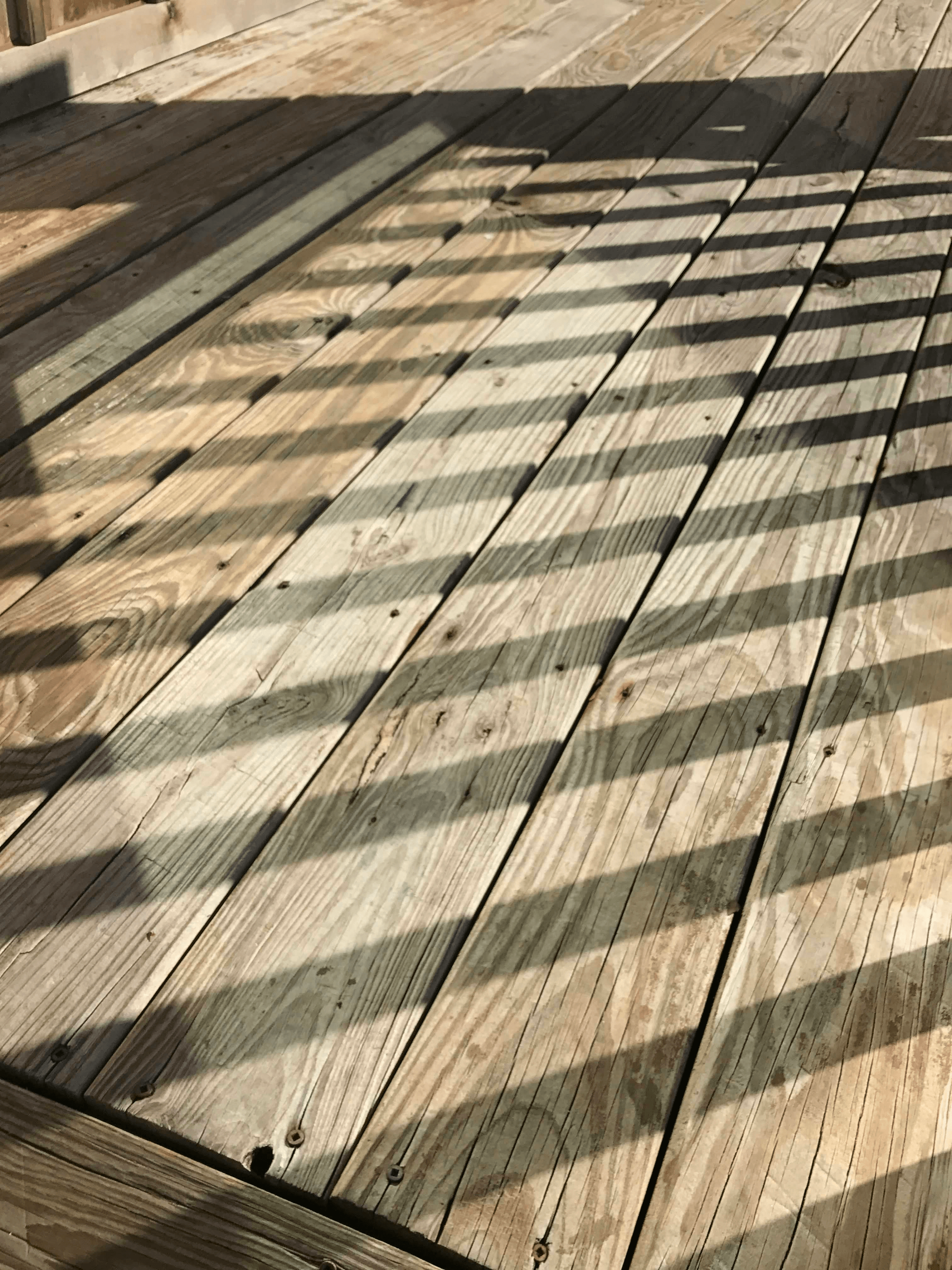
The type of wood you choose not only influences the aesthetic appeal of your deck but also its durability and maintenance requirements. With a myriad of wooden decking timber types available, understanding their characteristics can help you make a well-informed decision that suits your needs.
Discover the Best Decking Timber Types
Exploring the best timber for decking frame can be an exciting journey filled with choices that cater to various styles and preferences. From classic hardwoods to innovative composite materials, each option offers unique benefits and challenges. By diving into the world of decking timber types, you'll uncover which materials stand up best against the elements and maintain their charm over time.
Why Timber Selection Matters for Your Deck
Choosing the right timber is more than just a matter of aesthetics; it's about ensuring your deck withstands wear and tear while providing a safe space for relaxation and entertainment. Different wood decking timber types have varying levels of resistance to sun exposure, moisture, and pests, making selection vital for long-term performance. Selecting the best decking timber for full sun conditions can mean the difference between a beautiful deck that lasts years versus one that deteriorates quickly under harsh sunlight.
Factors to Consider When Choosing Timber
When contemplating your options, consider factors such as climate, maintenance needs, and budget constraints—these will all play significant roles in determining which decking frame timber Bunnings or elsewhere will work best for you. Additionally, think about how much time you're willing to invest in upkeep; some wooden decking timber types require more care than others to keep them looking pristine. Ultimately, being informed about these factors will lead you toward a choice that maximizes both beauty and practicality in your outdoor space.
Composite Decking

Composite decking has become a popular choice among homeowners looking for durable and low-maintenance solutions for outdoor spaces. This innovative material combines wood fibers with recycled plastic, creating a product that mimics the appearance of traditional wooden decking timber types while offering enhanced longevity and resistance to the elements. With various colors and textures available, composite decking can fit seamlessly into any design aesthetic.
What is Composite Decking?
At its core, composite decking is a blend of wood particles and synthetic materials, designed to provide the best of both worlds: the beauty of natural wood without the high maintenance demands. Unlike traditional wooden decking timber types that require regular staining or sealing, composite options offer a more carefree experience. This makes them an excellent choice for those seeking an attractive deck without the hassle.
Benefits of Using Composite Decking Inc Products
One of the standout benefits of using products from Composite Decking Inc is their exceptional durability; these materials resist fading, scratching, and mold growth far better than most wooden decking timber types on the market today. Additionally, they are splinter-free, making them safer for families with children or pets who love to run around barefoot on sunny days. Plus, with their environmental credentials—often made from recycled materials—composite decks are not just practical but also a sustainable option for eco-conscious homeowners.
Environmental Considerations in Decking Choices
When contemplating your options among various decking timber types, it's crucial to consider their environmental impact as well as their aesthetic appeal. Composite decking stands out in this regard since it often incorporates recycled content and requires fewer resources over its lifespan compared to traditional wood products like treated pine or Australian red cedar. By choosing composite materials over conventional wood options, you contribute to reducing deforestation while still achieving that beautiful look you desire in your outdoor space.
Australian Red Cedar
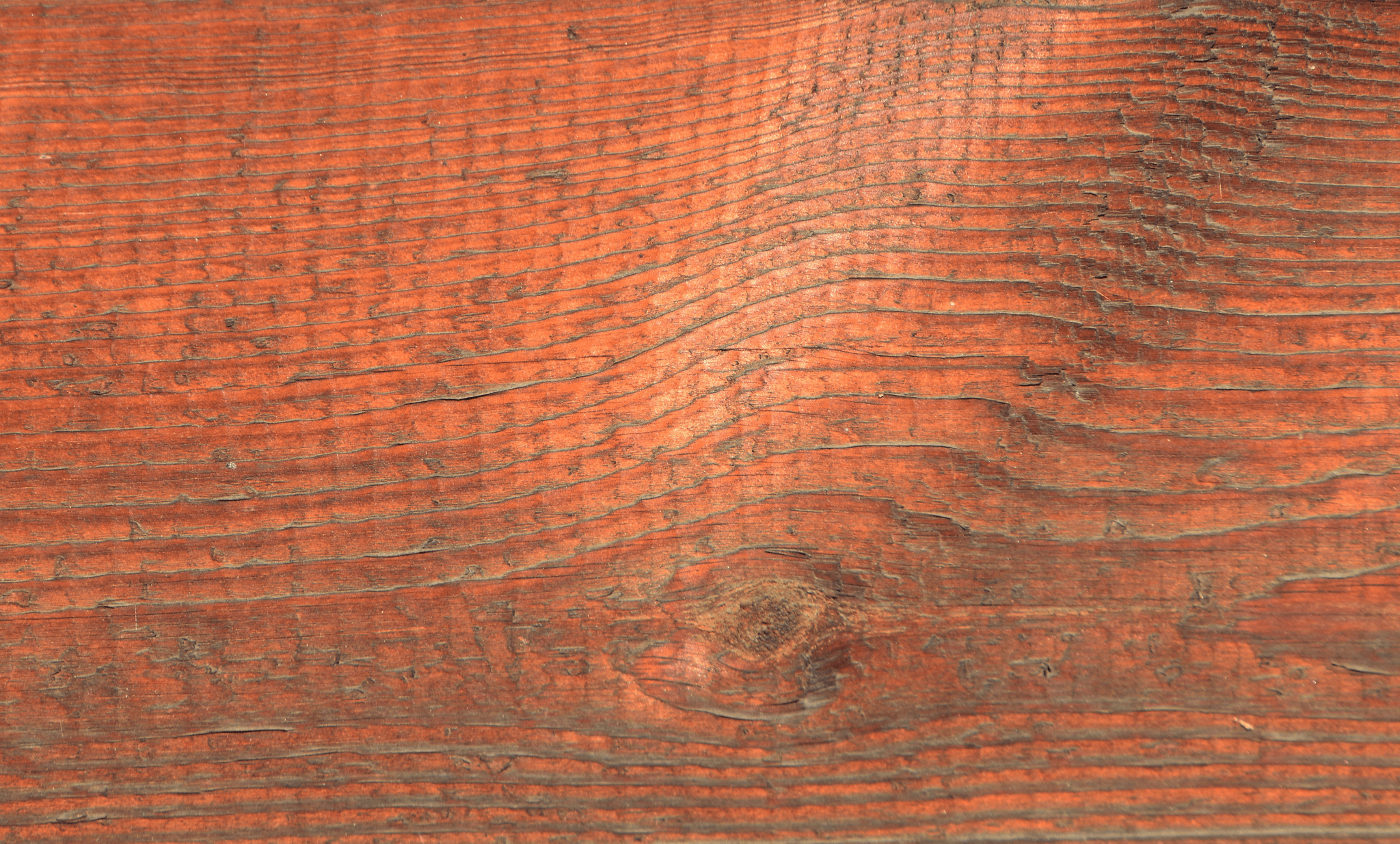
Known for its rich color and natural beauty, this timber type is not only visually appealing but also offers excellent durability. Whether you’re considering wooden decking timber types for your backyard or a commercial project, Australian Red Cedar is worth a closer look.
Characteristics of Australian Red Cedar
Australian Red Cedar boasts a striking reddish-brown hue that deepens over time, adding character to any deck. This wood is lightweight yet strong, making it an ideal candidate for various decking applications. Its natural oils provide resistance to decay and insect damage, ensuring longevity among the diverse wood decking timber types available.
Advantages for Decking Applications
One of the standout advantages of using Australian Red Cedar in your decking frame is its stability; it resists warping and splitting even under fluctuating weather conditions. This makes it one of the best timber for decking frame options on the market today. Additionally, its beautiful grain patterns enhance aesthetic appeal while providing an inviting atmosphere perfect for outdoor gatherings.
Maintenance Tips for Longevity
To ensure your Australian Red Cedar deck remains in top condition, regular maintenance is essential. Applying a protective sealant every few years helps preserve its color and protect against moisture damage—an important consideration when evaluating different decking timber types. Additionally, routine cleaning with mild soap and water will keep your deck looking fresh while prolonging its life against wear and tear from sun exposure.
Australian Red Cedar
Australian Red Cedar is a standout choice among decking timber types, celebrated for its rich color and natural beauty. This wood boasts a fine, straight grain that can add a touch of elegance to any outdoor space. Not only does it look stunning, but it also offers impressive durability, making it a popular option for those seeking long-lasting solutions in wooden decking timber types.
Characteristics of Australian Red Cedar
One of the most notable characteristics of Australian Red Cedar is its deep reddish-brown hue, which can deepen over time to create an even more striking appearance. The wood is lightweight yet strong, providing an excellent balance between ease of handling and structural integrity—ideal for various decking applications. Additionally, its natural oils give it resistance to moisture and insect damage, making it one of the best timber for decking frame options available.
Advantages for Decking Applications
When considering wooden decking timber types, Australian Red Cedar stands out due to its exceptional stability and resistance to warping or splitting under different weather conditions. This makes it particularly suitable for areas that experience full sun exposure; it's often cited as one of the best decking timber for full sun situations. Beyond functionality, this beautiful wood requires minimal finishing and retains its aesthetic appeal over time without extensive upkeep.
Maintenance Tips for Longevity
To ensure your Australian Red Cedar deck remains in top shape for years to come, regular maintenance is key—though it's less demanding than many other options among the wood decking timber types available today. A simple wash with soapy water followed by rinsing will keep dirt at bay; however, applying a protective oil or sealant every couple of years will enhance its natural beauty and protect against fading from UV rays. For those who choose treated pine or other alternatives from places like Decking Frame Timber Bunnings, remember that cedar's low-maintenance nature can save you time and effort in the long run.
Merbau

Merbau is a standout choice among decking timber types, known for its rich color and durability. This tropical hardwood boasts a beautiful golden-brown hue with darker streaks, making it an attractive option for any outdoor space. Its natural oils help resist moisture and pests, ensuring that your deck remains in top shape for years to come.
Unique Properties of Merbau
One of the most notable characteristics of Merbau is its impressive density, which contributes to its strength and longevity as a decking material. This wood is naturally resistant to decay and insect damage, making it an excellent choice for various climates. Additionally, Merbau has a low shrinkage rate compared to other wooden decking timber types, meaning it maintains its structural integrity even in fluctuating temperatures.
Best Uses in Decking for Full Sun
When considering the best decking timber for full sun exposure, Merbau shines brightly—literally! Its ability to withstand harsh sunlight without significant fading or warping makes it ideal for patios and pool areas where sun exposure is abundant. Furthermore, the wood's thermal properties ensure that it stays comfortable underfoot even on scorching summer days.
Comparing Performance with Other Timber Types
In comparison to other wood decking timber types like treated pine or Australian red cedar, Merbau holds its own remarkably well in terms of durability and aesthetic appeal. While treated pine may be more cost-effective initially, it often requires more maintenance over time than Merbau does due to susceptibility to rot and warping. Moreover, when you stack up the best timber for decking frame applications against Merbau’s robust qualities, it's clear why many homeowners prefer this tropical hardwood as their go-to choice.
Hardwood Decking Options
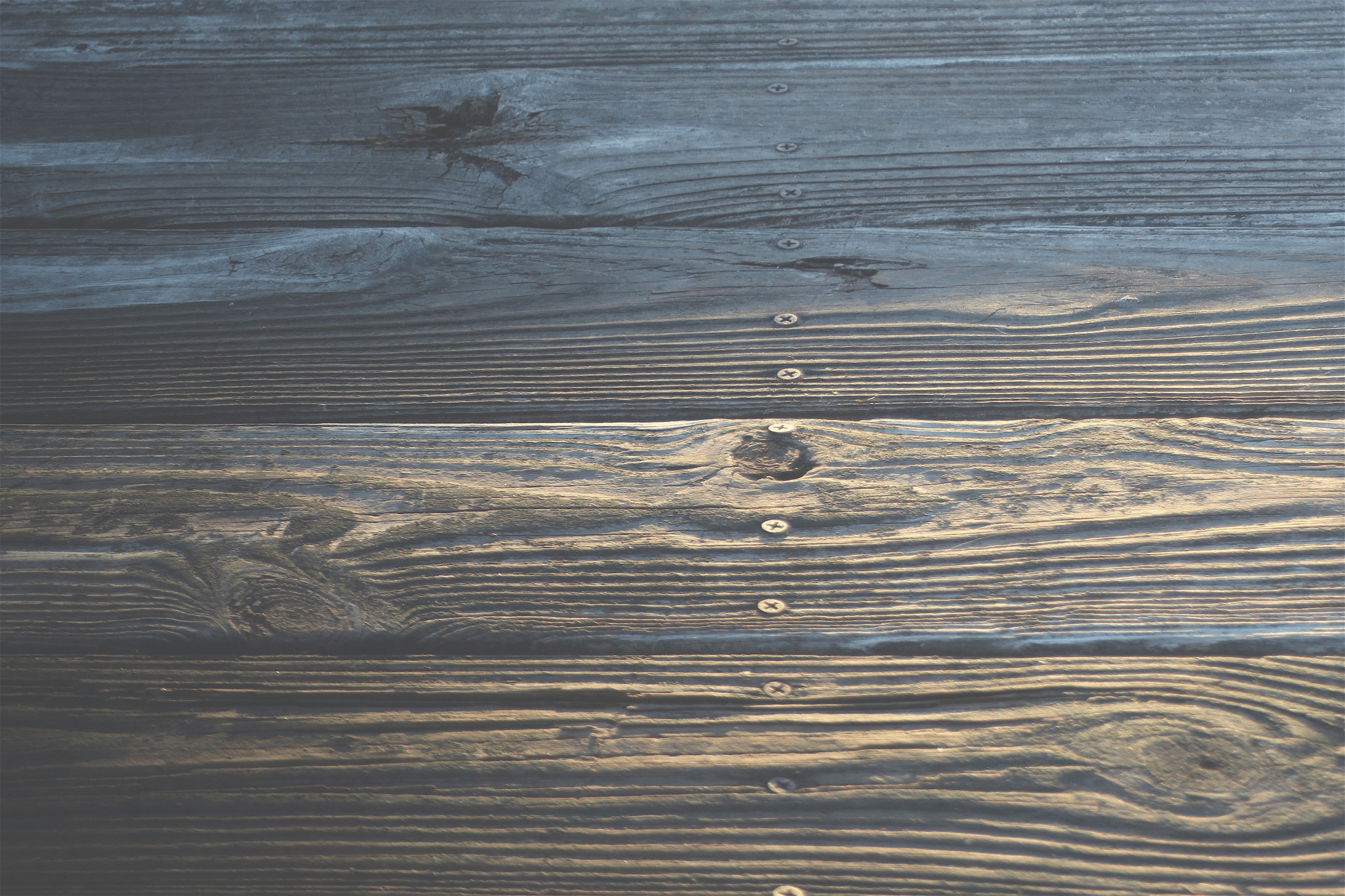
When it comes to decking timber types, hardwoods often steal the spotlight due to their durability and aesthetic appeal. Choosing the right wood decking timber types can significantly enhance your outdoor space, providing both functionality and style. From classic favorites to exotic selections, hardwood options are plentiful and cater to various tastes and preferences.
Popular Hardwood Decking Choices
Among the most popular hardwood decking choices are species like Merbau, Spotted Gum, and Ironbark. These woods not only boast rich colors and unique grain patterns but also offer excellent resistance to wear and tear. When selecting the best timber for decking frame, these hardwoods stand out due to their strength and longevity in outdoor environments.
Each of these wooden decking timber types brings its own charm; for instance, Merbau is known for its deep reddish-brown hue that can elevate any deck's visual appeal. Spotted Gum is celebrated for its striking color variations ranging from golden browns to dark chocolate shades, making it a favorite among homeowners seeking a distinctive look. Lastly, Ironbark's robust nature makes it ideal for high-traffic areas where durability is paramount.
Benefits of Using Hardwoods for Decking Frame
Using hardwoods as your decking frame offers several advantages that contribute to a long-lasting structure. One of the key benefits is their inherent strength; they can support heavier loads compared to softwoods or composite materials. This makes them an ideal choice when searching for the best decking timber for full sun exposure since they can withstand extreme weather conditions without warping or cracking.
Moreover, hardwoods require less maintenance over time compared to other wood options; they resist pests and decay effectively when properly treated. This low-maintenance factor means you can spend more time enjoying your deck rather than worrying about repairs or replacements. Additionally, many of these wooden decking timber types come with natural oils that help protect against moisture damage while enhancing their beautiful appearance.
Resilience and Aesthetic Appeal
Hardwood decking options are renowned not just for their resilience but also for their stunning aesthetic appeal that adds value to any property. The intricate patterns found in each board make every deck unique—an artistic expression of nature's beauty right at your doorstep! When you choose hardwoods like Merbau or Spotted Gum as part of your decking frame timber from Bunnings, you're investing in both style and substance.
Beyond just looks, the resilience of hardwood ensures that your deck will endure years of use without losing its charm or structural integrity. Whether you’re hosting summer barbecues or simply lounging on a sunny afternoon, knowing you have one of the best timber choices underfoot provides peace of mind that’s hard to beat! With proper care—such as regular cleaning and oiling—your hardwood deck will remain vibrant while showcasing its natural beauty season after season.
Treated Pine
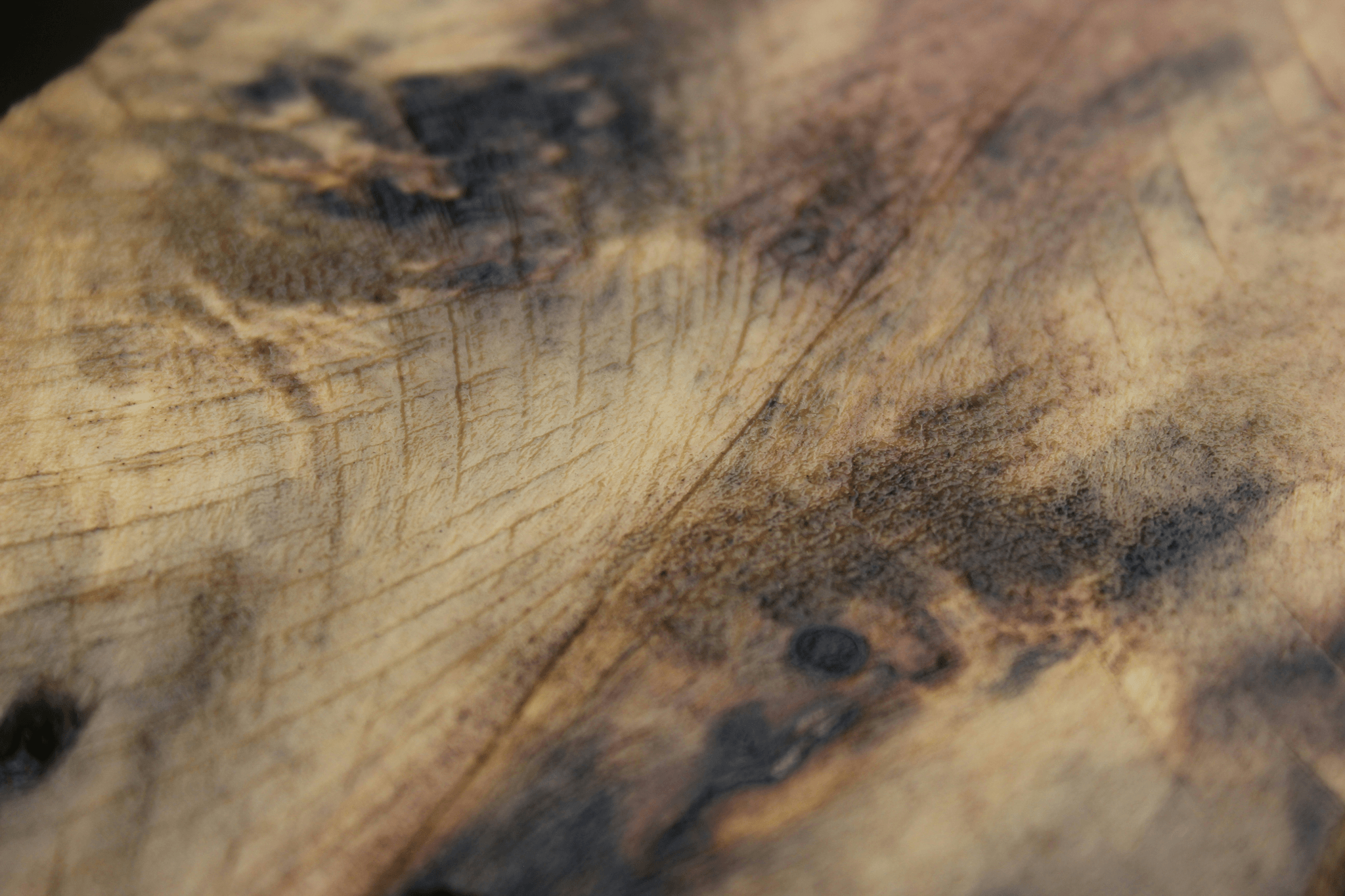
When it comes to choosing decking timber types, treated pine is often a go-to option for many homeowners and builders alike. This popularity stems from its versatility, affordability, and ease of use in various decking applications. Whether you’re looking at wooden decking timber types for a cozy backyard or a large outdoor space, treated pine stands out as a reliable choice.
Why Treated Pine is a Common Choice
Treated pine has gained favor among DIY enthusiasts and professionals due to its excellent resistance to decay and insect damage. This means that your investment in decking won't be undermined by the elements or pesky critters looking for a snack. Additionally, the lightweight nature of treated pine makes it easy to handle during installation, making it one of the best timber for decking frames available on the market today.
Moreover, treated pine is widely available at local retailers like Bunnings, ensuring that you can easily source your materials without hassle. Its adaptability allows it to fit into various design aesthetics—from rustic charm to modern minimalism—making it an appealing option for different tastes in wooden decking timber types. With so many benefits packed into one product, it's no wonder treated pine remains a top contender when selecting materials for your deck.
Cost-Effectiveness of Treated Pine Decking
One of the most compelling reasons people opt for treated pine is its cost-effectiveness compared to other wood decking timber types. When budgeting for your outdoor space, you'll find that treated pine offers an affordable solution without sacrificing quality or durability. This makes it particularly attractive if you're aiming to create an inviting deck while keeping expenditures in check.
In addition to its initial affordability, treating processes enhance the longevity of this material—meaning fewer repairs or replacements down the line. Homeowners can enjoy their outdoor spaces without worrying about frequent maintenance costs associated with less durable options. All these factors contribute to why treated pine remains one of the best choices when considering cost-effective solutions in wood decking timber types.
Treatment Processes for Durability
The treatment processes used on pine wood are designed specifically to increase durability against environmental challenges such as moisture and pests. Typically involving pressure treatment with preservatives, this process ensures that the wood fibers are fortified against rot and insect infestation—making it suitable even in damp climates where other woods might fail miserably as deck materials.
Furthermore, understanding these treatment processes helps you make informed decisions about maintenance; knowing how your chosen material withstands wear can guide you toward proper care techniques that will extend its life even further. If you're searching for decking frame timber at Bunnings or elsewhere, look closely at how well-treated options stand up against natural elements compared to untreated varieties; you'll likely find that they offer superior performance overall.
Conclusion
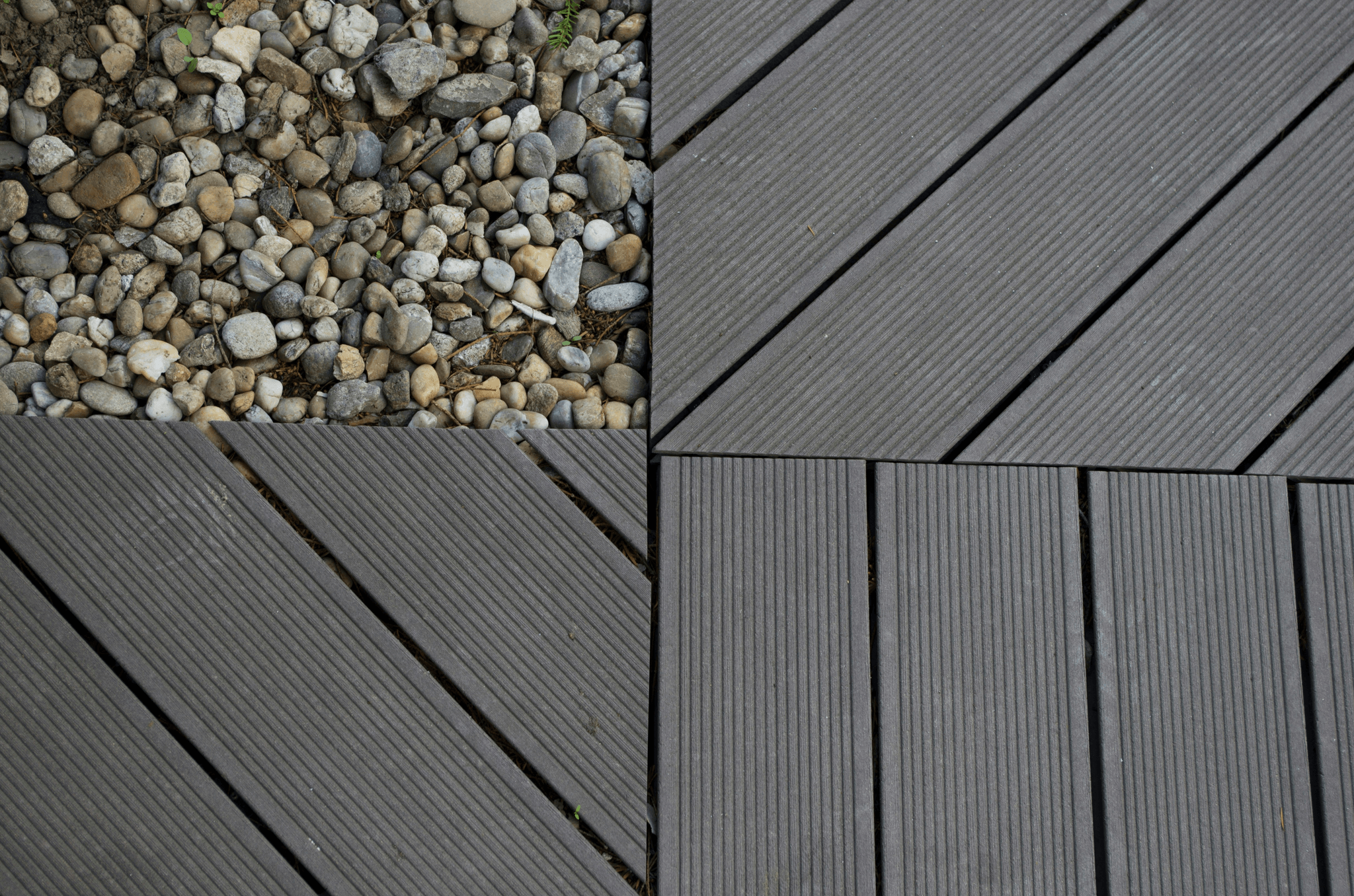
In the world of outdoor living, choosing the right decking timber types can make all the difference between a mediocre deck and an extraordinary one. From the rich hues of Australian Red Cedar to the practicality of treated pine, each option brings its own unique charm and functionality. As you consider your choices, remember that not all wooden decking timber types are created equal; some are better suited for specific climates and uses than others.
Highlighting the Top Timber Choices
When selecting from various wood decking timber types, it's essential to highlight top contenders like composite decking, Australian Red Cedar, and Merbau. Composite decking stands out for its low maintenance needs while still providing durability and aesthetic appeal. On the other hand, Australian Red Cedar offers natural beauty and excellent resistance to decay—making it one of the best timbers for decking frames in diverse conditions.
Merbau is another fantastic choice if you're looking for a material that can withstand full sun exposure without warping or fading. Each of these options caters to different preferences, so take time to weigh their benefits carefully when deciding on your perfect deck.
Making Informed Decisions for Your Deck
Making informed decisions about your deck means understanding which decking frame timber Bunnings has available that meets your style and budget needs. Whether you're leaning toward hardwoods or treated pine due to their cost-effectiveness, knowing their advantages will help you choose wisely. Remember that investing in quality materials now will save you headaches down the line—nobody wants a warped deck after just a few summers!
Take into account factors such as climate compatibility and maintenance requirements when exploring wood decking timber types. For instance, if your deck will be exposed to harsh sun rays consistently, look into options like Merbau that shine in those conditions.
Emphasizing Sustainability in Decking Solutions
Sustainability is becoming increasingly important in our choices today—including when it comes to selecting decking timber types. Opting for eco-friendly materials not only benefits our planet but also ensures that we’re using resources responsibly for future generations. Composite materials often lead this charge by incorporating recycled content while providing durable solutions.
Choosing sustainably sourced woods like Australian Red Cedar can also contribute positively to environmental efforts while enhancing your outdoor space's aesthetic appeal. Ultimately, making conscious decisions about wood decking timber types will allow you to create a beautiful deck that's both functional and kind to Mother Earth.