
Introduction
The world of outdoor living has witnessed a remarkable transformation with the rise of composite plastic wood. Homeowners are increasingly turning to composite decking as a durable and stylish alternative to traditional materials. This shift not only enhances the aesthetic appeal of outdoor spaces but also aligns with modern eco-conscious values.
The Rise of Composite Plastic Wood
Composite plastic wood has surged in popularity over recent years, thanks to its innovative blend of recycled materials and advanced technology. Unlike conventional lumber, this synthetic lumber for decks offers exceptional durability while requiring minimal maintenance. As more people seek sustainable solutions, composite decking is proving to be a smart choice for those looking to elevate their outdoor environments.
Why Choose Composite Decking?
So, why choose composite decking over traditional wood? For starters, it provides an impressive lifespan that far exceeds that of natural timber, making it a worthwhile investment for homeowners. Additionally, the low-maintenance nature of composite wood means you can spend less time worrying about upkeep and more time enjoying your beautiful deck.
The Eco-Friendly Appeal of Composite Lumber
One of the most compelling reasons to opt for composite decking material is its eco-friendly appeal. Made from recycled plastics and wood fibers, this artificial lumber deck not only reduces waste but also helps in conserving our forests by minimizing deforestation. By choosing plastic wood, homeowners can contribute to environmental sustainability while enjoying all the benefits that come with modern decking solutions.
What is Composite Plastic Wood?

Composite plastic wood has revolutionized the decking industry, offering a blend of durability and aesthetic appeal that traditional wood simply can't match. This innovative material is crafted from a mixture of recycled plastics and wood fibers, resulting in a product that mimics the look of natural wood while providing enhanced performance. As homeowners seek sustainable and low-maintenance options, composite decking is quickly becoming the go-to choice for outdoor spaces.
Understanding Composite Decking Material
Composite decking material is designed to withstand the elements while maintaining its beautiful appearance over time. Unlike traditional lumber, which can warp, crack, or splinter, composite plastic wood offers superior resilience against weather-related wear and tear. This means you can enjoy your artificial lumber deck without worrying about frequent repairs or replacements.
The Science Behind Synthetic Lumber
The science behind synthetic lumber for decks involves advanced engineering techniques that combine various materials to create a strong yet flexible product. By blending recycled plastics with organic fibers, manufacturers produce composite wood that retains the warmth and beauty of natural materials while eliminating many of their shortcomings. This innovative approach not only enhances durability but also contributes to sustainability by reducing waste.
Benefits of Plastic Wood Over Traditional Wood
When comparing plastic wood to traditional lumber, the benefits become crystal clear: low maintenance, resistance to rot and insects, and longevity are just a few highlights. Homeowners can say goodbye to regular staining or sealing; composite decking requires minimal upkeep—just an occasional wash with soap and water will do! Additionally, with its impressive lifespan compared to conventional wood products, investing in composite decking material translates into long-term savings.
Advantages of Composite Decking

Composite decking has surged in popularity, and it’s not hard to see why. Homeowners are increasingly drawn to the many advantages of composite plastic wood, which offers a remarkable blend of aesthetics and functionality that traditional wood simply can't match. From its durability to its low-maintenance needs, composite decking is transforming outdoor spaces into lasting retreats.
Durability and Longevity of Composite Wood
Unlike traditional lumber that warps, splinters, or rots over time, synthetic lumber for decks is engineered to withstand harsh weather conditions without losing its charm. Homeowners can expect their composite decking material to last for decades with minimal wear and tear, making it a smart investment for any outdoor area.
Additionally, the longevity of artificial lumber decks means fewer replacements over time. This resilience not only saves money but also reduces the hassle associated with maintaining a wooden deck every few years. With composite plastic wood, you can enjoy your outdoor space without the constant worry about repairs or replacements.
Low-Maintenance Appeal for Busy Homeowners
Let’s face it: life is busy enough without adding deck maintenance into the mix! One of the standout features of composite decking is its low-maintenance appeal; gone are the days of sanding and staining your deck every season. With just an occasional wash using soap and water, your composite wood will continue looking fresh year after year.
This ease of care makes synthetic lumber for decks particularly attractive for those who want more time to enjoy their space rather than working on it. Imagine hosting summer barbecues or relaxing evenings on your deck without worrying about upkeep—that's what low-maintenance composite decking offers! It’s truly a game-changer for homeowners seeking convenience alongside style.
Resistance to Rot, Fading, and Insects
One major advantage of using plastic wood in your outdoor projects is its remarkable resistance to rot and fading caused by moisture exposure or UV rays. Traditional wood often succumbs to decay over time; however, composite decking material is designed specifically to resist these issues effectively. This ensures that your beautiful deck retains its color and structural integrity through all seasons.
Moreover, homeowners no longer need to fret about pests like termites munching away at their beloved wooden structures—composite plastic wood is impervious to such threats! This insect resistance adds another layer of protection that enhances both longevity and peace of mind when choosing materials for an outdoor living space. In short, opting for synthetic lumber means investing in a worry-free environment where you can relax without concern.
Aesthetics and Design Options
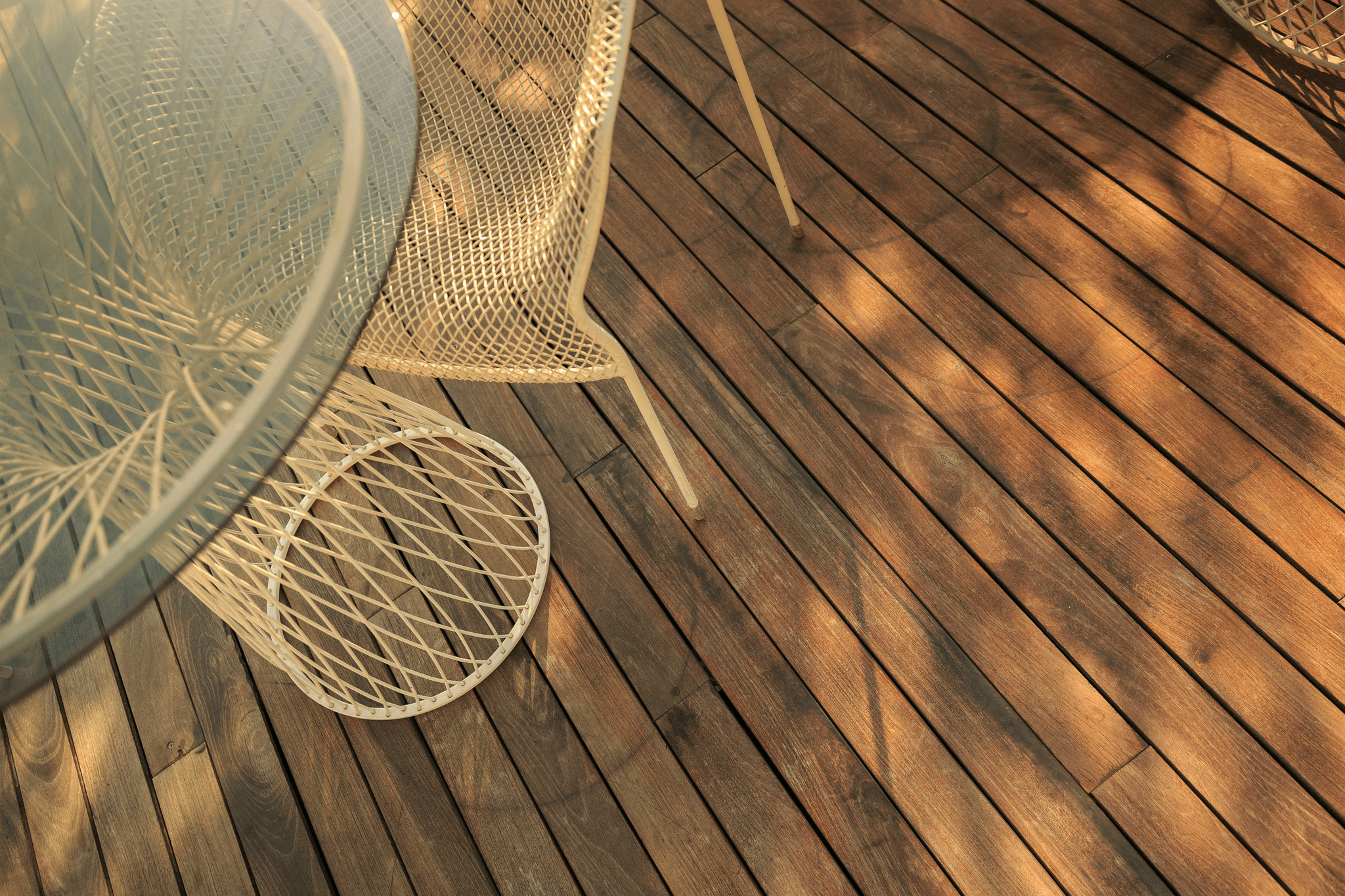
Composite decking is not just about durability; it also offers a stunning visual appeal that can elevate any outdoor space. With a variety of textures and finishes, composite plastic wood mimics the look of natural wood while providing the benefits of synthetic materials. This means you can enjoy the beauty of traditional lumber without the drawbacks, making your deck a focal point for gatherings or quiet evenings.
The Visual Appeal of Composite Decking
When it comes to aesthetics, composite decking truly shines. The rich colors and realistic wood grain patterns found in synthetic lumber for decks create an inviting atmosphere that enhances outdoor living areas. Whether you prefer a rustic charm or a sleek modern look, composite decking material provides options that cater to diverse tastes, ensuring your deck complements your home's architecture beautifully.
Customization and Color Choices
One of the standout features of composite wood is its vast range of customization options. Homeowners can choose from an array of colors and finishes, allowing them to personalize their artificial lumber deck to match their unique style preferences. From deep mahogany hues to light cedar shades, the flexibility in color choices means there’s something for everyone looking to enhance their outdoor space with composite decking.
Blending with Nature: Composite Wood in Landscaping
Composite plastic wood seamlessly integrates into various landscaping designs, complementing natural elements while standing out as a stylish feature. Its versatility allows it to be used not only for decks but also for pathways, garden borders, and even furniture pieces that harmonize with outdoor environments. By incorporating this innovative material into landscaping projects, homeowners can create cohesive spaces that celebrate both nature and modern design.
Cost Considerations for Homeowners
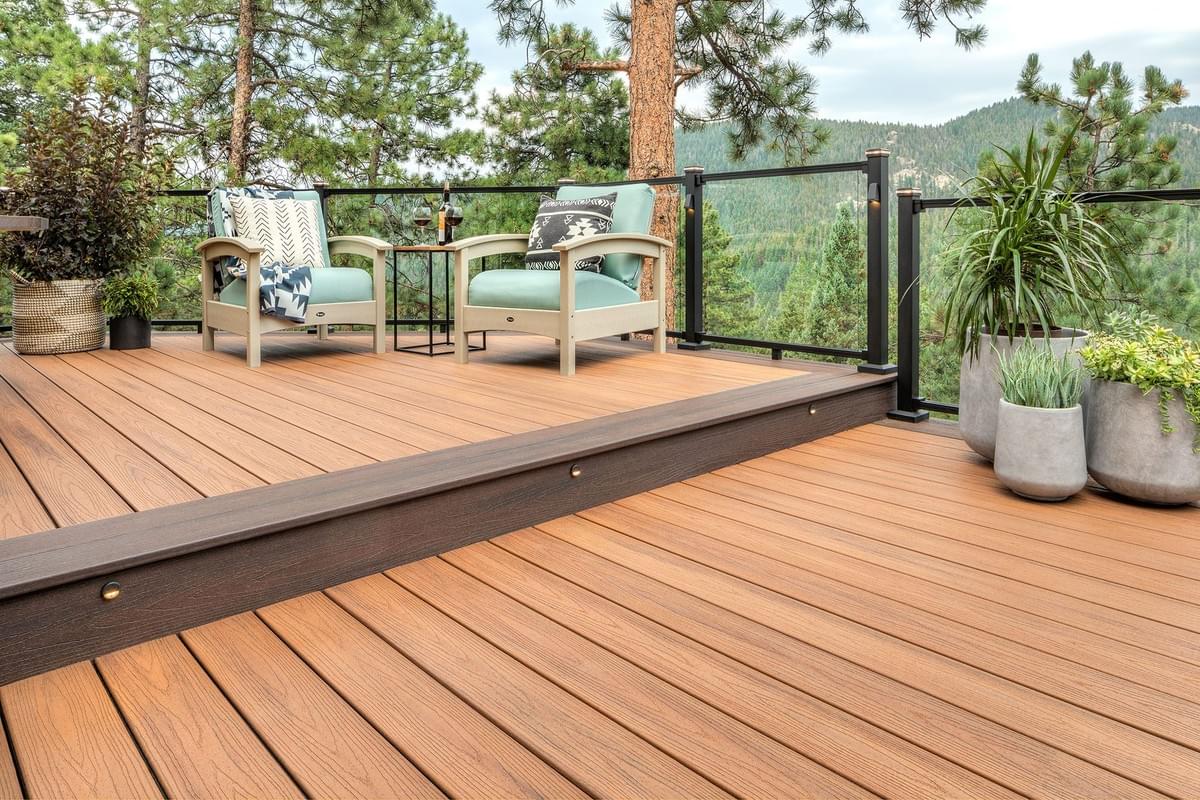
When it comes to choosing the best material for your outdoor space, cost is often at the forefront of homeowners' minds. While the initial investment in composite plastic wood may be higher than traditional wood, it’s essential to weigh that against long-term savings and benefits. Understanding these factors can help you make an informed decision about whether composite decking is the right choice for your home.
Initial Investment vs. Long-Term Savings
The upfront cost of composite decking can be a sticking point for many homeowners; however, when you consider the long-term savings, it becomes a more attractive option. Unlike traditional wood, which requires regular maintenance and replacement due to wear and tear, synthetic lumber for decks offers unparalleled durability and longevity. This means fewer repairs and replacements down the line, allowing you to save money over time while enjoying your beautiful outdoor space.
Moreover, composite wood does not require staining or sealing like its wooden counterparts, further reducing ongoing costs associated with upkeep. The low-maintenance appeal of plastic wood means you can spend more time enjoying your deck rather than maintaining it. In essence, while the initial investment in composite decking may be significant, its ability to withstand the elements without constant care translates into substantial savings over years of use.
Comparing Composite Decking Costs with Wood
When comparing costs between composite decking and traditional wood options, it's crucial to consider not just price but also value over time. Standard lumber may appear cheaper initially; however, hidden costs like maintenance supplies (stains and sealants) add up quickly as time goes on. On the other hand, while composite decking material may have a steeper price tag upfront, its resistance to rot and insects significantly reduces future expenses.
Additionally, many manufacturers offer warranties on their artificial lumber decks that can last up to 25 years or more—something most natural woods simply can't match. This warranty represents an assurance of quality that translates into peace of mind for homeowners investing in their outdoor spaces. Ultimately, when evaluating costs between these two materials, remember that composite decking provides lasting value that often outweighs its initial expense.
Understanding Value Over Time
Value isn’t just about how much you pay initially; it’s also about what you get in return over time—especially when considering materials like composite plastic wood versus traditional options like timber or treated lumber. With synthetic lumber for decks being engineered for durability and minimal upkeep requirements, homeowners often find themselves recouping their investments through reduced maintenance costs alone within just a few years of installation.
Moreover, properties featuring well-maintained decks made from high-quality composite materials tend to maintain higher resale values compared to those with aging wooden structures prone to warping or decay. As trends lean toward sustainable building practices and eco-friendly materials gain popularity among buyers—composite wood stands out as an attractive option worth considering if you're thinking long-term about property value enhancement too!
In conclusion: while upfront costs might give some pause when opting for this modern marvel known as composite decking material—the potential savings coupled with added home value makes it an appealing choice indeed!
Environmental Impact of Composite Decking
The environmental impact of composite decking is a topic that resonates with eco-conscious homeowners. As more people become aware of their carbon footprints, the demand for sustainable building materials has skyrocketed. Composite plastic wood stands out as an innovative solution that not only enhances outdoor spaces but also promotes environmental sustainability.
Sustainability of Synthetic Lumber for Decks
Synthetic lumber for decks, like composite wood, is crafted from recycled materials such as plastic and wood fibers. This process not only reduces waste but also minimizes the reliance on virgin timber, making it a sustainable choice for modern decking needs. By choosing composite decking material, homeowners contribute to a circular economy where resources are reused rather than discarded.
Moreover, the production of composite decking requires fewer natural resources compared to traditional lumber manufacturing. The energy-intensive processes involved in logging and transporting wood are significantly reduced when opting for artificial lumber decks made from recycled content. Consequently, using composite plastic wood helps decrease the overall environmental footprint associated with outdoor construction.
Reducing Deforestation with Plastic Wood
One of the most pressing environmental issues today is deforestation, which poses severe threats to biodiversity and climate stability. By utilizing plastic wood in place of traditional timber, we can mitigate these negative impacts significantly. Composite decking reduces the demand for freshly cut trees while offering a high-quality alternative that doesn’t compromise on durability or aesthetics.
In addition to preserving forests, using composite decking can help protect wildlife habitats that are destroyed during logging operations. Every plank made from synthetic lumber represents one less tree removed from our planet’s ecosystem. Homeowners who choose composite wood play an essential role in combating deforestation and promoting responsible resource management.
The Recycling Potential of Composite Materials
One of the standout features of composite materials is their impressive recycling potential at the end of their lifecycle. Unlike traditional wooden decks that may end up in landfills after wear and tear, many brands offer programs to recycle old composite decking into new products or even new boards themselves! This commitment to sustainability ensures that your investment in an artificial lumber deck continues to benefit the environment long after its initial installation.
Additionally, many types of composite plastic wood are designed with longevity in mind—meaning they often last longer than traditional options before needing replacement or repair. This durability translates into less waste over time since fewer materials need to be produced and disposed of regularly due to degradation or damage from weather conditions or insects.
In conclusion, selecting composite decking not only enhances your outdoor space but also supports significant environmental benefits through sustainable practices and recycling initiatives. As we move toward a greener future, embracing synthetic lumber for decks represents one small step towards making a big difference in our world’s ecological balance.
Conclusion
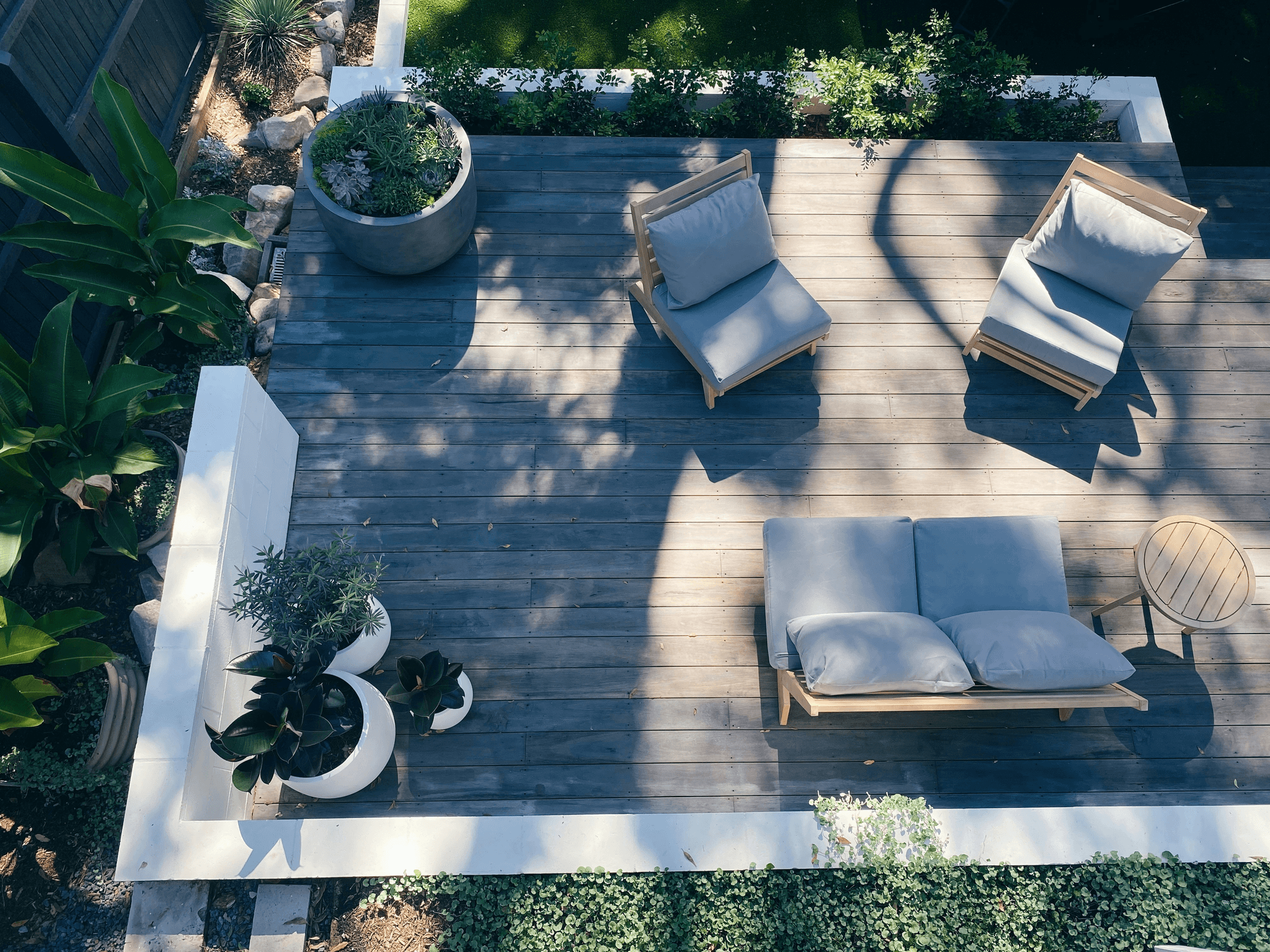
In the ever-evolving world of home improvement, the future is undeniably leaning towards composite decking. Homeowners are increasingly recognizing the benefits of composite plastic wood, which combines durability with aesthetic appeal. As we move forward, synthetic lumber for decks is set to redefine outdoor spaces, offering a sustainable and stylish alternative to traditional materials.
The Future of Decking is Composite
The future of decking is composite, and it's easy to see why! With advancements in technology, composite decking material has become more durable and visually appealing than ever before. This evolution in artificial lumber deck options ensures that homeowners can enjoy their outdoor spaces without the hassle associated with traditional wood.
Why Homeowners are Choosing Composite Wood
Homeowners are flocking to composite wood for its low-maintenance requirements and long-lasting quality. Unlike conventional wood that demands regular upkeep and treatments, plastic wood provides an effortless solution for busy lifestyles. Additionally, its resistance to rot and fading makes it a smart investment for those looking to enhance their properties without constant worry.
Transforming Spaces with Composite Decking Inc
Composite decking Inc is at the forefront of transforming outdoor living spaces into stunning retreats using innovative materials like composite plastic wood. By blending functionality with style, these products allow homeowners to create beautiful environments perfect for entertaining or relaxing. The versatility of synthetic lumber for decks means that no matter your vision, there’s a perfect solution waiting in the realm of composite wood.