
Introduction
Overview of Decking Materials
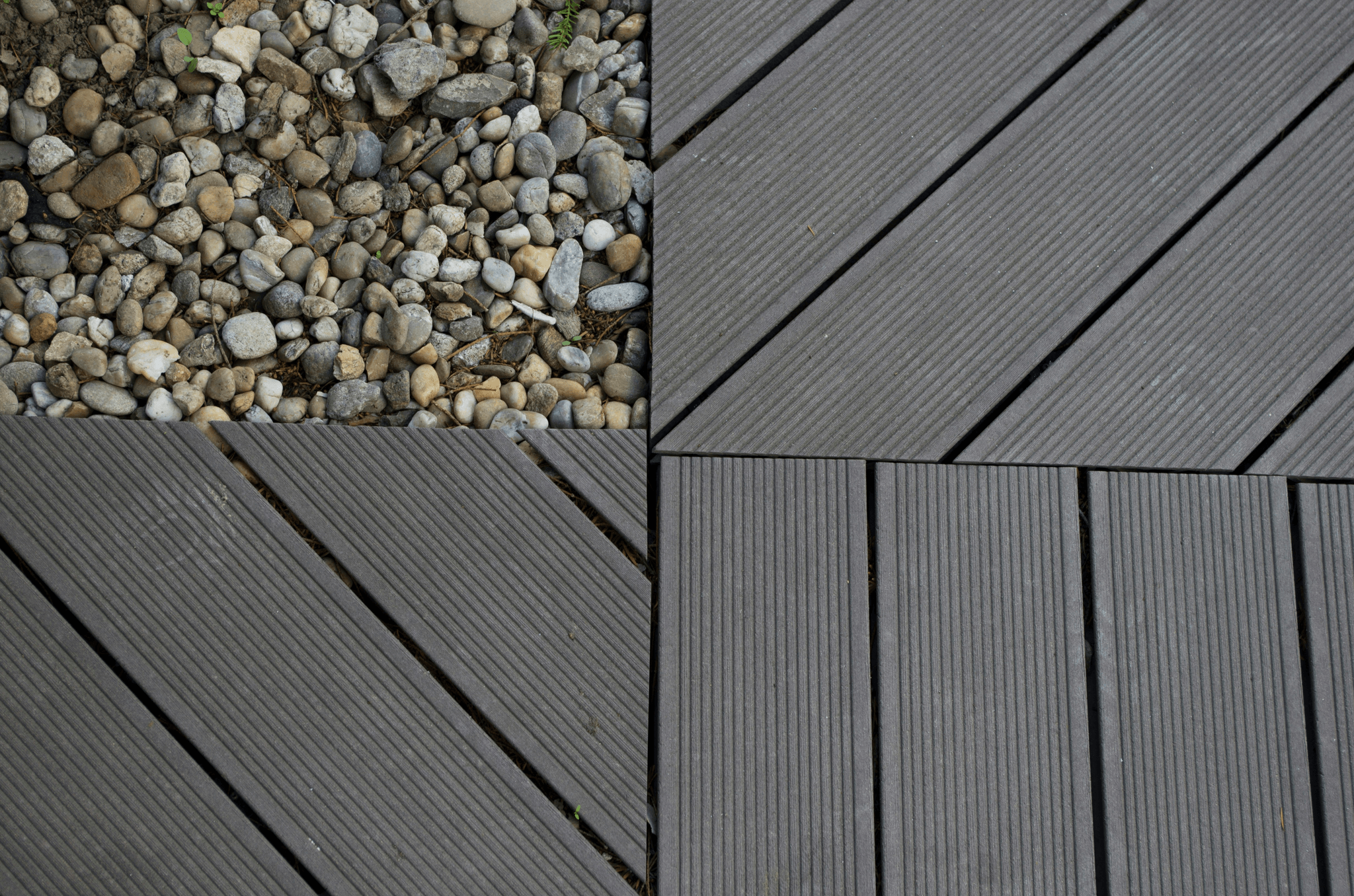
Decking materials have evolved over the years, offering homeowners an array of choices to suit their tastes and requirements. Wood decks exude timeless charm and natural beauty but come with their own set of challenges such as maintenance and susceptibility to weather damage. On the other hand, alternatives to wood decks like PVC decking and composite lumber decking provide durability and low maintenance solutions that are increasingly popular among those looking for lasting quality without constant upkeep.
The Great Debate: Wood, Vinyl, or Composite
The debate between wood, vinyl, or composite materials is one that sparks passionate discussions among homeowners and builders alike. While wood offers unmatched aesthetic appeal with its natural grains and warmth, vinyl decking boasts impressive longevity without the need for extensive care. Composite decking bridges the gap by combining the best features of both worlds—offering a beautiful appearance alongside robust durability—making it a top contender in this great debate.
Why Choose the Right Decking Material
Selecting the right decking material is essential not only for visual appeal but also for practical considerations like cost-effectiveness and maintenance demands. Each option presents its own benefits: whether you're drawn to classic wood aesthetics or are intrigued by low maintenance deck solutions like composite wood or PVC decking alternatives. Ultimately, making an informed decision ensures that your outdoor oasis remains a source of enjoyment rather than an endless project.
The Charm of Wood Decks

Wood decks have long been cherished for their timeless beauty and warmth, evoking a sense of nostalgia that few other materials can match. The natural grains and rich colors of wood create an inviting atmosphere, making them a popular choice for homeowners looking to enhance their outdoor spaces. However, while wood may be the classic option, it’s essential to weigh its charm against the practicalities of maintenance and longevity.
Traditional Appeal and Aesthetic Value
The unique patterns in each plank tell a story that synthetic materials simply cannot replicate, offering homeowners an organic feel that blends seamlessly with nature. Whether you prefer the rustic appeal of cedar or the elegance of mahogany, wood decking provides a warmth that sets the stage for countless gatherings and memories.
Moreover, wood decks can be stained or painted in various hues to match your home’s exterior or personal style, adding another layer of customization. This versatility is part of what makes traditional wood so appealing; it can adapt to any design vision you have in mind. However, this beauty comes at a price: regular upkeep is necessary to maintain its luster and prevent deterioration from weather exposure.
Pros and Cons of Wood Decking
While wood decking offers undeniable charm, it also has its share of pros and cons that potential buyers must consider carefully. On one hand, wooden decks provide excellent durability when properly maintained and are often more affordable upfront compared to alternatives like composite lumber decking or PVC decking options. Additionally, they are biodegradable and can be sourced sustainably if chosen wisely.
On the flip side, maintaining a wooden deck requires regular staining or sealing every few years to protect against rot and insect damage—this translates into time spent on upkeep rather than enjoying your outdoor oasis. Furthermore, wood is susceptible to fading under harsh sunlight or warping from moisture changes over time; these factors can significantly impact its lifespan compared to low maintenance deck alternatives like composite decking or vinyl options. Ultimately, understanding these pros and cons will help you make an informed decision about whether wood is right for your home.
Alternatives to Wood Decks
For those who love the idea of outdoor living but want something with less hassle than traditional timber options, there are several appealing alternatives to wood decks available today. Composite decking has gained popularity as a durable choice made from recycled materials that mimic the look of real wood without requiring extensive upkeep—perfect for those who prefer not spending weekends sanding or staining! With composite lumber decking options on the market today featuring UV protection built-in alongside resistance against mold growth and splintering issues common with natural woods.
Another fantastic alternative is PVC decking which boasts exceptional longevity while being entirely resistant to moisture damage—a significant advantage if you live in an area prone to heavy rainfall or humidity fluctuations! Both composite and PVC options come in various colors and textures that allow homeowners flexibility in design without sacrificing aesthetics for practicality—a win-win scenario indeed! So whether you're drawn towards classic charm or modern convenience (or perhaps both), exploring these alternatives ensures you'll find just what suits your lifestyle perfectly!
The Rise of Vinyl Decking
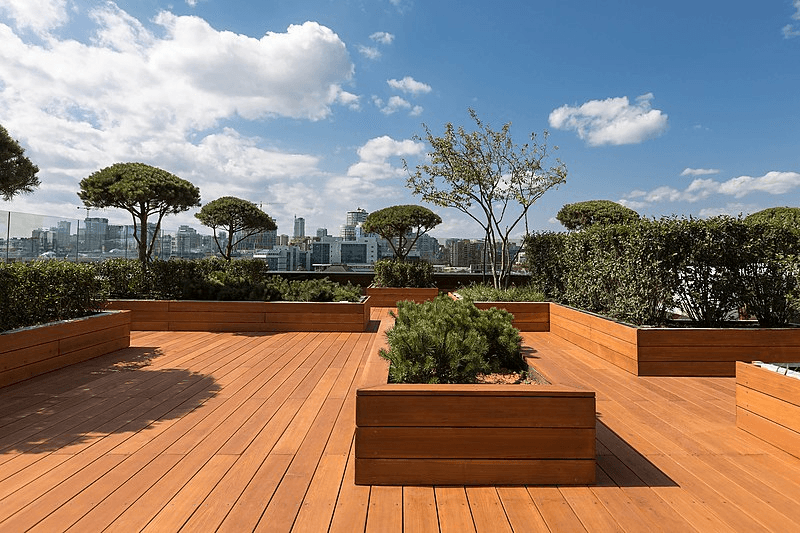
Vinyl decking has surged in popularity, becoming a go-to choice for homeowners seeking a stylish yet practical outdoor space. With its robust construction and appealing aesthetics, PVC decking offers an excellent alternative to wood decks that can often fall prey to the elements. As we dive into the benefits of vinyl decking, you'll see why it’s gaining traction among deck enthusiasts.
Benefits of PVC Decking
One of the most significant advantages of PVC decking is its resistance to moisture, mold, and insects—issues that can plague traditional wood decks. This makes it an ideal choice for those living in humid environments or areas prone to pests. Additionally, PVC decking is available in a wide array of colors and textures, allowing homeowners to achieve their desired look without sacrificing durability.
Another noteworthy benefit is that vinyl does not require staining or sealing like wood does. This low maintenance deck option means more time enjoying your outdoor space rather than spending weekends on upkeep. Furthermore, many brands offer warranties that last for decades, giving you peace of mind about your investment.
Cost-Effectiveness and Longevity
While the initial cost of PVC decking might be higher than some wood options, its long-term savings are hard to overlook. Vinyl's durability means fewer repairs and replacements over time compared to traditional wood decks that may warp or rot after years of exposure to the elements. When you factor in maintenance costs—like regular staining or sealing—vinyl often emerges as a more cost-effective solution in the long run.
Moreover, with its impressive lifespan—often exceeding 25 years—PVC decking proves itself as a wise investment for homeowners looking for longevity without compromising on style. The combination of durability and low upkeep solidifies vinyl's position as one of the best alternatives to wood decks available today.
Comparing Vinyl to Wood and Composite
When comparing vinyl decking with both wood and composite lumber decking options, it's essential to consider various factors such as aesthetics, maintenance requirements, and overall performance under different weather conditions. While wooden decks offer a classic charm that many love, they require constant care; composite options provide some balance but still need periodic attention depending on their composition.
In contrast, vinyl stands out due to its virtually carefree nature; no sanding or painting is necessary! Plus, unlike composite wood—which may still retain some organic materials leading to potential decay—PVC is entirely synthetic and impervious to moisture damage. So whether you're drawn by looks or practicality (or both), it's clear why many are opting for vinyl when weighing their choices among popular decking materials.
Understanding Composite Decking
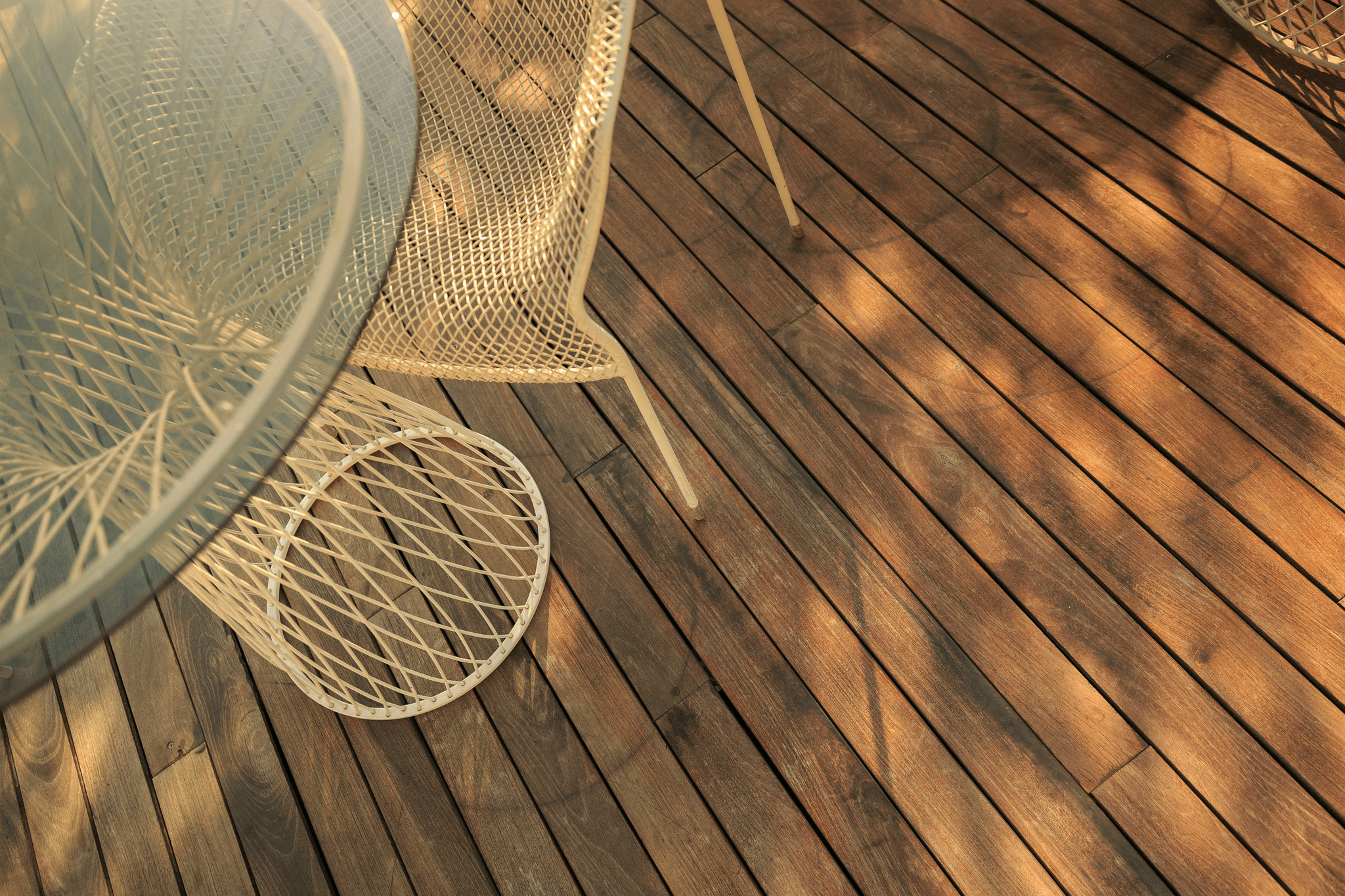
When it comes to decking options, composite lumber decking has emerged as a popular contender in the battle of materials. Made from a blend of wood fibers and recycled plastic, this innovative solution offers an attractive alternative to wood decks without compromising on durability. With its unique composition, composite decking provides homeowners with a versatile option that can withstand the test of time.
What is Composite Lumber Decking?
Composite lumber decking is essentially a synthetic material designed to mimic the look and feel of traditional wood while offering several advantages over it. This type of decking combines wood fibers with high-density polyethylene (HDPE) or polyvinyl chloride (PVC), resulting in a strong and resilient product that resists fading, splintering, and warping. As an alternative to wood decks, composite decking is engineered for longevity and performance, making it an appealing choice for many homeowners.
Advantages of Composite Wood Options
One of the key advantages of composite wood options is their low maintenance requirements compared to traditional wooden decks. Homeowners can bid farewell to the annual ritual of sanding, staining, or sealing their deck because composite materials are designed to resist moisture and pests naturally. Additionally, with their fade-resistant properties and wide range of colors available, composite lumber decking allows for creative expression without the worry about wear over time.
Another benefit lies in sustainability; many brands produce composite decking using recycled materials, making it an eco-friendly alternative to wood decks. This not only helps reduce waste but also contributes positively towards environmental conservation efforts. Furthermore, because they don’t require chemical treatments like pressure-treated wood does, you can enjoy your outdoor space without worrying about harmful substances leaching into your yard.
Low Maintenance Deck Solutions
For those seeking low maintenance deck solutions that still deliver aesthetic appeal and functionality, composite decking stands out as a clear winner among alternatives to wood decks. The lack of upkeep means you can spend more time enjoying your outdoor oasis rather than laboring over its care. Moreover, cleaning is as simple as hosing down your deck occasionally; there’s no need for special cleaners or tools—just some soap and water will do!
In terms of longevity, many manufacturers offer warranties that span decades—some even up to 25 years or more—giving homeowners peace of mind when investing in this type of decking material. With advancements in technology continually improving the quality and appearance of composite lumber decking options available today, it's no wonder that more people are choosing this route for their outdoor spaces over traditional choices like PVC decking or solid wood alternatives.
Environmental Impact of Decking Materials
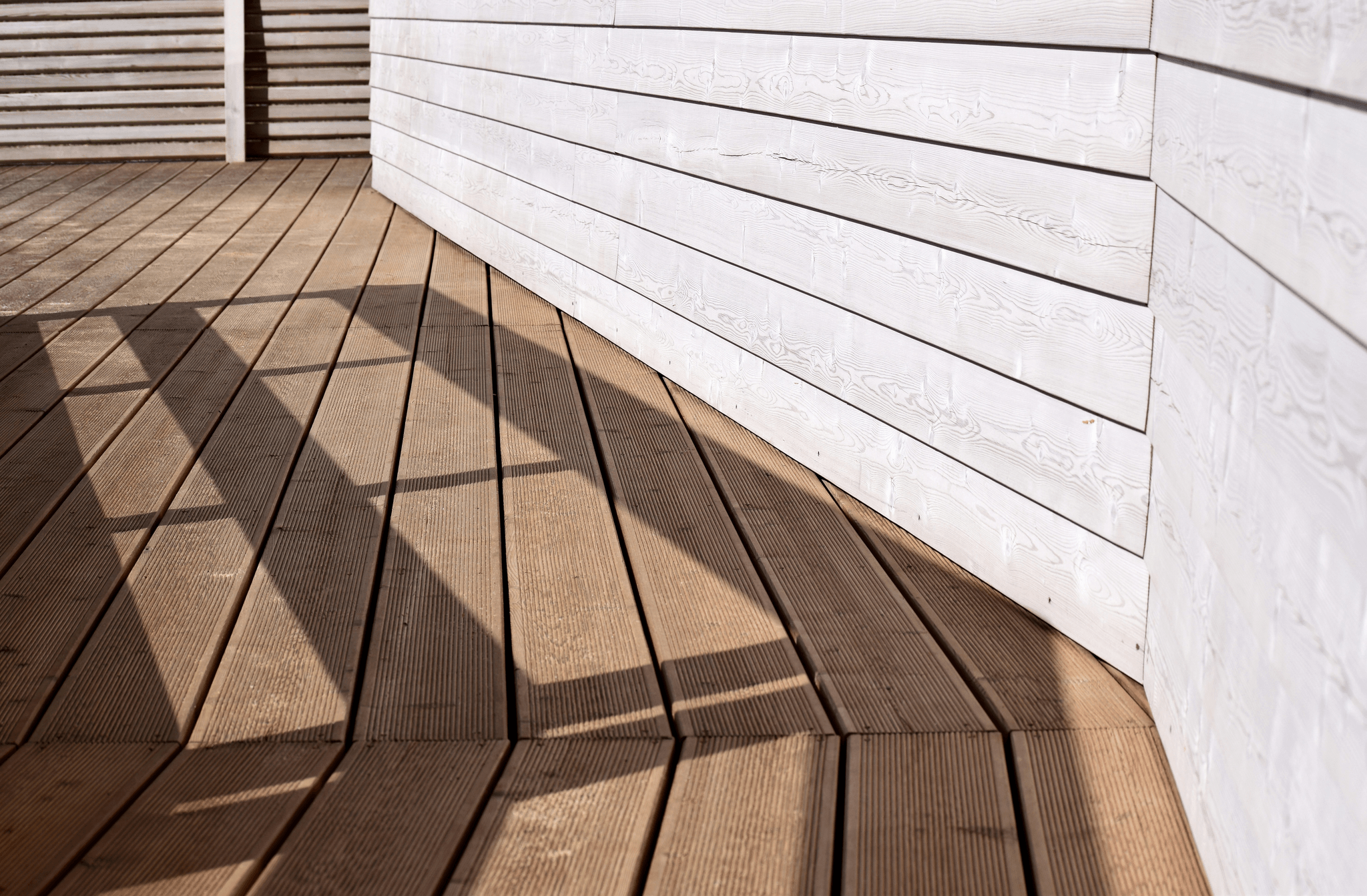
When it comes to decking materials, the environmental impact is a crucial consideration for eco-conscious homeowners. With the increasing demand for sustainable building practices, selecting the right decking material can contribute significantly to reducing your carbon footprint. From traditional wood to innovative composite options, understanding sustainability in deck building is essential.
Sustainability in Deck Building
Sustainable deck building goes beyond just choosing materials; it encompasses the entire lifecycle of the product. Wood decks often come from forests that may be unsustainably managed, leading to deforestation and habitat loss. In contrast, alternatives to wood decks, such as composite lumber decking and PVC decking, utilize recycled materials and require less energy during production, making them more environmentally friendly choices.
One of the biggest advantages of composite wood is its durability and longevity compared to traditional wood options. This means that while wood may need frequent replacement due to weathering and decay, composite decking can last for decades with minimal maintenance. By opting for low maintenance deck solutions like composite or vinyl options, homeowners can reduce waste and their overall environmental impact.
Composite Decking Inc and Eco-Friendly Practices
Composite Decking Inc stands out as a leader in eco-friendly practices within the decking industry. Their commitment to sustainability is evident through their use of recycled materials in their composite lumber decking products which not only reduces waste but also conserves natural resources. By choosing products from companies like Composite Decking Inc, consumers are supporting businesses that prioritize environmental stewardship.
Moreover, many manufacturers focus on creating low maintenance deck solutions that require fewer chemicals for upkeep compared to traditional wood decks treated with harmful preservatives. This shift towards eco-friendly practices not only benefits the environment but also promotes healthier living spaces for families who enjoy spending time outdoors on their decks. The rise of such companies highlights a growing awareness in the industry about responsible sourcing and manufacturing processes.
Wood vs. Vinyl vs. Composite: The Green Perspective
When comparing wood, vinyl, and composite options from an environmental standpoint, each material has its pros and cons worth considering carefully before making a decision on your next decking material. Traditional wood decks offer natural beauty but often come at an ecological cost if sourced unsustainably; they require regular maintenance which can involve harmful chemicals over time. On the other hand, PVC decking presents an interesting alternative as it’s made from 100% recyclable materials but lacks some aesthetic appeal found in natural woods.
Composite decking emerges as a strong contender among alternatives to wood decks because it combines aesthetics with sustainability by utilizing recycled content while mimicking the look of real wood without compromising on durability or requiring extensive upkeep over time. Homeowners looking for both beauty and functionality will find that composite lumber offers an appealing balance between style preferences and green building practices without sacrificing quality or longevity.
In conclusion, when evaluating your options—whether it's traditional wood or innovative alternatives—consider how each choice aligns with your values regarding sustainability and environmental impact before making a final decision about your new deck.
Cost Analysis of Decking Options
When it comes to decking materials, understanding the cost implications is crucial for homeowners. Each option—wood, vinyl, and composite—comes with its own financial considerations that can impact your overall investment. Evaluating the initial costs versus long-term savings will help ensure you choose the right decking material for your needs.
Initial Investment vs. Long-Term Savings
The initial investment in decking material varies significantly between wood, PVC decking, and composite lumber decking. While traditional wood decks may have a lower upfront cost, they often require more maintenance and replacement over time. On the other hand, composite wood options like composite decking might come with a higher price tag initially but can save you money in the long run due to their durability and low maintenance requirements.
By considering these factors, homeowners can make an informed decision that balances immediate costs with future savings. For instance, while alternatives to wood decks such as vinyl or composite may seem pricier at first glance, their longevity often results in fewer repairs and replacements down the line. Thus, investing in quality materials today could lead to significant savings tomorrow.
Maintenance Costs Over Time
Maintenance costs are another critical factor when analyzing your decking options. Traditional wood decks require regular staining or sealing to prevent rot and weather damage; this can add up quickly over time. In contrast, low maintenance deck solutions like PVC decking or composite lumber decking typically need far less attention—just an occasional wash will keep them looking pristine.
Moreover, while some homeowners enjoy the hands-on aspect of maintaining a wooden deck, many prefer the hassle-free experience offered by alternatives to wood decks such as composites or vinyls. These materials resist fading and warping better than wood does, further reducing ongoing expenses related to upkeep and repairs. Ultimately, choosing a low maintenance deck can free up time—and money—for other enjoyable activities.
Budgeting for Your Decking Material
Budgeting for your chosen decking material involves more than just calculating upfront costs; it's essential to consider all associated expenses over time as well. When planning your budget for a new deck installation, include not only the price of materials but also labor costs if you're hiring professionals for installation. Additionally, factor in future maintenance needs based on your selected material—wood will demand more frequent attention compared to PVC or composite options.
As you weigh your choices among various alternatives to wood decks like vinyl or composite lumber decking, think about how each option fits into your overall financial plan—not just today but years down the road too! A well-thought-out budget will help ensure you select a durable product that meets both aesthetic desires and financial realities without breaking the bank.
Conclusion
In the end, choosing the right decking material for your home is about balancing aesthetics, functionality, and sustainability. With numerous alternatives to wood decks available today, homeowners have more options than ever to create their perfect outdoor spaces. Whether you lean towards traditional wood charm, modern PVC decking, or the innovative composite lumber decking, each choice has its unique benefits.
Making the Right Choice for Your Home
When considering your options, think about how you plan to use your deck and what maintenance level you're willing to commit to. If you desire a low maintenance deck that still offers visual appeal, composite decking might be your best bet. On the other hand, if you’re drawn to natural beauty and are prepared for upkeep, traditional wood could still hold its charm.
The Future of Decking Options
The future of decking materials looks promising as technology continues to evolve and improve existing products. Composite wood options are becoming increasingly popular due to their durability and eco-friendliness compared to traditional materials. As awareness grows about sustainable building practices, we can expect even more innovative solutions in PVC decking and alternative materials that cater to environmentally conscious consumers.
Final Thoughts on Decking Materials
Ultimately, selecting a decking material is a personal journey that reflects both your style preferences and practical needs. While wood may offer timeless appeal, alternatives like composite lumber decking or vinyl provide long-lasting benefits with less hassle. Whichever route you choose—be it classic or contemporary—ensure it aligns with your vision for outdoor living.