
IntroductionWith a plethora of options available, from natural wood to innovative composite lumber decking, selecting a suitable decking material requires careful consideration. Each type of decking has its unique benefits and drawbacks, which can significantly impact your enjoyment and maintenance in the long run.
Overview of Decking Options
The world of decking offers a variety of materials to suit different tastes and budgets. Natural wood options like cedar and redwood provide warmth and beauty, while composite wood decking boards offer durability without the hassle of extensive upkeep. Additionally, PVC decking material is gaining popularity for its resistance to moisture and insects, making it a strong contender in the low maintenance deck category.
Importance of Choosing the Right Material
Selecting the appropriate decking material is crucial for ensuring that your outdoor area meets both aesthetic desires and functional needs. The right type of decking not only enhances your home’s curb appeal but also affects longevity and maintenance requirements over time. Investing in quality materials like composite lumber or PVC can save you money in repairs down the line while providing a stunning space for relaxation or entertainment.
Benefits of Different Decking Types
Each type of decking brings its own set of advantages that cater to various lifestyles and preferences. For instance, natural wood exudes charm but requires regular maintenance; conversely, composite deck boards offer an appealing look with minimal effort needed for upkeep. Understanding these benefits allows homeowners to make informed decisions that align with their lifestyle while enjoying their outdoor oasis to the fullest.
Natural Wood Decking

Natural wood decking remains a timeless choice for many homeowners, offering a blend of beauty and functionality. While there are various types of decking available, the allure of natural wood is hard to resist. This section will explore popular wood choices, their aesthetic appeal, and the maintenance considerations that come with them.
Popular Wood Choices: Cedar and Redwood
Both types of decking offer unique qualities that make them desirable; cedar is known for its durability and resistance to decay, while redwood boasts a rich color that deepens over time. Choosing between these two popular options can be a delightful dilemma—each brings its own charm to outdoor spaces.
Aesthetic Appeal and Warmth
One of the standout features of natural wood decking is its aesthetic appeal and warmth. The natural grains and variations in color create an inviting atmosphere that synthetic materials struggle to replicate—this is where composite lumber decking falls short in terms of visual warmth. Homeowners often find themselves drawn to the rustic beauty of cedar or the luxurious look of redwood when designing their outdoor retreats.
Maintenance Considerations
While natural wood offers undeniable beauty, it does come with maintenance considerations that potential buyers should keep in mind. Regular sealing or staining is necessary to protect against moisture damage and UV rays; neglecting this could lead to warping or discoloration over time—a stark contrast to low maintenance deck options like composite deck boards or PVC decking material. Ultimately, understanding these factors can help homeowners make informed decisions about their preferred type of decking while balancing aesthetics with upkeep requirements.
Composite Lumber Decking

When it comes to choosing a type of decking, composite lumber decking has emerged as a popular choice among homeowners and builders alike. This innovative material combines the best features of wood and plastic to deliver an exceptional outdoor experience. With composite deck boards, you can enjoy the beauty of wood without the hassle of traditional maintenance.
Features of Composite Deck Boards
Composite deck boards are designed with durability and aesthetics in mind, making them a standout option in the world of decking materials. These boards typically consist of a blend of recycled wood fibers and plastic, resulting in a product that resists fading, staining, and warping. Additionally, many composite wood decking boards come with textured surfaces that mimic the look of real wood while providing better traction underfoot.
One notable feature is their range of colors and finishes; homeowners can choose from various shades to match their outdoor decor perfectly. Unlike natural wood options like cedar or redwood, these composite materials won’t splinter or crack over time, ensuring safety for family gatherings or summer barbecues. Plus, they’re designed to withstand harsh weather conditions without compromising their structural integrity.
Advantages of Composite Wood Decking Boards
The advantages of composite wood decking boards extend far beyond just aesthetics; they also offer significant practical benefits that make them an attractive choice for any homeowner. One major perk is their low maintenance nature—unlike traditional wooden decks that require regular staining and sealing, composite lumber decking only needs occasional cleaning with soap and water to keep it looking fresh.
Moreover, these deck boards are engineered to resist moisture damage and insect infestations better than natural wood alternatives like cedar or redwood. This resilience translates into longevity; homeowners can expect their investment in composite materials to pay off over time without the frequent repairs associated with other types of decking. Additionally, many manufacturers offer warranties on their products, giving you peace of mind about your choice.
Why Go for a Low Maintenance Deck
Choosing a low maintenance deck isn't just about convenience; it's also about enjoying your outdoor space without constant upkeep getting in the way. With busy lifestyles becoming increasingly common, many people prefer spending weekends relaxing rather than sanding or staining their decks every year—this is where composite lumber shines! By opting for composite deck boards made from high-quality materials like PVC decking material blended with recycled content, you're investing in more leisure time.
Another reason to consider this type of decking is its eco-friendliness—many brands focus on sustainability by using recycled plastics and woods in their products while minimizing waste during manufacturing processes. So not only do you save time on maintenance but you contribute positively towards environmental conservation too! In conclusion, if you're looking for an attractive yet hassle-free outdoor living solution that stands up against nature’s elements while being kind to our planet—composite lumber decking should be at the top of your list.
PVC Decking Material
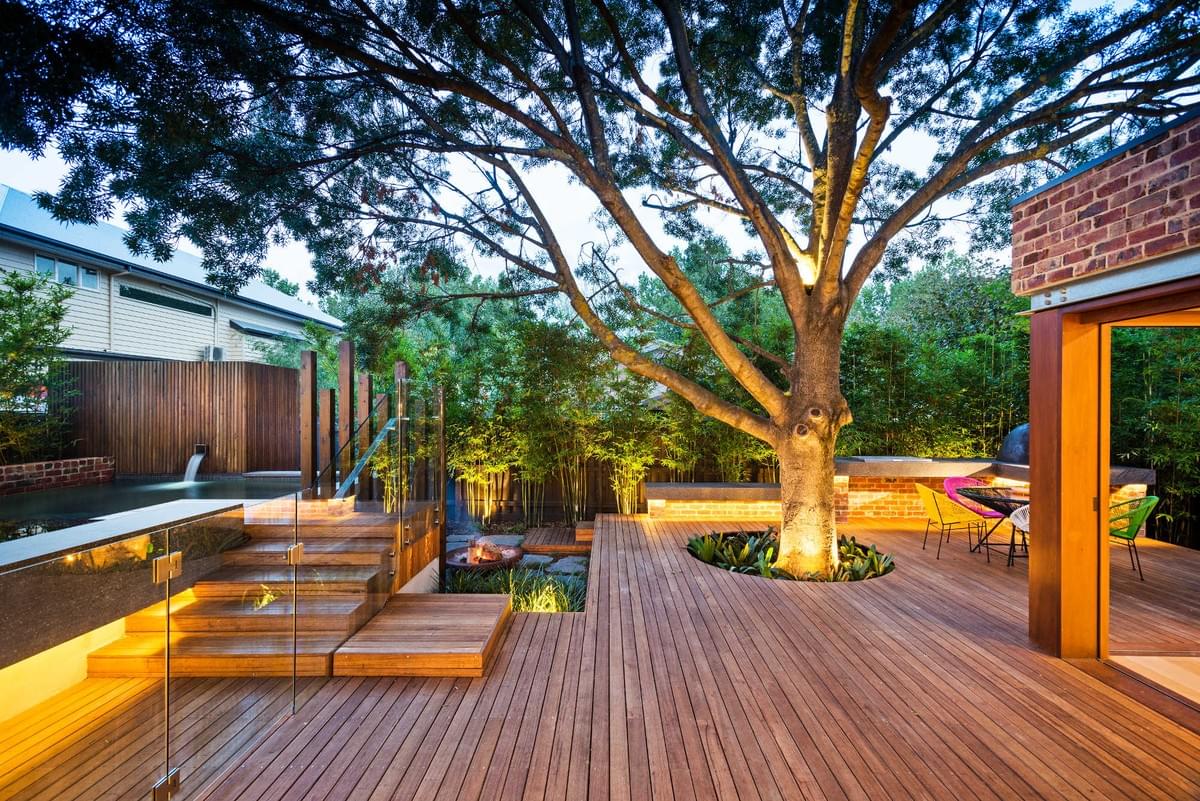
PVC decking material has emerged as a popular choice among homeowners looking for durability and minimal upkeep. Unlike traditional wood, PVC does not warp, splinter, or require regular staining, making it an increasingly appealing type of decking. With its long-lasting properties, this material promises to provide a beautiful outdoor space that stands the test of time.
Benefits of PVC Decking for Longevity
One of the standout benefits of PVC decking is its exceptional longevity compared to other types of decking materials. This synthetic option is engineered to resist fading and discoloration from UV exposure, ensuring your deck maintains its vibrant appearance year after year. Additionally, PVC does not absorb moisture like wood does, which dramatically reduces the risk of rot and decay—common problems that plague natural wood options.
Resistance to Moisture and Insects
When it comes to outdoor living spaces, moisture and insects can be a homeowner's worst nightmare. Fortunately, PVC decking material excels in both these areas; it is inherently resistant to mold and mildew due to its non-porous surface. Moreover, pests like termites find no interest in composite wood or this type of decking since there are no organic materials for them to munch on—talk about peace of mind!
Cost-Effectiveness Over Time
While the initial investment in PVC may be higher than some traditional options or even certain composite lumber decking products, the long-term savings are undeniable. The low maintenance deck nature means you won’t be spending money on staining or sealing every few years; instead, just a simple wash with soap and water will do the trick! Over time, these savings can add up significantly when you factor in repair costs associated with other types of decking that require more frequent upkeep.
Comparing Decking Materials
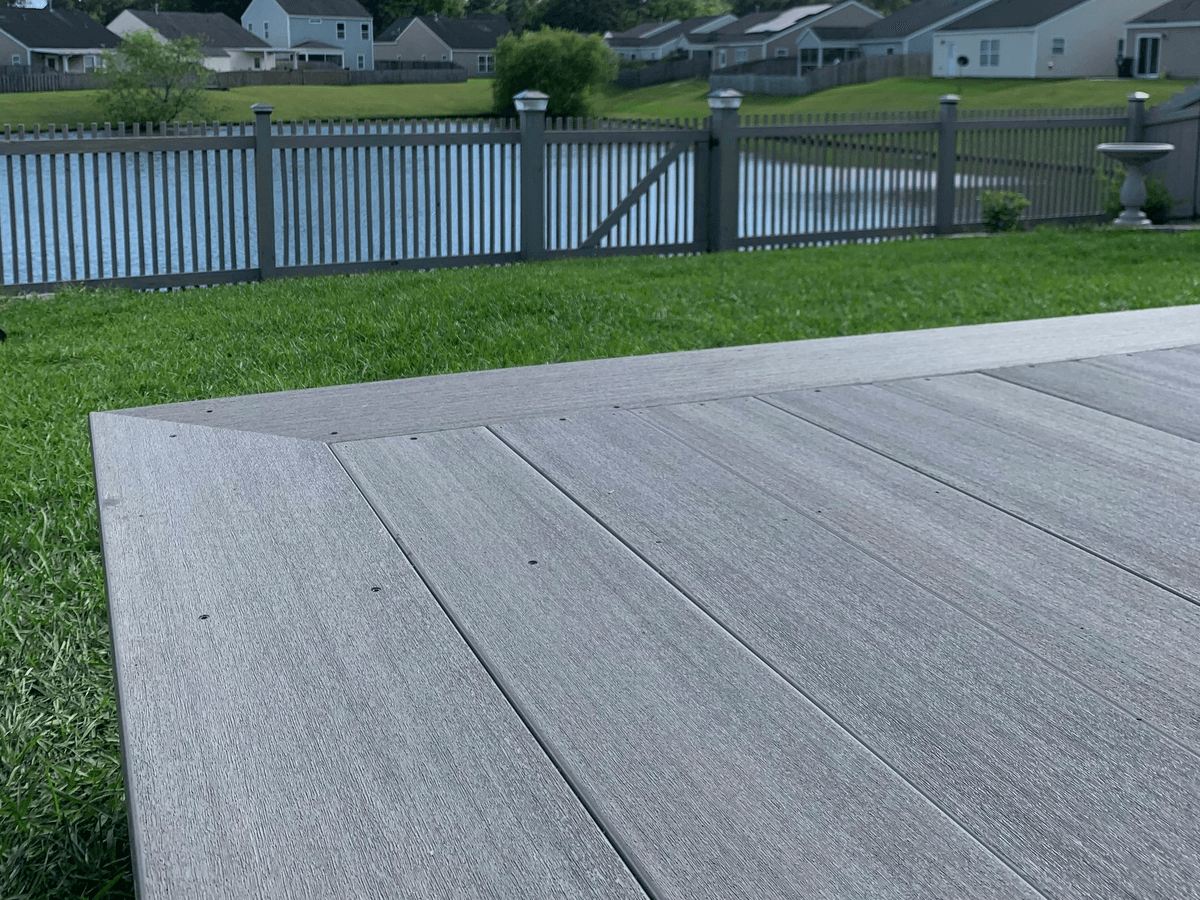
When it comes to choosing the right type of decking, understanding how different materials stack up against each other is essential. Natural wood, composite lumber decking, and PVC decking material each have unique characteristics that can influence your decision. By comparing these options, you can make an informed choice that aligns with your needs and preferences.
How Wood Stacks Up Against Composite
Natural wood decking has long been a popular choice for homeowners due to its classic appeal and warmth. However, when compared to composite wood decking boards, it often falls short in durability and maintenance requirements. Composite deck boards offer a low maintenance deck solution that resists fading, staining, and splintering—benefits that traditional wood simply cannot match.
While cedar and redwood are known for their beauty, they require regular upkeep including sealing and staining to maintain their appearance over time. In contrast, composite lumber decking is engineered to withstand the elements without the need for extensive care. This makes composite materials an attractive option for those who want a beautiful outdoor space without the hassle of constant maintenance.
Durability of Composite Wood vs. PVC
When evaluating durability between composite wood and PVC decking material, both options stand out but cater to different needs. Composite wood offers excellent resistance to wear and tear while providing a natural look that many homeowners desire; however, it can still be susceptible to certain environmental factors over time. On the other hand, PVC decking material takes durability a step further by being completely waterproof and impervious to insects.
The resilience of PVC means it won’t warp or rot like traditional woods or even some composites may over time under harsh conditions. If longevity is your primary concern—and let's face it; who wants to replace their deck every few years?—PVC might just be your best bet for a long-lasting investment in outdoor living space.
Environmental Impact of Different Decking
The environmental impact of various types of decking materials is an increasingly important consideration for eco-conscious consumers today. Natural wood comes from renewable resources but its sustainability can vary based on harvesting practices; responsibly sourced cedar or redwood can be a good choice if managed well. Conversely, composite lumber decking often incorporates recycled materials which reduces waste while providing durability.
However, it's worth noting that not all composites are created equal—some may contain harmful chemicals or plastics that could have negative environmental effects during production or disposal stages. Meanwhile, PVC decking material generally requires more energy-intensive manufacturing processes than its wooden counterparts but boasts recyclability at the end of its life cycle when properly handled. Ultimately, considering both sourcing practices and lifecycle impacts will help you choose the most sustainable option for your project.
Choosing the Right Decking for Your Project
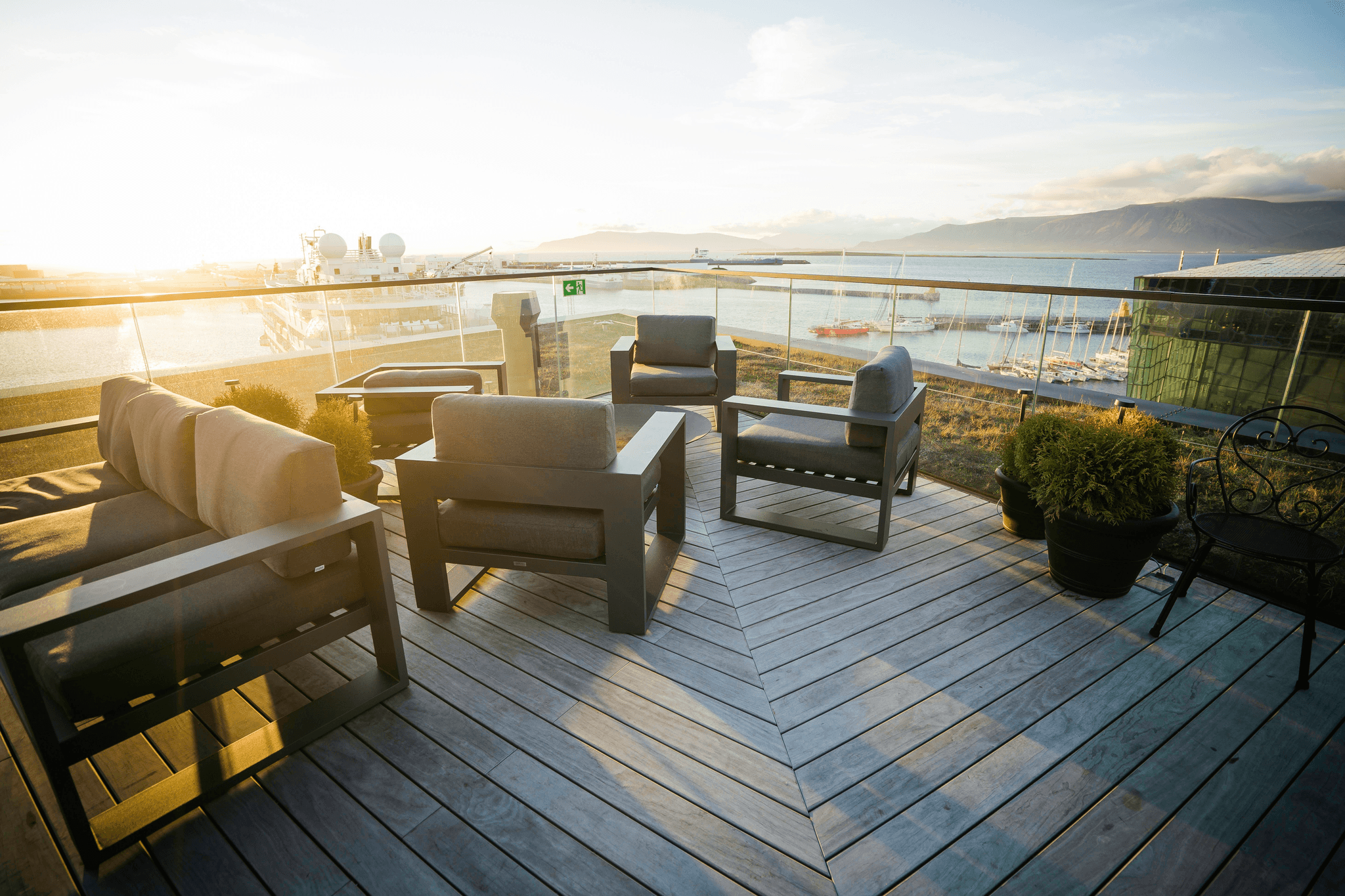
Selecting the right type of decking for your project involves more than just aesthetics; it requires a thoughtful consideration of various factors. From climate conditions to usage patterns, each aspect can significantly influence your choice of decking material. Understanding these elements will help you make an informed decision that aligns with your lifestyle and preferences.
Factors to Consider: Climate and Usage
When choosing a decking material, climate plays a pivotal role in determining durability and maintenance needs. For instance, if you live in an area prone to heavy rainfall or humidity, opting for composite lumber decking or PVC decking material could be wise due to their resistance to moisture and insects. Additionally, consider how you plan to use the deck; heavy foot traffic may necessitate more robust options like composite wood decking boards that can withstand wear and tear.
Usage also extends beyond just foot traffic—think about whether you'll host barbecues, family gatherings, or simply enjoy quiet evenings outdoors. If entertaining is on your agenda, investing in high-quality composite deck boards will ensure your deck remains beautiful while providing the necessary durability. Ultimately, aligning your choice with both climate and usage will lead you toward a low maintenance deck that suits all occasions.
Budgeting for Your Decking Material
Budgeting is another critical factor when selecting decking materials; after all, quality often comes at a price. While natural wood may seem cheaper initially, its long-term upkeep can add up quickly due to regular staining and sealing requirements—making composite wood a more cost-effective option over time. Composite lumber decking might have a higher upfront cost but offers significant savings on maintenance expenses down the line.
When calculating your budget, don't forget to include installation costs as well as any additional features like railings or lighting that enhance usability and safety. It's essential to strike a balance between affordability and quality; investing in durable materials like PVC decking material can pay off in longevity and aesthetic appeal while keeping future costs manageable. Ultimately, understanding your budgetary constraints will guide you toward selecting the best type of decking without breaking the bank.
Expert Recommendations from Composite Decking Inc
For those feeling overwhelmed by choices, expert recommendations from companies like Composite Decking Inc can provide invaluable guidance tailored specifically to your needs. They emphasize the benefits of composite wood over traditional options—highlighting its low maintenance requirements while delivering stunning visual appeal through various styles and colors of composite deck boards available today. Their experts suggest considering local climate conditions alongside personal preferences when deciding which type of decking suits best.
Moreover, Composite Decking Inc frequently highlights how their products are designed not only for beauty but also for durability against harsh weather conditions—making them ideal candidates for anyone seeking longevity in their outdoor spaces. By consulting with industry professionals who understand both trends and practicalities within the realm of outdoor living spaces, you're set up for success with every step toward building your dream deck!
Conclusion
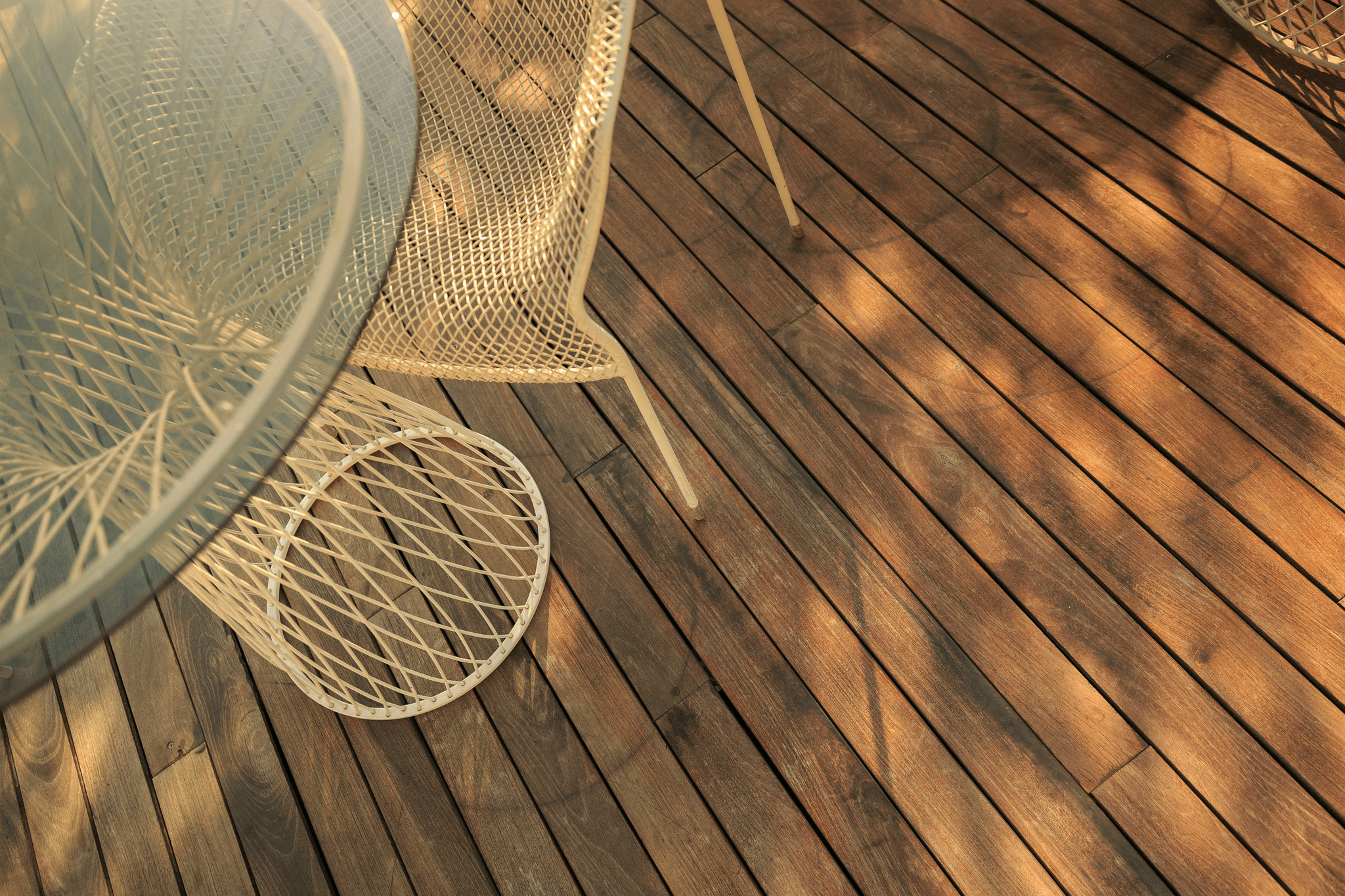
In wrapping up our exploration of decking materials, it’s clear that each type of decking has its unique advantages and considerations. From the natural beauty of wood to the durability of composite lumber decking, homeowners have a variety of options to choose from. Whether you prioritize aesthetics, maintenance, or longevity, understanding these benefits can help you make an informed decision for your outdoor space.
Recap of Decking Material Benefits
Natural wood decking offers warmth and charm, particularly with popular choices like cedar and redwood; however, it requires regular maintenance to keep it looking its best. On the other hand, composite wood decking boards provide a low maintenance deck solution that combines durability with aesthetic appeal—perfect for busy lifestyles. Finally, PVC decking material stands out for its resistance to moisture and insects while proving cost-effective over time; it's a great option for those looking to invest wisely in their outdoor living areas.
Final Thoughts on Deck Selection
Choosing the right type of decking is more than just picking a pretty surface; it involves considering factors like climate, usage patterns, and budget constraints. While natural wood may appeal due to its classic look, many homeowners are turning towards composite deck boards for their resilience and minimal upkeep requirements. Ultimately, the best choice will depend on your specific needs—so take your time weighing the pros and cons before making that final decision.
Embrace Quality with Composite Decking Inc
For those leaning towards a low maintenance deck without sacrificing style or performance, Composite Decking Inc offers an impressive range of composite wood options that cater to various tastes and budgets. Their commitment to quality ensures that you’ll find durable solutions designed to withstand the test of time while maintaining an inviting appearance. So go ahead—embrace quality craftsmanship with Composite Decking Inc as your trusted partner in creating your dream outdoor oasis!