
Introduction
Selecting the best deck flooring is crucial not only for aesthetic appeal but also for functionality and longevity. With a variety of options available, understanding the nuances between different materials like composite decking, PVC decking material, and traditional wood is essential to making an informed decision.
Why Choosing the Right Deck Flooring Matters
Choosing the right deck flooring sets the stage for countless memories spent outdoors, whether you're hosting summer barbecues or enjoying quiet evenings under the stars. The best deck flooring should not only enhance your home's curb appeal but also withstand the elements over time. With options like composite lumber decking and Trex decking gaining popularity, it's clear that durable and low-maintenance choices are now at the forefront of homeowner preferences.
Types of Deck Flooring Explained
Decking materials come in various forms, each with its own set of advantages and disadvantages. Traditional wood offers a classic look but requires regular maintenance; meanwhile, composite wood decking provides a blend of aesthetics and durability without constant upkeep. On the other hand, PVC decking material stands out for its water resistance and minimal maintenance needs—making it another contender in your quest for the ideal deck flooring solution.
Factors to Consider When Selecting Decking
When selecting decking materials, several factors come into play that can influence your decision-making process. Considerations such as climate conditions, intended use, budget constraints, and maintenance requirements are all essential in narrowing down your choices. Ultimately, finding a balance between style and function will help you choose from popular options like composite decking or low-maintenance decks that fit both your lifestyle and visual preferences.
Understanding Different Deck Flooring Options
Overview of Composite Decking
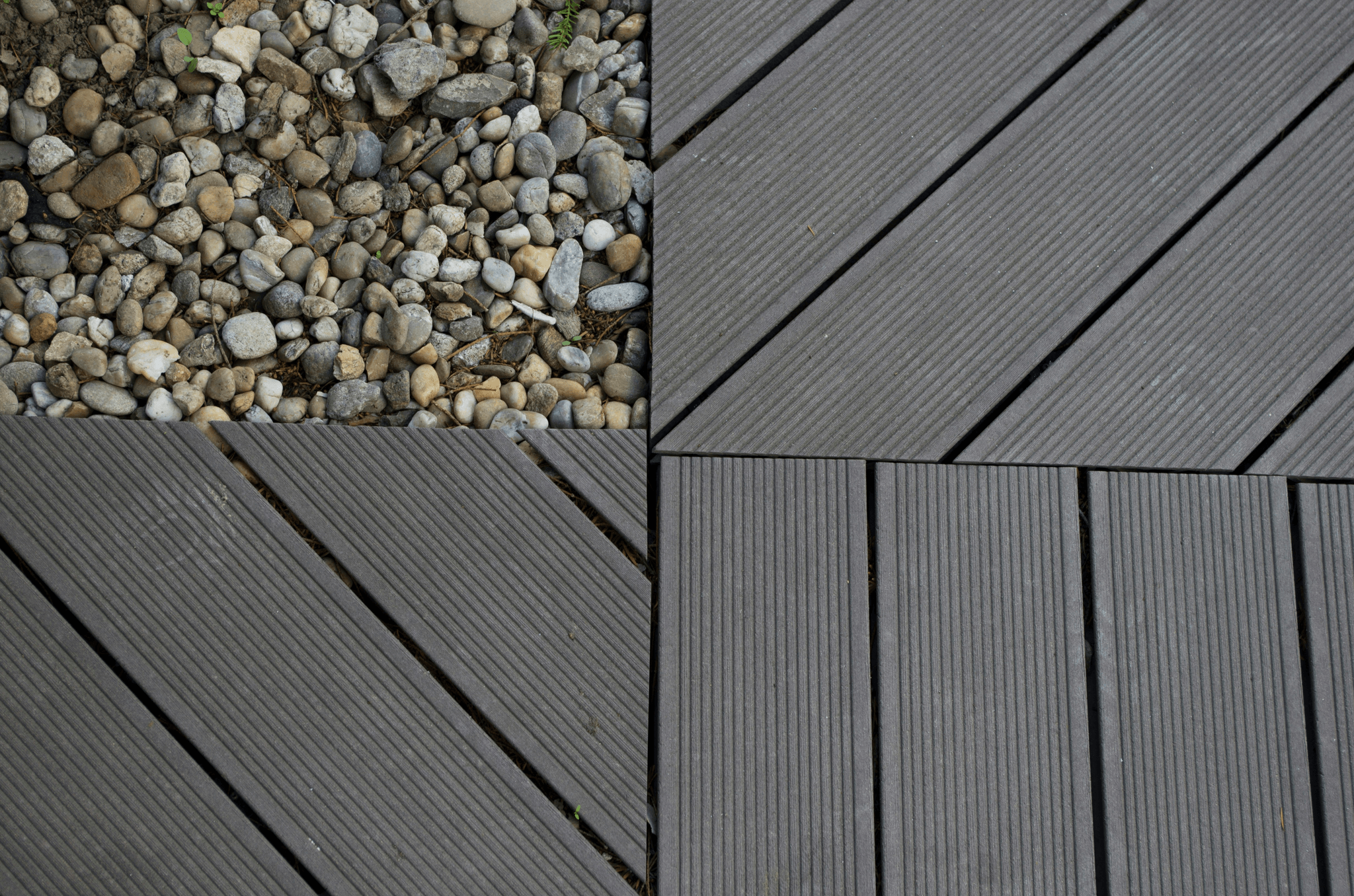
Composite decking has surged in popularity due to its blend of wood fibers and recycled plastic, creating a material that mimics the look of natural wood without the drawbacks. This innovative combination results in a durable and attractive option that stands up well against the elements. As homeowners seek low maintenance deck solutions, composite decking has emerged as a leading contender in the quest for stylish yet functional outdoor spaces.
Trex decking is one of the most recognized brands in this market, known for its high-quality composite materials that promise longevity and aesthetic appeal. With various colors and textures available, composite wood decking allows homeowners to customize their decks while enjoying all the benefits of modern technology. Whether you’re building a new deck or upgrading an existing one, composite decking is certainly worth considering.
Benefits of Composite Lumber Decking
One of the standout advantages of composite lumber decking is its remarkable durability compared to traditional wood options. Unlike natural wood that can warp or splinter over time, composite materials resist these issues thanks to their engineered design. Additionally, they are impervious to rot and insect damage—making them ideal for those looking for hassle-free outdoor living.
Another significant benefit lies in maintenance; with a low maintenance deck like this one, you can spend more time enjoying your space rather than worrying about upkeep tasks such as staining or sealing every year. Cleaning typically involves just soap and water or a mild detergent—no heavy-duty chemicals required! Furthermore, many brands offer warranties on their products, adding peace of mind when investing in your deck.
Exploring PVC Decking Material
PVC decking material offers another alternative that deserves attention when considering your options for best deck flooring. Made entirely from polyvinyl chloride (PVC), this type of decking boasts excellent resistance to moisture and UV rays without compromising on aesthetics or performance. Homeowners appreciate how PVC provides an authentic look similar to wood while being completely waterproof—ideal for those living in humid climates.
In addition to its impressive weather resistance properties, PVC decking requires minimal maintenance as well; it doesn’t need sanding or staining like traditional wood decks do! Plus, with various colors and styles available on the market today—ranging from classic neutrals to vibrant hues—you can easily find something that matches your vision perfectly while enjoying all the perks associated with low maintenance solutions.
The Case for Composite Decking

Features of Trex Decking
Trex decking is designed with innovative technology that enhances its performance in various weather conditions. Its unique construction features a protective shell that resists fading, staining, and scratching—making it one of the most durable composite decking materials on the market today. Additionally, Trex offers an extensive range of colors and textures, allowing homeowners to create custom looks that fit their personal style.
The low-maintenance nature of Trex decking means you won’t be spending your weekends sanding or sealing your deck; instead, you can enjoy more time relaxing outdoors. Plus, its slip-resistant surface ensures safety for families with children or pets playing around. When considering composite wood decking options, Trex provides peace of mind with a warranty that reflects its commitment to quality.
Advantages of Composite Wood Decking
One major advantage of composite wood decking is its resistance to rot and decay compared to traditional wood decks. This longevity translates into less frequent replacements and repairs—saving you both time and money over the years. Moreover, composite lumber decking is impervious to termites and other pests that can wreak havoc on natural wood structures.
Another perk? The color retention in composite materials means your deck will look vibrant year after year without much effort on your part. Unlike PVC decking material which can sometimes appear plastic-like or artificial, high-quality composite options offer a more natural appearance while still providing all the benefits of modern technology. Ultimately, choosing composite wood decking not only enhances your outdoor space but also contributes to long-term cost savings through reduced maintenance needs.
Low Maintenance Deck Solutions
One of the biggest selling points for anyone considering new deck flooring is maintenance—or rather, lack thereof! Low maintenance decks like those made from composite materials require minimal upkeep compared to their wooden counterparts which often demand regular staining or sealing every few years. With just occasional cleaning using soap and water or a gentle power wash, you can keep your deck looking pristine without breaking a sweat.
The low maintenance aspect extends beyond just cleaning; there’s no need for costly treatments against pests or weather-related damage either! This makes investing in a low maintenance deck not only practical but also financially savvy over time—after all, who wouldn’t prefer enjoying their outdoor space rather than spending hours maintaining it? If you're looking for hassle-free outdoor living solutions without sacrificing beauty or quality in materials like trex decking or other forms of composite lumber decking, then consider making the switch today!
Performance and Durability

When it comes to decking, performance and durability are non-negotiable. After all, the best deck flooring should withstand the elements while providing a stylish outdoor space for years to come. Whether you lean toward composite decking or traditional wood, understanding how these materials perform can save you time and money in the long run.
Weather Resistance and Longevity
One of the standout features of composite lumber decking is its exceptional weather resistance. Unlike traditional wood that can warp, crack, or splinter under harsh conditions, composite decking materials are designed to endure rain, sun, and snow without losing their charm. Trex decking is a prime example; it boasts a fade-resistant surface that ensures your deck looks fresh season after season while maintaining its structural integrity for decades.
Moreover, PVC decking material takes weather resistance up a notch with its waterproof properties. This means no more worrying about mold or mildew ruining your beautiful outdoor setup. The longevity of these low maintenance decks makes them an attractive option for homeowners who want peace of mind knowing their investment will last.
Comparing Maintenance Requirements
When weighing options between traditional wood and composite wood decking, maintenance requirements often tip the scales in favor of composites. While natural wood demands regular staining and sealing to prevent deterioration, composite options typically require just occasional cleaning with soap and water to maintain their appearance. This ease of upkeep makes low maintenance decks like Trex an appealing choice for busy families or those who prefer enjoying their outdoor spaces rather than working on them.
In addition to being easier on your schedule, low maintenance deck solutions also reduce long-term costs associated with repairs and replacements due to weather damage or wear-and-tear common in wooden decks. This allows you to allocate funds elsewhere—perhaps towards those patio furniture pieces you've been eyeing! Ultimately, choosing composite lumber decking translates into fewer headaches down the line.
How to Assess Quality in Decking Materials
Not all composite decking materials are created equal; therefore, assessing quality is crucial before making a purchase decision. Look for brands that provide warranties on their products—this indicates confidence in durability—and ensure they use high-quality ingredients in their manufacturing process. For instance, Trex decking has established itself as one of the best deck flooring options by utilizing recycled materials that not only enhance durability but are also environmentally friendly.
Another way to gauge quality is by examining color retention capabilities; top-tier composites resist fading over time better than lower-grade alternatives do. Additionally, consider texture; premium products will have a more authentic feel underfoot compared to cheaper imitations that might feel plastic-like or slippery when wet. By focusing on these factors when choosing your composite wood decking material, you'll ensure you're investing wisely in a product that stands up against both time and nature.
Aesthetic Choices and Design Flexibility
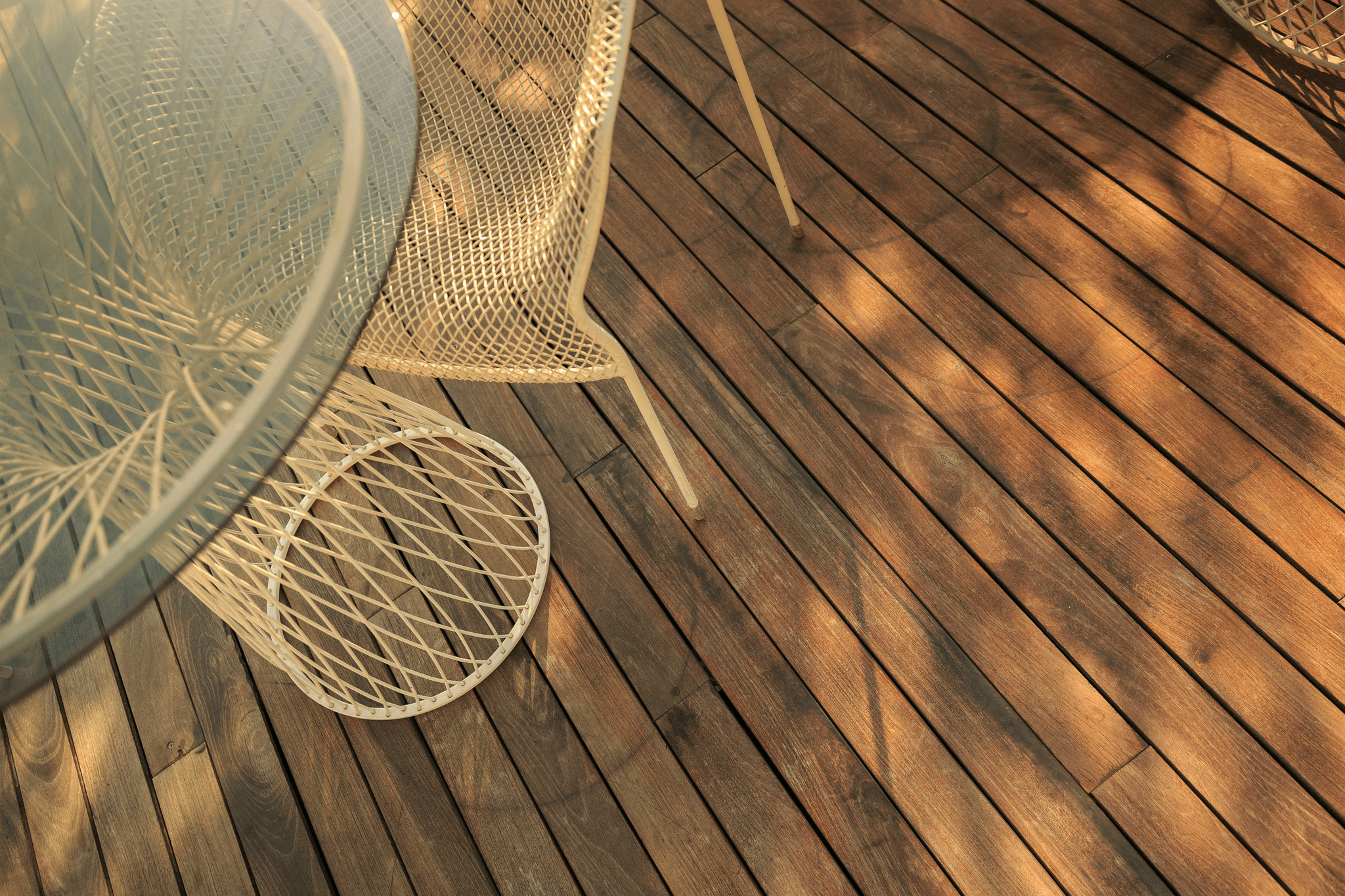
When it comes to decking, aesthetics play a crucial role in creating an inviting outdoor space. The **best deck flooring** options not only enhance the beauty of your home but also reflect your personal style. With a variety of colors, textures, and designs available, you can easily find the perfect match for your landscape.
Color and Texture Options in Decking
One of the standout features of **composite decking** is its wide array of color and texture options. Unlike traditional wood, which may require staining or painting to achieve a desired look, **composite lumber decking** offers vibrant colors that are fade-resistant and easy to maintain. Whether you prefer the rustic charm of wood grain or a sleek modern finish, there’s a composite decking material that fits the bill.
Textured finishes can add depth to your deck design while providing slip resistance—an essential feature for safety around pools or wet areas. Plus, many manufacturers offer unique color combinations that mimic natural wood without compromising durability. This versatility makes composite wood decking an appealing choice for homeowners looking to elevate their outdoor aesthetic.
Customization Potential with Composite Decking Inc
Customization is where **composite decking** truly shines, allowing homeowners to tailor their decks exactly how they envision them. Companies like Trex Decking provide various design elements such as railing systems, lighting options, and even built-in seating solutions that can be integrated seamlessly with your chosen materials. This level of personalization ensures that every deck is as unique as its owner.
Additionally, many products come in modular designs that make installation easier while still allowing for individual creativity in layout and structure. Whether you want a multi-level deck or simple steps leading down into your garden oasis, there’s plenty of room for creative expression with composite lumber decking options available today. The result? A stunning low maintenance deck that stands out from the crowd.
Designing Your Deck Layout
The layout of your deck is just as important as the materials you choose; it sets the stage for how you’ll use this cherished space. Consider factors such as sunlight exposure and proximity to trees when planning your design—these elements will impact both comfort and aesthetics over time. With **PVC decking material**, which often features lighter colors reflecting heat away from surfaces, you can create an inviting area perfect for summer gatherings.
When designing your layout with composite wood decking in mind, think about incorporating different zones—like dining areas or lounge spots—to enhance functionality without sacrificing style. Using various levels not only adds visual interest but also allows for seamless transitions between spaces while maximizing square footage on smaller properties. Ultimately, a well-planned deck layout combined with quality materials like Trex Decking creates an outdoor haven you'll enjoy year-round.
Budgeting for Your Dream Deck
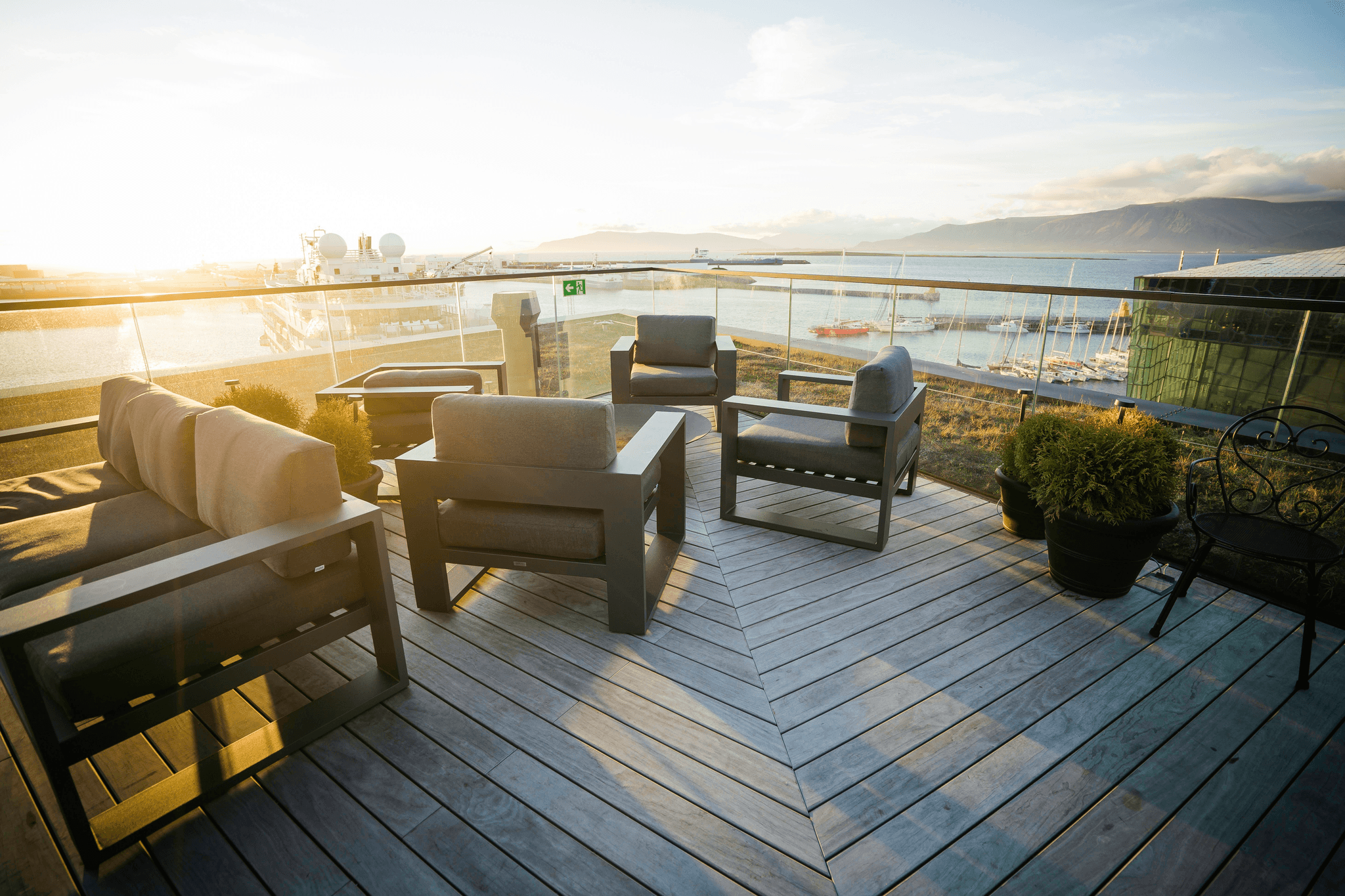
When it comes to creating your ideal outdoor space, budgeting is key. Understanding the costs associated with different decking materials can help you make an informed choice that aligns with your vision and financial plan. A well-planned budget ensures that you can invest in the best deck flooring without breaking the bank.
Cost Comparison: Wood vs. Composite
In the battle of wood versus composite decking, it's essential to lay out the numbers clearly. Traditional wood decks often have a lower upfront cost, but they come with hidden expenses like frequent maintenance and replacement over time. On the other hand, composite lumber decking, especially brands like Trex decking, may require a higher initial investment but offers greater durability and lower maintenance costs in the long run.
Comparing these two options reveals that while wood may seem cheaper initially, its need for regular staining and sealing can add up quickly. In contrast, composite decking material provides a hassle-free experience with minimal upkeep required—no sanding or staining necessary! Therefore, when considering overall expenses over time, composite wood decking often emerges as the more economical choice.
Long-Term Savings with Low Maintenance Decks
Investing in low maintenance deck solutions like PVC decking material or composite lumber can lead to significant savings down the line. These materials resist fading, warping, and insect damage far better than traditional wood options do. As a result, homeowners find themselves spending less on repairs and replacements while enjoying their outdoor spaces year after year.
Moreover, low maintenance decks free up valuable time that would otherwise be spent on upkeep tasks such as cleaning or refinishing surfaces. This means more weekends spent relaxing on your beautiful deck rather than working on it! Ultimately, choosing durable materials not only enhances your home's aesthetic appeal but also contributes to long-term financial health.
Financing Options for Deck Projects
When budgeting for your dream deck project featuring high-quality composite decking or stylish PVC decking material, exploring financing options is wise. Many home improvement stores offer financing plans that allow you to spread payments over time without incurring hefty interest rates—making it easier to afford those top-tier materials like Trex decking right away!
Additionally, some contractors provide flexible payment plans tailored to fit your budgetary needs while ensuring you still get access to the best deck flooring available on the market today. Whether you're eyeing custom features or simply want a straightforward installation of composite wood decking, there are avenues available to help finance your vision without compromising quality.
Conclusion
The key is to assess your lifestyle, budget, and aesthetic preferences while considering durability and maintenance needs. Whether you lean towards composite decking or PVC decking material, understanding your choices will lead you to a deck that fits perfectly with your outdoor vision.
How to Decide on the Best Deck Flooring
Deciding on the best deck flooring involves evaluating several factors including material type, appearance, and maintenance requirements. Start by determining if you prefer the natural look of wood or the versatility of composite lumber decking. Additionally, consider how much time you're willing to invest in upkeep; opting for low maintenance decks like Trex decking can save you time and hassle in the long run.
Key Takeaways for Choosing Quality Decking
When selecting quality decking materials, prioritize durability and resistance to weather elements; this is where composite wood decking truly shines. Remember that while initial costs may vary—composite decking might be pricier upfront—the long-term savings on maintenance make it a smart investment. Lastly, don’t overlook aesthetics; a well-designed deck not only enhances your outdoor space but also adds value to your home.
Final Thoughts on Stylish and Durable Decking Solutions
In conclusion, choosing stylish and durable decking solutions doesn’t have to be daunting if you know what you're looking for in terms of both form and function. Composite decking offers an excellent blend of beauty and resilience while requiring minimal upkeep compared to traditional materials like wood. Ultimately, whether you opt for composite lumber or PVC decking material, investing in quality will ensure your dream deck stands the test of time.