
Introduction
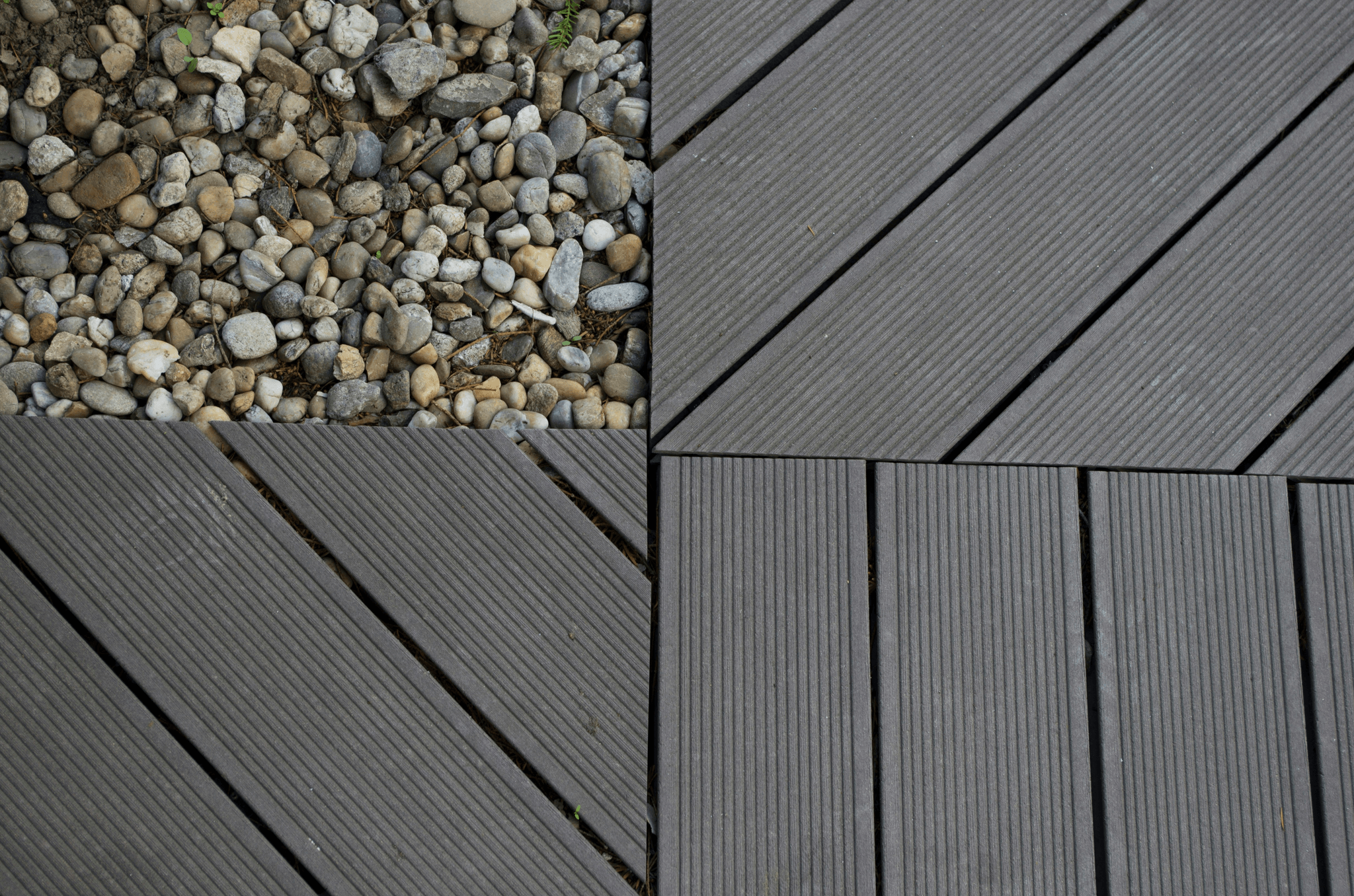
Composite decking options, specifically grooved vs ungrooved composite decking, offer a blend of aesthetics and durability that traditional wood decks often lack. Understanding these choices is crucial for homeowners looking to invest in long-lasting and low-maintenance boards deck.
Understanding Composite Decking Options
Composite decking boards are manufactured from a combination of wood fibers and plastic, creating a product that mimics the look of wood without the downsides like splintering or rotting. Among these options, you’ll find grooved composite decking and ungrooved composite decking—each with its own unique set of characteristics and installation methods. Exploring these types allows you to determine which style aligns best with your vision for a beautiful wood deck wood.
Importance of Decking Material Choice
The choice of decking material not only affects the overall appearance of your outdoor area but also impacts maintenance requirements, longevity, and cost-effectiveness. Selecting between grooved vs ungrooved composite decking means weighing factors such as ease of installation and aesthetic appeal against potential drawbacks like slip resistance or cost differences. Making an informed decision on composite wood decking boards can enhance your outdoor living experience while ensuring you get the best value for your investment.
Overview of Grooved and Ungrooved Decking
Grooved composite decking features channels along its edges designed to accommodate hidden fasteners, providing a seamless look that many homeowners desire. In contrast, ungrooved composite decking typically relies on visible screws or nails for installation, which can create a more traditional appearance but may require more precise alignment during setup. Both options have their merits; understanding them will help you navigate through the sea of choices in deck composite decking materials available today.
What is Grooved Composite Decking?
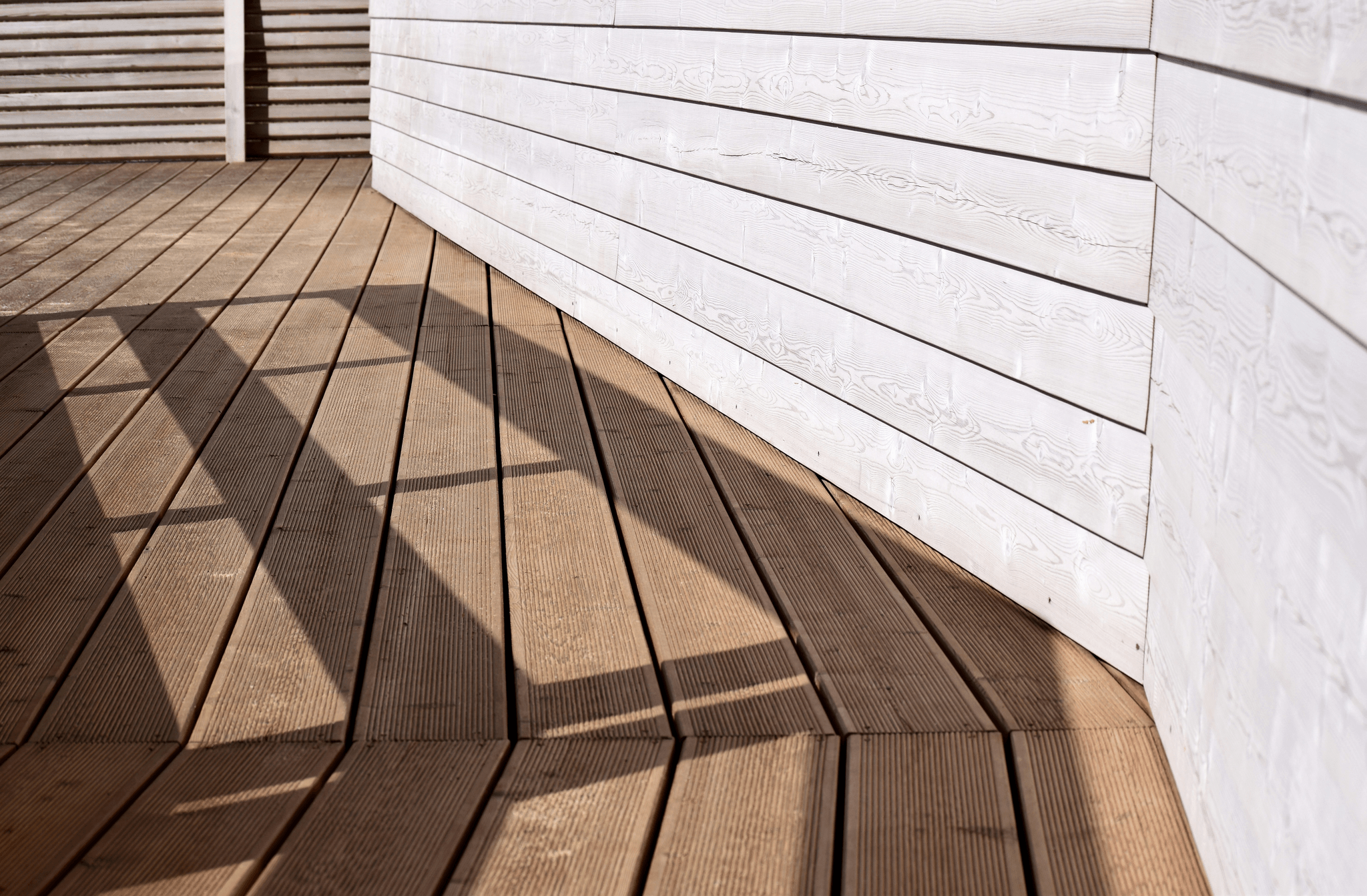
These boards feature a unique design with grooves on the sides, allowing for easy installation with hidden fasteners. This not only provides a sleek appearance but also minimizes visible screws and nails, making your deck look polished and professional.
Definition and Characteristics
Grooved composite decking refers to boards that have been manufactured with channels or grooves along their edges. This design allows for straightforward installation using clips or hidden fasteners, which enhances the overall aesthetic by keeping the surface free of visible hardware. Typically made from a blend of recycled wood fibers and plastic, these composite wood decking boards offer durability and resistance to weathering, rot, and insects, making them an excellent choice for outdoor spaces.
Installation Process
Installing grooved composite decking is generally more straightforward than traditional methods due to its innovative design. First, you'll need to lay out your deck frame and ensure it's level; then, simply secure the grooved boards using specialized clips that fit into the grooves on each side of the board. This process not only speeds up installation but also ensures consistent spacing between boards for optimal drainage—a crucial factor when comparing grooved vs ungrooved composite decking options.
Popular Brands and Options
Trex is often hailed as a leader in this space, offering an array of colors and finishes that mimic natural wood without the upkeep hassle. Other notable brands include TimberTech and Fiberon, both providing durable options that cater to various aesthetics while ensuring longevity in performance—perfect for any deck composite decking project you might have in mind.
What is Ungrooved Composite Decking?

Definition and Characteristics
Ungrooved composite decking refers to boards that are flat on both sides without any grooves or channels. This design results in a sleek appearance, which many homeowners prefer for aesthetic reasons. Additionally, these boards are often thicker than grooved options, providing enhanced stability and resistance to warping, making them suitable for various climates.
One of the key characteristics of ungrooved composite decking is its low maintenance requirement. Unlike traditional wood decks that need regular staining and sealing, these boards simply require occasional cleaning with soap and water to keep them looking fresh. Moreover, they come in various colors and textures, allowing homeowners to achieve their desired style without sacrificing performance.
Installation Process
Installing ungrooved composite decking involves a slightly different approach compared to grooved options due to the absence of pre-cut channels for hidden fasteners. Typically, contractors will use face screws or clips to secure each board firmly in place on the joists beneath them. This method can be advantageous since it allows for greater flexibility in installation techniques and can accommodate unique deck designs.
Before installation begins, it’s essential to ensure that your substructure is level and properly spaced according to manufacturer guidelines—this will help avoid any future warping or movement of the boards deck over time. Once the framework is ready, laying down ungrooved composite decking is straightforward; just align each board carefully before fastening it down securely.
While some DIY enthusiasts may find this process manageable on their own, hiring professionals can guarantee optimal results—especially if you’re looking at larger projects involving extensive composite wood decking boards.
Popular Brands and Options
Several brands dominate the market when it comes to ungrooved composite decking options—each offering unique features tailored for different preferences and budgets. Trex is one such brand known for its high-quality products that combine durability with aesthetic appeal; they provide an extensive range of colors suitable for any design scheme.
Another popular choice among homeowners is TimberTech; their offerings include both traditional styles as well as modern hues that mimic natural wood grains beautifully without compromising performance attributes like fade resistance or slip resistance underfoot. Additionally, Fiberon provides competitively priced options while still maintaining quality standards sought after by many consumers looking into deck composite decking solutions.
In summary, when weighing grooved vs ungrooved composite decking choices for your next project consider factors like aesthetics versus functionality alongside brand reputation before making your final decision!
Pros and Cons of Grooved Composite Decking
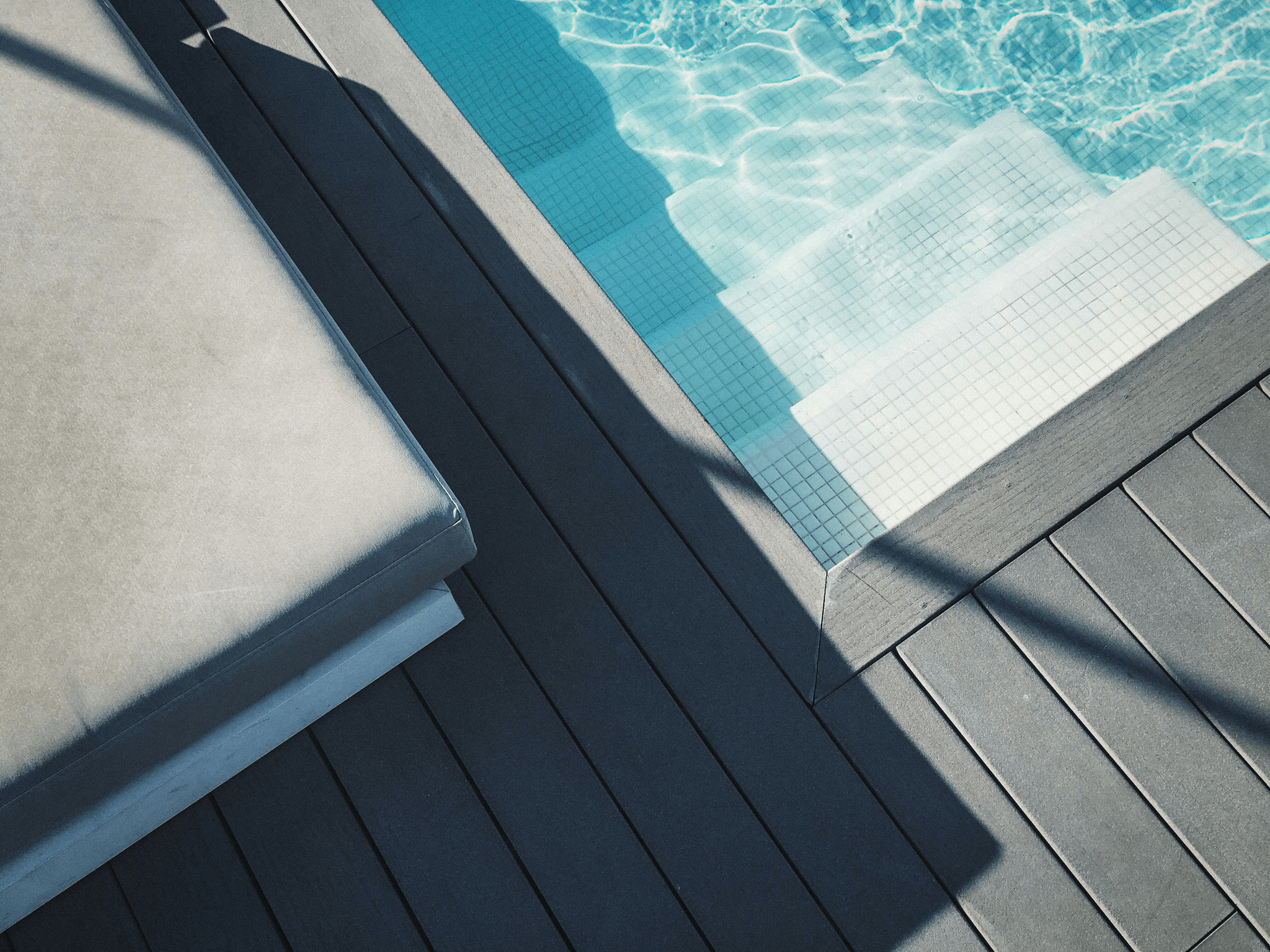
When considering composite decking options, grooved boards stand out for their unique features and benefits. However, they also come with some drawbacks that potential buyers should keep in mind. Understanding the pros and cons of grooved composite decking is essential for making an informed choice between grooved vs ungrooved composite decking.
Advantages of Grooved Boards
One of the primary advantages of grooved composite decking is its ease of installation. The grooves allow for hidden fasteners, resulting in a clean, smooth surface without visible screws or nails that can detract from the aesthetics of your deck. Additionally, these boards often provide better drainage as water can flow through the grooves, reducing the risk of pooling on your deck.
Another benefit is the enhanced durability that many grooved boards offer. Made from composite wood decking materials, these boards are resistant to warping and fading compared to traditional wood deck wood options. This makes them a reliable choice for homeowners looking for long-lasting performance without constant maintenance.
Disadvantages to Consider
While there are many benefits to using grooved composite decking, it's essential to consider some disadvantages as well. One notable drawback is that these boards can be more expensive than ungrooved alternatives due to their design and manufacturing process. For budget-conscious consumers looking at cost-effective solutions in their deck composite decking project, this could be a significant factor.
Another consideration is that although hidden fasteners provide a sleek look, they may require specialized tools or techniques during installation—potentially adding complexity if you're a DIY enthusiast tackling your own project. If not installed correctly, it could lead to issues down the line with board stability or performance.
Lastly, while many brands have made strides in developing slip-resistant surfaces for their grooved products, some users report concerns about traction when wet compared to ungrooved options where foot traffic might be less prone to slipping hazards. It's crucial for homeowners planning high-traffic areas on their deck to weigh these factors carefully against potential safety risks.
Best Uses for Grooved Decking
Grooved composite decking shines in various applications due to its unique features and aesthetic appeal. These boards are ideal for creating stunning outdoor living spaces such as patios or pool decks where style meets functionality; they help you achieve a polished look while maintaining excellent drainage capabilities during rainy weather conditions.
Additionally, if you're planning on constructing raised decks or multi-level structures where visibility from various angles matters most—groove designs provide an elegant finish without visible fasteners ruining your view! Homeowners looking at entertaining guests will appreciate how easy it is to maintain cleanliness since dirt doesn’t settle into exposed screws like traditional wood deck wood installations might experience over time.
Finally, if you're considering building around existing landscaping elements or want seamless integration with other outdoor features like pergolas or gazebos—groove designs allow you greater flexibility when working within tight spaces while still delivering impressive results! With so many benefits associated with this type of board's construction method combined with its visual appeal—the decision becomes clear: choosing between grooved vs ungrooved composite decking ultimately depends on your specific needs and preferences!
Pros and Cons of Ungrooved Composite Decking
Understanding these can help you make an informed decision between grooved vs ungrooved composite decking. Let’s dive into what makes ungrooved composite decking a compelling choice for many homeowners.
Advantages of Ungrooved Boards
Ungrooved boards have a sleek, clean appearance that appeals to those who prefer a minimalist aesthetic in their outdoor spaces. Unlike their grooved counterparts, these boards provide a smooth surface that can enhance the visual appeal of your deck composite decking project. Additionally, ungrooved composite decking tends to be more durable in certain conditions since they lack grooves where dirt and debris can accumulate.
Another advantage is the versatility in installation; ungrooved boards can be installed using hidden fasteners or traditional methods, giving you flexibility based on your design preferences. This adaptability makes them suitable for various applications beyond just decks, such as patios or even wall cladding. Furthermore, many homeowners appreciate that ungrooved boards require less maintenance over time since there are no grooves to trap moisture or mold.
Disadvantages to Consider
However, ungrooved composite decking is not without its drawbacks. One significant downside is that installation can be slightly more challenging compared to grooved options because they often require visible fasteners or specific hidden fastening systems that may not be as user-friendly for DIYers. This could lead some individuals to seek professional help, which adds to overall project costs.
Moreover, while they are visually appealing, ungrooved boards might not provide the same level of traction as grooved ones when wet or slippery—this is an important consideration if safety is a priority for your wood deck wood area. Lastly, if you're looking at long-term performance under heavy foot traffic conditions, you might find that grooved options better accommodate drainage and airflow.
Best Uses for Ungrooved Decking
Ungrooved composite decking shines in several applications where aesthetics take precedence over functionality related to drainage or traction concerns. They’re ideal for creating elegant outdoor dining areas or relaxing lounges where style matters most—think about hosting dinner parties on beautifully finished boards deck! These surfaces also work well in low-traffic areas like garden pathways or decorative borders around pools.
Moreover, if you're considering using them for projects like benches or planters where visibility from all angles is important, ungrooved boards are perfect due to their seamless look and feel. They also suit covered porches where exposure to rain isn’t an issue but elegance is desired—a great way to showcase high-quality composite wood decking boards without compromising on design!
In summary, while there are pros and cons associated with both grooved vs ungrooved composite decking options, understanding how each type aligns with your specific needs will ultimately guide you toward making the right choice for your next outdoor project.
Cost Comparison: Grooved vs Ungrooved
Both options come with their own price tags, influenced by factors like brand, material quality, and installation requirements. In this section, we'll break down the prices of grooved composite boards and ungrooved options, helping you make a financially sound decision for your deck.
Price of Grooved Composite Boards
Grooved composite boards typically range from $2 to $5 per linear foot, depending on the brand and material quality. These boards are designed with grooves that accommodate hidden fasteners, which can streamline installation but might also add to the overall cost due to additional hardware needs. While some homeowners might balk at the higher price point compared to traditional wood decks, many find that the durability and low maintenance of composite decking boards justify the investment.
Price of Ungrooved Composite Boards
Ungrooved composite boards generally fall within a similar price range as their grooved counterparts, often costing between $2 and $4 per linear foot. The absence of grooves means these boards require surface fasteners for installation, which can sometimes lead to lower upfront costs if you're doing it yourself. However, keep in mind that while ungrooved options may seem cheaper initially, they could potentially incur higher long-term expenses due to maintenance or replacement needs.
Value for Money Analysis
When evaluating grooved vs ungrooved composite decking in terms of value for money, it's essential to consider not just initial costs but also long-term benefits. Grooved decking offers ease of installation with hidden fasteners that provide a clean finish—an attractive feature for many homeowners looking for aesthetics alongside functionality. On the other hand, ungrooved options may save you some cash upfront but could lead to more visible screws and potential issues down the line if not properly maintained.
Conclusion

When it comes to choosing between grooved and ungrooved composite decking, it's crucial to weigh the benefits and drawbacks of each option carefully. Both types of composite decking boards offer unique features that can enhance your outdoor space, but they cater to different installation preferences and aesthetic desires. By understanding these distinctions, you can make an informed decision that aligns with your vision for the perfect deck.
Key Takeaways on Grooved Options
Grooved composite decking boards are designed with channels along their edges, making them ideal for hidden fastener systems. This feature not only provides a clean look but also simplifies the installation process, reducing visible screws and enhancing safety by minimizing tripping hazards. However, it’s essential to consider factors such as potential debris accumulation in the grooves that may require regular maintenance.
Important Insights on Ungrooved Choices
Ungrooved composite decking boards offer a more traditional appearance and are typically easier to work with if you prefer surface fastening methods like screws or nails. They might appeal more to those who appreciate a classic wood deck wood aesthetic without the fuss of grooves. Nevertheless, keep in mind that ungrooved options may require additional planning during installation since they lack the convenience of hidden fasteners.
Making the Right Decision for Your Deck
Ultimately, deciding between grooved vs ungrooved composite decking boils down to your specific needs and preferences for your outdoor area. Consider factors like ease of installation, maintenance requirements, and visual appeal when selecting your composite wood decking boards. With thoughtful consideration of these elements, you’ll be well on your way to creating a stunning deck that perfectly complements your home.