
Introduction
However, many homeowners are left wondering, what are the disadvantages of Trex decking? While composite lumber decking offers numerous advantages over traditional wood, it’s essential to dig deeper into the potential pitfalls that could impact your outdoor space. Understanding these issues can save you time and money in the long run.
Understanding Trex Decking Issues
Trex decking is marketed as a revolutionary alternative to traditional wood decks, but it’s not without its flaws. Homeowners frequently report concerns about fading colors, warping over time, and even mold growth on their composite wood surfaces. These issues raise questions about the long-term viability of deck composite decking and whether it truly lives up to its low maintenance claims.
Key Facts About Composite Decking
Composite decking is primarily made from recycled materials like plastic and wood fibers, making it an environmentally friendly choice. However, while it's designed to resist splintering and rotting better than natural wood, many consumers remain skeptical about its overall durability compared to traditional options. As you weigh your choices in composite deck building materials, understanding these key facts can help guide your decision-making process.
Why Low Maintenance Isn’t Always Enough
While one of the biggest selling points of Trex is its low maintenance nature—promising less time spent on upkeep—this feature alone may not be sufficient for every homeowner's needs. Many find that despite reduced maintenance requirements, they still face challenges such as fading colors or surface scratches that detract from their deck's aesthetic appeal over time. In essence, a low maintenance deck doesn’t always equate to a worry-free experience; sometimes you get what you pay for—or don’t pay for.
What Are the Disadvantages of Trex Decking?
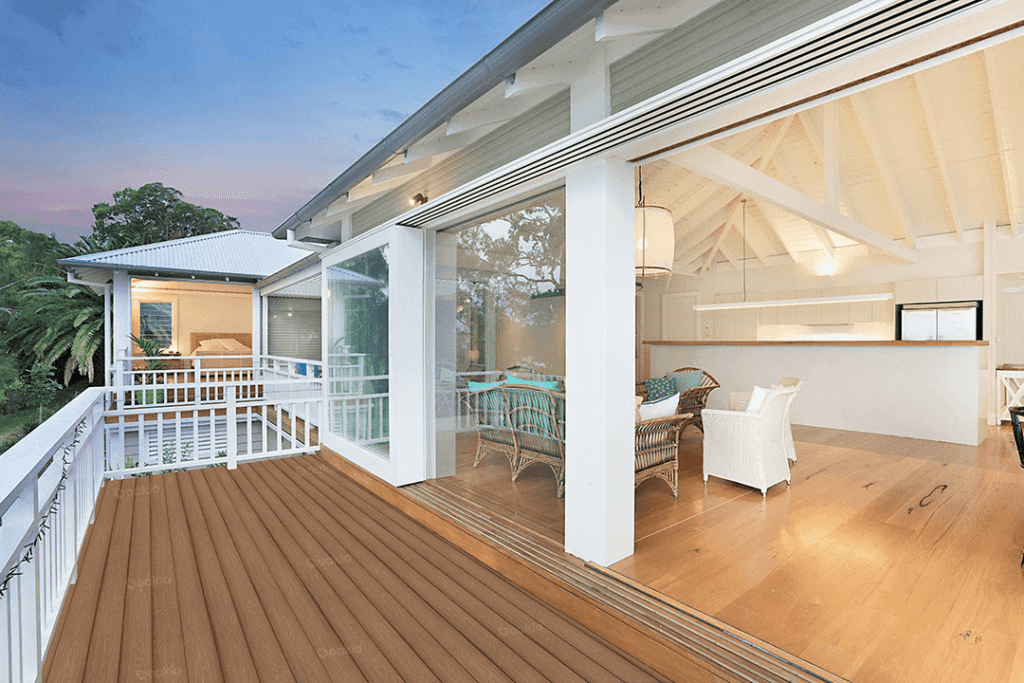
While Trex decking has gained popularity for its low maintenance and aesthetic appeal, it's not without its drawbacks. Homeowners often voice concerns about various aspects of composite lumber decking that can affect their overall satisfaction. Understanding what are the disadvantages of Trex decking is essential for anyone considering this material for their outdoor spaces.
Common Complaints from Homeowners
One of the most frequent complaints about Trex decking is its tendency to fade over time, leading to a less vibrant appearance than when first installed. Homeowners have also reported issues with scratching and staining, which can detract from the low maintenance deck promise that initially attracted them to composite wood materials. Additionally, some users have experienced issues with mold growth in shaded areas, raising questions about the long-term durability of these composite deck building materials.
Durability Concerns Over Time
Although marketed as a durable option, many homeowners express concerns regarding how well Trex decking holds up against harsh weather conditions over time. The composite materials may warp or become brittle when exposed to extreme temperatures or moisture levels, leading to potential structural integrity issues. When weighing the pros and cons of composite decking versus traditional wood, it’s crucial to consider these durability concerns that could impact your investment in a long-lasting outdoor space.
Environmental Impact of Composite Materials
Another significant downside associated with Trex decking involves its environmental impact. While it is made from recycled materials, the production process for composite lumber decking can still be resource-intensive and generate harmful emissions. For eco-conscious consumers asking what are the disadvantages of Trex decking?, understanding this environmental footprint may influence their decision on whether to choose composite wood or explore more sustainable options available on the market today.
Composite Decking vs. Traditional Wood
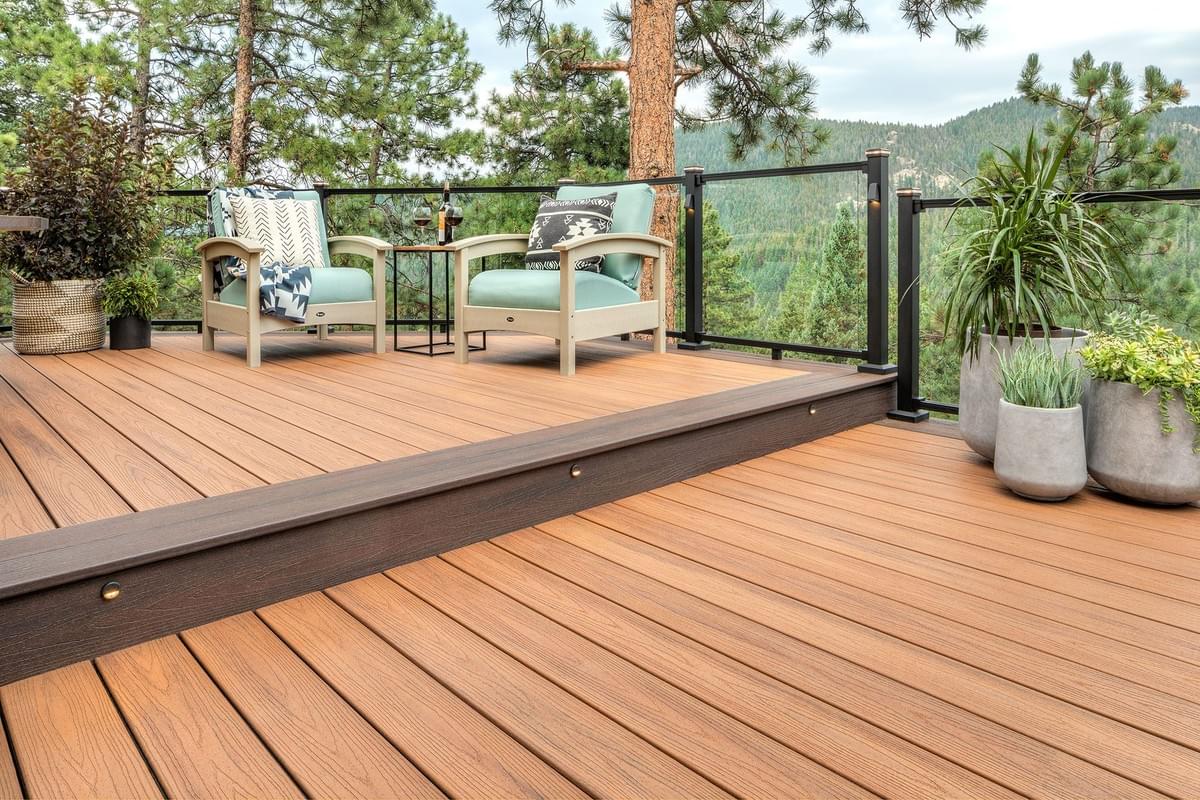
Each option has its merits and drawbacks, making it crucial to weigh the pros and cons carefully. Let's dive into the nitty-gritty of cost, maintenance, and aesthetics to help you decide which path to take for your outdoor oasis.
Cost Comparison and Long-Term Value
Cost is often the first consideration when comparing composite decking with traditional wood. While a low maintenance deck made from composite materials may have a higher upfront cost compared to wood, many homeowners find that the long-term value is worth the investment. Over time, the durability of composite lumber decking can lead to savings in repair and replacement costs that often accompany traditional wood's susceptibility to rot, warping, or insect damage.
However, what are the disadvantages of Trex decking? One potential downside is that while composite options can be more expensive initially, they may not always hold their value as well as high-quality hardwoods in certain markets. Ultimately, it's essential to consider both immediate costs and long-term benefits when evaluating which material offers better value for your specific situation.
Maintenance Requirements for Each Option
Maintenance is another critical factor in this showdown between composite wood and traditional timber. Composite deck building materials are celebrated for their low maintenance nature; they typically require only occasional cleaning with soap and water to keep them looking fresh. In contrast, traditional wooden decks necessitate regular sealing or staining every couple of years—adding both time and expense to your upkeep routine.
Yet again we return to what are the disadvantages of Trex decking? Some homeowners report that while composites resist fading better than untreated wood, they can still develop mold or stains if not properly cared for—requiring some level of commitment from owners after all! It's essential to consider how much time you're willing to invest in maintaining your deck when making your choice.
Aesthetic Appeal: Which Deck Wins?
Aesthetics play a significant role in choosing between these two popular decking options; after all, who doesn’t want their outdoor space looking fabulous? Traditional wood decks have an undeniable charm—offering natural beauty with rich textures and grains that many find appealing. However, advancements in technology have allowed manufacturers of composite lumber decking to create products that mimic these features closely while offering more color choices.
That said, some might still wonder what are the disadvantages of Trex decking regarding looks? While composites can look stunning right out of the box—many even come with warranties against fading—their synthetic nature might not appeal as much as real timber's organic feel for some buyers seeking authenticity in their outdoor spaces. In this aesthetic battle between durability and beauty, personal preference ultimately reigns supreme!
Installation Challenges with Composite Lumber Decking

The complexity of the installation process can be daunting, especially for those who are new to DIY projects. Understanding what are the disadvantages of Trex decking can help clarify why some might opt for professional help rather than tackling this task alone.
Complexity of the Installation Process
The installation of composite deck building materials is not as straightforward as one might hope. Unlike traditional wood that can be easily cut and nailed, composite decking requires precise measurements and specialized tools to ensure a perfect fit. Additionally, many brands have specific guidelines that must be followed to maintain warranties, making it crucial to understand these details before diving in.
If you’re wondering about what are the disadvantages of Trex decking in terms of installation, consider that its unique properties may require more intricate fastening systems compared to conventional wood. This complexity can lead to frustration and potential errors during installation if not approached with care. So, whether you're opting for a low maintenance deck or something more traditional, preparation is key.
Choosing the Right Deck Composite Decking
Selecting the right type of composite decking is vital for both aesthetics and functionality. With numerous options available on the market, including various colors and textures, making a decision can feel overwhelming. It’s essential to evaluate your needs—whether you're after durability or visual appeal—before settling on a particular brand or style.
Moreover, understanding what are the disadvantages of Trex decking compared to other composite options is crucial in this decision-making process. Some products may fade over time or become slippery when wet; thus researching reviews from other homeowners can provide valuable insights into their long-term performance. Ultimately, choosing quality composite wood will pay off in terms of longevity and satisfaction.
Hiring Professionals vs. DIY
Deciding between hiring professionals or going the DIY route can significantly impact your overall experience with composite lumber decking installation. While taking on the project yourself might save some money upfront, it also comes with risks—especially if you’re unfamiliar with working with deck composite materials. On the other hand, professionals bring expertise that ensures proper installation techniques are followed while minimizing potential issues down the line.
If you’re still pondering what are the disadvantages of Trex decking when considering professional help versus DIY efforts, think about warranty implications as well; many manufacturers require installations by certified professionals for coverage validity. Weighing these factors carefully will help determine which route aligns best with your skills and budget constraints while ensuring your low maintenance deck meets expectations.
In conclusion, navigating through these installation challenges requires careful consideration and planning but ultimately leads to an enjoyable outdoor space tailored just for you.
How to Identify Quality Composite Deck Building Materials
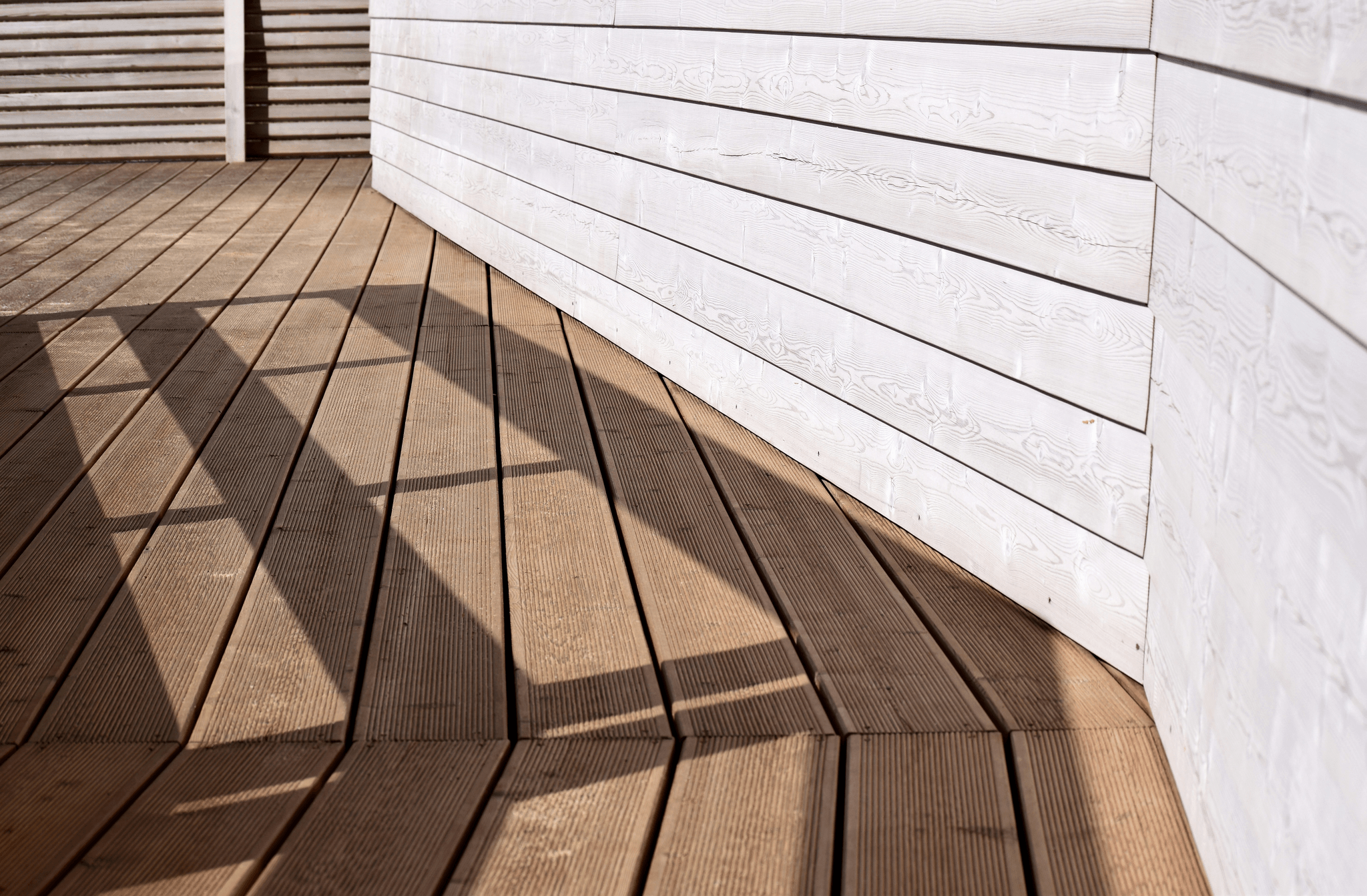
When it comes to selecting composite deck building materials, the choices can be overwhelming. Knowing how to identify quality options is crucial for ensuring that your investment stands the test of time. This section will guide you through recognizing trusted brands, understanding certifications, and evaluating warranty terms.
Recognizing Trusted Brands and Manufacturers
In the world of composite decking, not all brands are created equal. Some manufacturers have earned a reputation for producing high-quality composite lumber decking that stands up against wear and tear, while others may cut corners in their production process. Researching customer reviews and industry ratings can help you pinpoint which brands consistently deliver on durability and performance—essential factors when considering what are the disadvantages of Trex decking?
A good starting point is to look for companies that have been in the business for several years and have a proven track record. Brands like Trex, TimberTech, and Fiberon often come up as reliable choices due to their commitment to innovation and quality control in composite wood products. Remember that choosing a trusted brand can save you from future headaches related to maintenance or premature wear.
Importance of Certifications in Deck Safety
When selecting your deck composite decking materials, safety should be a top priority—especially if you're investing in a low maintenance deck intended for family gatherings or entertaining guests. Look for certifications from reputable organizations such as ASTM International or the American Wood Protection Association (AWPA). These certifications indicate that the materials meet specific safety standards related to strength, fire resistance, and environmental impact.
Moreover, certified products often undergo rigorous testing procedures that ensure they can withstand various weather conditions without deteriorating quickly—one of the common complaints homeowners have about inferior composite lumber decking options. By opting for certified materials, you reduce potential risks associated with structural failure or environmental hazards.
Evaluating Warranty Terms and Coverage
A solid warranty can be an indicator of quality when it comes to composite deck building materials; it reflects a manufacturer's confidence in their product's longevity. When comparing warranties from different brands, pay close attention not just to the duration but also what is covered under each plan—some may only cover fading while others extend protection against mold or structural damage as well.
It's essential to read between the lines; some warranties may seem appealing at first glance but include numerous exclusions that could leave you unprotected down the line—definitely something you'd want to consider when pondering what are the disadvantages of Trex decking? A comprehensive warranty gives peace of mind knowing your investment is safeguarded against unforeseen issues over time.
Tips for Maintaining Your Composite Wood Deck
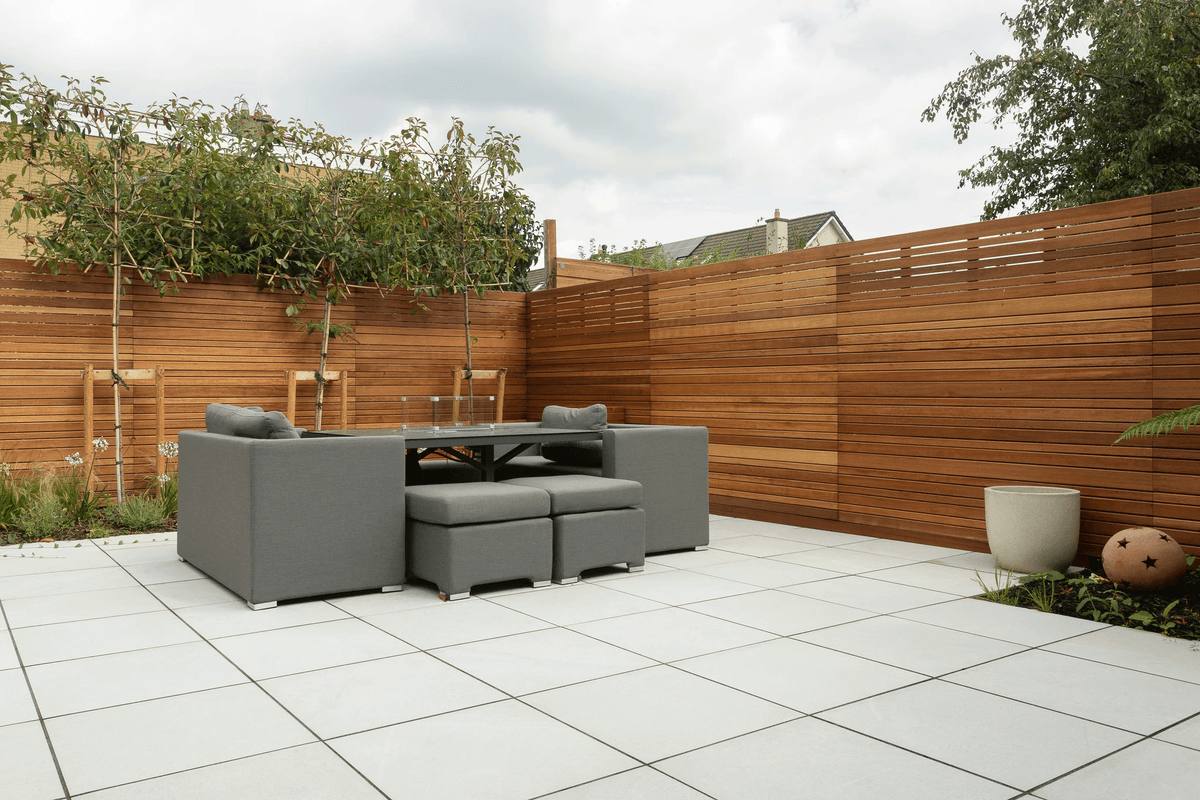
Maintaining your composite wood deck is essential to ensure it stays beautiful and functional for years to come. While composite decking is often marketed as a low maintenance deck option, it still requires regular care to prevent issues like mold growth and stains. Here are some tips to keep your deck composite decking in top shape.
Best Practices for Cleaning and Care
When it comes to cleaning your composite lumber decking, a little goes a long way. Use a mild soap mixed with water, along with a soft-bristle brush or mop, to gently scrub the surface without damaging the material. Regularly cleaning your deck not only enhances its appearance but also helps you spot any potential issues early on—because what are the disadvantages of Trex decking if you can nip them in the bud?
Avoid using harsh chemicals or pressure washers, as these can lead to scratches and degradation of the composite wood over time. Instead, aim for gentle products specifically designed for composite deck building materials; they will do wonders without causing harm. Remember, maintaining your low maintenance deck means keeping it clean while preserving its integrity.
Protecting Against Mold and Stains
Mold and stains can be pesky problems for any outdoor surface, including your beloved composite decking. To protect against these unwelcome visitors, consider applying a mold-resistant sealant designed specifically for composite materials every couple of years. This extra layer of protection can significantly reduce the likelihood of mold growth—an essential step when pondering what are the disadvantages of Trex decking.
In addition to sealants, promptly addressing spills is crucial; whether it's food or drink, cleaning up quickly prevents unsightly stains from setting in. For stubborn stains that just won’t budge, look into specialized cleaners formulated for composite wood that break down tough grime without damaging your deck’s finish. By staying proactive about cleanliness and protection, you’ll enjoy all the benefits of your composite lumber decking without worrying about aesthetic drawbacks.
Seasonal Maintenance Strategies
As seasons change, so do the needs of your low maintenance deck! In spring and fall especially, it's wise to inspect your composite wood deck thoroughly after heavy rain or snow melt; this ensures no hidden debris or moisture has settled into crevices where damage could occur over time. Clear away leaves or other organic matter that may promote mold growth during warmer months—this simple act can save you from headaches later on.
Winter might mean less foot traffic on your outdoor space but don’t ignore it completely! Ensure snow is cleared off promptly using a plastic shovel instead of metal tools that could scratch the surface—remember: protecting against wear is key when considering what are the disadvantages of Trex decking versus traditional options!
By implementing these seasonal strategies alongside regular cleaning practices tailored specifically for composite deck building materials, you'll maintain both beauty and functionality throughout each year.
Conclusion
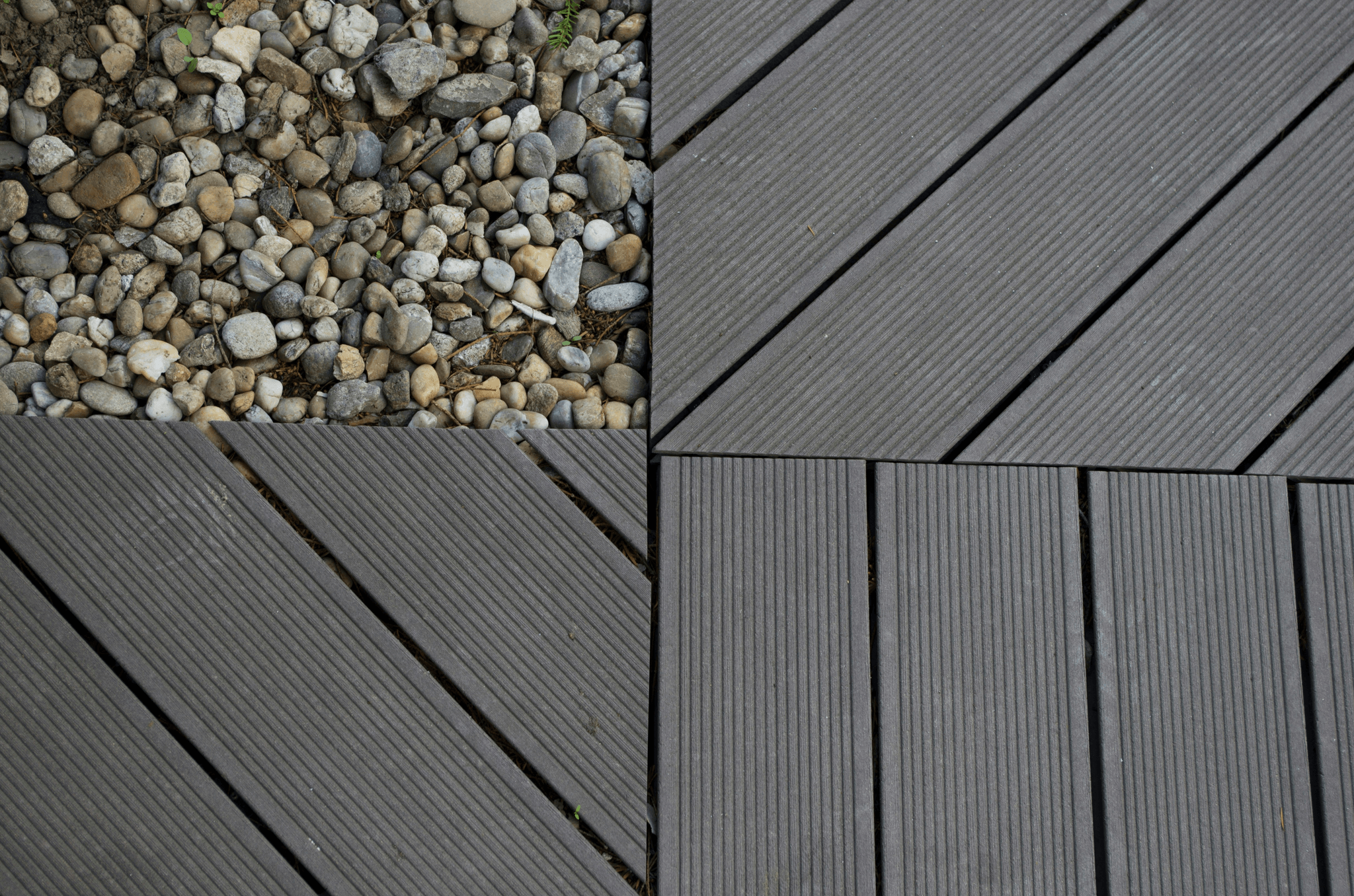
Choosing the right decking material for your home is no small feat, especially with so many options available. As we’ve explored, understanding what are the disadvantages of Trex decking can help you make a more informed decision between composite decking and traditional wood. Ultimately, it’s about finding a low maintenance deck that suits your lifestyle and aesthetic preferences.
Navigating Your Decking Options Wisely
When considering composite lumber decking, it's crucial to weigh both the pros and cons. While many homeowners appreciate the low maintenance aspect of composite wood, they often overlook some potential drawbacks that could affect their long-term satisfaction. By asking yourself what are the disadvantages of Trex decking and comparing them against other materials, you can navigate your options more wisely.
Balancing Beauty and Functionality
A beautiful deck is undoubtedly an asset to any home; however, functionality should never take a back seat. The allure of composite deck building materials lies in their ability to mimic natural wood while offering durability and lower upkeep. Yet, it’s essential to balance beauty with practical concerns such as longevity and environmental impact when selecting between composite decking options.
Seeking Expert Advice from Composite Decking Inc
With so much information at your fingertips about various deck composite decking choices, seeking expert guidance can save you time and frustration. Professionals from Composite Decking Inc can provide insights into quality products that fit your needs while addressing common concerns like what are the disadvantages of Trex decking? Their expertise will help ensure you choose materials that not only look great but also stand the test of time.