
Introduction
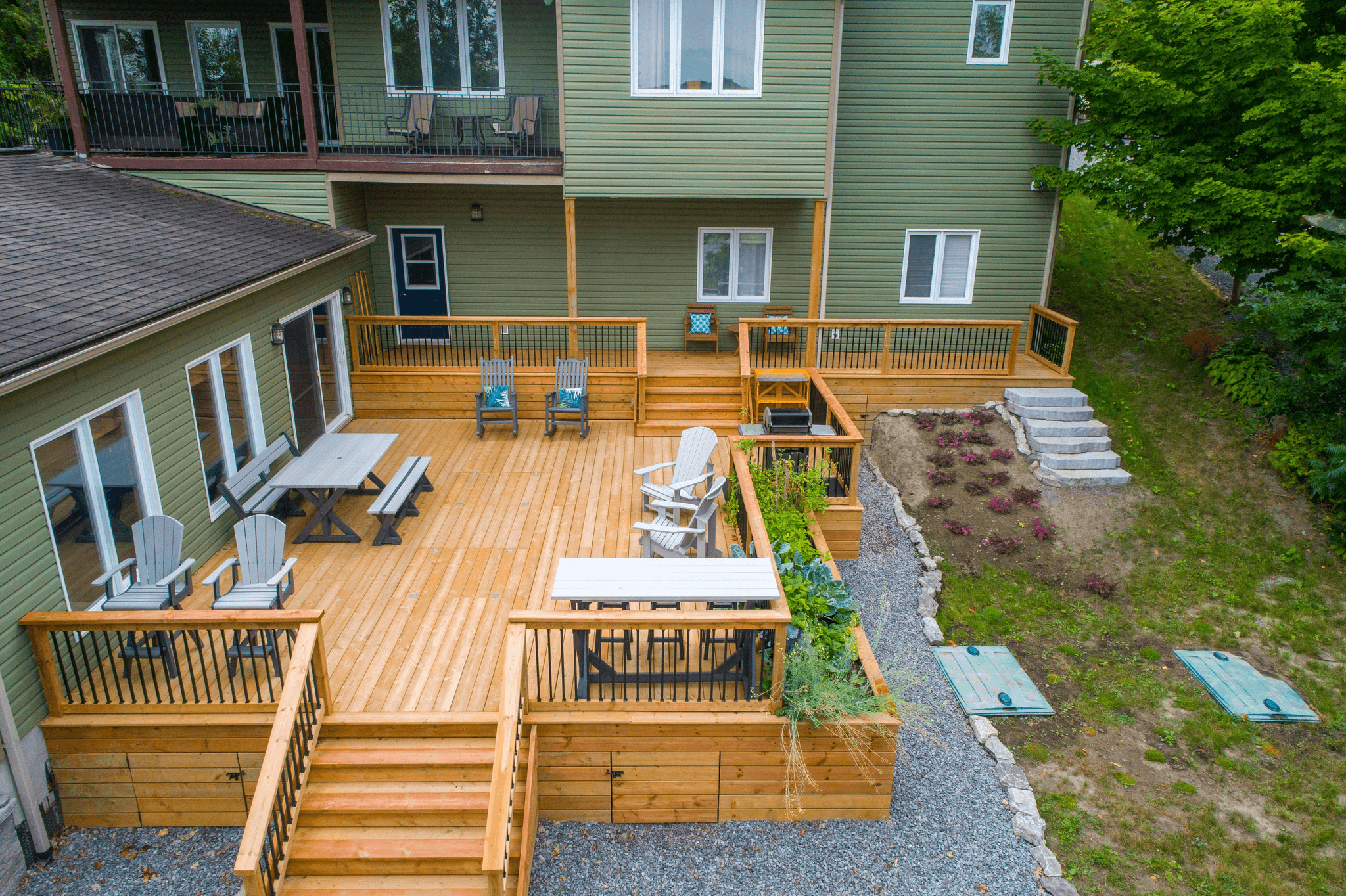
In recent years, the popularity of composite decking has surged, transforming outdoor spaces and offering homeowners a modern alternative to traditional wood decks. As the demand for low maintenance deck options grows, composite lumber decking has carved out a significant niche in the market. This shift not only reflects changing consumer preferences but also highlights the evolving landscape of outdoor living solutions.
The Rise of Composite Decking
Composite decking has risen to prominence due to its impressive durability and resistance to weathering compared to wood decks. Made from a blend of recycled materials and wood fibers, composite deck boards are designed to withstand the elements while maintaining their aesthetic appeal. Homeowners are increasingly drawn to this innovative material for its ability to provide a long-lasting, beautiful surface without the frequent upkeep associated with traditional timber.
Comparing Durability and Longevity
While wood may offer a classic charm, it typically requires more maintenance and can be prone to warping or rotting over time. In contrast, composite decking is engineered for longevity, promising years of enjoyment without the hassle of regular repairs or replacements.
Maintenance: Composite vs. Timber
One of the most appealing aspects of composite decking is its low maintenance nature; unlike wood decks that need staining or sealing annually, composite materials require minimal care—just an occasional wash with soap and water will do! This ease of maintenance allows homeowners more time to enjoy their outdoor space rather than worrying about upkeep tasks associated with timber decks. Ultimately, choosing between composite and wood deck options can significantly impact your lifestyle; opting for a low maintenance deck means more relaxation and less work!
The Material Showdown
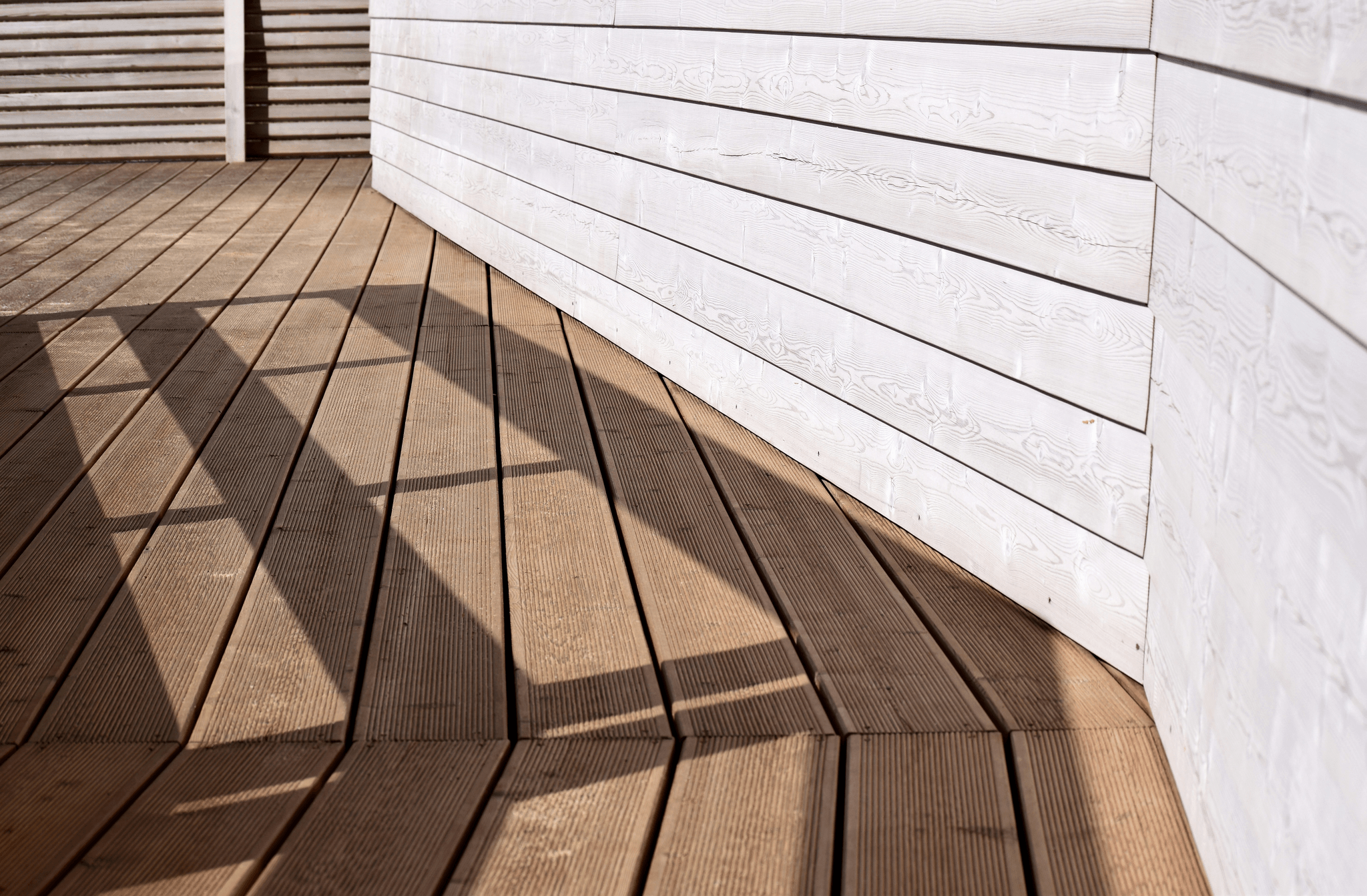
Composite decking is typically made from a blend of recycled wood fibers and plastic, offering a low-maintenance deck option that resists fading, staining, and warping. On the other hand, traditional wood decks are crafted from natural timber, providing a classic aesthetic that many homeowners still cherish.
Understanding Composite and Wood Deck Composition
The composition of composite lumber decking plays a significant role in its performance and longevity. Made from a combination of reclaimed wood fibers and high-density polyethylene (HDPE), composite deck boards are designed to withstand the elements without succumbing to rot or insect damage. In contrast, wood decks are composed of various types of timber—like cedar or pressure-treated pine—which can be beautiful but require regular maintenance to prevent decay over time.
Additionally, the manufacturing process for composite decking often incorporates UV inhibitors and anti-fungal agents, ensuring that these low-maintenance decks retain their color and structural integrity longer than traditional wood options. Homeowners looking for durability without constant upkeep may find themselves leaning towards composite materials due to this engineered resilience. However, it's essential to weigh both options based on personal preferences for aesthetics and environmental considerations.
Performance of Composite Lumber Decking
Composite lumber decking has gained popularity due to its impressive performance characteristics compared to traditional wood decks. These deck composite decking solutions resist warping, splintering, and fading better than their wooden counterparts—making them ideal for families with children or pets who enjoy outdoor activities on the deck. Moreover, many manufacturers offer warranties that can span decades, reflecting confidence in their product's durability.
In terms of slip resistance and safety during wet conditions, composite deck boards often outperform wood as well; they provide a stable surface while minimizing accidents caused by slips or falls. Additionally, because they don’t require frequent sealing or staining like wood decks do, homeowners save time and money in the long run with their choice of low-maintenance deck solutions. This performance aspect makes composite lumber an attractive option for those seeking hassle-free outdoor living spaces.
Why Wood Decks Still Hold Appeal
Despite the advantages offered by composite materials, traditional wood decks maintain an undeniable appeal among many homeowners. The warmth and natural beauty of real timber create an inviting atmosphere that synthetic materials sometimes struggle to replicate fully; there’s just something about the grain patterns unique to each plank that adds character to any outdoor setting. Furthermore, woodworking enthusiasts appreciate the ability to customize wood decks through staining or painting—allowing them creative freedom in design.
Another factor contributing to the allure of wooden structures is nostalgia; for many people growing up with wooden porches or patios evokes fond memories tied closely with family gatherings outdoors during summer evenings. While advancements in technology have made composite options more appealing than ever before—with features like realistic textures mimicking real wood—the emotional connection some have with timber cannot be overlooked when making this important choice for your home environment.
A Look at Aesthetics

Visual Appeal of Composite Deck Boards
Composite lumber decking has made great strides in mimicking the natural beauty of wood while providing a sleek, modern finish. The rich textures and colors available in composite deck boards can enhance your outdoor area without the maintenance hassle that comes with traditional wood decks. Whether you prefer a rustic look or something more contemporary, composite decking offers a variety of styles that can suit any home aesthetic.
Moreover, many manufacturers have invested in technologies that give composite boards realistic wood grain patterns and finishes, making them almost indistinguishable from genuine timber at first glance. This means you can enjoy the charm of a wooden deck without worrying about splintering or fading over time. With such advancements in design, it's no wonder homeowners are increasingly drawn to composite materials for their low maintenance deck solutions.
Customization Options for Wood Decks
While composite decking shines with its durability and low maintenance features, wood decks still hold an undeniable allure when it comes to customization options. One of the greatest advantages of wood is its versatility; homeowners can easily stain or paint their decks to match personal preferences or home decor styles. Whether you want to go bold with bright colors or keep it classic with natural stains, customizing a wooden deck is straightforward and allows for endless creativity.
Additionally, different types of woods offer varying grains and hues that contribute to your outdoor space's overall character—think rich mahogany versus light cedar! This variety gives homeowners ample room to express their style while maintaining an inviting atmosphere for family gatherings or quiet evenings outdoors. Ultimately, if personalization is high on your priority list, wood decks provide an exceptional canvas for creating a unique outdoor experience.
Color and Finish Choices
When considering color and finish choices between composite and wood decks, there’s much to explore! Composite decking typically offers a range of pre-finished colors that resist fading over time due to UV protection technology embedded within the material itself. These vibrant hues maintain their charm even after years under sunlight exposure—perfect for those who want long-lasting beauty without frequent touch-ups.
On the other hand, choosing finishes for wood decks opens up another world entirely; homeowners can select from stains that enhance grain patterns or opt for paints that add personality to their spaces. However, it's essential to remember that these finishes require regular upkeep; without proper maintenance like resealing every few years, those beautiful shades could lose their luster quickly! Ultimately though both options boast attractive color palettes—composite materials shine through convenience while traditional woods excel in flexibility.
Cost Analysis
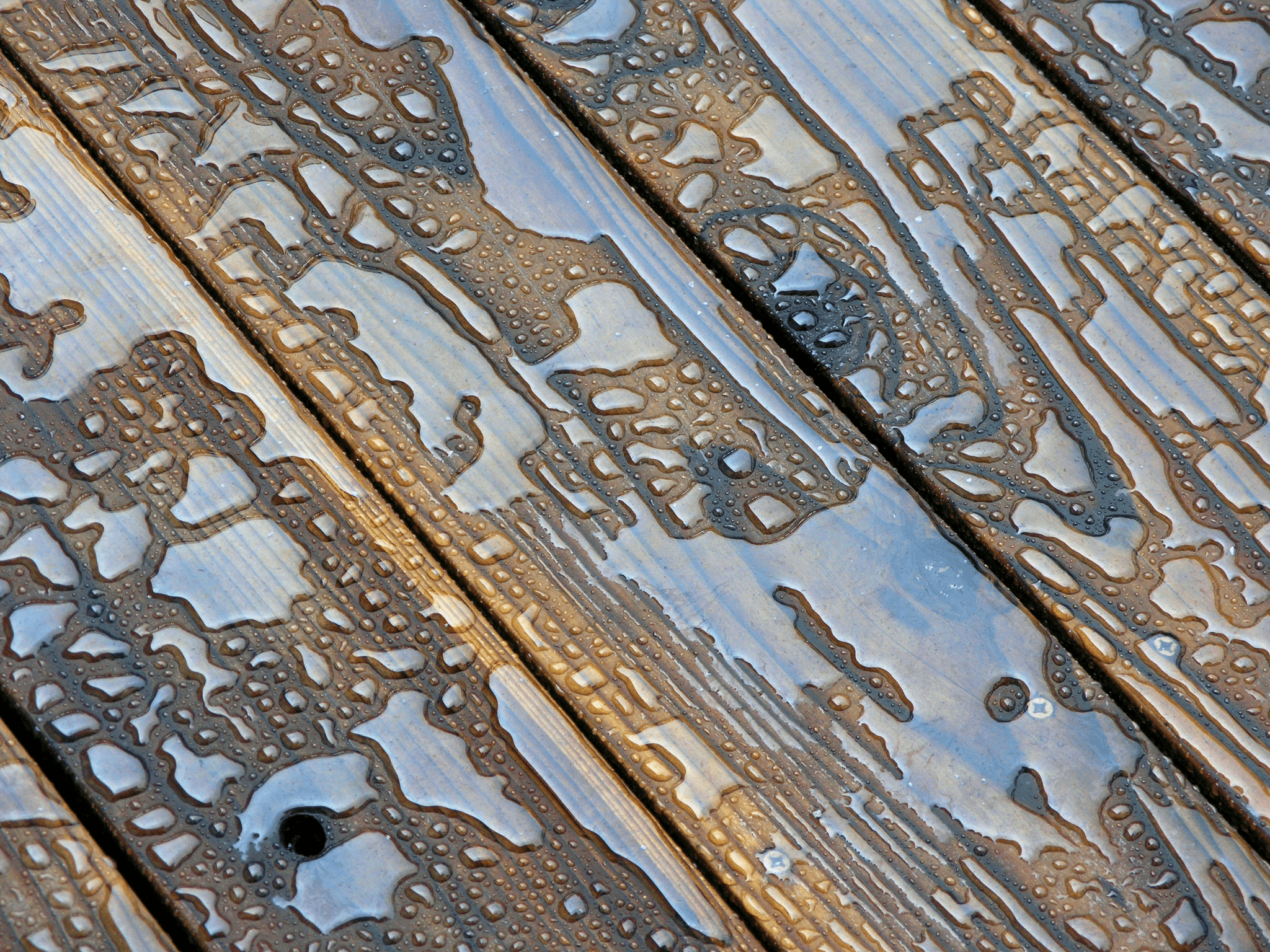
When it comes to decking, the financial implications can be as varied as the materials themselves. Understanding the costs associated with composite and wood decks is essential for any homeowner considering a new outdoor space. From initial investments to long-term savings, let’s break down the numbers.
Initial Investment in Composite Decking
The initial investment in composite decking often raises eyebrows, as it typically costs more upfront than traditional wood decks. However, this higher price tag comes with benefits that can make it worthwhile in the long run. Composite deck boards are made from a blend of recycled materials and wood fibers, offering durability and resistance that standard timber struggles to match.
Long-term Savings and ROI
While the initial cost of composite lumber decking might seem steep, homeowners often find that they save significantly over time. The low maintenance deck nature of composite means fewer repairs and replacements compared to wood decks, which require regular upkeep like staining and sealing. This translates into a better return on investment (ROI), as many homeowners report that their composite decks last longer without needing costly renovations.
Maintenance Costs of Wood Decks
On the flip side, wood decks come with their own set of ongoing expenses that can add up quickly if not managed properly. Regular maintenance tasks such as cleaning, sealing, and repairing rotting or splintered boards can drain your wallet over time. In contrast, opting for a low-maintenance deck like those made from composite wood means less hassle and fewer financial surprises down the line.
Environmental Impact
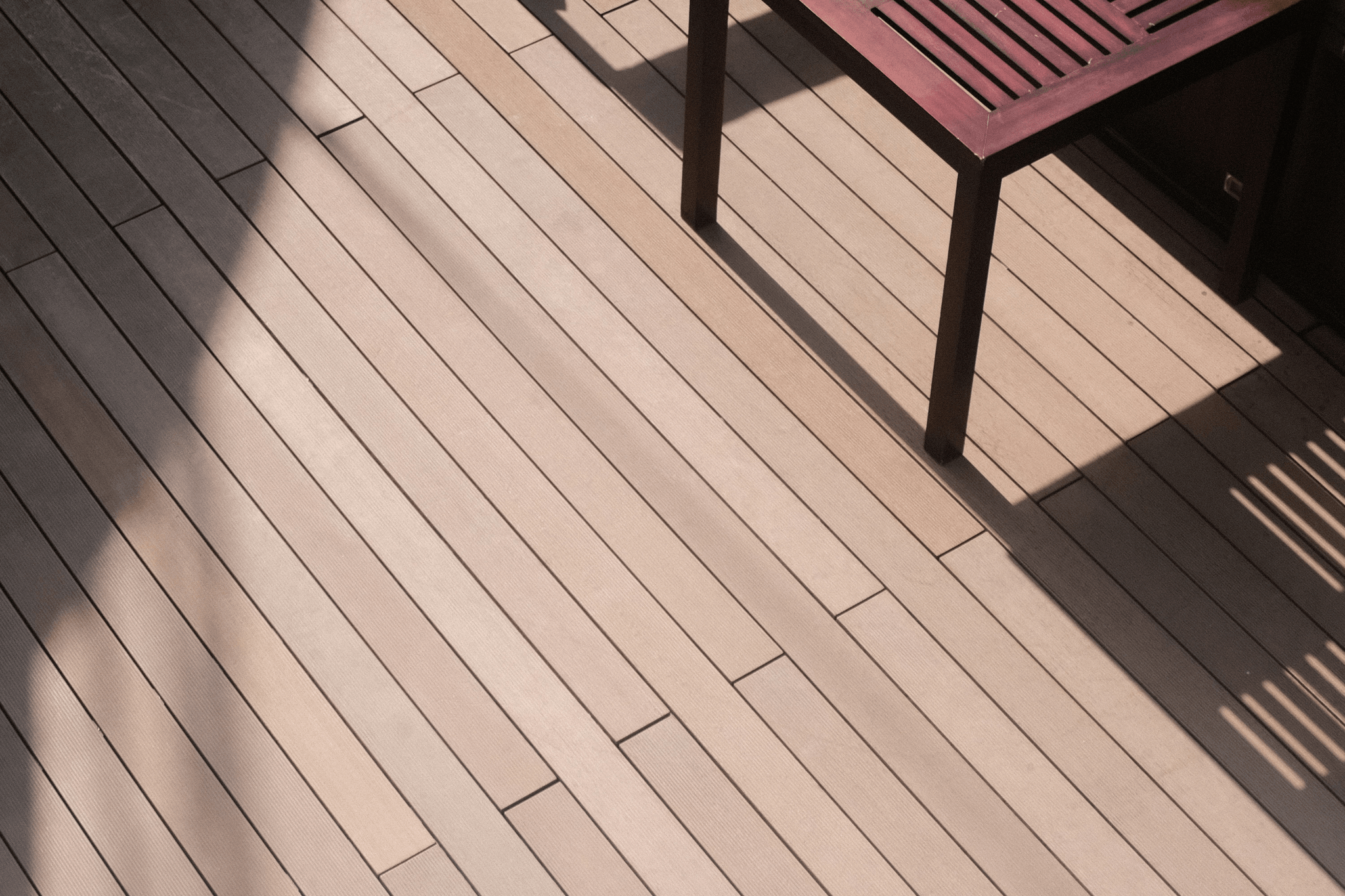
When it comes to decking materials, the environmental impact is a significant consideration for many homeowners. Understanding the sustainability of composite wood versus traditional timber can help you make an informed decision about your outdoor space. Let’s dive into how these materials stack up in terms of eco-friendliness.
Sustainability of Composite Wood
Composite lumber decking is often hailed for its sustainable properties, primarily because it is made from recycled materials, such as plastic and wood fibers. This means that choosing composite deck boards not only reduces waste but also lessens the demand for new timber resources. Additionally, many manufacturers are committed to environmentally responsible practices, making composite decking a low maintenance deck option that contributes positively to sustainability efforts.
The Deforestation Dilemma with Timber
On the flip side, wood decks raise concerns about deforestation and habitat destruction. The demand for timber has led to unsustainable logging practices that threaten forests worldwide, resulting in loss of biodiversity and increased carbon emissions. Homeowners who choose traditional wood decks may inadvertently contribute to this dilemma unless they opt for sustainably sourced timber certified by organizations like the Forest Stewardship Council (FSC).
Eco-Friendly Practices in Decking
Fortunately, both composite and wood deck options can align with eco-friendly practices if chosen wisely. For instance, some companies offer composite decking made from 100% recycled materials or promote responsible sourcing for their timber products. By researching brands and selecting those committed to environmental stewardship, homeowners can enjoy their outdoor spaces while minimizing their ecological footprint.
User Experience and Feedback
Many prefer the low maintenance deck that composite lumber decking provides, freeing them from the constant upkeep associated with traditional wood decks. However, there’s still a strong faction that appreciates the natural beauty and authenticity of wood decks, making the choice a personal one.
Homeowners' Preferences: Composite vs. Timber
In recent years, homeowners have increasingly leaned toward composite deck boards due to their durability and ease of maintenance. Many appreciate how these materials resist fading, staining, and warping compared to conventional timber options. Still, the allure of a classic wood deck remains strong for those who value its aesthetic charm and natural feel.
Surveys indicate that while many homeowners initially choose composite decking for its longevity and low maintenance requirements, they often miss the warmth that only real wood can provide. This dichotomy highlights an interesting trend: some homeowners are opting for hybrid solutions—incorporating both composite elements for functionality while retaining wooden features for visual appeal. Ultimately, preferences vary widely based on individual lifestyle needs and design aspirations.
Real-Life Reviews of Composite Decking Inc Products
Real-life reviews of Composite Decking Inc's products reveal enthusiastic feedback from users who appreciate their investment in quality materials. Customers frequently highlight the impressive performance of composite lumber decking in various weather conditions without sacrificing aesthetics or safety features like slip resistance. The easy installation process is also frequently praised; many DIY enthusiasts report that assembling their new low maintenance deck was simpler than anticipated.
Moreover, testimonials often mention how satisfied users are with the wide variety of color choices available in composite deck boards—allowing them to customize their outdoor spaces effortlessly. Homeowners rave about how these products maintain their appearance over time with minimal effort required for upkeep compared to traditional timber decks. Overall, reviews suggest that investing in composite decking not only meets but often exceeds expectations regarding durability and style.
Longevity Stories of Wood Decks
Despite the rise in popularity of composite materials, there are countless longevity stories from those who swear by their wood decks as well. Many owners proudly share tales of decades spent enjoying their beautifully aged timber structures—complete with unique patinas developed over time through exposure to nature's elements. These narratives emphasize how regular maintenance can extend a wood deck's life significantly; diligent cleaning and periodic sealing can keep it looking great for years.
Interestingly enough, some long-time wood deck owners argue that nothing compares to the feel underfoot or the smell after rain—a sensory experience they believe cannot be replicated by synthetic materials like composites. They also enjoy making adjustments or repairs themselves; something they find less feasible with rigid composite options due to specialized tools required for cutting or modifying them effectively at home.
In conclusion, user experiences showcase diverse opinions on both sides—whether leaning toward modern convenience found in composite lumber decking or embracing tradition through enduring wood decks shaped by time itself.
Conclusion
In the grand showdown between composite and wood decks, the right choice for your home ultimately hinges on your lifestyle, budget, and aesthetic preferences. While both options have their merits, understanding the nuances of composite lumber decking versus traditional wood decks will empower you to make an informed decision. Whether you opt for a low maintenance deck or prefer the classic charm of timber, each has its unique appeal.
Making the Right Choice for Your Home
When considering a deck for your outdoor space, think about how you plan to use it. If you're looking for a low maintenance deck that can withstand the elements with minimal fuss, composite decking might be your best bet. On the other hand, if you're drawn to natural beauty and don't mind regular upkeep, wood decks could be more in line with your vision.
Key Benefits of Composite Decking
Composite deck boards offer impressive durability and longevity compared to traditional wood decks. With resistance to fading, staining, and splintering, composite lumber decking provides peace of mind that your investment will last through years of family gatherings and summer barbecues. Additionally, many homeowners appreciate that composite wood is often made from recycled materials, making it an eco-friendly choice.
Final Thoughts on Decking Options
Ultimately, choosing between composite and wood decks boils down to personal preference and priorities. If you prioritize aesthetics and customization options without sacrificing durability or maintenance ease, then deck composite decking may be the way forward. However, if classic charm speaks to you more than convenience does, traditional wood decks will always have their place in outdoor design.