
Introduction

Choosing the right decking timber is a crucial step in creating the perfect outdoor space. With so many options available, it can be overwhelming to determine which wood decking is best for your needs. Whether you're considering traditional wood decks or modern alternatives like PVC decking, understanding your choices is essential to making an informed decision.
Understanding Decking Timber Choices
Different types of wood offer unique characteristics that can enhance your outdoor area while ensuring longevity and usability. From classic hardwoods to versatile softwoods, each option presents its own set of advantages and challenges in terms of performance and appearance.
Key Factors in Timber Selection
Selecting the ideal decking material involves evaluating various elements such as climate conditions, intended use, and personal style preferences. The best for decking should not only look appealing but also withstand environmental stressors like moisture and UV exposure over time. Additionally, considering maintenance requirements will help you choose a solution that fits your lifestyle while ensuring your investment remains intact.
Popular Decking Timber Options
Among the most sought-after choices are hardwoods like teak and mahogany, known for their stunning aesthetics and durability; however, softwoods such as cedar and pressure-treated pine are also popular due to their affordability and ease of installation. For those seeking low-maintenance solutions, composite materials have gained traction as an alternative to traditional wood decks by offering a blend of recycled materials that resist rot and fading. Ultimately, exploring these popular options will guide you toward selecting the best decking for your outdoor haven.
The Best Timber for Decking: An Overview
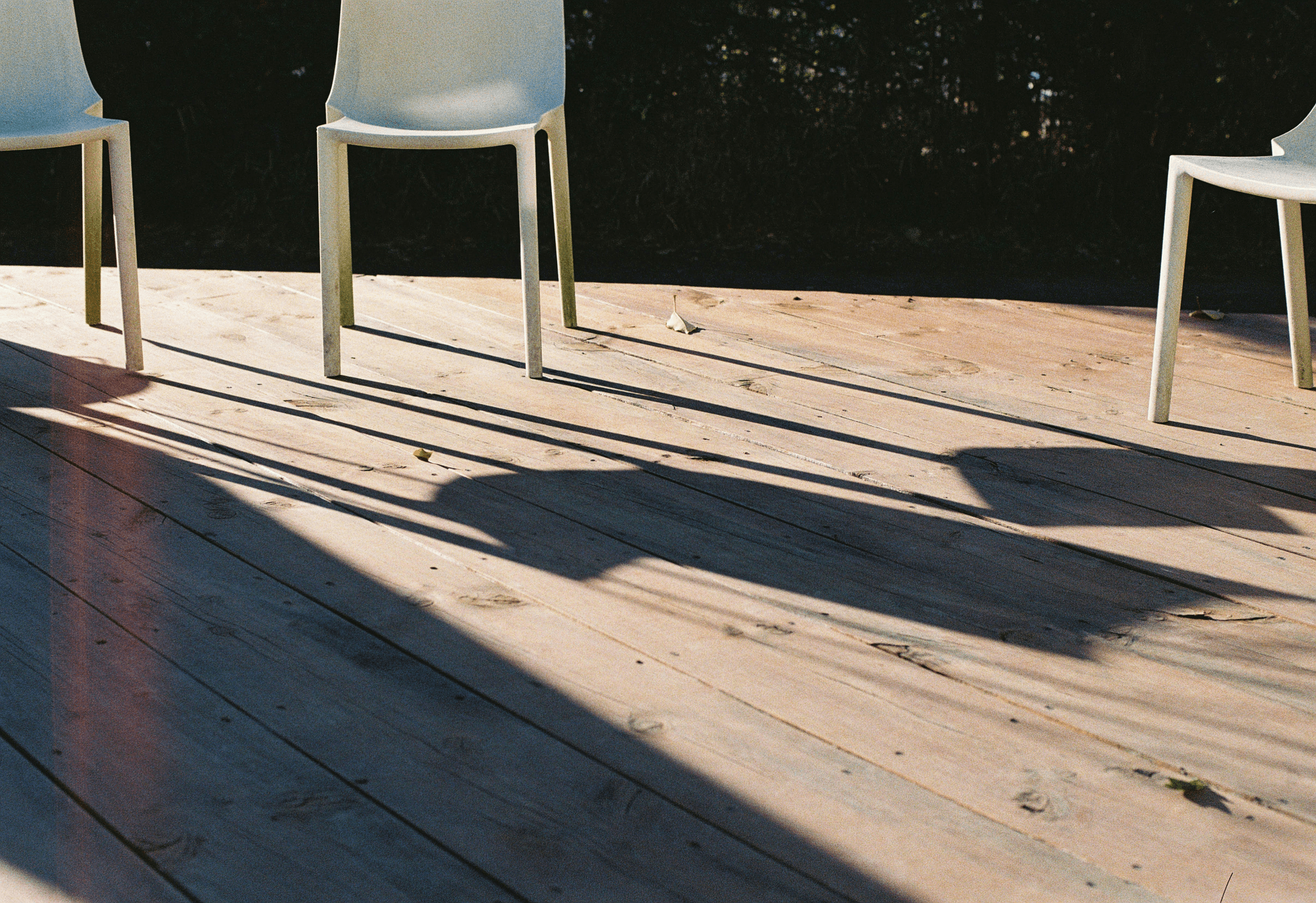
Ideal decking timber should be durable, aesthetically pleasing, and resistant to the elements. Whether you opt for traditional wood decking or explore modern alternatives like PVC decking, understanding these characteristics is essential for creating the perfect wood deck.
Characteristics of Ideal Decking Timber
The best timber for decking should possess qualities such as natural resistance to decay and insects, ensuring longevity and minimal maintenance. Additionally, it should have a comfortable surface temperature underfoot to prevent discomfort on hot days—nobody wants to burn their toes! Aesthetic appeal is also crucial; the right wood decks not only enhance your outdoor experience but also complement your home’s architecture.
Another important characteristic is stability; ideal timber should resist warping and splitting over time, maintaining its integrity even under varying weather conditions. The grain pattern and color of the wood can further elevate your outdoor decking's visual impact. Ultimately, selecting timber that embodies these traits will lead you to the best options available on the market.
Comparing Softwood vs. Hardwood
When discussing the best materials for decking, it’s essential to compare softwood and hardwood options thoroughly. Softwoods like pine are generally more affordable and easier to work with but may require more frequent maintenance due to their susceptibility to wear and tear. On the other hand, hardwoods such as teak or mahogany offer superior durability and natural beauty but often come with a higher price tag—making them an investment worth considering if you're looking for long-lasting wood decks.
Softwoods can be treated chemically or naturally to enhance their durability against moisture and pests; however, they may still not match hardwoods in terms of lifespan. Meanwhile, hardwoods tend to have richer colors and textures that can add a touch of elegance to any outdoor setting—making them a popular choice among homeowners who prioritize aesthetics alongside functionality in their choice of decking material. Ultimately, weighing both options against your budget and design goals will help you make an informed decision.
Benefits of Composite Decking
If you’re looking for low-maintenance solutions without sacrificing style or durability in your outdoor space, composite decking might just be what you need! This innovative material combines wood fibers with plastic resins—resulting in a product that mimics traditional wood while providing enhanced resistance against fading, splintering, and rotting over time. With composite boards available in various colors and finishes, finding the perfect match for your aesthetic preferences is easier than ever.
The benefits don’t stop there; composite decking often requires minimal upkeep compared to its wooden counterparts—saving you both time and money on maintenance costs down the road! Furthermore, many manufacturers prioritize eco-friendly practices by sourcing recycled materials in their products—a win-win situation if sustainability matters to you when choosing your best timber for decking! So whether you're leaning towards classic wood decks or modern composites, there's something out there tailored just for your needs!
Assessing Durability and Maintenance
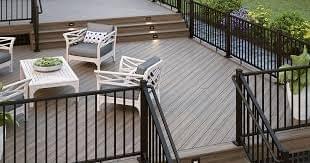
Different climates can cause wood decking to expand, contract, or even warp over time. Therefore, choosing the right decking material that withstands your local weather conditions can make a significant difference in the longevity of your outdoor decks.
How Weather Affects Timber Performance
Weather plays a pivotal role in the performance of wood decks. For instance, excessive moisture can lead to mold growth and rot, while intense sunlight may cause fading and cracking in certain types of wood. To mitigate these effects, consider using treated timber or composite materials that are specifically designed to endure harsh weather conditions—making them some of the best for decking.
Best Practices for Timber Care
Maintaining your wood decking requires regular care to ensure it remains in top shape throughout its lifespan. Cleaning your deck at least twice a year with a gentle cleaner will help remove dirt and prevent mildew from taking hold. Additionally, applying a protective sealant annually can enhance its durability and keep it looking fresh—a vital step if you want your chosen timber to be among the best timber for decking.
Lifespan Expectations of Common Timbers
The lifespan of common timbers used in outdoor decking varies significantly based on their type and maintenance levels. For example, pressure-treated pine can last around 15 years with proper care, while cedar and redwood may endure up to 30 years due to their natural resistance to decay. Composite options like PVC decking often boast even longer lifespans—upwards of 25-30 years—making them an attractive option for those seeking longevity without constant upkeep.
Aesthetic Appeal and Design Flexibility
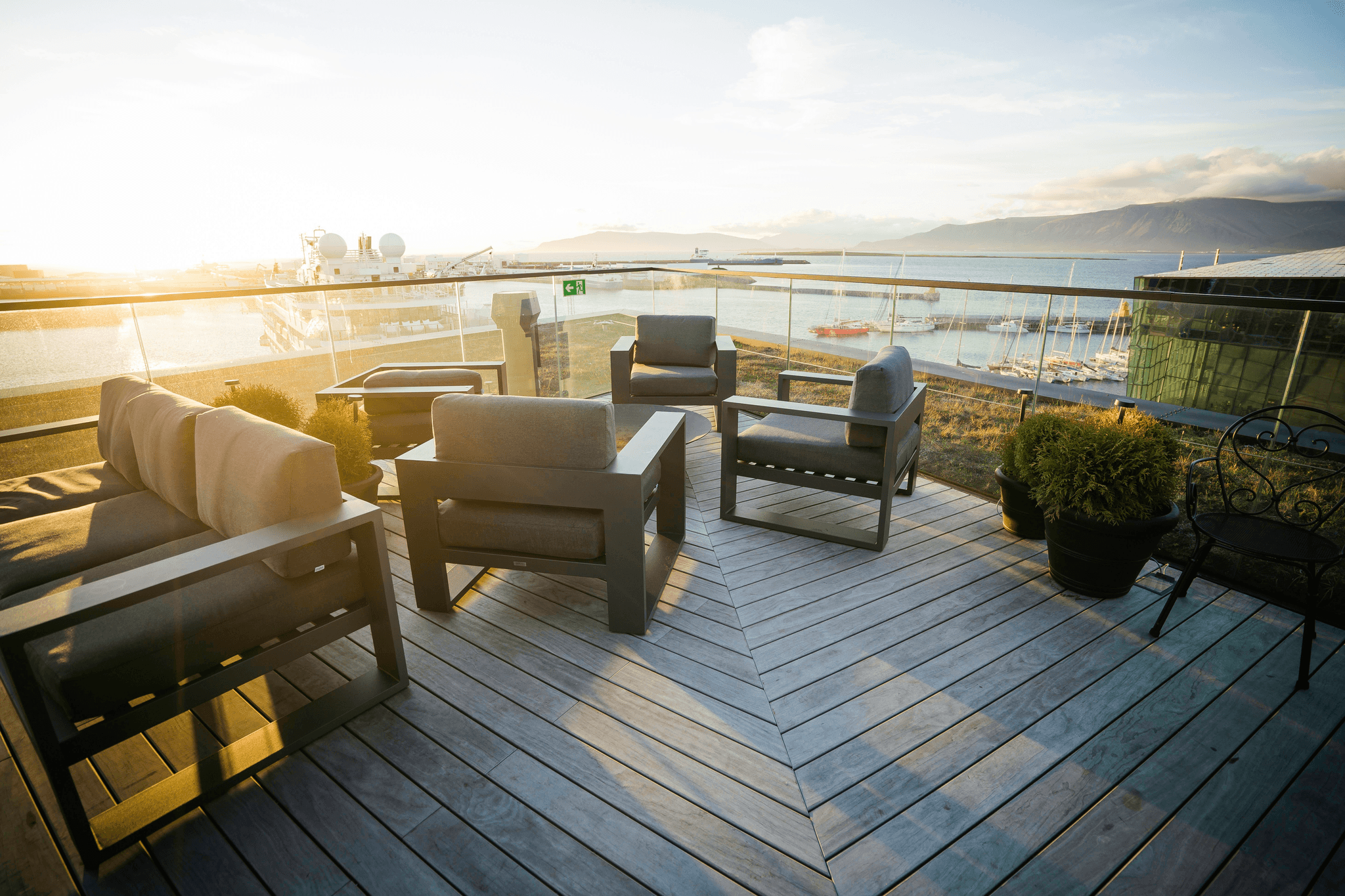
When it comes to outdoor spaces, the aesthetic appeal of your decking is just as important as its functionality. The best timber for decking can elevate the look of your property, transforming a simple wood deck into an inviting oasis. With various options available, you can achieve the perfect blend of style and practicality that suits your taste.
Color and Texture Options
Choosing the right color and texture for your wood decking can significantly impact the overall feel of your outdoor area. From rich mahogany hues to lighter cedar tones, there’s a palette to suit any architectural style or personal preference. Additionally, textures ranging from smooth finishes to rustic, weathered looks allow for even more customization in creating a unique wood deck that stands out.
For those considering composite materials like PVC decking, these options also come in an array of colors and textures designed to mimic natural wood while offering greater durability. The versatility in color choices means you can easily match or contrast with existing elements in your landscape, making it easier than ever to create a cohesive outdoor design. Ultimately, whether you choose traditional timber or modern composites, the visual appeal of your decking material will enhance your outdoor experience.
Matching Timber with Architecture
A successful outdoor design harmonizes with the architecture of your home; therefore, selecting the best timber for decking is paramount. For contemporary homes with clean lines and minimalistic designs, sleek hardwoods such as Ipe or Teak work beautifully by adding warmth without overwhelming the space. Conversely, rustic homes may benefit from softer woods like pine or redwood that complement their organic charm while providing an inviting atmosphere.
When planning wood decks that align with architectural styles, consider not just color but also how different timbers interact with other materials used in construction—like stone or metal accents—to create visual balance throughout your property. This attention to detail ensures that every aspect of your outdoor space feels intentional and thoughtfully curated. Remember: it's all about achieving harmony between nature and structure!
Trends in Outdoor Design
Keeping up with current trends is essential when designing an appealing outdoor space featuring wood decks or other decking materials. One popular trend is integrating multi-level decks that create distinct zones for lounging and dining—perfect for entertaining guests while maximizing function! Another trend gaining traction is using eco-friendly materials such as sustainably sourced timber or composite options like PVC decking that reduce environmental impact without sacrificing style.
Incorporating greenery alongside wooden structures has also become increasingly fashionable; think planters built into railing systems or vertical gardens framed by beautiful timber features! These elements not only enhance aesthetics but also promote biodiversity within urban environments—a win-win scenario! By staying attuned to these trends while considering personal preferences, homeowners can craft stunning outdoor spaces tailored specifically to their lifestyle needs.
Environmental Considerations and Sustainability

When it comes to choosing the best timber for decking, environmental considerations are paramount. Sourcing responsibly from sustainable forests ensures that the wood decking you select contributes to a healthier planet. By opting for certified timber, you can enjoy your outdoor decking while knowing you're making a positive impact on the environment.
Sourcing Responsibly from Sustainable Forests
Sustainable forestry practices are essential in maintaining ecological balance, making them crucial for anyone looking to install wood decks. The best for decking involves selecting timber that has been harvested in ways that protect biodiversity and promote forest regeneration. Look for certifications like FSC (Forest Stewardship Council) when choosing your decking material; this guarantees that your wood is sourced responsibly.
Benefits of Composite Decking Inc Products
If you're considering alternatives to traditional wood decking, composite materials might just be the best decking choice available today. Composite Decking Inc products offer durability and low maintenance while being made from recycled materials, reducing waste and promoting sustainability. Not only do these products mimic the aesthetic appeal of natural wood decks, but they also resist fading and weather damage better than many traditional options.
Eco-Friendly Practices in Decking
In addition to selecting sustainable timber or composite options, implementing eco-friendly practices in your decking project can further enhance its sustainability profile. This includes using non-toxic finishes and sealants that minimize chemical runoff into local ecosystems when caring for your deck. Additionally, consider reusing or recycling old materials during installation; this not only reduces waste but also helps you save on costs associated with new purchases.
Budgeting for Your Decking Project
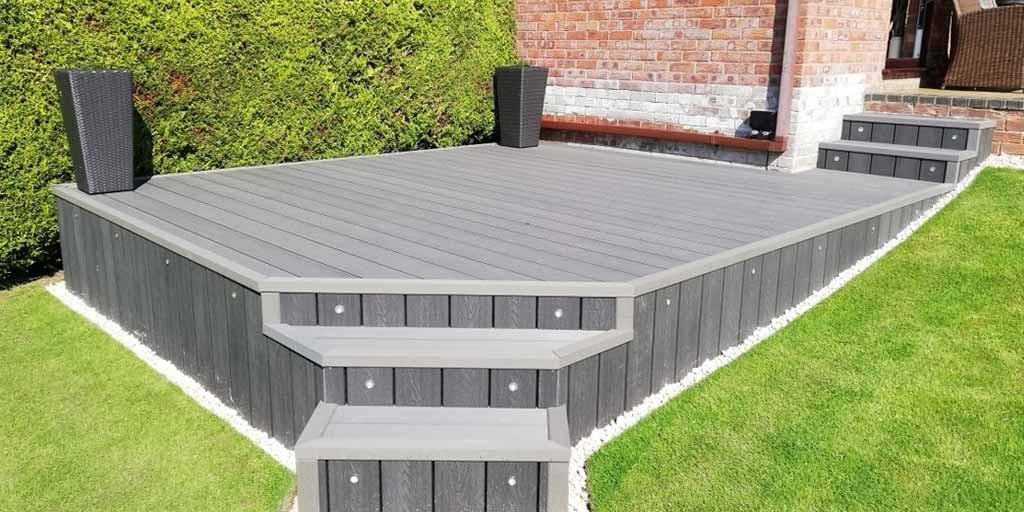
When embarking on a decking project, budgeting is crucial to ensure you get the best timber for decking without breaking the bank. Understanding the cost of various decking materials, including wood and composite options, can help you make informed decisions. With careful planning and consideration of all expenses, you can create an outdoor oasis that fits your financial parameters.
Cost Comparisons of Different Timbers
The cost of wood decking varies significantly depending on the type of timber chosen. Softwoods like pine or cedar are generally more affordable, making them popular choices for budget-conscious homeowners. However, hardwoods such as teak or mahogany offer durability and aesthetic appeal but come with a higher price tag; these are often considered some of the best decking options available.
Comparatively, composite decking material tends to fall in between softwood and hardwood prices but offers additional benefits in terms of maintenance and longevity. While wood decks may require more upkeep over time, PVC decking provides a cost-effective alternative that mimics the look of natural wood without the associated costs. Ultimately, weighing these options will help you identify which is best for your specific needs and budget.
Additional Expenses to Consider
While selecting your ideal timber is essential, it's important to factor in additional expenses that can arise during your outdoor decking project. Installation costs can vary widely based on complexity and local labor rates; hiring professionals may add to your overall expenditure but could save time and ensure quality workmanship. Additionally, don’t forget about potential permits or inspections required by local regulations—these can sneak up on even seasoned DIYers!
Maintenance costs should also be part of your budgeting equation; while some timber types require regular staining or sealing to maintain their beauty, others might need little more than occasional cleaning. If you're considering features like railings or built-in seating, include those costs in your calculations too—after all, every detail contributes to creating an inviting outdoor space!
Investing in Long-Term Value
When budgeting for your deck project, it's wise to think beyond initial costs and consider long-term value as well. The best timber for decking will not only enhance your outdoor space aesthetically but also provide durability that pays off over time through less frequent repairs or replacements. Investing in high-quality materials now means fewer headaches later—who wants to replace a rotting deck when they could have enjoyed years of beautiful wood decks?
Moreover, choosing sustainable sources for your timber can lead to both environmental benefits and potential savings down the line; responsibly sourced materials often come with warranties that protect against defects over extended periods! Lastly, consider how well each option aligns with current trends—an appealing deck adds value not just in enjoyment but also when it comes time to sell your home.
Conclusion
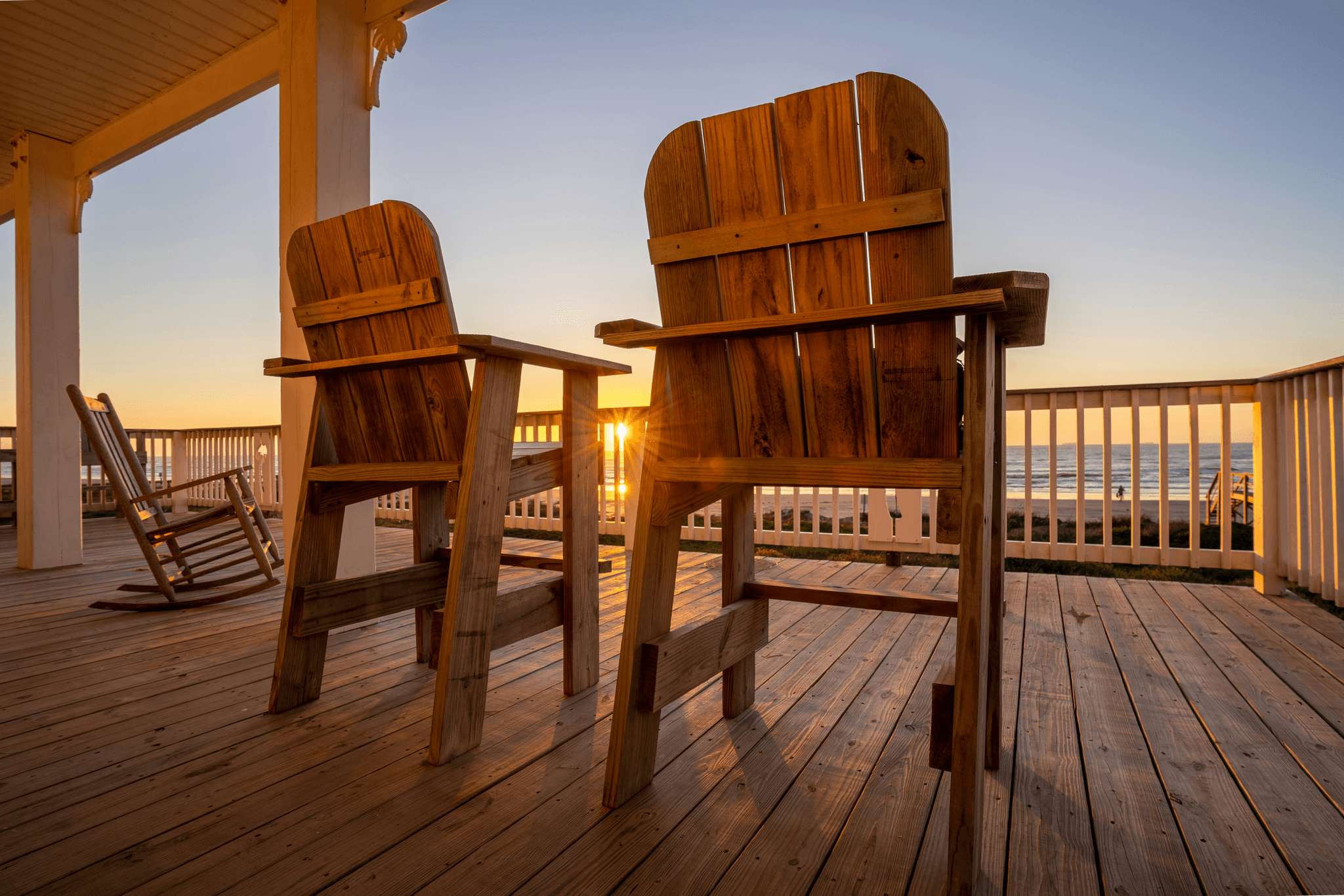
Choosing the right decking material is a decision that can significantly impact both your outdoor space and your wallet. Whether you opt for wood decking or composite materials, understanding the best timber for decking is crucial in ensuring durability and aesthetic appeal. By investing time into researching your options, you can make an informed choice that meets your needs and enhances your home.
Making an Informed Timber Choice
When selecting the best timber for decking, consider factors such as climate, maintenance requirements, and personal style preferences. Softwoods like cedar offer natural resistance to decay but may require more upkeep compared to hardwoods like teak or mahogany. Ultimately, making an informed choice means weighing these factors carefully against your budget and desired look for wood decks.
Enhancing Your Outdoor Space
The right decking material can transform an ordinary backyard into a stunning outdoor oasis where you can relax or entertain guests. Wood decks provide warmth and character, while modern options like PVC decking offer versatility in design without sacrificing durability. No matter what you choose, enhancing your outdoor space with quality materials will create an inviting atmosphere you'll enjoy for years to come.
Long-Lasting Benefits of the Right Decking
Investing in the best decking not only improves the visual appeal of your home but also adds long-term value to your property. Quality timber choices can withstand weather elements better than inferior products, reducing replacement costs down the line. Additionally, selecting eco-friendly options contributes positively to environmental sustainability while ensuring that you're making a responsible choice for future generations.