
Introduction
Why Explore Budget-Friendly Decking
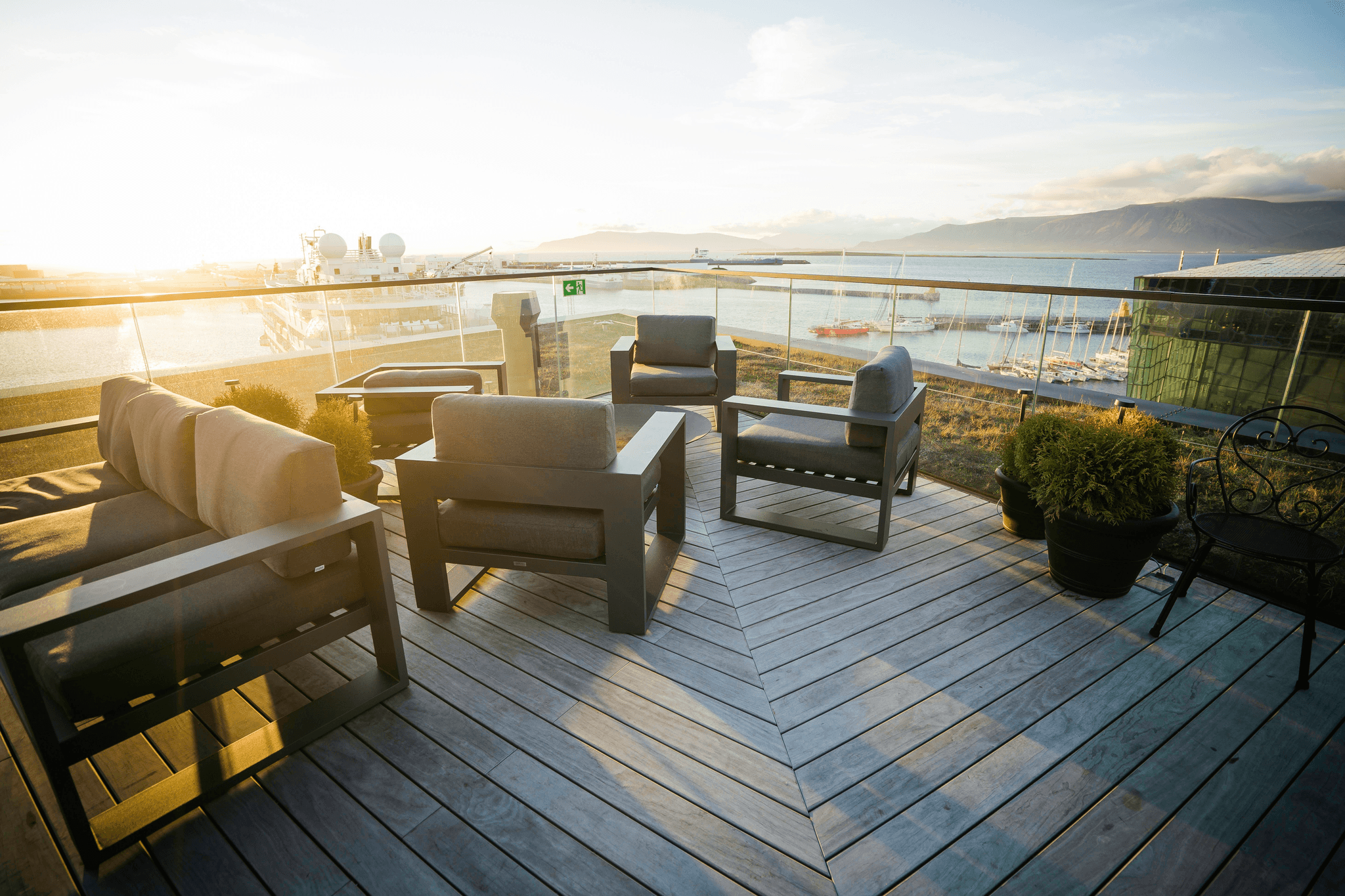
Exploring budget-friendly decking options is essential for homeowners who want to enjoy their outdoor spaces without overspending. Traditional wood decks can be expensive not only in terms of initial installation but also ongoing maintenance costs. By considering alternatives like composite lumber decking, you can achieve a beautiful deck while keeping your finances intact.
The Need for Alternatives to Wooden Decking
The demand for alternatives to wooden decking has never been greater due to the challenges associated with wood decks—such as rot, warping, and insect damage. Homeowners are increasingly recognizing that wood deck wood requires substantial upkeep, which can lead to frustration and additional expenses over time. Composite decking offers a resilient solution that stands up against the elements while providing an aesthetically pleasing finish.
The Benefits of Composite Decking
Composite decking brings numerous benefits that make it a compelling choice for deck enthusiasts and first-time builders alike. This innovative material is designed to resist fading, staining, and scratching—qualities that traditional wood simply can't match. Plus, with its eco-friendly composition and low-maintenance requirements, composite lumber decking allows you to spend more time enjoying your outdoor oasis rather than worrying about upkeep.
Understanding Composite Decking
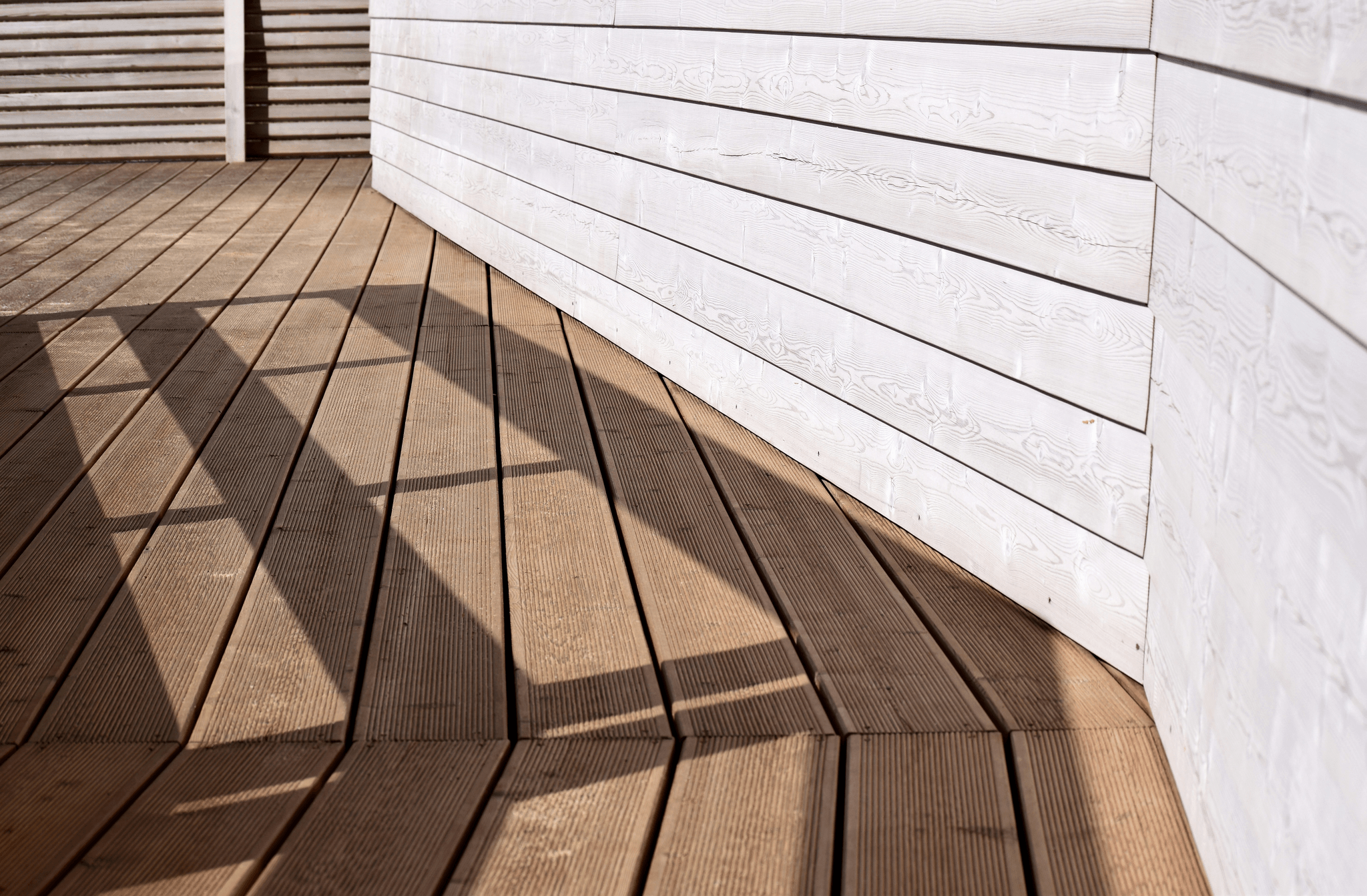
When considering alternatives to wooden decking, composite decking often comes to the forefront. This innovative material is crafted from a blend of wood fibers and recycled plastic, creating a durable and low-maintenance option for outdoor spaces. With its growing popularity, many homeowners are discovering the benefits of composite lumber decking as a reliable substitute for traditional wood decks.
What is Composite Decking
Composite decking is essentially a man-made material designed to mimic the look and feel of natural wood while offering enhanced durability. Unlike traditional wood deck wood, which can warp, splinter, and require frequent maintenance, composite decking is engineered to withstand the elements without losing its charm. This makes it an appealing choice for those seeking long-lasting beauty in their outdoor spaces without the hassle of constant upkeep.
Advantages Over Traditional Wood Decks
One of the biggest advantages of composite lumber decking over traditional wood decks is its resistance to rot, insects, and fading. While a deck of wood may require regular staining or sealing to maintain its appearance, composite decking typically only needs an occasional wash with soap and water. Additionally, many options on the market today come with warranties that can last up to 25 years or more—far outlasting your typical wooden deck.
Popular Brands to Consider
When exploring alternatives to wooden decking, several brands stand out in the composite decking arena. Trex is one of the leading names known for its high-quality materials and extensive range of colors and styles that cater to diverse design preferences. Another notable brand is TimberTech, which offers eco-friendly options alongside superior durability—perfect for those looking at both aesthetics and sustainability in their deck composite decking choices.
Affordable Composite Lumber Decking Options
Budget-Friendly Picks
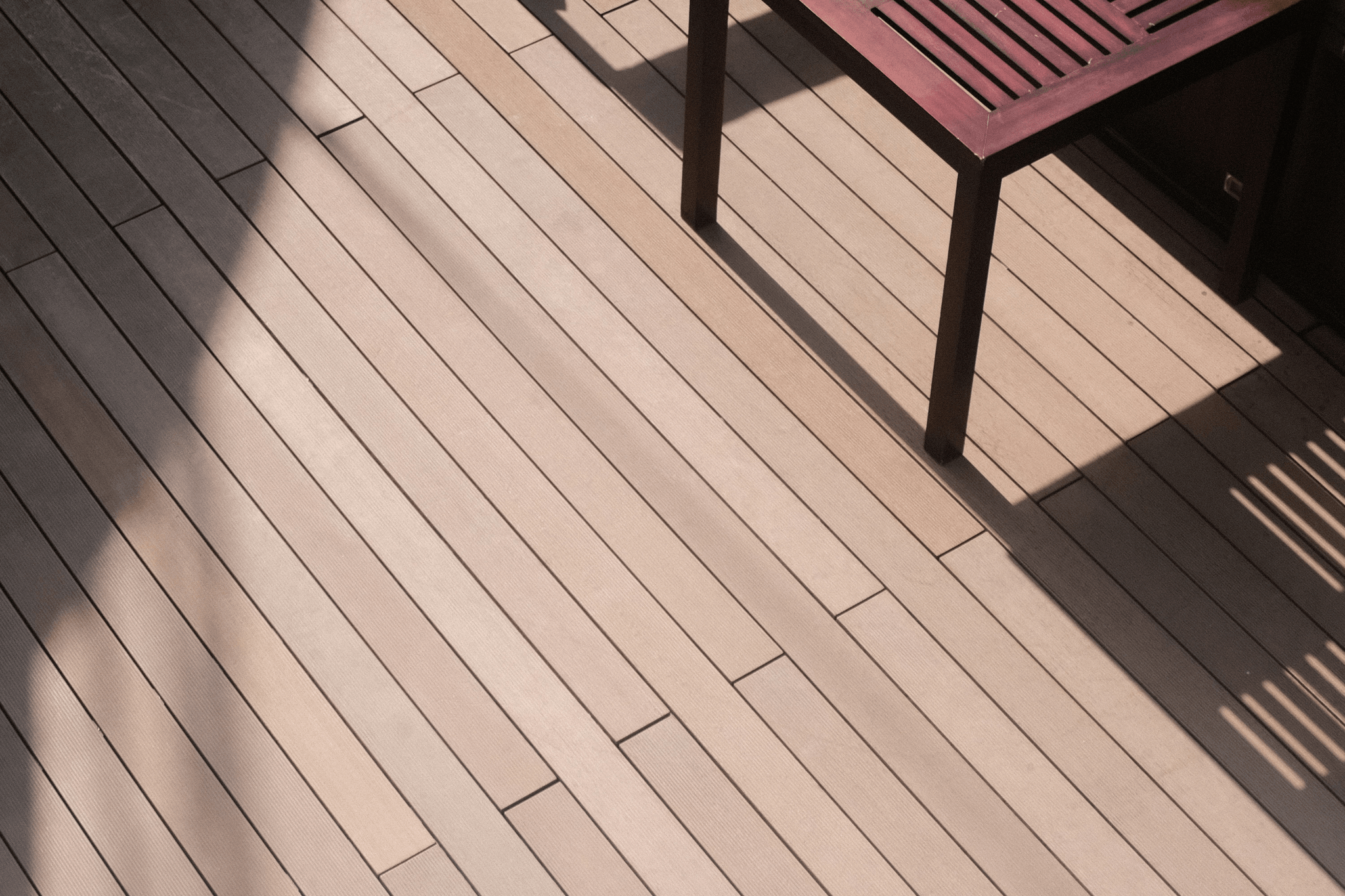
There are several fantastic budget-friendly picks in the world of composite decking that won't leave you feeling like you've just spent a fortune on a deck of wood. Brands like Trex Enhance and TimberTech Edge offer attractive options that mimic the look of traditional wood decks while providing the benefits of composite materials. These alternatives to wooden decking not only look great but also stand up against weather elements, ensuring your investment lasts for years.
Another noteworthy option is Zuri Premium Decking, which combines affordability with stunning visual appeal—perfect for those who want a high-end look without the hefty price tag associated with real wood decks. For those who are particularly budget-conscious, consider looking into local suppliers or clearance sales; they often have leftover or discontinued composite lumber decking at reduced prices. This way, you can snag quality materials while keeping your costs down.
Comparing Prices and Features
When comparing prices and features among different composite decking options, it's essential to take into account factors such as durability, warranty length, and maintenance requirements. While some brands may appear cheaper upfront, they might not offer the same longevity as higher-priced alternatives to wooden decking. Look for features like fade resistance and scratch resistance; these will save you money in repairs or replacements down the line.
Additionally, consider how easy each type of deck composite decking is to install yourself if you're taking on a DIY project—this could save you even more money! Many brands provide detailed installation guides or videos online so you can confidently tackle your new deck without hiring professionals. Ultimately, doing thorough research on various products will ensure you're making an informed decision when it comes time to invest in your outdoor space.
Long-Term Cost Savings
Investing in affordable composite lumber decking may initially seem pricier than traditional wood decks; however, long-term cost savings tell a different story altogether! Unlike wood deck wood that requires regular staining and sealing every few years, most composite materials are designed to withstand wear and tear with minimal upkeep—saving you both time and money over the years.
Moreover, many manufacturers offer extended warranties on their products due to their confidence in durability; this means fewer worries about repairs or replacements down the road! When considering all these factors together—the lower maintenance costs combined with longer lifespan—it becomes clear that opting for alternatives to wooden decking is not only smart but also financially savvy in the long run.
Eco-Friendly Decking Solutions

In a world where sustainability is becoming increasingly important, eco-friendly decking solutions offer a fantastic alternative to traditional wood decks. Composite decking materials, made from recycled plastics and wood fibers, provide a durable and attractive option that reduces the demand for virgin timber. By choosing composite lumber decking, homeowners can enjoy the beauty of wood without compromising the environment.
Sustainable Materials Overview
Sustainable materials are at the heart of eco-friendly decking options. Composite decking often incorporates recycled materials such as plastic bags, bottles, and reclaimed wood fibers, making it an excellent choice for those looking to reduce their environmental footprint. Unlike conventional wood decks that require constant maintenance and contribute to deforestation, composite lumber decking provides a long-lasting solution with minimal upkeep.
Why Choose Eco-Friendly Alternatives
Opting for eco-friendly alternatives to wooden decking not only benefits the planet but also enhances your outdoor space's longevity and aesthetics. Composite decking is resistant to rot, splintering, and insect damage—issues that plague traditional wood deck wood over time. Additionally, these sustainable options often come with warranties that extend for decades, ensuring your investment stands the test of time while keeping Mother Nature happy.
Notable Brands: Trex and TimberTech
When it comes to finding high-quality alternatives to wooden decking, Trex and TimberTech are two brands that stand out in the crowd of composite decking options. Trex is renowned for its innovative use of recycled materials in its products while offering an extensive range of colors and textures that mimic natural wood without all the fuss. TimberTech also provides an impressive selection of composite lumber decking options designed for durability and style—perfect for anyone looking to elevate their deck composite decking game.
Vinyl Decking: A Durable Choice
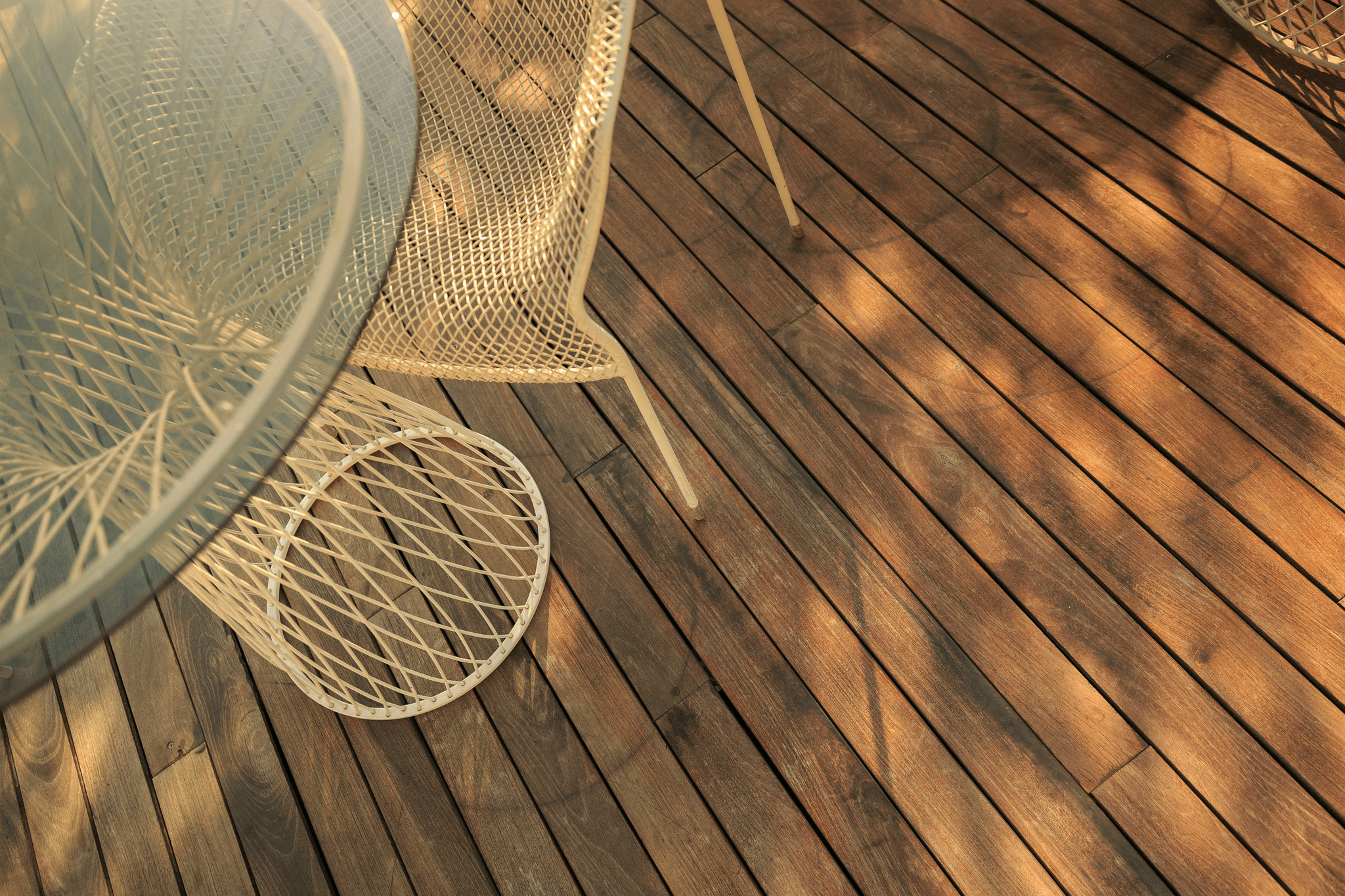
When considering alternatives to wooden decking, vinyl decking stands out as a remarkably durable option. Unlike traditional wood decks, vinyl offers resistance to fading, staining, and even mold growth. This means less maintenance and more time enjoying your outdoor space without the hassle of constant upkeep.
Benefits of Vinyl Deck Over Wood Deck Wood
Vinyl decking boasts several advantages over wood deck wood that make it an appealing choice for homeowners. For starters, vinyl is impervious to moisture, which significantly reduces the risk of warping or rotting—a common issue with wood decks. Additionally, vinyl does not require sanding or sealing like wood deck wood does; a simple wash with soap and water is usually sufficient to keep it looking pristine.
Another benefit of vinyl is its variety of styles and colors that mimic the appearance of real wood without the drawbacks associated with it. Homeowners can enjoy the aesthetic appeal of a deck composite decking while benefiting from enhanced durability and longevity. In essence, if you're seeking low-maintenance alternatives to wooden decking that still provide style and comfort, vinyl should be on your radar.
Cost Comparison with Wooden Decking
When evaluating budget-friendly options for outdoor spaces, understanding the cost comparison between vinyl decking and traditional wooden decks is crucial. Although the initial investment in composite lumber decking may be higher than that for basic wood decks, it's essential to consider long-term savings on maintenance and repairs associated with wooden materials. Over time, homeowners will find that choosing a durable option like vinyl can lead to lower overall costs due to its extended lifespan.
Moreover, when factoring in potential replacements due to rot or damage in traditional wood deck wood scenarios, the cost-benefit analysis leans heavily in favor of vinyl solutions. With minimal upkeep required compared to maintaining a deck of wood—like staining or sealing—vinyl provides peace of mind alongside financial savings over time. Ultimately, investing in quality alternatives to wooden decking can yield significant returns both aesthetically and economically.
Top Vinyl Decking Brands to Check Out
As you explore your options for durable alternatives to wooden decking, several top brands stand out in the realm of vinyl decking solutions worth considering. One notable brand is **Trex**, known for its commitment to quality materials that combine beauty with resilience against harsh weather conditions—perfect for any climate! Another leading contender is **Deckorators**, which offers innovative designs and textures that cater specifically to those looking for stylish yet functional choices.
**CertainTeed** also deserves mention as a top player in this field; their products are designed not only for durability but also aesthetics that rival even high-end wooden options—without all the fuss! Each brand brings unique features and styles tailored towards different tastes while ensuring you have access to reliable alternatives when selecting your next outdoor project material. So whether you're leaning towards composite lumber decking or fully embracing vinyl's versatility, these brands have you covered!
DIY Options for Decking
Building your own deck can be a rewarding project that not only enhances your outdoor space but also saves you money. With the rise of composite decking, homeowners have access to durable and attractive alternatives to wooden decking that are perfect for DIY enthusiasts. Whether you're looking to create a cozy nook or a spacious entertainment area, there are plenty of creative ideas to consider.
Creative Ideas for Cost-Saving Decks
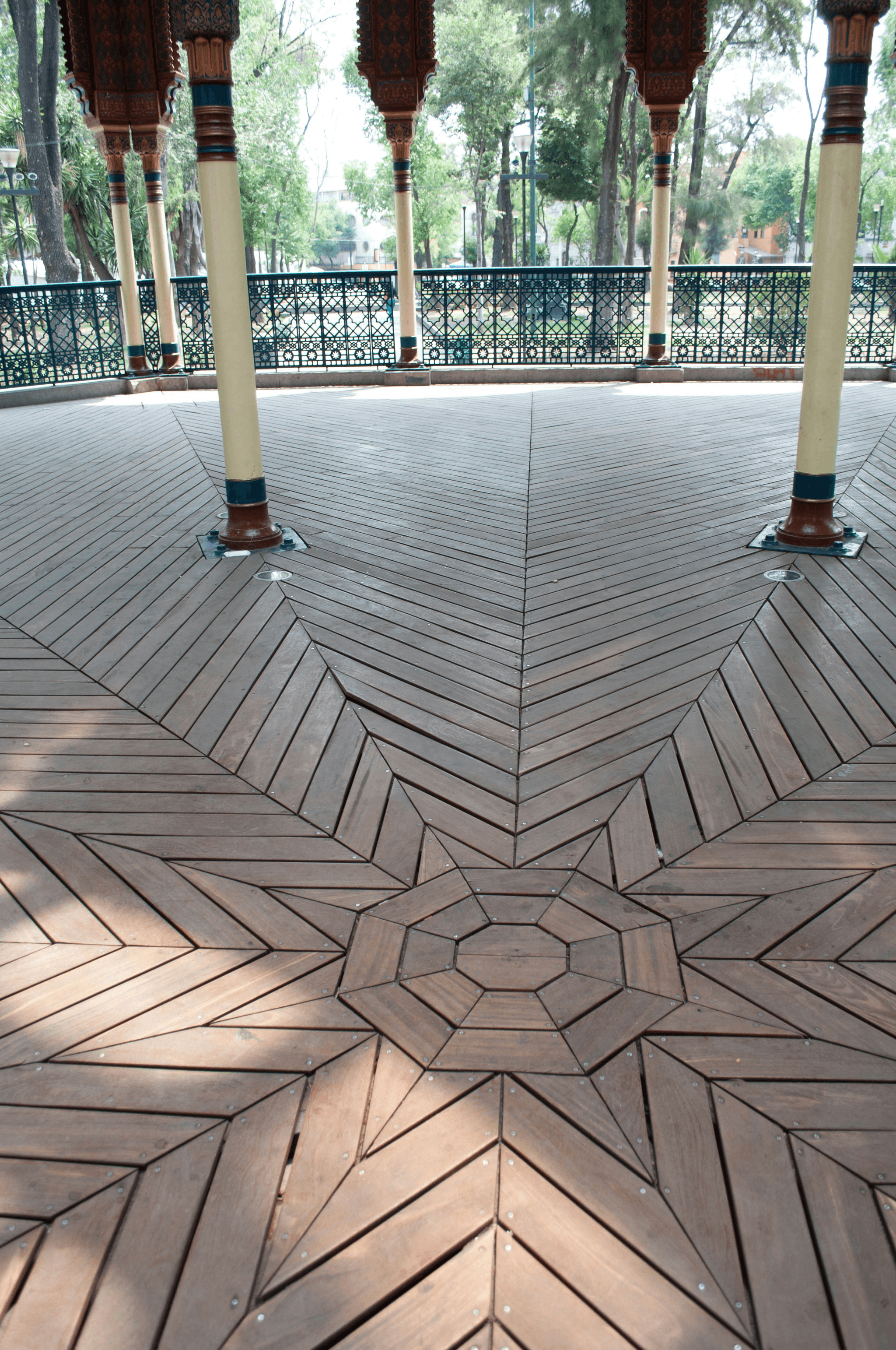
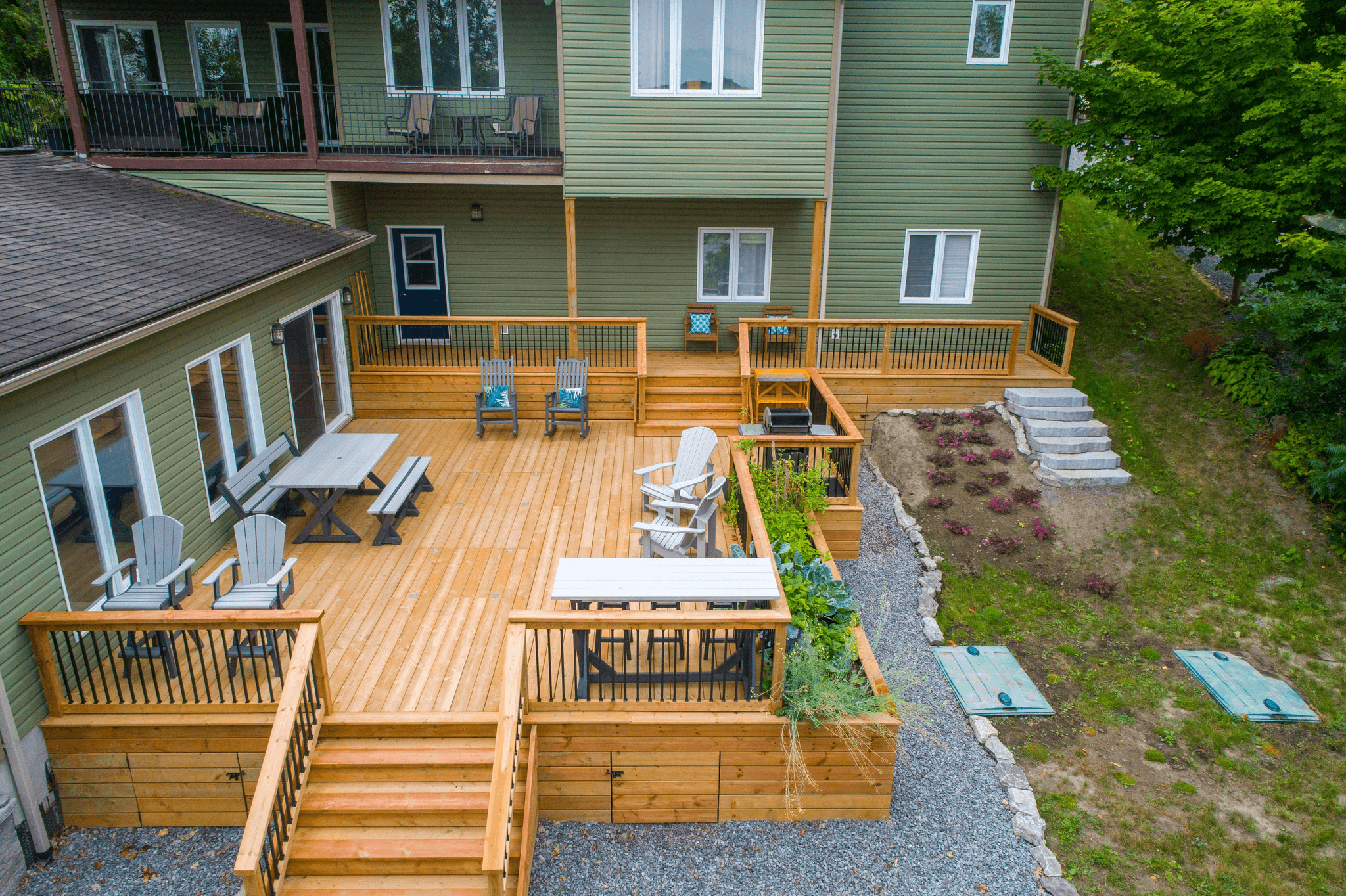
One popular approach is to use composite lumber decking in unique patterns, such as herringbone or diagonal layouts, which can add visual interest without breaking the bank. Another cost-effective option is to build a raised deck that utilizes the natural slope of your yard, maximizing views while minimizing material costs. You can also incorporate built-in seating using leftover composite decking materials, creating functional spaces that blend seamlessly with your design.
If you're feeling particularly crafty, think about adding features like planters or lighting elements integrated into your deck design. These additions can elevate the aesthetics and functionality of your space without significantly increasing costs. Remember, when exploring alternatives to wooden decking, creativity is key—don’t hesitate to think outside the box!
Materials to Use for a DIY Project
When embarking on a DIY deck project, selecting the right materials is crucial for ensuring durability and aesthetic appeal. Composite decking boards are an excellent choice due to their resistance to rot and fading compared to traditional wood decks; they’re essentially built for longevity! Additionally, consider using galvanized screws and brackets designed specifically for composite lumber decking; they provide optimal support while preventing rust.
For those who want added stability in their structure, concrete footings or piers can be used as a solid foundation instead of relying solely on posts made from wood deck wood. This choice not only enhances strength but also reduces long-term maintenance needs associated with traditional wood decks. Finally, don’t forget about finishing touches like railings and balusters—these elements can be crafted from both composite materials and aluminum for an attractive look.
How Composite Decking Inc Can Help
If you’re unsure where to start with your DIY project or need assistance selecting materials, Composite Decking Inc offers valuable resources tailored specifically for homeowners interested in alternatives to wooden decking. Their extensive range of composite lumber decking options ensures you'll find something that fits both your budget and style preferences perfectly! Plus, their knowledgeable staff can guide you through choosing the right products based on your unique project requirements.
Additionally, Composite Decking Inc provides helpful installation guides and tips that make it easy even for beginners tackling their first deck project! They understand how important it is for you not just have a beautiful space but also one that's built with quality materials designed to last over time. So why wait? Dive into creating your dream outdoor oasis today!
Conclusion
In the quest for the perfect outdoor space, exploring alternatives to wooden decking can lead you to some truly innovative solutions. Composite decking has emerged as a popular choice for homeowners seeking durability without compromising aesthetics. With a variety of options available, composite lumber decking stands out as an excellent alternative, offering both style and functionality.
Key Benefits of Composite Decking Alternatives
The primary allure of composite decking lies in its ability to mimic the look of traditional wood decks while providing enhanced durability. Unlike wood deck wood, which is prone to rotting and warping, composite materials are engineered to withstand the elements without sacrificing appearance or performance. Additionally, many composite decking products require minimal maintenance compared to their wooden counterparts, making them an attractive option for busy homeowners.
Another significant benefit of composite lumber decking is its eco-friendly nature; many brands utilize recycled materials in their production processes. This not only helps reduce waste but also provides a sustainable alternative that appeals to environmentally conscious consumers. Furthermore, with advancements in technology, modern composite decking options offer a wide range of colors and textures that can complement any home design.
Making the Best Choice for Your Space
When it comes time to choose between various alternatives to wooden decking, consider your specific needs and lifestyle preferences. Factors such as climate, intended use, and aesthetic appeal should all influence your decision-making process regarding deck composite decking materials. For instance, if you're looking for a family-friendly space where kids can play safely without splinters or damage from moisture, opting for composite lumber may be ideal.
It's also essential to evaluate the long-term implications of your choice; while wood decks may seem cheaper upfront, they often require more frequent repairs and replacements over time due to weathering and insect damage. In contrast, investing in quality composite decking can lead to significant cost savings down the line through reduced maintenance requirements and longer lifespan. Ultimately, selecting the right material will ensure that your outdoor area remains inviting and functional for years to come.
Exploring Your Decking Options Further
As you delve deeper into your options for outdoor living spaces, don't overlook the potential benefits of combining different materials or styles—such as integrating vinyl or eco-friendly solutions alongside your chosen deck composite decking option. Researching various brands will help you identify those that align best with your vision while offering competitive pricing on durable products designed specifically for longevity.
Visiting showrooms or consulting with professionals can provide valuable insights into how different alternatives to wooden decking perform in real-world scenarios. You might discover innovative designs or unexpected features that could enhance both function and beauty within your outdoor sanctuary! So go ahead—explore all possibilities before settling on your dream deck!