
Introduction
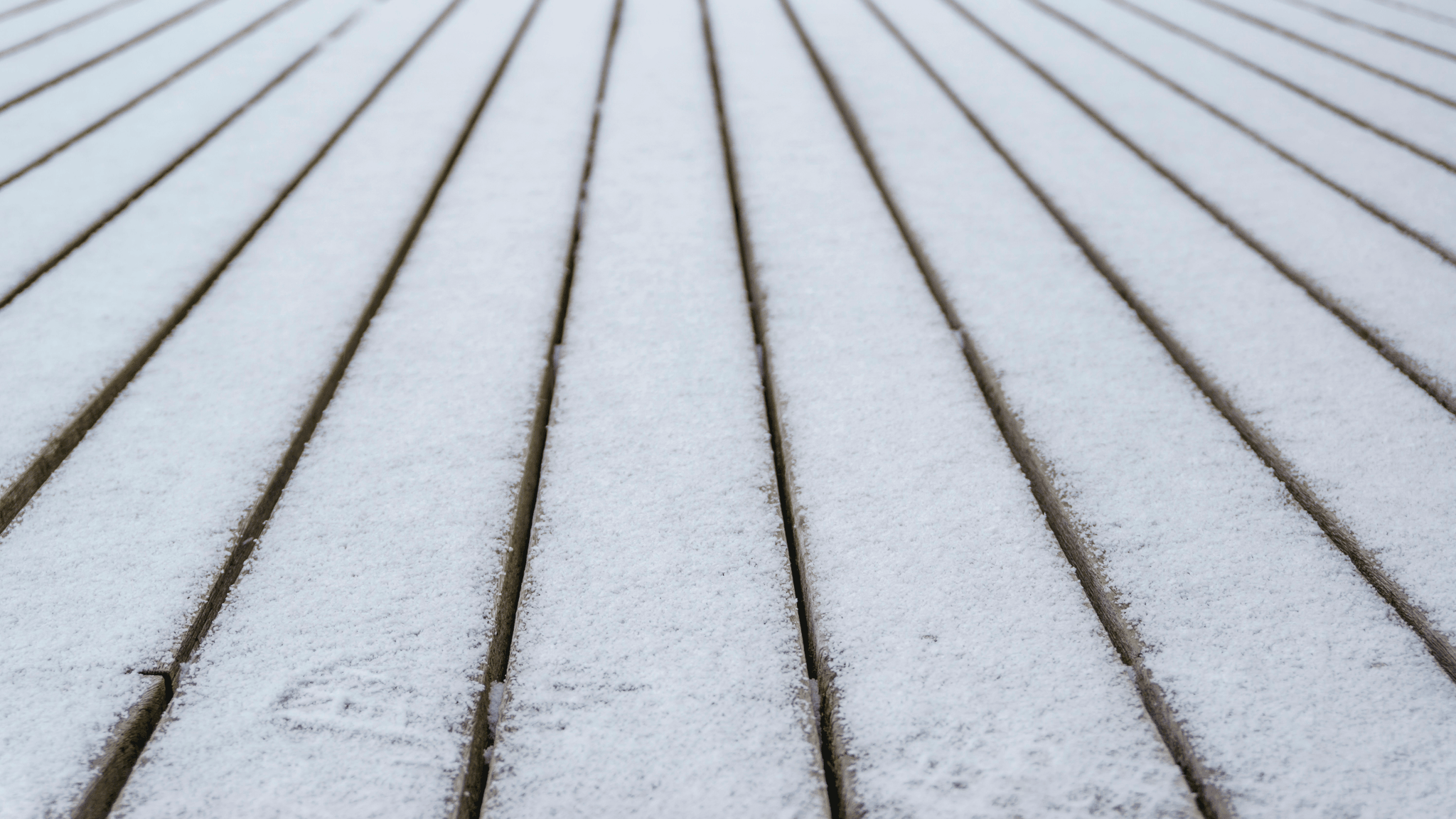
Winter can be a beautiful season, but it also presents unique challenges for outdoor decking. Homeowners often wonder, Is composite decking slippery in winter? as they seek the best composite decking material that combines aesthetics with safety. Understanding the intricacies of winter decking challenges is crucial for making informed decisions about your outdoor living space.
Understanding Winter Decking Challenges
When temperatures drop and snow begins to fall, maintaining a safe and functional deck can become a daunting task. Ice formation on surfaces can lead to slips and falls, raising concerns about the safety of various decking materials. This is particularly true for traditional wood decks, which may not provide the same traction as some modern alternatives like composite decking.
Why Choose Composite Decking?
Composite decking has gained popularity among homeowners looking for durable and low-maintenance options for their outdoor spaces. Unlike traditional wood, composite materials resist rot and fading while offering a variety of colors and textures to suit any aesthetic preference. With its impressive durability and resistance to harsh weather conditions, good composite decking stands out as one of the best decking materials available today.
Safety Concerns with Decking Materials
Safety is paramount when it comes to outdoor living areas, especially during winter months when icy conditions prevail. Homeowners must weigh the risks associated with different materials; while some may offer appealing looks, they might not perform well under slippery conditions. As we explore whether composite decking is slippery in winter, it's essential to consider both its surface texture and real-world experiences from those who have made the switch to this innovative material.
Is Composite Decking Slippery in Winter?
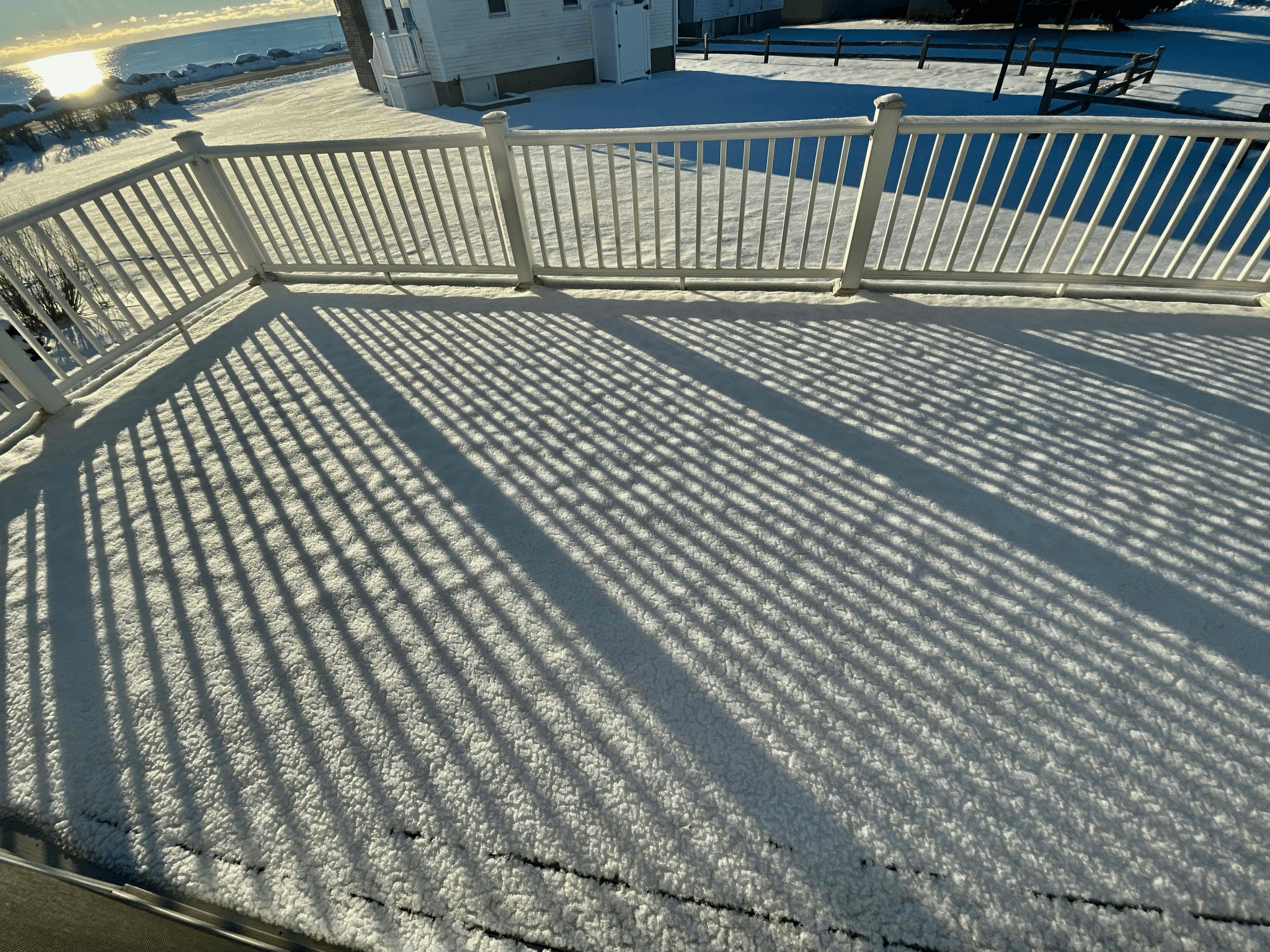
When the winter chill sets in, many homeowners begin to wonder: is composite decking slippery in winter? This concern is valid, especially when considering outdoor decking options for colder climates. Understanding how different materials perform under icy conditions can help you make an informed decision about the best composite decking material for your home.
Examining Surface Texture
The surface texture of composite decking plays a crucial role in its slip resistance during winter months. Many manufacturers design their deck composite materials with textured surfaces that enhance grip, making them less slippery than traditional wood or smooth composites when wet or icy. For instance, some of the best composite decking materials feature grooves and patterns specifically engineered to provide better traction underfoot.
However, not all composite decking is created equal; some brands may prioritize aesthetics over functionality. Homeowners should look for products that advertise slip resistance or have undergone testing to verify their performance in winter conditions. By choosing good composite decking with a reliable surface texture, you can significantly reduce the likelihood of slips and falls on your outdoor space.
Common Misconceptions about Slip Resistance
There are several common misconceptions surrounding the slip resistance of composite decking materials during winter months. One prevalent myth is that all composite decks are equally slippery when wet or icy; however, this isn’t true as different brands and models have varying levels of traction. Additionally, many people assume that because a material is synthetic, it will inherently lack grip compared to natural wood.
In reality, many modern composites are designed with safety features that make them more suitable for cold weather use than traditional wood options. It’s essential to research specific products rather than relying solely on generalizations about deck materials. Understanding these misconceptions can help you choose the best decking material for your needs while ensuring safety throughout the winter season.
Real-World Experiences from Homeowners
To gain insight into whether composite decking truly lives up to its promises regarding slip resistance in winter, it’s helpful to look at real-world experiences from homeowners who have made this choice. Many users report satisfaction with their decision to install good composite decking during colder months due to its relatively low slipperiness compared to wooden alternatives. These firsthand accounts often highlight how textured surfaces provide peace of mind when navigating potentially hazardous conditions.
However, some users do caution about maintenance practices impacting performance; regular cleaning and upkeep can prevent ice buildup and ensure optimal grip on your deck surface throughout winter storms. Homeowner reviews frequently emphasize the importance of selecting high-quality brands known for durability and safety features designed specifically for outdoor use during frosty weather conditions. Ultimately, gathering these experiences helps prospective buyers understand what they might expect from their own outdoor decking adventures come snow season.
Performance of Popular Composite Decking Brands
Homeowners often find themselves asking, Is composite decking slippery in winter? as they weigh their options among the leading brands. In this section, we’ll dive into the performance of popular composite decking brands, comparing their features and benefits to help you make an informed decision.
Comparing Trex and TimberTech
Trex and TimberTech are two heavyweights in the world of outdoor decking materials. Both brands offer a variety of composite decking options that promise durability and low maintenance, but how do they stack up against each other? Trex is known for its eco-friendly materials and a wide range of colors, while TimberTech boasts superior slip resistance—an essential factor when considering whether composite decking is slippery in winter.
Homeowners frequently praise Trex for its aesthetic appeal and long-lasting performance; however, some have reported that certain finishes can be slick when wet or icy. On the other hand, TimberTech's textured surfaces are designed specifically to enhance grip, making it one of the best composite decking materials for those concerned about safety during winter months. Ultimately, both brands have their merits but understanding your specific needs will guide you toward the best choice for your outdoor space.
Evaluating Deckorators vs. Fiberon
Deckorators and Fiberon are also popular contenders in the realm of deck composite decking options. While both aim to provide high-quality products that resist fading and staining over time, they differ significantly in design features and performance characteristics. When examining if composite decking is slippery in winter conditions, it's crucial to look at what each brand offers.
Deckorators prides itself on innovative designs that include unique surface textures aimed at combating slipperiness during colder months—making it a solid choice if safety is your priority. Meanwhile, Fiberon focuses on affordability without compromising quality; however, some users have noted that certain styles may not offer as much grip as desired during icy weather conditions. By weighing these factors against your specific needs for outdoor decking material can help you choose between these two good composite decking options.
Composite Decking Inc's Innovations
Composite Decking Inc has been making waves with its innovative approach to deck materials that prioritize both style and functionality. Their commitment to research has led them to create some of the best composite decking material available today—particularly appealing for those who want a beautiful yet safe surface during winter months when ice becomes a concern.
One standout feature from Composite Decking Inc is their proprietary anti-slip technology integrated into their products; this innovation directly addresses concerns about whether composite decking is slippery in winter by enhancing traction even under adverse conditions. Additionally, their range includes vibrant colors and textures that cater to various aesthetic preferences while ensuring durability year-round. Investing in such cutting-edge solutions means homeowners can enjoy peace of mind knowing they’ve chosen a product designed with safety at its core.
Factors Affecting Slipperiness

Many homeowners wonder, Is composite decking slippery in winter? The answer is nuanced and involves a mix of weather conditions, maintenance practices, and design features that can influence the performance of composite decking material.
Weather Conditions and Ice Formation
Winter weather can play a significant role in how slippery your deck composite decking becomes. When temperatures drop, moisture can freeze on the surface, leading to ice formation that makes any outdoor decking hazardous. Composite decking typically has better resistance to ice accumulation compared to traditional wood; however, it's still essential to monitor weather conditions and take preventive measures against ice buildup.
Low temperatures combined with high humidity can create an ideal environment for frost or ice patches on your deck. Homeowners often find that shaded areas are particularly prone to these slippery conditions during winter months. Therefore, understanding local weather patterns is vital for ensuring the safety of your best composite decking material.
Maintenance and Cleaning Tips
Keeping the surface clean from debris like leaves or dirt not only enhances its appearance but also reduces the risk of moisture retention that could lead to slipping incidents. Using a broom or leaf blower regularly will help keep your deck free from potential hazards.
In addition, applying appropriate de-icing solutions is critical during winter months. While some homeowners may wonder if salt will damage their good composite decking, most quality materials are designed to withstand such treatments without degradation—just be sure to follow manufacturer guidelines! Keeping your deck clear of snow and ice ensures you enjoy its beauty without worrying about whether composite decking is slippery in winter.
Design Features That Enhance Safety
The design features of your chosen outdoor decking can significantly impact its slip resistance during winter months. Many modern composite decks incorporate textured surfaces specifically designed for better grip underfoot—these features are particularly beneficial when dealing with icy conditions. Opting for the best composite decking material with these safety enhancements means you’re investing in both aesthetics and functionality.
Additionally, certain railing designs can provide extra support when navigating potentially slippery areas on your deck. Consider adding non-slip mats or strips as an extra layer of protection; they serve as a reminder for caution while enhancing safety without compromising style! Ultimately, selecting good composite decking that prioritizes design elements aimed at reducing slipperiness will make all the difference come wintertime.
Comparing Composite Decking with Wood
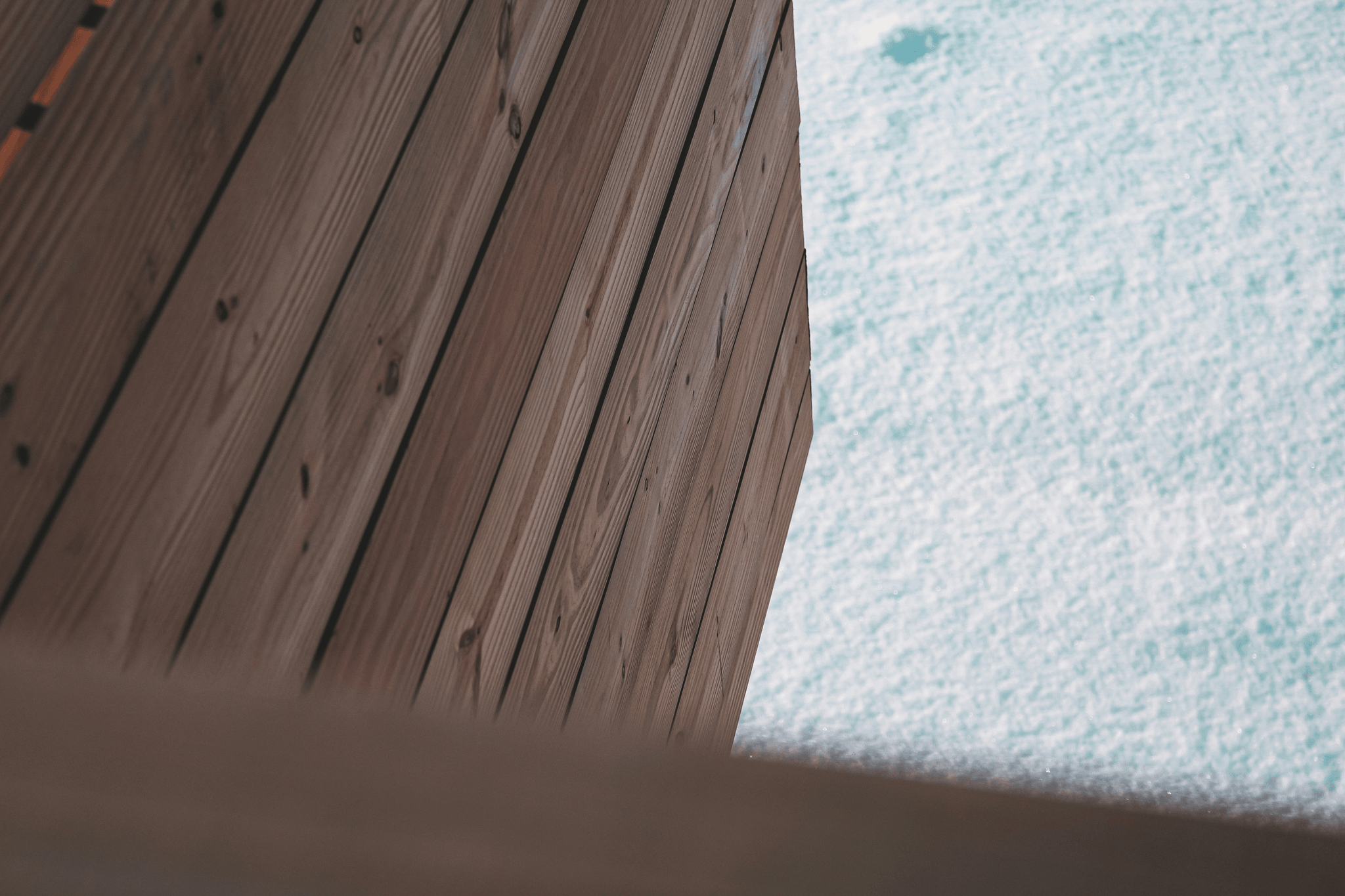
Many homeowners wonder if composite decking is slippery in winter compared to wood options, and the answer lies in understanding the differences in slip resistance, longevity, maintenance, and cost. Let's dive into these aspects to help you make an informed decision on the best decking material for your needs.
Slip Resistance of Traditional Wood Decking
Traditional wood decking has its charm but often falls short when it comes to slip resistance during winter months. The natural grain patterns in wood can provide some traction; however, they also retain moisture more easily, leading to ice formation that can make surfaces dangerously slippery. In contrast, many composite decking materials are designed with textured surfaces specifically aimed at enhancing grip—making them a safer alternative when considering whether composite decking is slippery in winter.
Homeowners have reported that while good composite decking can still become slick if not maintained properly, it generally offers better performance than untreated wood during icy conditions. Additionally, certain brands have developed advanced surface technologies that actively resist slipping even when wet or covered in snow—a significant advantage for those living in colder climates. Therefore, if safety is your primary concern during winter months, investing in the best composite decking material might be the way to go.
Longevity and Maintenance of Composite Materials
One of the most appealing aspects of choosing composite over wood is longevity; composite materials are engineered to withstand harsh weather conditions without warping or rotting like traditional wood does. This durability means less hassle for homeowners who want a deck that will last through multiple winters without requiring constant upkeep or replacement due to damage from ice and snow. Good composite decking typically comes with warranties ranging from 25 years up to lifetime coverage—something you won’t find with standard wooden decks.
Maintenance also plays a crucial role when comparing these two materials; while wooden decks require regular sealing and staining to maintain their appearance and functionality, deck composite decking usually only needs occasional cleaning with soap and water. This ease of maintenance makes it an attractive option for busy homeowners who want a beautiful outdoor space without the headache of continuous upkeep throughout the year. Ultimately, choosing quality composite materials means less time worrying about repairs and more time enjoying your deck.
Cost Analysis: Composite vs. Wood
When evaluating costs between traditional wood and good composite decking options, it's essential to consider both initial investment and long-term expenses associated with maintenance and replacement over time. While the upfront cost for top-tier composite products may be higher than some types of treated lumber initially, this expense often pays off due to reduced maintenance costs down the line—especially when considering how much longer quality composites last compared to standard woods exposed to harsh weather elements.
On average, homeowners may spend 30-50% more on high-quality composite materials than on basic treated lumber; however, factoring in potential repairs or replacements needed every few years for wood makes this difference less daunting over time. In essence, while you might pay more upfront for what’s considered one of the best decking materials available today—composite—you'll likely save money over its lifespan by avoiding costly upkeep typical with traditional wooden decks.
Best Practices for a Safe Deck
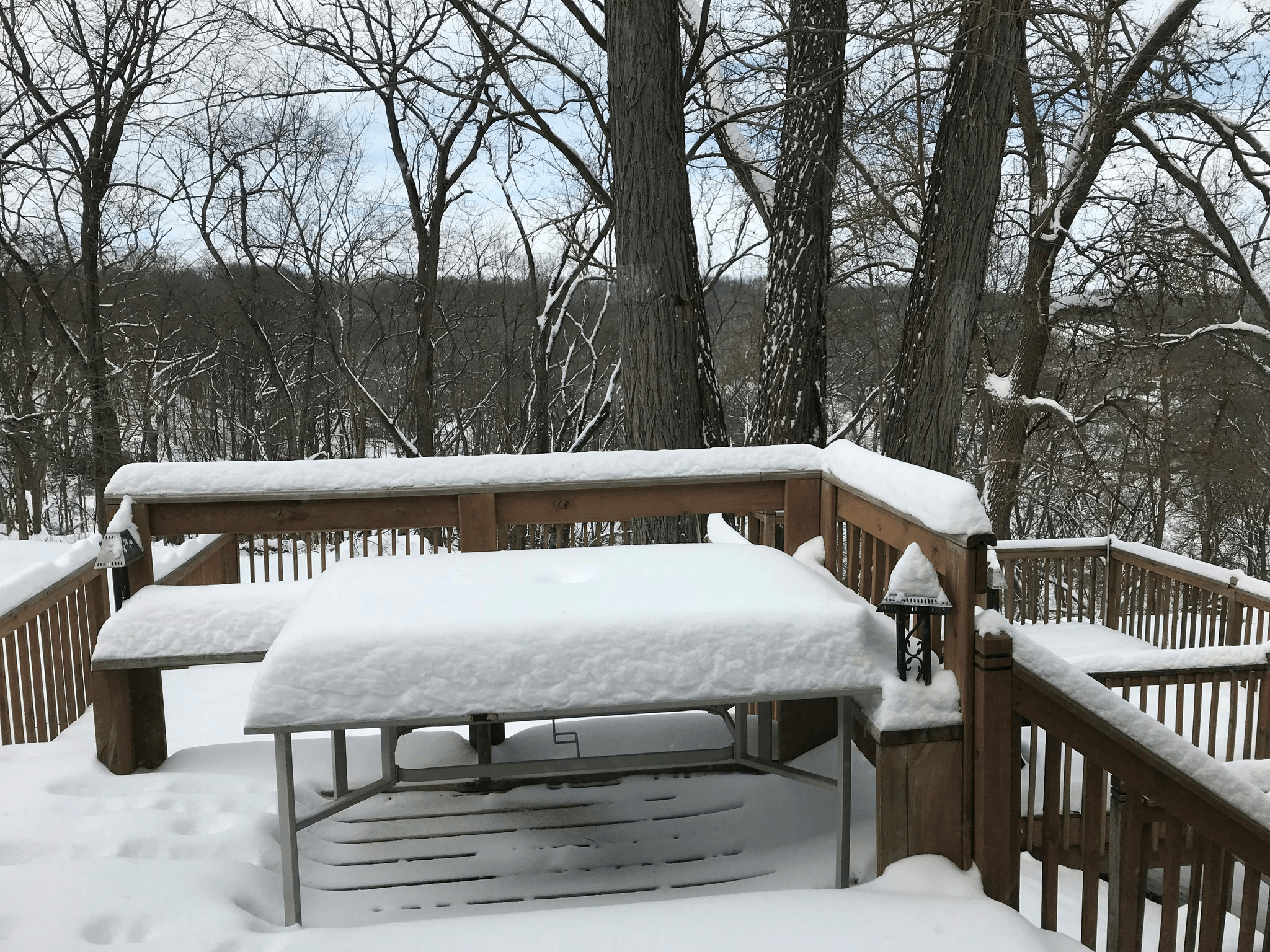
When it comes to ensuring your outdoor decking remains safe during winter, there are several best practices you can adopt. By focusing on effective de-icing solutions, selecting the right composite decking material, and implementing preventative measures, you can enjoy your deck without the worry of slips and falls. Let's dive into these strategies to keep your deck safe and functional all winter long.
Effective De-icing Solutions
One of the most pressing questions homeowners have is whether composite decking is slippery in winter. To combat this issue, using effective de-icing solutions is crucial. Products like calcium chloride or magnesium chloride are gentler on composite materials than traditional rock salt and help prevent ice from forming on your deck's surface.
In addition to chemical de-icers, consider using sand or kitty litter for added traction on icy areas. These materials provide grip without damaging the surface of good composite decking options. Regularly clearing snow with a plastic shovel can also help minimize ice formation by preventing moisture buildup.
Remember that maintenance doesn't stop after applying de-icing solutions; regular inspections will help you catch any potential issues early on. Keeping an eye out for areas where water may pool or ice may form will ensure that your outdoor decking remains safe throughout the season.
Choosing the Best Composite Decking Material
Selecting the best composite decking material is essential for safety during winter months. When evaluating options, look for products designed specifically to enhance slip resistance in cold weather conditions. Brands that prioritize texture and surface finish often provide better performance against slipperiness when temperatures drop.
While researching different types of composite decking, pay attention to customer reviews regarding their experiences with winter performance—this can offer insights into whether a specific product might be right for you. The best composite decking material not only withstands freezing temperatures but also maintains its aesthetic appeal over time.
Investing in high-quality materials will save you money in maintenance costs down the line while providing peace of mind about safety concerns related to slippery surfaces during winter months.
Preventative Measures for Homeowners
Preventative measures play a vital role in ensuring that your deck remains safe throughout winter weather conditions. One simple yet effective strategy involves regularly sweeping away leaves and debris from your outdoor decking; this helps prevent moisture accumulation that could lead to ice formation later on.
Another proactive approach includes applying a protective sealant designed specifically for composite materials before the onset of colder temperatures. This not only enhances durability but also adds an extra layer of protection against moisture penetration—making it less likely that you'll encounter issues related to whether composite decking is slippery in winter.
Lastly, educating yourself about proper care techniques will empower you as a homeowner to maintain a safe environment year-round. With diligence and attention to detail, you'll have confidence in enjoying your deck even when temperatures plummet.
Conclusion

In the grand scheme of outdoor decking, understanding the safety of composite decking is crucial, especially when winter rolls around. Many homeowners wonder, Is composite decking slippery in winter? The answer isn't straightforward, but it certainly deserves attention. By evaluating the surface texture and maintenance practices, you can make a more informed choice about your deck composite decking.
Evaluating the Safety of Composite Decking
When considering safety, it's essential to look beyond just aesthetics to determine if composite decking is slippery in winter. While some brands may offer better traction than others, factors such as weather conditions and ice formation play significant roles in overall safety. Regular maintenance and cleaning can enhance slip resistance, making good composite decking a smart choice for your outdoor space.
Making Informed Decisions for Outdoor Decking
Choosing the best composite decking material involves weighing various factors including durability, cost-effectiveness, and slip resistance during winter months. Homeowners should research real-world experiences and expert evaluations to understand how different materials perform under icy conditions. With informed decisions backed by thorough research, you can confidently select outdoor decking that meets both aesthetic desires and safety requirements.
Investing in Quality with Composite Decking Inc
If you're looking for the best decking material that combines style with functionality, investing in quality from Composite Decking Inc can pay off handsomely over time. Their innovations focus on enhancing durability while minimizing risks associated with slipperiness during winter months. By selecting high-quality composite decking materials from trusted brands like these, you ensure a safer experience without sacrificing design or comfort.