
Introduction
Homeowners frequently ponder, Do composite decks get hot? as they weigh their options for deck composite decking. Understanding how materials behave under sunlight is crucial for making informed decisions about your outdoor oasis.
The Heat Debate: Composite Decks Explained
Composite decking has surged in popularity as a low-maintenance alternative to traditional wood decks, but the question remains: do composite decks get hot? Many people assume that because composite lumber decking is made from plastic and wood fibers, it might absorb more heat than natural wood. However, the reality is more nuanced and varies based on several factors including color, texture, and environment.
Understanding Materials: What Is Composite?
Composite decking typically consists of a blend of recycled wood fibers and plastic materials designed to mimic the look of natural wood while offering enhanced durability. This unique combination allows for greater resistance to fading, splintering, and moisture damage compared to traditional trex wood deck options. With various brands like Trex leading the market in quality and innovation, understanding what goes into these products can help clarify concerns about heat absorption.
Why Heat Matters for Your Deck
Heat retention can significantly impact your comfort during those sunny afternoons spent lounging on your deck or hosting barbecues with friends and family. If you’re considering a new installation or upgrade with composite decking, knowing how heat affects your space will guide you in selecting the best decking option for your home. Ultimately, understanding these dynamics will enhance your enjoyment of outdoor living while ensuring you make an informed decision when choosing between a trex deck decking or another style altogether.
Do Composite Decks Get Hot?

When considering the heat retention of outdoor surfaces, many homeowners wonder, Do composite decks get hot? It's a common concern, especially for those who enjoy lounging on their decks during sunny days. While composite decking is often touted for its durability and low maintenance, understanding its thermal properties is essential for making an informed decision.
Common Misconceptions About Heat
One major misconception surrounding composite lumber decking is that it becomes unbearably hot under direct sunlight. People often assume that all synthetic materials will scorch your feet like a metal slide on a summer day. However, while composite decking can indeed get warm, it typically doesn't reach the extreme temperatures associated with certain other materials like dark-stained wood or metal.
In reality, different brands and types of deck composite decking can vary significantly in their ability to absorb and dissipate heat. For instance, Trex deck decking has been engineered with specific materials designed to mitigate heat absorption better than some traditional options.
Lastly, some believe that choosing lighter colors in composite decking will completely eliminate any warmth from the sun. While it's true that lighter shades tend to be cooler than darker ones, even light-colored composites can still warm up under prolonged exposure to sunlight—though not as much as their darker counterparts!
Temperature Comparisons: Wood vs. Composite
When comparing temperature levels between wood and composite decks, it's clear that both have their pros and cons when it comes to heat retention. Traditional wood decks can absorb significant amounts of heat due to their density and color variations; this can lead to scorching temperatures on hot summer days. In contrast, many types of composite lumber decking are designed specifically with this issue in mind.
For instance, studies have shown that while a dark-stained wood deck can reach temperatures exceeding 150°F (65°C), certain brands of composite decking might only hit around 130°F (54°C) or lower under similar conditions. This makes them a more comfortable option for barefoot walking or lounging during peak sunshine hours—an important factor if you’re considering the best decking material for your home.
Moreover, when looking at Trex wood deck options versus traditional wooden surfaces, you’ll find they often provide better temperature regulation thanks to advanced manufacturing techniques and material compositions tailored for outdoor use.
Real World Experiences
Real-world experiences from homeowners reveal varying opinions about how hot their composite decks become in actual use scenarios. Many users report satisfaction with how cool their Trex deck remains even during peak sun exposure—especially those who opted for lighter colors or shaded areas created by strategic landscaping choices nearby.
Conversely, some individuals have shared stories about feeling discomfort on particularly hot days despite having chosen what they believed was the best decking option available at the time. These accounts underscore the importance of understanding environmental factors like location and climate when assessing how do composite decks get hot in real life situations.
Ultimately, personal experiences combined with scientific data suggest that while no surface is entirely immune from warming up under direct sunlight, well-designed composite decking offers an attractive solution for those wanting comfort without compromising aesthetics or functionality in outdoor spaces.
Factors Affecting Heat Retention

Color and Shade Impacts
The color of your composite decking plays a crucial role in how much heat it absorbs from the sun. Darker shades tend to absorb more sunlight, leading to higher temperatures on your deck surface—an important consideration if you're pondering whether do composite decks get hot in direct sunlight. On the other hand, lighter colors reflect sunlight better and can keep your deck cooler, making them an appealing option for those who want to enjoy their trex wood deck without burning their feet.
Choosing a shade that suits both your aesthetic preferences and climate conditions is vital when selecting composite lumber decking. If you live in a particularly sunny area, opting for lighter hues could be one of the best decking choices you make for heat management. Remember that while aesthetics matter, functionality should guide your decision-making process as well.
Environment and Exposure
The environment surrounding your deck also affects how hot it gets throughout the day. Decks that are fully exposed to sunlight will naturally accumulate more heat than those shaded by trees or structures—an essential factor if you're asking yourself do composite decks get hot where you live. Additionally, factors such as wind exposure or humidity levels can either exacerbate or mitigate heat retention.
Consider planting trees or installing awnings to provide shade over your deck composite decking; this not only helps with temperature control but also enhances the overall ambiance of your outdoor space. If you're considering a trex deck decking installation, think about its placement relative to natural shade sources for optimal comfort during those sunny days.
Surface Texture Considerations
Finally, let’s talk about surface texture because it can influence how heat is retained on your composite decking too! A smooth surface may feel hotter underfoot compared to a textured one due to less air circulation around the material—definitely something worth noting when contemplating whether do composite decks get hot during peak sun hours. Textured surfaces often allow for better airflow and may provide a cooler walking experience.
When choosing between various options in composite lumber decking, consider textures designed specifically for reduced heat absorption as part of their features. This small detail could make all the difference on those sweltering summer days when you'd rather lounge than hop around trying not to scorch your soles!
The Science Behind Composite Decking

Understanding the science behind composite decking can help homeowners make informed decisions about their outdoor spaces. Composite decks are made from a blend of wood fibers and plastic, which gives them unique properties that influence heat absorption and retention. So, do composite decks get hot? The answer lies in the materials used and how they interact with sunlight.
Material Composition and Heat Absorption
Composite lumber decking is designed to mimic the look of traditional wood while offering enhanced durability. The combination of wood fibers and recycled plastics creates a product that can absorb heat differently than natural wood. While some may wonder if composite decking gets hot, it's essential to note that darker colors tend to retain more heat, making color selection an important factor when choosing your deck.
The specific material composition affects how much heat is absorbed; for instance, a trex wood deck typically features advanced formulations that reduce heat retention compared to older composites. This means homeowners can enjoy their outdoor space without worrying excessively about scorching temperatures underfoot during summer months. Ultimately, understanding these nuances helps in selecting the best decking option for your needs.
How Trex Decking Handles Sunlight
Trex uses a proprietary shell technology that not only protects against fading but also minimizes heat absorption compared to traditional composite materials. This means less discomfort for you and your guests when walking barefoot on those sunny afternoons.
In addition to its superior performance in sunlight, Trex’s color options allow consumers to choose lighter shades that reflect rather than absorb sunlight, further reducing heat levels on the surface of the deck. Therefore, if you're concerned about whether do composite decks get hot under direct sun exposure, Trex provides an excellent solution with its thoughtful engineering and aesthetic appeal. Homeowners looking for cool comfort on warm days will find this brand particularly appealing.
Thermal Conductivity Explained
Thermal conductivity is a critical factor when discussing how different materials respond to temperature changes—especially in outdoor settings like your backyard deck. Composite decking typically has lower thermal conductivity than traditional wood products; this means it doesn't transfer heat as readily from one surface layer to another or from the ground up into your feet as you walk across it.
This property makes composite lumber decking an attractive choice for those who want a comfortable outdoor experience without excessive heating issues associated with standard wooden decks or other materials like concrete or metal surfaces during peak sun hours. Understanding thermal conductivity helps clarify why many people are turning towards composite options when considering their next home improvement project—especially if they prioritize comfort alongside aesthetics in their choice of best decking solutions.
Tips to Minimize Heat on Your Deck
Strategic Placement and Landscaping
One of the most effective ways to minimize heat on your deck is through thoughtful placement and landscaping. Consider positioning your trex wood deck in a location that receives partial shade during peak sun hours; this can significantly reduce surface temperatures. Additionally, incorporating trees or tall shrubs around your composite lumber decking not only enhances aesthetics but also provides natural cooling.
Using awnings or pergolas can also help create shaded areas on your deck, making it more comfortable for lounging or entertaining. Remember that even small adjustments in layout can make a big difference in how hot your space gets during those scorching summer days. By planning strategically, you’ll find that enjoying your composite decking becomes a breeze!
Choosing the Right Composite Lumber
Not all composite decking materials are created equal when it comes to heat retention; some brands perform better than others. When selecting your decking, look for options specifically designed with heat resistance in mind—these often feature advanced technology aimed at reducing temperature absorption. For example, Trex deck decking offers various colors and finishes that reflect sunlight more effectively than traditional dark composites.
Additionally, lighter-colored composite lumber decking tends to absorb less heat compared to darker shades; so if you're concerned about how hot your deck might get, opt for lighter hues when possible. This simple choice can make a noticeable difference in keeping temperatures down as you enjoy outdoor activities on your best decking option!
Maintenance and Protective Solutions
Regular maintenance of your composite deck is essential not only for its longevity but also for minimizing heat retention over time. Keeping the surface clean from debris and dirt helps maintain its reflective properties—dirt can trap heat and make surfaces feel hotter than they actually are! Use a gentle cleaner specifically formulated for composite materials and avoid harsh chemicals that could damage the finish.
Consider applying protective coatings designed to enhance UV resistance as part of routine upkeep; these products can help further reduce heating effects from direct sunlight exposure on your trex wood deck or other types of composite decking materials. With proper maintenance practices in place, you’ll be able to enjoy a cooler outdoor space while maximizing the life of your investment.
Choosing the Best Decking for Your Home
Comparing Composite Decking Options
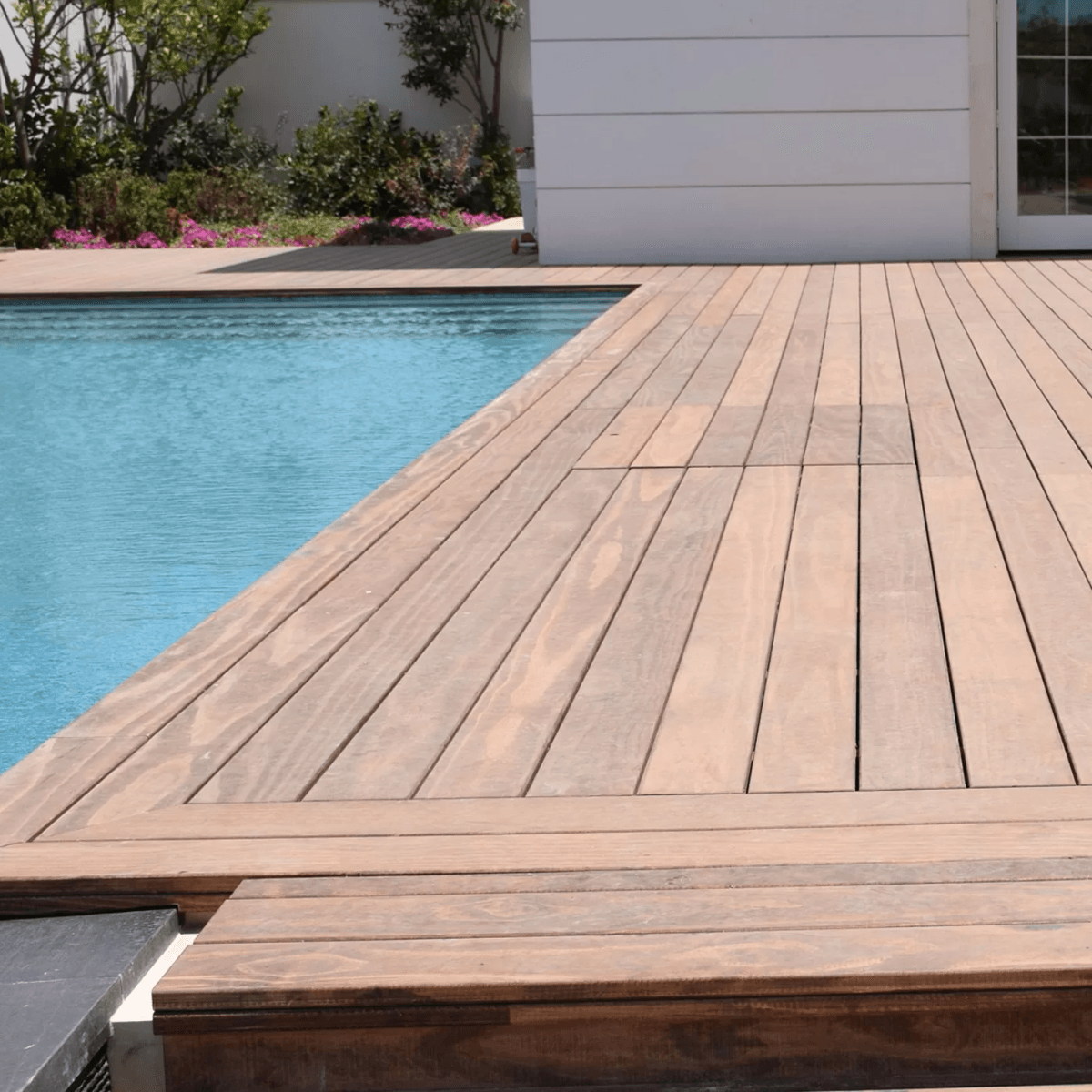
The market is brimming with composite lumber decking choices, each boasting unique features and benefits. Brands like Trex and TimberTech offer a range of colors, textures, and price points to fit any homeowner’s needs. When comparing these deck composite decking options, consider factors like heat retention—yes, do composite decks get hot?—as well as maintenance requirements and longevity.
Different brands use varying materials in their composite formulations, which can impact everything from heat absorption to fade resistance. For example, some composites incorporate recycled materials or additives designed to enhance performance under sunlight exposure. By weighing these factors carefully, you’ll find the right fit for your outdoor space.
Benefits of Composite Over Wood
Choosing composite over traditional wood offers numerous advantages that go beyond aesthetics; let’s talk about why this choice might be the best decking option for you! First off, composite decking is renowned for its resistance to rot and insects—two foes that plague wood decks relentlessly. Plus, you won’t have to worry about splinters or extensive maintenance; just a simple wash now and then keeps your deck looking fresh.
Another significant benefit is heat retention; while no material is immune from getting warm under direct sunlight (do composite decks get hot?), many composites are engineered with this in mind. The lower thermal conductivity of some composites means they stay cooler than traditional wood surfaces on sunny days—perfect for bare feet!
Lastly, choosing composite lumber means investing in sustainability; many brands utilize recycled materials in their products while still delivering exceptional quality and performance compared to wood alternatives.
Features of Top Brands Like Trex
Trex stands out as one of the leading names in the world of composite decking due to its innovative technology and commitment to quality. Their Trex deck offerings include advanced fade-and-stain-resistant materials that keep your deck looking vibrant year after year without excessive upkeep—a huge plus if you’re tired of sanding or staining every season!
In addition to aesthetics and durability, Trex has made strides in addressing common concerns like heat retention (yes again: do composite decks get hot?). With their proprietary shell technology designed specifically for sun exposure, many users report that Trex decks remain cooler than traditional wood counterparts during peak summer months.
Finally, one feature that sets Trex apart is their extensive range of colors and textures available in their product lines—allowing homeowners not only function but also style when creating their ideal outdoor oasis! From rich browns reminiscent of classic hardwoods to modern grays mimicking weathered planks, there’s something for everyone who seeks an attractive yet practical solution with their deck.
Conclusion
In conclusion, the debate surrounding whether composite decks get hot is nuanced and multifaceted. Understanding how composite decking materials interact with sunlight can help homeowners make informed decisions about their outdoor spaces. By grasping key factors that affect heat retention, you can enjoy your deck without the worry of scorching temperatures.
Key Takeaways on Composite Heat Levels
When it comes to heat levels, do composite decks get hot? The answer isn't straightforward; while composite lumber decking can absorb heat more than traditional wood, various factors influence this. For instance, color, shade, and exposure to sunlight play significant roles in determining just how warm your deck will feel on a sunny day.
Best Practices for Enjoying Your Deck
To ensure you maximize comfort on your deck, consider strategic placement and landscaping around your outdoor space. Choosing lighter shades of composite decking can significantly reduce heat absorption compared to darker options. Additionally, regular maintenance and protective solutions will keep your Trex wood deck looking great while also helping to mitigate heat issues.
Why Composite Decking Is Worth It
Ultimately, investing in composite decking offers numerous benefits that far outweigh concerns about temperature. Not only does it provide durability and low maintenance compared to traditional wood options, but top brands like Trex also offer innovative designs that enhance any home’s aesthetic appeal. So when weighing the options for the best decking for your home, remember that a little knowledge about heat levels can go a long way in ensuring a pleasant outdoor experience.