
Introduction

With a myriad of choices available, homeowners often find themselves torn between traditional wood decking and the modern allure of synthetic wood decking. Understanding the value of outdoor decking can help you make an informed decision that fits your lifestyle and aesthetic preferences.
Discovering the Best Decking Options
The quest for the best decking begins with understanding what materials are out there and how they can transform your outdoor oasis. From classic wooden planks to innovative composite wood decking boards, each option has its unique charm and functionality. Whether you lean towards natural beauty or prefer low-maintenance solutions, knowing your choices will guide you in selecting the perfect decking material.
Why Choose Composite or Wood Decking?
Choosing between composite and wood decking boils down to personal preference, maintenance requirements, and durability concerns. Composite wood offers a blend of recycled materials that mimic the look of real wood while providing superior weather resistance—ideal for those who want beauty without the hassle. On the other hand, traditional wood brings timeless appeal but requires more upkeep; understanding these factors will help you decide which route to take.
The Value of Outdoor Decking
Investing in quality outdoor decking not only enhances your home's curb appeal but also adds valuable living space for relaxation and entertainment. A well-designed patio can serve as an extension of your home, creating a seamless transition from indoor comfort to outdoor enjoyment. By selecting durable materials like composite wood or carefully sourced timber, you're ensuring that this investment stands the test of time while providing endless enjoyment for years to come.
The Basics of Composite Decking
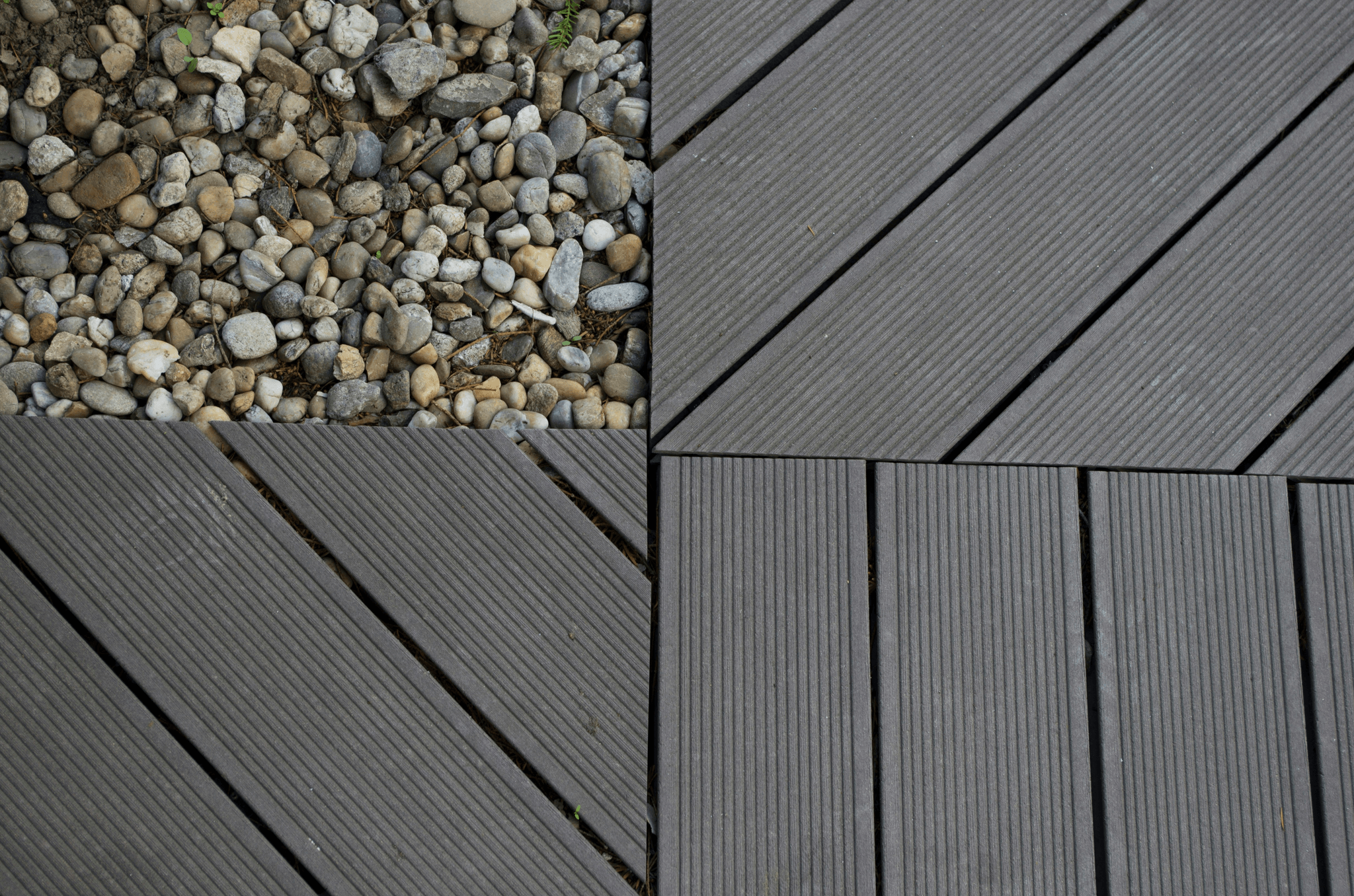
This innovative material combines the best aspects of wood and plastic, resulting in composite wood decking boards that offer durability without sacrificing aesthetics. With its growing popularity, understanding the fundamentals of composite wood is essential for making an informed decision about your decking material.
What is Synthetic Wood Decking?
Synthetic wood decking refers to a type of decking material made from a blend of recycled plastics and wood fibers, creating a product that mimics the appearance of natural wood but with enhanced performance characteristics. Unlike traditional wooden planks, these composite materials are engineered to resist fading, splintering, and warping over time. This makes synthetic wood an ideal solution for those who want the look of patio decking without the hassle of constant maintenance.
The Benefits of Composite Materials
One major benefit of composite materials is their impressive longevity; they can last significantly longer than traditional wood options when properly cared for. Additionally, composite wood offers superior resistance to moisture and insects, which means fewer worries about rot or pest damage over time. Furthermore, many brands offer eco-friendly options in their best decking lines, ensuring your outdoor space can be both beautiful and sustainable.
Popular Brands like Composite Decking Inc
Known for their high-quality synthetic wood decking products, they provide a range of styles and colors that cater to every homeowner's taste and budget. Other notable brands also offer competitive options in PVC decking and other composite materials that promise durability while enhancing your outdoor aesthetic.
Traditional Wood Decking: The Classic Choice
Types of Wood Used in Patio Decking
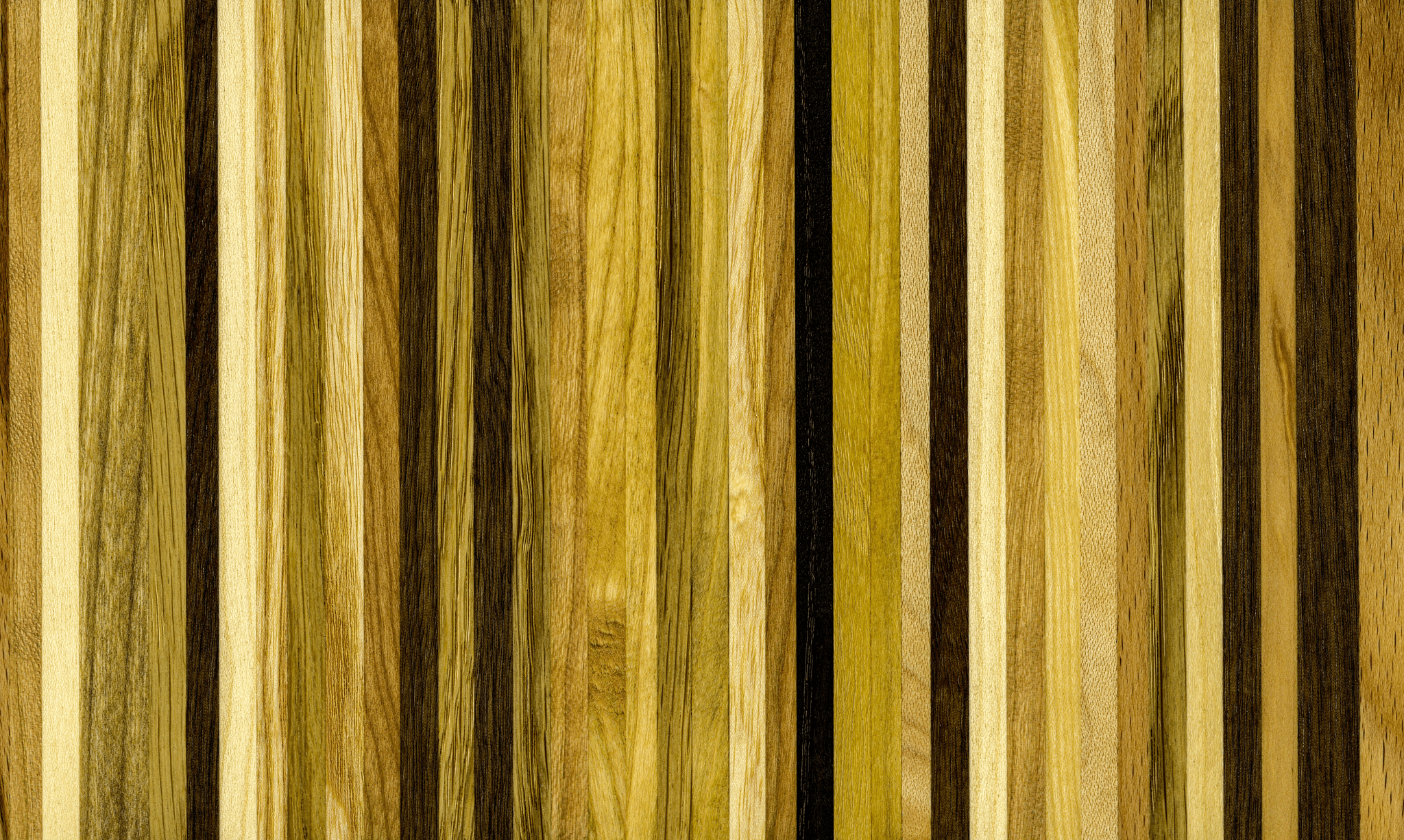
There are several types of wood commonly used in patio decking, each offering unique characteristics and aesthetics. Pressure-treated pine is a popular choice due to its affordability and resistance to decay, making it ideal for budget-conscious homeowners. On the other hand, hardwoods like cedar and redwood are prized for their durability and rich colors, often standing out as the best decking option for those seeking both beauty and longevity.
Another noteworthy option is tropical hardwoods such as ipe or mahogany, which boast exceptional strength and resistance to weathering. These exotic woods can elevate any outdoor space but come with a higher price tag. Regardless of the type chosen, selecting quality wood is essential for achieving a stunning patio deck that lasts.
Advantages of Natural Wood
Natural wood offers several advantages that keep it at the forefront of decking material choices. First and foremost, its aesthetic appeal cannot be overstated; the grain patterns and rich colors add character that synthetic alternatives often struggle to replicate. Additionally, natural wood provides a warm underfoot feel that's perfect for barefoot strolls on sunny days.
Moreover, many people appreciate the environmental benefits associated with responsibly sourced timber—especially when opting for sustainable forestry practices. Unlike PVC decking or composite materials that may involve complex manufacturing processes, natural wood can be more eco-friendly if sourced from reputable suppliers committed to sustainability. This not only enhances your outdoor experience but also contributes positively to our planet's health.
Maintenance Requirements for Wood Decks
While traditional wood decks have undeniable charm, they do come with maintenance requirements that potential owners should consider carefully. Regular cleaning is essential to prevent mold growth and dirt accumulation; this typically involves sweeping debris away followed by periodic washing with soap and water or specialized deck cleaners designed for wooden surfaces.
Sealing or staining your wooden deck every few years can help maintain its appearance while protecting it from moisture damage or UV fading—something synthetic wood decking might not require as frequently due to their inherent durability features. However, neglecting maintenance could lead to splintering or warping over time; thus investing time into upkeep ensures your patio remains beautiful year after year.
Comparing Durability: Composite vs Wood
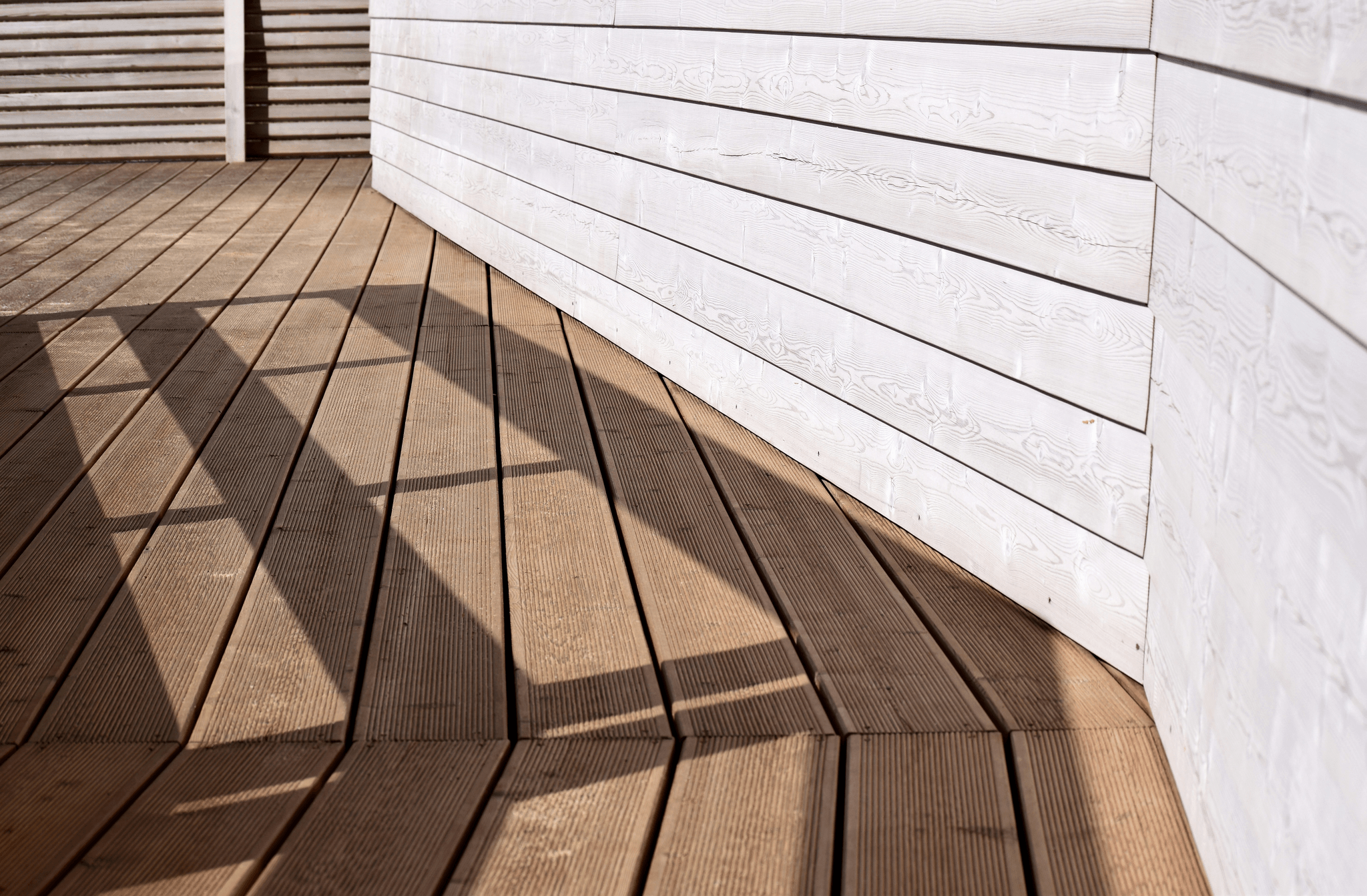
Both composite and traditional wood decking have their strengths, but they offer different benefits in terms of longevity and resilience. Understanding how these materials stack up against each other can help you make an informed decision for your patio decking.
Longevity of Composite Wood Decking Boards
Composite wood decking boards are designed to withstand the test of time, often lasting 25 years or more with minimal maintenance. Unlike traditional wood, which is susceptible to rotting and insect damage, synthetic wood decking is engineered to resist these common issues. This longevity makes composite materials a smart investment for homeowners looking for durable outdoor decking solutions.
Weather Resistance in Outdoor Decking
Weather can be a deck's worst enemy, but composite wood has superior weather resistance compared to natural wood. While traditional wood can warp, crack, or fade under harsh sun or heavy rain, synthetic wood decking maintains its integrity and color over time. This means that no matter where you live—whether it's sunny California or rainy Oregon—composite materials will stand strong against the elements.
Handling Wear and Tear: Wood vs Composite
Traditional patio decking often requires frequent refinishing and repairs due to scratches and dents from everyday use; however, composite wood is much more resilient in this regard. With its tough exterior that resists fading and staining, composite decking allows you to enjoy your outdoor space without worrying about constant upkeep.
Aesthetics and Design Flexibility

Composite wood offers a modern twist on traditional patio decking, providing a sleek and sophisticated look that can elevate any backyard. With its ability to mimic the appearance of natural wood while maintaining durability, synthetic wood decking has become a popular choice for homeowners looking to combine beauty with practicality.
Visual Appeal of Composite Wood
The visual appeal of composite wood is one of its standout features. Available in an array of colors and finishes, composite wood decking boards can seamlessly fit into various design themes, whether you're going for a rustic vibe or a contemporary flair. Unlike traditional wood that may fade or warp over time, synthetic wood maintains its vibrant colors and textures, ensuring your outdoor decking looks fresh year after year.
Customization Options Available
Customization options for composite materials are nearly limitless, allowing homeowners to create their dream outdoor spaces without compromise. From different board widths and lengths to unique railing systems and lighting features, the possibilities are endless when it comes to designing your patio decking. Whether you want a simple layout or an elaborate multi-level deck with built-in seating areas, composite wood provides the flexibility needed to bring any vision to life.
Finding the Best Decking for Your Home
Finding the best decking material involves balancing aesthetics with functionality; that's where composite wood truly shines. Homeowners should consider factors like color schemes, surrounding landscape elements, and personal style preferences when selecting their outdoor decking options. By opting for synthetic wood decking from reputable brands like Composite Decking Inc., you can ensure that your deck not only looks stunning but also stands up against the elements while providing long-lasting enjoyment.
Environmental Impact: Sustainability Factors

The choice between synthetic wood decking and traditional wood can significantly impact the environment, as each option carries its own set of ecological implications. Understanding these factors can help you make a more informed decision when selecting the best decking for your outdoor space.
Eco-Friendly Aspects of Composite Wood
Composite wood decking boards are often hailed as a more eco-friendly alternative to traditional lumber. Made from a blend of recycled materials and plastics, these boards reduce waste by repurposing items that would otherwise end up in landfills. Additionally, many composite wood products are designed to be long-lasting, which means fewer resources are consumed over time for replacements or repairs.
Moreover, the production process for synthetic wood decking typically uses less energy compared to harvesting and processing natural timber. This not only lowers carbon footprints but also helps preserve forests and biodiversity. By choosing composite materials for your patio decking, you're contributing to a more sustainable future while still enjoying the aesthetic appeal of natural wood.
Sustainability of Traditional Wood Sources
While traditional wood has its charm and appeal, its sustainability largely depends on sourcing practices. Many types of lumber come from forests that are being rapidly depleted without proper reforestation efforts in place. However, some companies prioritize sustainable forestry management by using certified woods that ensure trees are replanted after harvest.
It's crucial to research where your chosen lumber originates if you opt for natural wood decking material. Look for certifications like FSC (Forest Stewardship Council) or PEFC (Programme for the Endorsement of Forest Certification), which indicate responsible sourcing practices. By making informed choices about your patio decking material, you can help promote sustainable forestry while still enjoying the warmth and beauty of natural wood.
Choosing Green Decking Materials
Selecting green decking materials is about finding options that minimize environmental impact while maximizing durability and aesthetics. Composite wood offers an excellent balance between sustainability and performance; it’s resistant to rot and insects without requiring toxic treatments often used with natural woods. PVC decking is another alternative gaining popularity due to its longevity and minimal maintenance needs.
To ensure you're making an eco-conscious choice when shopping for outdoor decking, consider looking into brands committed to sustainability practices—those utilizing recycled content or offering take-back programs can add extra points in favor of green living! Ultimately, whether you choose composite or traditional options, being mindful about your selection will lead you toward a more environmentally friendly deck solution.
Conclusion
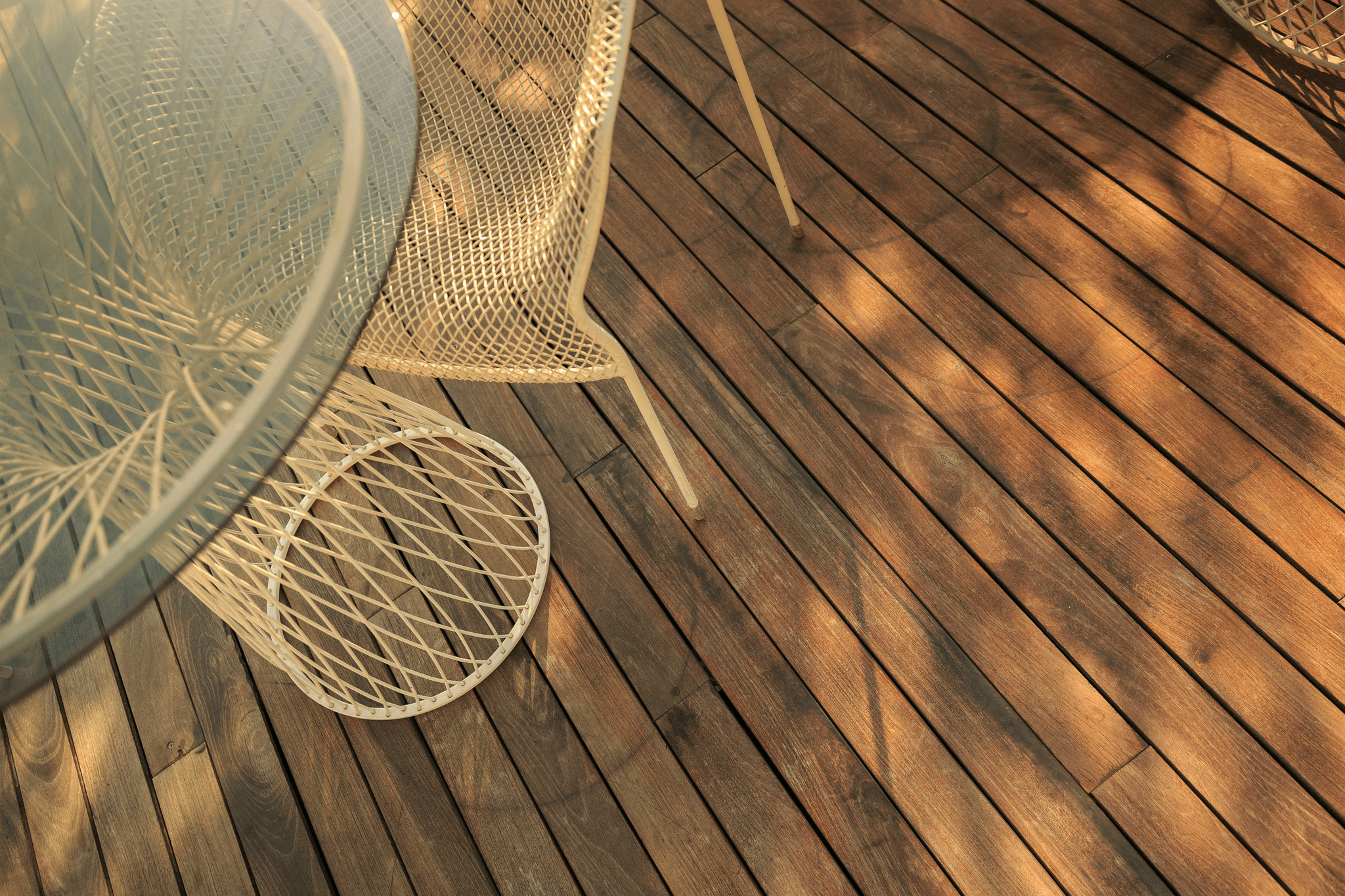
In the world of outdoor living, choosing the right decking material can make or break your patio experience. With options like synthetic wood decking and traditional wood, it's essential to weigh the pros and cons of each. Ultimately, your choice should reflect not only your aesthetic preferences but also durability and maintenance considerations.
Key Takeaways for Decking Material Choices
When contemplating the best decking for your home, remember that composite wood decking boards offer a blend of beauty and functionality. They require less maintenance than traditional wood while providing excellent weather resistance, making them ideal for outdoor decking. On the other hand, natural wood brings a classic charm but demands regular upkeep to maintain its appearance and longevity.
Making Informed Decisions for Your Deck
Before settling on a decking material, consider how you plan to use your patio space. If hosting barbecues or family gatherings is in your future, durable options like PVC decking might be more suitable due to their resistance to wear and tear. Conversely, if you prefer the warm look of natural materials, ensure you're ready for the maintenance that comes with traditional wood.
Embracing Quality with Composite Decking Inc
For those leaning towards synthetic materials, Composite Decking Inc stands out as a reliable choice in the market. Their range of composite wood products not only enhances visual appeal but also supports environmental sustainability by using recycled materials. By selecting high-quality brands like this one, you can enjoy beautiful outdoor spaces without compromising on durability or eco-friendliness.