
Introduction
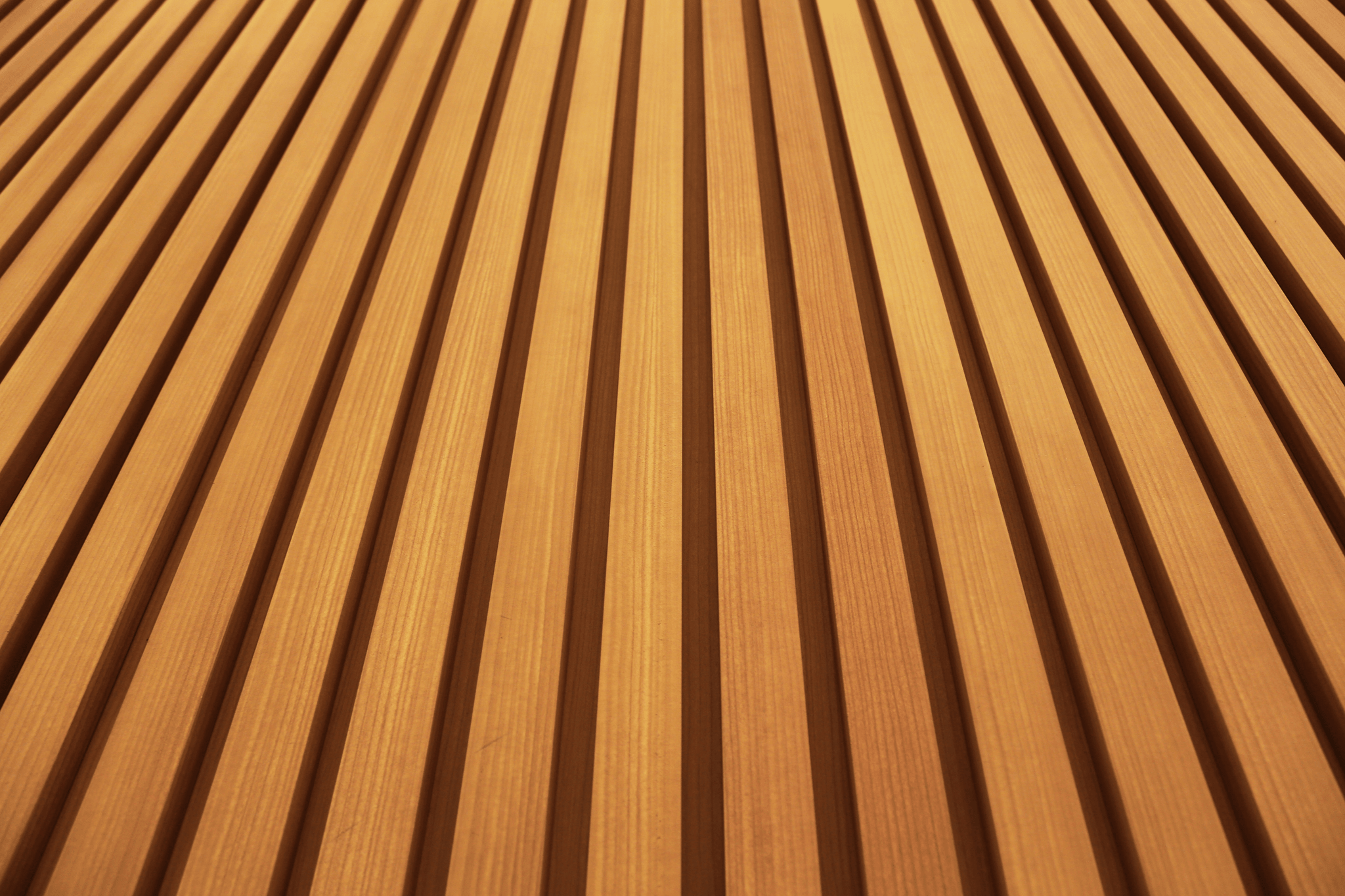
Decking boards serve not only as a foundation for your deck but also contribute significantly to its overall aesthetic and functionality. Among the various features that enhance these boards, grooves play a pivotal role in both performance and appearance.
Understanding Decking Board Design
Decking boards are engineered with various designs to meet specific needs in deck construction, from durability to aesthetics. The incorporation of grooves into decking timber allows for improved drainage and traction, making them an attractive choice for homeowners looking to maximize their outdoor experience. By grasping the fundamentals of decking board design, you can make informed choices that enhance both functionality and visual appeal.
The Functionality Behind Grooves
So why do decking boards have grooves? These channels are strategically placed to facilitate water drainage, preventing moisture buildup that can lead to mold or rot in your decking timber. Additionally, the grooves improve traction underfoot, ensuring safety when laying decking boards in wet conditions or high-traffic areas.
The Aesthetic Appeal of Grooved Boards
Beyond their practical benefits, grooved boards offer a unique visual charm that complements various styles of timber and decking projects. The interplay of light and shadow created by the grooves adds depth and character to your outdoor space. With numerous customization options available, you can achieve a look that reflects your personal style while still enjoying all the advantages that grooved decking provides.
What are Grooves in Decking Boards
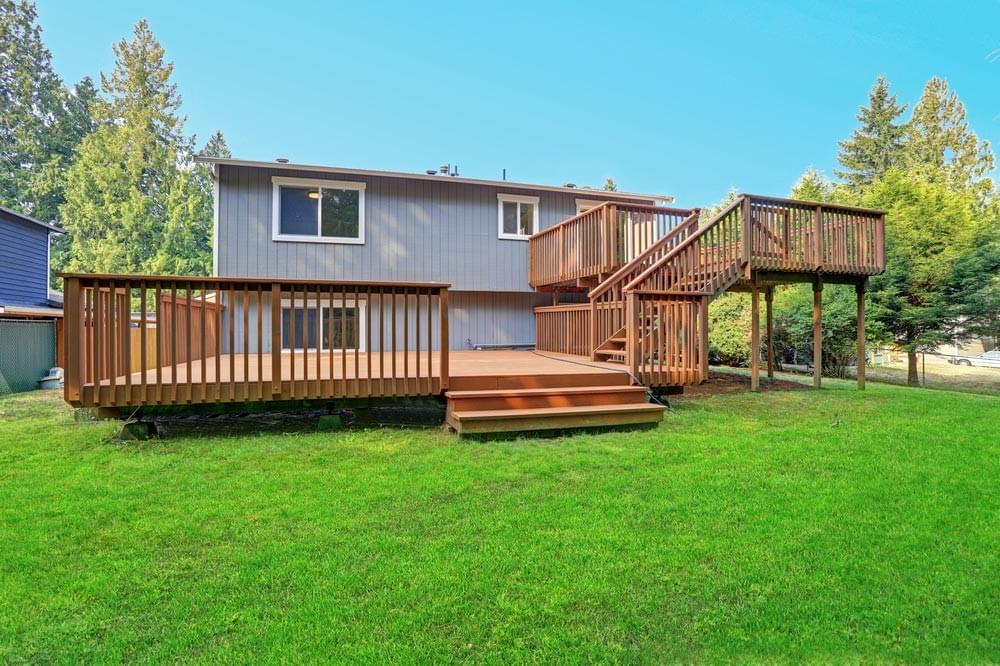
Definition of Decking Grooves
Decking grooves are specifically designed channels or indentations found on the surface of many decking boards. They can vary in depth and width, depending on the manufacturer and intended use, but their primary role is to facilitate drainage and improve traction. By allowing water to flow away from the surface, these grooves help prevent pooling and reduce slip hazards—so now you know why do decking boards have grooves!
Types of Grooved Decking Boards
There are several types of grooved decking boards available on the market today, each tailored for different styles and functionalities. Some popular options include composite grooved boards made from recycled materials, which offer durability without sacrificing aesthetics. Additionally, traditional timber and decking options like pressure-treated wood often come with grooves designed for easy installation—ensuring that your deck construction is as efficient as possible.
Benefits of Grooved Versus Smooth Boards
Choosing between grooved and smooth boards can significantly impact your deck's performance and appearance. Grooved boards offer superior drainage capabilities compared to their smooth counterparts, meaning less time spent worrying about water damage or mold growth on your beautiful new deck! Furthermore, when laying decking boards with grooves, you'll find that installation is typically easier due to compatibility with hidden fastening systems—making it a win-win for both DIY enthusiasts and professional builders alike.
Why Do Decking Boards Have Grooves

Decking boards are designed with grooves for several practical and aesthetic reasons, making them a popular choice in deck construction. Understanding why decking boards have grooves can enhance your overall experience with timber and decking, whether you’re a DIY enthusiast or a professional builder. Let’s dive into the key benefits of these grooves and how they contribute to the functionality of decking timber.
Enhancing Drainage and Water Management
One of the primary reasons why decking boards have grooves is to improve drainage and water management on your deck. Grooves allow rainwater to flow freely off the surface, preventing pooling that can lead to mold and mildew growth, which is not only unsightly but can also damage your decking timber over time. By incorporating grooves into your design, you create a more durable outdoor space that stands up against the elements.
Moreover, effective drainage means less maintenance for homeowners who want to enjoy their decks without constant upkeep. The groove system helps channel water away from the deck surface efficiently, making it an essential feature in regions prone to heavy rainfall or snowmelt. In short, grooved decking boards are an intelligent choice for anyone looking to enhance water management in their outdoor spaces.
Improving Traction for Safety
The presence of grooves significantly improves traction underfoot, reducing the risk of slips and falls—an essential consideration for families with children or elderly members. This traction enhancement makes grooved boards a favorite among homeowners who prioritize safety alongside aesthetics.
In addition to providing better grip during rainy weather, grooved surfaces can also help maintain stability when moving furniture or walking on your deck barefoot—no one likes stubbing their toes! With this added layer of security provided by grooves in decking boards, you can relax knowing that your outdoor oasis is safe for everyone who uses it.
Facilitating Deck Construction and Installation
When it comes to deck construction, efficiency is key—and grooved decking boards play a vital role here as well! Their design allows for easier alignment during installation since they interlock seamlessly with fasteners specifically designed for grooved surfaces. This means less time spent fiddling around with tools and more time enjoying your beautiful new deck.
Furthermore, using grooved boards often reduces the number of visible screws needed on the surface of the decking timber—resulting in a cleaner look that enhances visual appeal while maintaining structural integrity. For both DIYers and professionals alike, understanding why do decking boards have grooves simplifies laying down those planks while ensuring maximum durability over time.
The Role of Grooves in Decking Timber
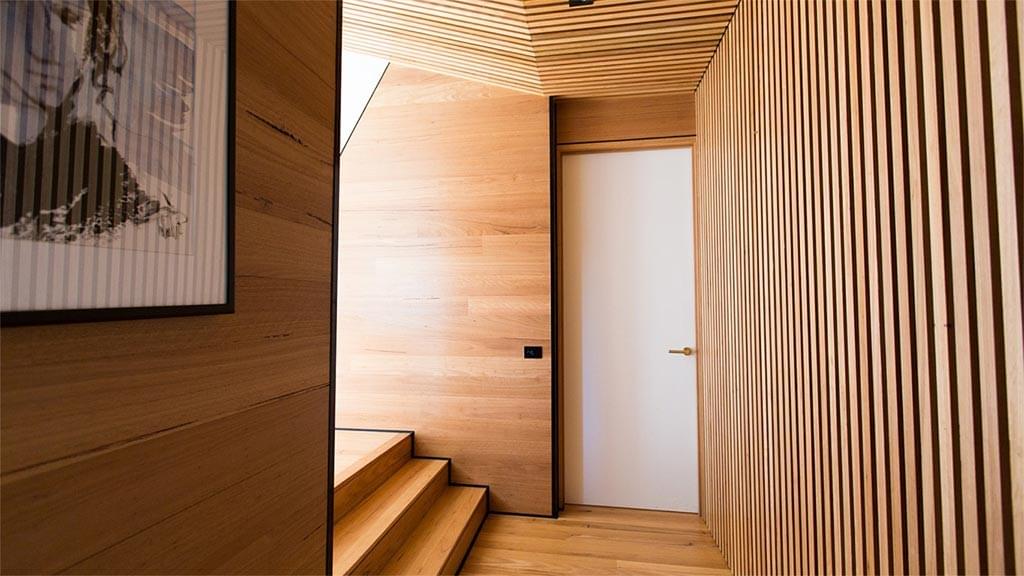
When discussing the role of grooves in decking timber, it's essential to understand how these features contribute not only to aesthetics but also to functionality. Grooves are not just there for show; they play a pivotal role in maintaining the structural integrity of decking boards. Their design helps distribute weight and stress evenly, which is crucial during deck construction, ensuring that your outdoor space remains safe and durable.
Grooves and Structural Integrity
One of the primary reasons why decking boards have grooves is to enhance their structural integrity. These grooves allow for better load distribution across the surface, which minimizes warping or bending over time. By incorporating grooves into decking timber, manufacturers create boards that can withstand heavy foot traffic and varying weather conditions without compromising safety.
Moreover, grooved boards often interlock more securely than smooth ones during installation, providing an additional layer of stability. This interlocking mechanism is particularly beneficial when laying decking boards in areas prone to movement or shifting soil. Ultimately, by understanding how grooves contribute to structural integrity, homeowners can make informed decisions about their decking choices.
Compatibility with Different Decking Materials
Another significant aspect of grooved decking is its compatibility with various materials used in timber and decking applications. Whether you're working with traditional wood or modern composite options, grooves can enhance performance across the board (pun intended!). For instance, composite materials often feature pre-cut grooves designed specifically for seamless integration with fasteners or clips.
This compatibility simplifies deck construction processes and ensures that regardless of your choice—be it treated lumber or a synthetic alternative—your project will benefit from the advantages that grooves provide. When laying decking boards made from different materials, understanding how these grooves interact can lead to smoother installations and longer-lasting results.
Impact on Longevity of Decking
The impact of grooves on the longevity of decking cannot be overstated; they serve as a critical factor in ensuring your investment stands the test of time. By promoting effective drainage through their design, grooved boards help prevent moisture accumulation that can lead to rot or mold growth—a common issue with smooth-surfaced options. This drainage capability is particularly vital for those living in regions with heavy rainfall or humidity.
Additionally, grooved decks are easier to maintain since debris tends to wash away more easily compared to flat surfaces where grime might accumulate stubbornly over time. Homeowners who prioritize longevity should consider these benefits when selecting their materials; after all, no one wants a deck that looks great today but crumbles tomorrow!
In conclusion, understanding why do decking boards have grooves allows you to appreciate their multifaceted role in enhancing both performance and aesthetics while laying your dream deck.
Laying Decking Boards: The Groove Advantage
Efficient Installation Techniques
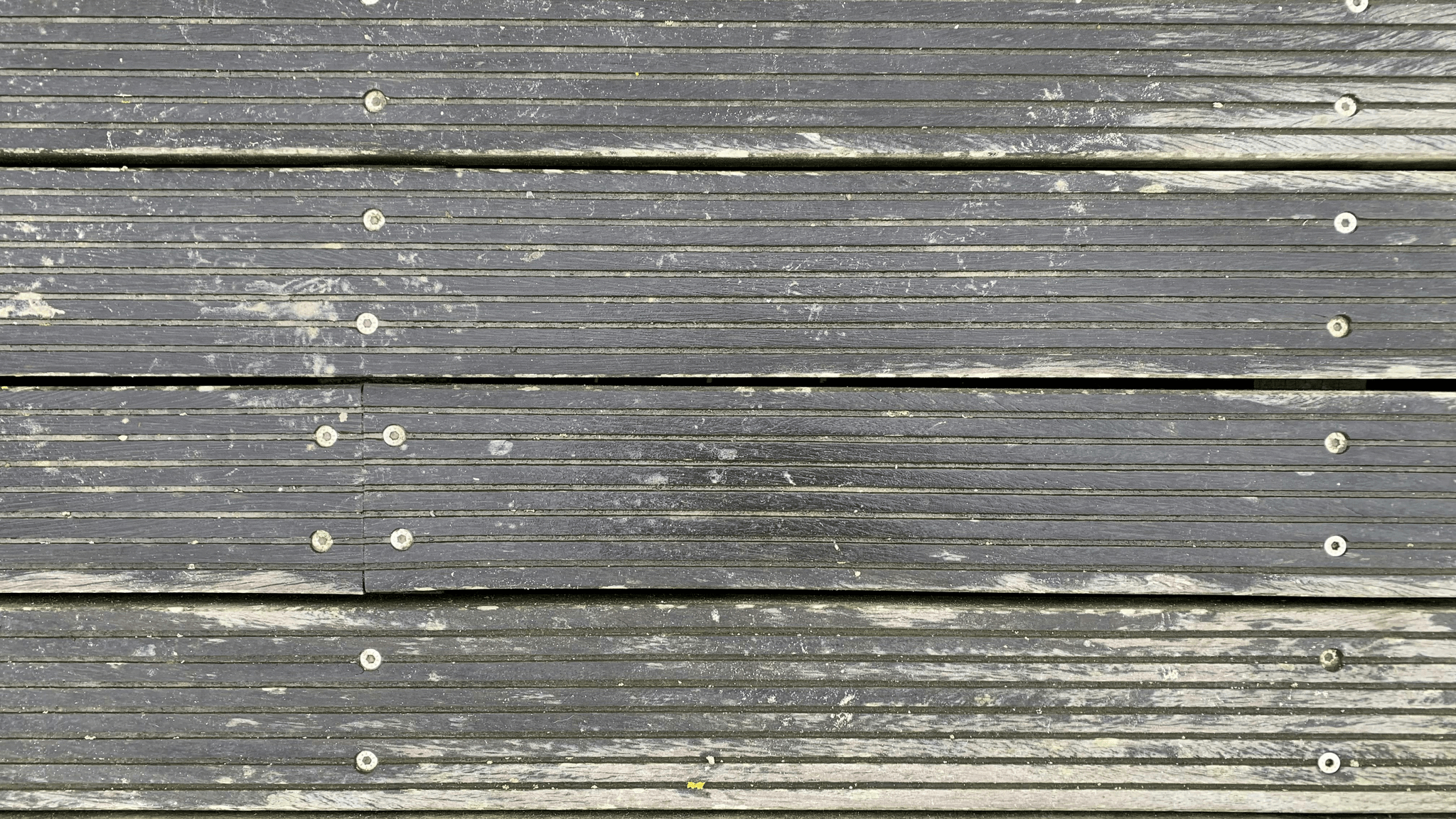
One of the primary reasons why do decking boards have grooves is to facilitate easier installation techniques. The grooves allow for better alignment and secure fastening, reducing the chances of misalignment during deck construction. Additionally, using hidden fasteners designed for grooved boards can speed up the process while ensuring a clean finish that enhances the visual appeal of your timber and decking.
To maximize efficiency when laying decking boards, consider pre-drilling holes in your grooved boards before installation. This not only saves time but also minimizes splitting in softer woods or composite materials. Moreover, working with a partner can help you manage larger boards more easily and ensure they are laid straight and true.
Aligning Boards for Maximum Durability
Proper alignment of your grooved decking boards is crucial for maximizing durability over time. When you understand why do decking boards have grooves, it becomes clear that these features help maintain consistent spacing between each board, allowing for expansion and contraction without damage. Ensuring that each board aligns perfectly will prevent warping or buckling down the line.
Using spacers during installation can help achieve uniform gaps between your grooved boards. This small step can make a big difference in preventing moisture buildup, which is essential for maintaining the integrity of your decking timber long-term. Remember that proper alignment isn’t just about aesthetics; it’s about creating a solid foundation that will withstand years of use.
Tools and Tips for Working with Grooves
To effectively work with grooved decking boards, having the right tools at hand is essential. A circular saw or miter saw equipped with fine-toothed blades will provide clean cuts without damaging those valuable grooves in your decking timber. Additionally, investing in hidden fasteners specifically designed for grooved decks will ensure a seamless look while enhancing stability during deck construction.
When laying decking boards with grooves, always keep some basic tips in mind: measure twice before cutting to avoid waste and keep an eye on weather conditions that may affect wood expansion or contraction after installation. Furthermore, don’t forget to regularly check your tools; sharp blades make all the difference when cutting through tough materials!
Aesthetic Considerations in Grooved Decking

When it comes to decking timber, the aesthetic appeal of grooved boards cannot be understated. Homeowners and designers alike are increasingly drawn to grooved decking for its ability to complement various outdoor styles, from rustic to modern. The interplay of light and shadow created by the grooves adds depth and character, making any deck a focal point in outdoor spaces.
Design Trends in Timber and Decking
In recent years, design trends have shifted towards more natural looks that highlight the beauty of timber and decking materials. Grooved boards fit seamlessly into this trend by providing texture that enhances visual interest while also serving functional purposes. Whether you're opting for traditional hardwood or innovative composite materials, grooved designs are at the forefront of contemporary deck construction.
As homeowners seek unique ways to enhance their outdoor living areas, grooves are becoming a popular feature that aligns with sustainable design principles. Many manufacturers now offer eco-friendly options that incorporate grooves without compromising on style or durability. This combination of aesthetics and sustainability is appealing for those looking to invest in long-lasting decking solutions.
Visual Appeal of Grooved Boards
The visual appeal of grooved boards lies not only in their texture but also in how they interact with their surroundings. The lines created by grooves can visually elongate a space or guide the eye toward beautiful landscaping features or seating areas on your deck. This strategic use of design makes laying decking boards an art form as much as it is a construction task.
Additionally, grooved decks can reflect personal style through color choices and finishes that enhance the natural grain of the timber or composite material used. This versatility allows homeowners to create a cohesive look between their indoor and outdoor spaces, blurring the lines between nature and architecture. It's no wonder many people are asking why do decking boards have grooves; they simply elevate both function and fashion.
Customization Options for Grooved Decks
Customization options for grooved decks are virtually endless, allowing homeowners to tailor their outdoor spaces according to individual tastes and needs. From varied groove widths to different patterns, there’s plenty of room for creativity when selecting your decking timber. Some manufacturers even offer personalized engraving options within the grooves themselves—an excellent way to add a unique touch!
Moreover, you can choose from an array of colors and finishes that complement your home’s exterior while enhancing the natural beauty inherent in timber and decking materials. These customizations ensure that your deck stands out while still fitting harmoniously into its environment—making it not just an extension of your home but an expression of who you are as well!
With so many aesthetic considerations at play when choosing grooved decking, it's clear why this option is gaining popularity among homeowners looking for both functionality and style in their outdoor living areas.
Conclusion
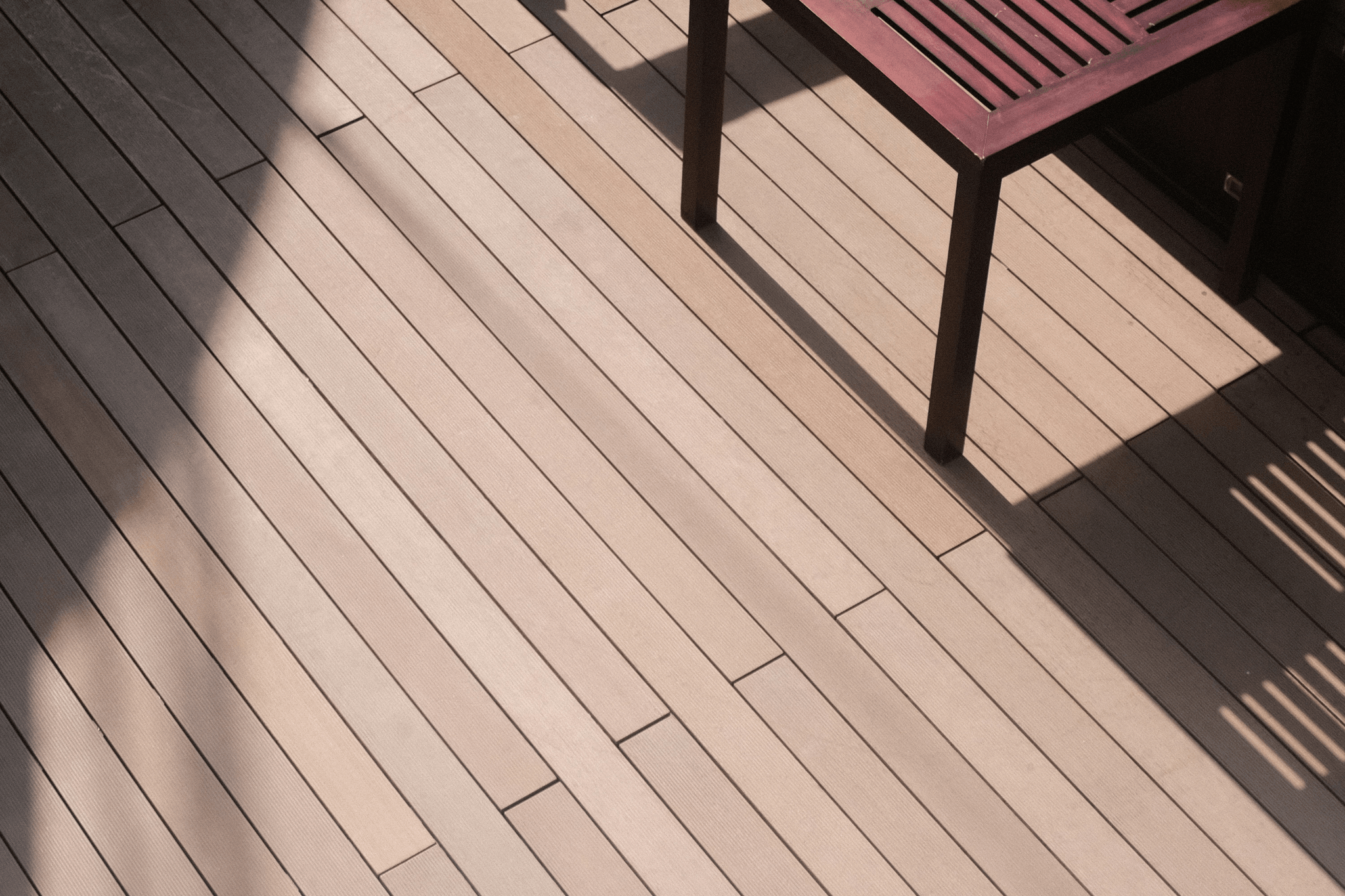
In wrapping up our exploration of grooved decking boards, it's clear that these features are not just aesthetic choices but practical enhancements to deck construction. The grooves in decking boards serve multiple purposes, from improving water drainage to enhancing safety through better traction. Understanding why do decking boards have grooves can help both homeowners and builders make informed decisions about their outdoor spaces.
Key Benefits of Using Grooved Decking
Grooved decking offers several advantages that make it a popular choice among builders and homeowners alike. First and foremost, the grooves facilitate effective water management, ensuring that your deck remains safe and dry even after heavy rainfall. Additionally, grooved boards provide an easy installation process for laying decking boards, allowing for a more straightforward construction experience without compromising on quality.
Moreover, the textured surface of grooved decking enhances grip, which is particularly important in wet conditions—keeping you safe while you enjoy your outdoor area. When comparing grooved versus smooth boards, the former clearly stands out in terms of functionality and safety features. Ultimately, choosing grooved decking means investing in a product that combines utility with style.
Choosing the Right Decking Timber
Different types of decking timber come with varying levels of durability and resistance to weather elements; therefore, understanding your local climate can guide your choice effectively. For instance, hardwoods like teak or mahogany may offer longevity but might require more maintenance than composite options.
It's also essential to assess how well different materials will work with grooves—some timbers perform better than others when it comes to structural integrity and compatibility with groove designs. Ultimately, making an informed decision about your decking timber will ensure you get a beautiful yet functional outdoor space that meets all your needs for years to come.
How Composite Decking Inc Elevates Decking Solutions
Composite Decking Inc has set itself apart by providing innovative solutions in the world of timber and decking materials that cater specifically to modern needs. Their products often incorporate advanced technology designed to enhance durability while maintaining visual appeal—perfect for those who want their decks both functional and stylish! By utilizing high-quality composite materials combined with thoughtful design features like grooves, they ensure maximum performance whether you're entertaining guests or simply enjoying some quiet time outdoors.
Furthermore, their commitment to sustainability means you can enjoy beautiful outdoor spaces without compromising on environmental responsibility—a win-win situation! Composite Decking Inc’s offerings make laying decking boards not only easier but also more efficient while ensuring long-lasting results that stand up against nature's elements over time. So next time you're pondering why do decking boards have grooves or what type of material is best for your project, remember that Composite Decking Inc could be the answer you've been looking for!