
Introduction
This synthetic material offers a unique blend of durability and aesthetic appeal, making it a go-to choice for many looking to enhance their decks. However, understanding the PVC decking pros and cons is crucial before making a decision that could impact your home for years to come.
Understanding PVC Decking's Popularity
PVC decking has surged in popularity due to its impressive resistance to weather elements, pests, and decay. Unlike traditional wood or even composite lumber decking, PVC requires minimal maintenance while providing a beautiful finish that doesn't fade easily. As more homeowners seek low-maintenance options that withstand the test of time, it's no wonder this material has become a staple in outdoor design.
Why Evaluate PVC Decking Pros and Cons
Evaluating the pros and cons of PVC decking is essential for anyone considering an upgrade or installation of new deck boards. While the benefits are numerous—such as low upkeep and longevity—there are also drawbacks that could affect your budget or satisfaction over time. By weighing these factors carefully, you can make an informed choice that aligns with your lifestyle and preferences.
Overview of Decking Options
When exploring the best decking materials available today, it's important to consider all your options beyond just PVC or composite decking. There are various types of deck composite decking solutions on the market, including pressure-treated wood and composite wood decking boards, each with its own set of advantages and disadvantages. Understanding these alternatives will help you navigate through choices like deck boards effectively while ensuring you find the perfect fit for your outdoor oasis.
What is PVC Decking?
PVC decking is a synthetic material that's gaining traction in the world of outdoor living spaces. It's made primarily from polyvinyl chloride, a type of plastic known for its durability and resistance to environmental factors. This makes it an attractive option for homeowners looking to enhance their outdoor areas with minimal upkeep.
Definition and Composition
At its core, PVC decking consists of a solid plastic material that provides excellent longevity and performance. Unlike traditional wood or even composite lumber decking, which combines wood fibers with plastic, PVC is 100% synthetic. This unique composition allows it to resist moisture, mold, and insects—issues that often plague other types of deck boards.
Differences from Composite Decking
When comparing PVC decking to composite decking, several key differences emerge that can influence your decision on the best decking for your project. Composite wood decking boards typically blend wood particles with recycled plastics, giving them a more natural appearance but also making them susceptible to fading and wear over time. In contrast, PVC's all-plastic structure means it offers superior weather resistance and does not absorb water like deck composite decking options do.
Common Applications and Uses
PVC decking shines in various applications beyond just residential decks; it's also popular for commercial spaces due to its robustness and aesthetic appeal. You might find it adorning poolside areas or boardwalks where moisture resistance is critical. Its versatility makes it suitable for any outdoor setting where durability meets style—perfect for those who want the benefits of composite without the drawbacks often associated with composite materials.
PVC Decking Pros
While evaluating the pros and cons of PVC decking, you’ll find that its unique features can make it an appealing option for many homeowners. Let’s dive into what makes PVC decking a popular choice in the world of outdoor living.
Durability and Weather Resistance
One of the standout pvc decking pros and cons is its remarkable durability and weather resistance. Unlike traditional wood or even some composite wood decking boards, PVC decking is engineered to withstand the elements without warping, splintering, or rotting over time. This makes it an ideal choice for those living in areas with harsh weather conditions, ensuring your deck remains pristine season after season.
Moreover, this resilience means that you won’t have to worry about frequent repairs or replacements—something that can be a significant advantage over composite lumber decking options. The ability to resist moisture and UV damage also means that your investment will stand the test of time, keeping your outdoor space looking great for years to come. Ultimately, if long-lasting performance is high on your priority list when considering deck boards, PVC might just be your go-to choice.
Low Maintenance Requirements
Another attractive aspect of pvc decking pros and cons is its low maintenance requirements compared to other materials like composite decking boards or traditional wood decks. With PVC decks, there's no need for regular staining or sealing—just an occasional wash with soap and water will keep them looking fresh! This not only saves you time but also money on maintenance costs over the lifespan of your deck.
In contrast, composite wood decking boards often require more upkeep due to their susceptibility to mold and mildew growth if not regularly maintained. By choosing PVC, you're opting for a hassle-free option that allows you more time to enjoy your outdoor space rather than spending weekends on maintenance tasks. So if you’re looking for a deck that lets you kick back without constant care worries, PVC might be calling your name!
Variety of Styles and Colors
When it comes to aesthetics, another reason why many homeowners lean toward PVC is the impressive variety of styles and colors available in this material. From rich earthy tones to vibrant hues reminiscent of tropical getaways; there’s something in the realm of pvc decking pros and cons for every taste preference! This versatility allows homeowners to create their dream outdoor oasis while still enjoying all the benefits associated with durable materials.
Additionally, unlike some composite options where color choices may be limited by manufacturing processes or trends at any given moment; manufacturers producing deck composite decking often release new colors regularly—keeping up with design trends effortlessly! With so many options at hand—including textures mimicking natural wood—you can easily find a look that complements both your home’s architecture and personal style preferences perfectly.
PVC Decking Cons
While PVC decking has its merits, it’s essential to consider the flip side of the coin. Understanding the drawbacks can help you make an informed decision when weighing the pvc decking pros and cons against other materials like composite decking. Let’s dive into some of the most notable cons associated with PVC decking.
Cost Compared to Other Options
One of the first things that might catch your eye about PVC decking is its price tag, which often runs higher than traditional wood or even some composite lumber decking options. While it offers durability and low maintenance, many homeowners find themselves questioning whether these benefits justify the initial investment compared to cheaper deck boards or composite wood decking boards. If you're on a tight budget, those costs may steer you toward more affordable alternatives, making it crucial to evaluate if long-term savings outweigh upfront expenses.
Potential for Fading and Scratches
Another downside to consider is that while PVC decking is designed for durability, it can be prone to fading over time due to sun exposure. This fading can take away from its aesthetic appeal, especially if you’re aiming for a vibrant outdoor space with rich colors—something that deck composite decking typically does well in maintaining. Additionally, scratches can occur from furniture or foot traffic; unlike some composite decking boards that are engineered for scratch resistance, PVC may not hold up as well under heavy use.
Limited Repair Options
If your deck suffers from damage—be it scratches or warping—you might find yourself needing to replace entire sections rather than simply repairing them as you would with more versatile materials like composite lumber. This limitation can lead not only to higher costs but also added hassle in maintaining your outdoor space over time.
Comparing PVC and Composite Decking
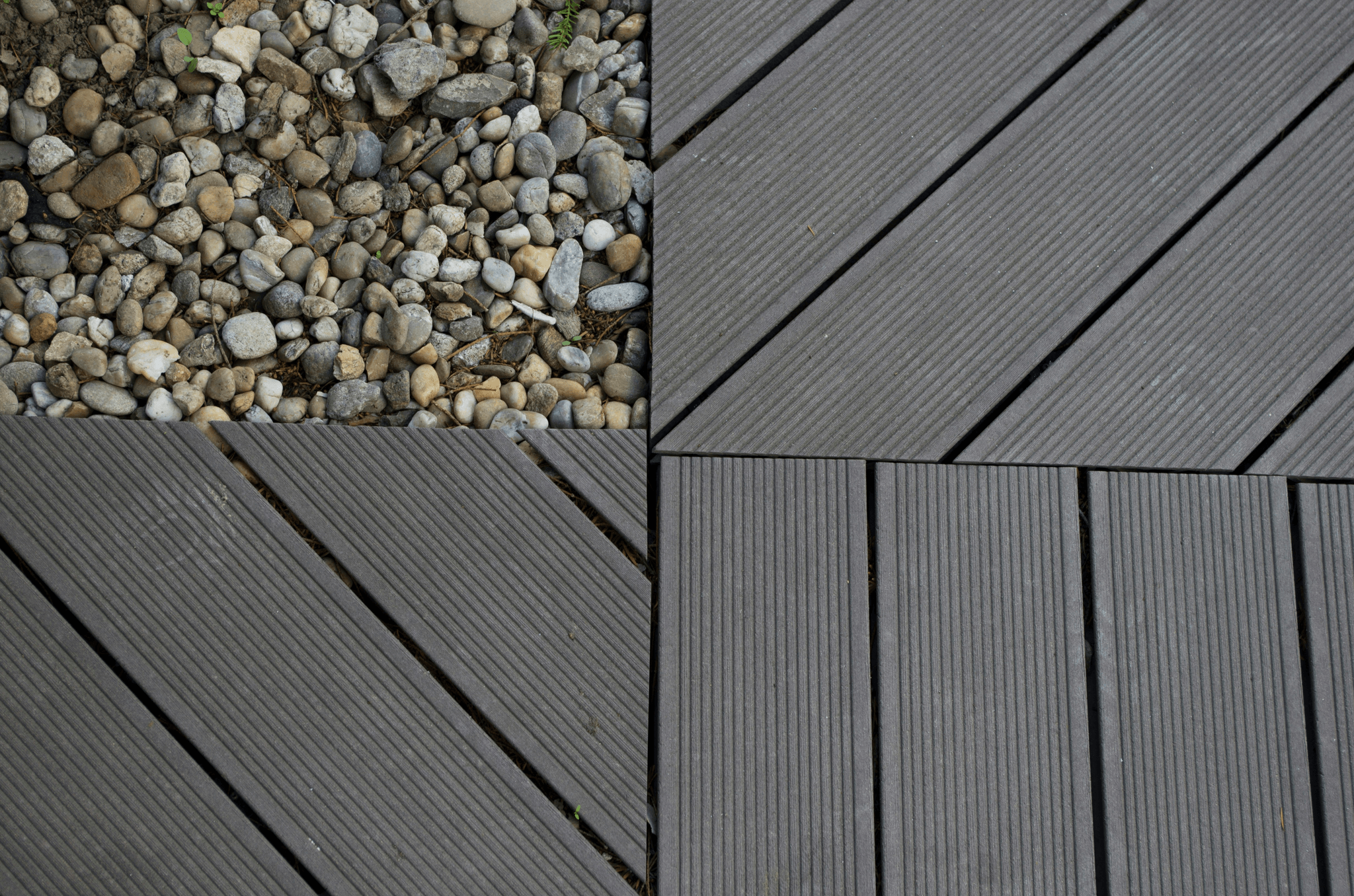
Both materials offer unique advantages and disadvantages, making them popular choices among homeowners. Let’s dive into the specifics of these two contenders to help you make an informed decision.
Key Differences in Materials
PVC decking is made from 100% polyvinyl chloride, a synthetic plastic that offers excellent durability and weather resistance. In contrast, composite decking typically combines wood fibers with recycled plastics, resulting in a more natural wood-like appearance but with some inherent vulnerabilities. The distinction in materials leads to varied performance characteristics; while composite lumber decking may feel warmer underfoot due to its wood content, PVC often boasts superior moisture resistance and longevity.
Cost-Effectiveness Analysis
When comparing costs, it’s essential to consider not just the initial price but also long-term value—this is where the pvc decking pros and cons come into play. Generally speaking, PVC decking tends to be more expensive upfront than composite options; however, its low maintenance requirements may save you money over time. On the other hand, while deck composite decking can be cheaper initially, potential costs related to maintenance or replacement of worn-out materials should factor into your overall budget.
Performance in Various Weather Conditions
Both PVC and composite wood decking boards perform well in diverse weather conditions; however, they do have their differences worth noting. PVC excels in wet environments due to its non-porous nature that resists mold and mildew growth—making it ideal for rainy climates or poolside applications. Conversely, while composite decking boards can handle varying temperatures reasonably well, they may be prone to fading or warping under extreme conditions if not properly maintained.
Installation Considerations
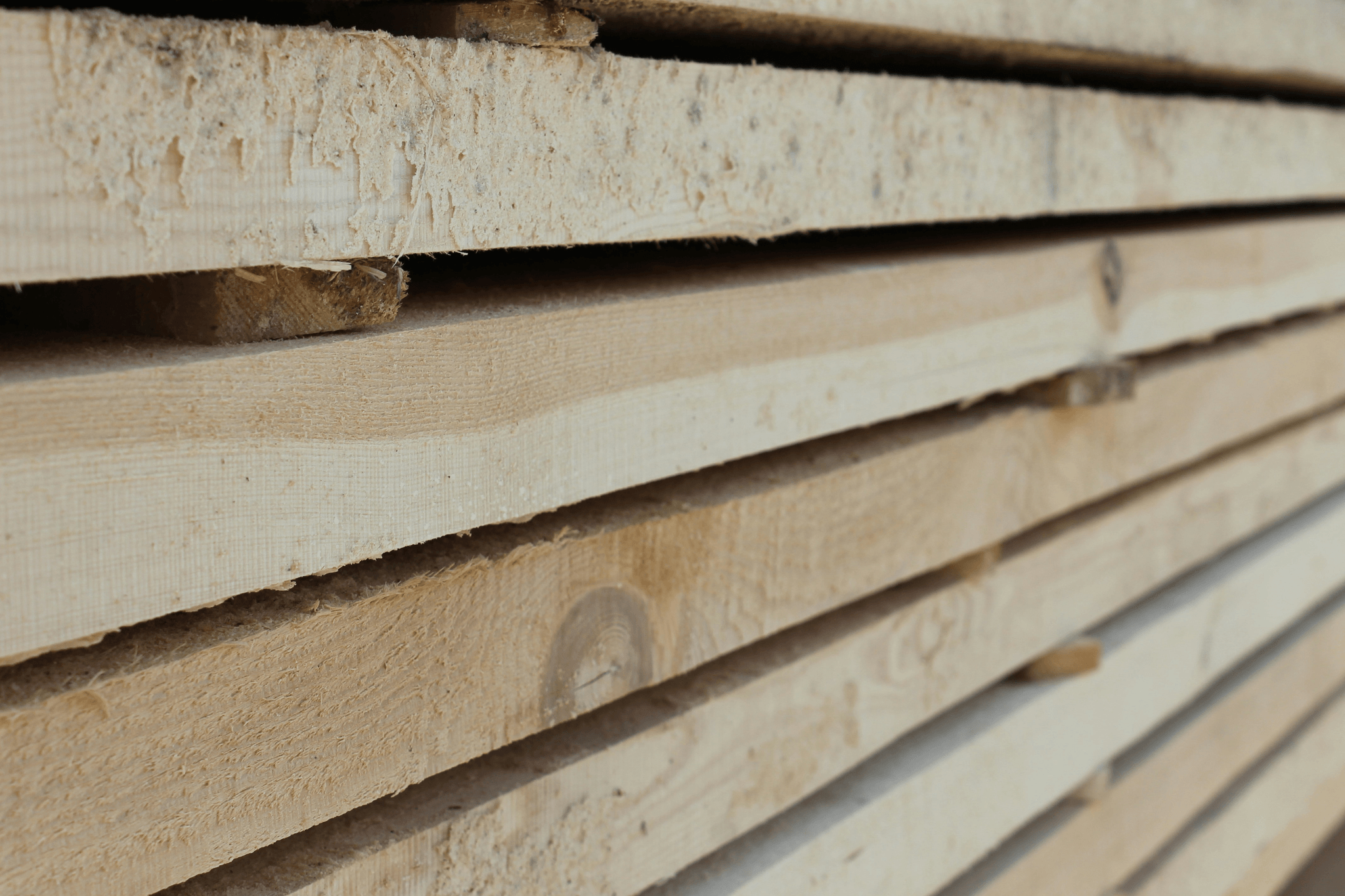
When it comes to installing PVC decking, there are several factors to consider that can significantly impact the overall success of your project. Whether you choose to hire a professional or embark on a DIY adventure, understanding the nuances of installation will help you make informed decisions. After all, the right approach can enhance your outdoor space while allowing you to enjoy the many pvc decking pros and cons.
Professional vs. DIY Installation
Choosing between professional installation and a DIY approach depends largely on your skill level and confidence with tools. Hiring professionals can save you time and ensure that your deck boards are installed correctly, which is crucial for longevity—especially when comparing PVC decking with other options like composite lumber decking. On the flip side, if you're handy and want to save some cash, tackling the project yourself can be rewarding; just make sure you're prepared for potential challenges that might arise.
If you opt for a DIY installation of deck composite decking, you'll need to familiarize yourself with specific techniques and guidelines unique to PVC materials. This includes understanding how to properly cut and fasten deck boards without compromising their integrity. Ultimately, weighing the costs against your abilities will help you decide whether hiring experts or going solo is best for achieving that ideal outdoor oasis.
Necessary Tools and Materials
Before diving into installation, gather all necessary tools and materials to streamline the process. Essential tools include a saw (preferably a miter or circular saw), drill, screws specifically designed for PVC decking, measuring tape, and safety gear like goggles and gloves. Additionally, having quality composite wood decking boards on hand will ensure you're well-equipped for any adjustments during installation.
Don't forget about other materials such as joists or framing lumber if you're building from scratch; these elements provide essential support for your new deck structure. Also consider purchasing accessories like railing systems or lighting options that complement your chosen PVC design—after all, it's not just about function but also aesthetic appeal! With everything in place before starting your project, you'll be ready to create an outdoor space that's both beautiful and durable.
Tips for a Successful Installation
To ensure a successful installation of your PVC decking project, follow some tried-and-true tips that maximize results while minimizing headaches along the way. First off, always read through manufacturer instructions thoroughly; they often contain valuable insights regarding spacing requirements between boards—something crucial when considering pvc decking pros and cons compared to other materials like composite decking boards.
Another key tip is ensuring proper ventilation beneath your deck by allowing sufficient airflow between joists; this helps prevent moisture buildup that could lead to warping or damage over time—issues often associated with inferior products! Lastly, don't rush through the process; taking time during each step will yield better results than haphazardly throwing it all together in haste.
By keeping these considerations in mind as you assess both pvc decking pros and cons alongside other options such as composite wood decking boards or traditional timber decks—you'll be well on your way towards creating an inviting outdoor retreat tailored just for you!
Conclusion
When it comes to choosing the right decking material, PVC decking certainly stands out with its unique set of features. While it boasts impressive durability and low maintenance requirements, it's essential to weigh the pvc decking pros and cons against your specific needs and preferences. Ultimately, understanding these factors will guide you in making an informed decision that enhances your outdoor space.
Final Thoughts on PVC Decking
PVC decking is a solid choice for homeowners looking for stylish yet resilient outdoor solutions. Its weather resistance and variety of styles make it appealing, but don’t overlook the potential downsides like cost and fading over time. In a world where composite lumber decking is also popular, knowing what suits your lifestyle best can make all the difference.
Weighing Your Options Carefully
Before committing to any decking material, it’s crucial to consider all aspects of your project—including budget, aesthetics, and long-term maintenance. While composite decking offers its own set of advantages like natural wood appearance, pvc decking pros and cons should be part of your evaluation process. A thorough comparison will help ensure you choose between options like deck composite decking or traditional wood that aligns with your vision.
Finding the Best Decking for You
Ultimately, finding the best decking involves balancing beauty with practicality—whether that’s opting for composite wood decking boards or sticking with reliable PVC options. Each type has its merits: while some may prefer the warmth of composite decking boards, others might lean towards the hassle-free nature of PVC materials. Whichever route you take, do so with confidence after considering all factors involved.