
Introduction
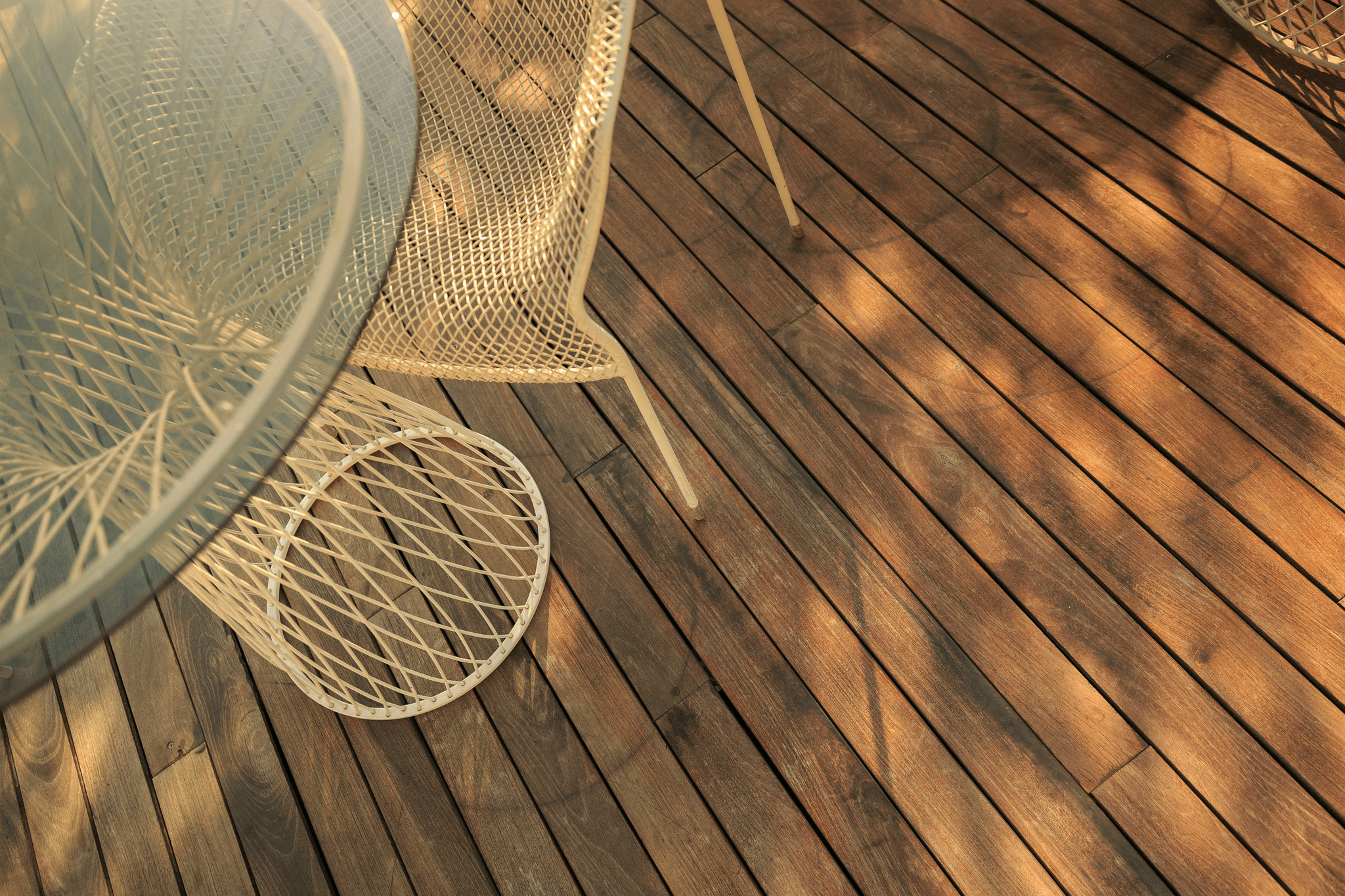
Composite wood decking boards have emerged as a popular alternative, offering unique benefits that cater to modern lifestyles. With the right decking material, you can transform your patio decking into a stylish and functional space without the drawbacks of conventional options.
Composite Decking Offers Unique Benefits
Composite decking stands out for its durability and low maintenance needs, making it an ideal choice for homeowners seeking longevity in their outdoor spaces. Unlike timber deck decking, which requires regular upkeep like staining and sealing, composite wood decking boards are designed to withstand the elements while retaining their beauty. This means more time enjoying your outdoor oasis and less time worrying about repairs or replacements.
Timber Decking: The Traditional Choice
Timber has long been revered as the traditional choice for outdoor decks due to its natural beauty and classic appeal. However, this beloved option comes with its own set of challenges, including susceptibility to rot, warping, and insect damage. While many still cherish timber deck decking for its aesthetic charm, it's important to weigh these factors against the practical advantages offered by modern alternatives like PVC decking material.
Why Choose Composite Over Timber
Choosing composite over timber is not just about aesthetics; it’s also a smart investment in your property’s value and sustainability. With eco-friendly practices driving the production of composite wood decking boards, you can enjoy a beautiful deck that aligns with your values regarding environmental impact. Ultimately, opting for composite timber decking ensures a stylish yet practical solution that meets the demands of contemporary living while minimizing long-term costs.
Durability and Longevity
Weather Resistance Factors
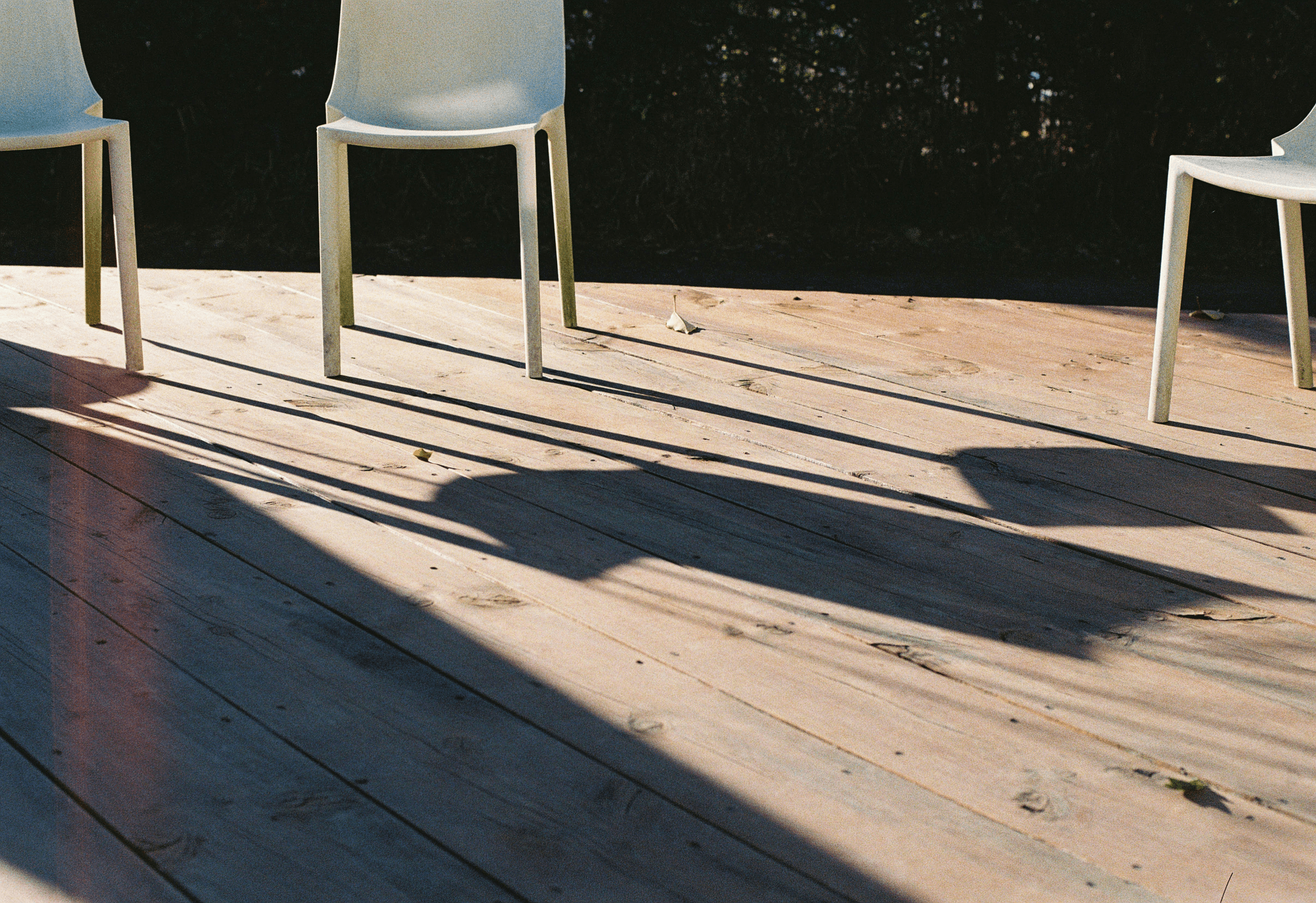
Composite decking material is uniquely crafted to resist moisture, UV rays, and temperature fluctuations far better than timber deck decking can manage. The blend of recycled wood fibers and plastic in composite wood decking boards provides a robust barrier against rot, mold, and fading—issues that commonly plague traditional timber options. This weather resistance not only enhances the lifespan of your patio decking but also minimizes the need for frequent repairs or replacements.
Maintenance Requirements Compared
Maintenance is a significant factor when choosing between composite and timber materials for outdoor projects. While timber requires regular staining or sealing to protect against the elements, composite wood decking boards offer the luxury of low-maintenance care—just a simple wash with soap and water will do! This means more time enjoying your outdoor space rather than spending weekends performing upkeep on your patio decking.
Lifespan of Composite vs Timber
In terms of longevity, composite timber decking outlasts its traditional counterpart significantly; many manufacturers boast lifespans exceeding 25 years with proper care. In contrast, standard timber decks often require replacement within 10-15 years due to wear from weather exposure and pests. When investing in your outdoor living space, choosing PVC decking material not only ensures durability but also offers peace of mind knowing you won't have to worry about extensive repairs anytime soon.
Environmental Impact
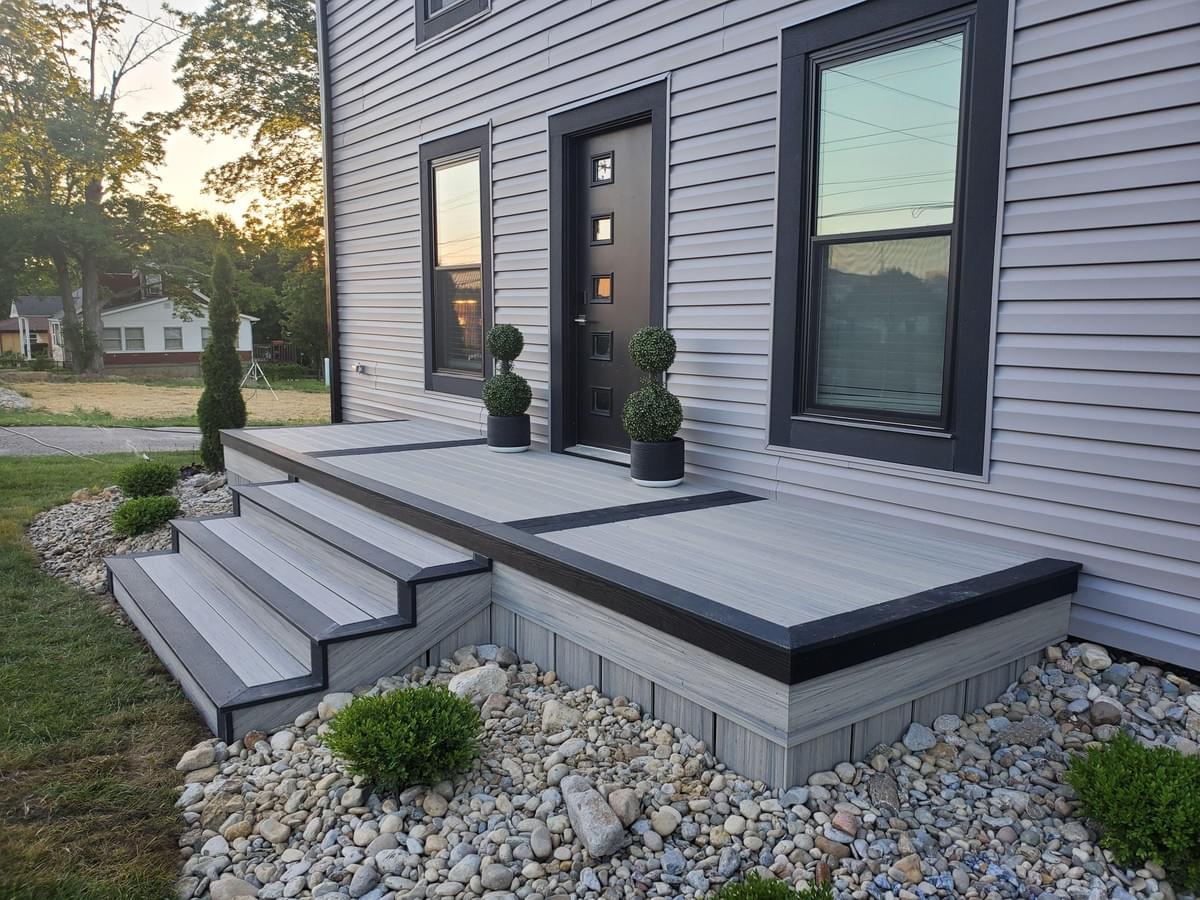
Composite wood decking boards are designed with sustainability in mind, offering an eco-friendly alternative to traditional timber deck decking. As we delve into the environmental aspects of these two options, it becomes clear that composite materials have a lot to offer.
Sustainability of Composite Materials
Composite timber decking is primarily made from recycled materials, including plastics and wood fibers, which means fewer trees are cut down for outdoor decking projects. This not only conserves natural resources but also reduces landfill waste, making composite wood decking boards a sustainable choice for conscientious consumers. Plus, with advancements in technology, the production processes for these materials continue to improve their ecological footprint.
Another advantage of composite materials is their longevity; they can last for decades without needing replacement. This durability translates into less frequent manufacturing and shipping of new products, further reducing their overall environmental impact. When you choose composite over traditional timber deck decking, you’re supporting a cycle of sustainability that benefits both your home and the planet.
Timber Sourcing and Environmental Concerns
While timber has long been the go-to option for outdoor decking due to its natural beauty and charm, its sourcing raises significant environmental concerns. Unsustainable logging practices can lead to deforestation and habitat loss, threatening wildlife and biodiversity. Furthermore, many consumers are unaware that some timber products may come from sources that do not adhere to responsible forestry practices.
The carbon footprint associated with harvesting timber also adds another layer of concern; transporting logs from forests can be resource-intensive compared to local sourcing of recycled materials used in composite products. Additionally, untreated timber requires regular maintenance with chemical treatments that may harm the environment over time. In contrast, opting for PVC decking material or composite wood offers peace of mind knowing you're making a more sustainable choice without compromising on quality or aesthetics.
Eco-Friendly Practices at Composite Decking Inc
At Composite Decking Inc., eco-friendliness is woven into every aspect of production—from sourcing raw materials responsibly to implementing energy-efficient manufacturing processes. The company prioritizes using recycled content in its composite timber decking products while ensuring minimal waste during production runs. These efforts not only contribute to reducing landfill waste but also support a circular economy where recycling plays a crucial role.
Furthermore, Composite Decking Inc.'s commitment extends beyond just product creation; they actively engage in community initiatives aimed at promoting sustainability awareness among consumers and industry professionals alike. By choosing their PVC decking material or composite wood options for patio decking projects, customers can feel good knowing they’re supporting an environmentally conscious brand dedicated to preserving our planet’s resources for future generations.
Aesthetics and Design Options
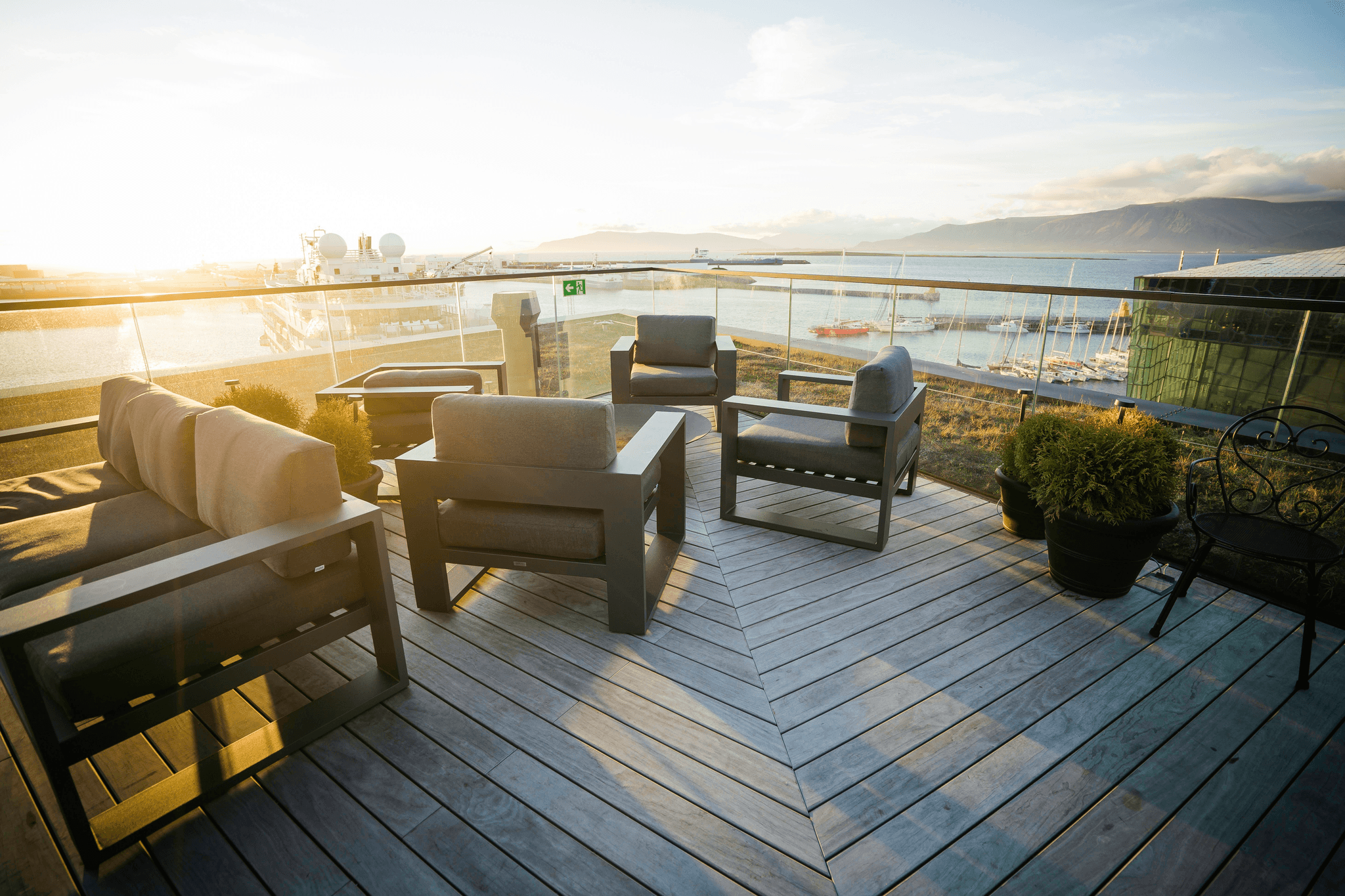
Composite wood decking boards offer an impressive range of colors and textures that can mimic the look of natural wood while providing enhanced durability. Whether you’re designing a cozy patio decking area or an expansive outdoor deck, the variety in composite materials ensures there’s something for every taste.
Variety in Composite Decking Styles
One of the standout features of composite decking is its versatility in design options. With numerous styles available, you can choose from rich hues to light shades, allowing you to create the perfect ambiance for your outdoor space. Unlike traditional timber deck decking, which may require regular staining or painting to maintain its appearance, composite wood decking boards retain their color and finish over time without extensive upkeep.
Moreover, many manufacturers offer unique textures and finishes that enhance slip resistance without sacrificing style. This means you can enjoy both beauty and functionality when selecting your decking material. From sleek modern looks to rustic finishes, composite options provide endless possibilities for customization.
Natural Beauty of Timber Decking
Timber decking has long been celebrated for its classic beauty and warmth that brings a natural feel to any outdoor setting. The unique grains and knots found in timber create an organic aesthetic that many homeowners find appealing. However, this natural beauty comes with challenges; maintaining the pristine look of a timber deck requires ongoing care and attention.
While some may argue that nothing beats the charm of real wood, it's essential to consider how weathering can impact its appearance over time. Fading colors or warping boards can detract from what was once a beautiful outdoor feature. Therefore, while timber offers undeniable allure initially, it often falls short in maintaining that visual appeal compared to modern alternatives like PVC decking.
Customization Possibilities with Composite
Customization is where composite wood decking truly shines! Homeowners are no longer limited by traditional choices; instead, they have access to an array of design elements such as railings, lighting options, and even built-in seating solutions tailored specifically for their needs. This flexibility allows you to create personalized patio decking spaces that cater perfectly to your lifestyle.
Additionally, many manufacturers now offer eco-friendly options within their product lines—meaning you can customize not only your deck's appearance but also its environmental footprint! Imagine enjoying your new outdoor oasis knowing it was crafted from sustainable materials without compromising on style or quality—a win-win situation! So whether you're looking for bold colors or subtle tones, composite materials provide unparalleled opportunities for creativity.
Cost Considerations

While the initial investment for composite wood decking boards may be higher than that of standard timber deck decking, the long-term benefits often outweigh these upfront costs. Understanding the financial implications of each option can help you make an informed decision about your outdoor decking needs.
Initial Investment in Composite vs Timber
The initial investment in composite wood decking boards typically ranges higher than that of traditional timber options. This is primarily due to the advanced materials and manufacturing processes involved in creating durable PVC decking material. However, it's essential to consider not just the sticker price but also what you're getting for your money—composite decking offers extended warranties and lower maintenance costs, making it a smart choice in the long run.
Long-Term Savings on Maintenance
One of the most compelling reasons to opt for composite over timber is the significant long-term savings on maintenance costs associated with outdoor decking. Unlike timber deck decking, which requires regular staining, sealing, and repairs to maintain its appearance and structural integrity, composite materials are designed to withstand the elements with minimal upkeep. This means less time spent on maintenance and more time enjoying your patio decking—talk about a win-win!
Value Added to Property
Investing in high-quality composite timber decking can significantly increase your property's value, making it an attractive option for potential buyers down the line. A well-maintained outdoor space featuring stylish PVC decking not only enhances curb appeal but also suggests durability and modernity—a big plus for many homebuyers today.
Safety and Comfort
When it comes to outdoor decking, safety and comfort are paramount. Whether you’re hosting a summer barbecue or enjoying a quiet evening under the stars, the right decking material can enhance your experience. Composite timber decking stands out in this regard, offering features that prioritize both safety and comfort.
Slip Resistance in Composite Decking
One of the most significant advantages of composite wood decking boards is their slip resistance. Unlike traditional timber deck decking, which can become slick when wet, composite materials often incorporate textured surfaces that provide better traction. This means fewer slips and falls for your family and guests, making it an ideal choice for patio decking areas where moisture might accumulate.
Heat Retention of Timber vs Composite
Heat retention is another critical factor to consider when selecting a decking material for your outdoor space. Timber can absorb heat from the sun, making it uncomfortably hot to walk on during peak sunlight hours. In contrast, PVC decking material tends to reflect heat better than timber, keeping your feet cooler while you enjoy those sunny days lounging on your deck.
Comfort Underfoot: Composite Benefits
The composition of composite materials allows for a softer feel compared to traditional hardwoods that can be hard and unforgiving. This added comfort makes walking barefoot on your outdoor decking not just possible but pleasurable—perfect for those lazy summer afternoons spent relaxing with friends or family.
Conclusion
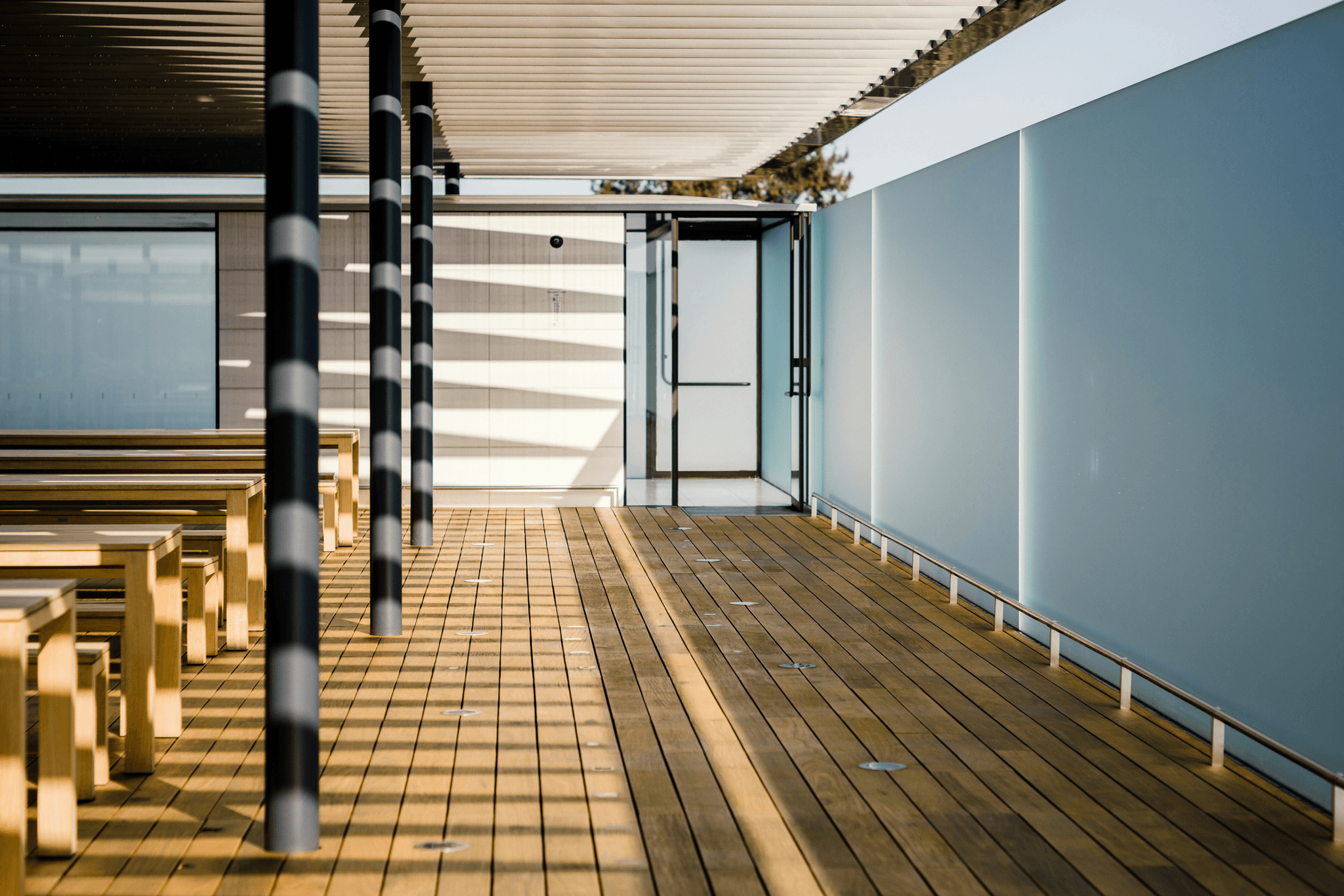
In the grand debate between composite and timber decking, the choice often leans towards the modern, hassle-free lifestyle that composite materials provide. With their impressive durability and minimal maintenance, composite wood decking boards have become a favorite for outdoor decking enthusiasts looking to enhance their patios without the constant upkeep associated with timber deck decking. As we embrace innovation in our outdoor spaces, it's clear that composite options are designed for those who value both aesthetics and practicality.
Choosing Composite for Modern Lifestyles
Composite timber decking offers an array of benefits perfectly aligned with contemporary living. Homeowners today seek low-maintenance solutions that still deliver on style; enter PVC decking materials that mimic the charming look of natural wood without the drawbacks. By choosing composite over traditional timber, you invest in a durable option that withstands weather extremes while freeing up your weekends for relaxation rather than repairs.
Timber's Place in Outdoor Spaces
While composite wood decking boards have taken center stage, there's still a special place for timber in outdoor settings. The natural beauty of a well-crafted timber deck can evoke warmth and nostalgia, making it ideal for those who cherish classic aesthetics. However, it’s essential to remember that maintaining a timber deck requires diligence—something many modern homeowners may not have time for amidst their busy lives.
Where to Buy Quality Composite Decking
Look for retailers specializing in PVC decking material with strong customer reviews to guarantee your investment stands the test of time. Many online platforms offer extensive selections of composite wood decking boards tailored to fit any patio decking project—so you can find exactly what suits your outdoor vision.