
Introduction
Both are popular options for wood decking, but they come with unique characteristics that can significantly impact your deck of wood's performance and aesthetic appeal. In this battle of the best decking materials, we’ll explore what makes each type stand out and help you decide which is best for decking your space.
Ipe vs Garapa: The Ultimate Showdown
Ipe wood has long been celebrated for its durability and rich color, making it a favorite among homeowners looking for long-lasting beauty in their outdoor spaces. On the other hand, Garapa offers a lighter hue with impressive strength at a more budget-friendly price point. As we delve deeper into the Ipe vs Garapa debate, you’ll discover how these two types of wood stack up against each other in various categories.
Why Choose the Right Decking Material
Choosing the right decking material is crucial not only for aesthetic reasons but also for ensuring longevity and ease of maintenance. The right choice can transform your outdoor area into an inviting retreat while standing up to the elements over time. Whether you're considering a sleek modern look or a rustic charm, understanding your options—like Ipe and Garapa—will help you make an informed decision that suits both your style and budget.
Overview of Ipe and Garapa
Ipe is renowned for its dense structure and rich brown tones that deepen over time, providing unmatched durability against weathering and pests. Meanwhile, Garapa boasts a golden hue that can brighten any outdoor space while still offering significant strength and resistance to decay. As we compare these two types of wood decking throughout this guide, you'll gain insights into their properties that will assist you in selecting the best decking material for your needs.
Understanding Ipe Wood
Characteristics of Ipe Wood
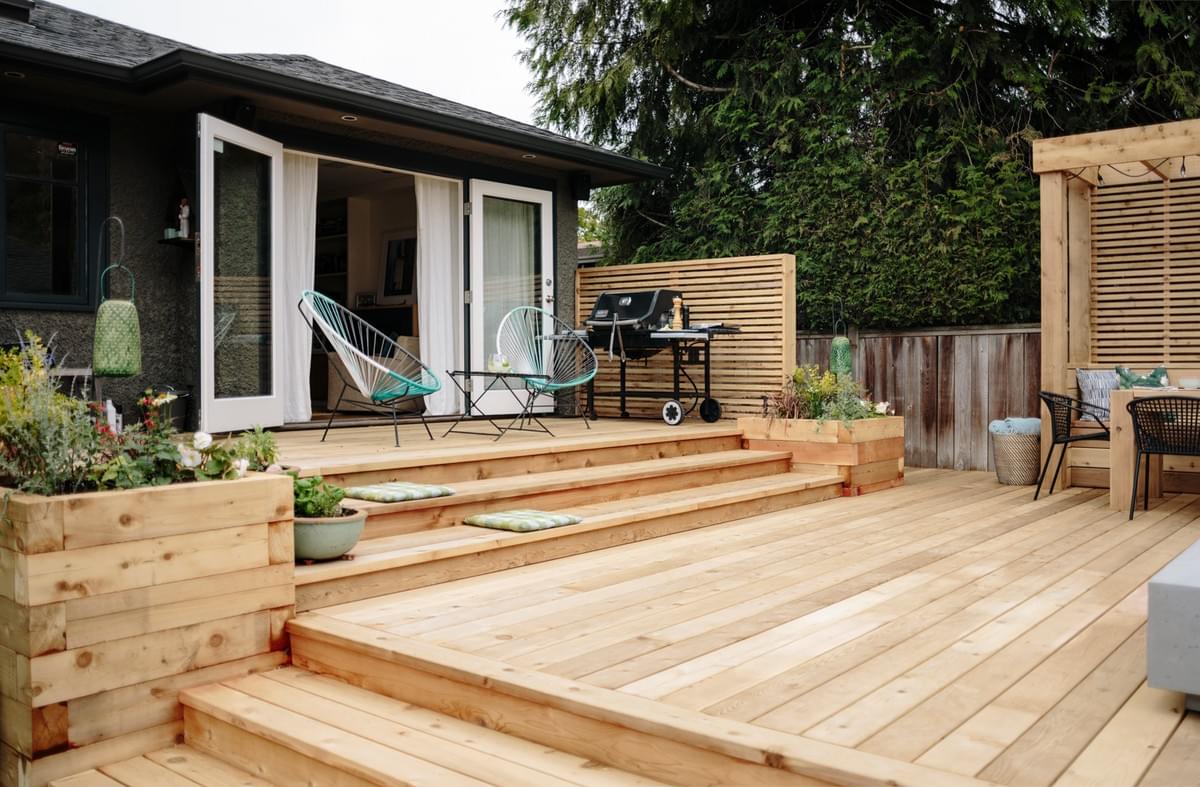
Ipe wood, also known as Brazilian walnut, boasts an impressive density, making it one of the hardest woods available for decking material. Its natural resistance to rot, insects, and weathering means that an Ipe deck can withstand the elements while maintaining its stunning appearance. Additionally, with a deep brown hue that can range from chocolate to olive tones, this wood offers a luxurious aesthetic that enhances any outdoor space.
Benefits of Choosing Ipe
Choosing Ipe for your deck has numerous benefits that make it a favorite among those seeking the best decking options. For starters, its incredible durability ensures longevity; an Ipe deck can last over 25 years with proper care. Furthermore, its low maintenance requirements—requiring only periodic cleaning and occasional oiling—make it ideal for busy homeowners who want beautiful outdoor spaces without the hassle.
Best Uses for Ipe Decking
Ipe is not just about looks; it's also about functionality and versatility in various applications. This wood is perfect for high-traffic areas like pool decks or patios due to its slip-resistant surface and strength underfoot. Moreover, whether you’re building a contemporary outdoor lounge or a rustic retreat, an Ipe deck provides both style and substance in any setting.
Discovering Garapa

Known for its beautiful golden hue and impressive durability, Garapa is an excellent option for those looking to create a stunning outdoor space. This Brazilian hardwood not only offers aesthetic appeal but also boasts properties that make it suitable for various applications.
Properties of Garapa Wood
Garapa wood, also known as Brazilian Ash, is characterized by its light yellow to golden color that can brighten up any deck of wood. It has a fine and even grain pattern, providing a smooth surface that feels great underfoot. With a density similar to ipe wood, Garapa showcases remarkable strength and resistance to decay, making it an ideal choice for wood decking in outdoor environments.
Advantages of Garapa Decking
One of the most significant advantages of Garapa decking is its affordability compared to other hardwood options like ipe. This makes it an attractive choice for homeowners seeking the best decking materials without breaking the bank. Additionally, Garapa's natural resistance to insects and mold means less maintenance over time, allowing you to enjoy your deck without constant upkeep.
Ideal Applications for Garapa
Garapa is versatile enough for various applications beyond just traditional decks; it's perfect for poolside areas, patios, and even commercial spaces where durability is key. Its ability to withstand harsh weather conditions makes it suitable for regions with fluctuating temperatures or high humidity levels. Whether you're building a cozy backyard retreat or a bustling entertainment area, Garapa offers both beauty and functionality in your wood deck wood choices.
Aesthetic Appeal: Ipe vs Garapa
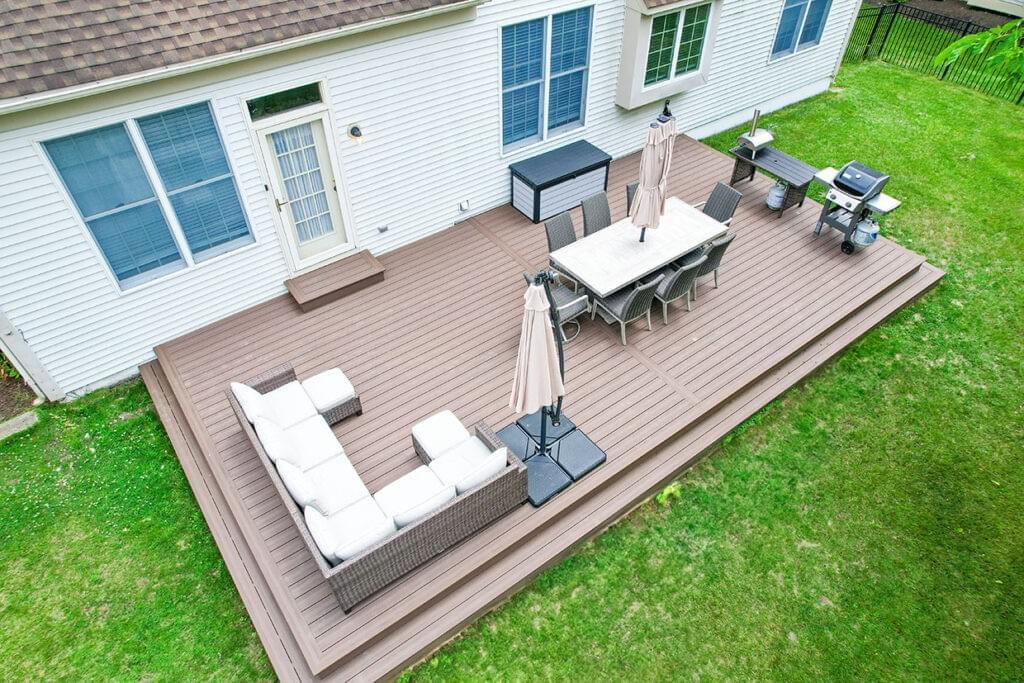
Both Ipe and Garapa offer unique visual characteristics that can enhance your outdoor space. Understanding the differences in appearance will help you make an informed decision about which decking material is best for your needs.
Visual Differences Between Ipe and Garapa
Ipe wood boasts a rich, dark brown hue with subtle variations that can include reddish or even greenish tones, giving it a luxurious feel. In contrast, Garapa is lighter, showcasing a golden yellow to light brown color that brightens up any outdoor setting. While both woods have their charm, the choice between Ipe vs Garapa often boils down to personal preference regarding color and overall vibe of your wood deck.
In addition to color, the grain patterns differ significantly between these two types of wood decking. Ipe features a tight, straight grain that adds elegance and sophistication to any deck of wood while providing excellent slip resistance. On the other hand, Garapa has a more varied grain pattern with occasional waves and knots that lend it a more rustic charm—perfect for those looking for something less formal.
How Each Wood Ages Over Time
The aging process of both Ipe and Garapa plays an essential role in their long-term aesthetic appeal. Over time, Ipe tends to develop a beautiful silver-gray patina if left untreated; however, regular oiling can maintain its deep color and luster. This transformation can be quite striking as it adds character to your deck while still retaining its durability.
Garapa also undergoes changes as it ages but tends toward a lighter gray tone rather than deepening like Ipe does. Many homeowners appreciate this gradual transition since it aligns well with natural outdoor elements without compromising its structural integrity or beauty over time. Whether you prefer the darker elegance of aged Ipe or the softening hues of weathered Garapa will ultimately guide your decision in this ipe vs garapa debate.
Choosing the Right Look for Your Deck
When selecting between these two stunning woods for your decking material, consider how each option complements your home’s exterior style and landscaping elements. If you have modern architecture or prefer a sleek look, Ipe might just be the best decking choice due to its sophisticated appearance and rich tones that create an inviting atmosphere on any deck of wood.
Conversely, if you lean towards a more relaxed or beachy vibe in your outdoor spaces, then Garapa could be ideal with its warm hues and natural feel—perfectly suited for casual gatherings or family barbecues! Ultimately, whether you're drawn towards the luxurious depth of ipe wood or the sun-kissed charm of Garapa will shape not only how your deck looks but also how it feels over time.
Durability and Maintenance

Longevity of Ipe vs Garapa
Ipe wood is renowned for its exceptional durability, often lasting over 50 years with proper care. Its natural resistance to rot, insects, and harsh weather conditions makes it a top contender in the world of wood decking. On the other hand, garapa also holds its ground well; while it may not outlast ipe, it still boasts a lifespan of around 25 to 30 years which is impressive for a decking material.
When you compare ipe vs garapa in terms of longevity, it's clear that if you're looking for the best for decking in extreme conditions, ipe takes the crown. However, garapa's solid performance means it's still a great choice for those who want quality without breaking the bank on their wood deck wood investment. Ultimately, both options can provide a long-lasting surface that enhances your outdoor space.
Maintenance Needs for Both Woods
Maintaining your deck of wood is essential to preserving its beauty and functionality over time. Ipe requires minimal maintenance due to its dense nature; however, periodic cleaning and oiling are recommended to keep its rich color intact and prevent graying from UV exposure. With proper care—such as cleaning with soap and water—you can ensure that your ipe wood retains its stunning appearance year after year.
Garapa requires slightly more attention than ipe when it comes to upkeep but is still relatively low-maintenance compared to other materials like composite decking. Regular cleaning will help maintain its golden hue while occasional oiling can extend its life by protecting against moisture damage and fading from sunlight exposure. In this aspect of ipe vs garapa maintenance needs, both woods have their strengths but require different levels of attention depending on your lifestyle.
Cost-Effectiveness Over Time
When evaluating cost-effectiveness over time in the debate between ipe vs garapa, consider not just initial costs but also longevity and maintenance expenses associated with each type of wood decking material. While ipe may have a higher upfront price tag due to its premium quality, its long lifespan often translates into lower costs per year when spread out over decades of use. This makes it an excellent investment if you're seeking durability without frequent replacements.
Garapa offers a more budget-friendly initial option without sacrificing too much in terms of performance or aesthetics; however, you might find yourself needing replacements sooner than with ipe due to shorter longevity. Despite this potential drawback, many homeowners appreciate garapa's affordability combined with decent durability as they enjoy their beautiful deck without overspending initially on materials or ongoing maintenance costs associated with higher-end options like composite decking.
In conclusion, whether you choose ipe or garapa will depend on how much weight you give factors like lifespan versus initial cost when considering what’s best for your unique situation regarding outdoor living spaces.
Environmental Impact of Decking Materials
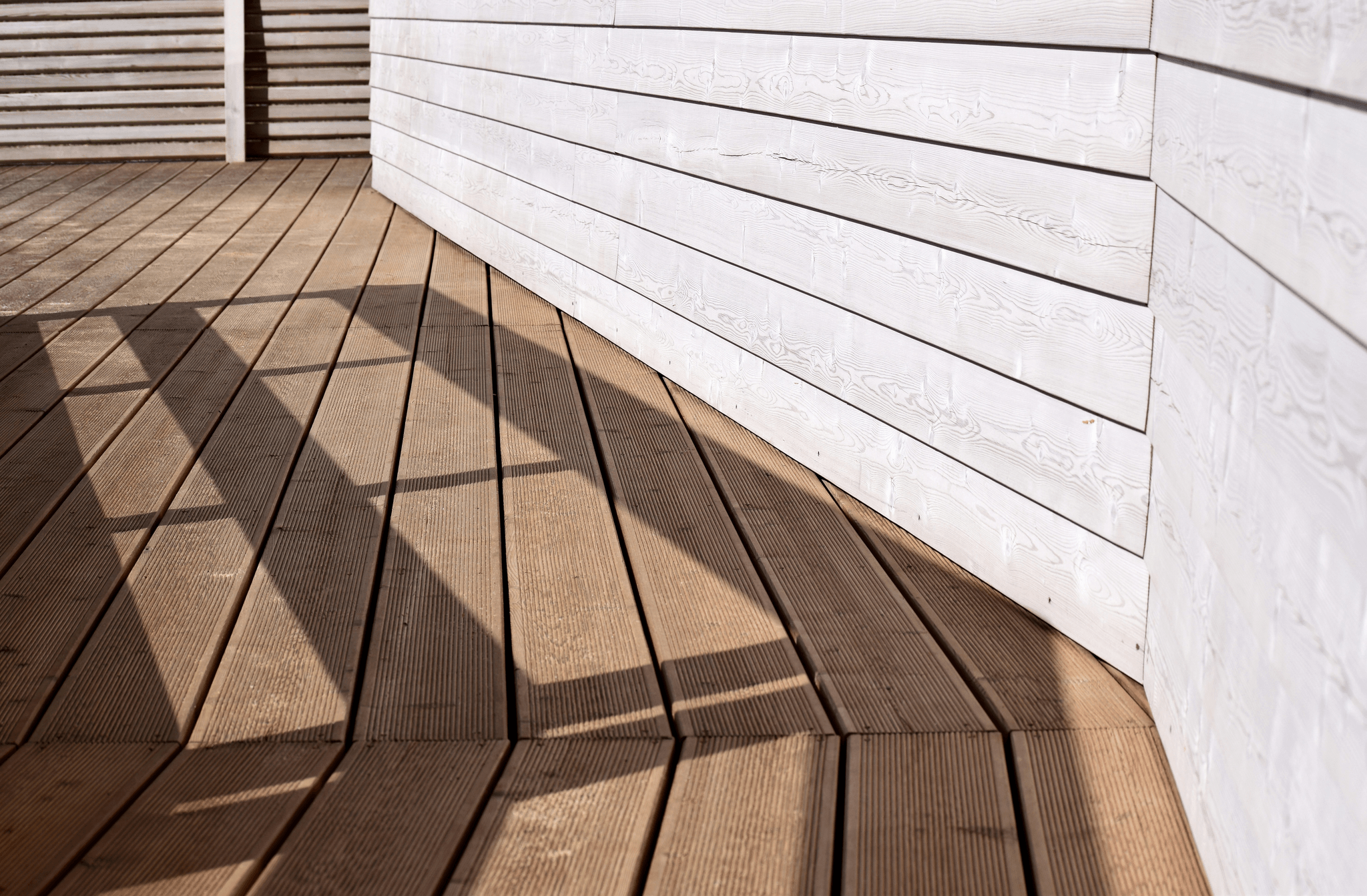
When it comes to the environmental impact of decking materials, understanding the sustainability of options like Ipe and Garapa is crucial. Both woods are sourced from tropical forests, which raises questions about their ecological footprint. However, when properly harvested and managed, these woods can be part of a sustainable approach to wood decking.
Sustainability of Ipe and Garapa
Ipe wood is known for its durability and resistance to decay, making it a long-lasting choice for any deck of wood. However, its popularity has led to concerns about overharvesting in some regions, which can threaten local ecosystems. On the other hand, Garapa is often considered a more sustainable option because it tends to come from responsibly managed forests that prioritize environmental health while still providing excellent quality for decking material.
Garapa’s lighter color and attractive grain make it not only aesthetically pleasing but also an environmentally friendly choice that doesn’t compromise on performance. When comparing Ipe vs Garapa in terms of sustainability, it's essential to look at certifications like FSC (Forest Stewardship Council) that ensure responsible sourcing practices are followed. By choosing certified options for your wood deck wood, you contribute to preserving the environment while enjoying the best decking available.
Composite Decking Inc: A Sustainable Choice
While natural woods like Ipe and Garapa have their merits, composite decking materials have emerged as a popular alternative in recent years due to their eco-friendly nature. Composite Decking Inc specializes in creating products that blend recycled materials with high-quality synthetic components, offering durability without compromising our forests. This means homeowners can enjoy a beautiful deck without worrying about deforestation or unsustainable practices.
The best for decking isn’t just about aesthetics or longevity; it's also about making responsible choices that help protect our planet’s resources for future generations. Unlike traditional wood decking options like Ipe or Garapa, composite materials require less maintenance and don't need regular staining or sealing—making them a low-impact choice overall. So if you're weighing your options between natural woods versus composites in the context of ipe vs garapa discussions, consider how each aligns with your values regarding sustainability.
Making Eco-Friendly Decisions
Choosing environmentally friendly materials doesn’t stop at selecting between Ipe vs Garapa; it extends into how you maintain your deck over time as well as what products you use during installation and upkeep. Opting for low-VOC stains or sealants can significantly reduce harmful emissions while still protecting your deck's beauty—whether it's made from durable ipe wood or charming Garapa boards.
Moreover, regular maintenance plays an essential role in extending the life of any wood decking material you choose—this not only saves money but also minimizes waste over time as fewer boards need replacing due to neglect or damage caused by weather elements! By being proactive with care and considering eco-friendly alternatives when possible (like composite solutions), homeowners can enjoy their outdoor spaces guilt-free while supporting sustainability efforts within the industry.
Conclusion
When it comes to choosing between Ipe and Garapa for your wood deck wood, the decision ultimately hinges on your specific needs and preferences. Both options offer unique benefits, but understanding their differences is key to making an informed choice. Whether you prioritize durability, aesthetics, or sustainability, evaluating the ipe vs garapa showdown can guide you to the best decking material for your project.
Ipe vs Garapa: Which Is Right for You?
If you're torn between Ipe and Garapa, consider what matters most in your wood decking experience. Ipe wood is renowned for its exceptional hardness and longevity, making it a top contender if durability is your priority. On the flip side, Garapa offers a lighter hue and a more budget-friendly option while still providing impressive performance as a deck of wood.
Key Considerations When Choosing Decking
When selecting the best for decking, think about factors like climate exposure and maintenance requirements. If you live in an area with heavy rain or harsh sunlight, Ipe's density may serve you better over time compared to Garapa's lighter structure. Additionally, consider how much effort you're willing to invest in upkeep; both woods require maintenance but vary in their demands.
Final Thoughts on Best Decking Options
Ultimately, both Ipe and Garapa have their merits as decking materials that can enhance any outdoor space. If you're after luxury and longevity with minimal upkeep, Ipe might just be your champion choice; however, if you're looking for affordability without sacrificing quality too much, then Garapa could be the way to go. In this ipe vs garapa debate, it's all about aligning your personal preferences with practical considerations for a stunning wood decking solution.