
Introduction
Understanding Composite Deck Fading
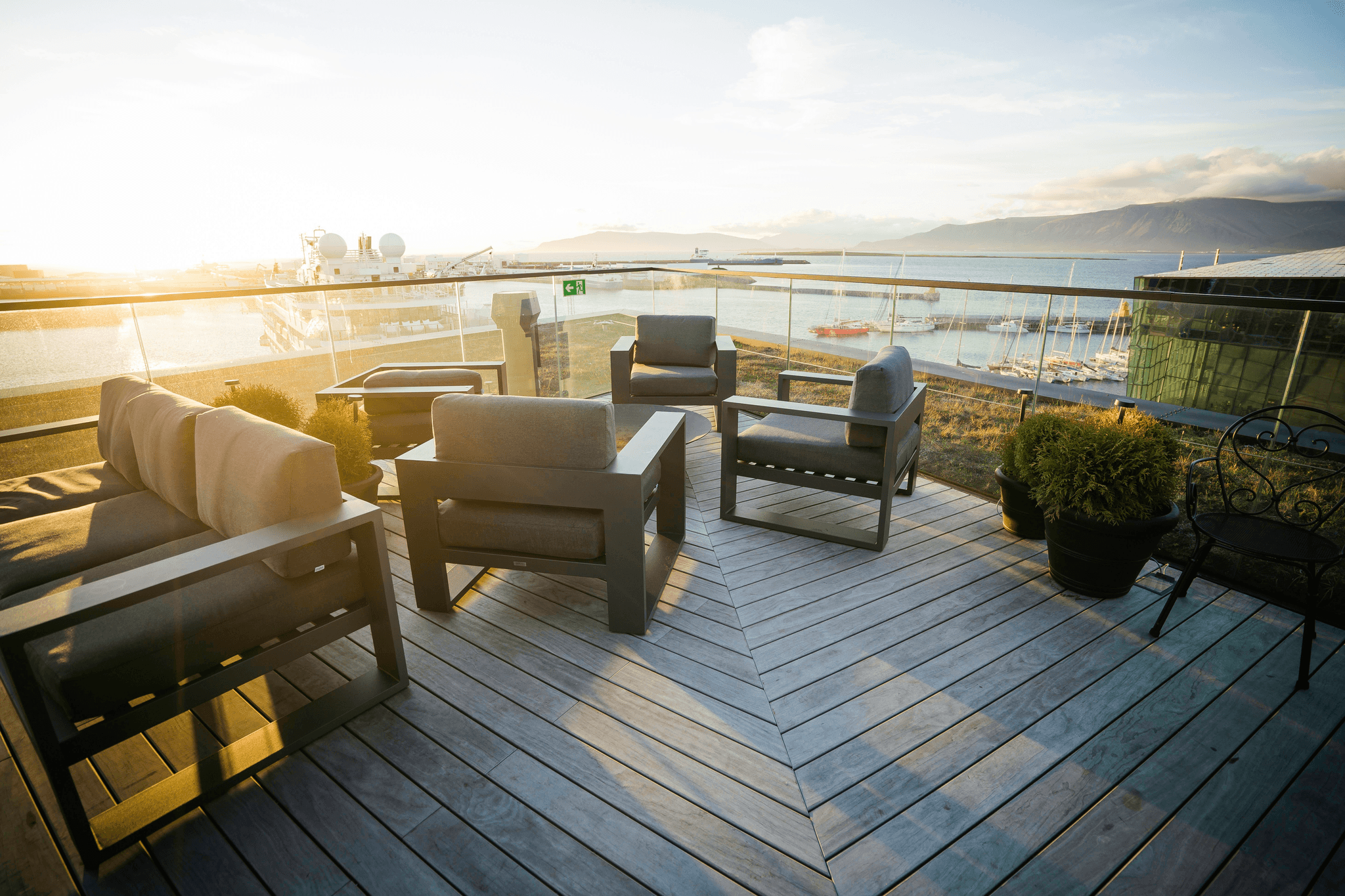
Composite deck fading is a gradual process that can significantly affect the aesthetic appeal of your outdoor area. This fading occurs primarily due to prolonged exposure to sunlight and environmental elements, which can take a toll on the vibrant colors of your composite wood or plastic decking. By recognizing the signs of fading early on, you can implement maintenance strategies that help preserve your deck's appearance for years to come.
Why Composite Decking Matters
Choosing the right materials for your outdoor space is crucial, and composite decking stands out due to its blend of beauty and low maintenance requirements. Unlike traditional wood options, this innovative prefab decking provides a long-lasting solution without the constant upkeep associated with natural wood products. The importance of selecting high-quality synthetic decking cannot be overstated; it not only enhances your home's value but also creates an inviting atmosphere for family gatherings and summer barbecues.
The Basics of Synthetic Decking
Synthetic decking encompasses a variety of materials designed specifically for outdoor use, with composite wood being one of the most prominent choices available today. Made from a combination of recycled plastics and wood fibers, this maintenance-free decking option offers resilience against weathering while mimicking the look of traditional lumber. As homeowners increasingly seek eco-friendly solutions without sacrificing aesthetics or functionality, understanding how these materials work becomes vital in making informed decisions about deck construction or renovation.
What Causes Composite Deck Fading?
UV Exposure and Sunlight
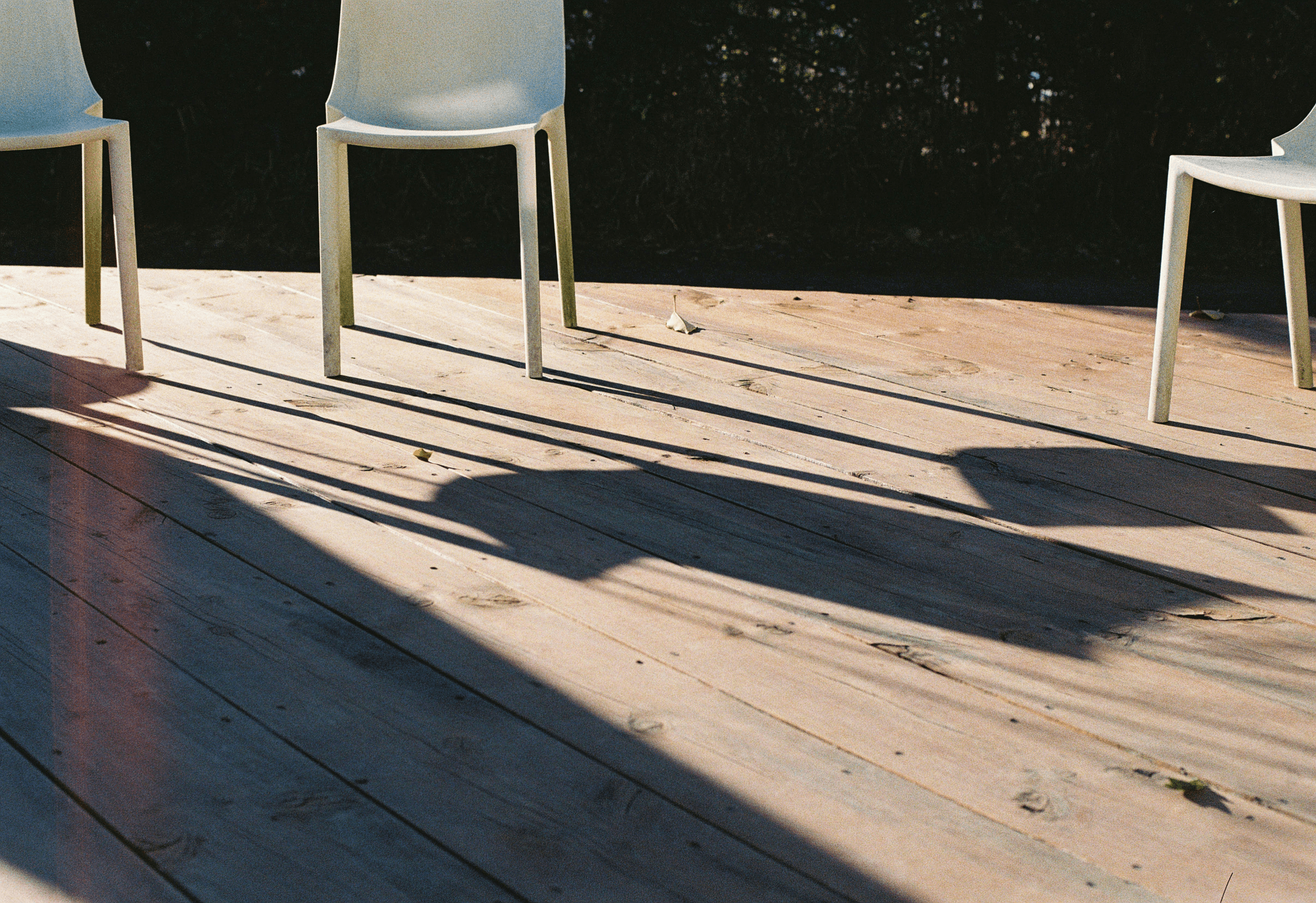
One of the primary culprits behind composite deck fading is none other than good old ultraviolet (UV) light from the sun. Just like a favorite pair of jeans can fade after too much sunbathing, so can your composite decking suffer from prolonged exposure to sunlight. Synthetic decking materials, while designed to be more durable than traditional wood, are not immune to the effects of UV radiation, which can break down pigments over time and lead to noticeable discoloration.
To combat this issue, consider choosing composite wood products specifically designed with UV inhibitors or fade-resistant technologies. These advanced formulations help maintain color integrity longer than standard options. Remember that even maintenance-free decking requires some attention; using protective covers during peak sunlight hours can further reduce exposure and prolong your deck's vibrant appearance.
Weathering and Environmental Factors
Weathering is another factor that contributes significantly to composite deck fading, often exacerbated by environmental conditions such as rain, wind, and temperature fluctuations. For instance, heavy rainfall can wash away protective coatings on plastic decking surfaces over time, leaving them vulnerable to fading due to sun exposure afterward. Additionally, extreme temperatures—both hot and cold—can cause expansion and contraction in synthetic decking materials that may affect their overall durability.
The impact of environmental factors extends beyond just rain or shine; pollution and debris accumulation can also play a role in how well your prefab decking holds up against fading over time. Regular maintenance is essential for addressing these issues effectively; frequent cleaning helps remove dirt buildup that might otherwise contribute to deterioration in appearance or color vibrancy. By staying proactive about weather-related challenges, you’ll keep your outdoor space looking fresh for years.
Quality of Composite Materials
Not all composite wood products are created equal; the quality of materials used significantly influences how well they resist fading over time. Lower-grade composites may contain fillers or additives that compromise their structural integrity or colorfastness compared to premium options made with high-quality resins and fibers. When investing in synthetic decking solutions for your home improvement project, it's crucial to evaluate brand reputations and product specifications carefully.
Choosing reputable brands ensures you're getting a reliable product designed specifically for longevity without sacrificing aesthetics—after all, nobody wants an eyesore instead of a beautiful backyard retreat! Furthermore, understanding where each material fits within the spectrum—from budget-friendly options like basic plastic decking through higher-end versions—can guide you toward making informed decisions tailored precisely for your needs while minimizing future maintenance woes related directly back toward composite deck fading.
How to Choose Quality Composite Decking
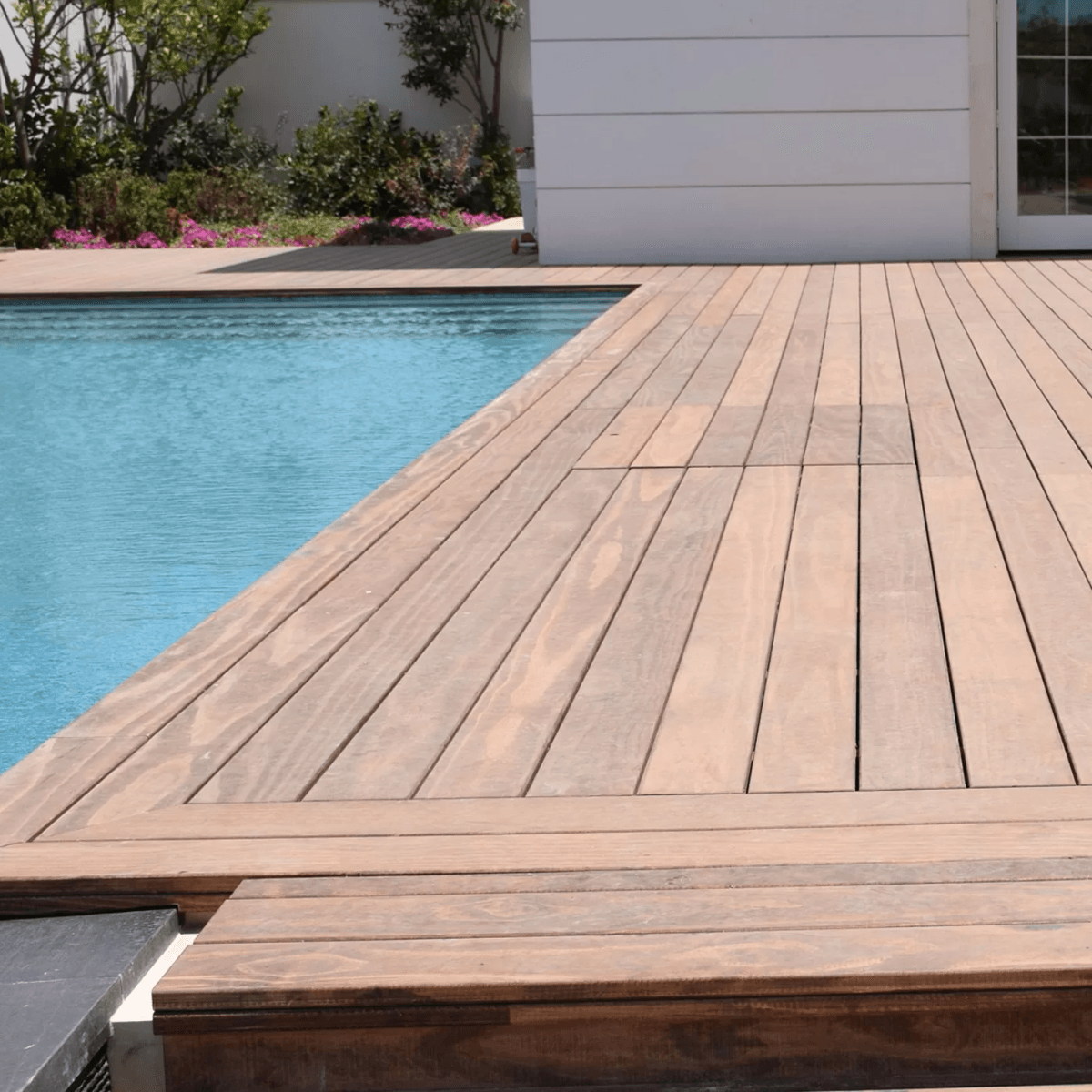
With so many options on the market, it's easy to fall prey to flashy marketing rather than focusing on what truly matters: longevity and resistance to composite deck fading. By honing in on reputable brands, evaluating materials, and exploring specific offerings like those from Composite Decking Inc., you can make an informed choice that will enhance your outdoor living experience.
Recognizing Reputable Brands
Not all composite decking is created equal; some brands have built a solid reputation for producing high-quality products that stand the test of time. Look for companies that have been in the business for several years and have positive reviews regarding their synthetic decking’s performance against fading and wear. Brands that offer warranties are also a good sign—they're essentially putting their money where their mouth is when it comes to resisting issues like composite deck fading.
In addition to checking reviews, consider seeking recommendations from friends or family who have made similar purchases. Their firsthand experiences can provide valuable insights into which brands really deliver on their promises regarding durability and maintenance-free decking options. Remember, investing in reputable brands may cost a bit more upfront but can save you time and money down the line by reducing maintenance needs.
Evaluating Composite Wood Materials
When evaluating composite wood materials, look beyond just aesthetics; focus on the composition of the product itself. High-quality composite decking typically combines wood fibers with recycled plastic, creating a robust material that resists moisture absorption—one of the key culprits behind fading and deterioration over time. Pay attention to product specifications like density and thickness; denser boards often translate into better performance against environmental factors.
Additionally, be sure to ask about additives used in manufacturing processes as they can significantly impact longevity. Some manufacturers include UV inhibitors specifically designed to combat composite deck fading caused by sun exposure—this feature can be a game-changer for maintaining your deck's vibrant appearance over years of use. Lastly, consider whether the product has undergone third-party testing; this adds an extra layer of assurance regarding its quality.
Exploring Options from Composite Decking Inc
Composite Decking Inc offers a wide range of products tailored to meet various aesthetic preferences while ensuring durability against environmental stressors like UV rays and weather changes. Their selection includes different styles and colors designed specifically with resistance to composite deck fading in mind—so you don't have to sacrifice beauty for longevity! Plus, they provide ample information about each product's construction so you can make an informed decision based on your unique needs.
One standout feature of Composite Decking Inc is their commitment to sustainability; many products are made from recycled materials without compromising quality or appearance—a win-win scenario! If you're looking for prefab decking solutions that are both stylish and practical while requiring minimal maintenance over time, this brand should definitely be on your radar. Don't forget: choosing quality now means enjoying your outdoor space worry-free later!
Maintenance Tips for Preventing Fading

Maintaining your composite decking is crucial to combatting the dreaded composite deck fading that can dull its vibrancy over time. With a little attention and care, you can keep your deck looking fresh and inviting for years to come. Here are some key maintenance tips to ensure your synthetic decking retains its appeal.
Cleaning Your Composite Deck Regularly
Regular cleaning is the first line of defense against composite deck fading. Dust, dirt, and organic debris can accumulate on your composite wood surface, leading to discoloration if left unchecked. Use a gentle soap solution and a soft-bristle brush to scrub away grime, ensuring you rinse thoroughly afterward to prevent soap residue from dulling the finish.
Additionally, be mindful of any stains from food or drinks; these should be addressed promptly with appropriate cleaners designed for plastic decking. A clean deck not only looks better but also helps in prolonging the lifespan of your materials by preventing mold and mildew growth that contribute to fading.
Lastly, consider setting a seasonal cleaning schedule—this proactive approach will keep your maintenance free decking in top shape while minimizing long-term wear.
Best Practices for Sealing and Staining
Sealing and staining are essential steps in protecting your deck from environmental factors that lead to fading. While many synthetic decking options are marketed as maintenance-free, applying a quality sealant can enhance their resistance against UV rays and weathering effects. Look for products specifically designed for composite materials; these will provide an extra layer of protection without compromising the integrity of your prefab decking.
Remember that proper sealing not only prevents fading but also makes future cleaning easier by creating a smooth surface resistant to grime buildup.
Using Protective Covers and Accessories
One of the easiest ways to prevent composite deck fading is by using protective covers when you're not using your outdoor space. These covers shield your synthetic decking from harmful UV rays and harsh weather conditions that accelerate deterioration over time—think of them as sunscreen for your outdoor oasis! Investing in high-quality covers tailored specifically for plastic decking ensures they fit snugly without trapping moisture underneath.
In addition, consider utilizing accessories like patio umbrellas or pergolas which can provide shade during peak sunlight hours while enhancing the aesthetic appeal of your space. These structures not only protect against direct sun exposure but also add character to your patio area—a win-win!
Lastly, don’t overlook decorative mats or rugs; they can serve dual purposes by adding style while protecting specific areas from foot traffic wear and tear that contributes to fading.
The Role of Color and Finish
Choosing the Right Color for Longevity
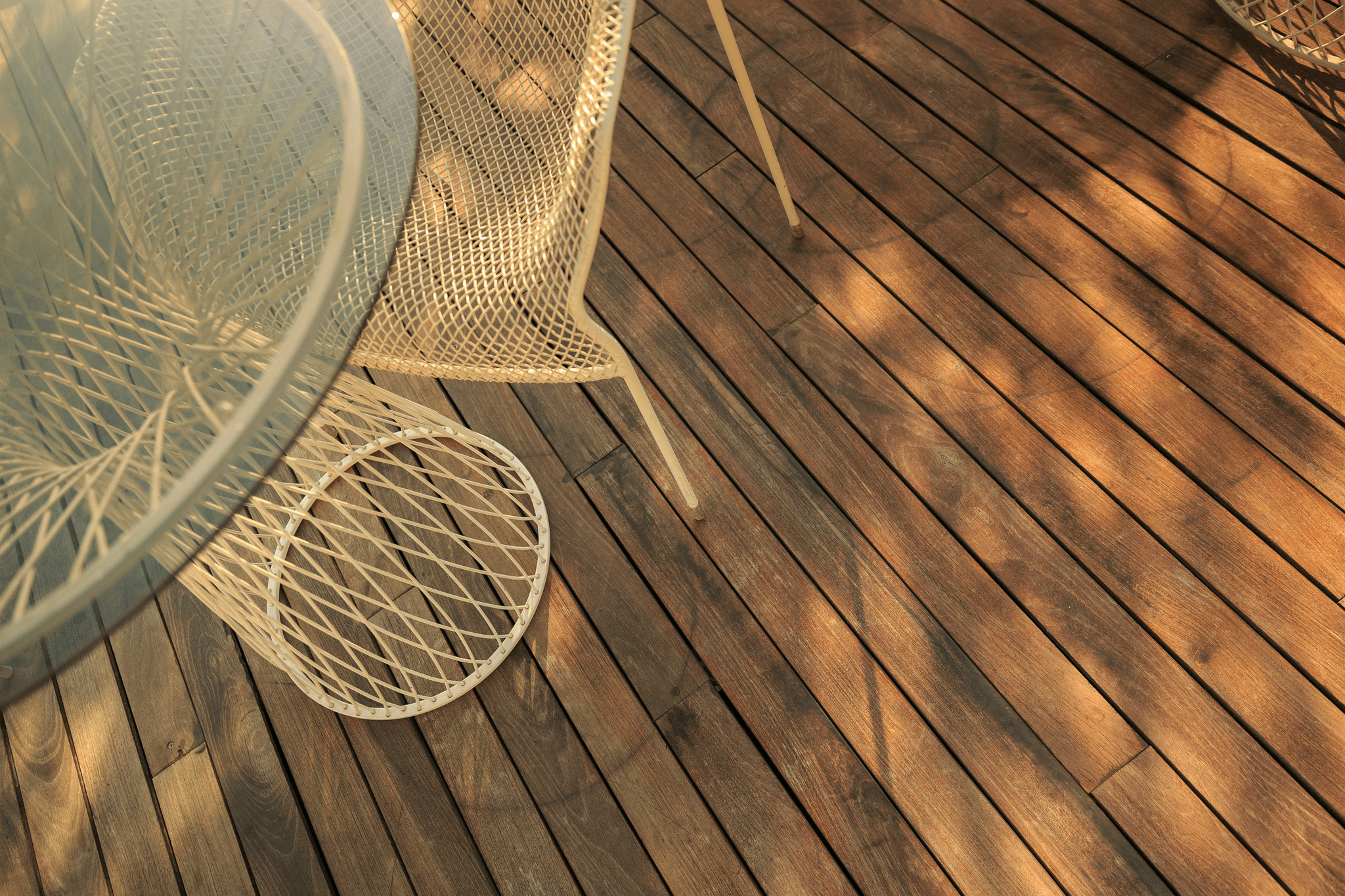
The color you choose for your composite wood can significantly influence its resistance to fading. Darker shades tend to absorb more heat, which can lead to quicker wear and tear, while lighter colors reflect sunlight better, potentially extending their lifespan against environmental factors. Additionally, opting for colors that mimic natural wood tones can help disguise any minor fading over time, ensuring your deck continues to look appealing even as it ages.
When selecting a hue, consider how it will blend with your home’s exterior and surrounding landscape. A well-chosen color not only enhances visual harmony but also aids in masking signs of wear from weathering or foot traffic on synthetic decking surfaces. Therefore, investing time in choosing the right shade is crucial in maintaining both aesthetics and functionality.
Impact of Finishes on Fading Resistance
Finishes play an equally important role in combating composite deck fading by providing an additional layer of protection against UV rays and moisture. Many manufacturers offer specialized coatings designed specifically for composite decking materials that enhance their durability while minimizing maintenance needs. These finishes create a barrier that helps prevent damage from sun exposure, significantly prolonging the life of your prefab decking.
Moreover, applying a quality sealant can improve fade resistance while making cleaning easier—it's like giving your deck a protective armor! Regularly reapplying these finishes as part of your maintenance routine will keep your synthetic decking looking fresh and vibrant year after year. Remember: investing in high-quality finishes is just as essential as choosing superior materials when it comes to maintaining a stunning outdoor space.
Trends in Composite Deck Color Choices
Keeping up with trends in composite deck colors is essential if you're looking to make an impact with your outdoor living area while minimizing issues like composite deck fading. Currently, natural earth tones are gaining popularity due to their ability to blend seamlessly into various landscapes while providing warmth without overwhelming brightness—perfect for those who prefer understated elegance! Shades like chestnut brown or slate gray not only offer timeless appeal but also help camouflage minor imperfections over time.
Another trend worth noting is the rise of bold colors such as deep blues or greens; these choices add personality and flair without sacrificing durability when paired with appropriate finishes designed for synthetic decking materials. As homeowners increasingly seek unique expressions through their outdoor spaces, exploring diverse color options becomes vital in achieving both style and longevity in composite wood applications.
Repairing and Restoring Faded Decks
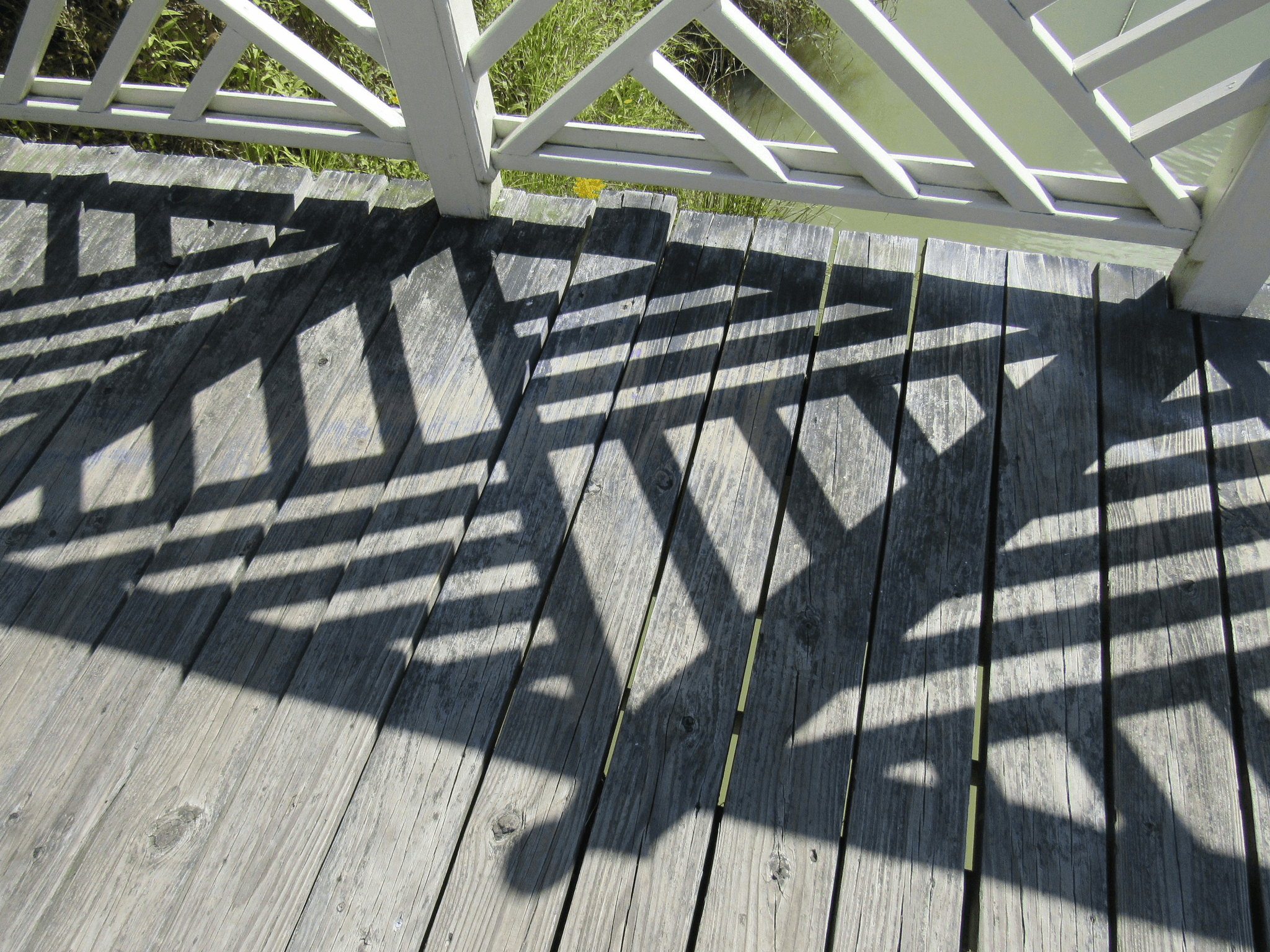
Composite deck fading can be a frustrating issue for homeowners who want to maintain the beauty of their outdoor spaces. Fortunately, there are various techniques to revitalize your deck, ensuring it remains a stunning focal point for gatherings and relaxation. Whether you have traditional composite wood or modern plastic decking, understanding how to restore its original charm is key.
Techniques for Revitalizing Your Deck
To tackle composite deck fading effectively, start with a thorough cleaning using a mixture of warm water and mild soap. This not only removes dirt but also helps eliminate any mold or mildew that may have accumulated over time. After cleaning, consider applying a specialized composite decking revitalizer that enhances color and provides UV protection, giving your synthetic decking a fresh look.
For deeper restoration, sanding the surface can help remove stubborn stains and faded areas. However, be cautious—over-sanding can damage the material and lead to further issues down the line. If your deck is made from high-quality composite wood or plastic decking, this technique can breathe new life into it without compromising its integrity.
Lastly, applying a protective sealant after restoration is essential for long-lasting results. This maintenance-free decking solution will shield your investment from future fading caused by UV exposure and environmental factors while keeping it looking great for years to come.
When to Consider Replacement
While many homeowners are keen on restoring their faded decks, there comes a point when replacement might be the more sensible option. If your composite decking shows significant structural damage or extensive fading that no amount of cleaning or treatment can remedy, it’s time to consider replacing sections or even the entire deck composite decking system.
Another sign it's time for replacement is if you notice warping or cracking in the boards themselves. These issues indicate that the quality of materials may not be up to par with modern standards in synthetic decking technology. Investing in newer prefab decking options could provide you with better durability and longevity compared to older models that have succumbed to wear over time.
Ultimately, evaluating both aesthetic appeal and structural integrity will guide you in making an informed decision about whether repair or replacement is best suited for your situation.
Professional Restoration Services Explained
If tackling composite deck fading seems daunting—or if you're simply short on time—consider hiring professional restoration services specializing in synthetic decking maintenance. These experts understand the nuances of different materials like composite wood and plastic decking and employ advanced techniques tailored specifically for revitalization projects.
Professional restorers typically use high-grade products designed explicitly for restoring faded decks while ensuring minimal risk of damage during treatment processes. They also bring specialized equipment that can reach deep into crevices where dirt accumulates without harming the surface finish of your deck composite materials.
In addition to restoration services, many professionals offer ongoing maintenance plans that help prevent future issues related to fading and wear-and-tear on your outdoor living space. By entrusting these tasks to experienced specialists, you’ll ensure your investment remains protected while maximizing enjoyment from your beautiful outdoor area.
Conclusion

As we wrap up our exploration of composite deck fading and the world of synthetic decking, it's clear that making informed choices is crucial for long-lasting enjoyment. Embracing better composite decking choices means opting for high-quality materials that resist fading and weathering, ensuring your outdoor space remains vibrant and inviting. By investing in top-tier composite wood or plastic decking, you are setting the stage for years of low-maintenance enjoyment.
Embracing Better Composite Decking Choices
When selecting your deck composite decking, prioritize reputable brands known for their durability and resistance to fading. A well-chosen synthetic decking solution can withstand harsh elements while maintaining its aesthetic appeal over time. Remember, not all prefab decking is created equal; doing your homework can save you from future headaches related to composite deck fading.
Choosing the right color and finish also plays a significant role in how well your deck holds up against sun exposure and environmental factors. Darker colors may absorb more heat but can fade quicker under direct sunlight, while lighter shades tend to reflect it better yet may show dirt more readily. Ultimately, understanding these nuances will help you make a decision that balances aesthetics with longevity.
The Importance of Ongoing Maintenance
Even the best quality maintenance-free decking requires some level of upkeep to prevent composite deck fading over time. Regular cleaning is essential; dirt and debris can accumulate quickly on your deck's surface, leading to discoloration if left unchecked. By adopting a proactive maintenance routine, you ensure that your synthetic decking remains as beautiful as the day it was installed.
Additionally, consider sealing or staining your composite wood periodically to enhance its resistance against UV rays and moisture damage. This extra layer of protection can significantly extend the lifespan of your deck while keeping it looking fresh year after year. Remember that prevention is always easier—and cheaper—than restoration when it comes to maintaining your outdoor space.
Future Innovations in Synthetic Decking
The future looks bright for those interested in cutting-edge solutions for their outdoor spaces, with ongoing innovations aimed at combating issues like composite deck fading effectively. Manufacturers are investing heavily in research to develop new materials that promise improved durability and enhanced color retention without sacrificing aesthetics or comfort underfoot. As technology advances, we can expect even more options in eco-friendly plastic decking alternatives designed with sustainability in mind.
Moreover, trends indicate a growing interest in customizable options within prefab decking lines that allow homeowners to tailor their decks according to personal preferences while ensuring longevity against wear and tear. These advancements not only enhance user experience but also contribute positively toward environmental conservation efforts by utilizing recycled materials more efficiently than ever before.
In conclusion, choosing quality materials coupled with diligent maintenance practices will keep your outdoor living space looking stunning for years ahead! Get ready for an exciting era where synthetic decking evolves further—making life easier while still providing beauty!