
Introduction
Creating a beautiful outdoor space can significantly enhance your home’s appeal and functionality. One popular option among homeowners is the flush ground level deck, which provides a seamless transition from indoor to outdoor living. This guide will explore the benefits of composite decking, key considerations for DIY deck building, and how you can design your ideal outdoor oasis.
Understanding Flush Ground Level Decks
A flush ground level deck is essentially a flat surface that sits at the same height as your yard or patio, eliminating steps and creating an inviting atmosphere. Unlike traditional raised decks that require railings and supports, these decks offer a clean look that blends effortlessly with your landscape. They are perfect for gatherings, lounging, or simply enjoying nature without the barriers of elevation.
Benefits of Composite Decking
Composite decking is rapidly becoming the go-to choice for many DIY enthusiasts due to its durability and low maintenance requirements. Made from a blend of wood fibers and recycled plastic, composite deck boards resist fading, staining, and rotting—issues commonly faced with traditional wood decking. By choosing composite materials for your flush ground level deck, you not only enhance its longevity but also contribute to environmental sustainability.
Key Considerations for DIY Deck Building
When embarking on your DIY deck building journey, several factors should be top of mind to ensure success. First off, having a clear design plan helps streamline the process while ensuring you create an aesthetically pleasing space tailored to your needs. Additionally, understanding local building codes and selecting high-quality materials like composite deck boards will set you up for long-term satisfaction with your new flush ground level deck.
What is a Flush Ground Level Deck?

A flush ground level deck is a seamless extension of your outdoor space, designed to sit at the same height as the surrounding ground. This type of deck provides a smooth transition from your yard to the decking area, enhancing accessibility and creating a visually appealing environment. Whether you're looking for an elegant platform for entertaining or a cozy spot for relaxation, understanding this style of decking is essential.
Definition and Features
A flush ground level deck is characterized by its low-profile design, which allows it to blend effortlessly with the landscape. Unlike traditional decks that are elevated above the ground, this type sits directly on the earth or gravel base, often featuring composite deck boards that offer both durability and aesthetic appeal. Key features include minimal steps or barriers, which enhance safety and make it easier for everyone to enjoy your outdoor oasis.
Differences from Traditional Decks
The most noticeable difference between a flush ground level deck and traditional elevated decks lies in their height and accessibility. While elevated decks require stairs and railings that can complicate access, flush decks create an inviting space that’s easy to enter from any angle. Additionally, using composite decking materials in flush designs often results in lower maintenance needs compared to wooden alternatives found in traditional setups.
Ideal Use Cases
Flush ground level decks are perfect for various outdoor settings where accessibility and aesthetics are priorities. They work wonders in backyards with gentle slopes or uneven terrain where traditional decking might be impractical or cumbersome to navigate. Furthermore, these decks can serve as excellent platforms for outdoor furniture arrangements, fire pits, or even hot tubs—making them versatile additions to any DIY deck building project.
Benefits of a Flush Ground Level Deck

Improved Aesthetics and Accessibility
One of the standout features of a flush ground level deck is its sleek and modern aesthetic. Unlike traditional decks that often stand elevated, this design seamlessly integrates with the surrounding landscape, creating a smooth transition from indoor to outdoor living spaces. Additionally, its low profile makes it easily accessible for everyone—whether you have small children, elderly family members, or guests with mobility challenges.
Accessibility is not just about ease; it's also about enhancing the overall experience in your outdoor space. Imagine hosting summer barbecues or cozy evening gatherings without worrying about stairs or uneven surfaces! A flush ground level deck encourages more time spent outdoors by eliminating barriers and welcoming everyone to enjoy your beautiful yard.
Enhanced Outdoor Living Space
A flush ground level deck maximizes your usable outdoor area, providing an ideal platform for various activities—from lounging in the sun to dining al fresco. The flat surface allows for versatile furniture arrangements and creative landscaping options such as planters or seating walls that can enhance comfort and style simultaneously. With this type of setup, you can create distinct zones for relaxation, cooking, and entertaining.
Moreover, having a dedicated outdoor living space fosters an inviting atmosphere where family and friends can gather comfortably. You’ll find yourself spending more time outside enjoying nature while still having all the comforts of home nearby—thanks to easy access from your interior spaces. This connection between indoors and outdoors truly redefines how you experience your property.
Low Maintenance with Composite Deck Boards
When it comes to longevity and upkeep, using composite deck boards on your flush ground level deck is a game-changer in DIY deck building projects. Unlike traditional wood decking that requires regular staining and sealing to maintain its appearance, composite materials are engineered to resist fading, scratching, and mold growth—all while retaining their beauty year after year. This means less time spent on maintenance chores and more time enjoying your stunning new space!
Composite decking also stands up well against weather elements like rain or snow without warping or splintering over time—a significant advantage when compared to wood options that may deteriorate quickly under harsh conditions. Plus, many manufacturers offer warranties on their products which can give you peace of mind knowing you've made a sound investment in durable materials for years ahead!
In summary, choosing composite board materials not only enhances the aesthetic appeal but also ensures minimal maintenance effort so you can focus on what truly matters: enjoying life outdoors on your beautiful flush ground level deck.
Choosing the Right Materials
Exploring Composite Decking Options
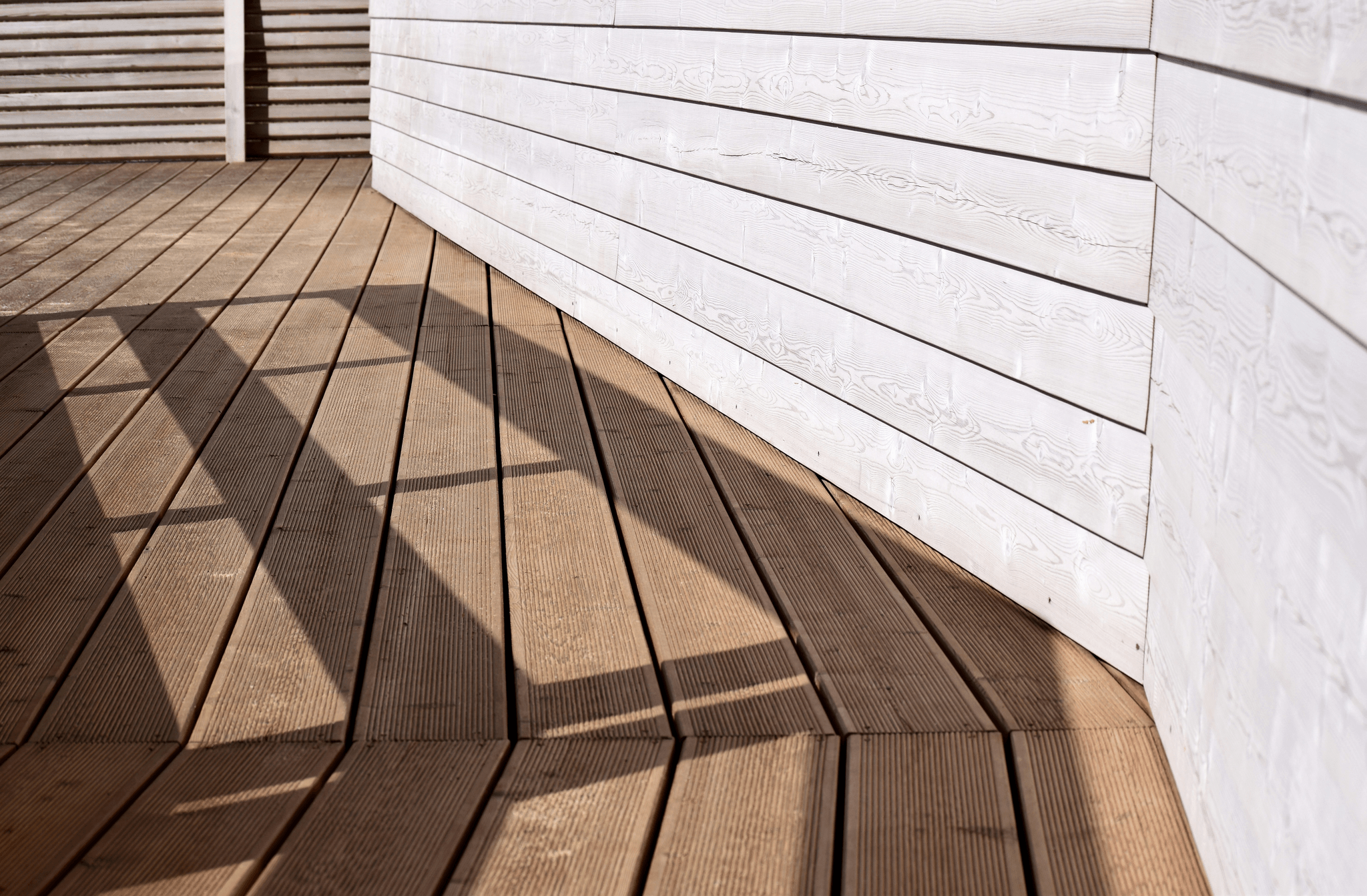
Composite decking offers a wide range of styles, colors, and textures that can complement any home design. Made from a blend of wood fibers and recycled plastic, these deck composite decking options mimic the appearance of natural wood while providing enhanced performance characteristics. Whether you prefer a traditional wood look or something more contemporary, there’s likely a composite option that fits your vision for your flush ground level deck.
Choosing between different brands and types can be overwhelming; however, it's essential to consider factors such as warranty coverage and customer reviews when exploring composite decking options. Some brands offer unique features like slip-resistant surfaces or added UV protection that can enhance safety and longevity. Ultimately, selecting the right type will ensure that your DIY deck building project not only looks great but stands up to the elements over time.
Advantages of Using Composite Deck Boards
One major advantage of using composite deck boards is their low-maintenance nature compared to traditional wood decks. Unlike wood decks that require regular staining or sealing to prevent rot and decay, composite decking simply needs occasional cleaning with soap and water to keep it looking fresh. This makes it an ideal choice for those who want to spend more time enjoying their flush ground level deck rather than maintaining it.
Another significant benefit is durability; composite materials are engineered to resist fading, scratching, and mold growth better than conventional wood products. This resilience means you can enjoy your outdoor space season after season without worrying about wear and tear from everyday use or harsh weather conditions. Plus, many composite boards come with long warranties that reflect their manufacturers' confidence in their longevity.
Sustainability and Durability Factors
In today’s eco-conscious world, sustainability is becoming increasingly important when choosing materials for any construction project—including your flush ground level deck. Many composite decking products are made from recycled materials such as plastic bottles and reclaimed wood fibers which help reduce environmental impact while promoting responsible consumption practices. By opting for these eco-friendly options in your DIY deck building project, you’re contributing positively to sustainability efforts.
Durability also plays a significant role in material selection; high-quality composite deck boards are designed to withstand extreme temperatures without warping or cracking like traditional woods might do over time. Additionally, they resist pests like termites that often plague wooden structures—providing peace of mind knowing your investment is protected against common threats associated with outdoor living spaces. With both sustainability and durability on your side through smart material choices, you can create an inviting outdoor area that's built to last.
DIY Deck Building Tips
Building your own flush ground level deck can be a rewarding project, but it requires careful planning and the right tools. Before you dive into the world of DIY deck building, it's essential to understand what your ideal design looks like and how to bring it to life. With the right approach, you can create a stunning outdoor space using durable composite decking that will stand the test of time.
Planning Your Deck Design
The first step in creating your flush ground level deck is to carefully plan your design. Consider factors such as size, shape, and layout; these will dictate how well your deck integrates with your yard and existing structures. Think about how you want to use the space—whether for relaxation, entertaining guests, or simply enjoying nature—and let that guide your decisions regarding materials like composite deck boards.
It's also wise to check local building codes and regulations before finalizing your plans, as this can save you headaches later on. Sketching out a rough blueprint can help visualize the layout and ensure that everything fits together seamlessly. Remember that planning is key; a well-thought-out design will make the actual construction process much smoother.
Essential Tools and Equipment
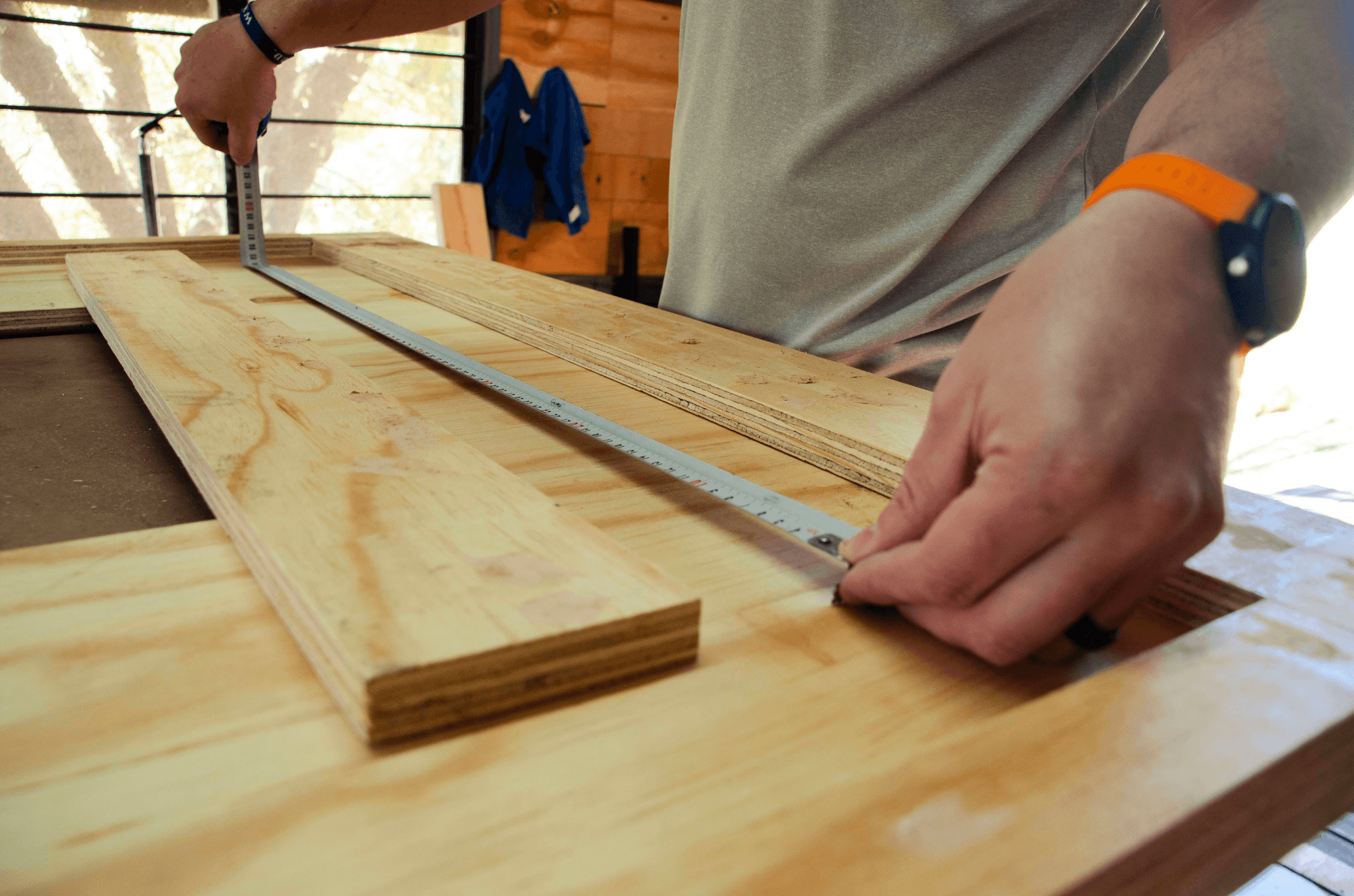
Once you've nailed down your design for the flush ground level deck, it's time to gather essential tools and equipment for DIY deck building. You'll need basics like a circular saw for cutting composite decking boards, a drill for securing fasteners, and a measuring tape for precision—because nobody wants an uneven deck! Don’t forget safety gear like gloves and goggles; after all, safety first!
Additionally, consider investing in specialized tools such as a level to ensure proper alignment during installation or a chalk line tool for marking straight cuts on composite materials. Having all necessary tools at hand before starting will not only speed up the process but also enhance accuracy while working with those sleek composite deck boards. A well-equipped workspace is half the battle won!
Step-by-Step Installation Guide
Now that you're armed with plans and tools, let's get into the nitty-gritty of installing your flush ground level deck! Start by preparing the area where you'll build; clear away debris and ensure proper drainage to keep moisture at bay—nobody likes soggy decking! Next up is laying down a solid foundation; this could involve gravel or concrete footings depending on local guidelines.
Once you've established a sturdy base, begin installing support beams according to your plan's specifications—it’s crucial these are level! Afterward, lay down those beautiful composite decking boards one by one; secure them with appropriate fasteners designed specifically for composites so they last longer against weather elements. Finally, don’t forget about adding finishing touches like railings or lighting options that complement both aesthetics and functionality.
Maintenance and Care for Your Deck
Maintaining your flush ground level deck is crucial to ensure its longevity and beauty. A little regular attention goes a long way, especially when using composite deck boards that are designed for durability. By implementing a few simple practices, you can keep your outdoor space looking fresh and inviting year-round.
Routine Maintenance Practices
Routine maintenance for your flush ground level deck involves regular inspections and minor repairs to prevent larger issues down the line. Check for any loose or damaged composite deck boards, as well as any signs of wear around the edges or joints. Keeping an eye on these elements not only preserves the aesthetic appeal of your DIY deck building project but also enhances safety for everyone who enjoys it.
Additionally, clearing debris such as leaves and dirt from the surface will help prevent mold and mildew growth, which can mar both appearance and integrity. It’s also wise to periodically check the underlying support structure, ensuring that everything remains stable over time. With just a little effort each season, you can maintain a beautiful outdoor space that you’ll love for years to come.
Cleaning Recommendations for Composite Decking
Cleaning your composite decking is straightforward yet essential in maintaining its charm while preventing stains and discoloration. For everyday cleaning, simply using a broom or leaf blower will do wonders in keeping your flush ground level deck free from debris. For deeper cleans, a mixture of warm soapy water paired with a soft-bristle brush is highly effective—just remember to rinse thoroughly afterward!
Avoid harsh chemicals or pressure washing, as they can damage the surface of your composite deck boards over time. If stubborn stains occur—like food spills or grease—a gentle scrub with a specialized composite cleaner should do the trick without harming the material's integrity. Regular cleaning not only keeps your DIY deck building project looking sharp but also helps maintain its value.
Long-Term Care Tips for Sustainability
Start by ensuring proper drainage around your decking area; standing water can lead to mold growth or even structural damage over time if left unchecked.
Additionally, consider applying protective coatings specifically designed for composite materials every few years; this will enhance their resistance against UV rays and weather conditions that could lead to fading or warping of composite deck boards. Finally, always stay informed about new products or methods in DIY deck building; advancements in materials can help improve both aesthetics and longevity while being environmentally friendly.
Conclusion
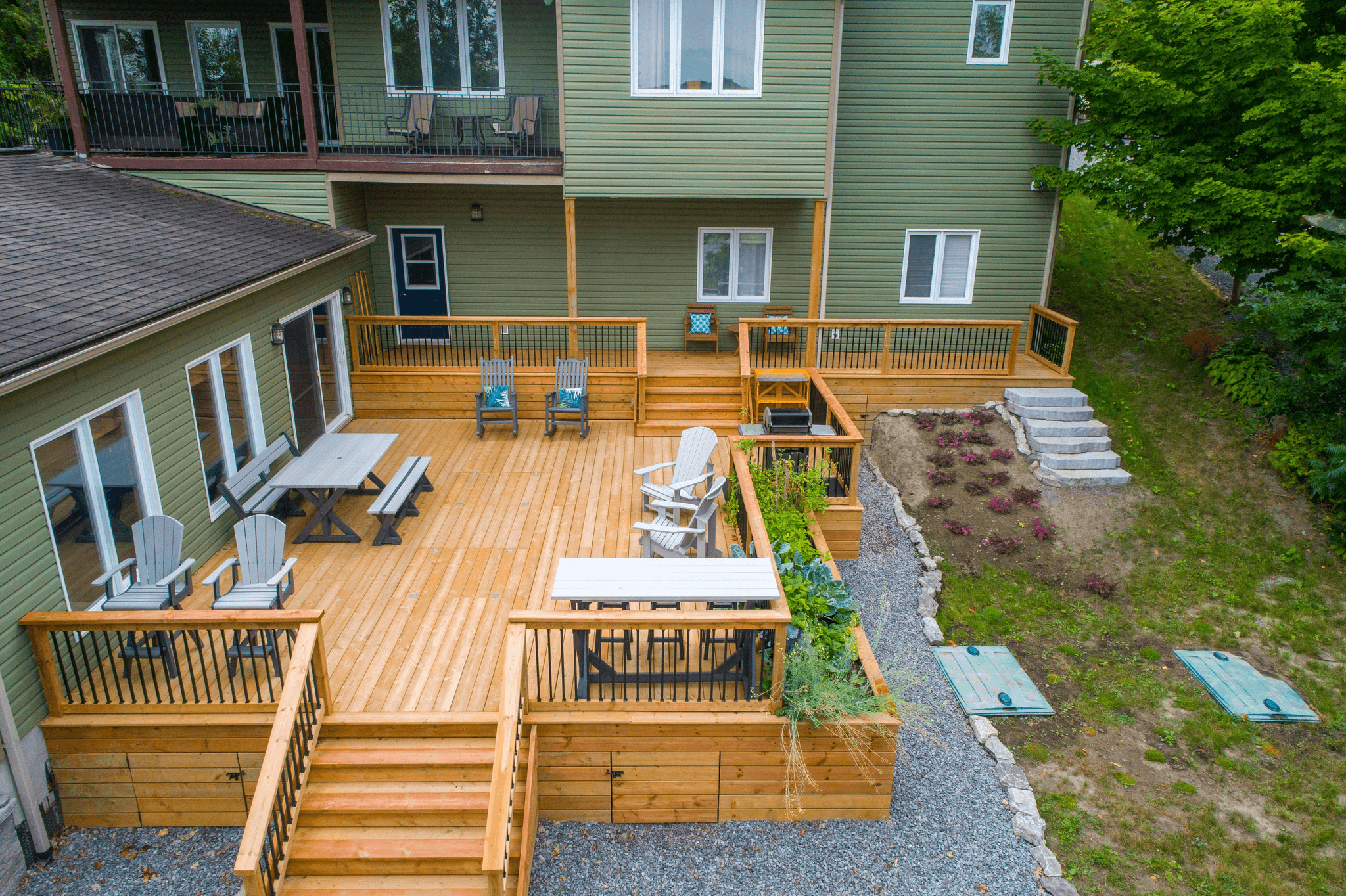
Creating a flush ground level deck can transform your outdoor space into a welcoming oasis that blends seamlessly with your landscape. As you design your ideal outdoor area, consider how the layout, materials, and features will work together to enhance both aesthetics and functionality. With careful planning and the right resources, you can create a deck that not only meets your needs but also adds value to your home.
Designing Your Ideal Outdoor Space
When designing your flush ground level deck, think about how you want to use the space—will it be for entertaining guests, relaxing with family, or simply enjoying some quiet time outdoors? Incorporating elements like comfortable seating, decorative planters, and ambient lighting can elevate the overall experience of your deck. Remember that choosing the right colors and textures in composite decking will contribute significantly to creating an inviting atmosphere.
You may also want to consider how the deck integrates with existing landscaping features. For instance, if you have a garden or trees nearby, positioning your composite deck boards in harmony with these elements can create a cohesive look. The goal is to ensure that every aspect of your outdoor space feels intentional and well thought out.
Enjoying the Benefits of Composite Decking
One of the standout advantages of using composite decking for your flush ground level deck is its low maintenance nature; no more worrying about rotting wood or constant staining! This means more time enjoying your outdoor space rather than spending weekends on upkeep tasks like sanding or sealing. Plus, composite materials are designed to withstand various weather conditions while maintaining their beauty over time.
Another benefit is sustainability; many composite deck boards are made from recycled materials which helps minimize environmental impact. By choosing eco-friendly options for DIY deck building projects, you're contributing positively to our planet while enhancing your living space. This blend of practicality and environmental consciousness makes composite decking an excellent choice for homeowners looking to enjoy their decks without guilt.
Resources for Your DIY Deck Building Journey
Embarking on a DIY project like building a flush ground level deck requires access to reliable resources and tools. Start by gathering information from reputable websites or local home improvement stores where you can find guides specifically tailored for working with composite decking materials. You might also consider joining online forums or community groups dedicated to DIY enthusiasts where you can share tips and ask questions about best practices.
Additionally, don’t underestimate the value of instructional videos; visual aids can provide step-by-step guidance that makes complex tasks much easier! Whether you're learning how to properly install composite deck boards or seeking advice on design ideas, these resources will help ensure success in your project. Remember that preparation is key—so equip yourself with knowledge before diving into those DIY adventures!